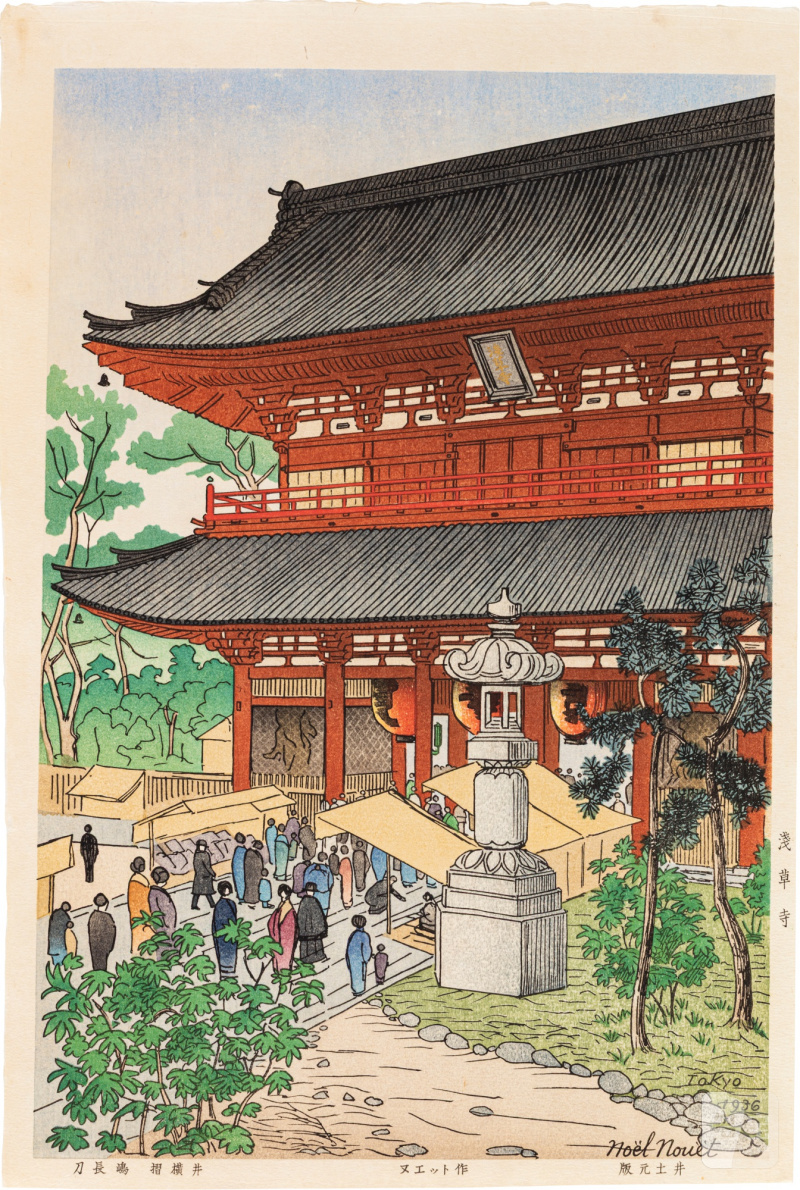

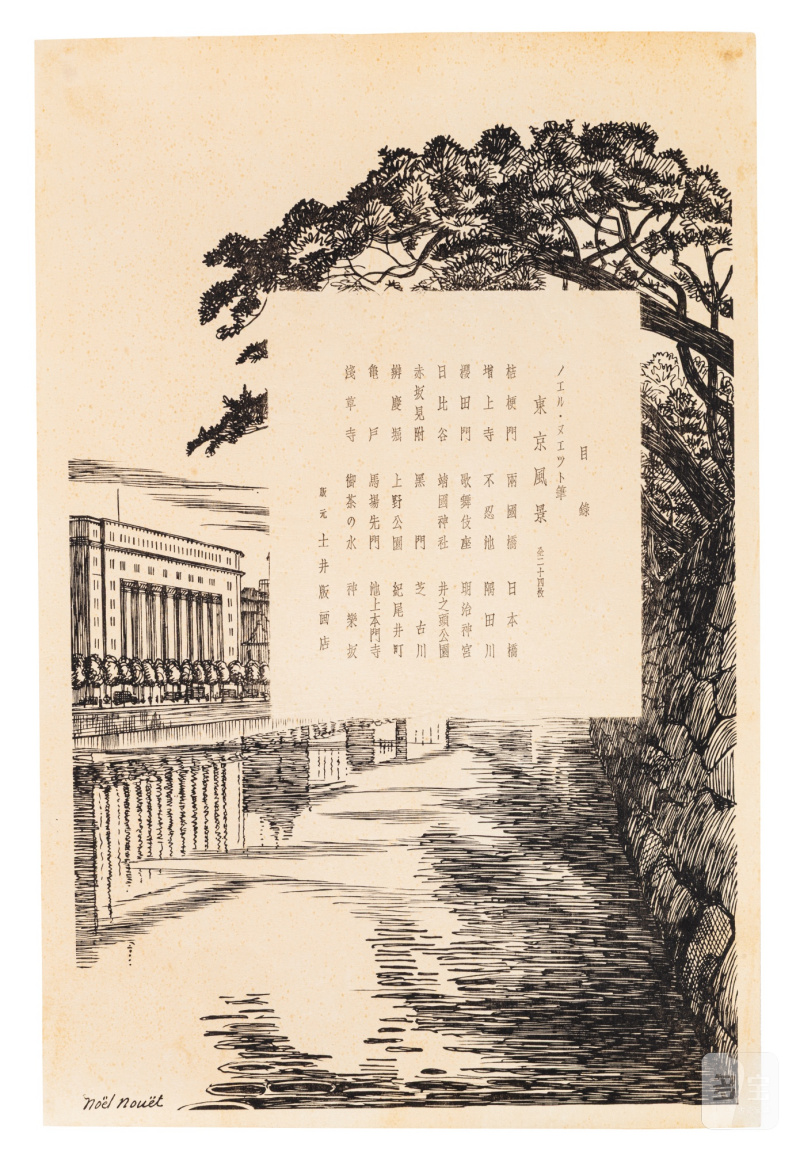
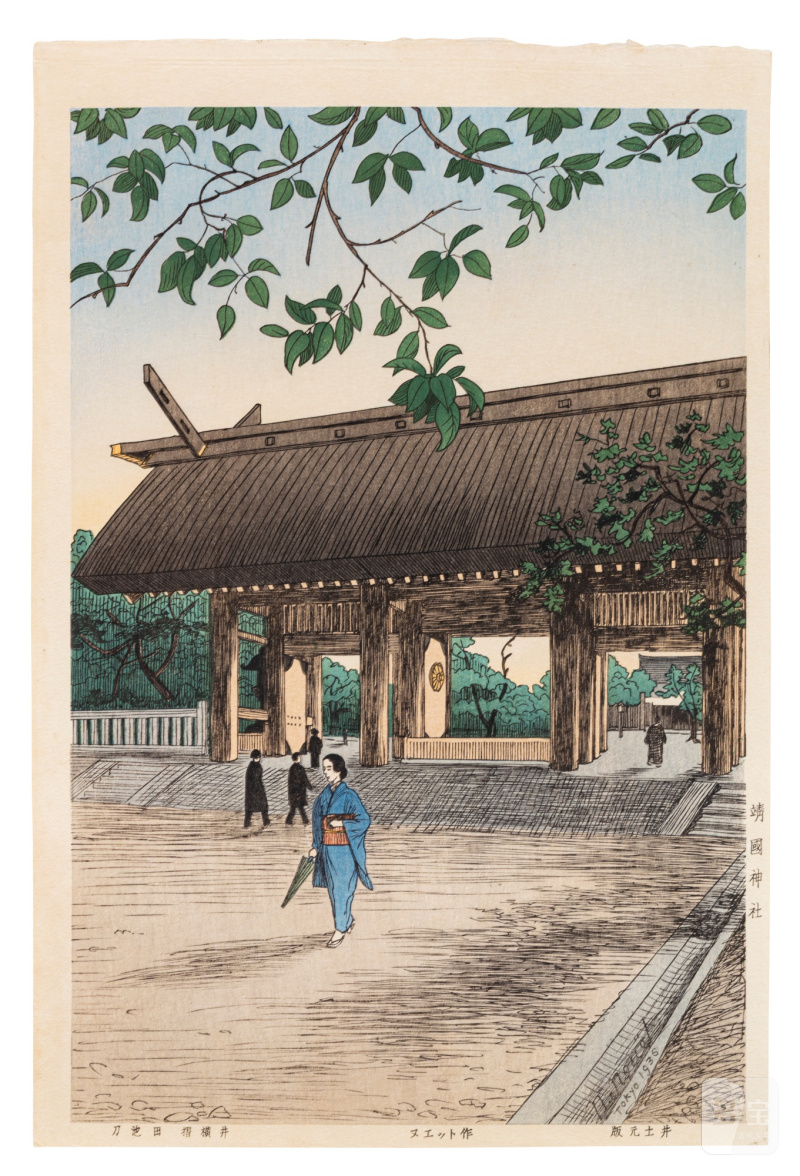
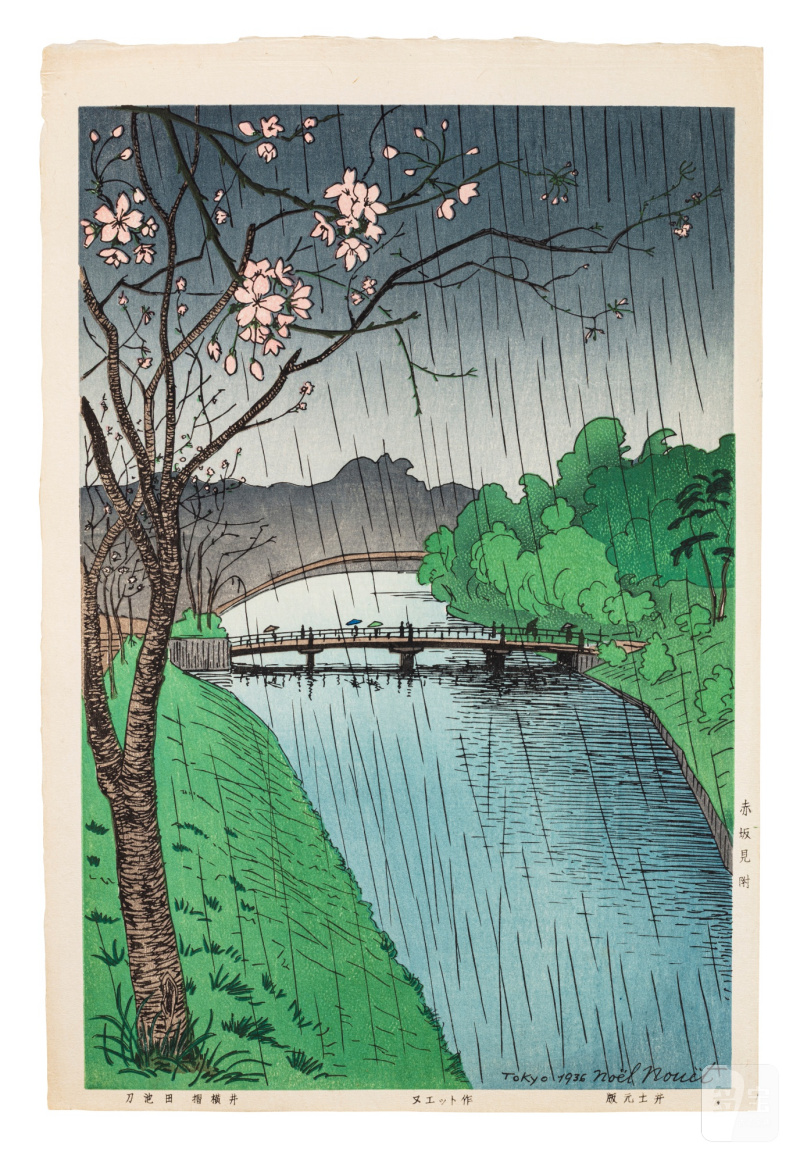
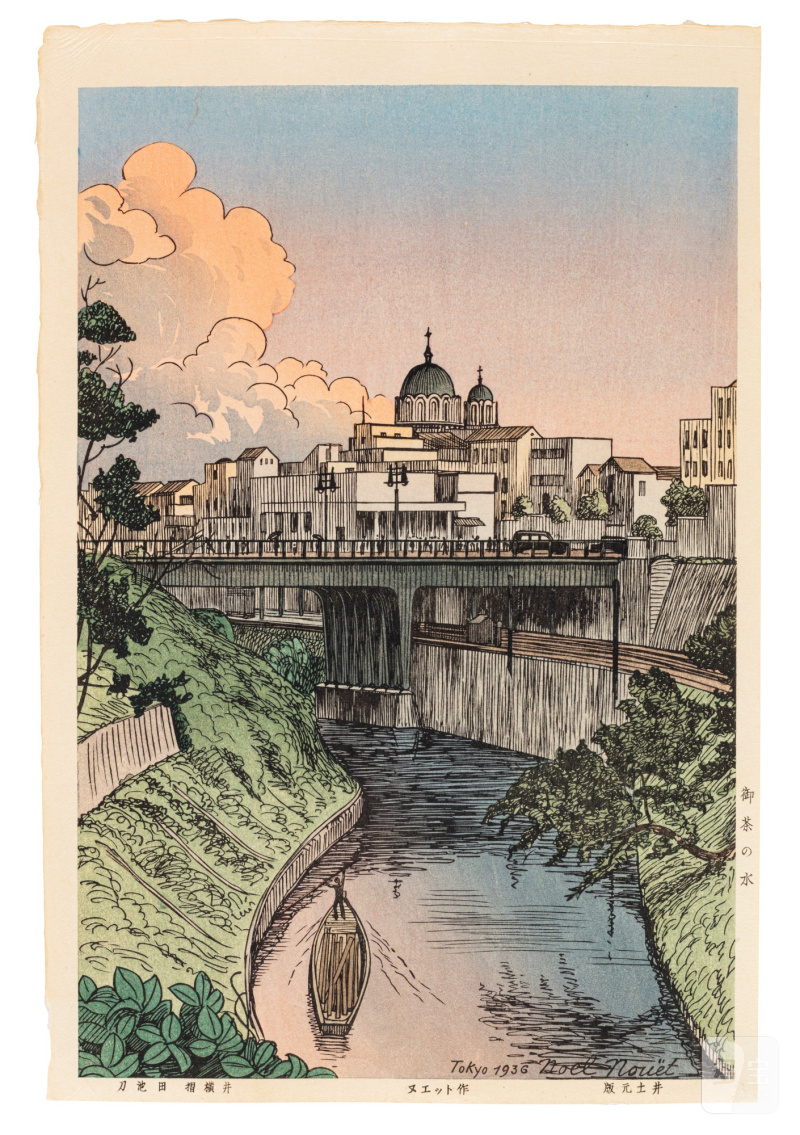
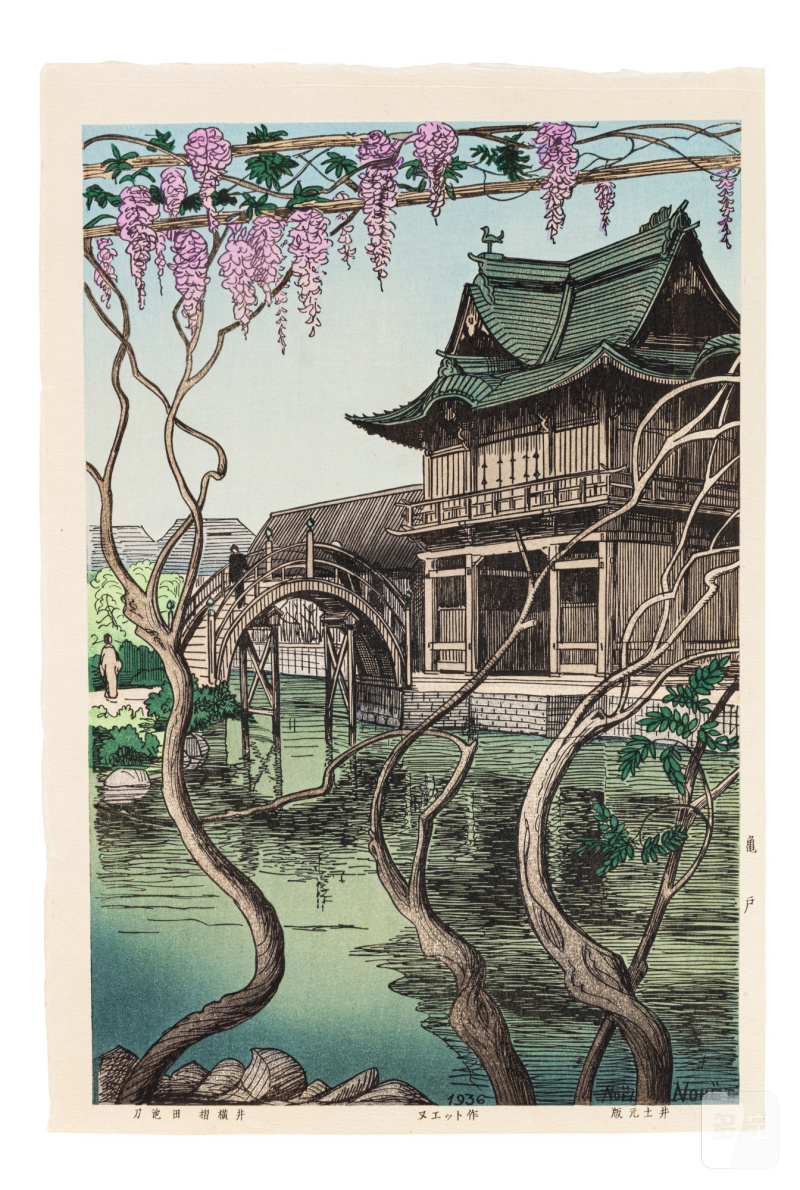
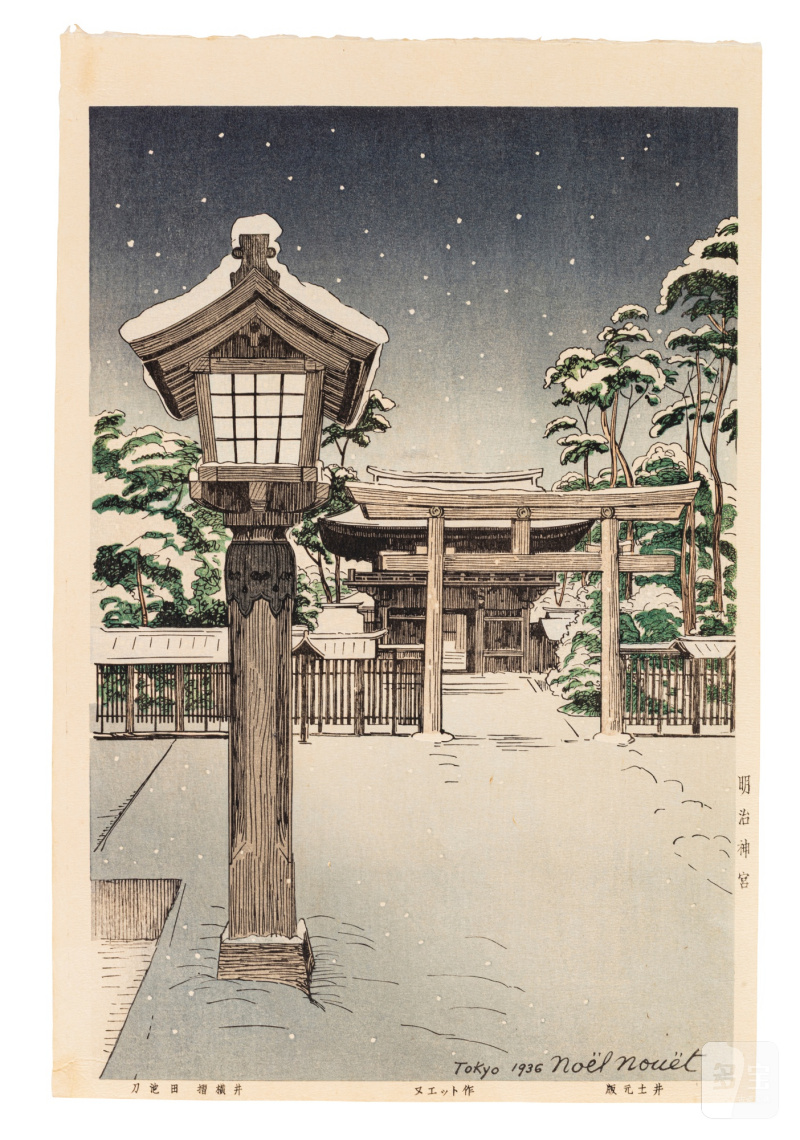
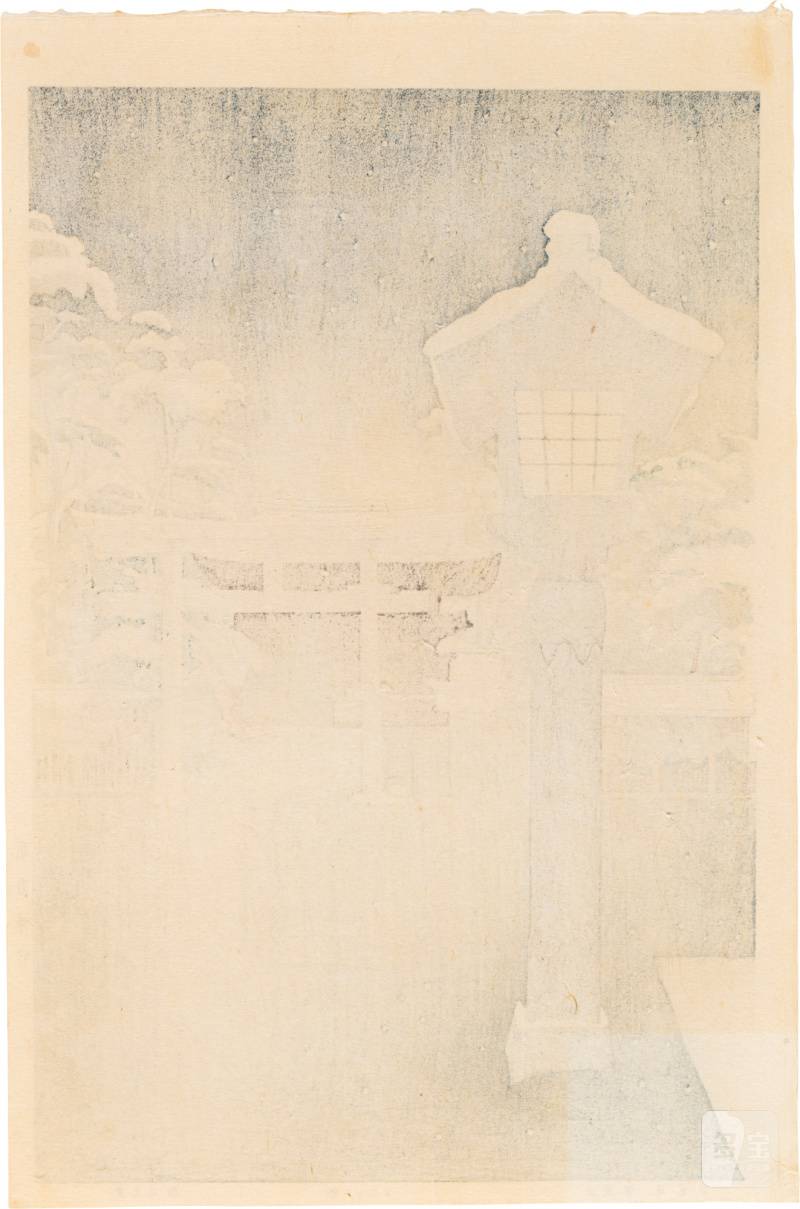
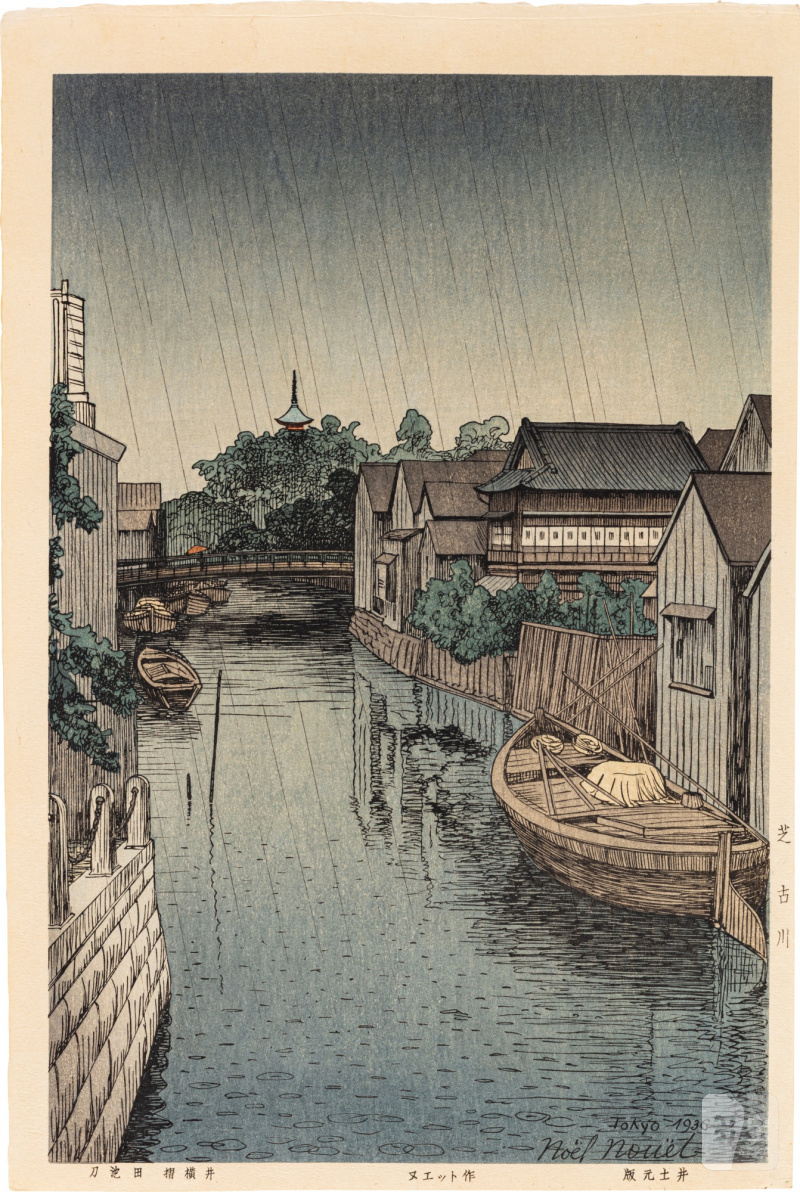
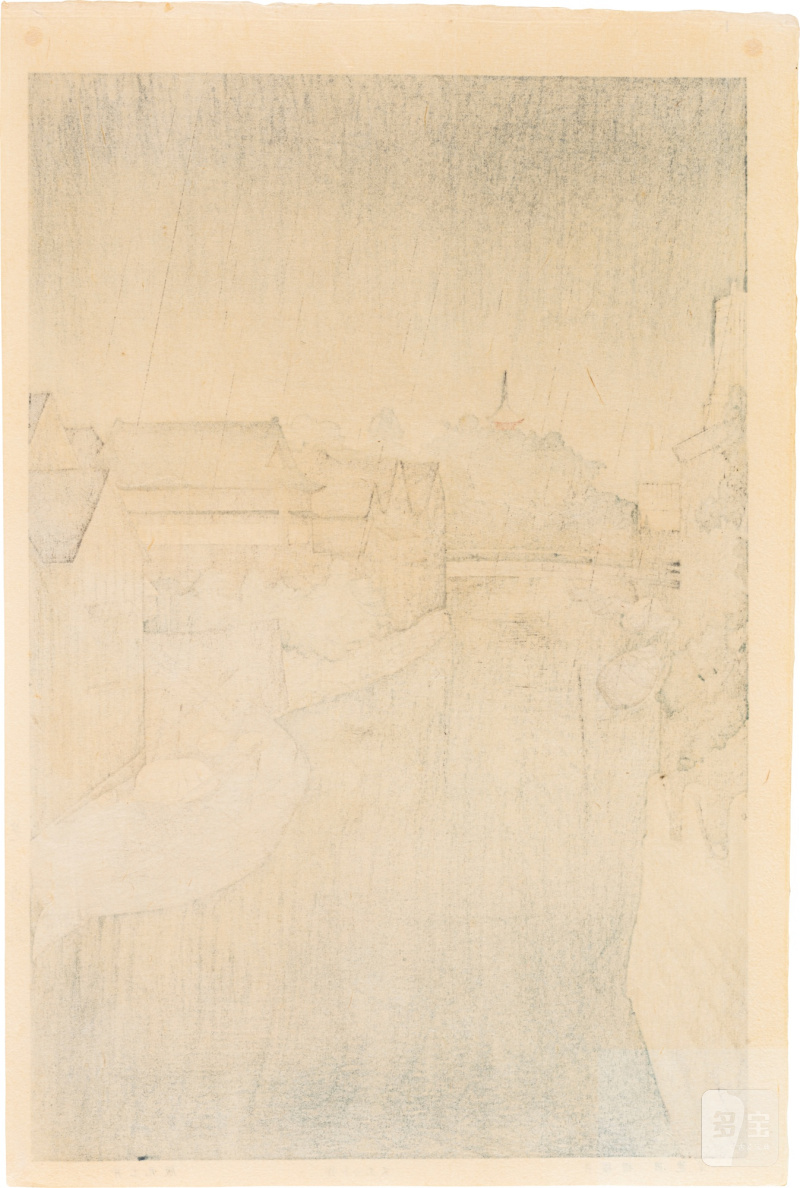
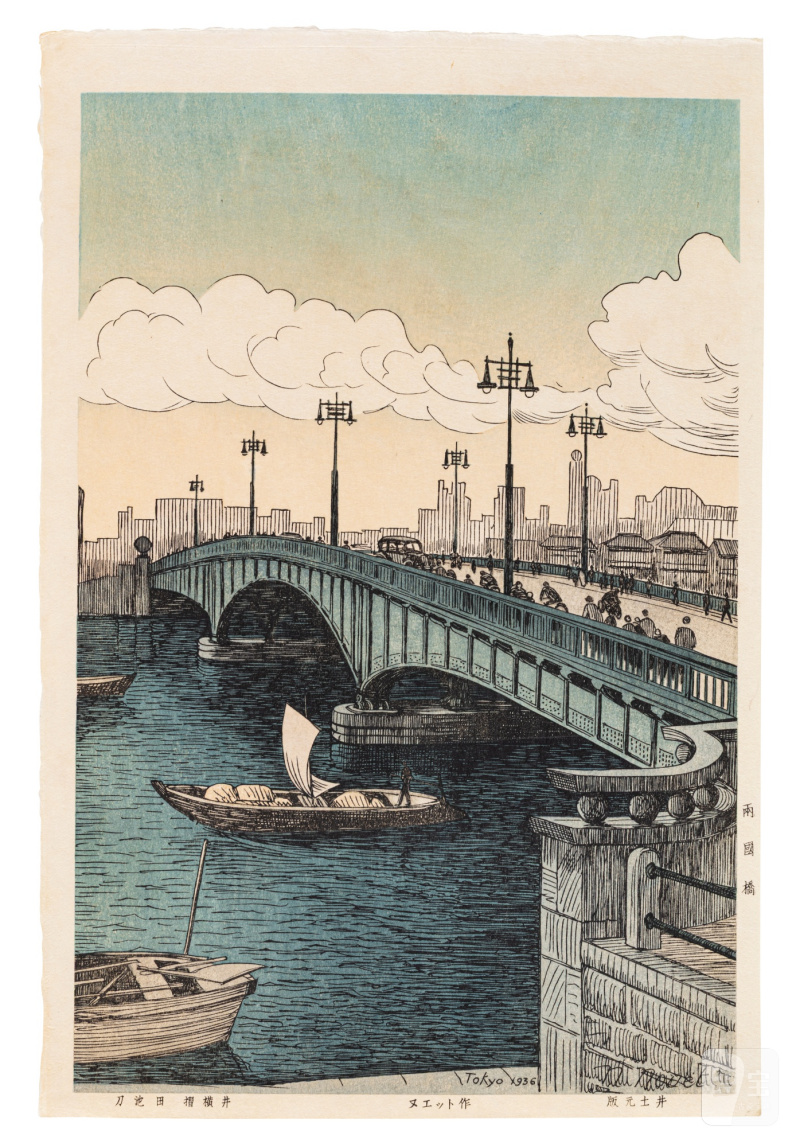
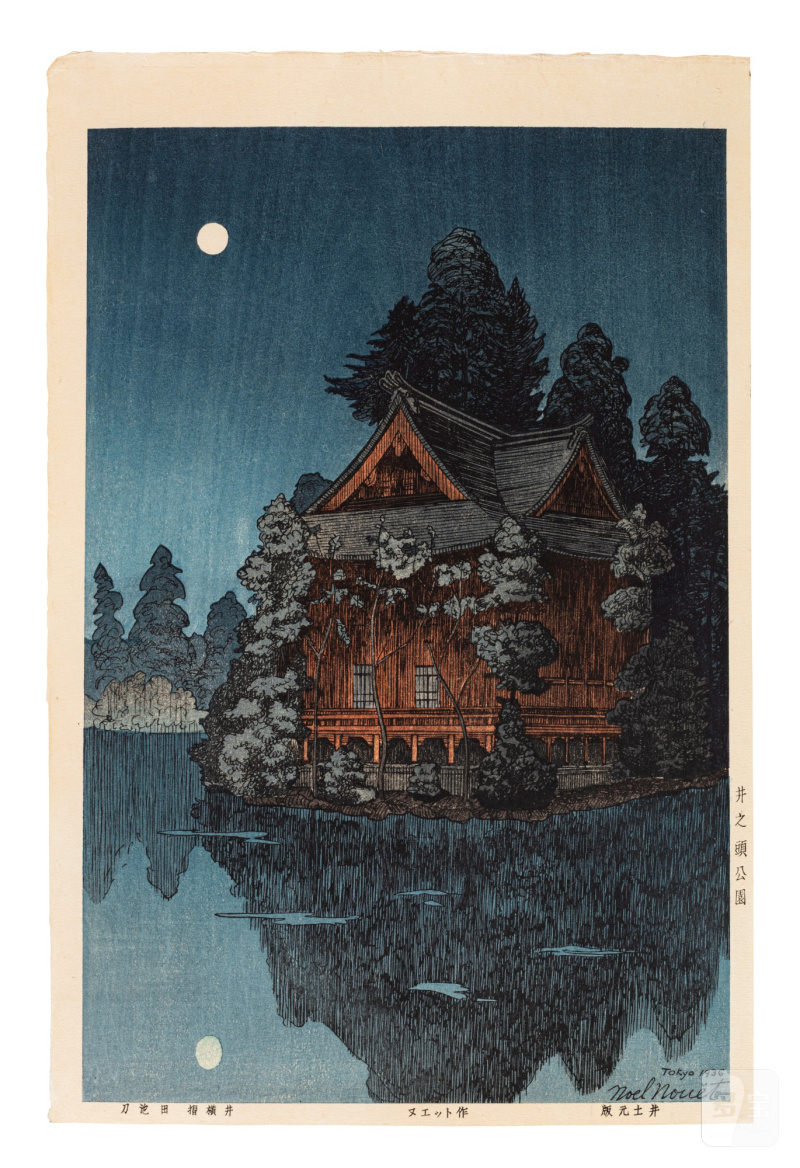
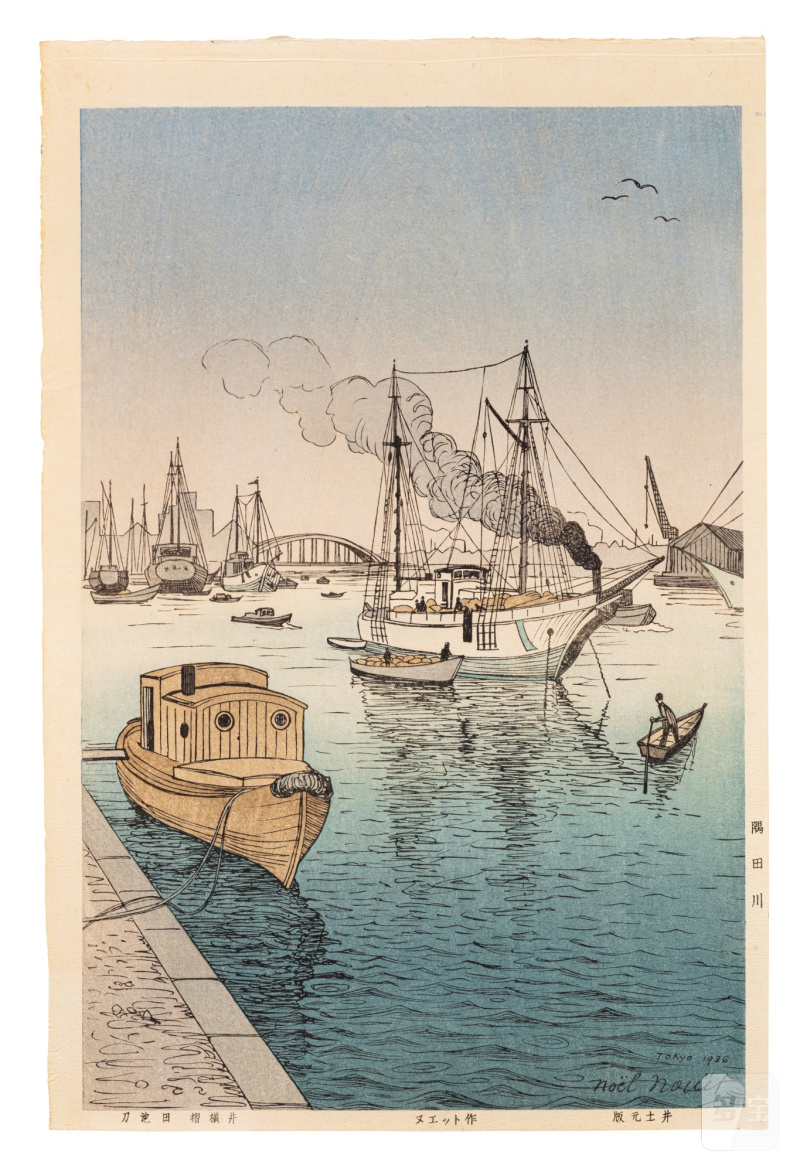
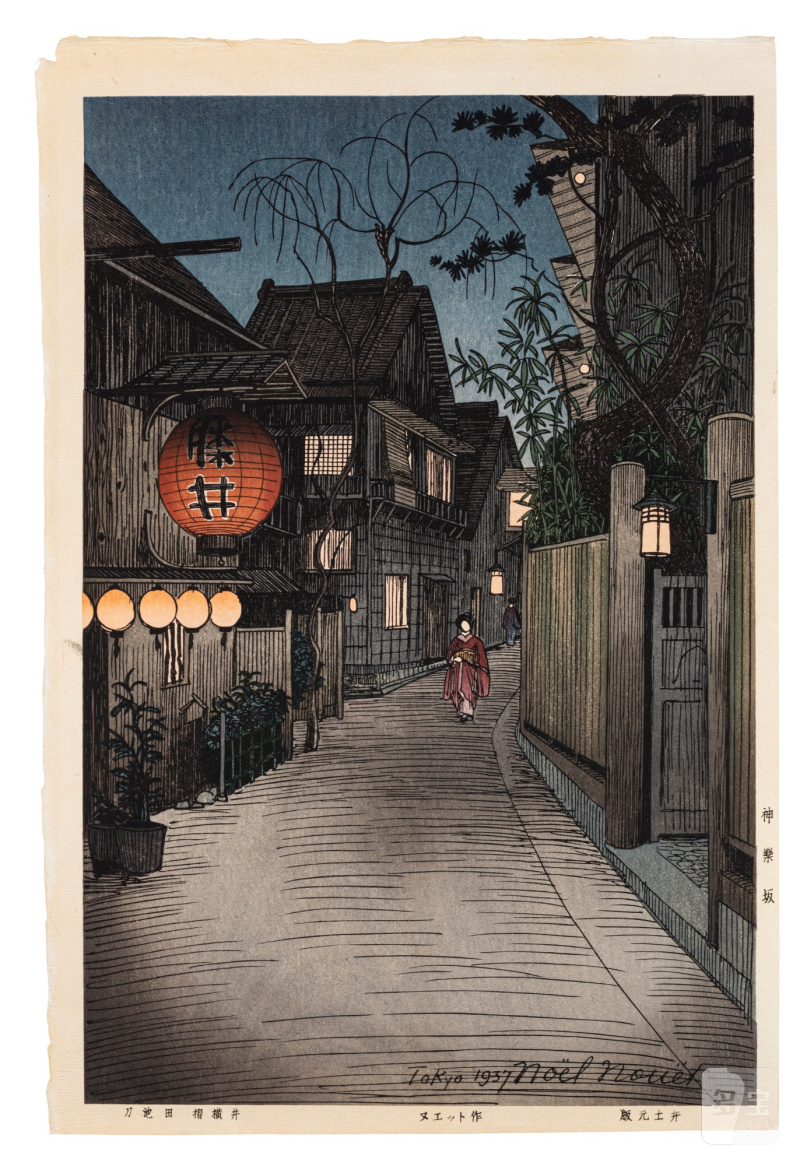
Lot 247 Noël Nouët (1885-1969) | The complete set of Scenes of Tokyo, Twenty-four Views (Tokyo fukei zen nijuyonmai) | Showa period, 20th century
落槌价
****
成交价
****
| 拍卖公司 | 苏富比 |
|---|---|
| 拍卖时间 | 2026年06月11日 |
请安装多宝古瓷宝典APP,查看高清无损大图
拍品信息
拍品名称
Noël Nouët (1885-1969) | The complete set of Scenes of Tokyo, Twenty-four Views (Tokyo fukei zen nijuyonmai) | Showa period, 20th century
起拍价
EUR 18,000
估值区间
18,000 - 22,000 EUR
尺寸
未知
品相
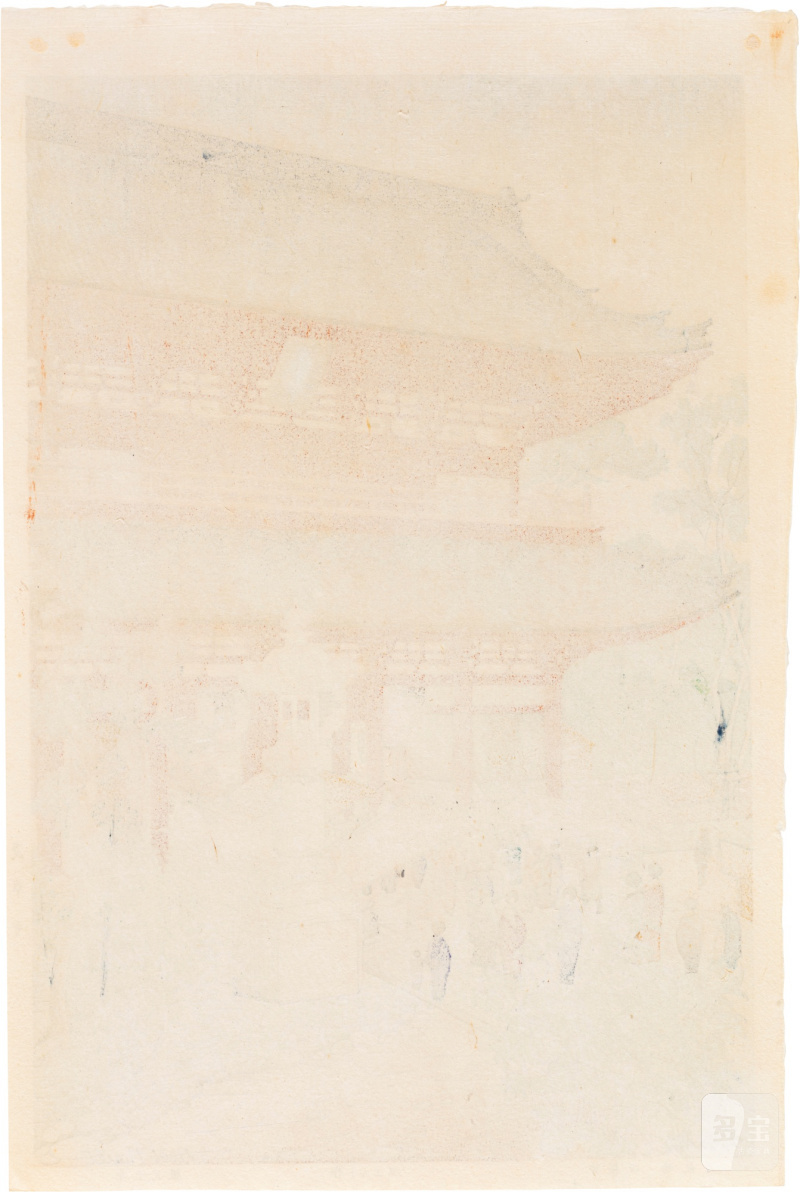
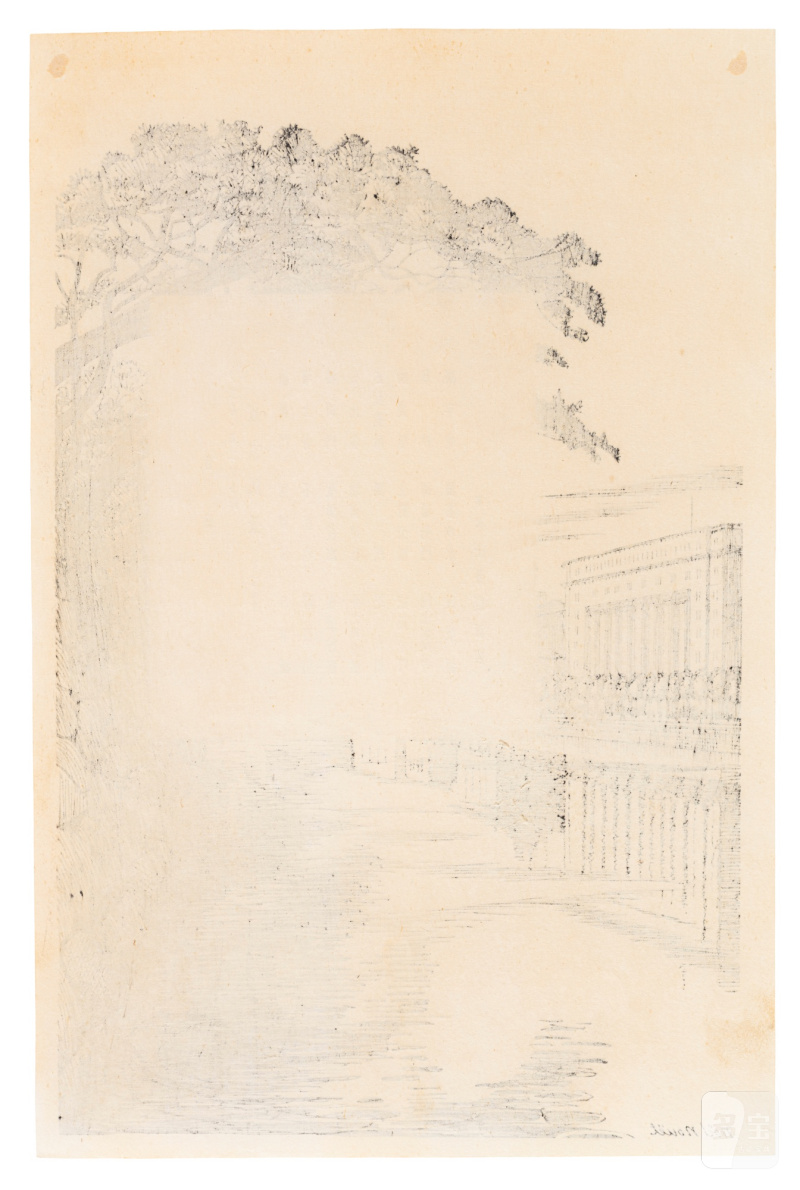
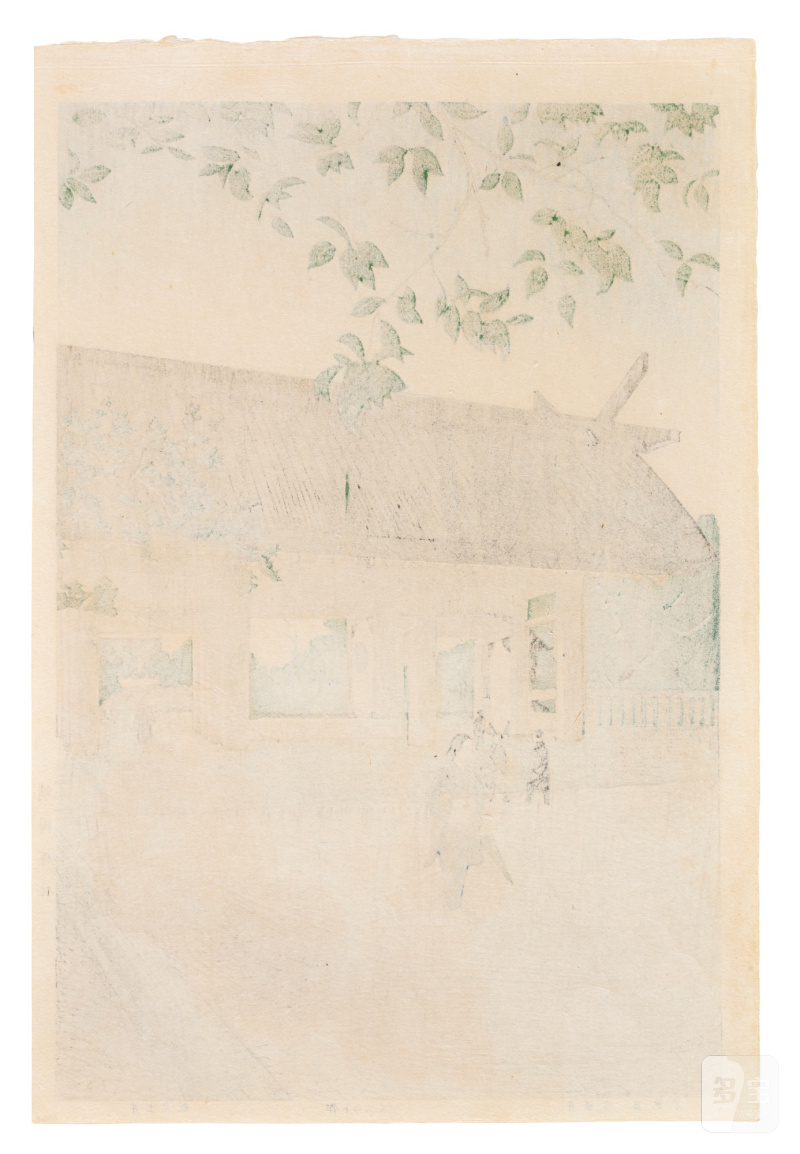
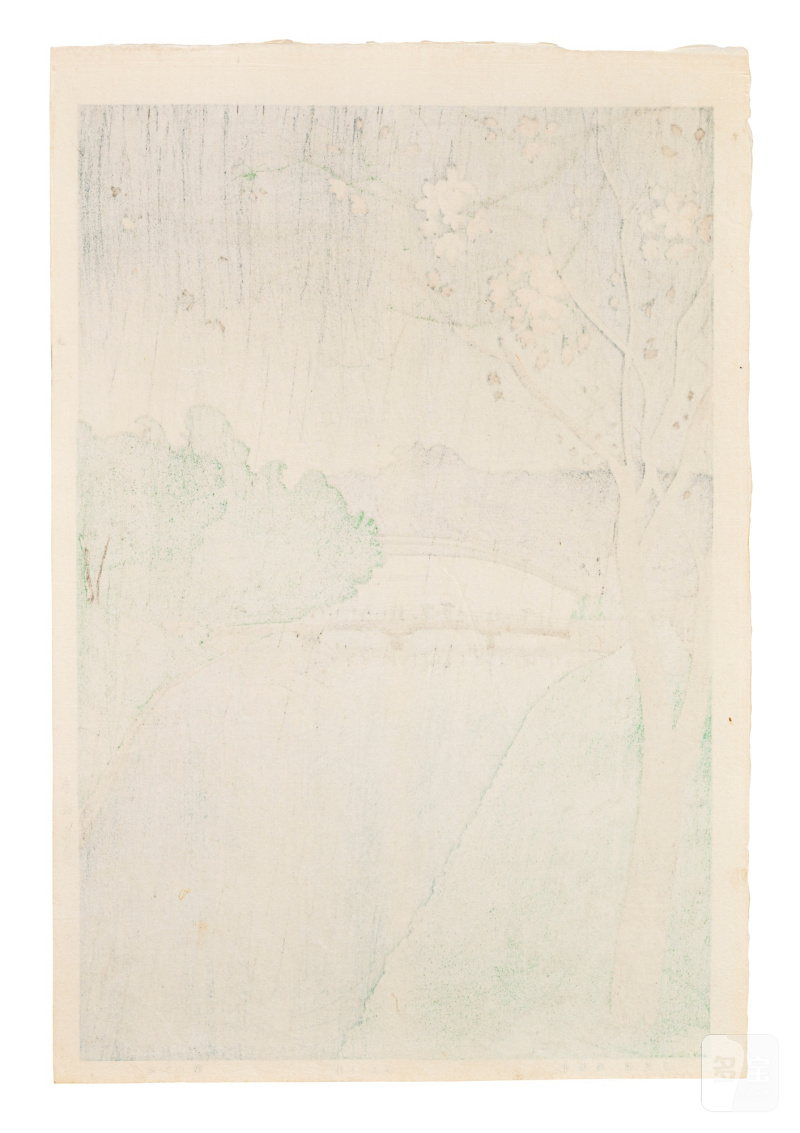
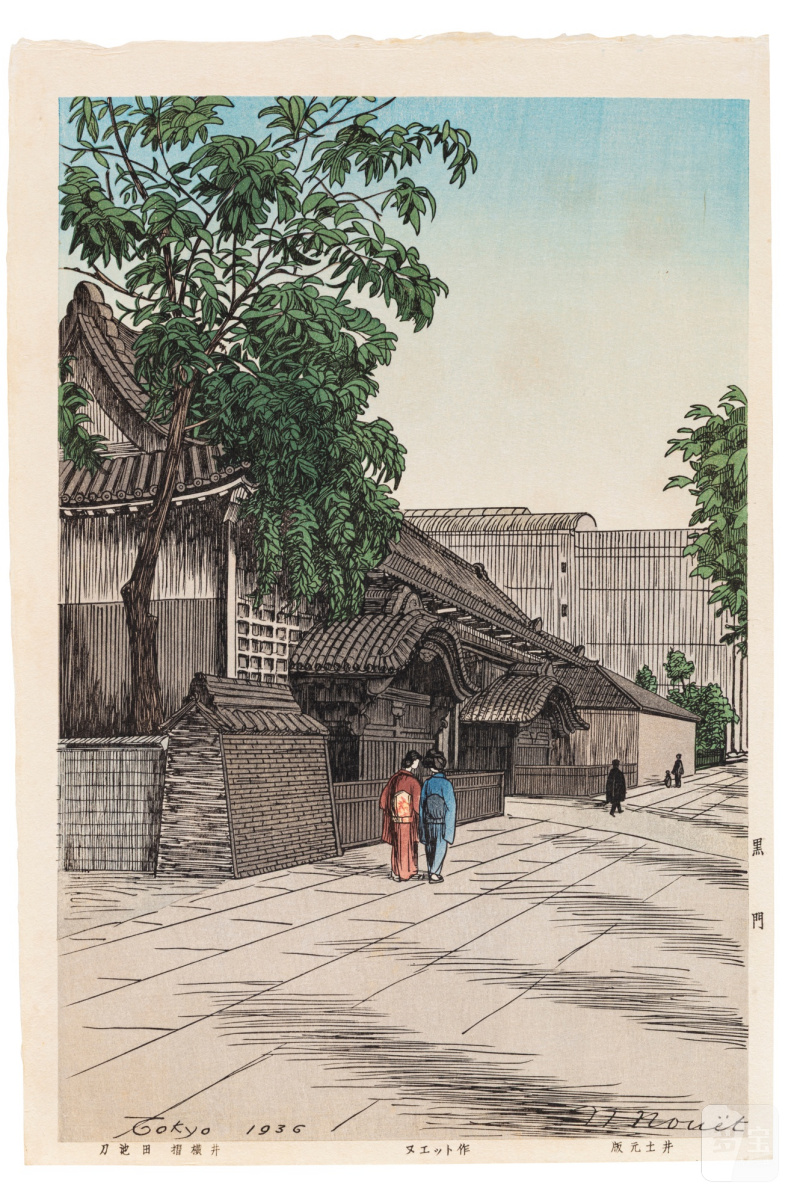
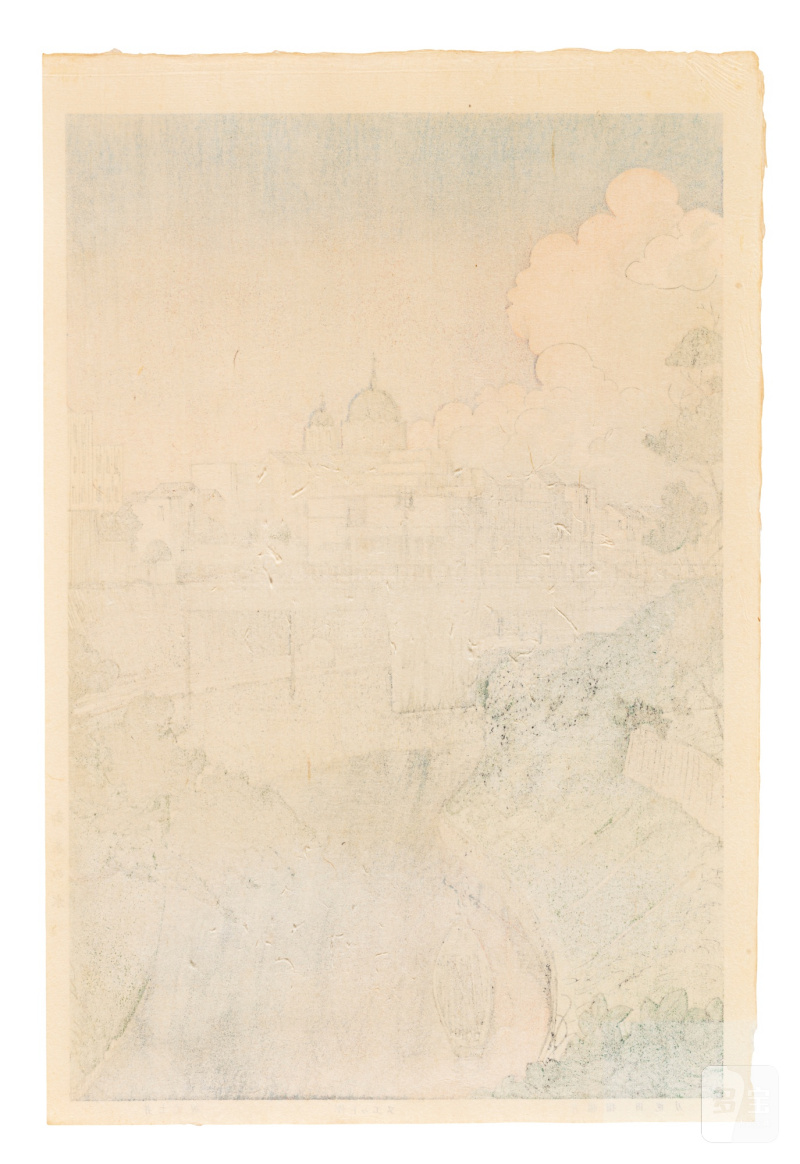
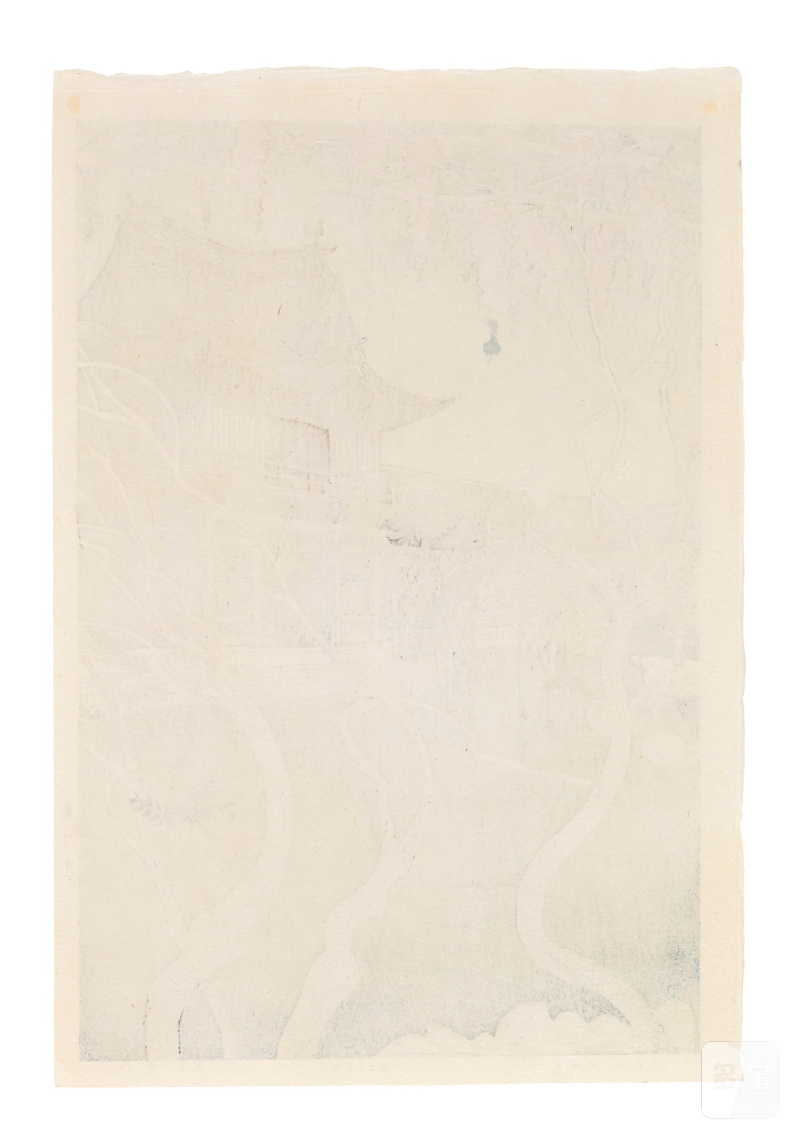
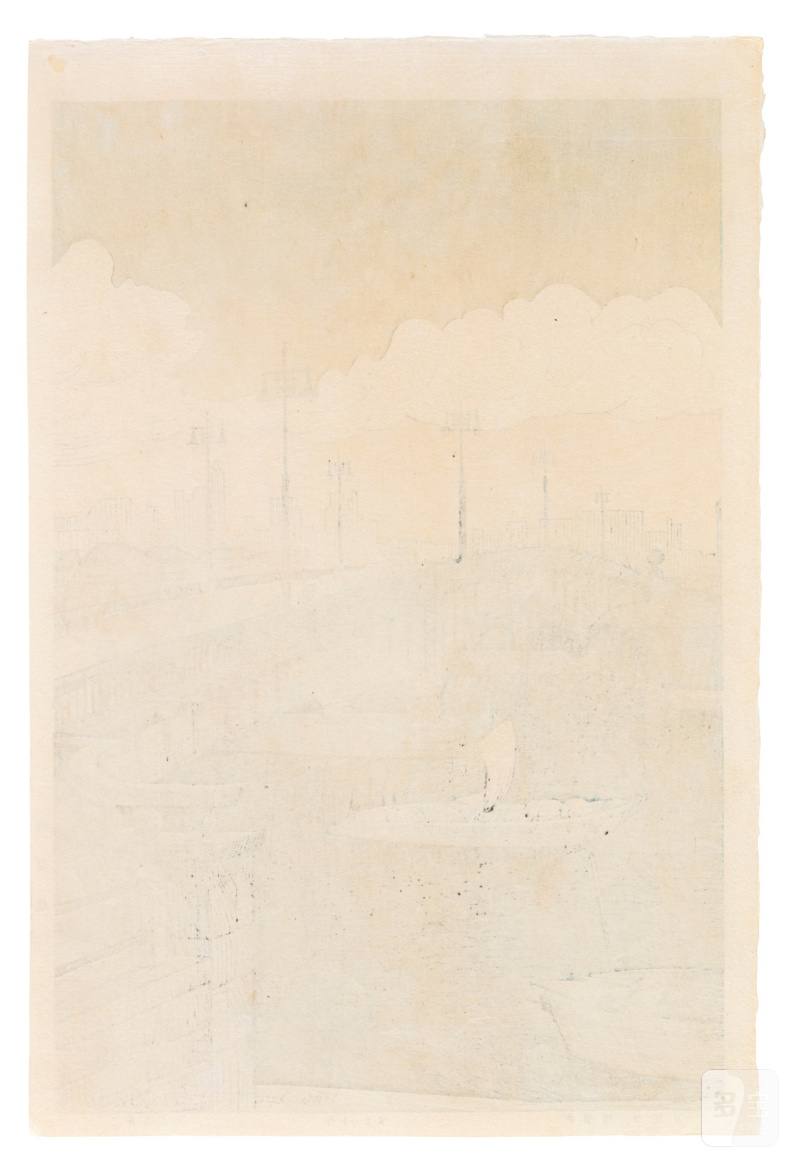
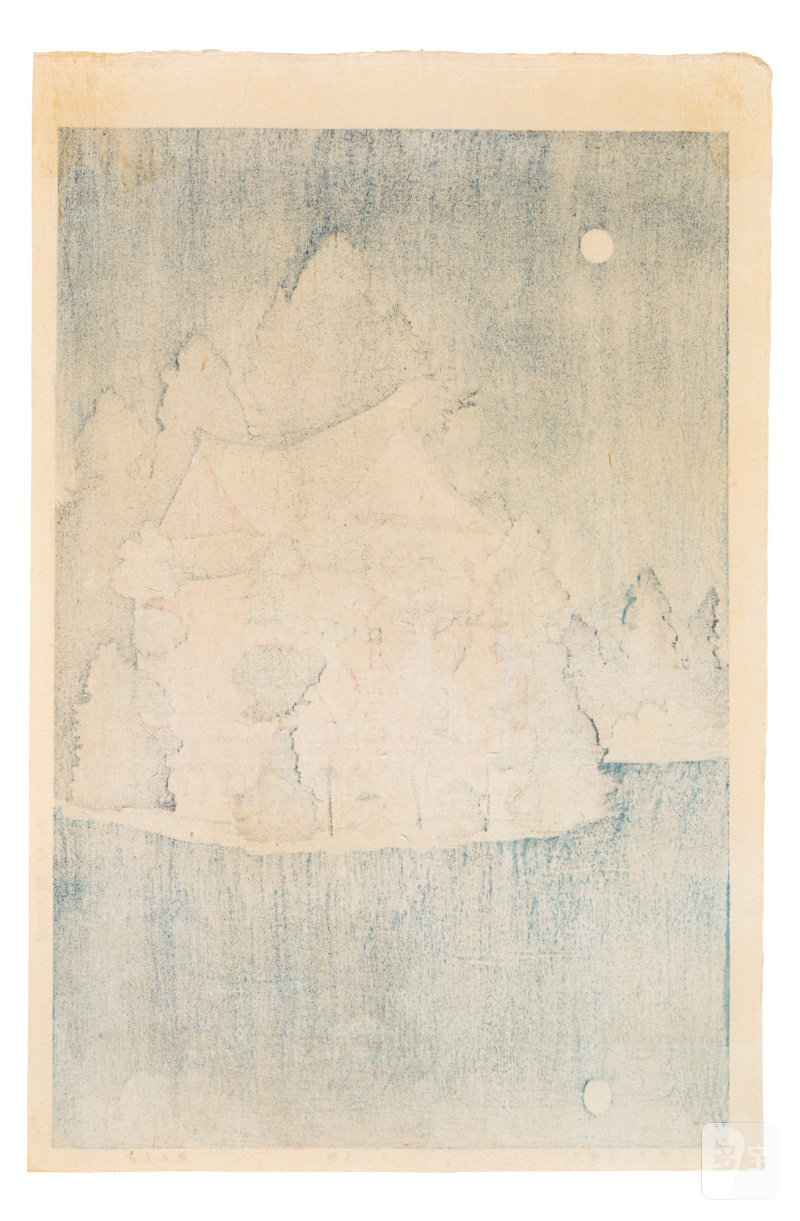
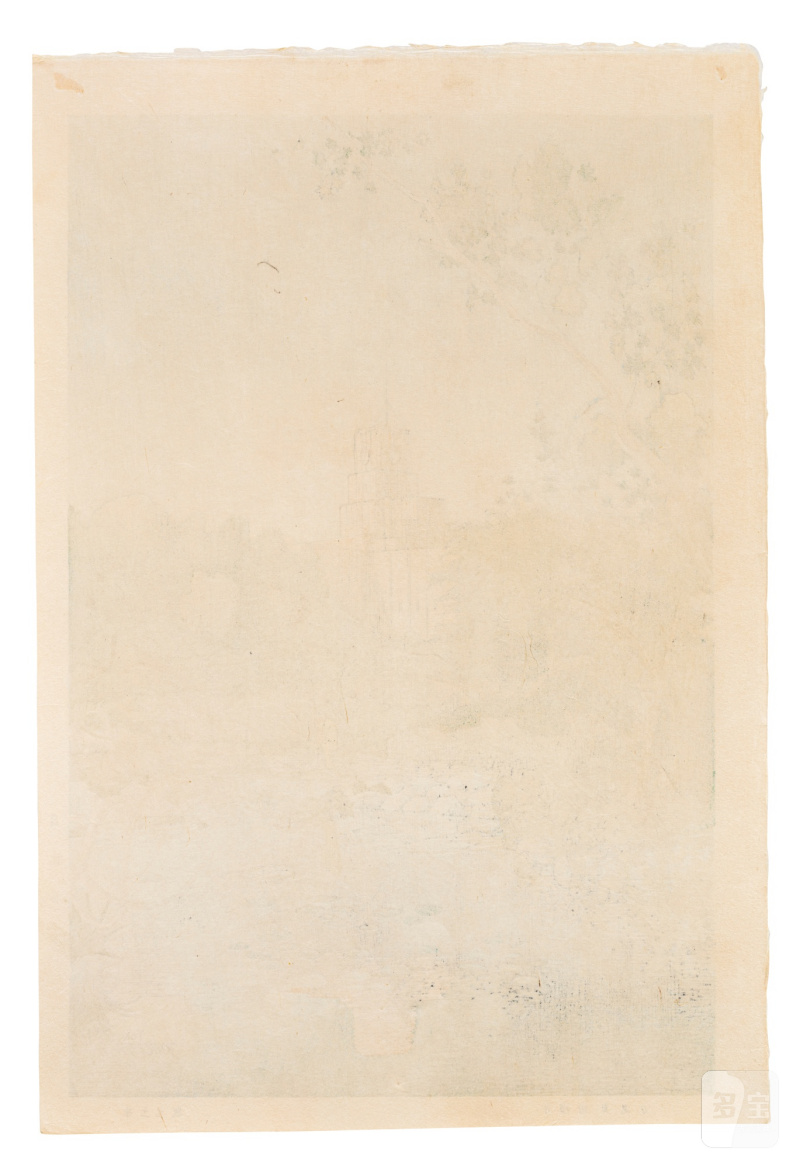
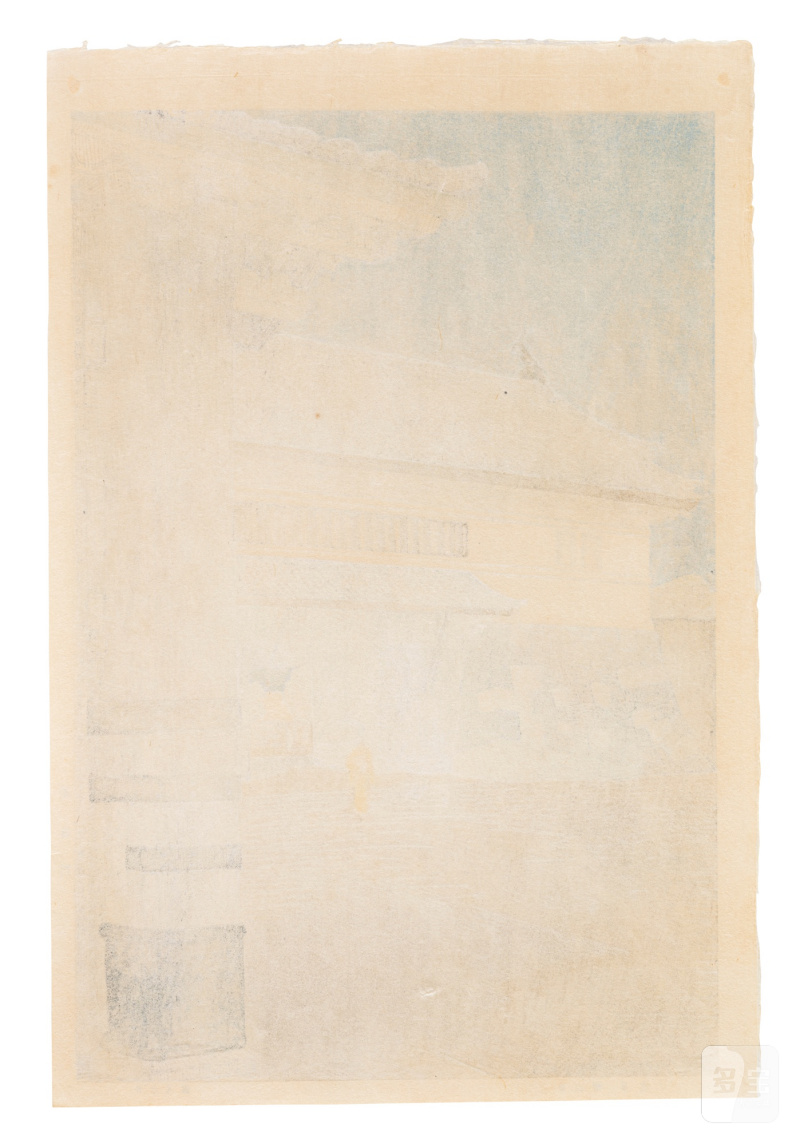
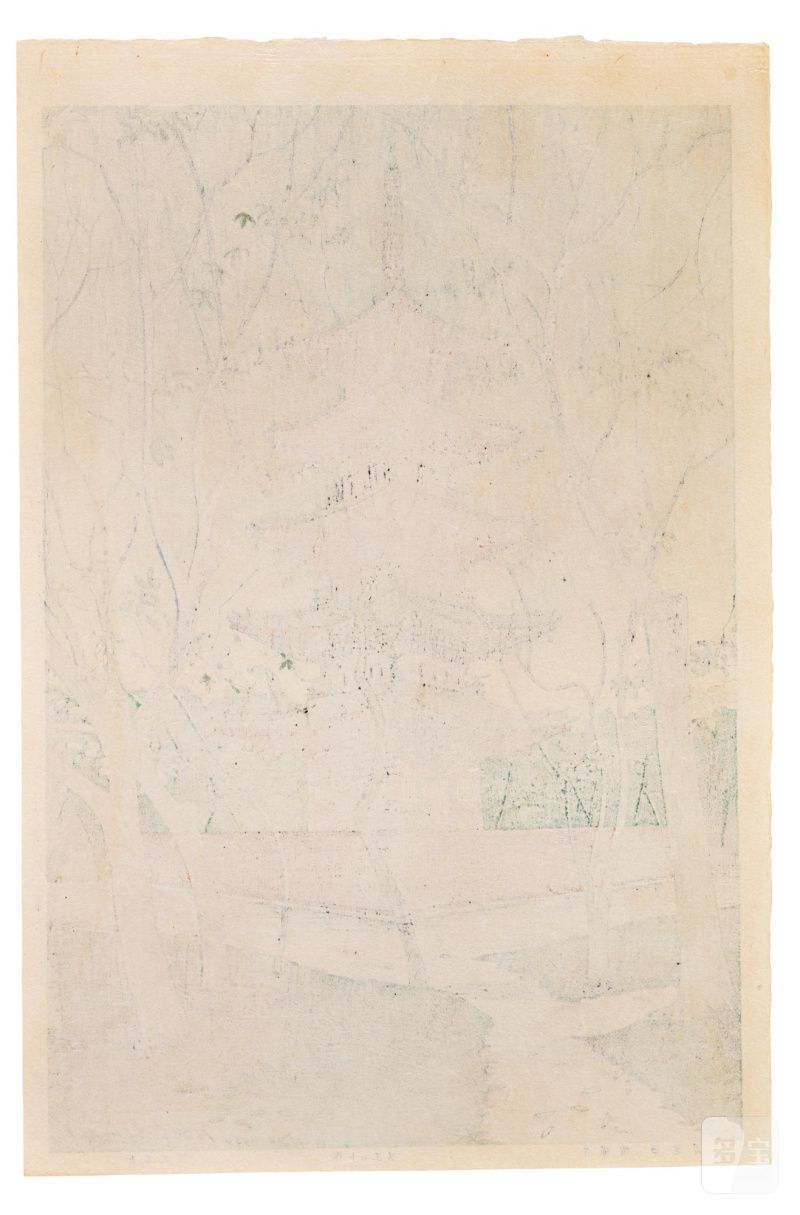
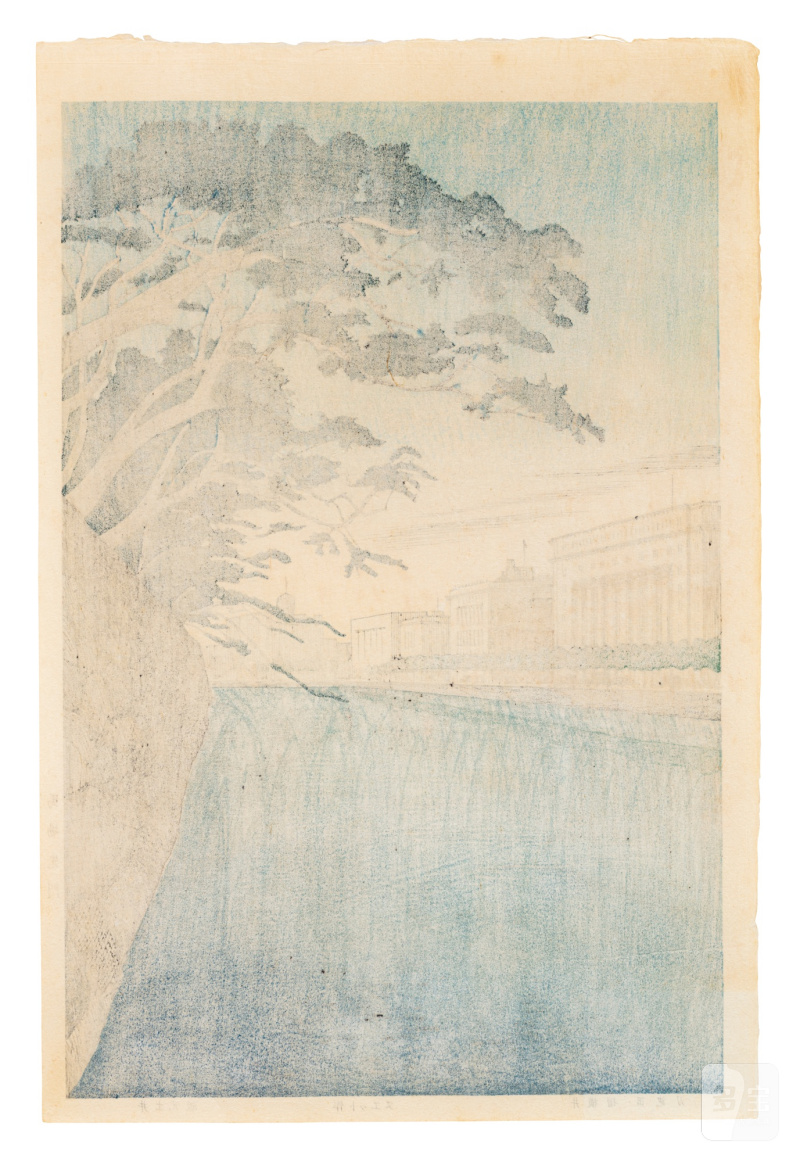
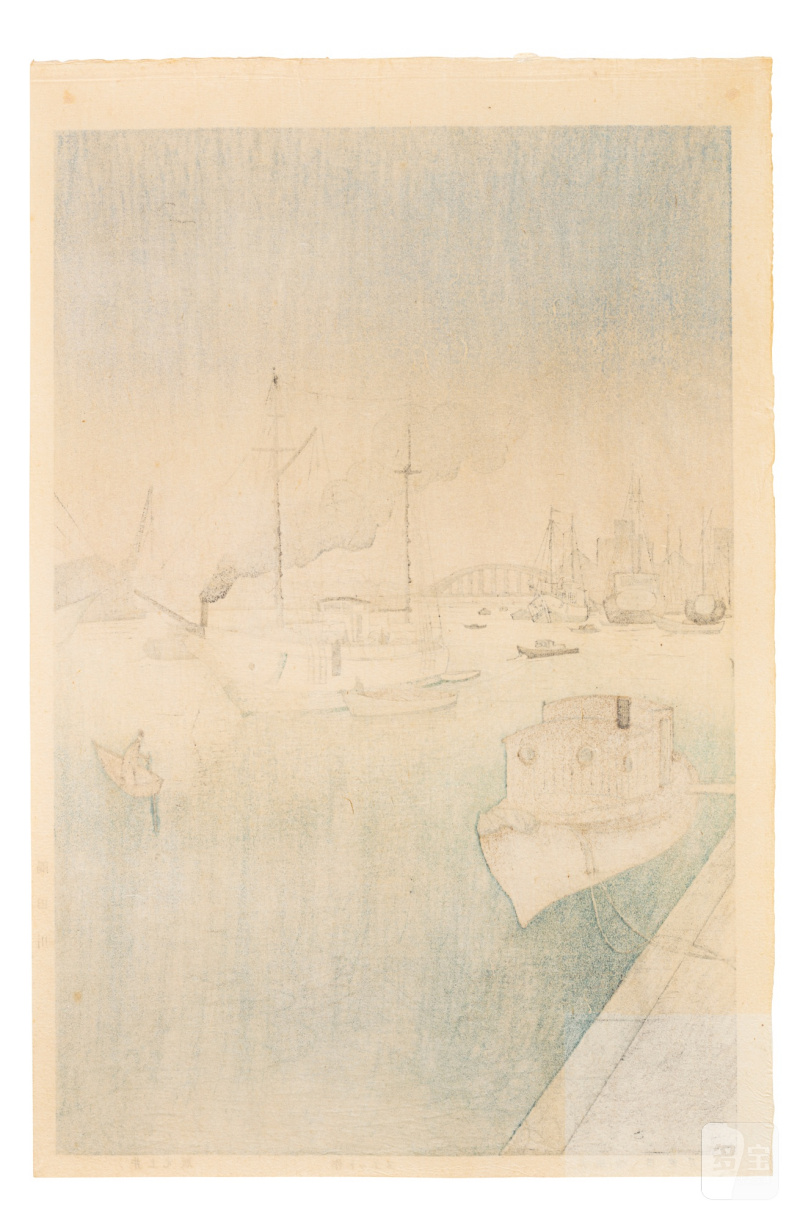
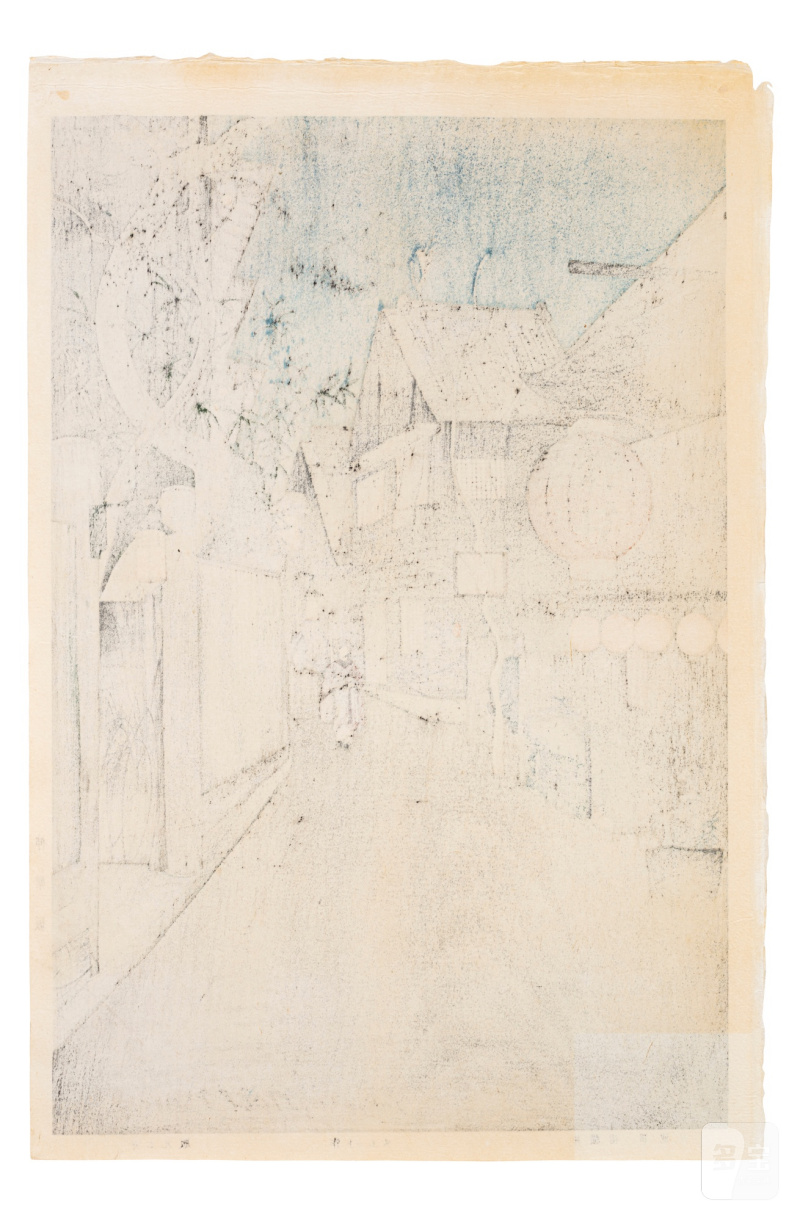
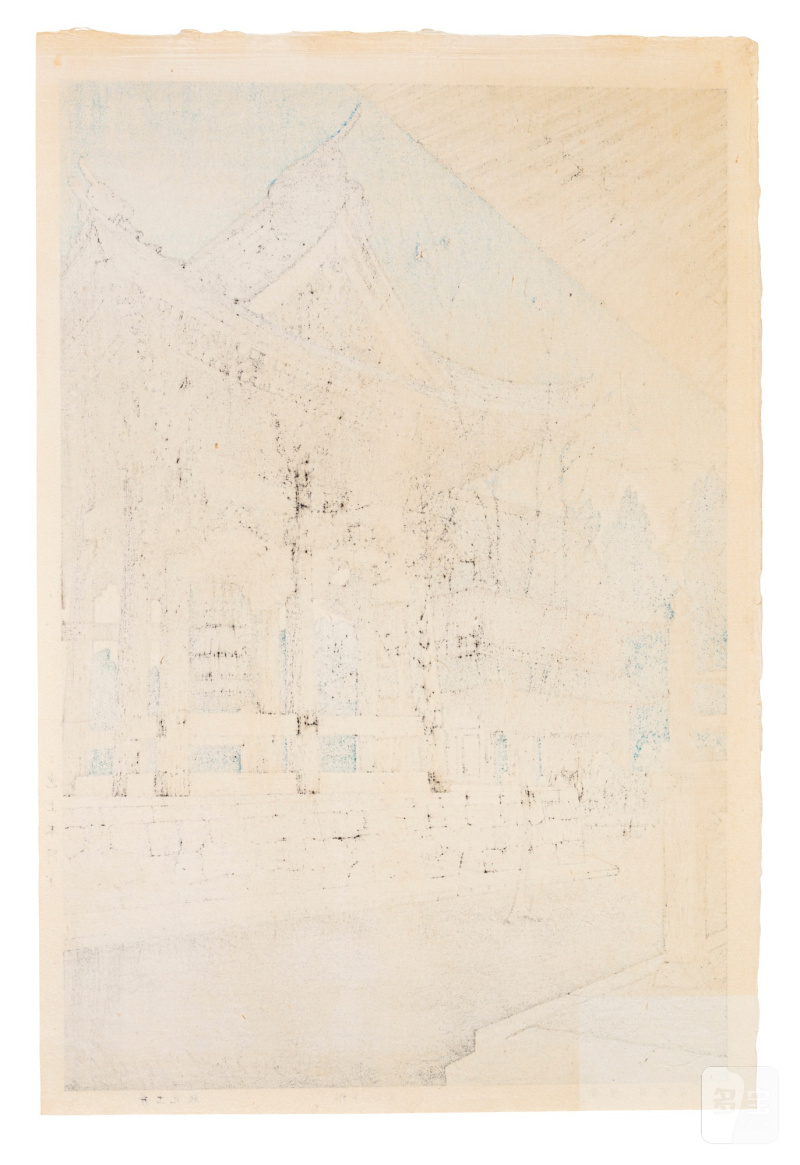
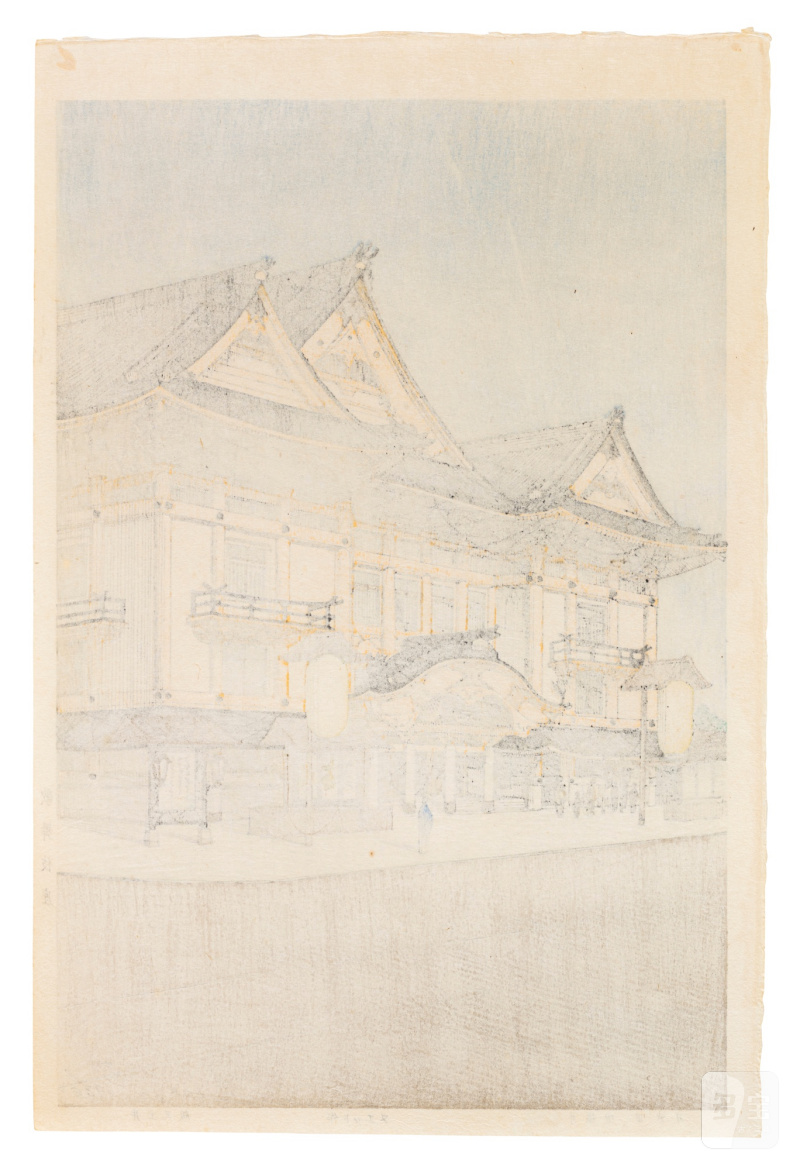
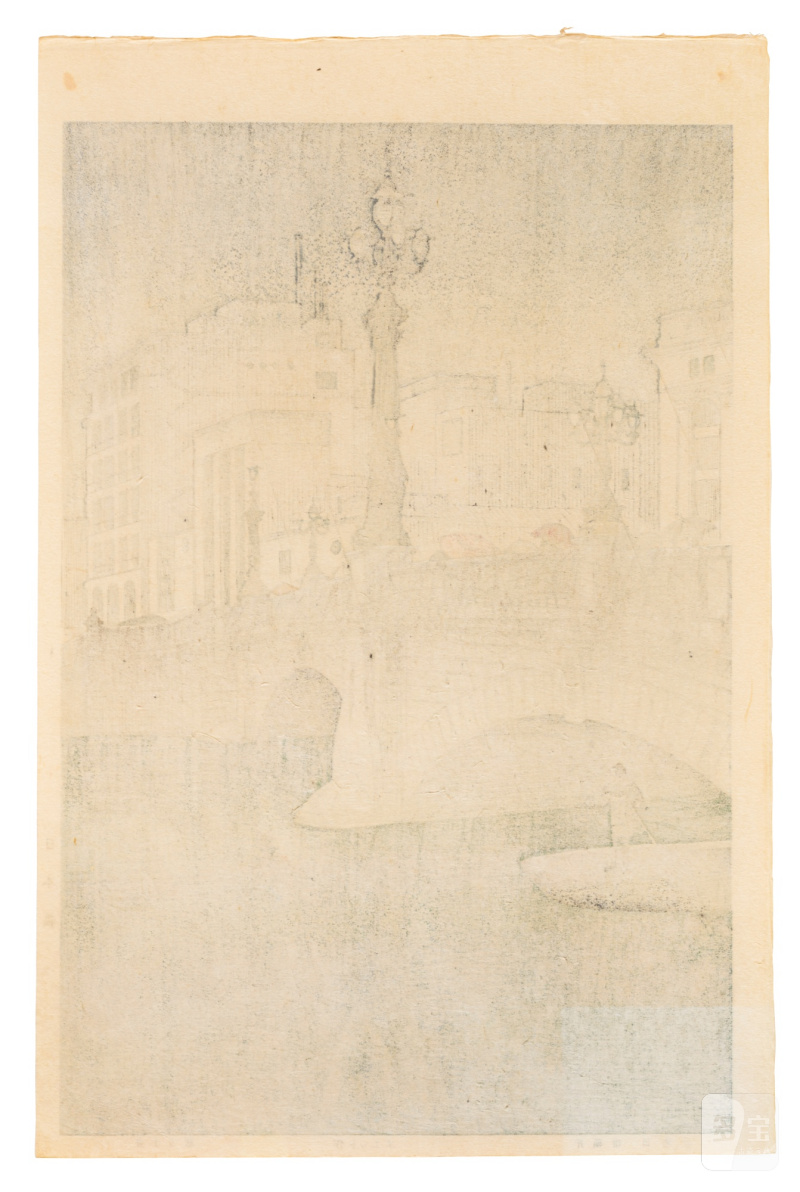
Each good impression and colour, minor toning, some sheets with slight uneven toning to verso as can be seen in the illustrations, traces of minor tape residue to the top left and right corners of verso, the contents page with foxing, toning, slight thinning to the bottom right corner; Kabukiza Threate with some slight marks in places (particularly in the bottom margin); Kagurazaka with minor rubbing; Sumida River with a few very minor creases to margins; Babasakimon with a few very minor fox marks to margins; Zozoji Temple with a few very minor fox marks, traces of adhesive residue to the top left and right corners of verso; Sensoji Temple with traces of adhesive residue to the top left, top right and upper right corners showing through slightly to the front of the print in the margins; Kameido with traces of adhesive to the top right and left corners of verso; Ochanomizu with slight creasing to top left corner; The Black Gate with uneven toning within the sky; Akasaka Mitsuke with some light creasing in places.
If a condition report is provided to assist you with assessing the condition of the lot, it is for guidance purposes only. Such condition report may not refer to all faults, restoration, alterations, or adaptations because Sotheby's is not a professional conservator or restorer but rather a condition report is a statement of subjective, qualified opinion genuinely held by Sotheby's. For these reasons, any such condition report is not an alternative to taking your own professional advice regarding the condition of the lot. Prospective buyers should also refer to the Guide for Buyers at Auction which includes important notices concerning the type of property in this sale.
If a condition report is provided to assist you with assessing the condition of the lot, it is for guidance purposes only. Such condition report may not refer to all faults, restoration, alterations, or adaptations because Sotheby's is not a professional conservator or restorer but rather a condition report is a statement of subjective, qualified opinion genuinely held by Sotheby's. For these reasons, any such condition report is not an alternative to taking your own professional advice regarding the condition of the lot. Prospective buyers should also refer to the Guide for Buyers at Auction which includes important notices concerning the type of property in this sale.
更多信息
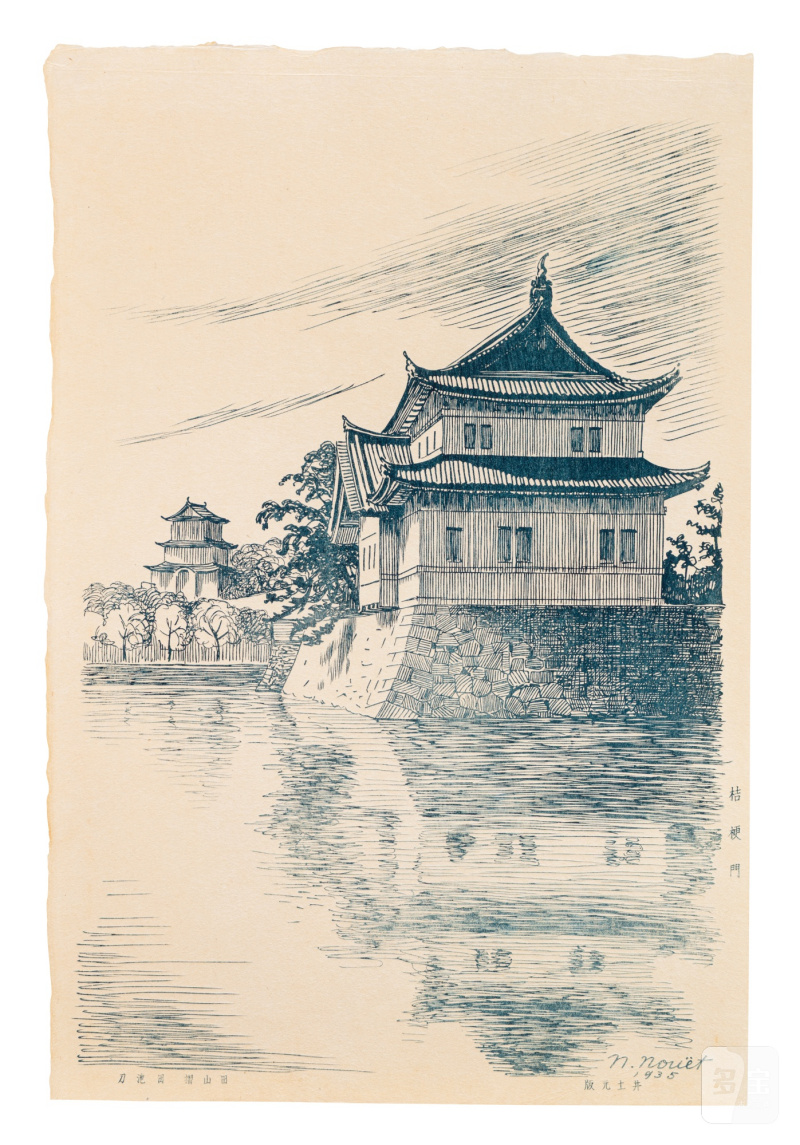
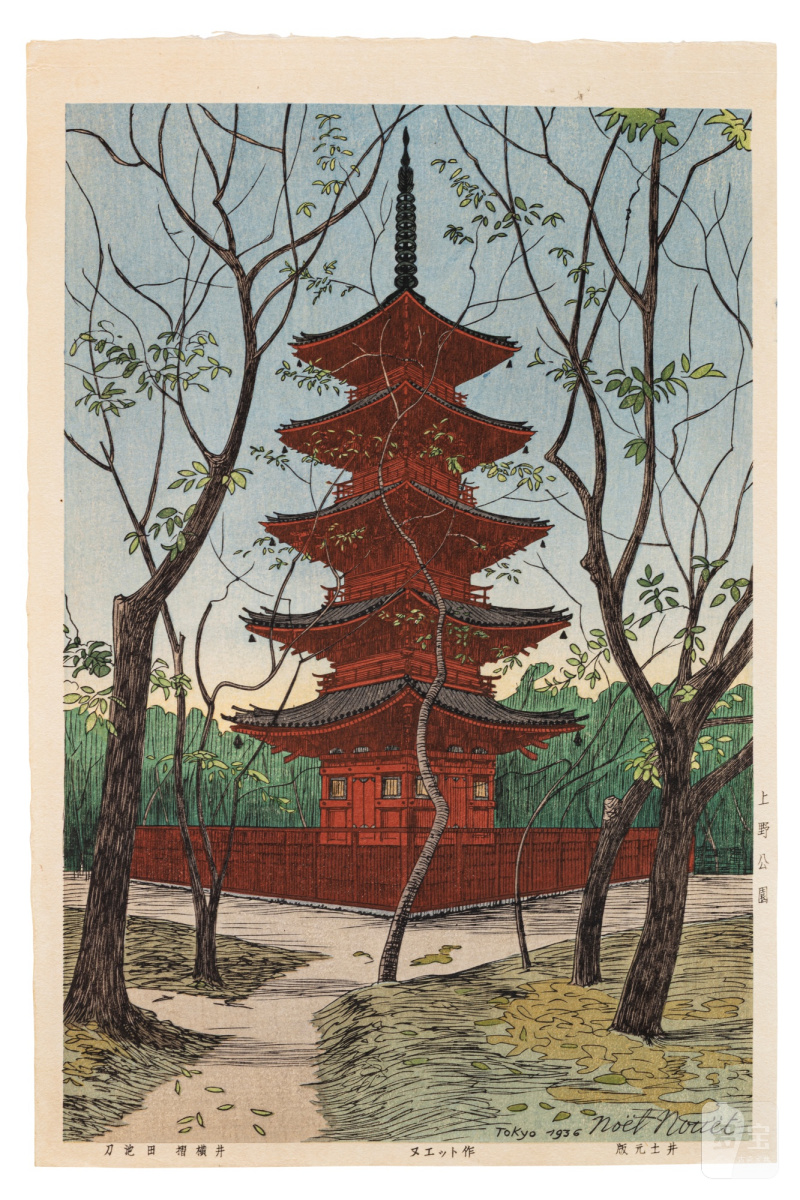
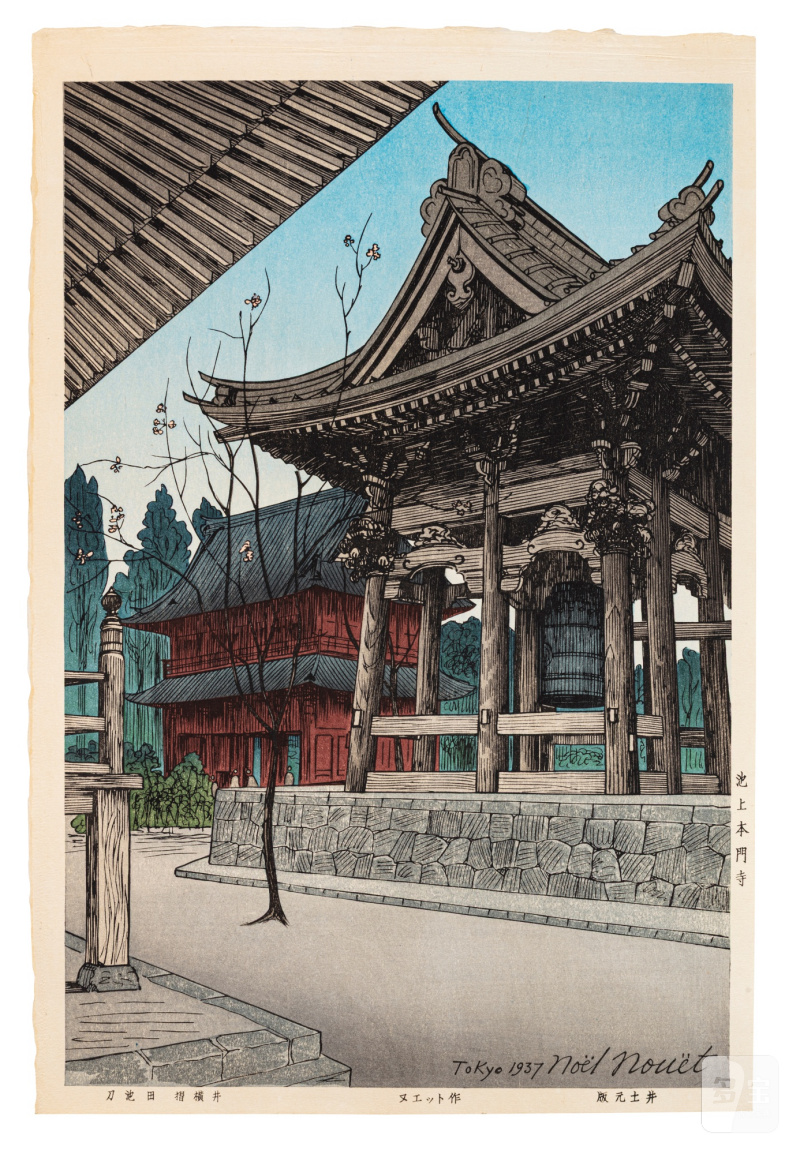
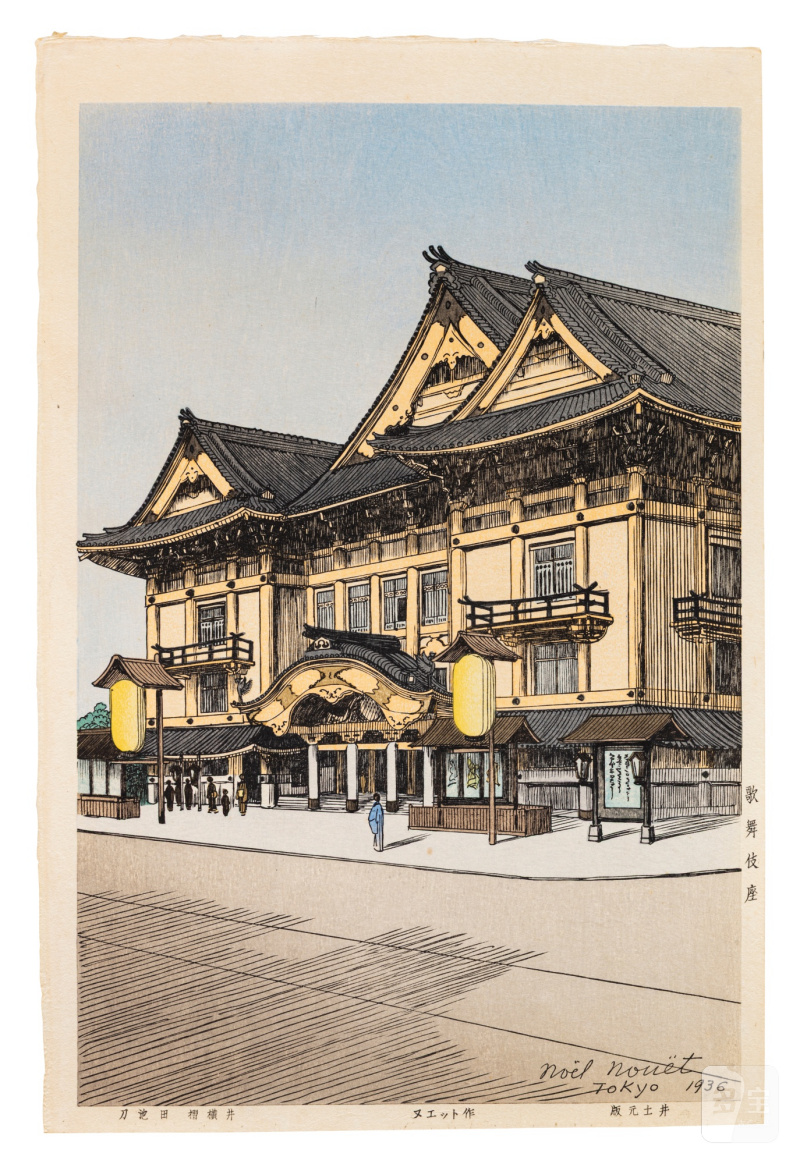
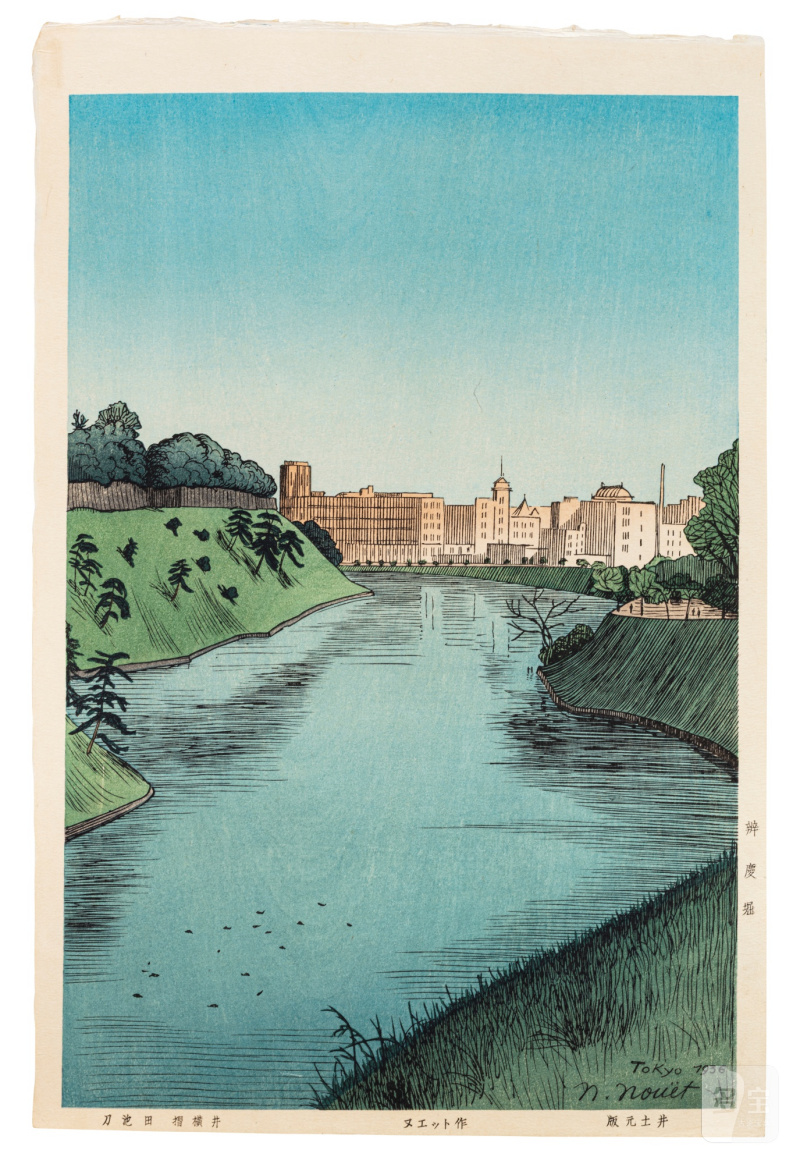
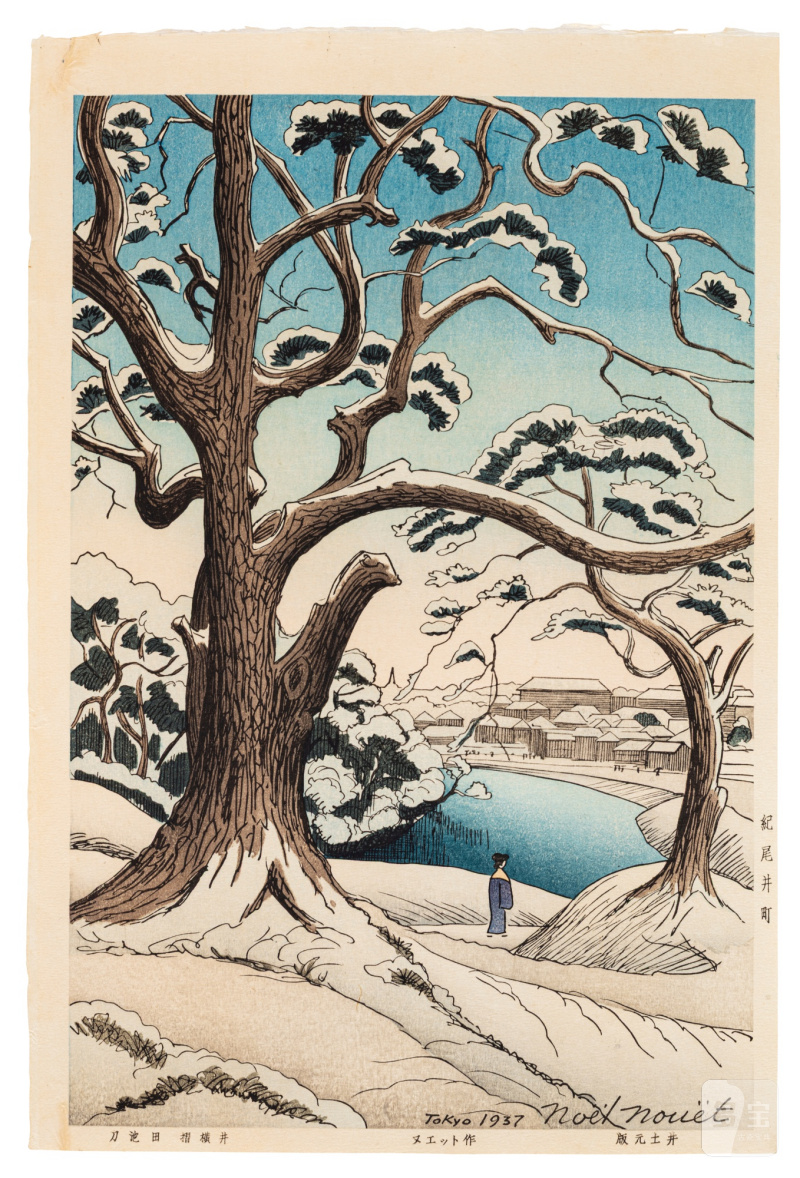
the complete set of twenty-four woodblock prints, plus the contents page, from the series Scenes of Tokyo, Twenty-four Views (Tokyo fukei zen nijuyonmai), variously signed in Roman script Noël Nouët or N. Nouët, and printed in Japanese Nuetto saku (made by Nouët), each titled in the lower right margin, publisher’s mark Hanmoto Doi (published by Doi) and watermark in the top left corner Do, carver’s mark To Ikeda (carved by Ikeda) and printer’s mark Suri Yokoi (printed by Yokoi), variously dated between 1935-1938
(25)
Vertical oban: each approx. 39.5 x 26.5 cm, 15½ by 10⅜ in.
图录
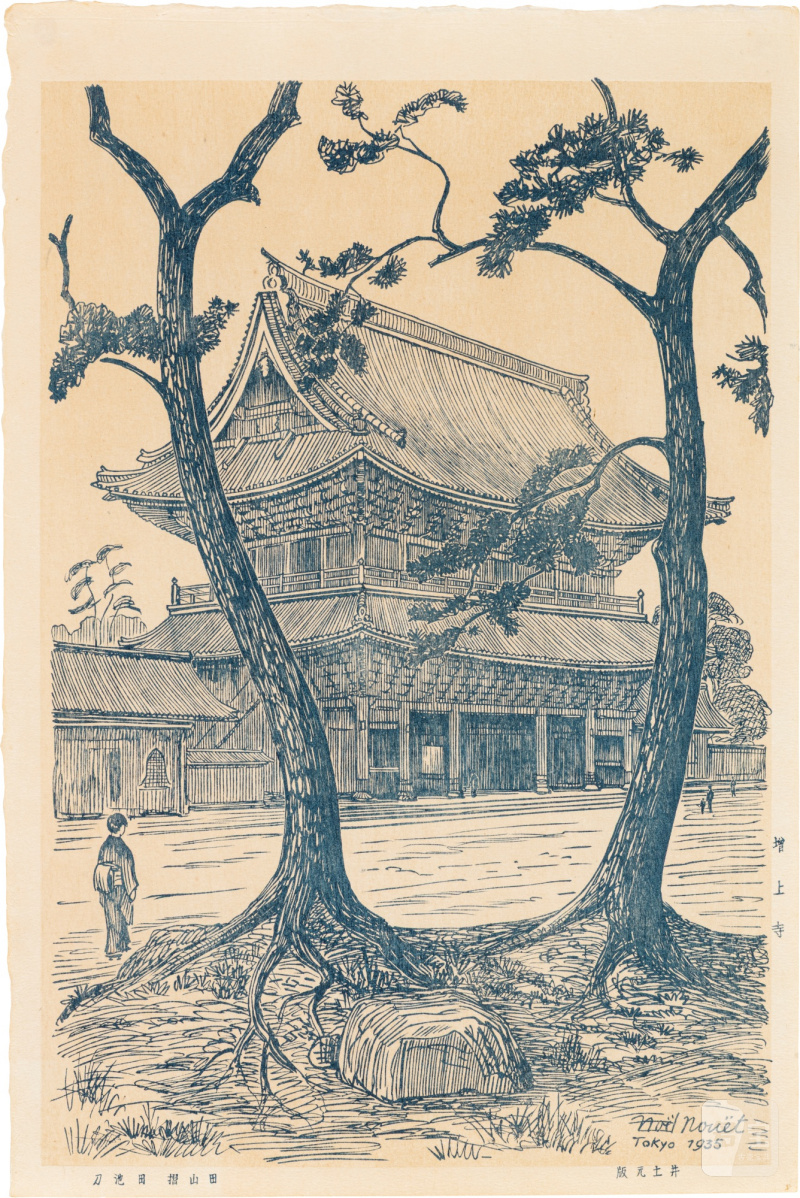
说明:The series Scenes of Tokyo, Twenty-four Views comprises twenty-four prints depicting celebrated locales of Tokyo in the 1930s. Nouët recorded the modernising city still steeped in tradition with the eye of a poet and urban chronicler. In these cityscapes, Tokyo remains recognisable from the meisho [lit. famous places] most popularly established by Utagawa Hiroshige (1797-1858) in the late Edo period (1615-1868).
That tradition had been reinvigorated in the early twentieth century by the shin hanga movement, led by artists such as Kawase Hasui (1883-1957) in close collaboration with the publisher Watanabe Shozaburo (1885–1962). Nouët's prints were produced for the Tokyo publishing house of Doi. In 1936, a former student from the Tokyo Foreign Language School – the son of publisher Doi Sadaichi and older brother to his successor Doi Eiichi – offered to have his family's firm produce a woodblock print from one of Nouët's ink sketches. The project was technically demanding: Nouët's originals were drawn with a fountain pen, and their fine, precise lines presented a considerable challenge to the carver. Its success prompted Doi Sadaichi to publish the full series of twenty-four colour prints.
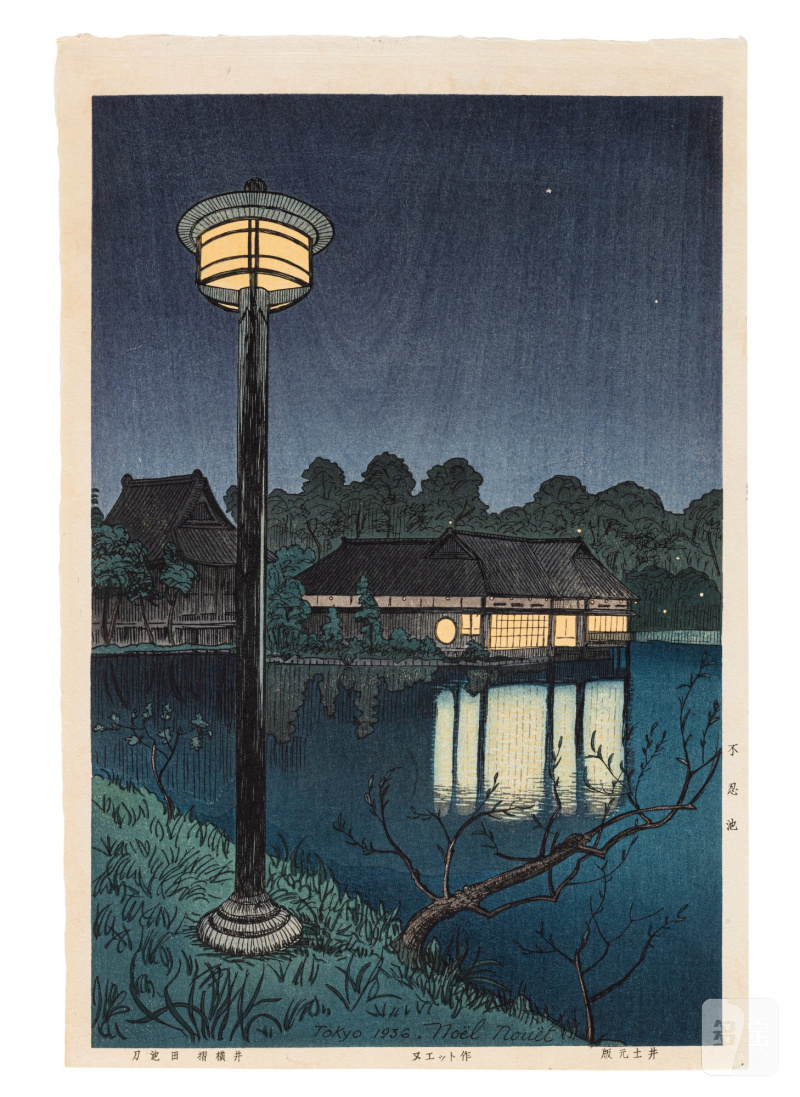
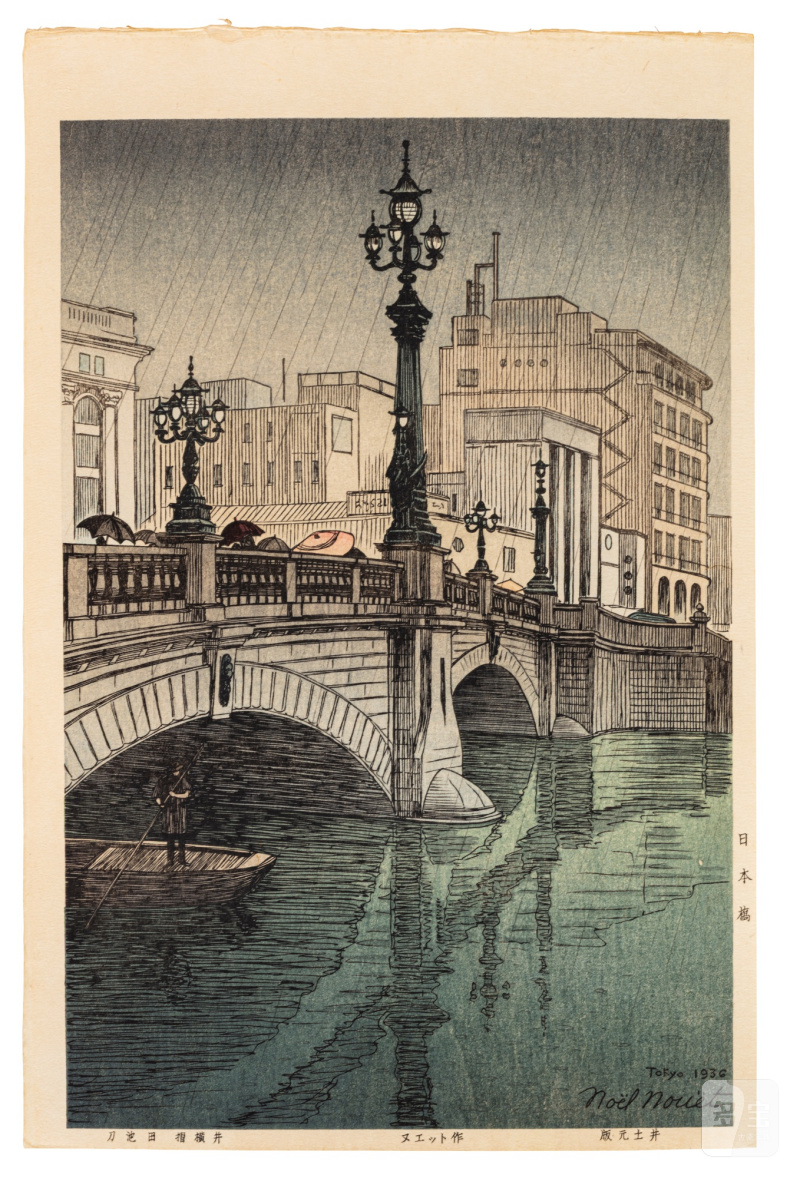
Several of the views engage directly with Hiroshige's compositional devices. In Shinobazu Pond, a lamp is placed in the extreme foreground; the scene is viewed from a low vantage point, the night sky textured with prominent woodgrain and pricked by the light of a few stars. In Kameido, the silhouettes of visitors beside the Drum Bridge of the Kameido Shrine, dedicated to the scholar-deity Sugawara no Michizane (845-903), occupy the foreground, while wisteria in full bloom drapes sinuously from the pergola above. Nouët's Nihonbashi invites comparison with James McNeill Whistler (1834-1903), who was himself an admirer of Hiroshige: the atmosphere of nocturne made poignant by a solitary boatman passing beneath the bridge on the Nihonbashi River.
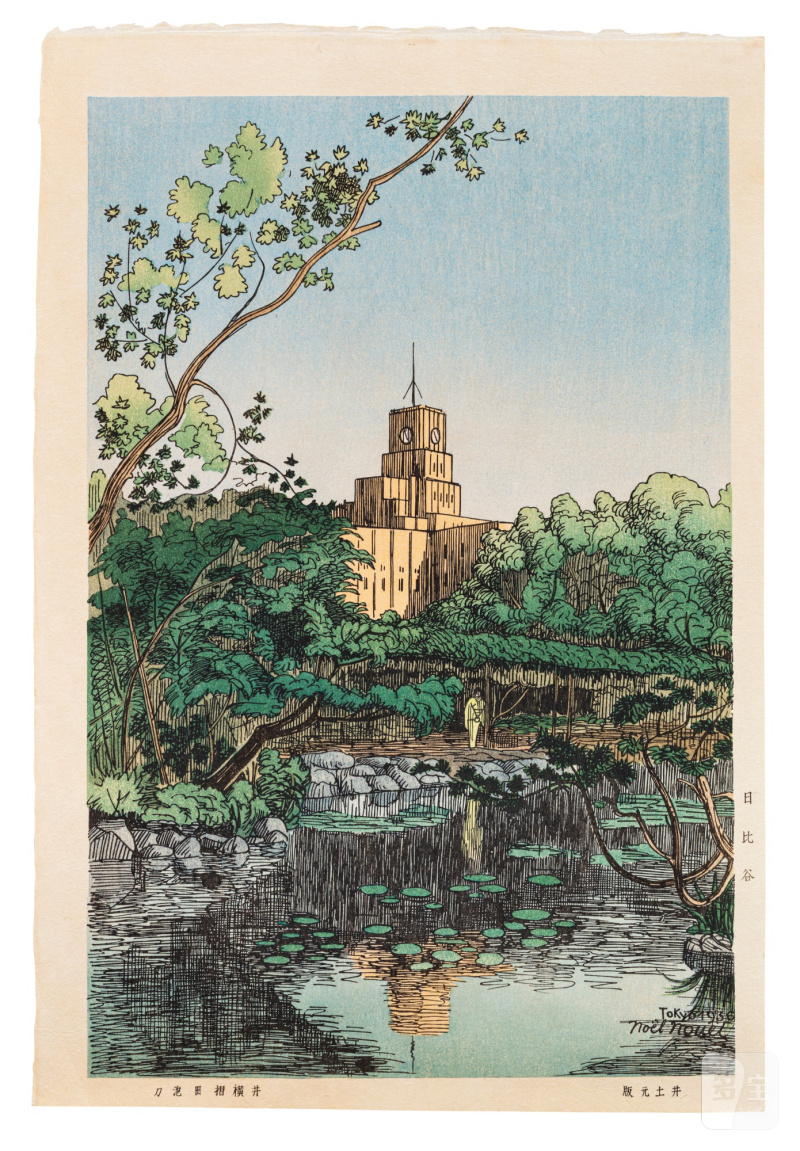
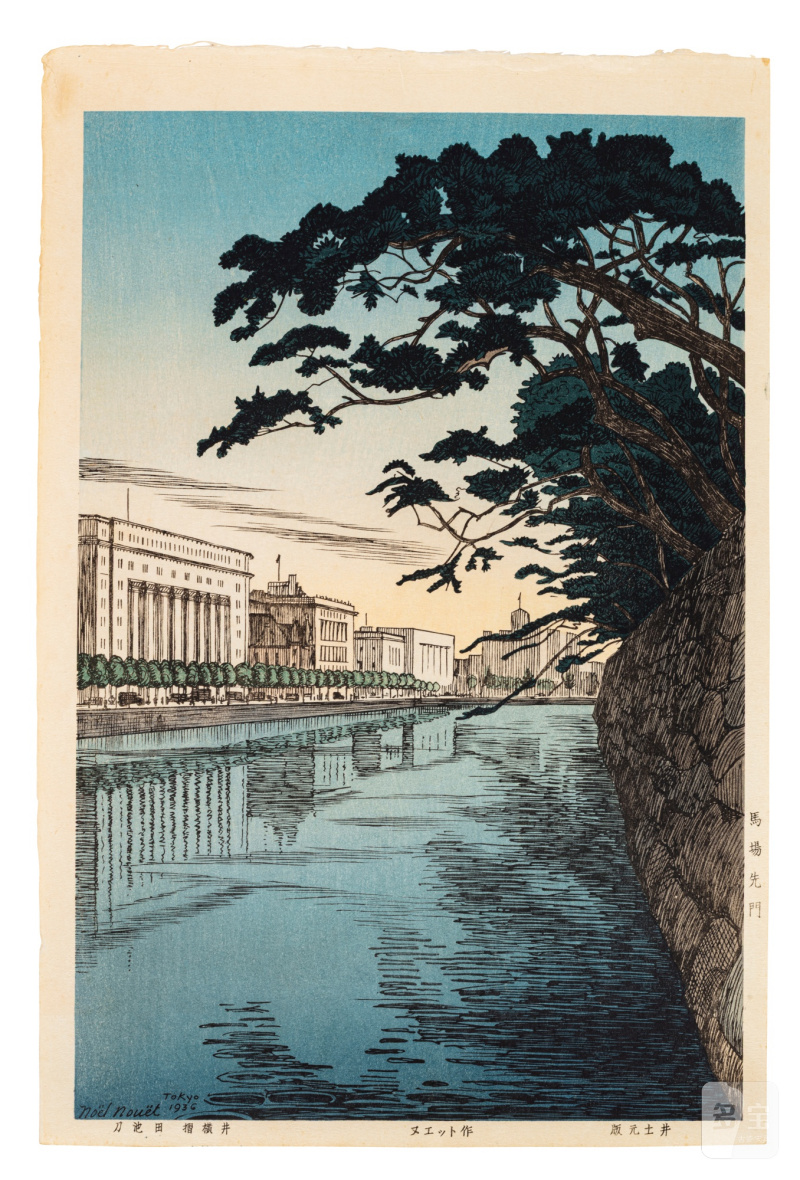
Nouët also turned his eye to locales beyond the traditional Edo meisho. In Hibiya, the clock tower of the Municipal Hall is viewed across the pond at the height of summer. In Babasaki Gate, the view looks south from the bridge toward the structure across the moat of the Imperial Palace (the former Edo Castle), with the facades of the Meiji Seimeikan, the Metropolitan Police Board, the Tokyo Kaikan, the Teikoku Gekijo, and the Daiichi Seimei building ranged along Hibiya-dori beyond.
Noël Nouët was born in Brittany in 1885. His mother collected woodblock prints by Hiroshige, acquired from a former French consul-general in Japan. He moved to Paris, where in literary and artistic salons he met several prominent Japanese writers and artists, among them the poets Tekkan (1873-1935) and Akiko Yosano (1878-1942). In 1926 he travelled to Japan to teach French at a secondary school in Shizuoka. He returned briefly to France before taking up a post at the Tokyo Foreign Language School in 1930. It was then that he began sketching the streets of Ginza and Kanda, retracing the sites depicted by Hiroshige.
Nouët remained in Tokyo throughout the Second World War, one of the few foreign residents to do so. His home in Kojimachi was destroyed in the Allied bombing raids of March 1945. He continued to sketch regardless, recording the ruins of Ginza and Ueno with the same attentive eye he had turned on the living city. In 1946 he published Tokyo: Fifty Sketches at his own expense, a Japanese string-bound volume combining lyrical cityscapes with mournful records of devastation. After the war he taught at Waseda University and several other institutions. In 1951 he became French tutor to the future Emperor Akihito. He died in Tokyo on 2 October 1969.
The series Scenes of Tokyo, Twenty-four Views comprises:
- Contents page, publisher’s mark Hanmoto Doi hangaten [publisher: Doi print dealers]
- Nihonbashi Bridge (Nihonbashi), inscribed, signed and dated Noël Nouët Tokyo 1936
- Kiocho (Kiocho), inscribed, signed and dated Tokyo 1937 Noël Nouët
- Benkei Moat (Benkei bori), inscribed, signed and dated Tokyo 1936 N. Nouët
- Yasukuni Shrine (Yasukuni jinja), inscribed, signed and dated Tokyo 1936 Noël Nouët
- Kabukiza Threate (Kabuki-za), inscribed, signed and dated Noël Nouët Tokyo 1936
- Ikegami Honmonji Temple (Ikegami Honmonji), inscribed, signed and dated Tokyo 1937 Noël Nouët
- Kagurazaka (Kagurazaka), inscribed, signed and dated Tokyo 1937 Noël Nouët
- The Sumida River (Sumidagawa), inscribed, signed and dated Tokyo 1936 Noël Nouët
- Babasakimon (Babasakimon), inscribed, signed and dated Tokyo 1936 Noël Nouët
- Ueno Park (Ueno Koen), inscribed, signed and dated Tokyo 1936 Noël Nouët
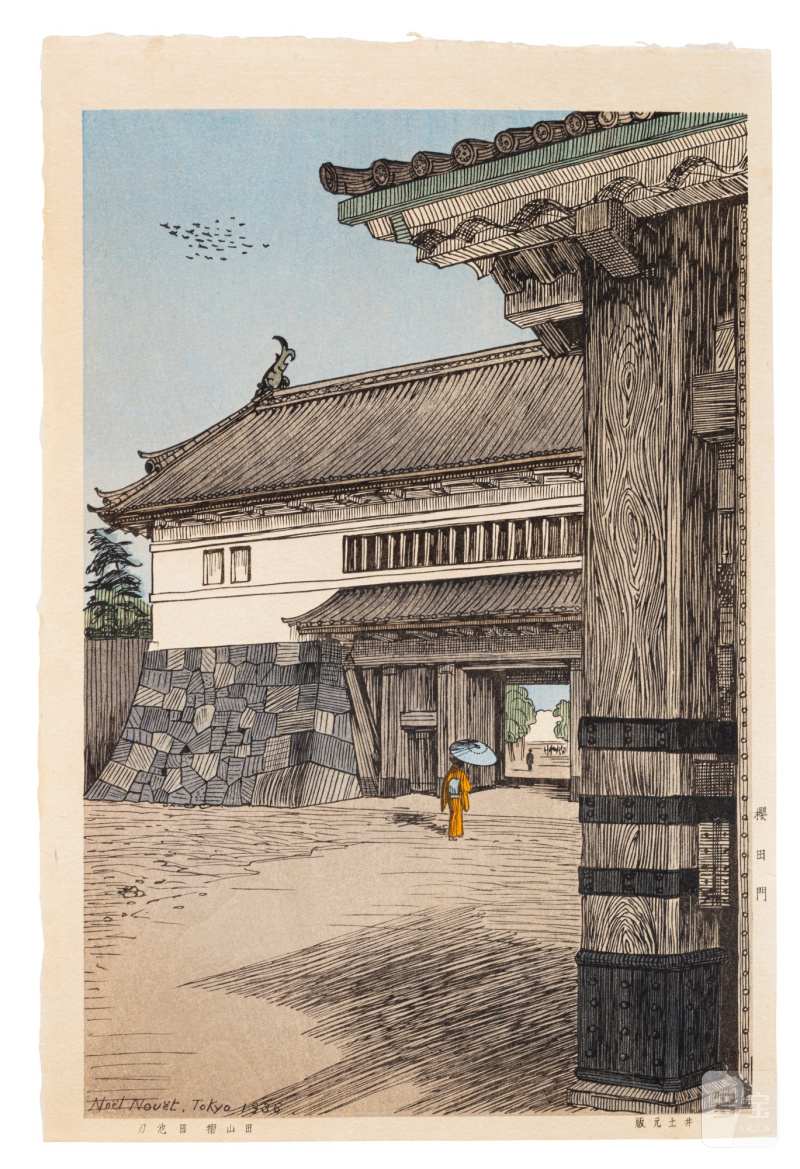
- Sakuradamon (Sakuradamon), inscribed, signed and dated Noël Nouët, Tokyo 1938
- Hibiya (Hibiya), embellished with mica to the margins, dated and signed Tokyo 1936 Noël Nouët
- Inogashira Park (Inogashira koen), inscribed, signed and dated Tokyo 1936 Noël Nouët
- Ryogoku Bridge (Ryogokubashi), inscribed, signed and dated Tokyo 1936 N. Nouët
- Shinobazu Pond (Shinobazu no Ike), inscribed, signed and dated Tokyo 1936 Noël Nouët
- Zozoji Temple (Zozoji), inscribed, signed and dated Noël Nouët Tokyo 1935
- Shiba Furukawa (Shiba Furukawa), inscribed, signed and dated Tokyo 1936 Noël Nouët
- Sensoji Temple (Sensoji), inscribed, signed and dated Tokyo 1936 Noël Nouët
- Meiji Shrine (Meiji Jingu), inscribed, signed and dated Tokyo 1936 Noël Nouët
- Kameido (Kameido), signed and dated 1936 Noël Nouët
- Ochanomizu (Ochanomizu), inscribed, signed and dated Tokyo 1936 Noël Nouët
- The Black Gate (Kuromon), inscribed, signed and dated Tokyo 1936 N. Nouët
- The Bellflower Gate (Kikyomon), lightly embellished with mica overall, signed and dated N. Nouët 1935 (without printed Japanese signature in the bottom margin)
- Akasaka Mitsuke (Akasaka Mitsuke), inscribed, signed and dated Tokyo 1936 Noël Nouët
(25)
Vertical oban: each approx. 39.5 x 26.5 cm, 15½ by 10⅜ in.
图录
说明:The series Scenes of Tokyo, Twenty-four Views comprises twenty-four prints depicting celebrated locales of Tokyo in the 1930s. Nouët recorded the modernising city still steeped in tradition with the eye of a poet and urban chronicler. In these cityscapes, Tokyo remains recognisable from the meisho [lit. famous places] most popularly established by Utagawa Hiroshige (1797-1858) in the late Edo period (1615-1868).
That tradition had been reinvigorated in the early twentieth century by the shin hanga movement, led by artists such as Kawase Hasui (1883-1957) in close collaboration with the publisher Watanabe Shozaburo (1885–1962). Nouët's prints were produced for the Tokyo publishing house of Doi. In 1936, a former student from the Tokyo Foreign Language School – the son of publisher Doi Sadaichi and older brother to his successor Doi Eiichi – offered to have his family's firm produce a woodblock print from one of Nouët's ink sketches. The project was technically demanding: Nouët's originals were drawn with a fountain pen, and their fine, precise lines presented a considerable challenge to the carver. Its success prompted Doi Sadaichi to publish the full series of twenty-four colour prints.
Several of the views engage directly with Hiroshige's compositional devices. In Shinobazu Pond, a lamp is placed in the extreme foreground; the scene is viewed from a low vantage point, the night sky textured with prominent woodgrain and pricked by the light of a few stars. In Kameido, the silhouettes of visitors beside the Drum Bridge of the Kameido Shrine, dedicated to the scholar-deity Sugawara no Michizane (845-903), occupy the foreground, while wisteria in full bloom drapes sinuously from the pergola above. Nouët's Nihonbashi invites comparison with James McNeill Whistler (1834-1903), who was himself an admirer of Hiroshige: the atmosphere of nocturne made poignant by a solitary boatman passing beneath the bridge on the Nihonbashi River.
Nouët also turned his eye to locales beyond the traditional Edo meisho. In Hibiya, the clock tower of the Municipal Hall is viewed across the pond at the height of summer. In Babasaki Gate, the view looks south from the bridge toward the structure across the moat of the Imperial Palace (the former Edo Castle), with the facades of the Meiji Seimeikan, the Metropolitan Police Board, the Tokyo Kaikan, the Teikoku Gekijo, and the Daiichi Seimei building ranged along Hibiya-dori beyond.
Noël Nouët was born in Brittany in 1885. His mother collected woodblock prints by Hiroshige, acquired from a former French consul-general in Japan. He moved to Paris, where in literary and artistic salons he met several prominent Japanese writers and artists, among them the poets Tekkan (1873-1935) and Akiko Yosano (1878-1942). In 1926 he travelled to Japan to teach French at a secondary school in Shizuoka. He returned briefly to France before taking up a post at the Tokyo Foreign Language School in 1930. It was then that he began sketching the streets of Ginza and Kanda, retracing the sites depicted by Hiroshige.
Nouët remained in Tokyo throughout the Second World War, one of the few foreign residents to do so. His home in Kojimachi was destroyed in the Allied bombing raids of March 1945. He continued to sketch regardless, recording the ruins of Ginza and Ueno with the same attentive eye he had turned on the living city. In 1946 he published Tokyo: Fifty Sketches at his own expense, a Japanese string-bound volume combining lyrical cityscapes with mournful records of devastation. After the war he taught at Waseda University and several other institutions. In 1951 he became French tutor to the future Emperor Akihito. He died in Tokyo on 2 October 1969.
The series Scenes of Tokyo, Twenty-four Views comprises:
- Contents page, publisher’s mark Hanmoto Doi hangaten [publisher: Doi print dealers]
- Nihonbashi Bridge (Nihonbashi), inscribed, signed and dated Noël Nouët Tokyo 1936
- Kiocho (Kiocho), inscribed, signed and dated Tokyo 1937 Noël Nouët
- Benkei Moat (Benkei bori), inscribed, signed and dated Tokyo 1936 N. Nouët
- Yasukuni Shrine (Yasukuni jinja), inscribed, signed and dated Tokyo 1936 Noël Nouët
- Kabukiza Threate (Kabuki-za), inscribed, signed and dated Noël Nouët Tokyo 1936
- Ikegami Honmonji Temple (Ikegami Honmonji), inscribed, signed and dated Tokyo 1937 Noël Nouët
- Kagurazaka (Kagurazaka), inscribed, signed and dated Tokyo 1937 Noël Nouët
- The Sumida River (Sumidagawa), inscribed, signed and dated Tokyo 1936 Noël Nouët
- Babasakimon (Babasakimon), inscribed, signed and dated Tokyo 1936 Noël Nouët
- Ueno Park (Ueno Koen), inscribed, signed and dated Tokyo 1936 Noël Nouët
- Sakuradamon (Sakuradamon), inscribed, signed and dated Noël Nouët, Tokyo 1938
- Hibiya (Hibiya), embellished with mica to the margins, dated and signed Tokyo 1936 Noël Nouët
- Inogashira Park (Inogashira koen), inscribed, signed and dated Tokyo 1936 Noël Nouët
- Ryogoku Bridge (Ryogokubashi), inscribed, signed and dated Tokyo 1936 N. Nouët
- Shinobazu Pond (Shinobazu no Ike), inscribed, signed and dated Tokyo 1936 Noël Nouët
- Zozoji Temple (Zozoji), inscribed, signed and dated Noël Nouët Tokyo 1935
- Shiba Furukawa (Shiba Furukawa), inscribed, signed and dated Tokyo 1936 Noël Nouët
- Sensoji Temple (Sensoji), inscribed, signed and dated Tokyo 1936 Noël Nouët
- Meiji Shrine (Meiji Jingu), inscribed, signed and dated Tokyo 1936 Noël Nouët
- Kameido (Kameido), signed and dated 1936 Noël Nouët
- Ochanomizu (Ochanomizu), inscribed, signed and dated Tokyo 1936 Noël Nouët
- The Black Gate (Kuromon), inscribed, signed and dated Tokyo 1936 N. Nouët
- The Bellflower Gate (Kikyomon), lightly embellished with mica overall, signed and dated N. Nouët 1935 (without printed Japanese signature in the bottom margin)
- Akasaka Mitsuke (Akasaka Mitsuke), inscribed, signed and dated Tokyo 1936 Noël Nouët
常见问题
拍品的品相状况如何?
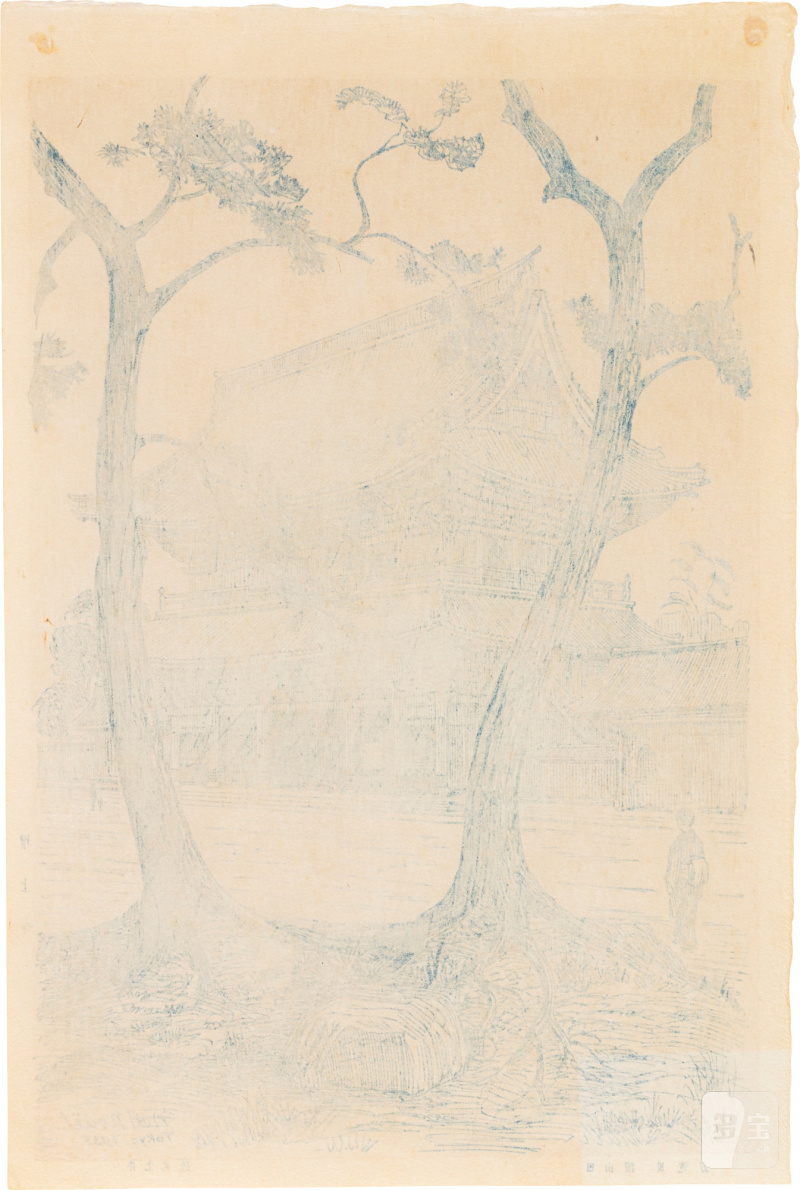
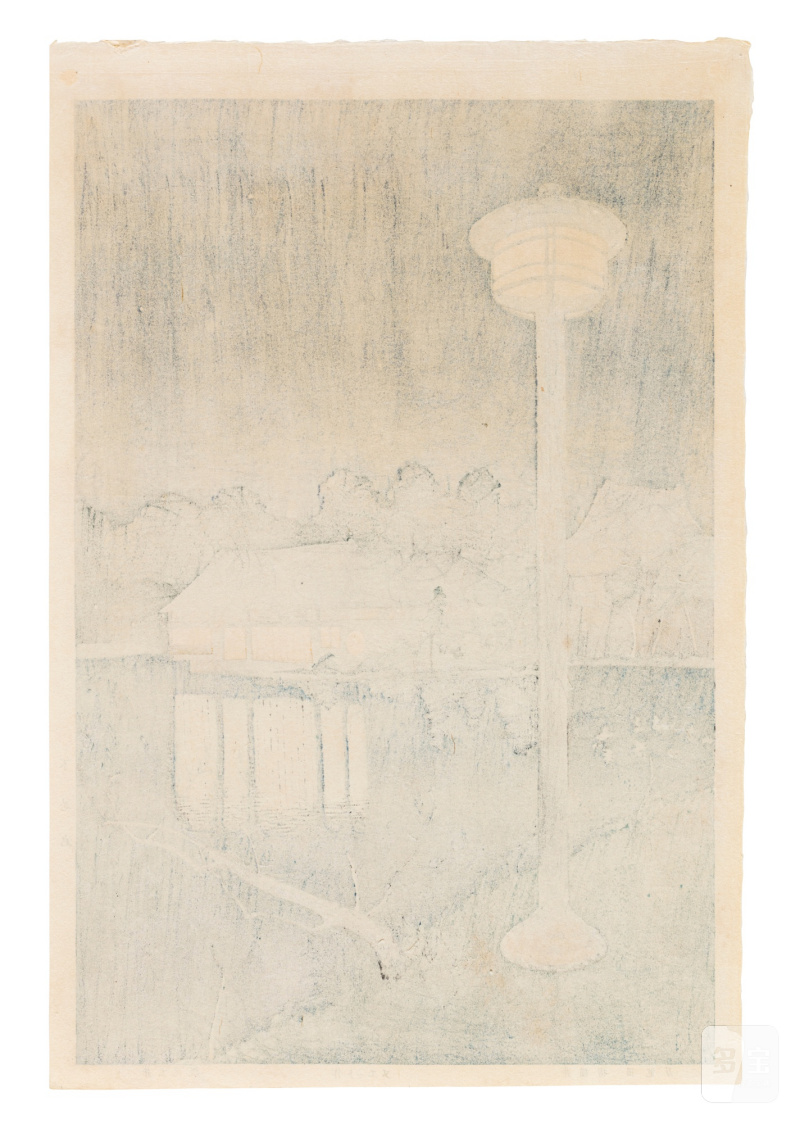
Each good impression and colour, minor toning, some sheets with slight uneven toning to verso as can be seen in the illustrations, traces of minor tape residue to the top left and right corners of verso, the contents page with foxing, toning, slight thinning to the bottom right corner; Kabukiza Threate with some slight marks in places (particularly in the bottom margin); Kagurazaka with minor rubbing; Sumida River with a few very minor creases to margins; Babasakimon with a few very minor fox marks to margins; Zozoji Temple with a few very minor fox marks, traces of adhesive residue to the top left and right corners of verso; Sensoji Temple with traces of adhesive residue to the top left, top right and upper right corners showing through slightly to the front of the print in the margins; Kameido with traces of adhesive to the top right and left corners of verso; Ochanomizu with slight creasing to top left corner; The Black Gate with uneven toning within the sky; Akasaka Mitsuke with some light creasing in places.
If a condition report is provided to assist you with assessing the condition of the lot, it is for guidance purposes only. Such condition report may not refer to all faults, restoration, alterations, or adaptations because Sotheby's is not a professional conservator or restorer but rather a condition report is a statement of subjective, qualified opinion genuinely held by Sotheby's. For these reasons, any such condition report is not an alternative to taking your own professional advice regarding the condition of the lot. Prospective buyers should also refer to the Guide for Buyers at Auction which includes important notices concerning the type of property in this sale.
If a condition report is provided to assist you with assessing the condition of the lot, it is for guidance purposes only. Such condition report may not refer to all faults, restoration, alterations, or adaptations because Sotheby's is not a professional conservator or restorer but rather a condition report is a statement of subjective, qualified opinion genuinely held by Sotheby's. For these reasons, any such condition report is not an alternative to taking your own professional advice regarding the condition of the lot. Prospective buyers should also refer to the Guide for Buyers at Auction which includes important notices concerning the type of property in this sale.