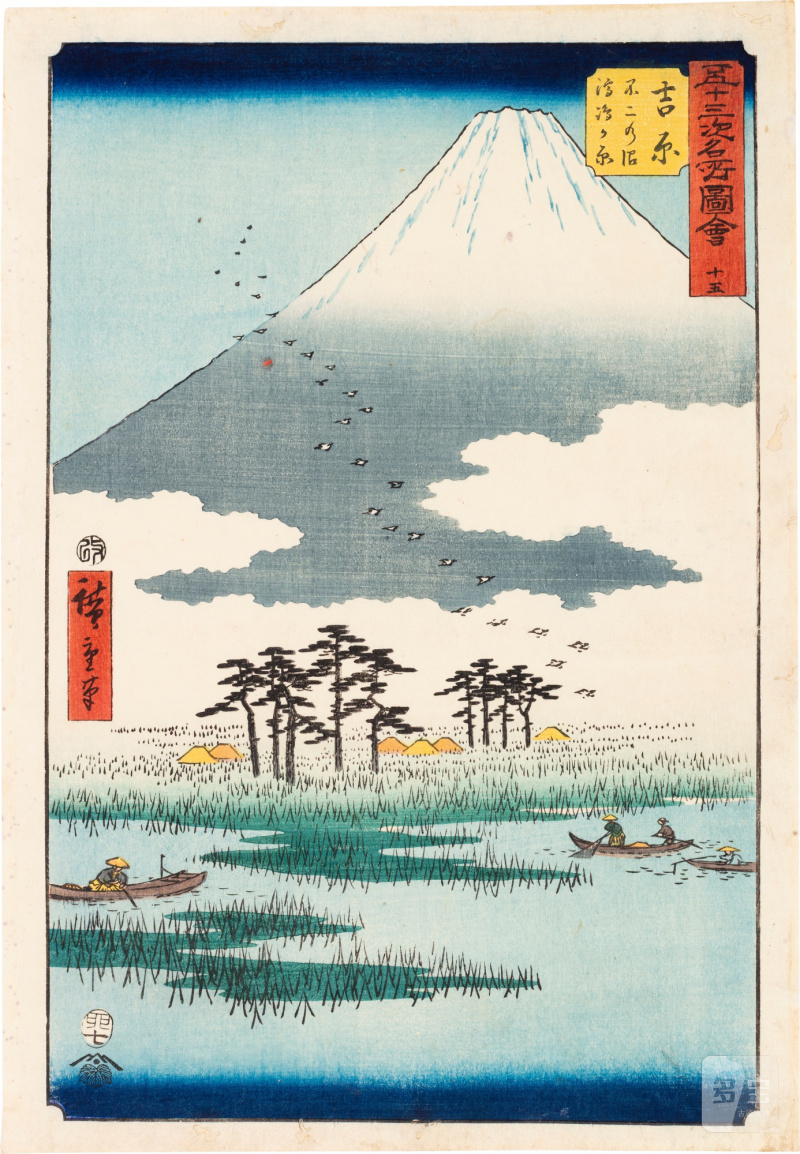

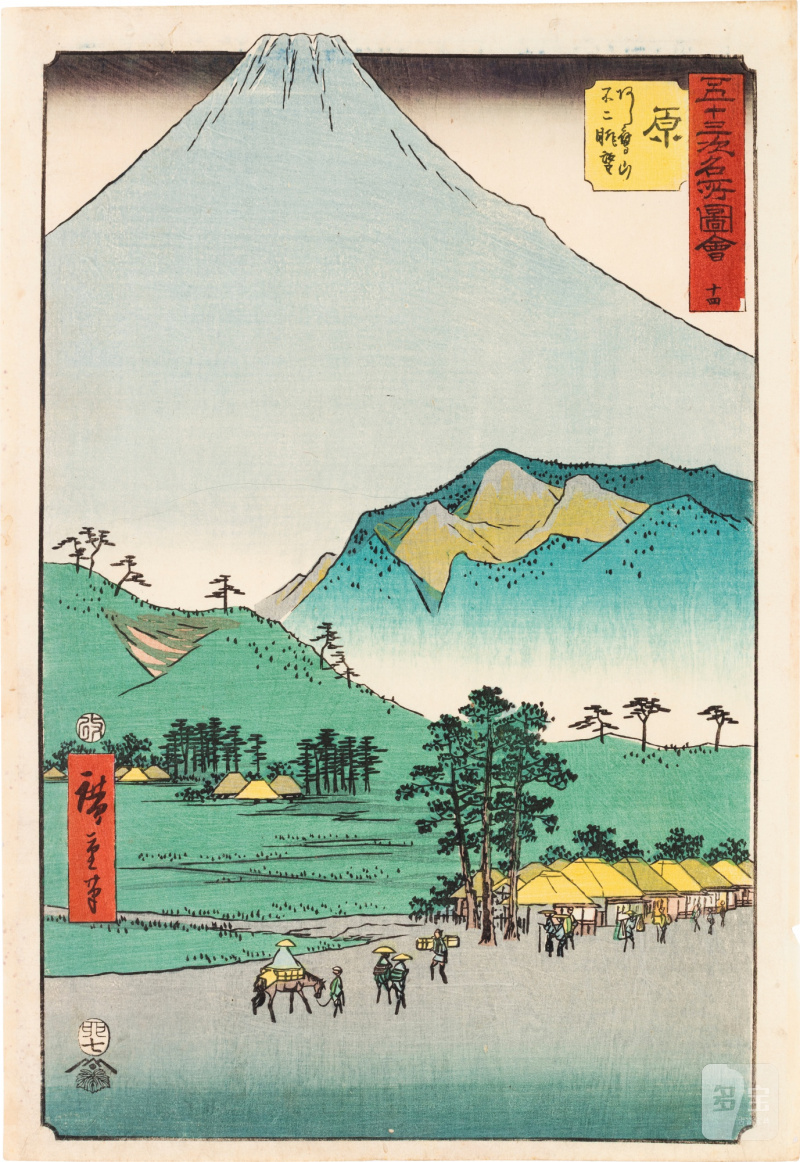
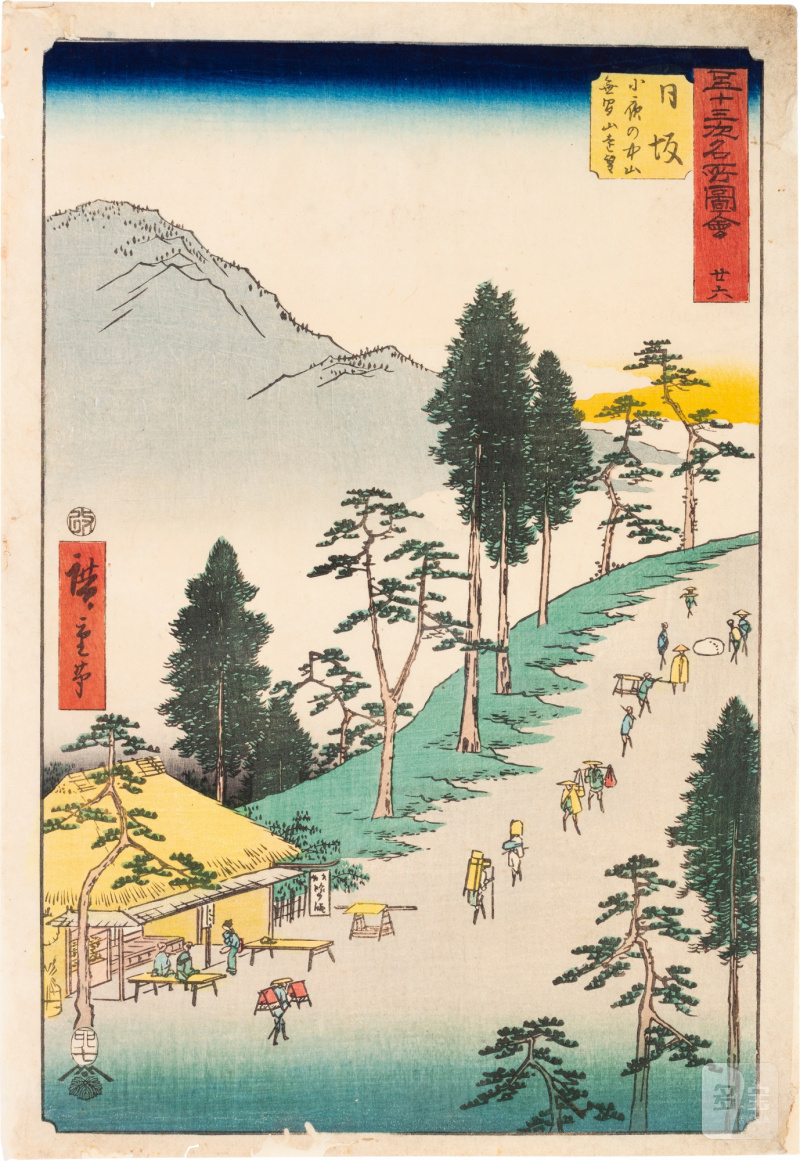
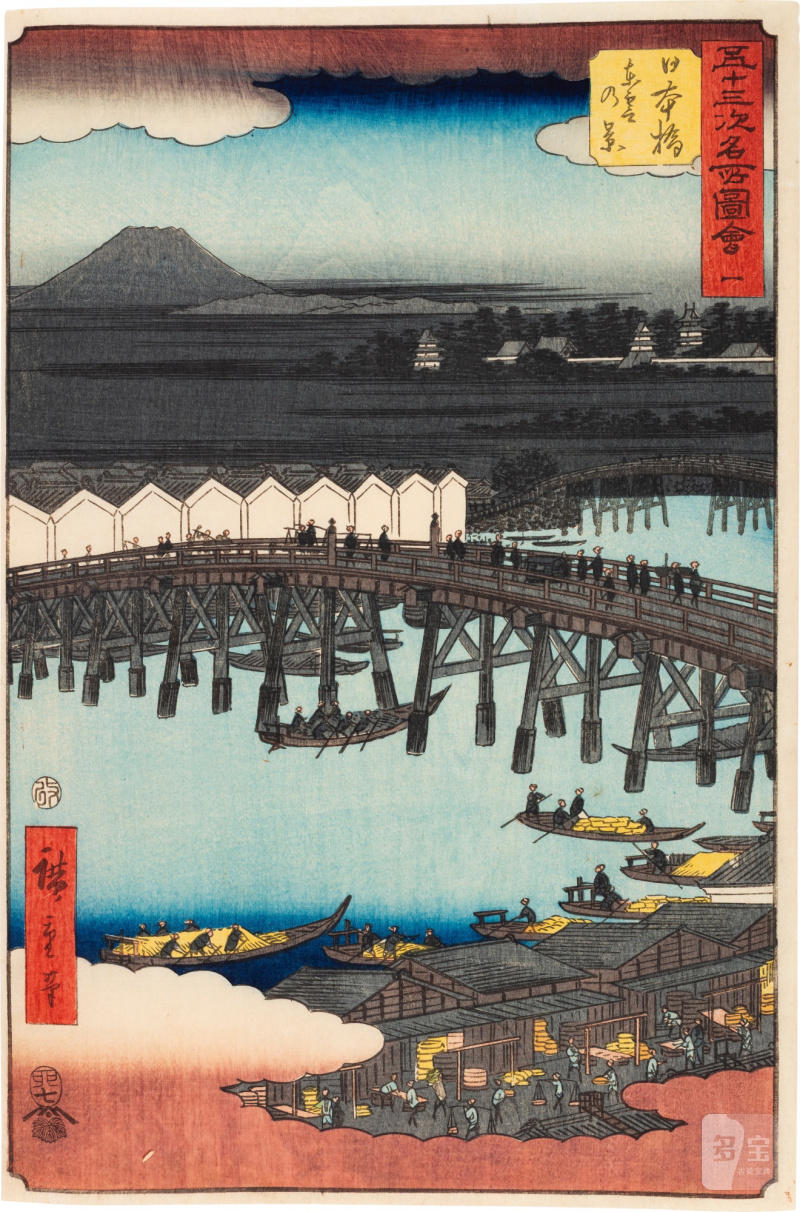
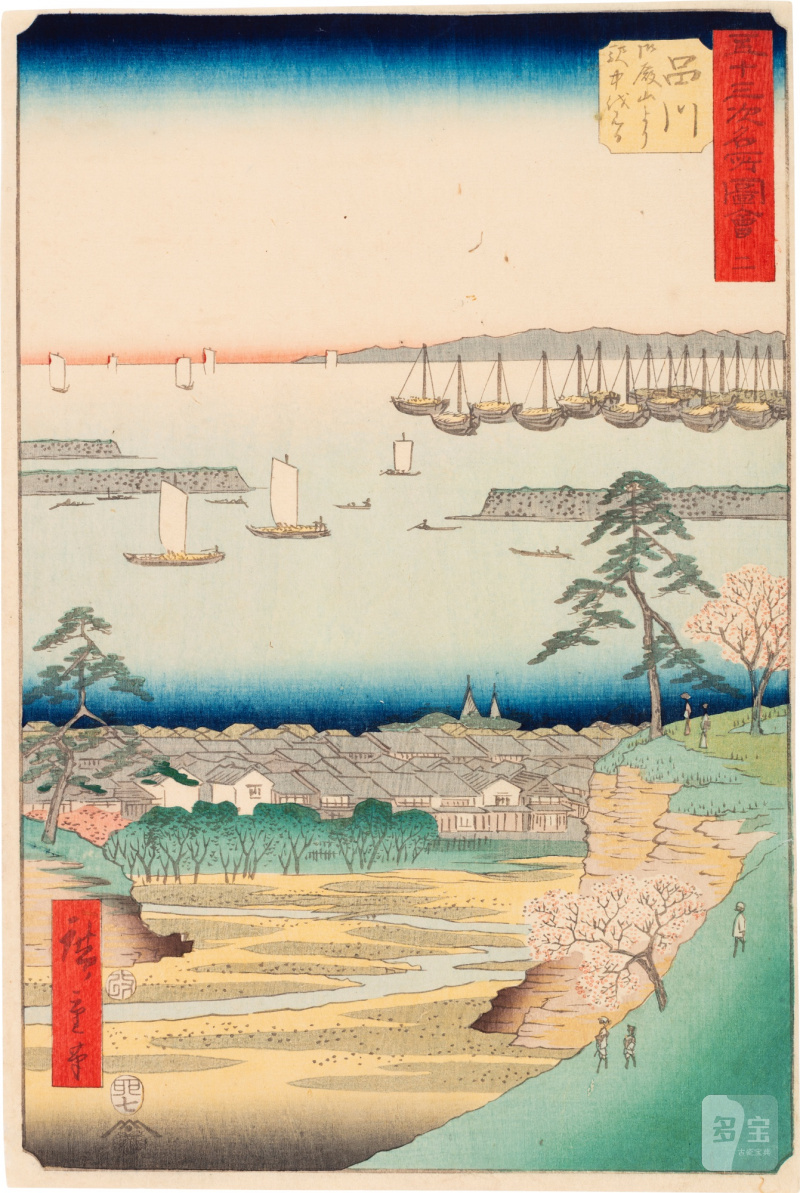
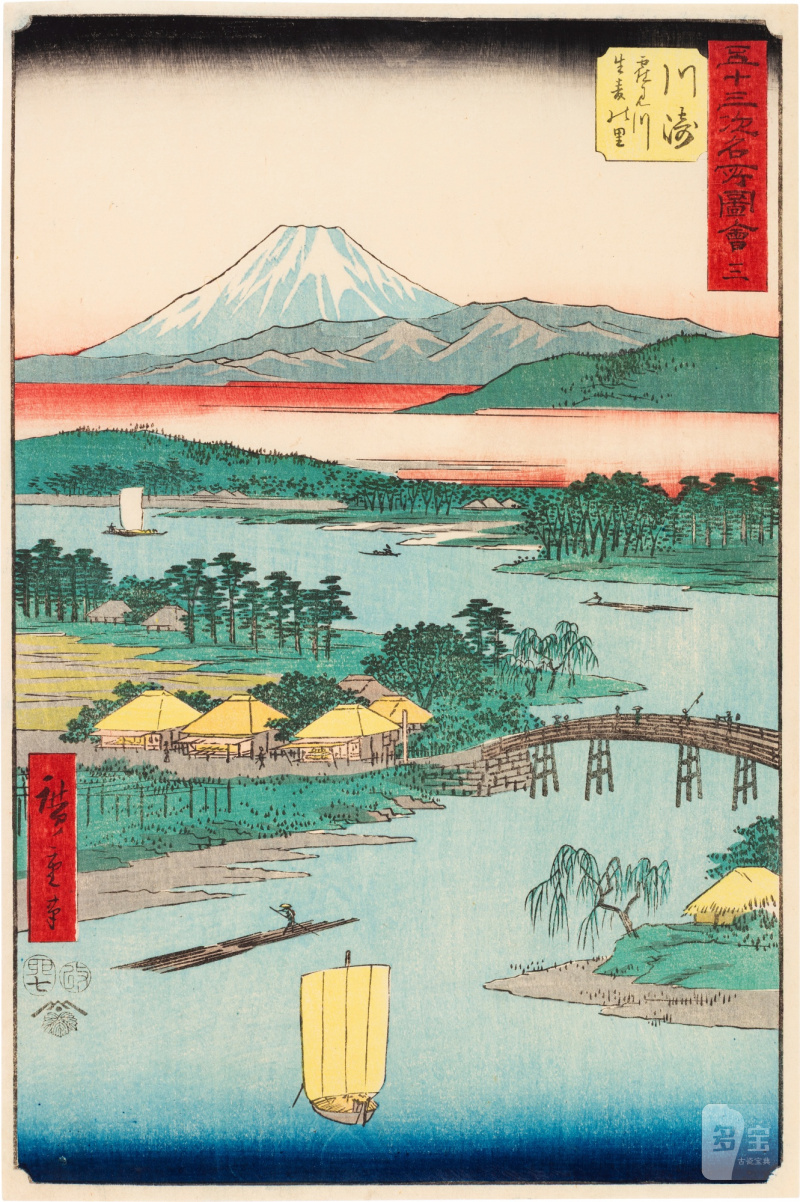
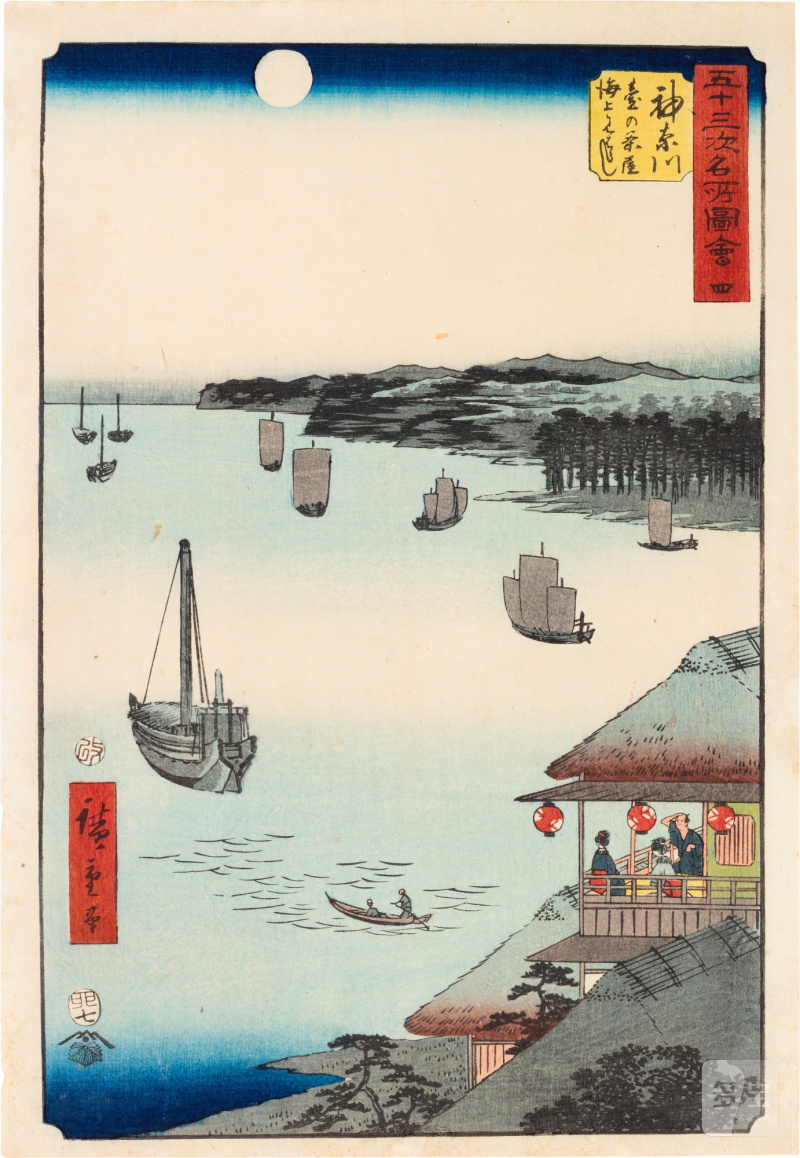
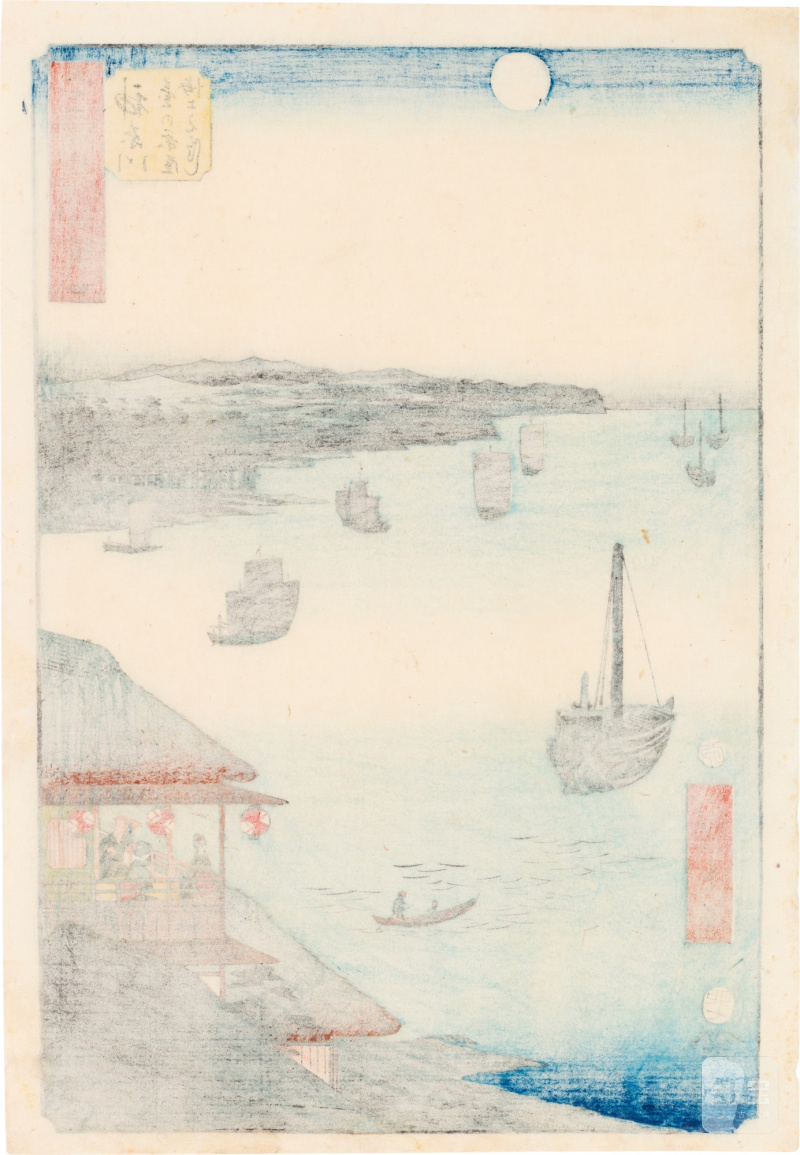
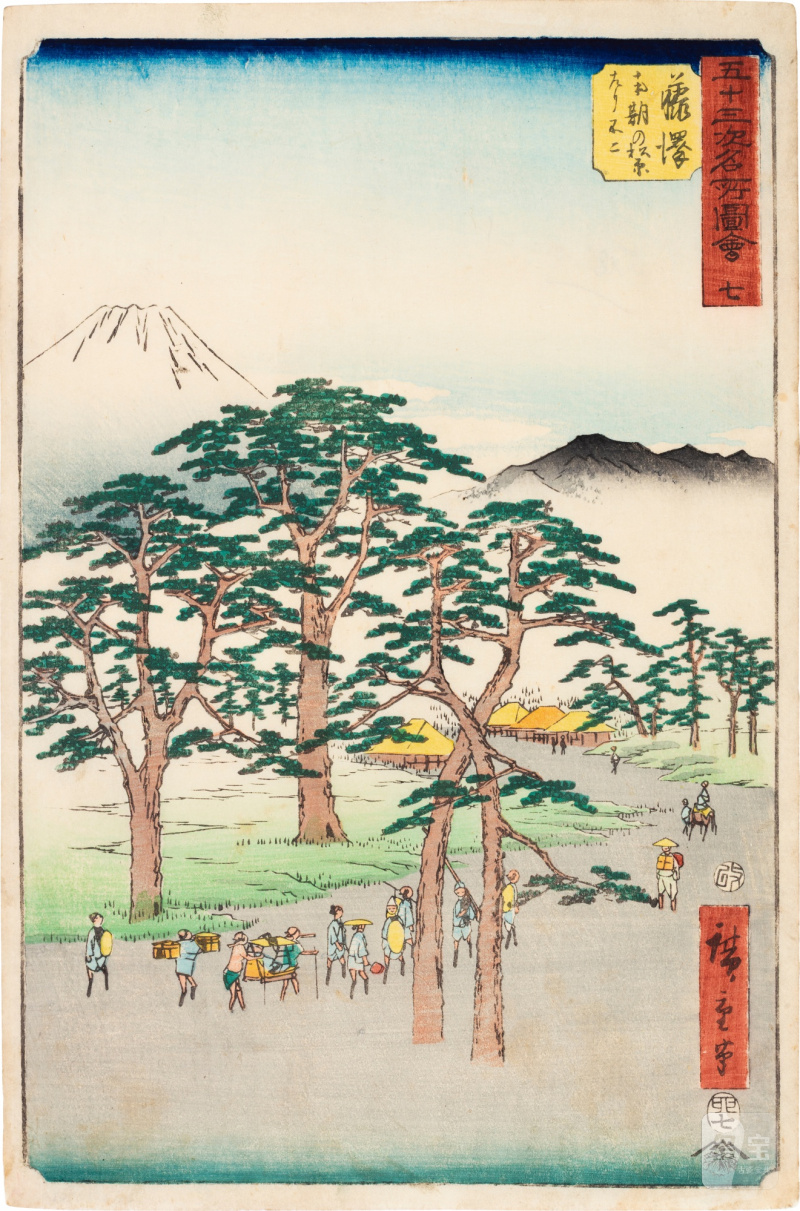
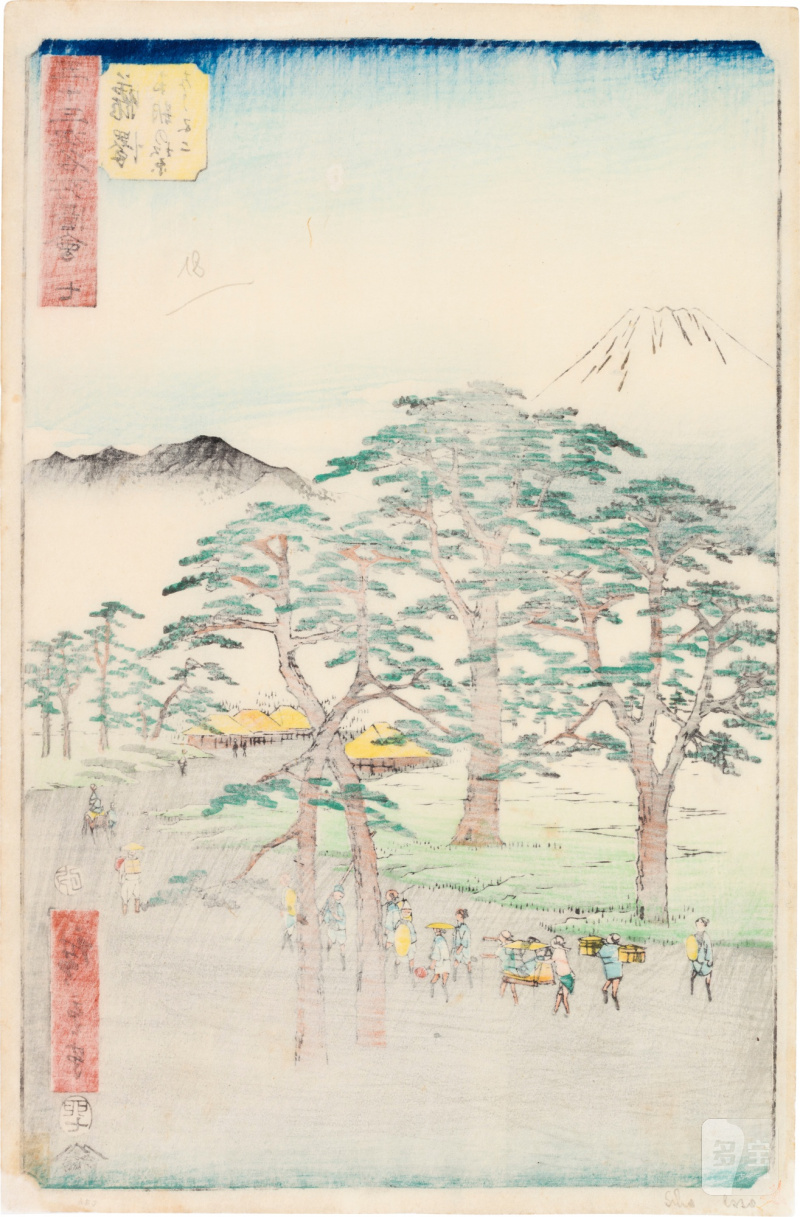


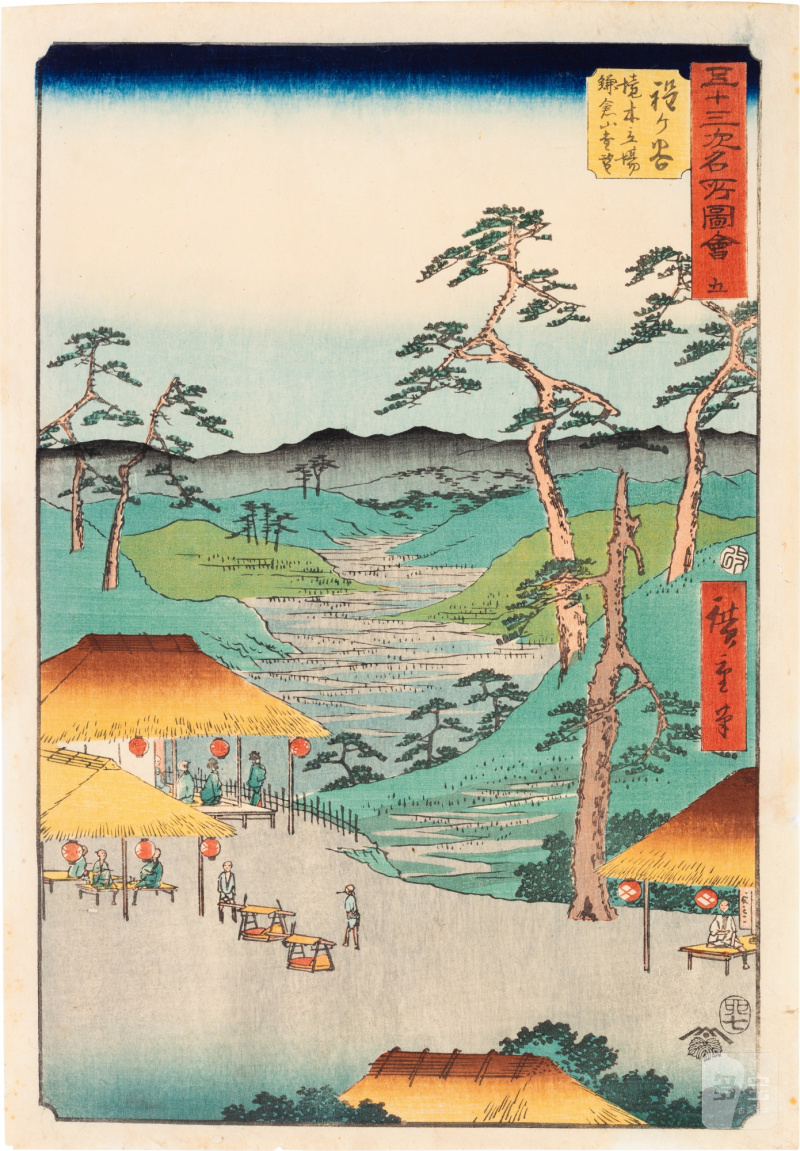
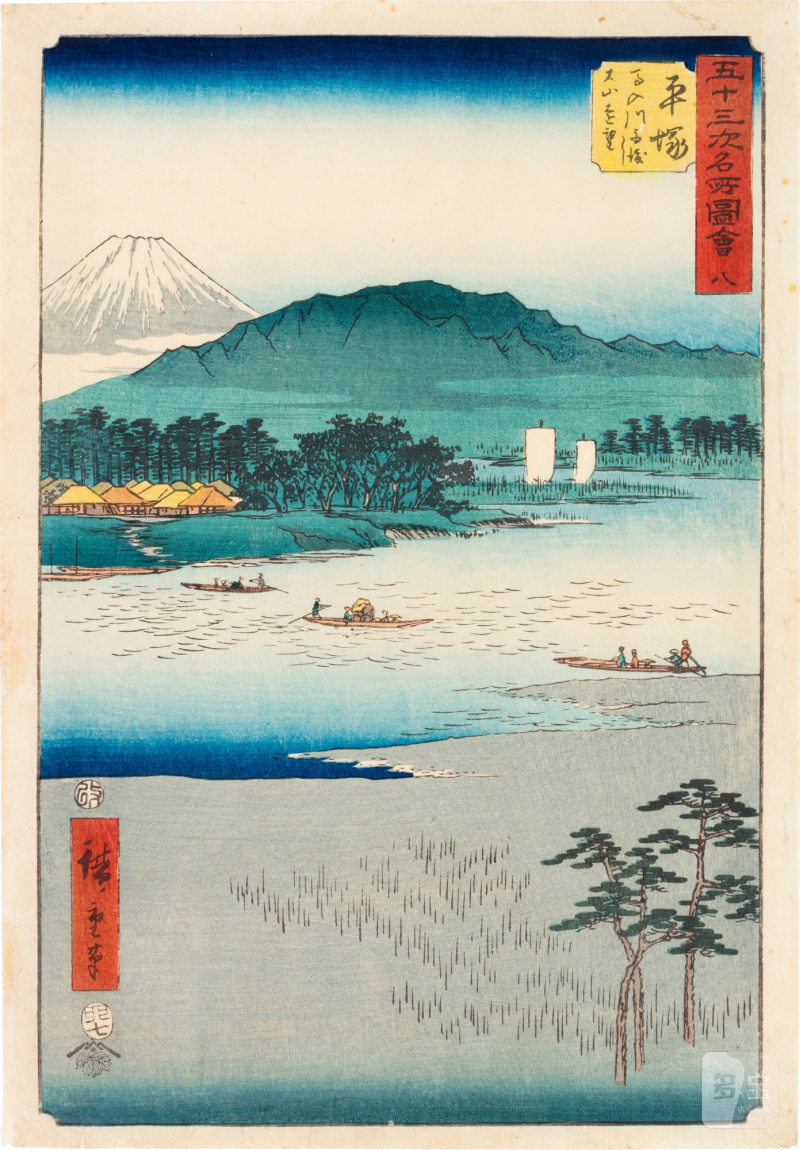
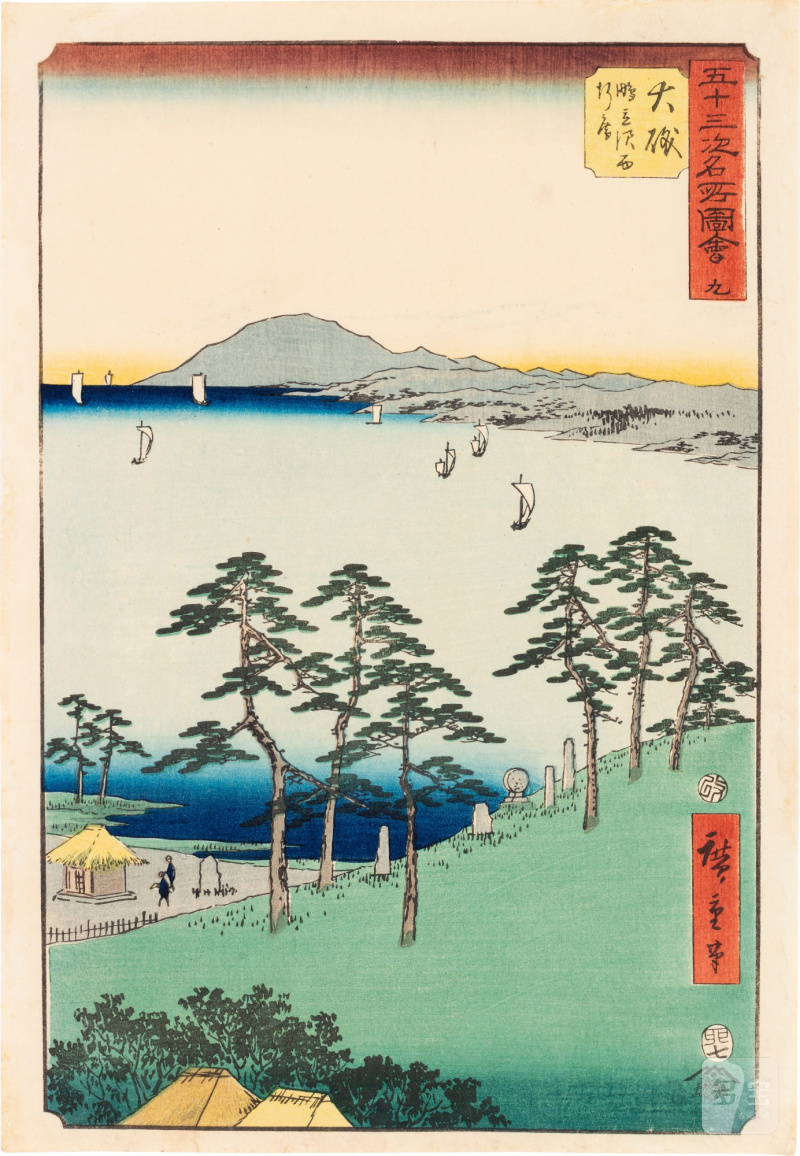
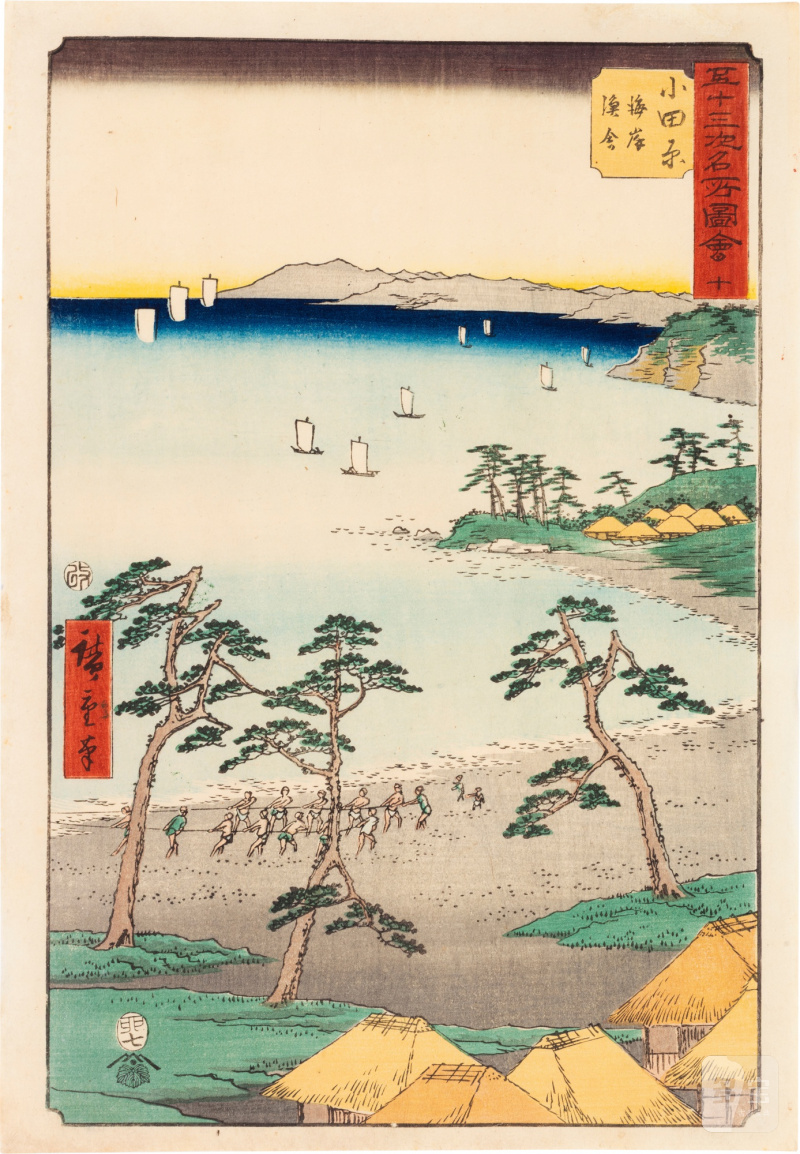
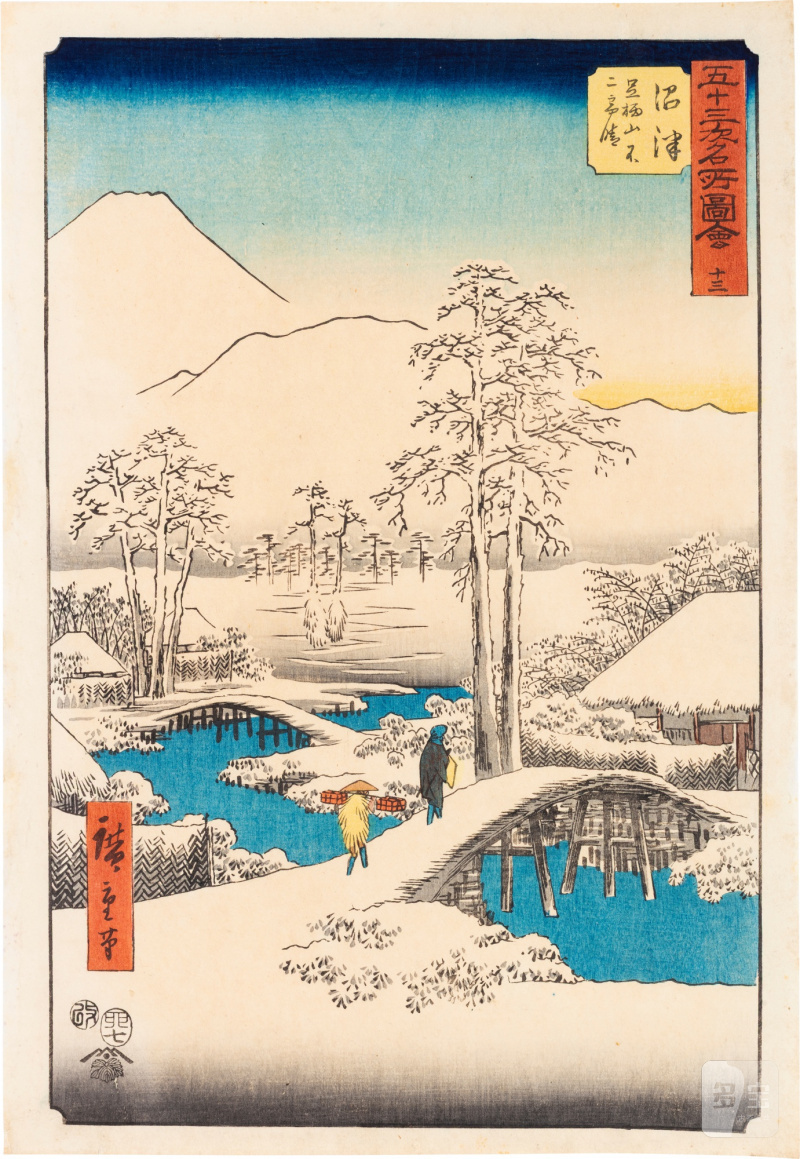
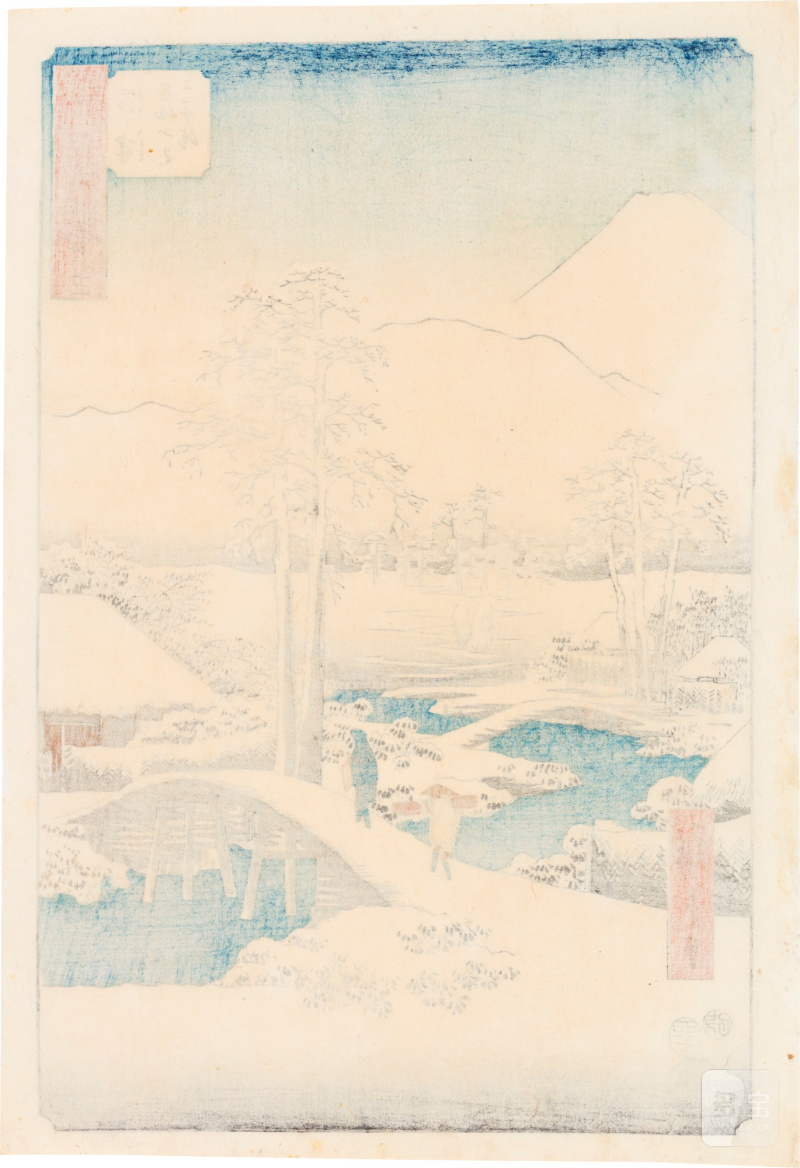
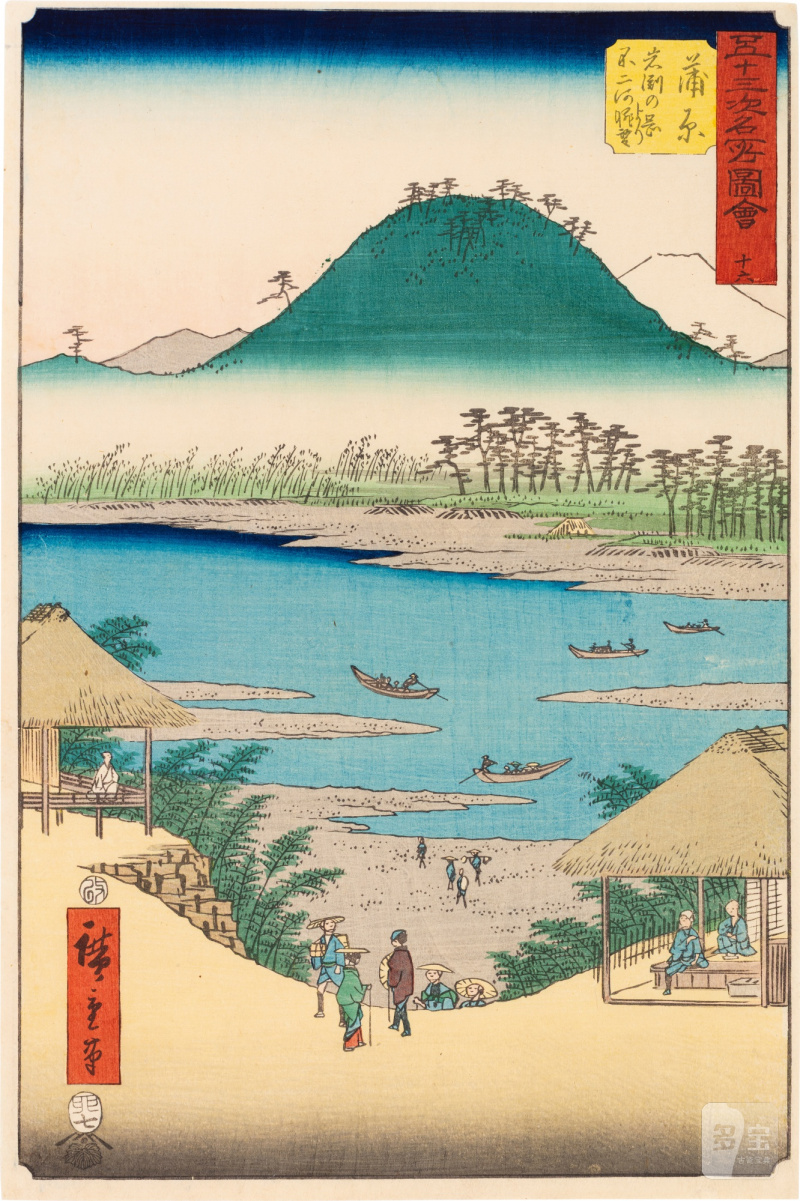
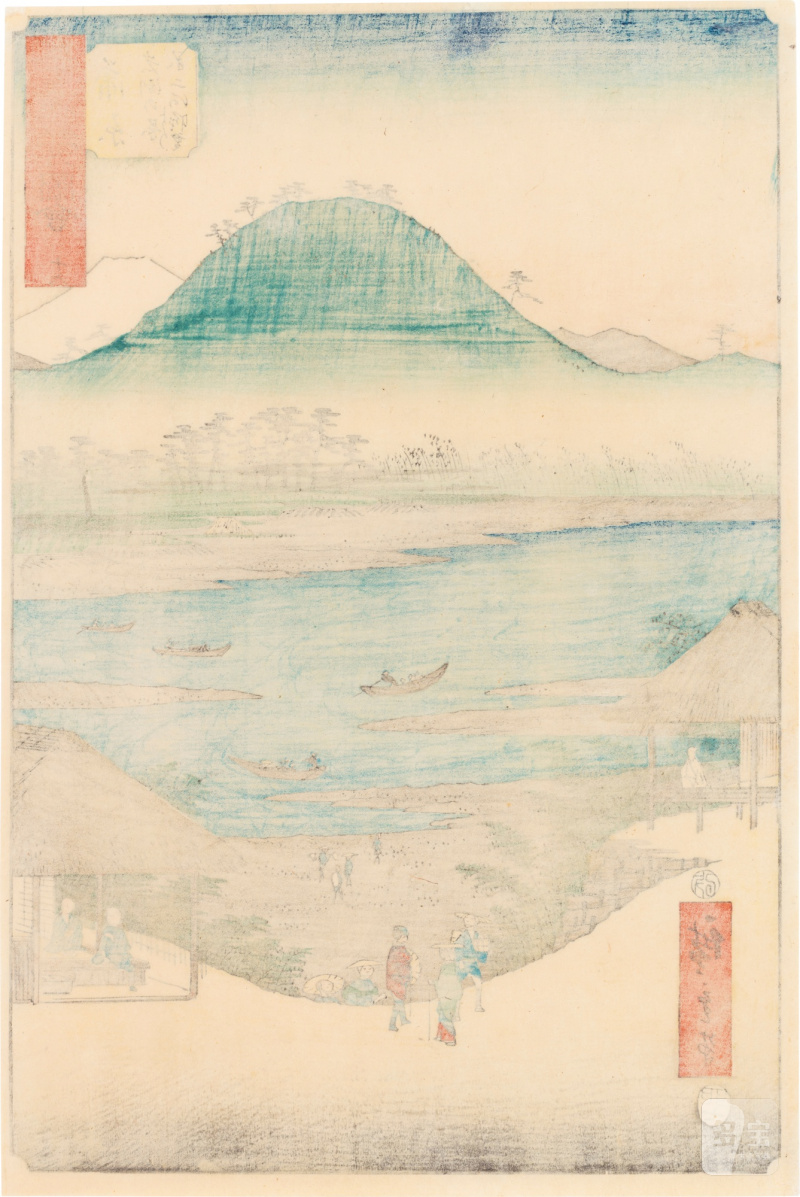

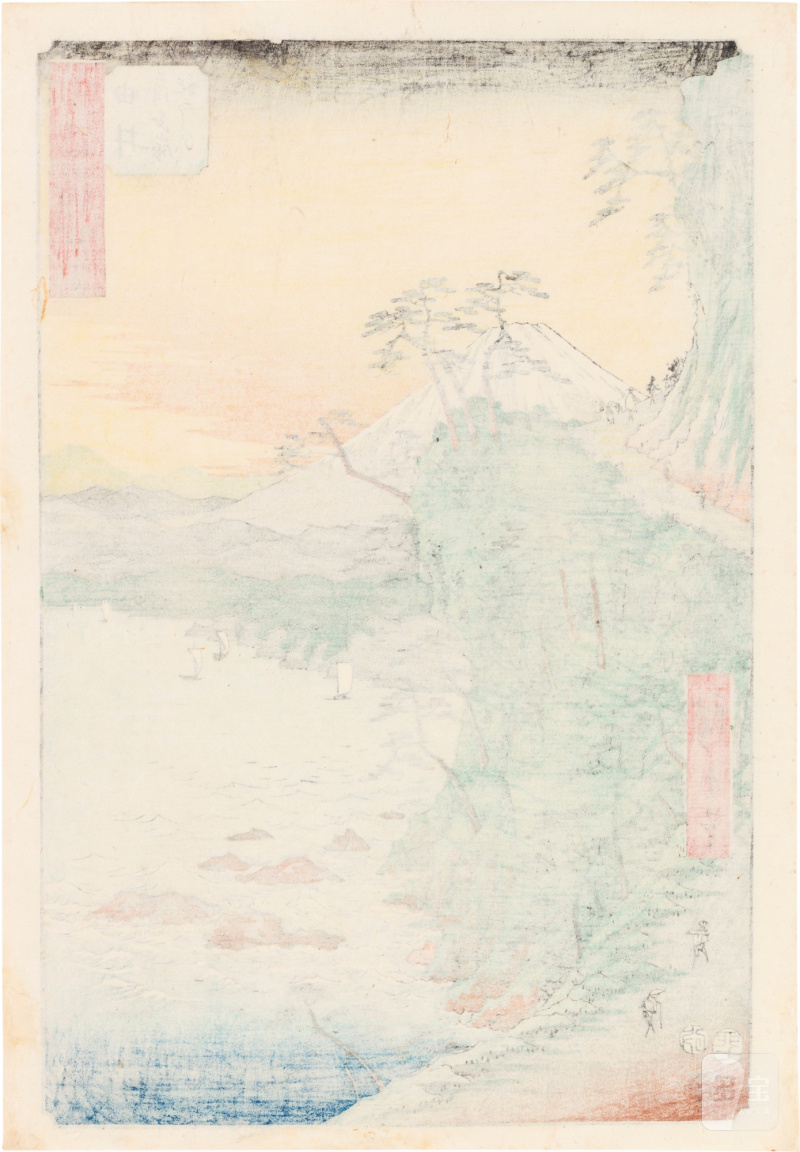
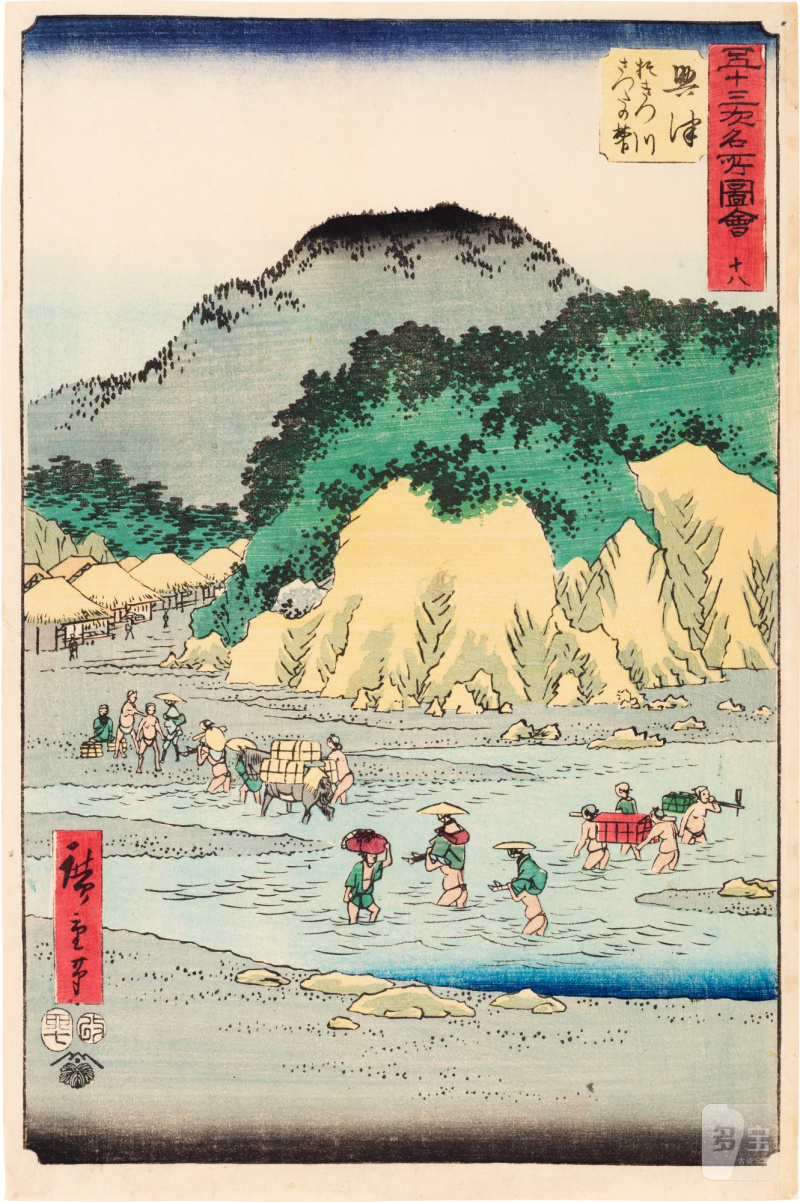
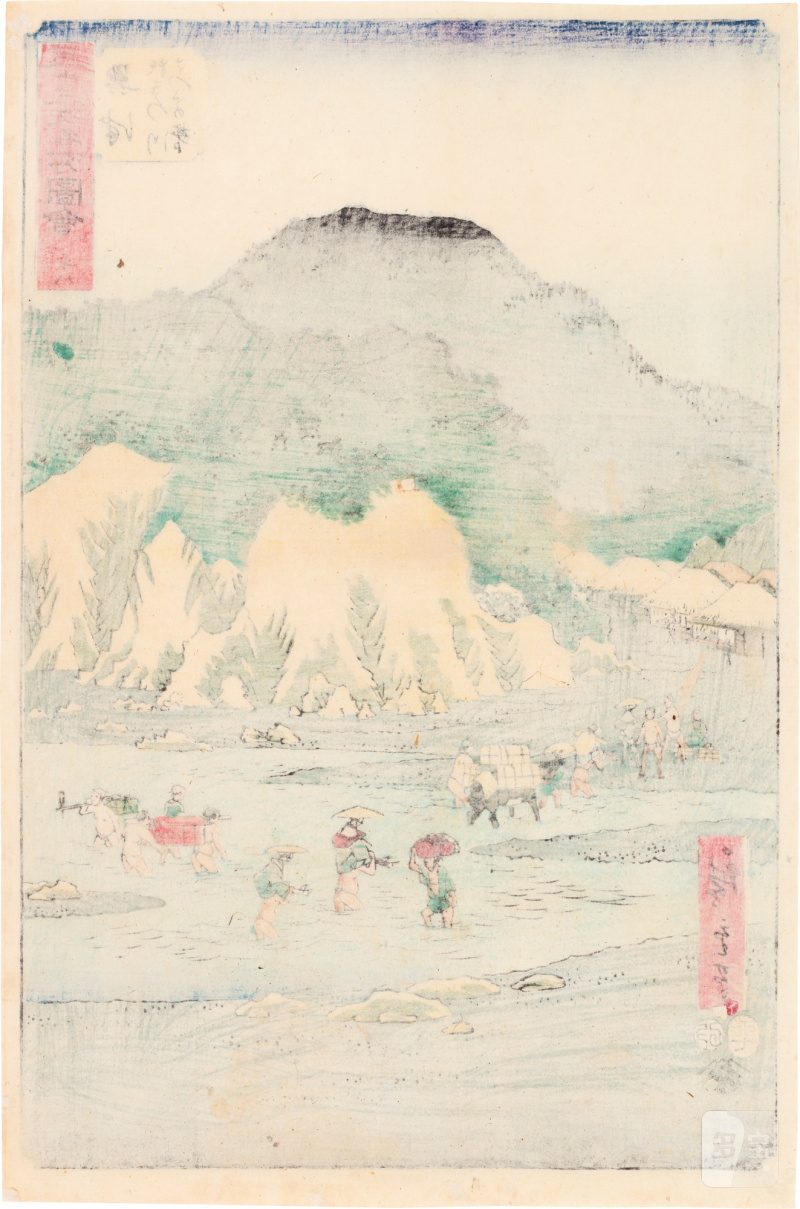
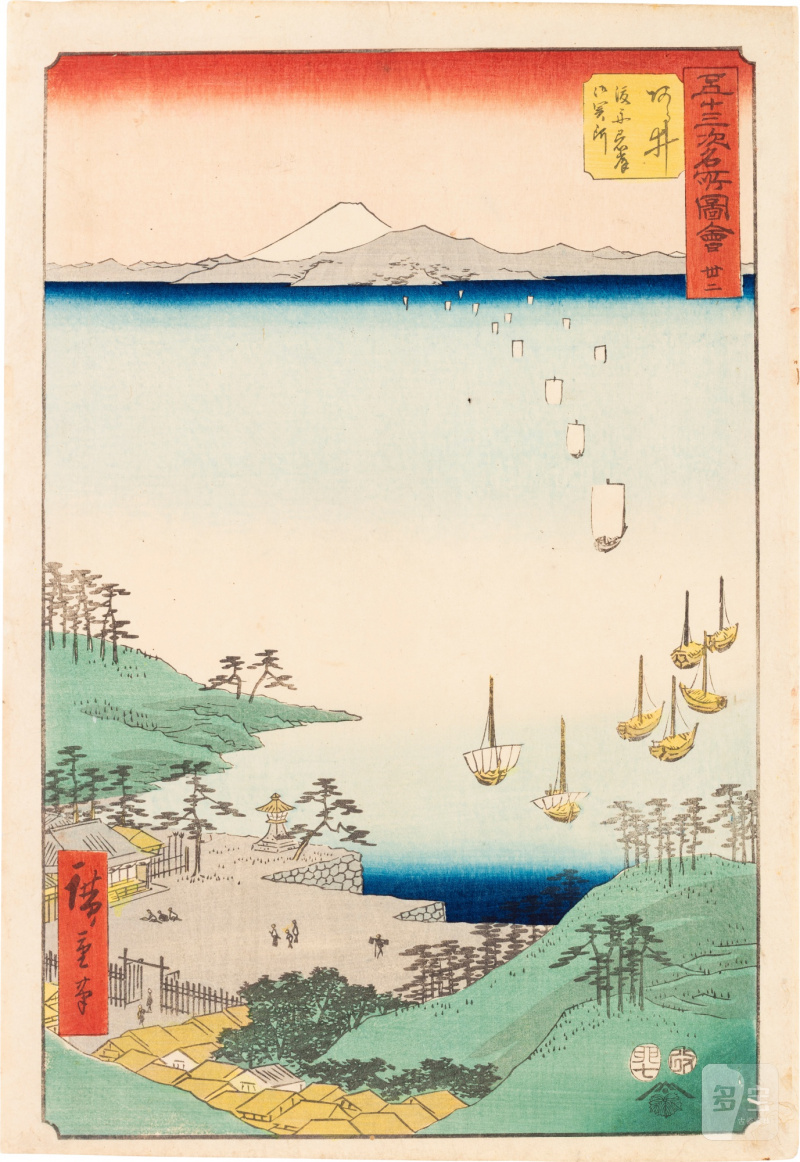

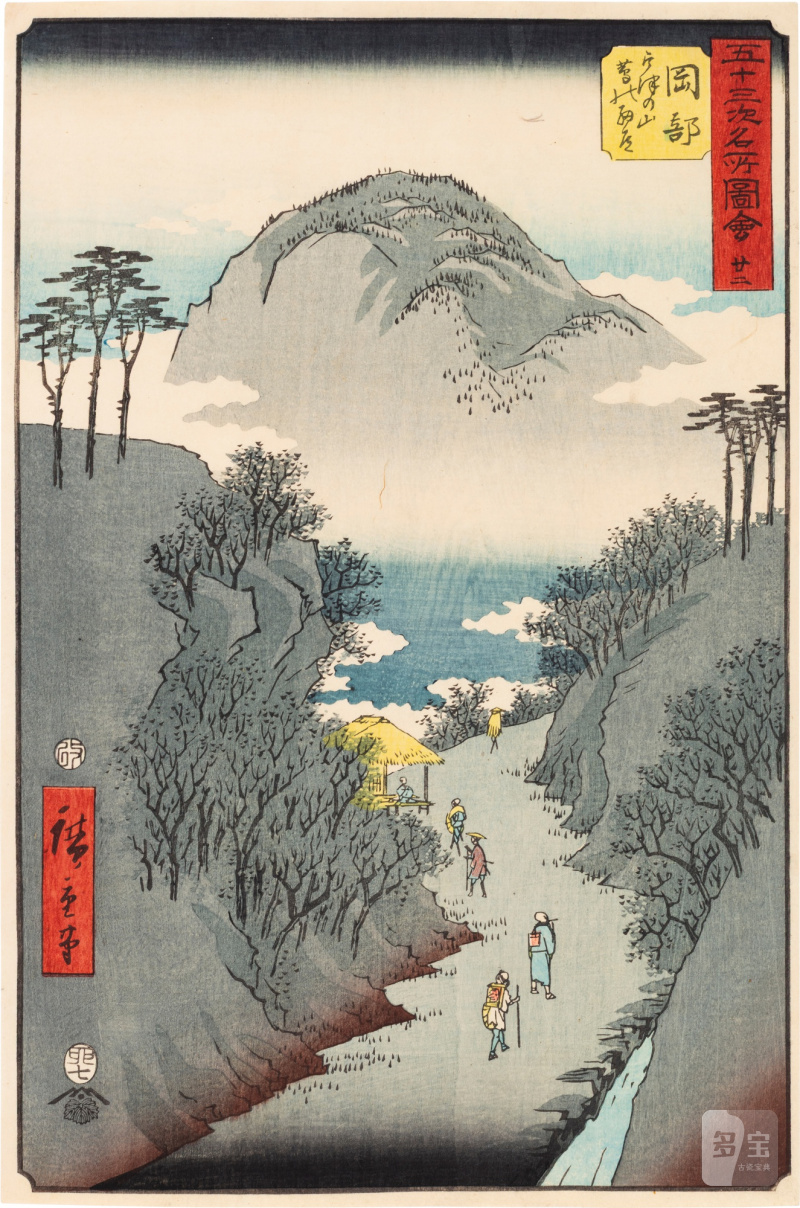
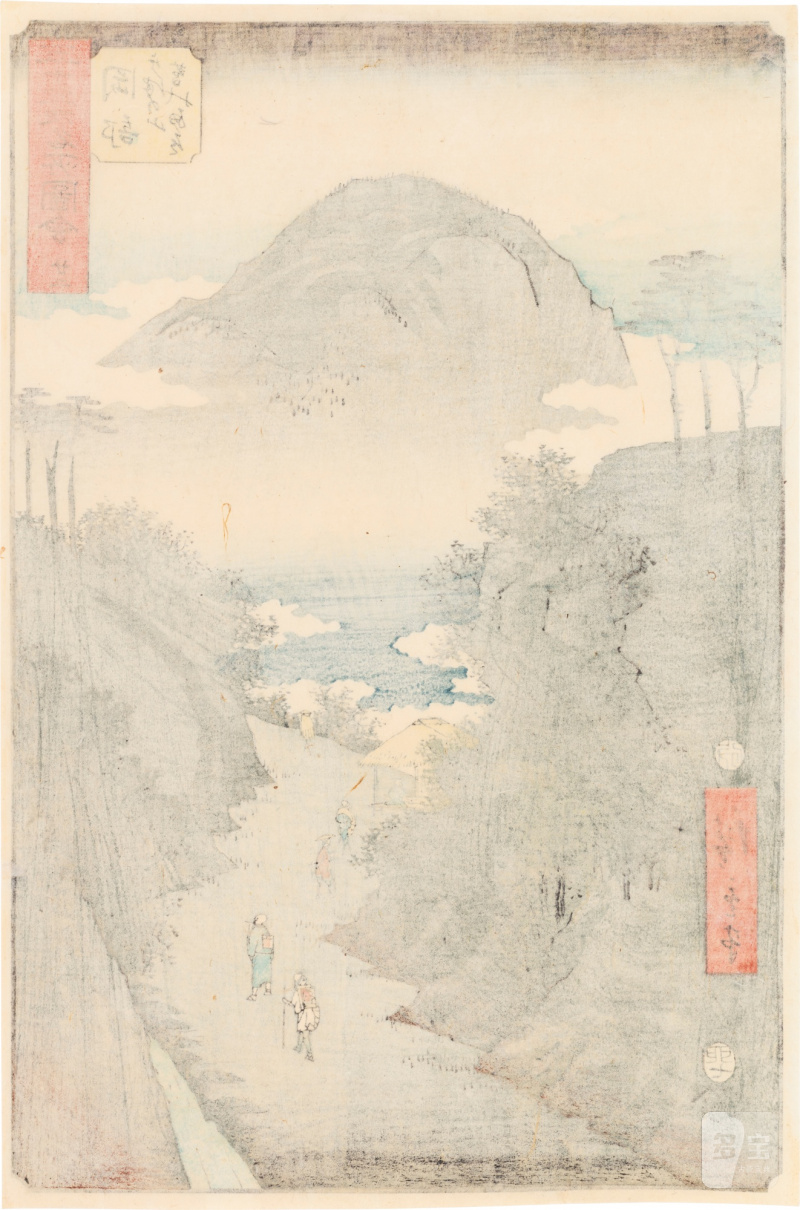
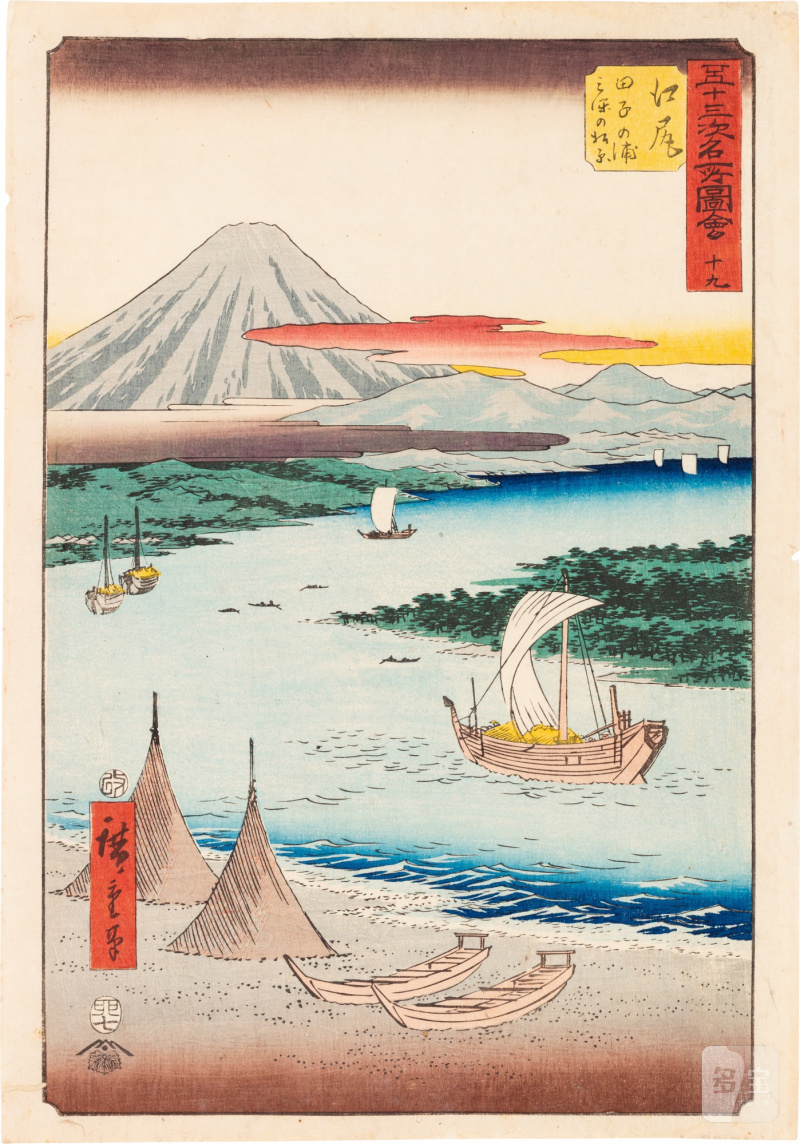
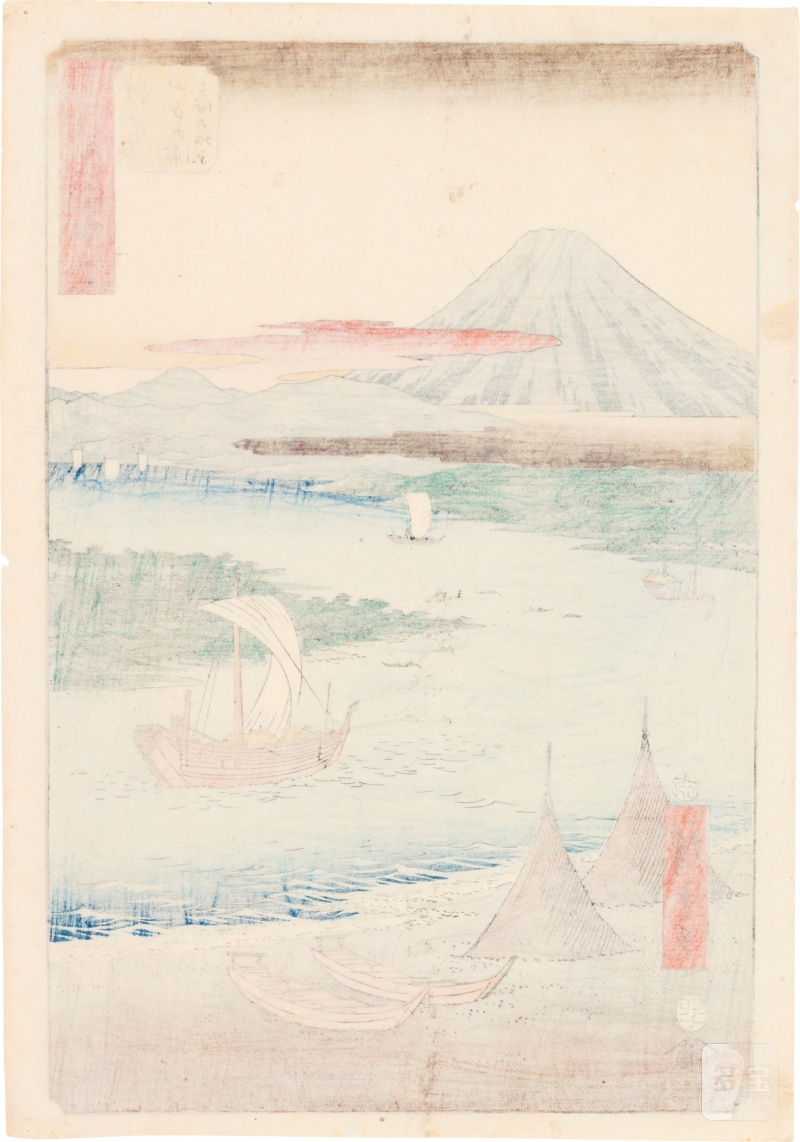
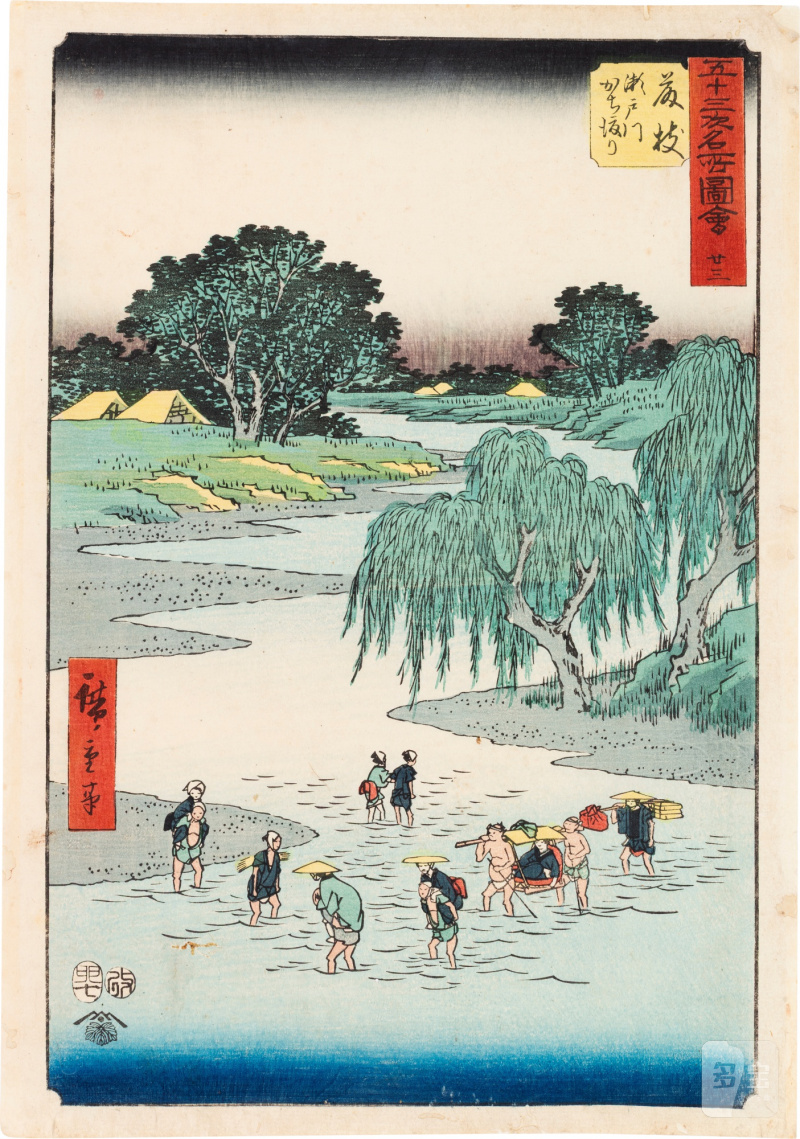
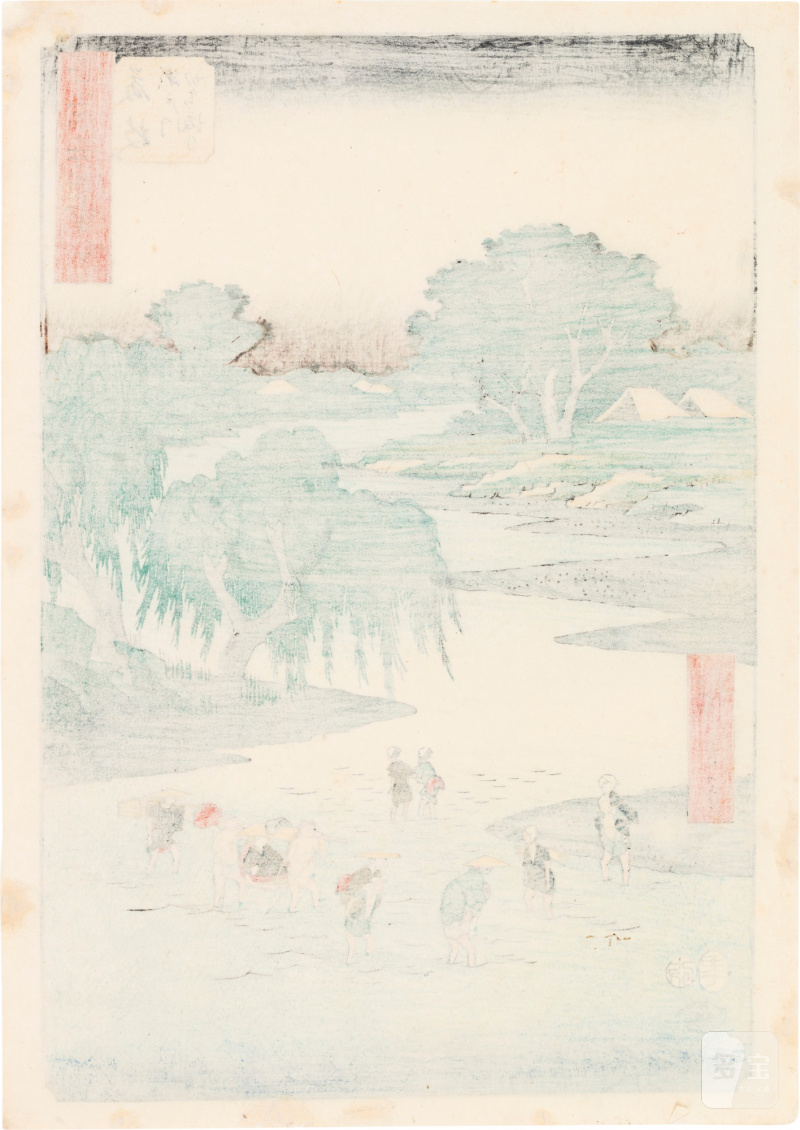
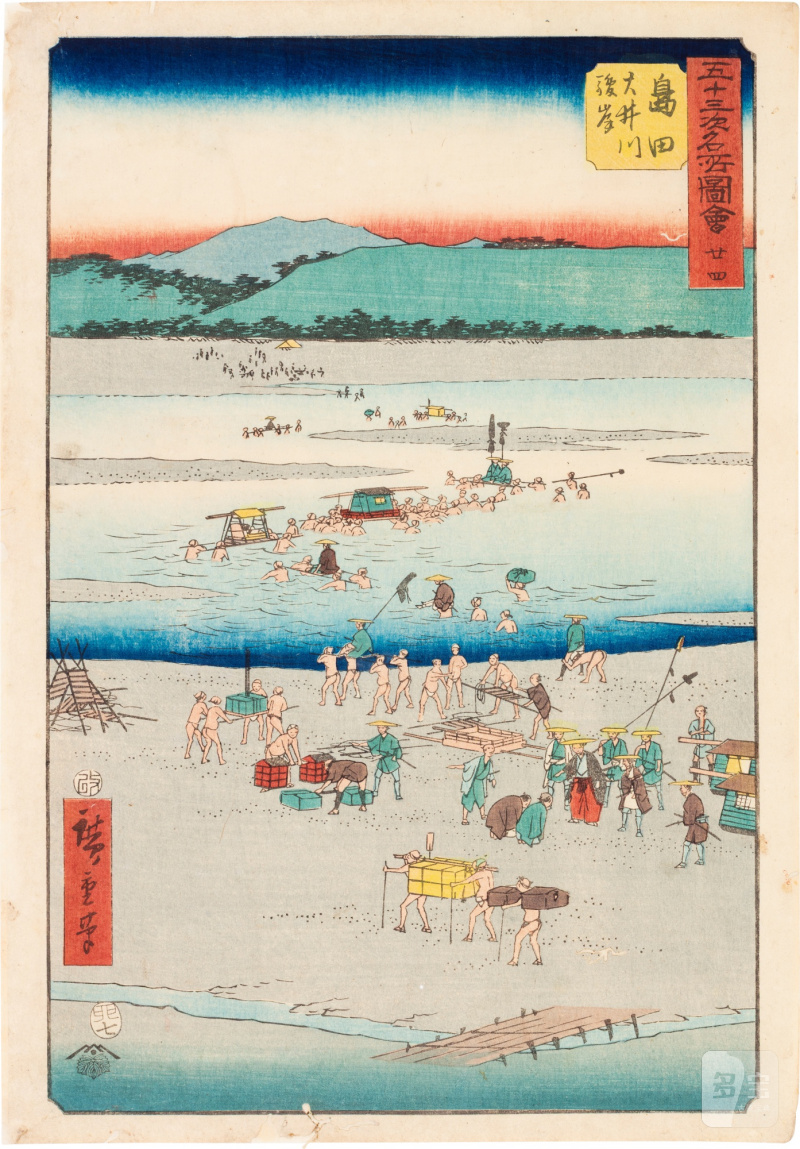
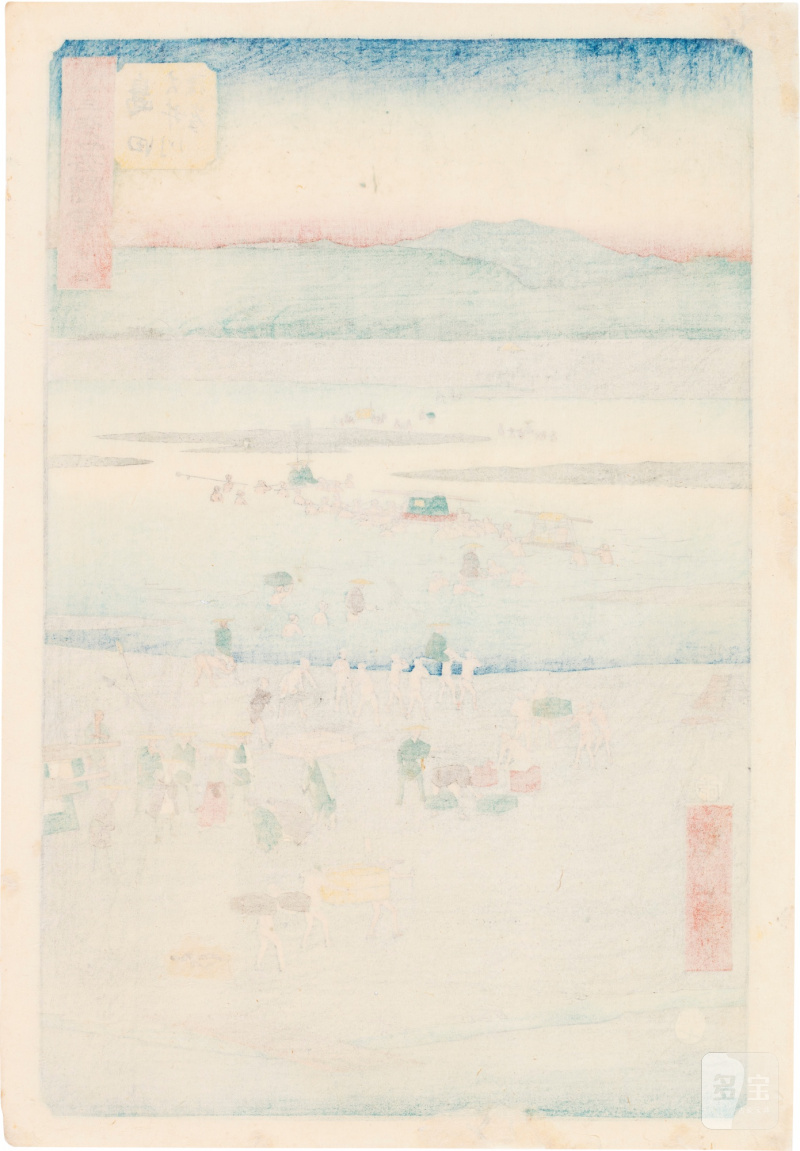
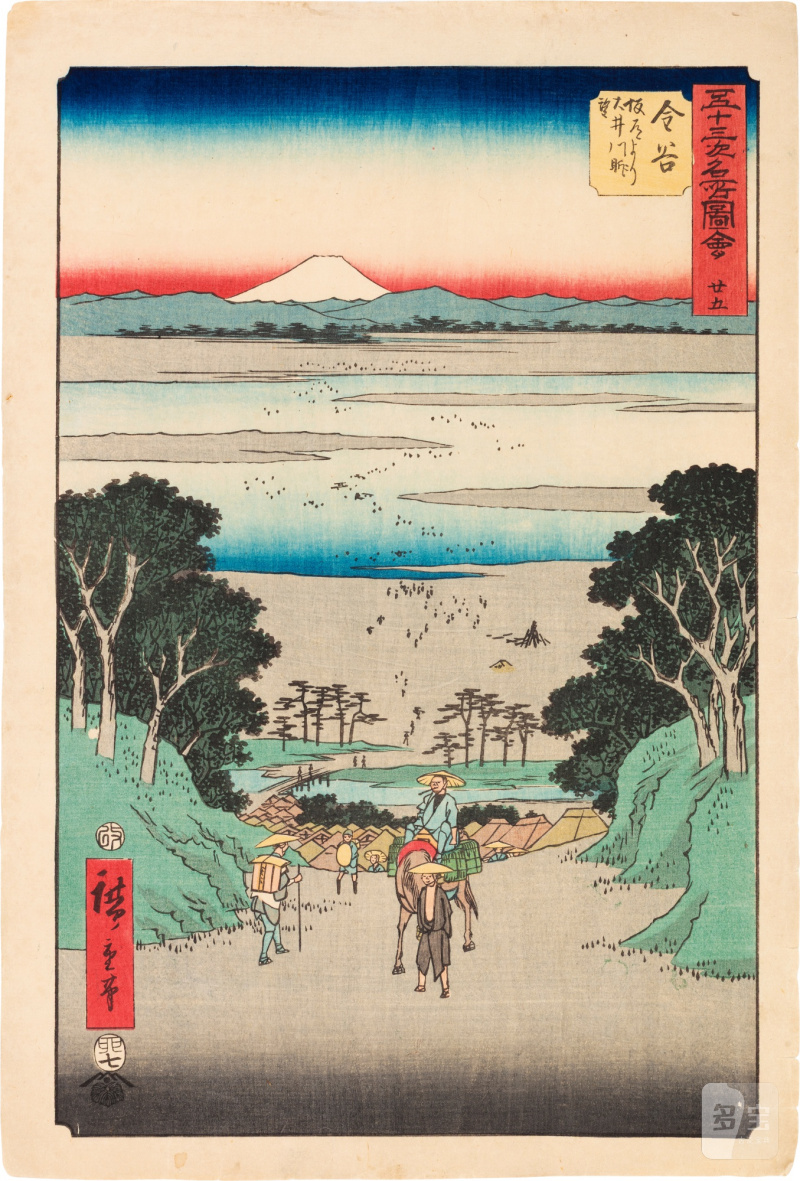
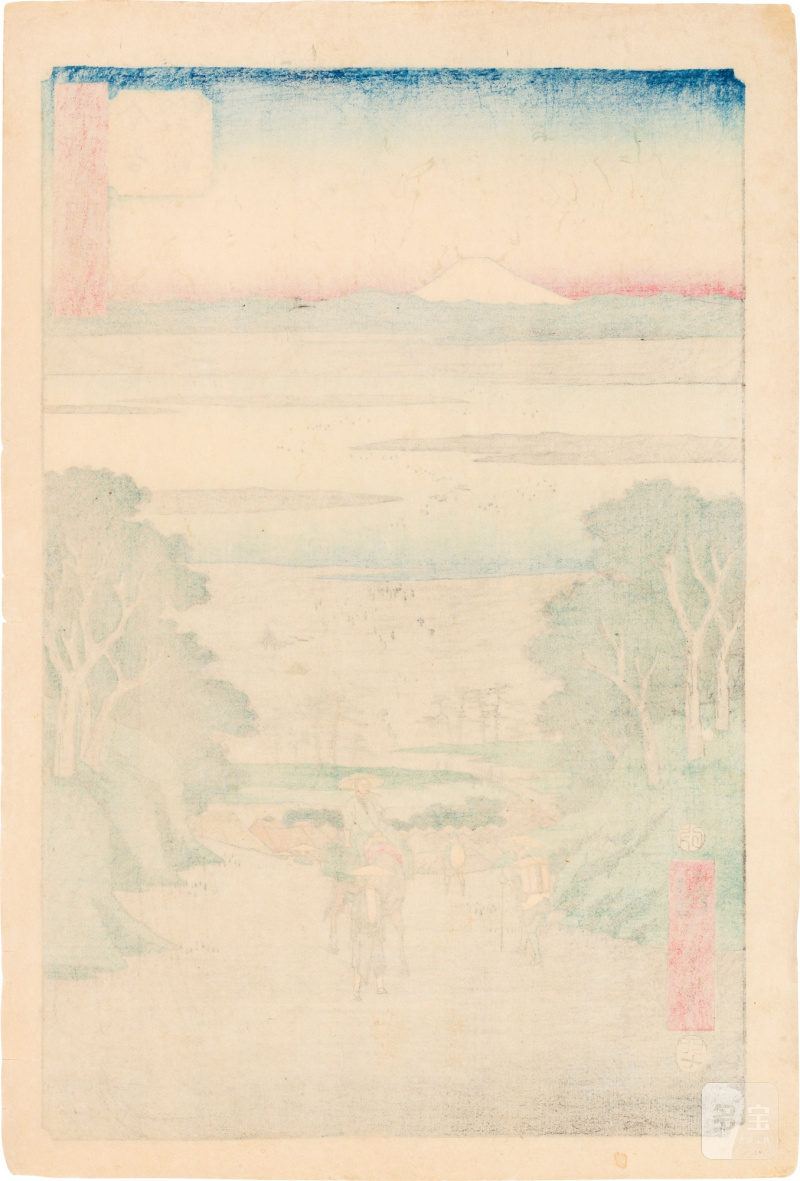
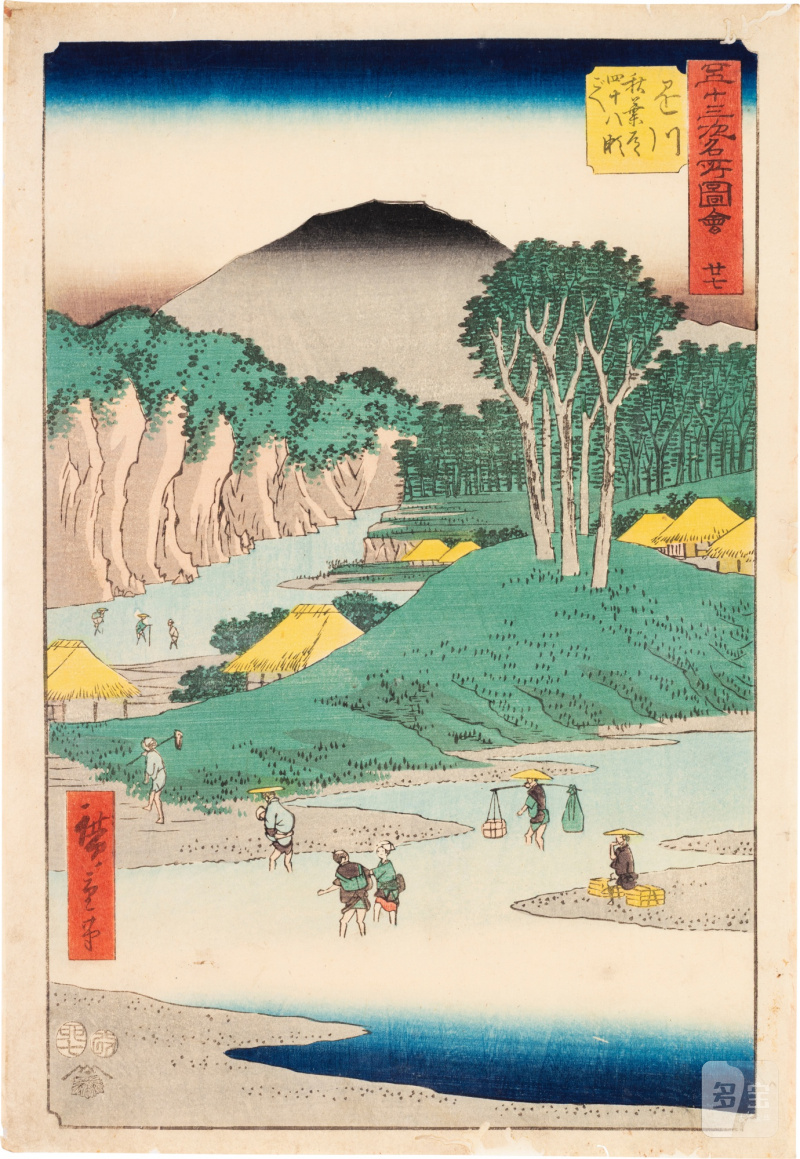
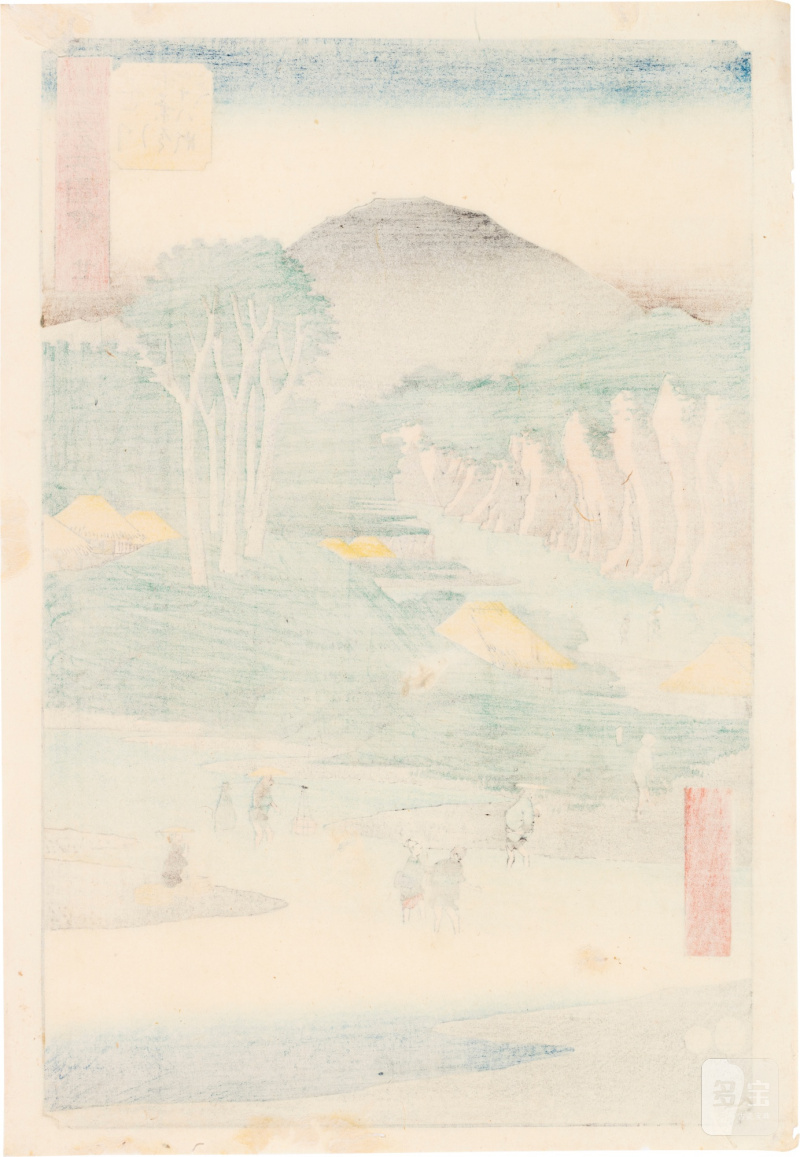
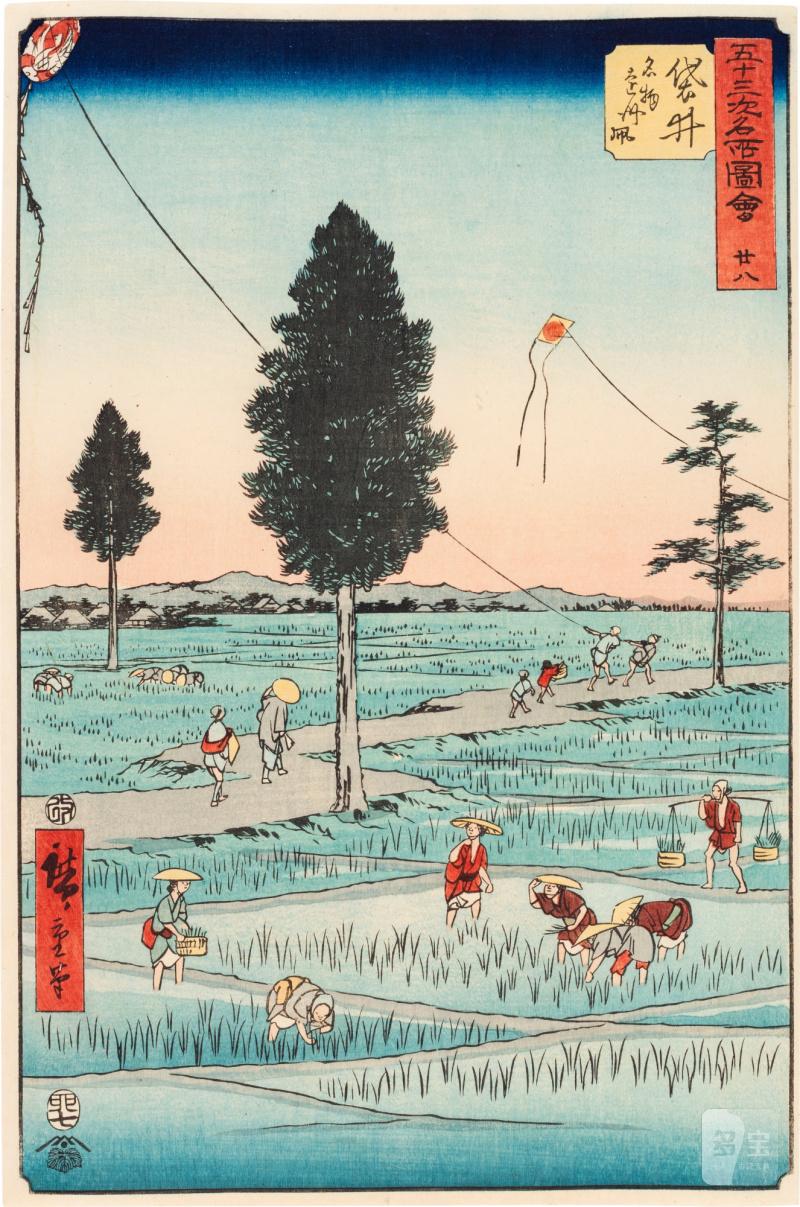
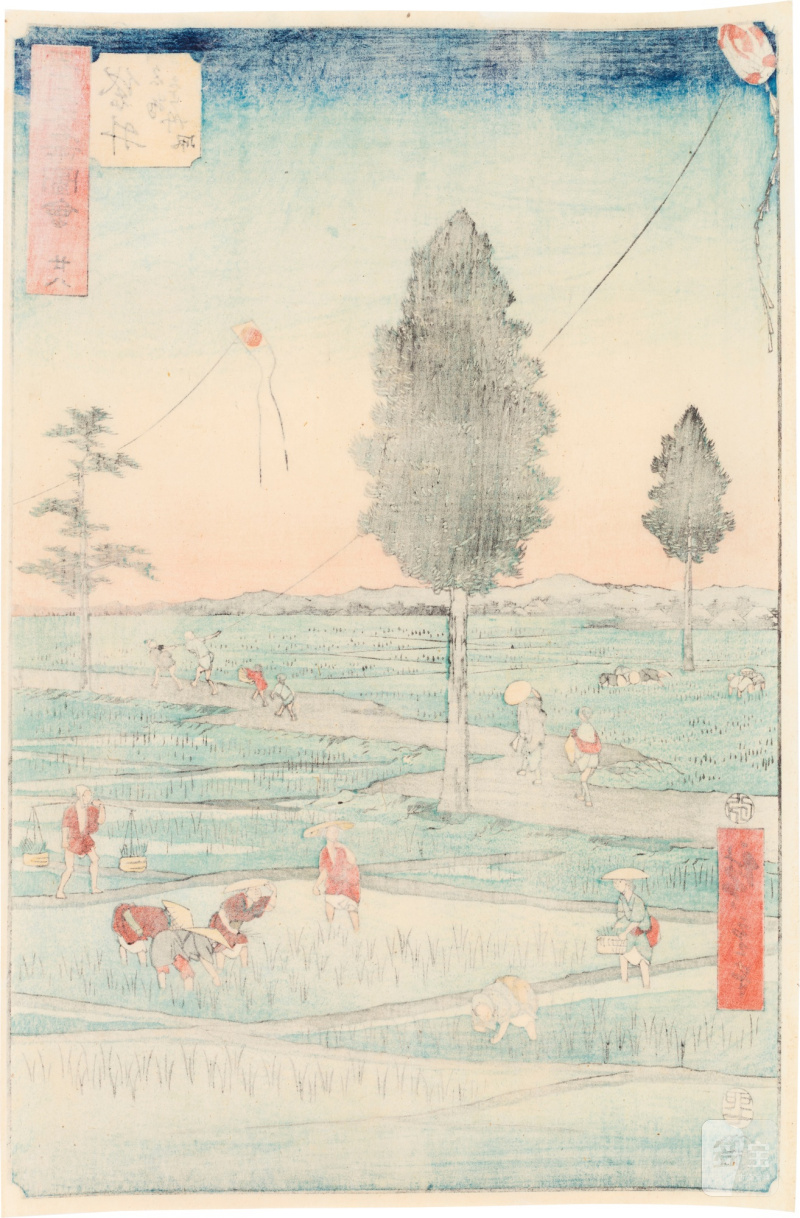
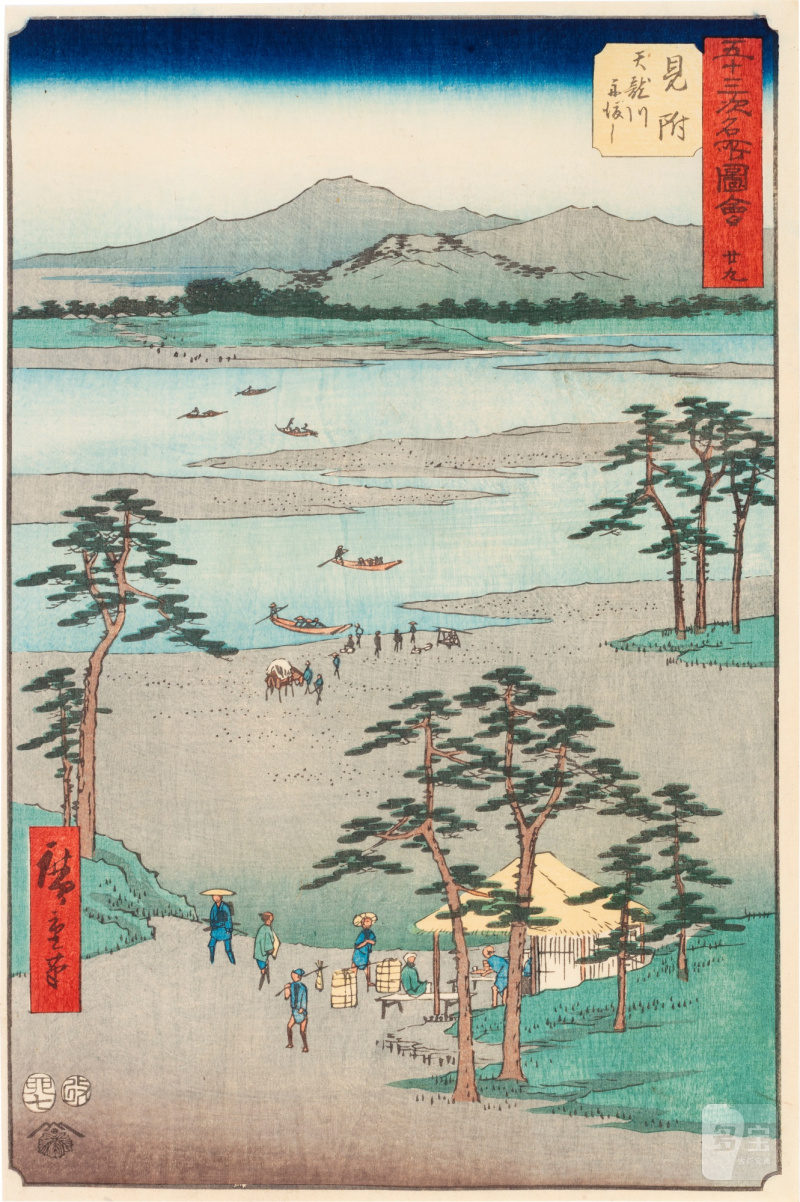

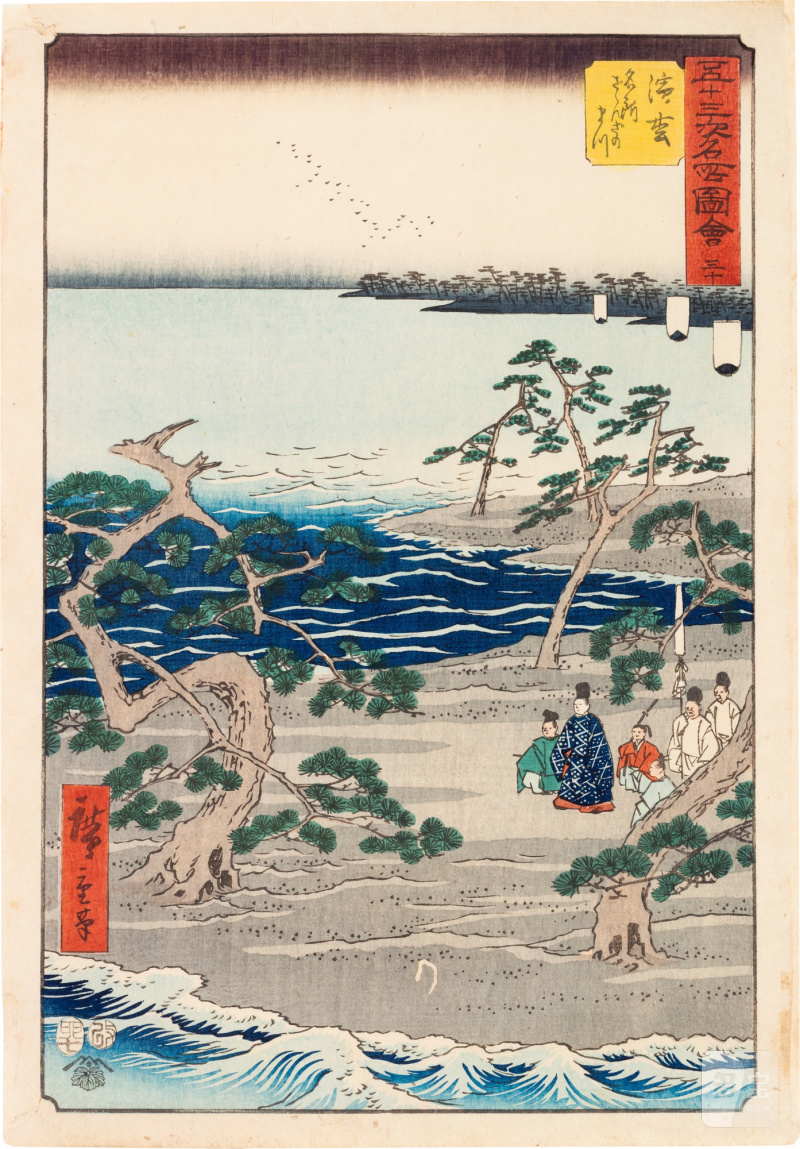
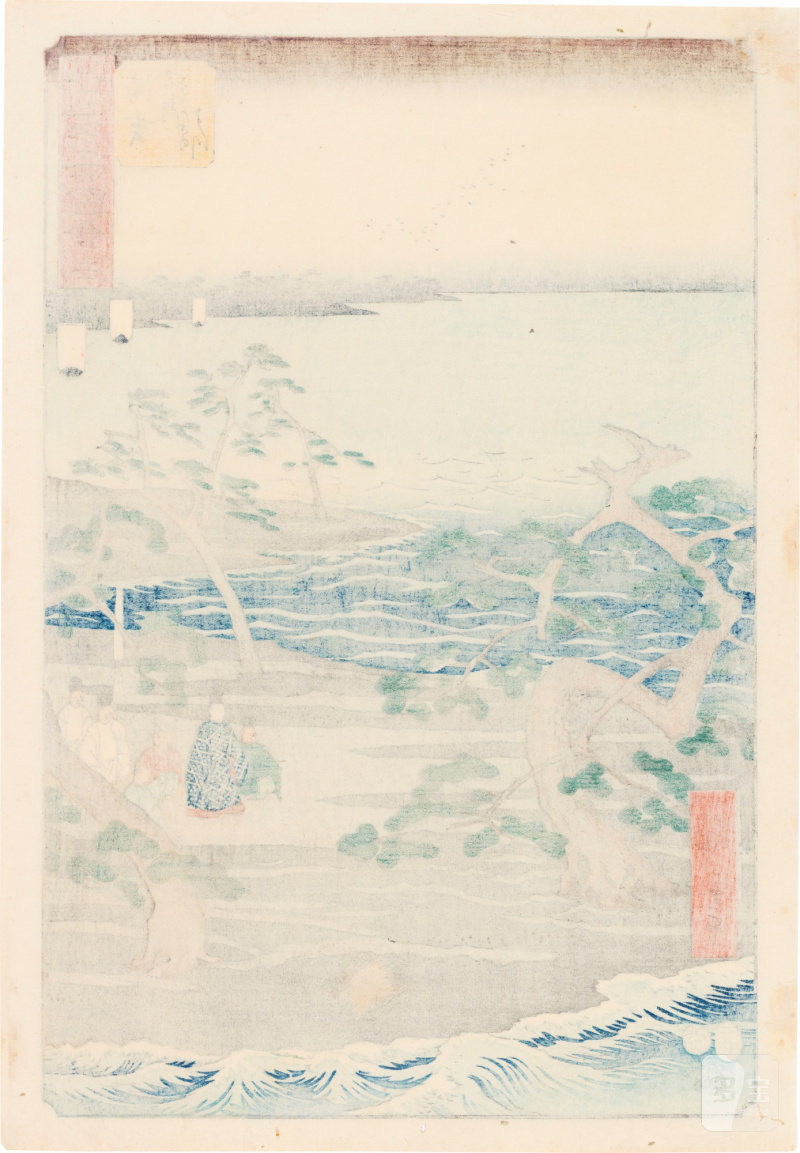
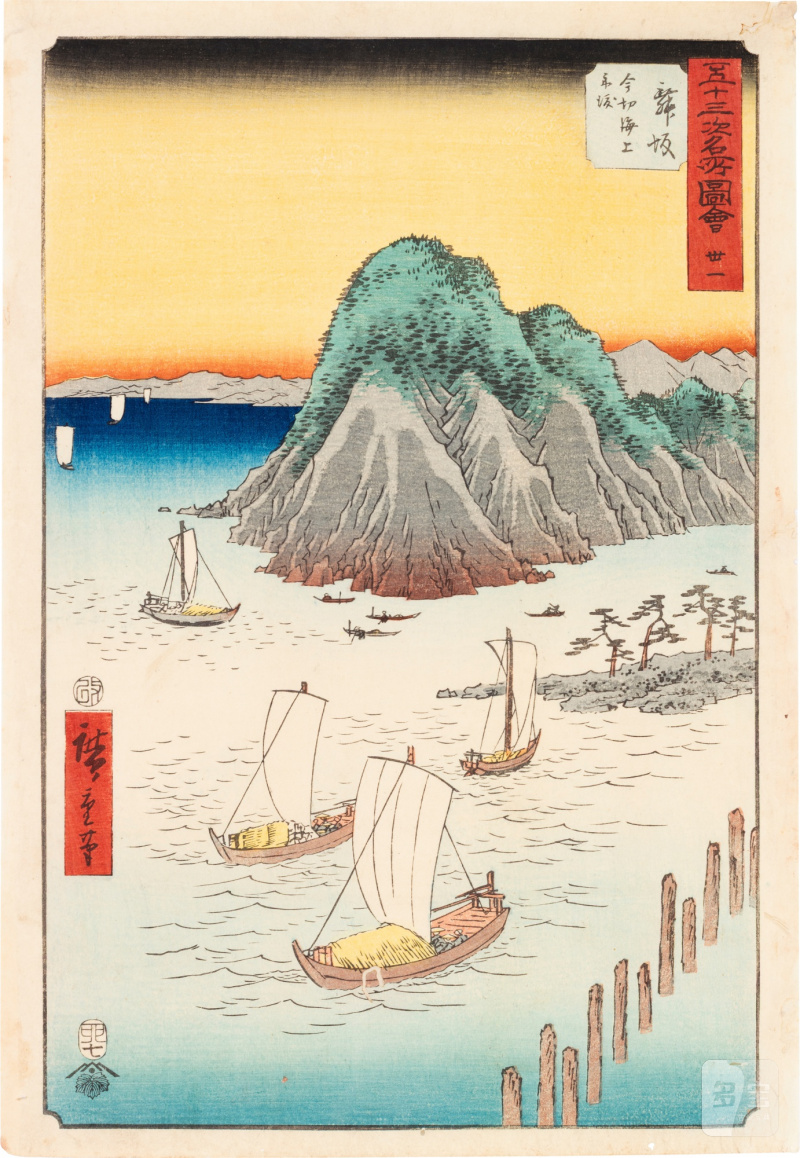
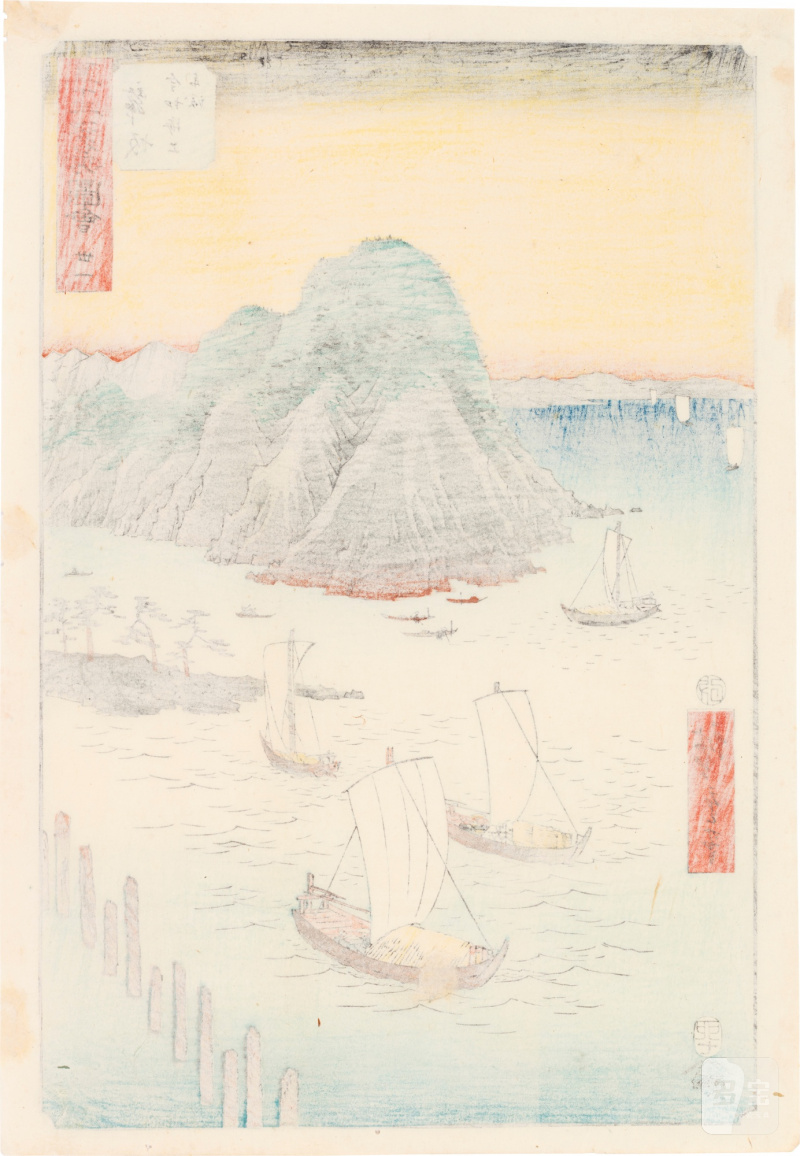
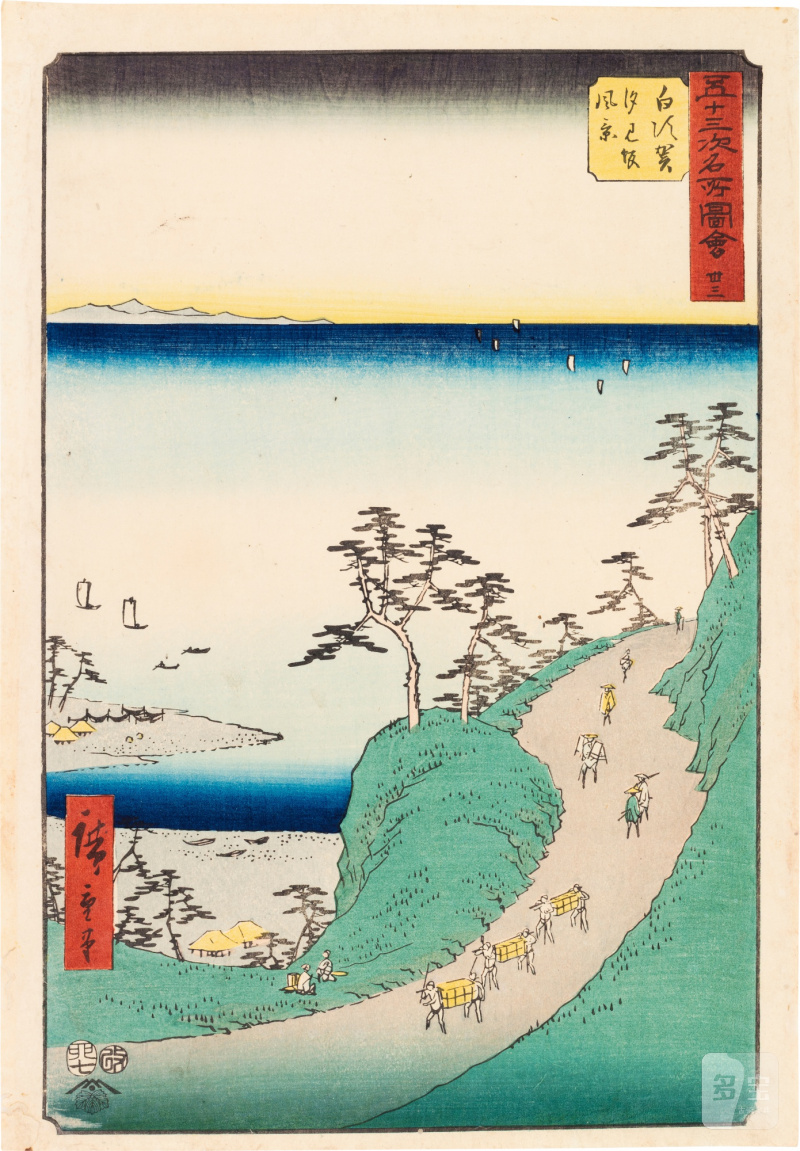
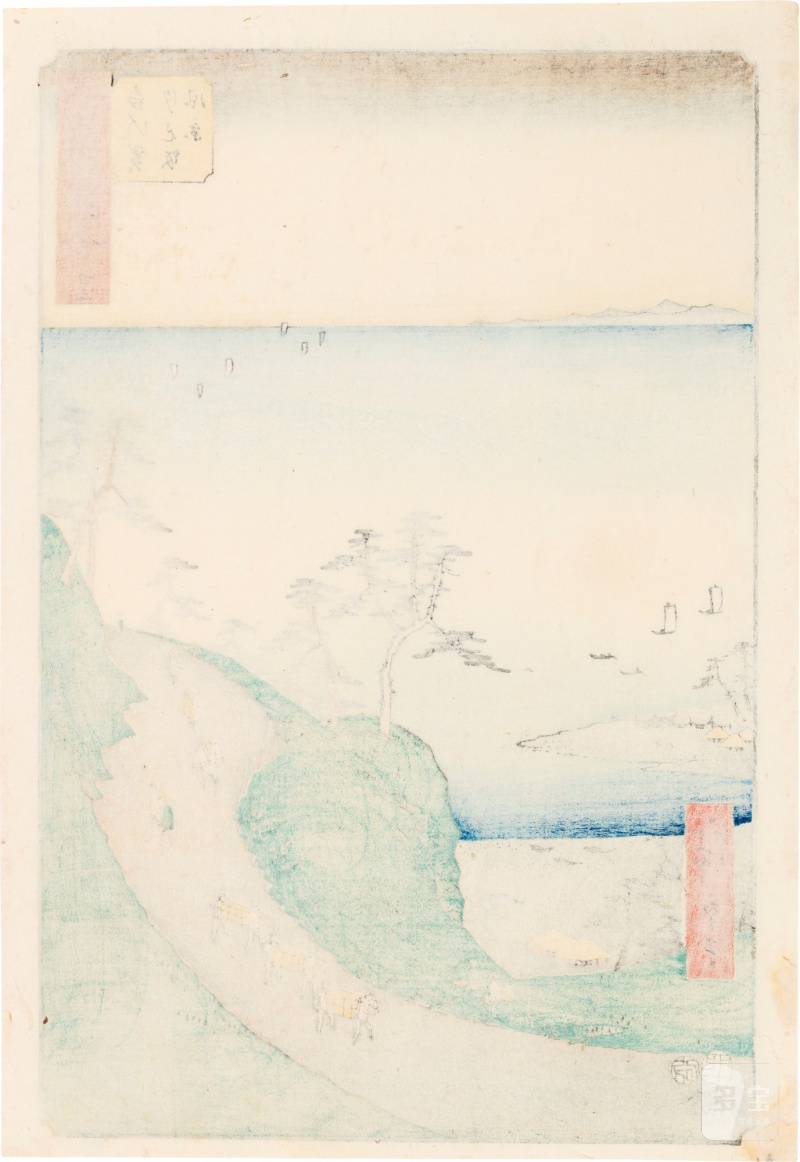
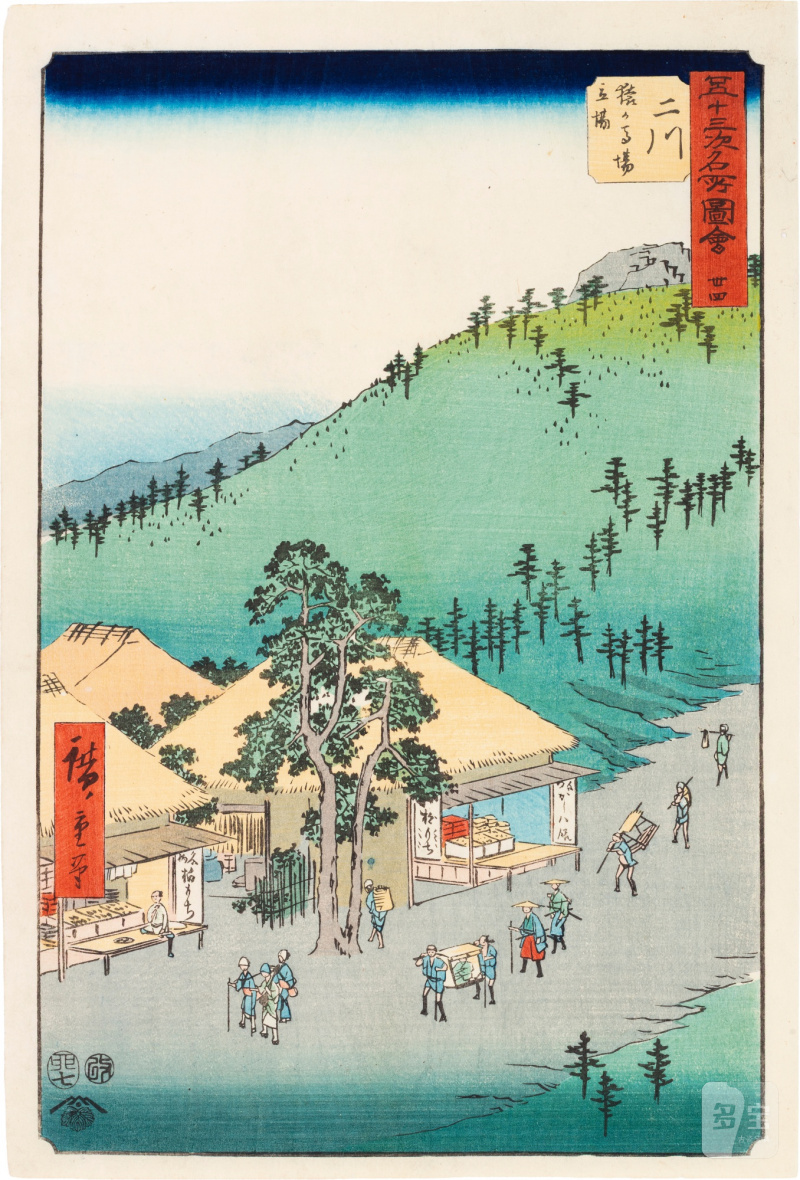
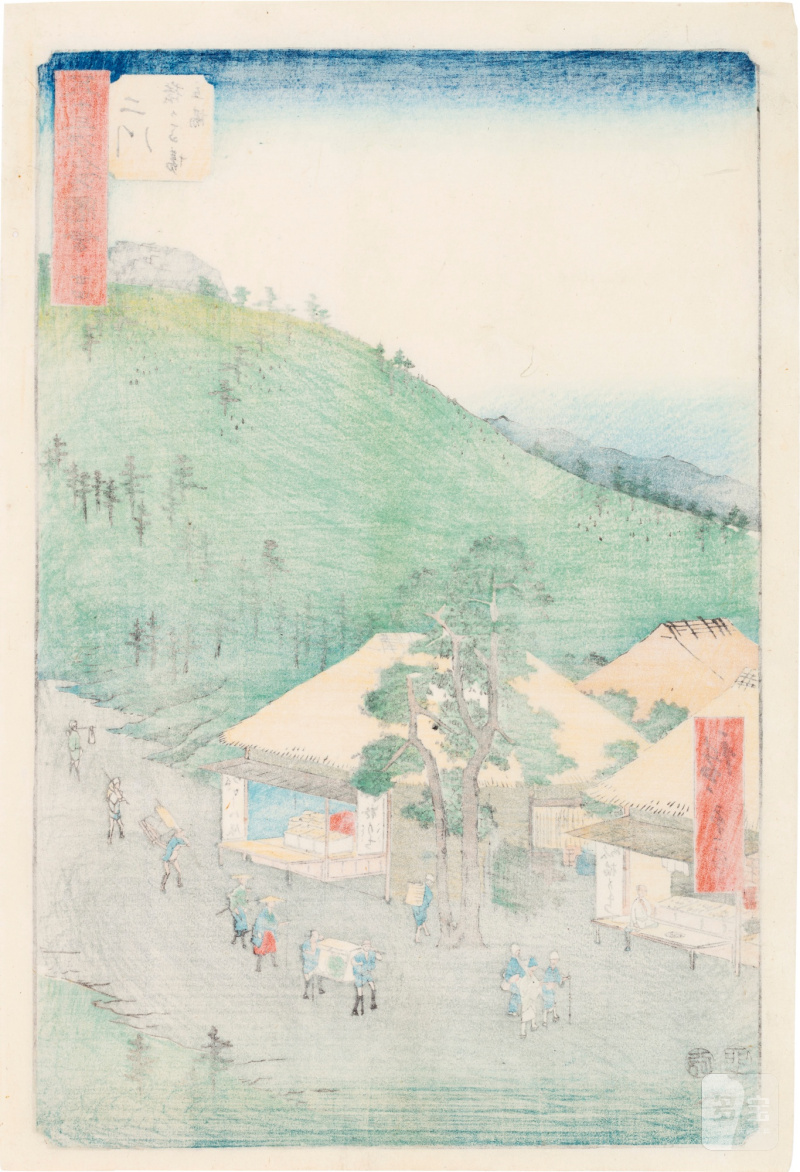
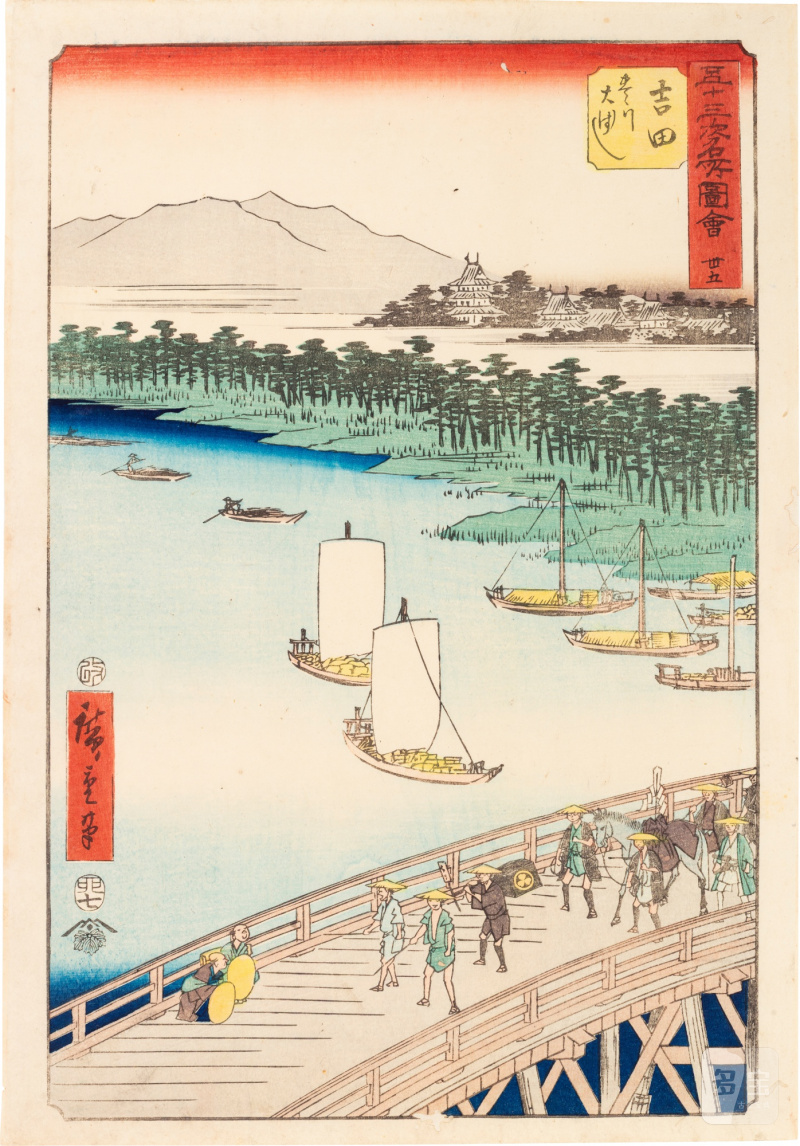
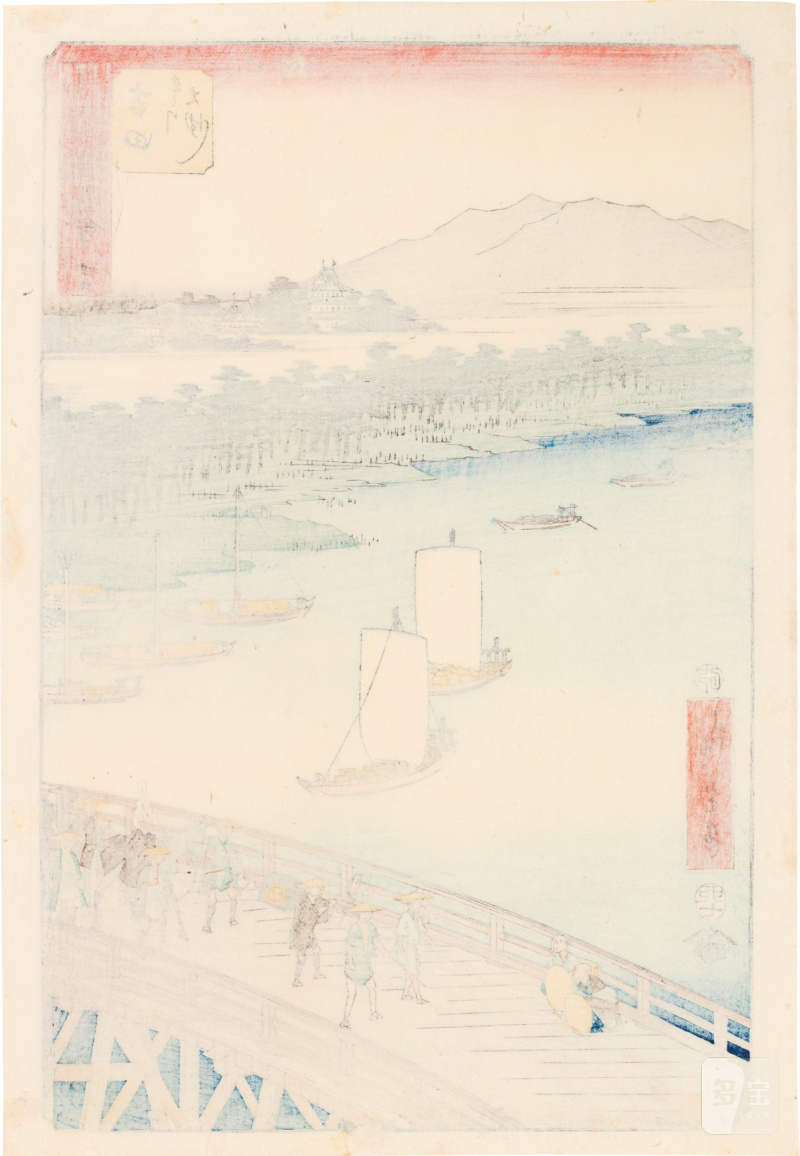
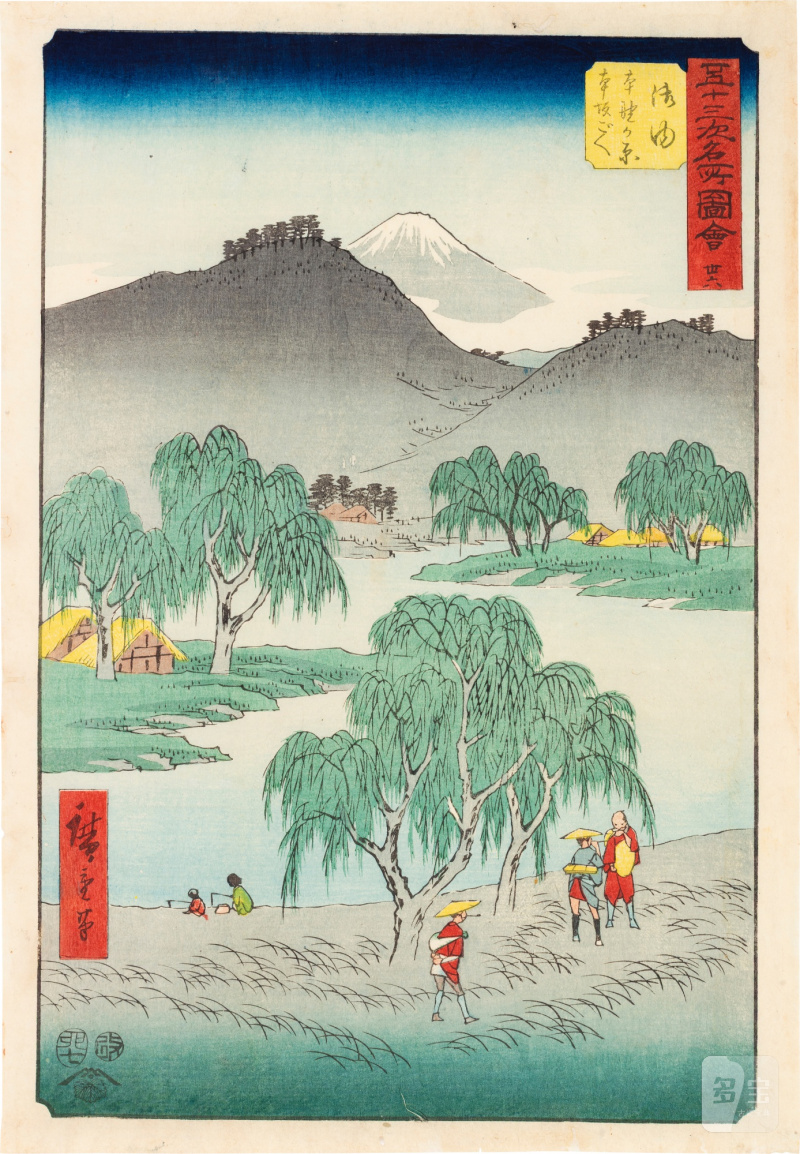
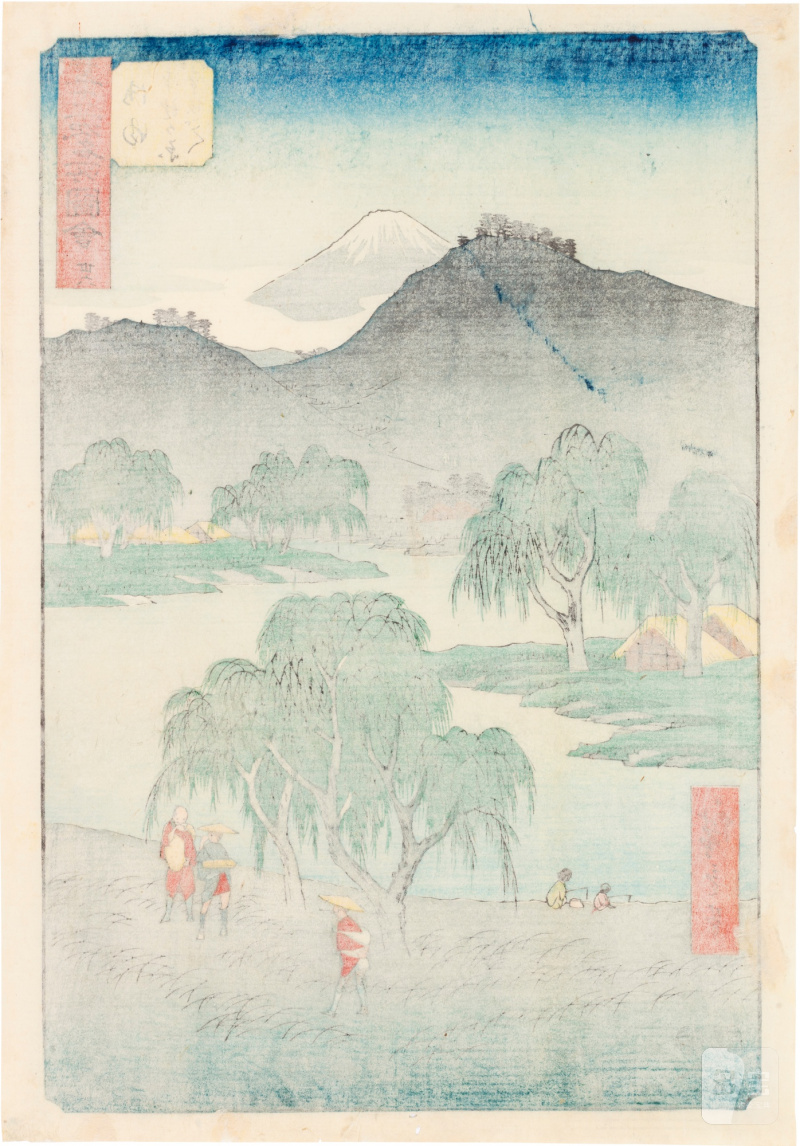
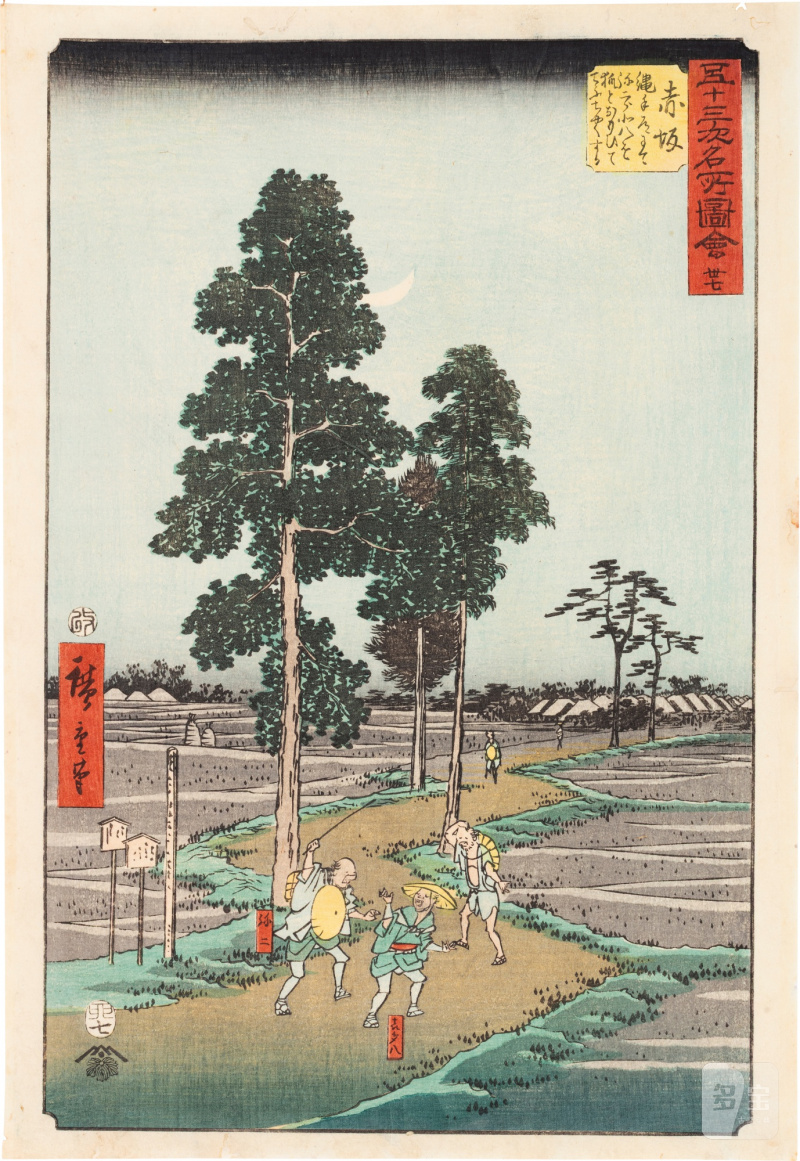
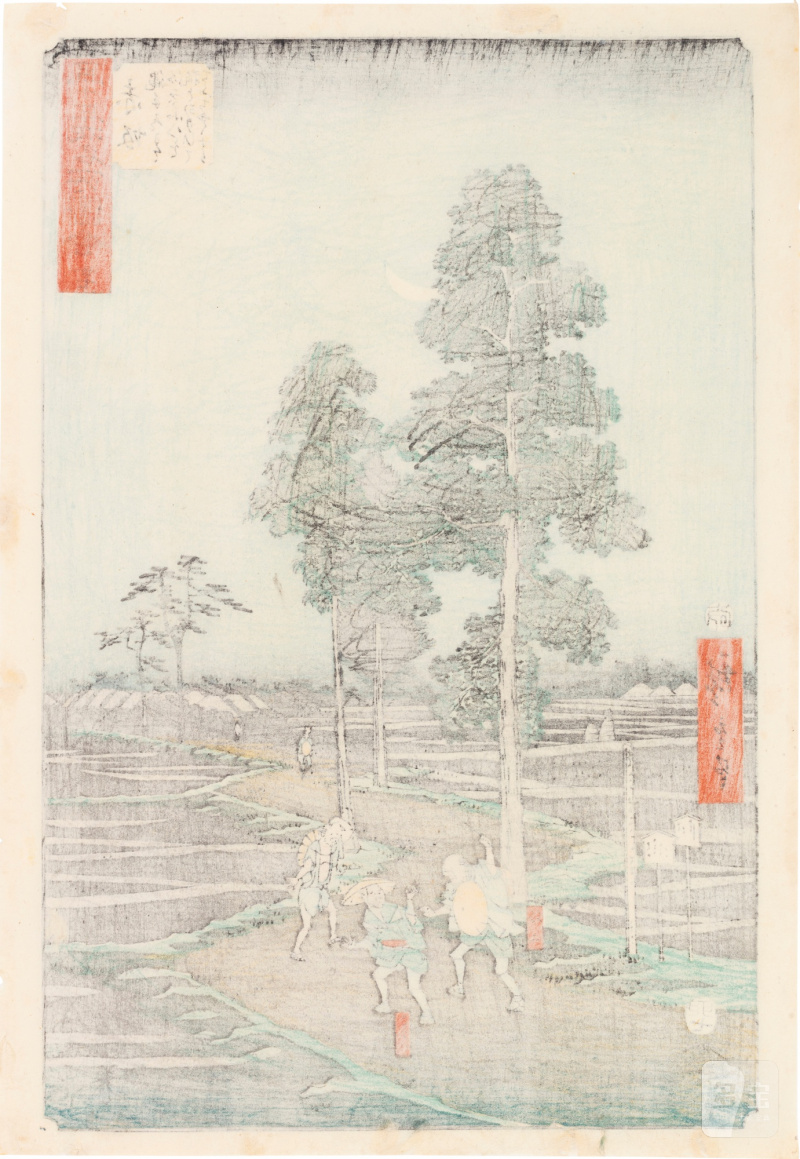
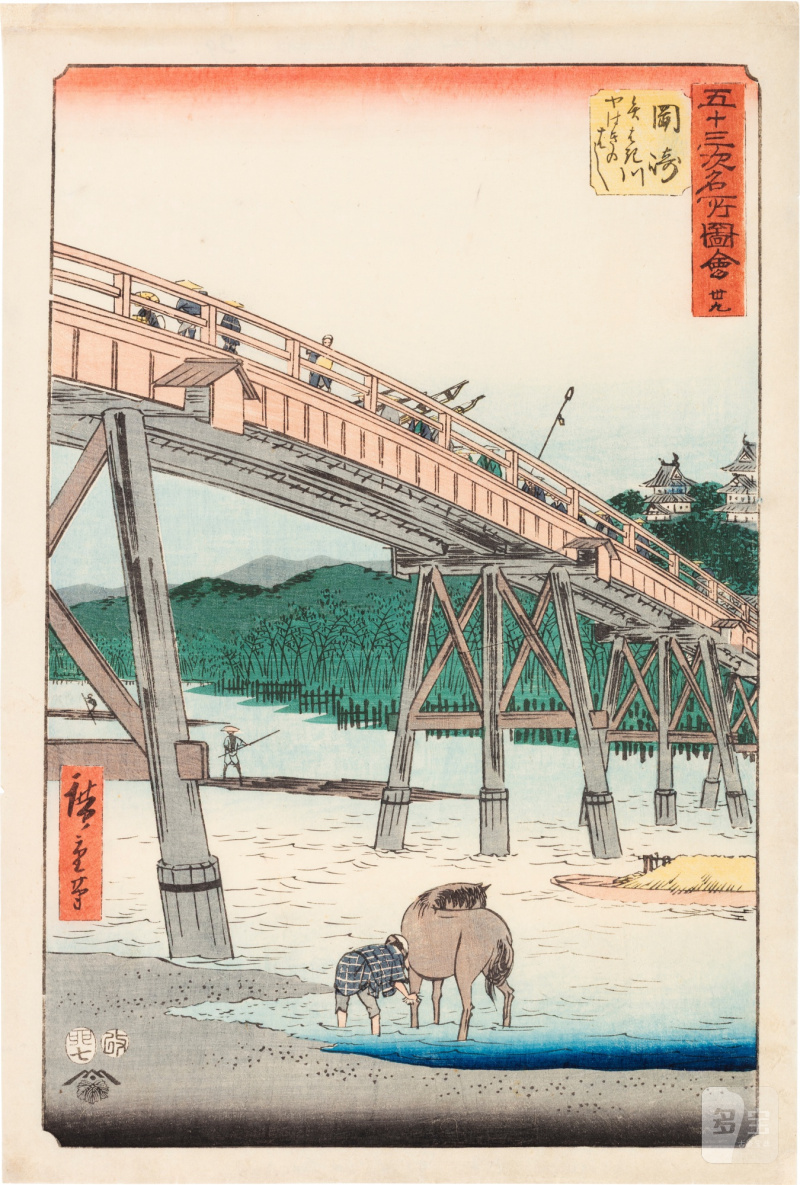
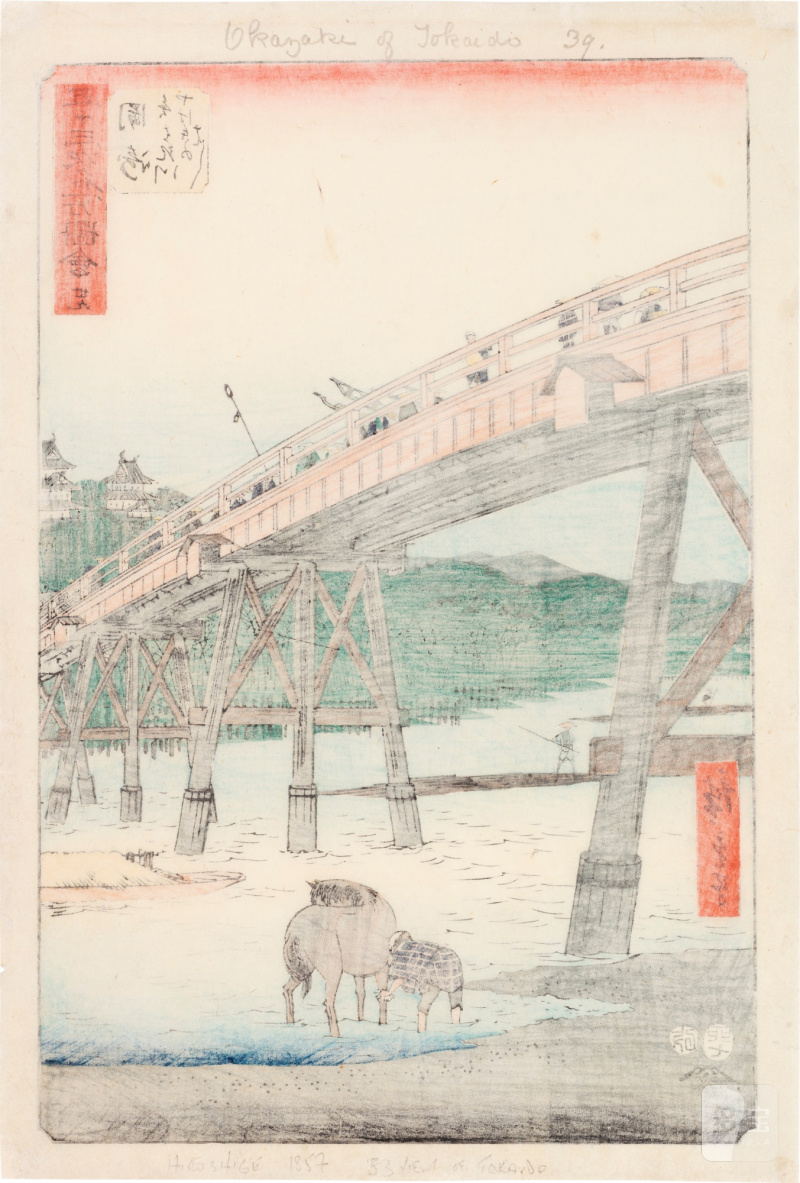
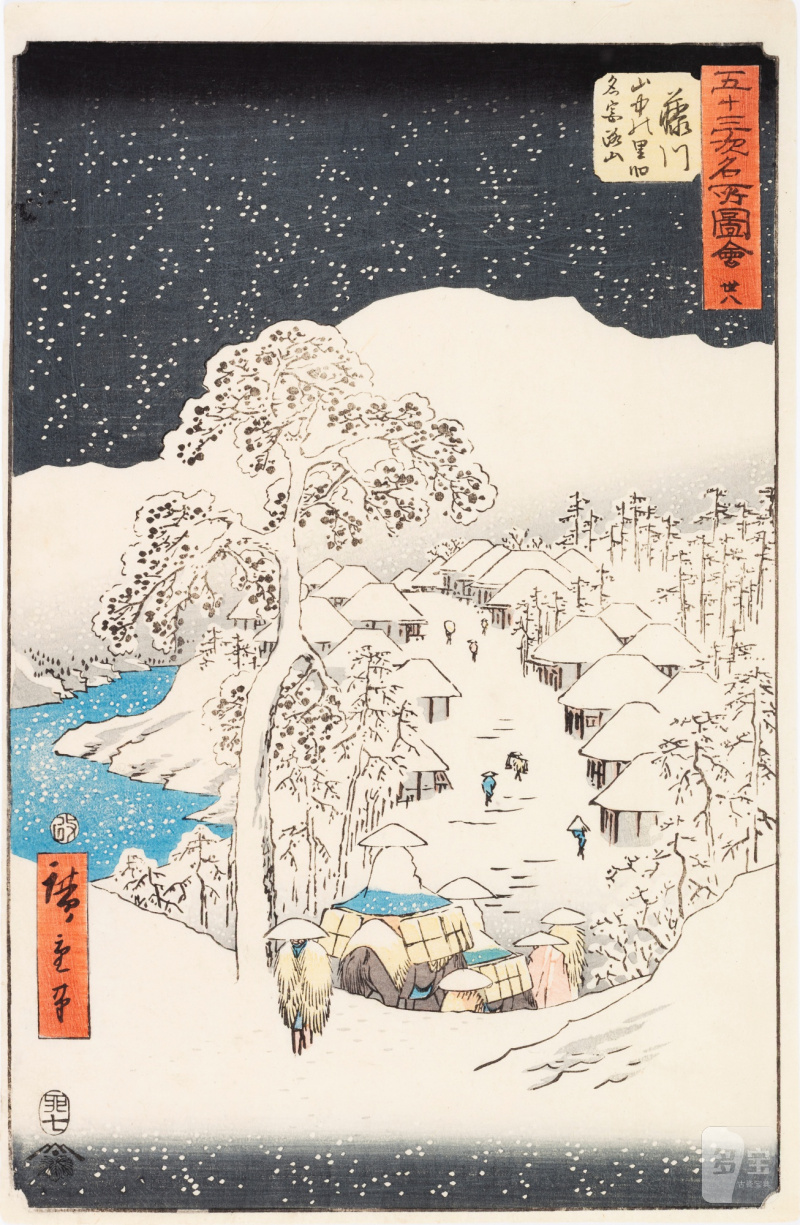
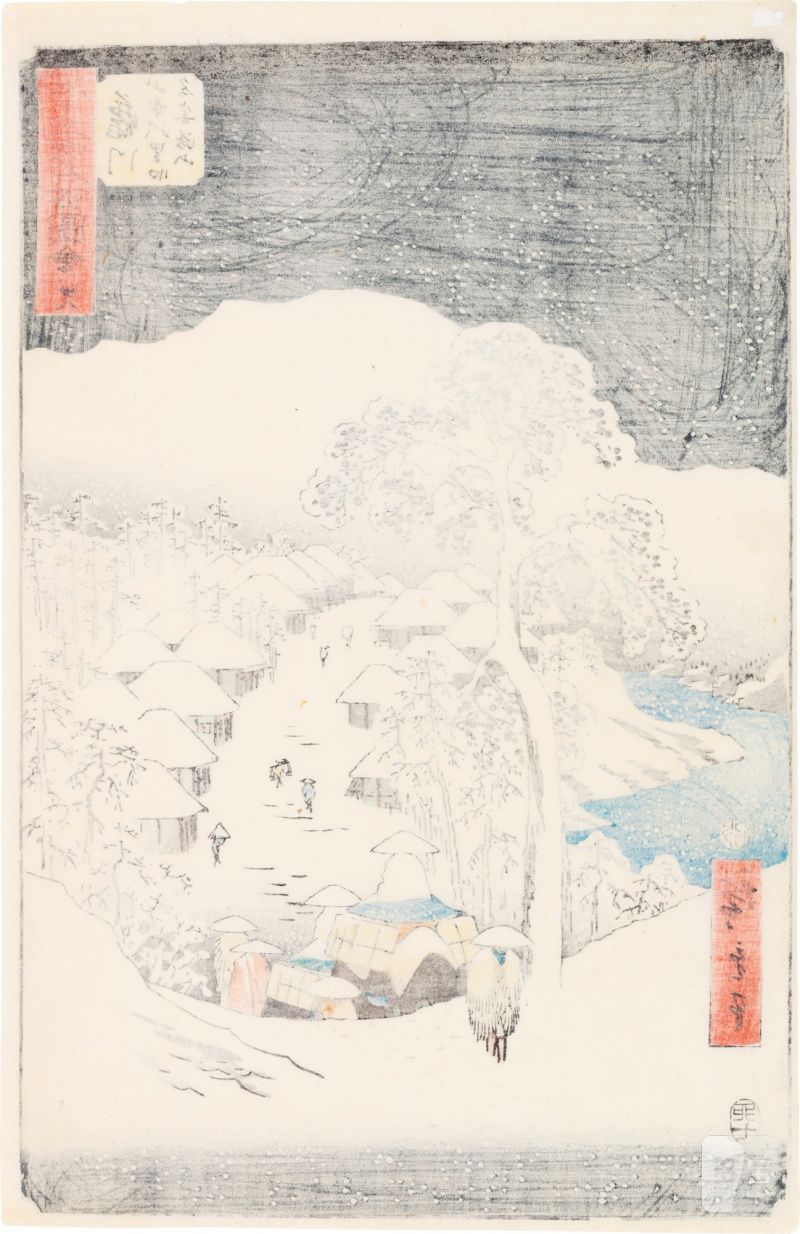
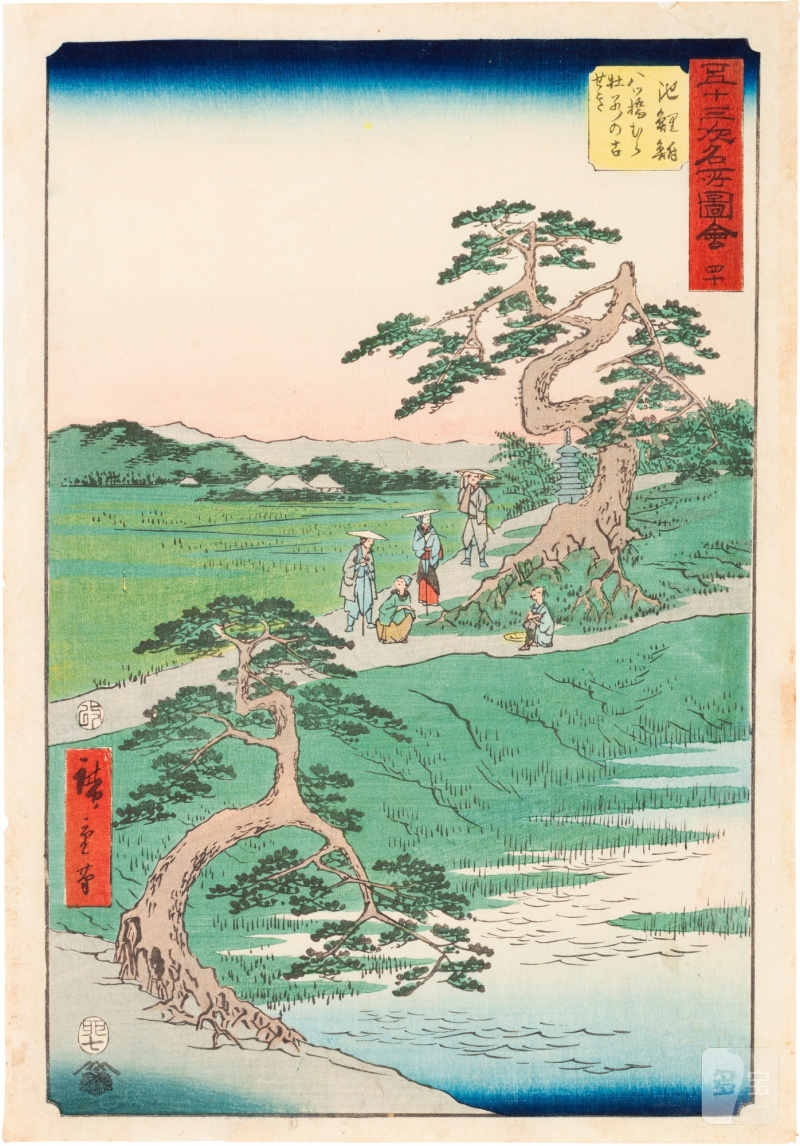
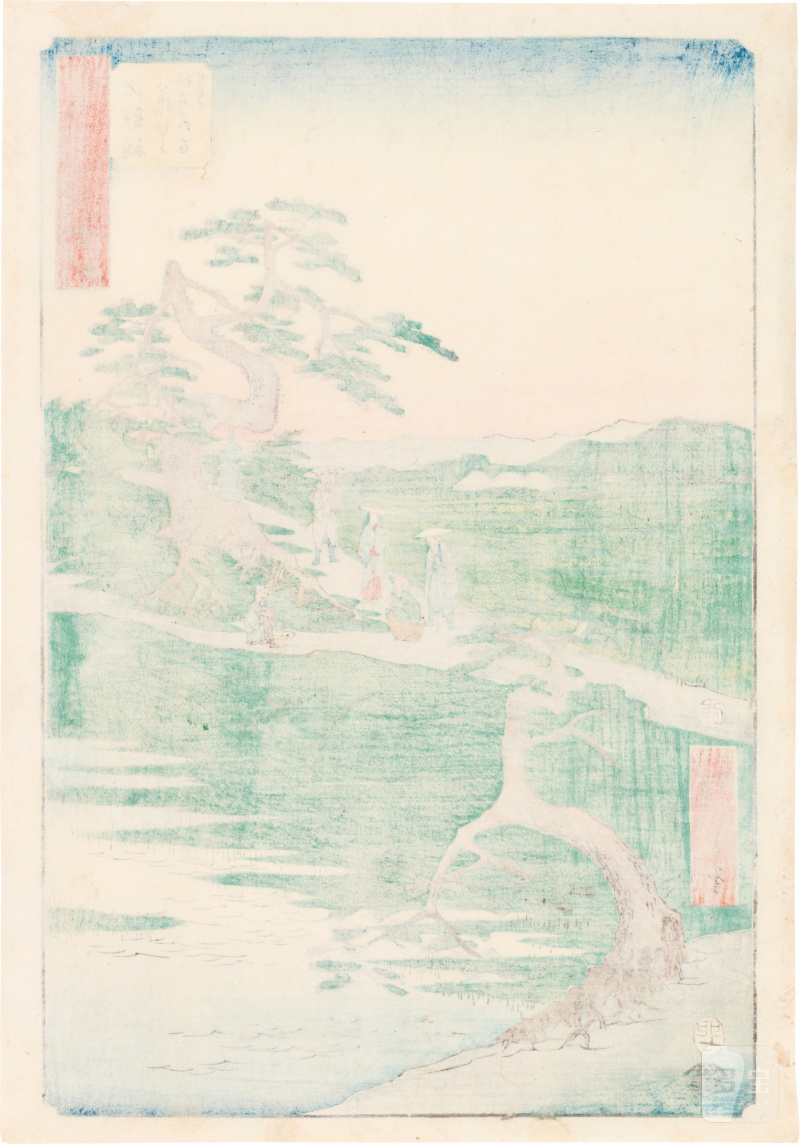
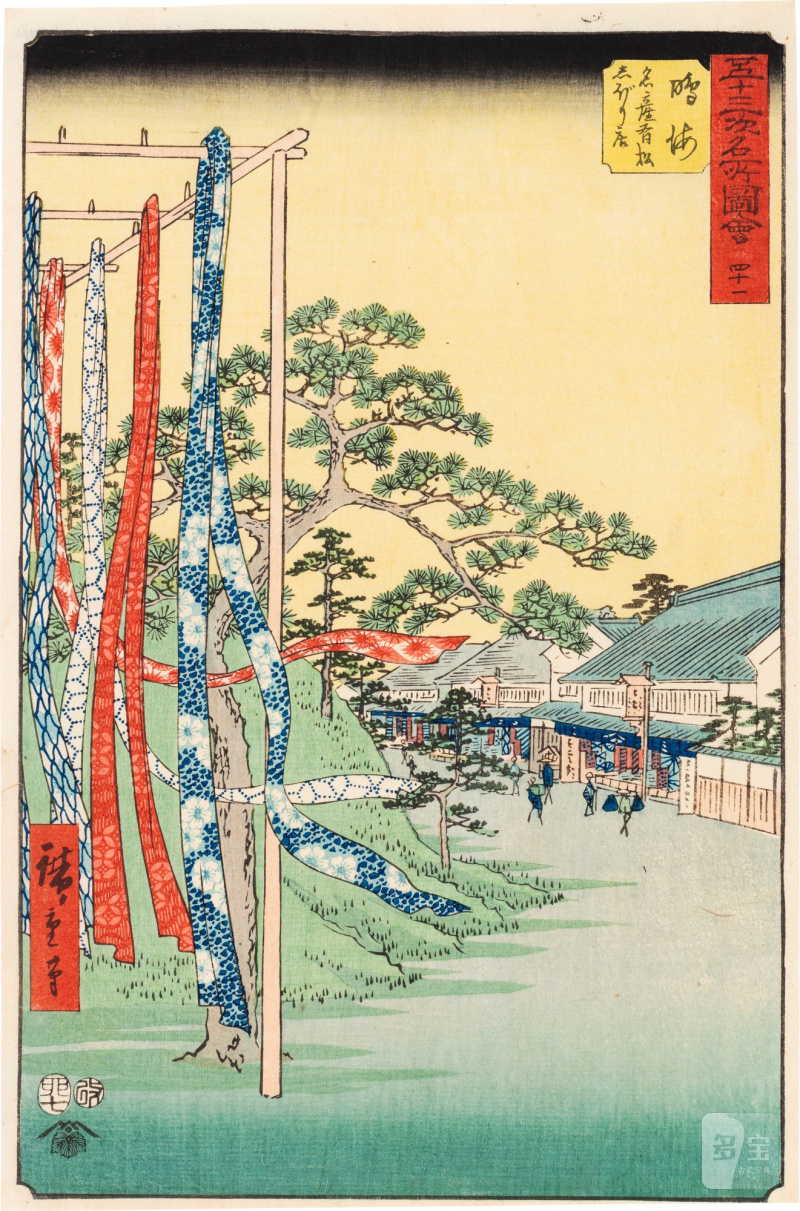
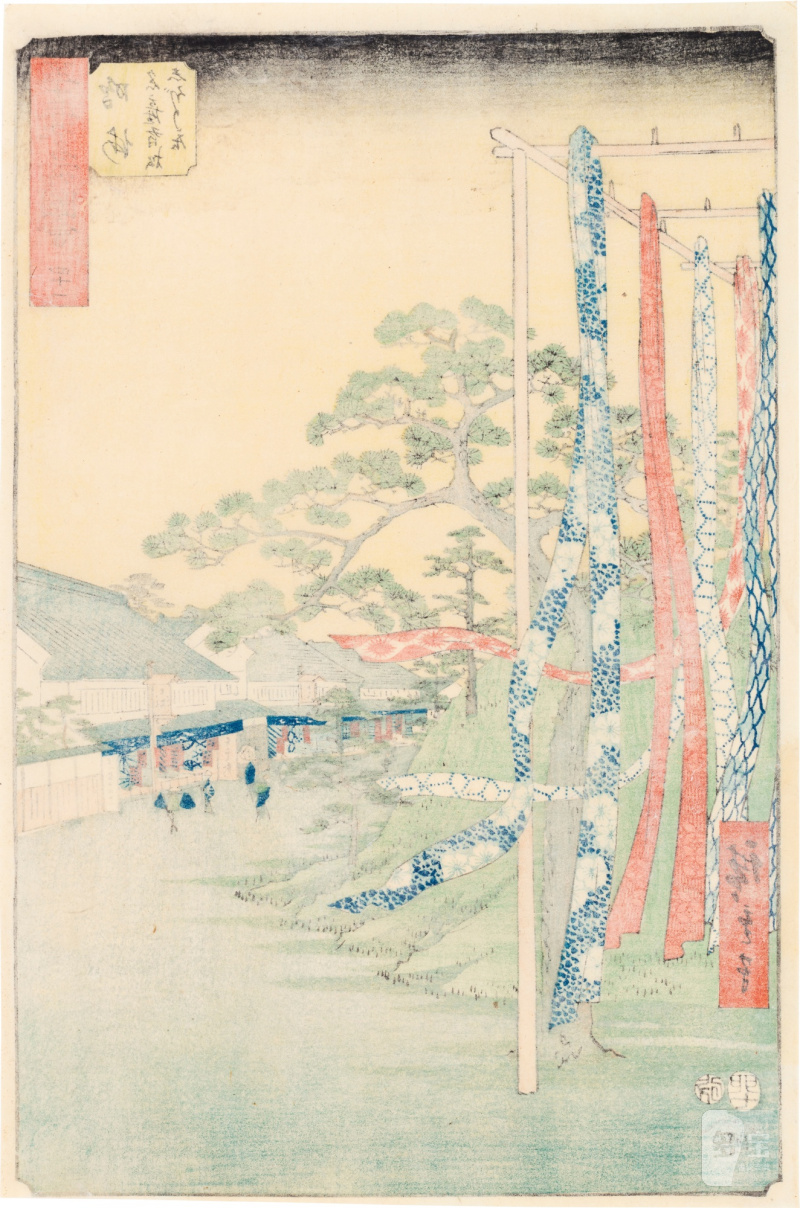
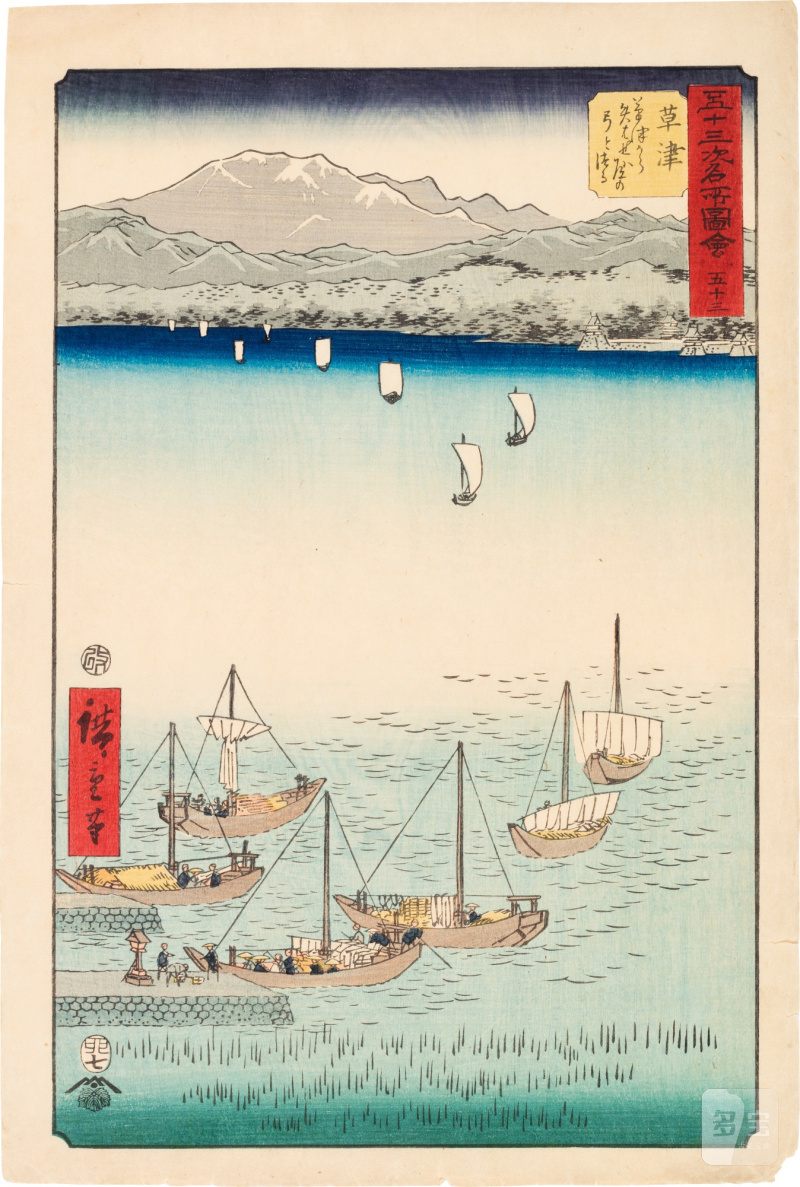
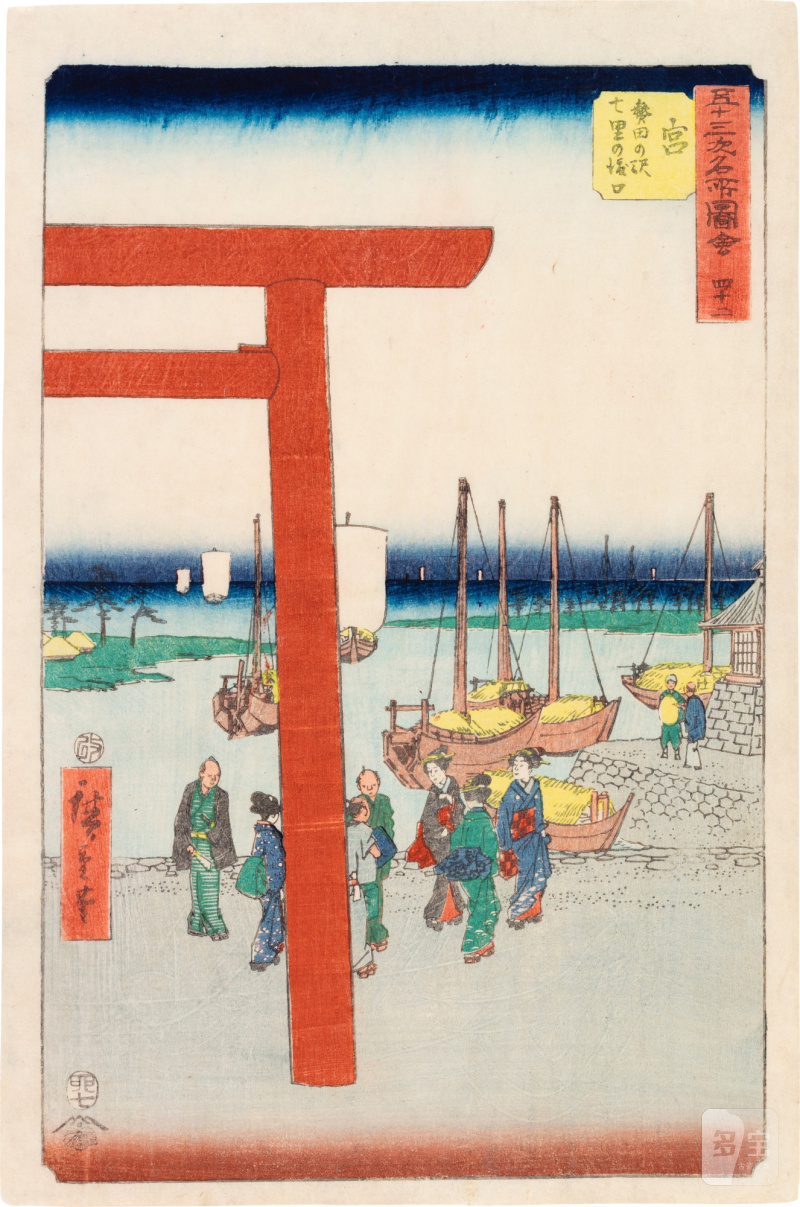
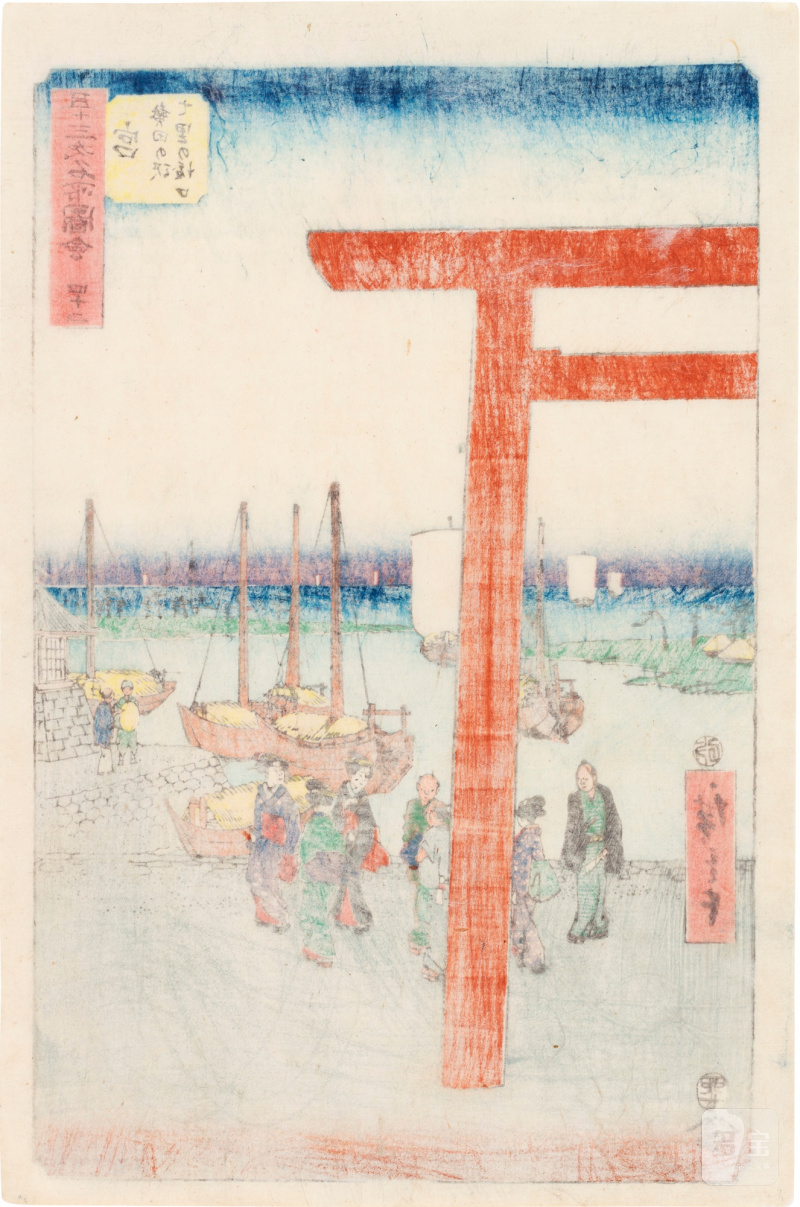
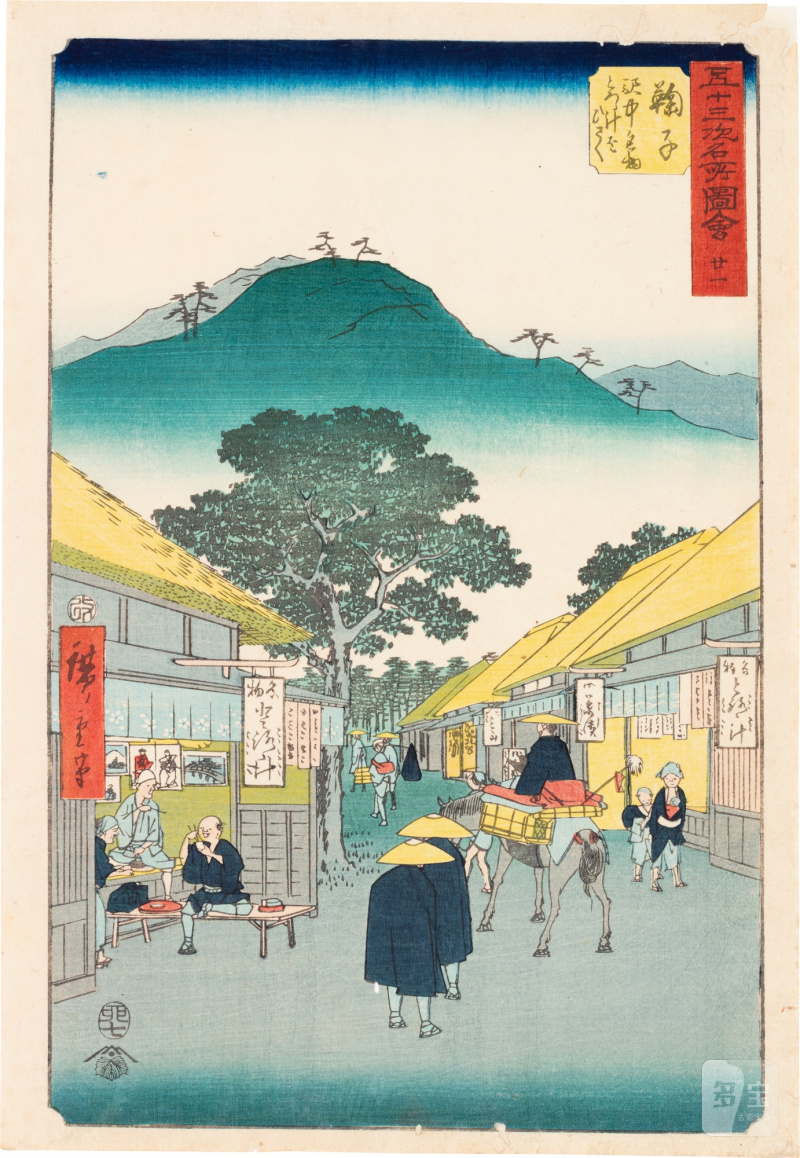
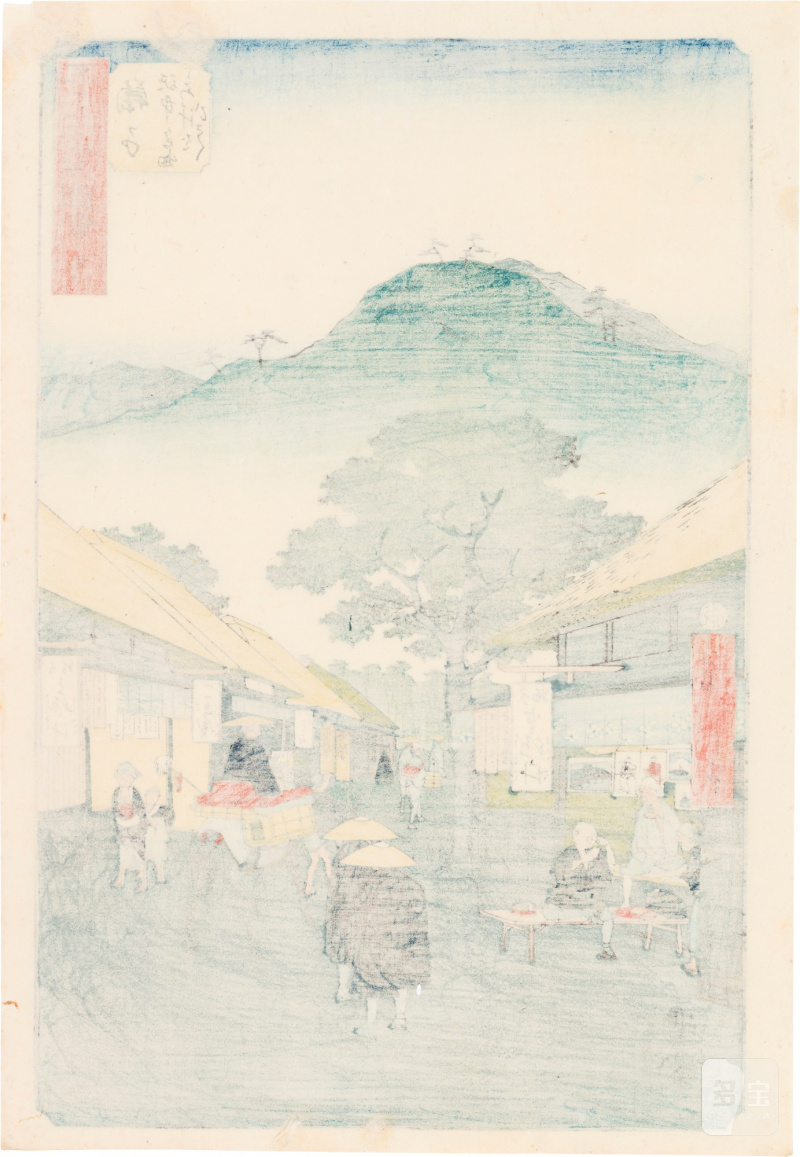
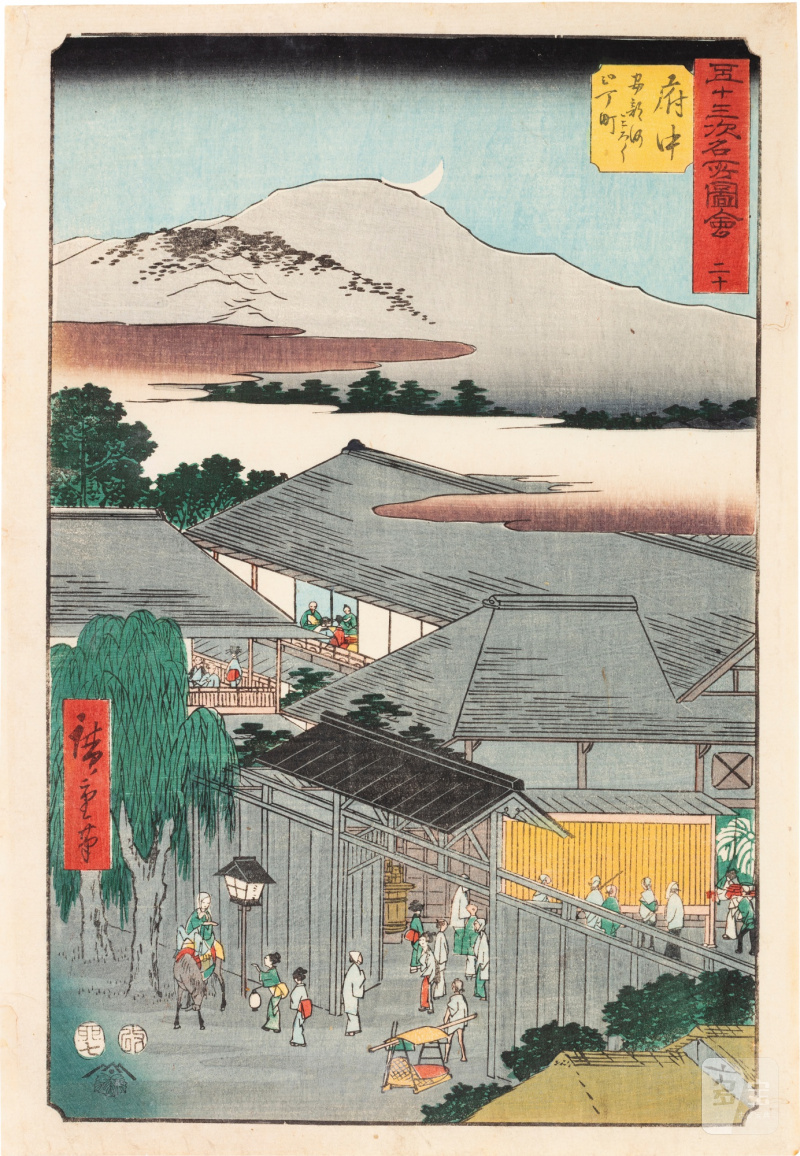
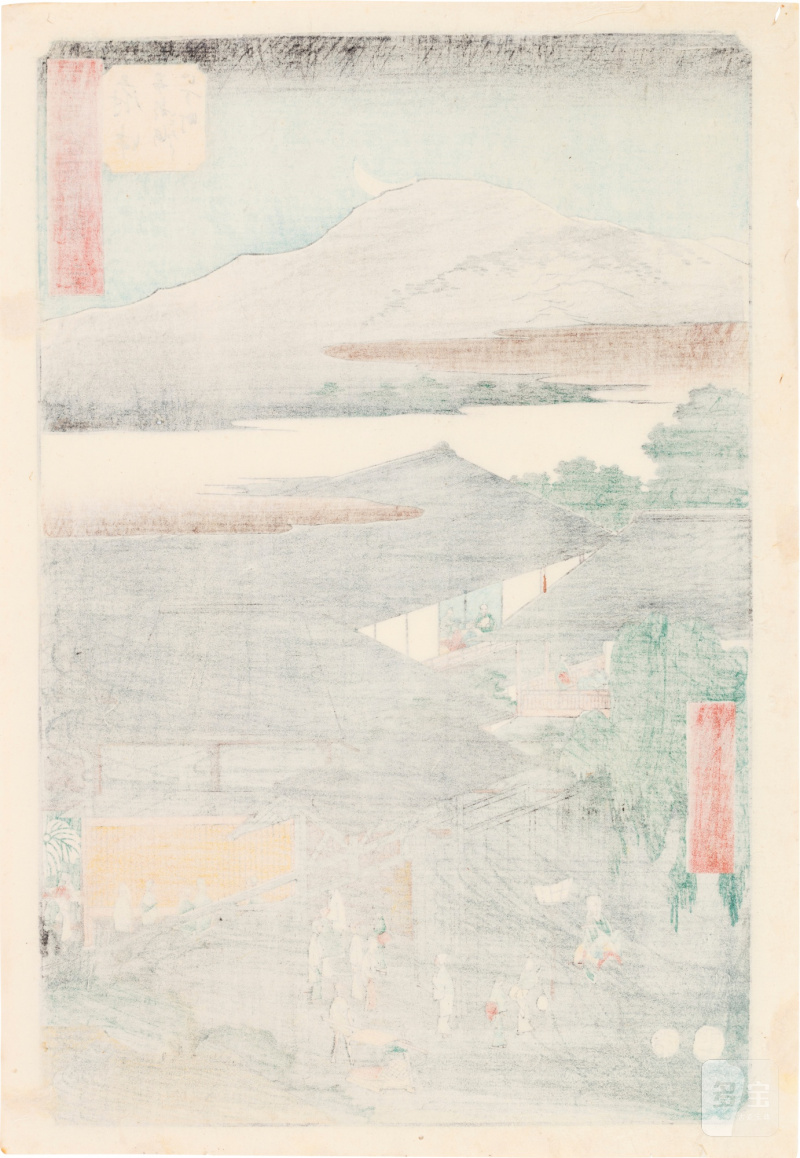

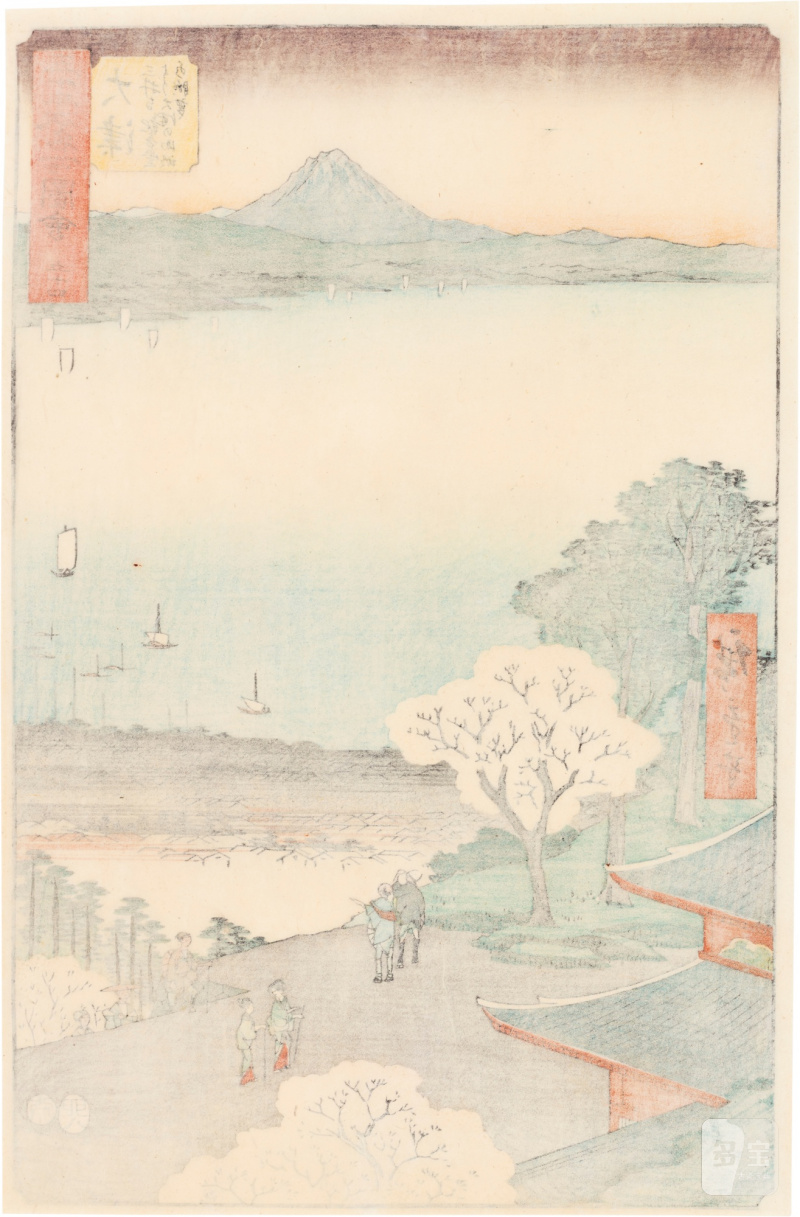
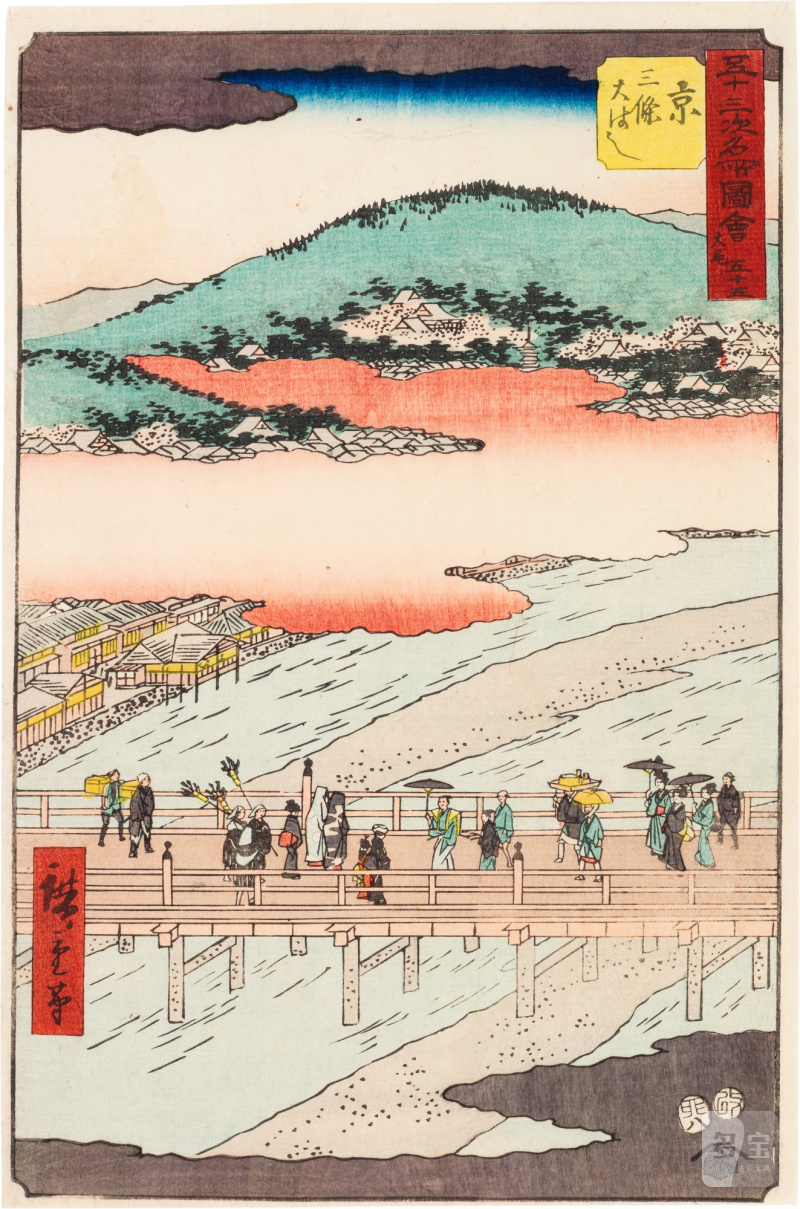

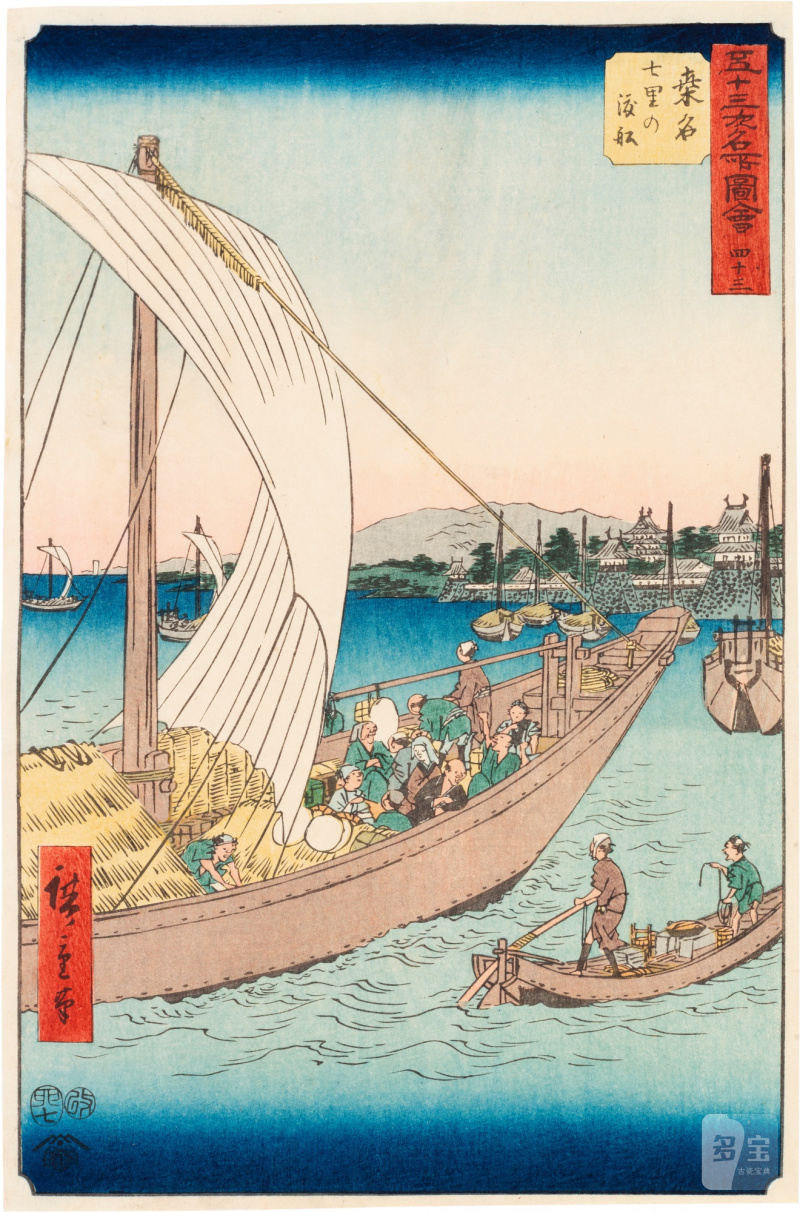
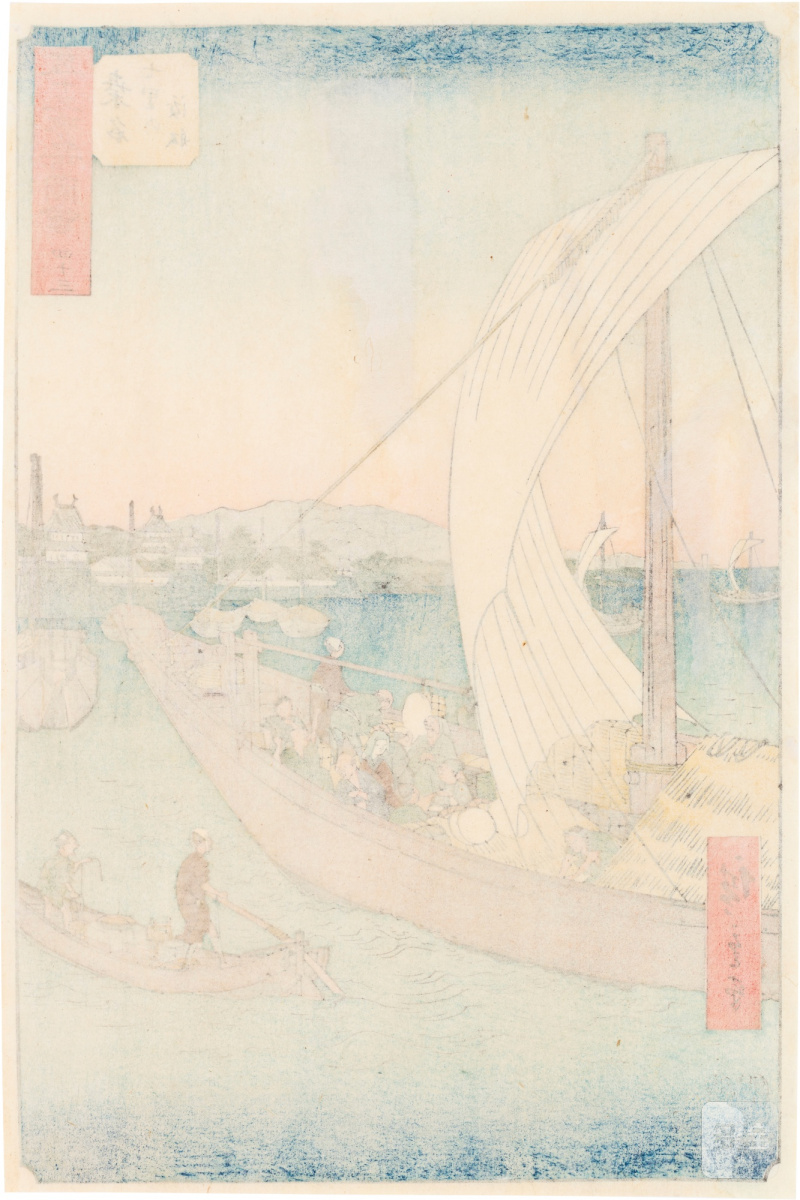
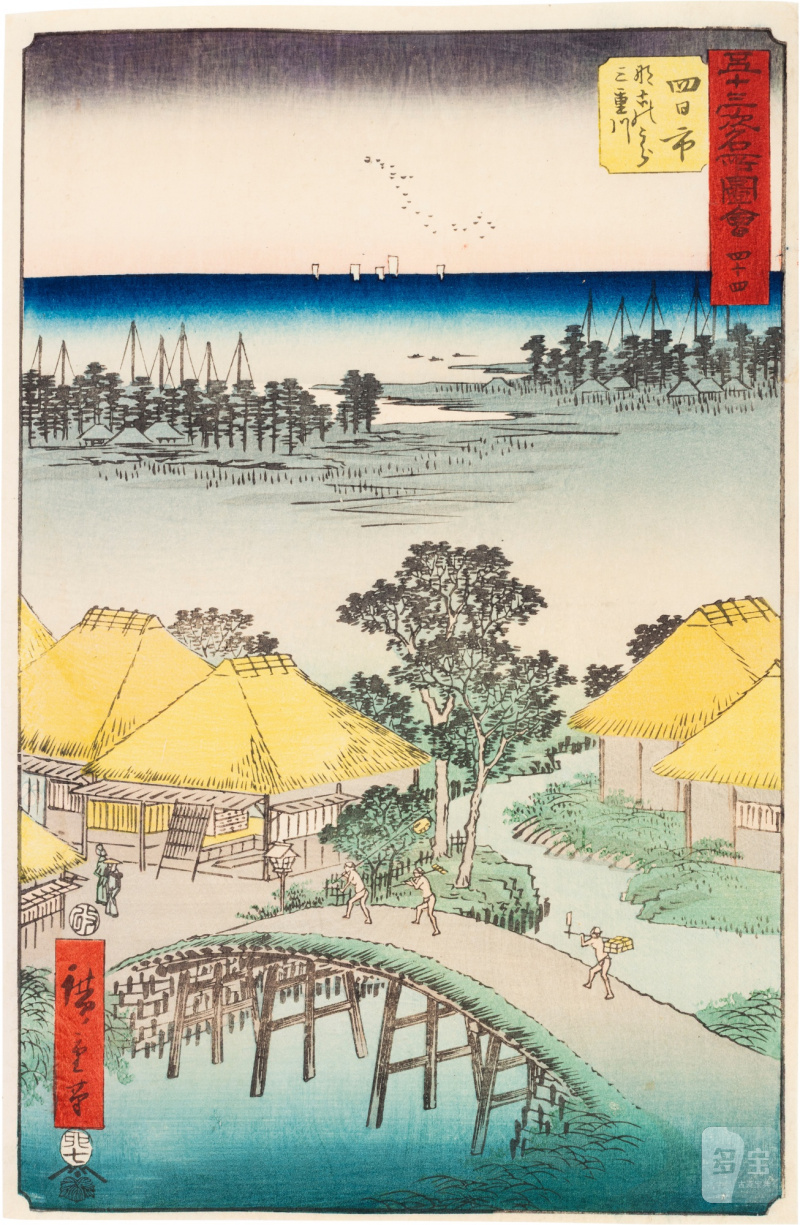
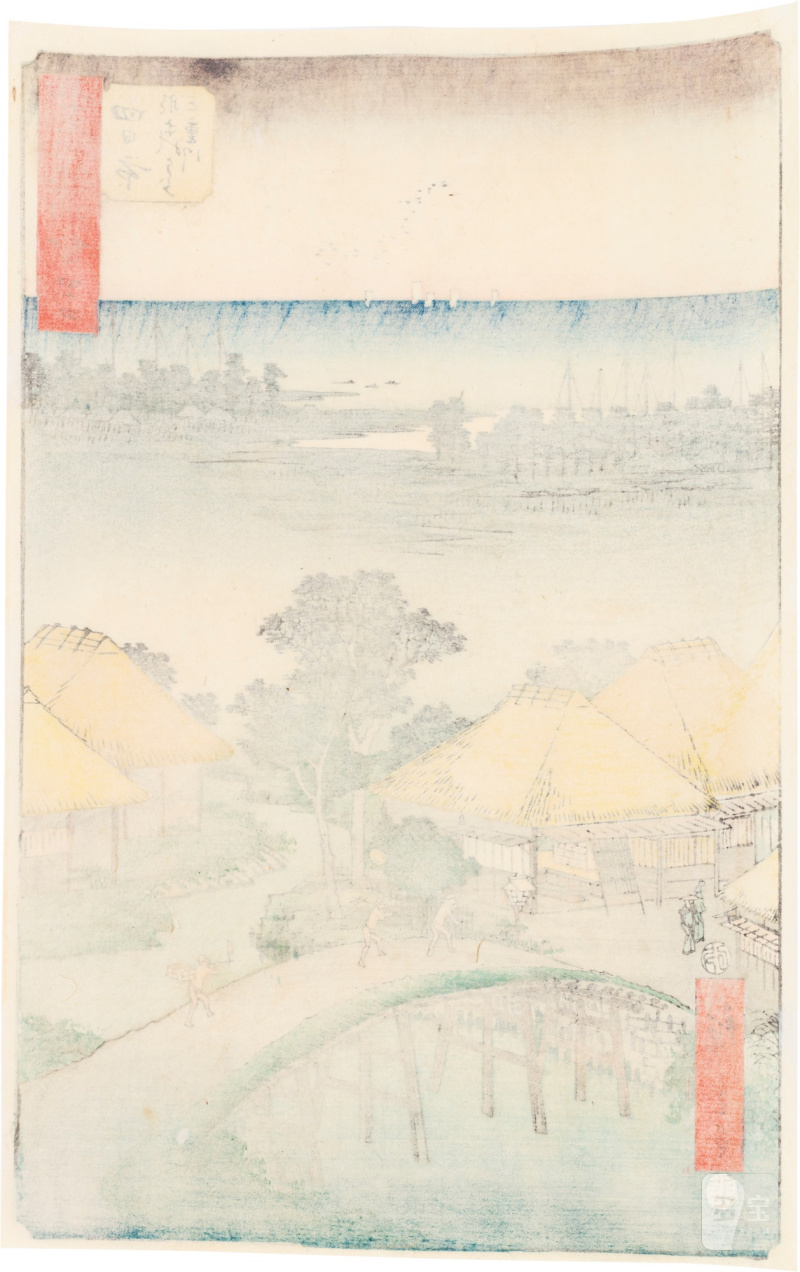
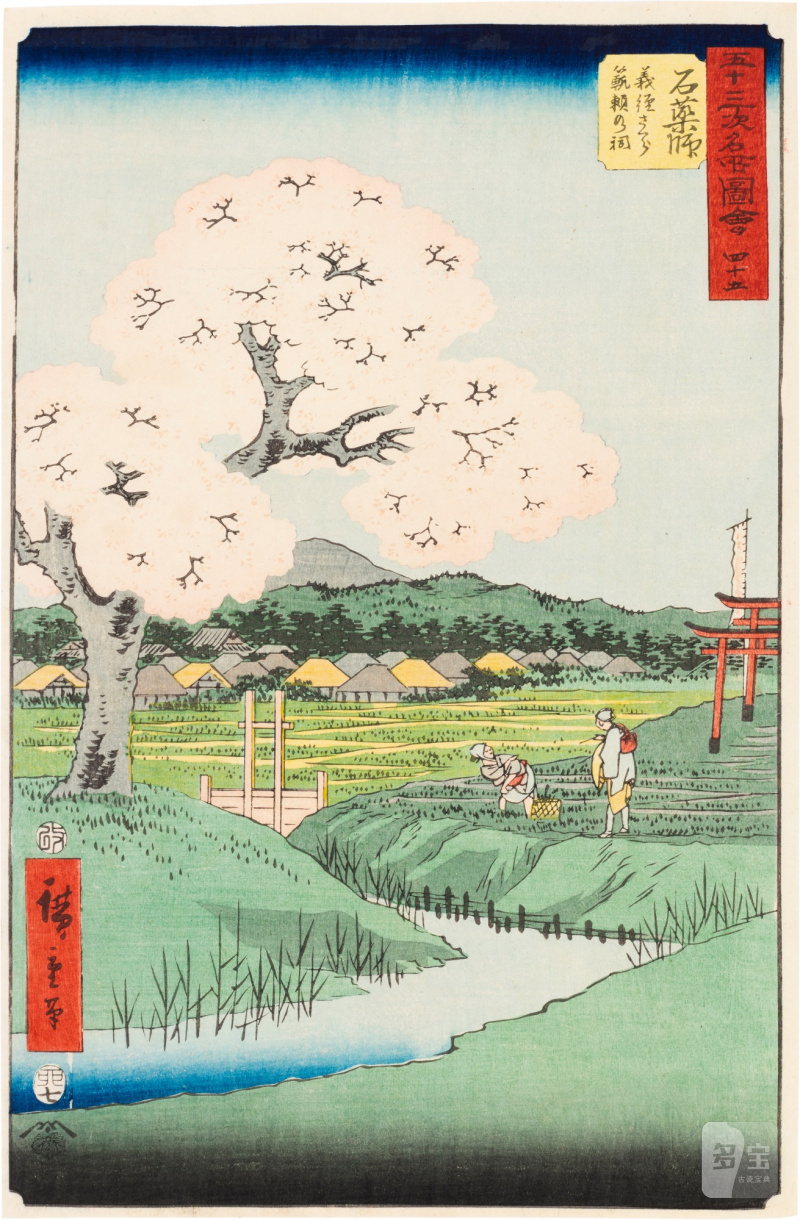
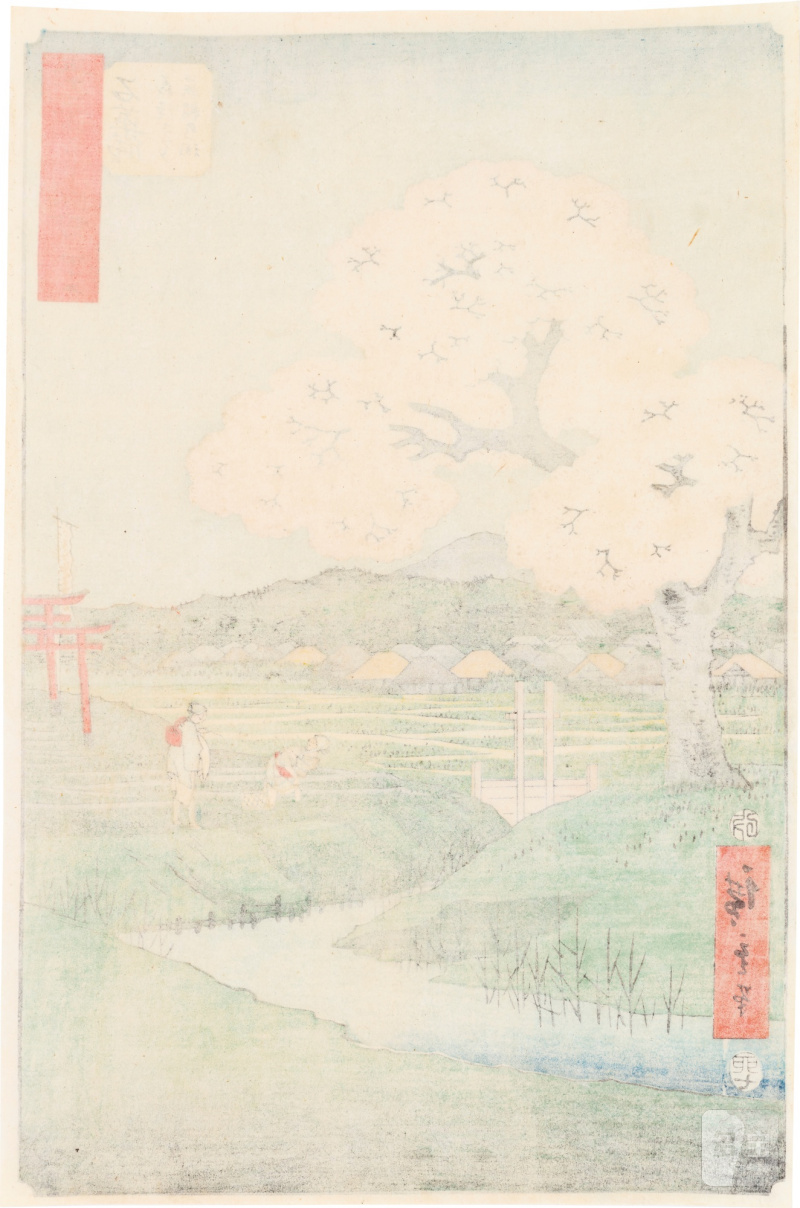
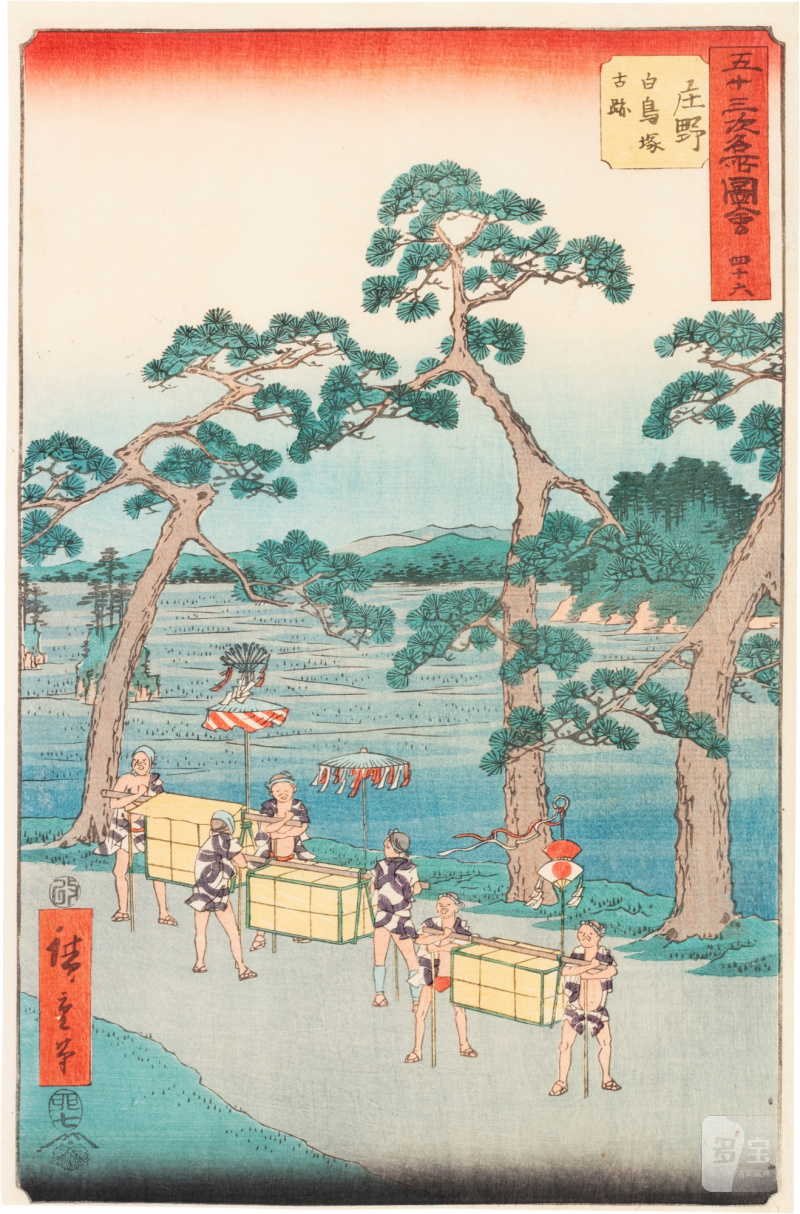

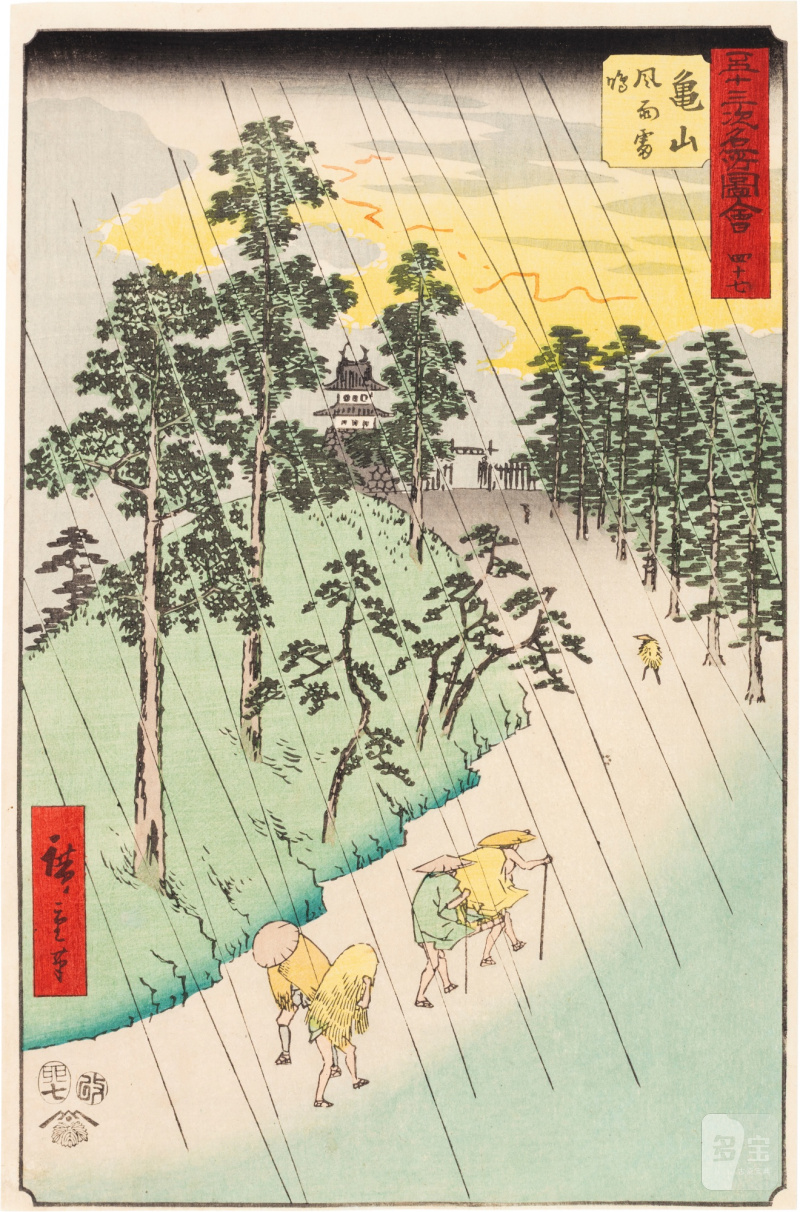

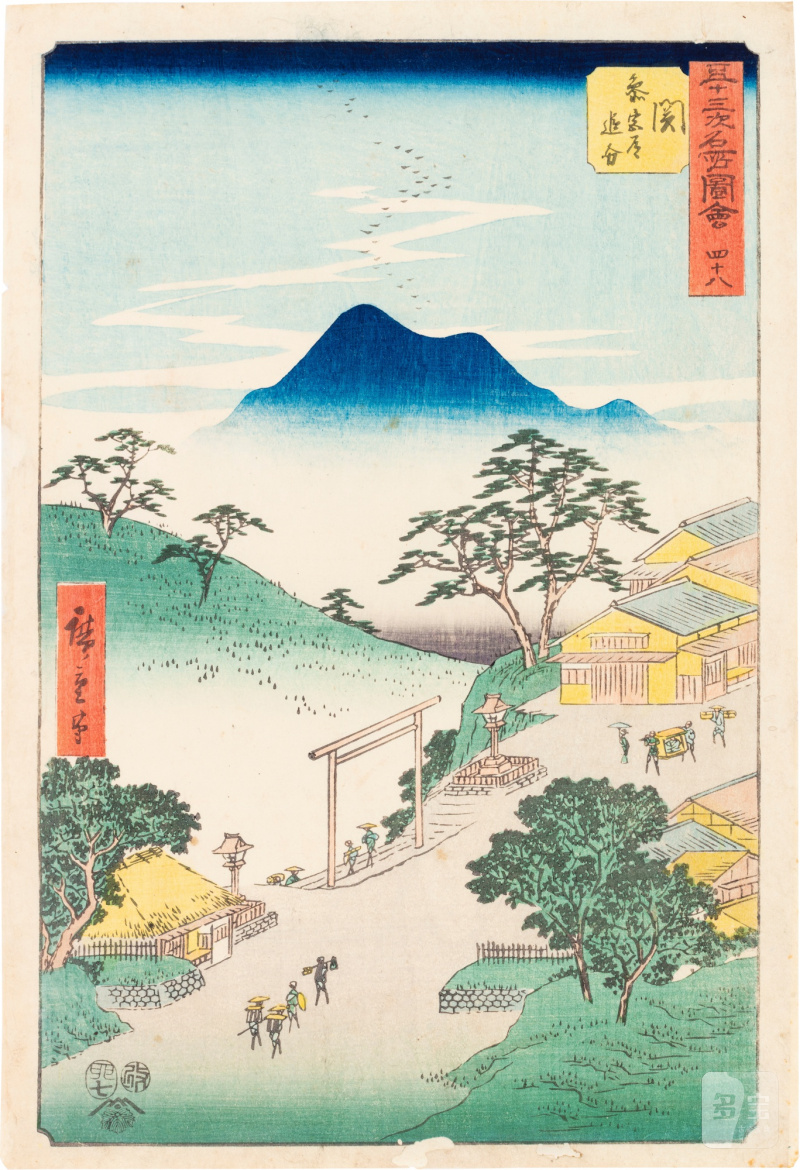
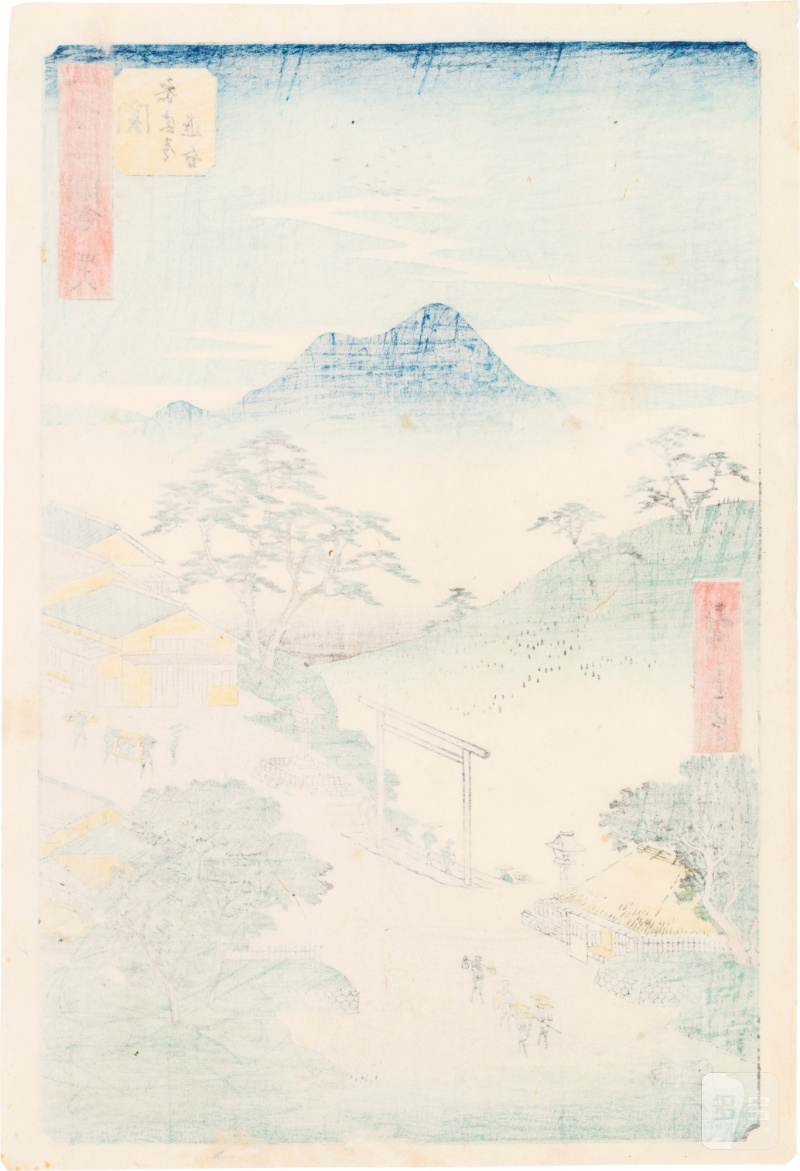
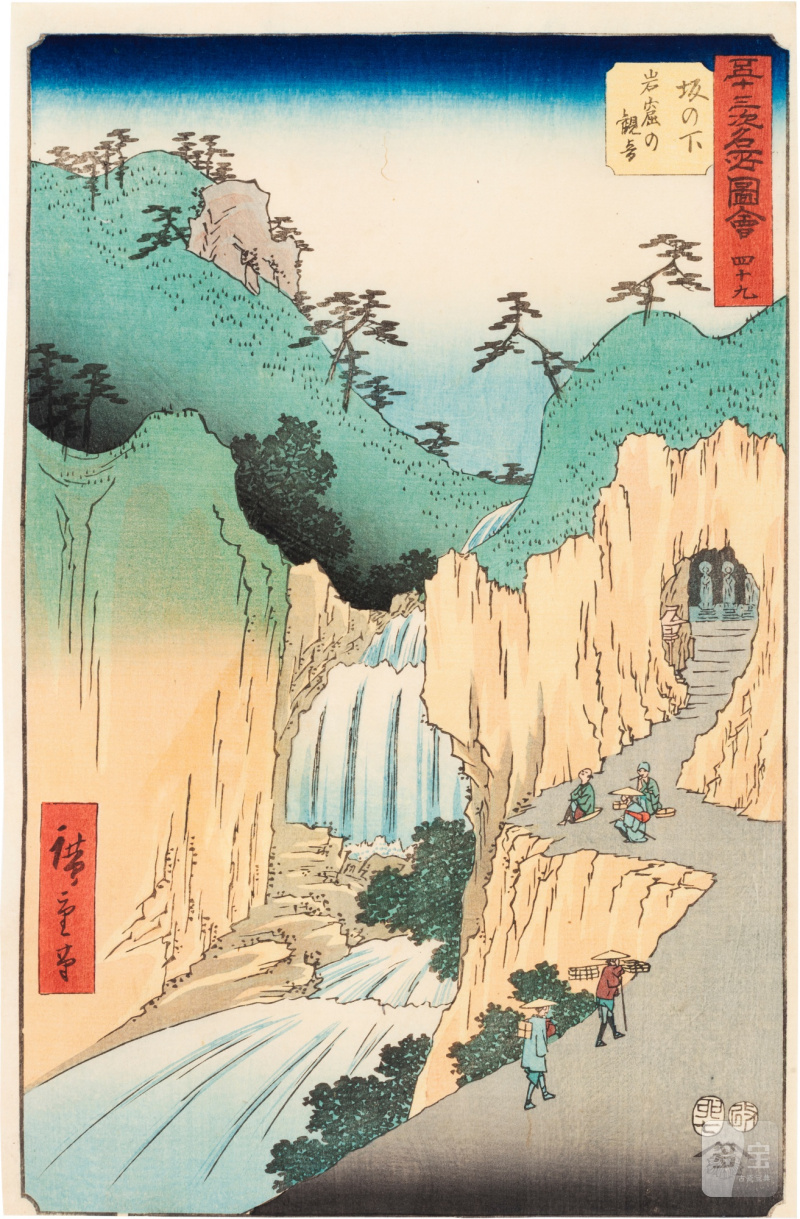
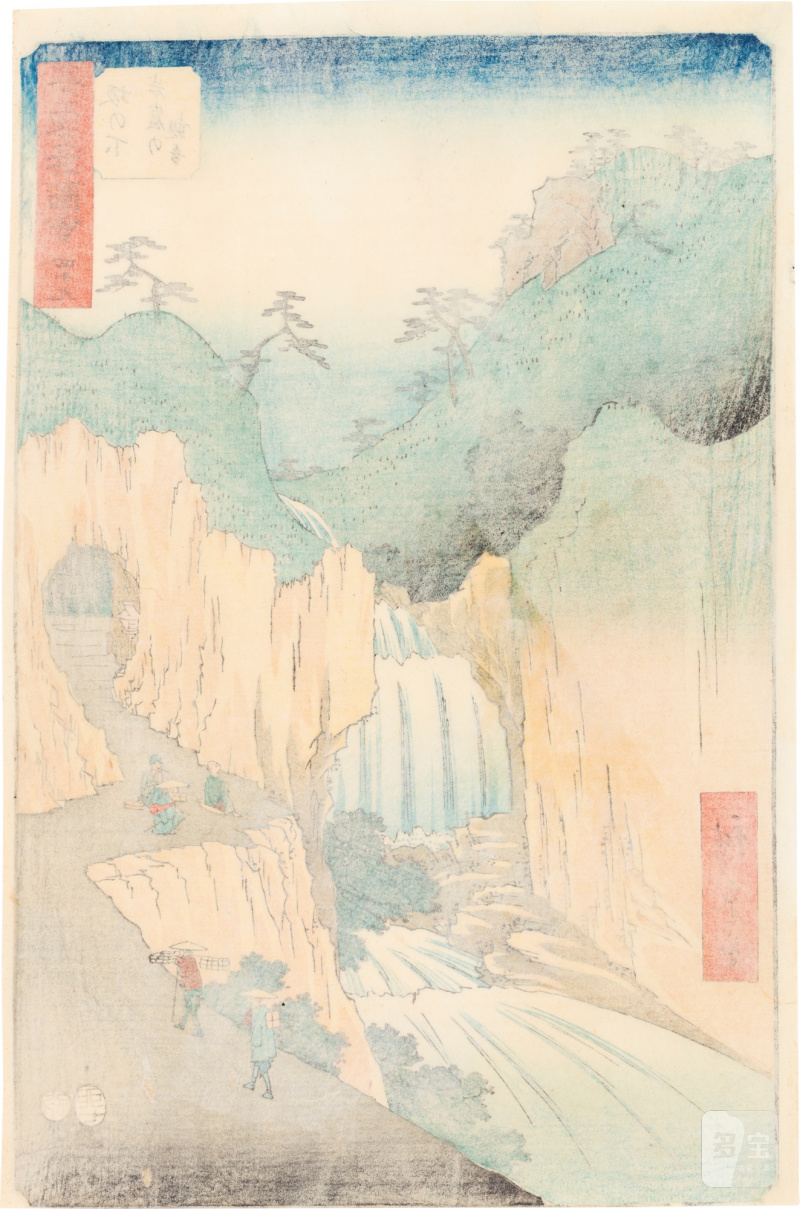
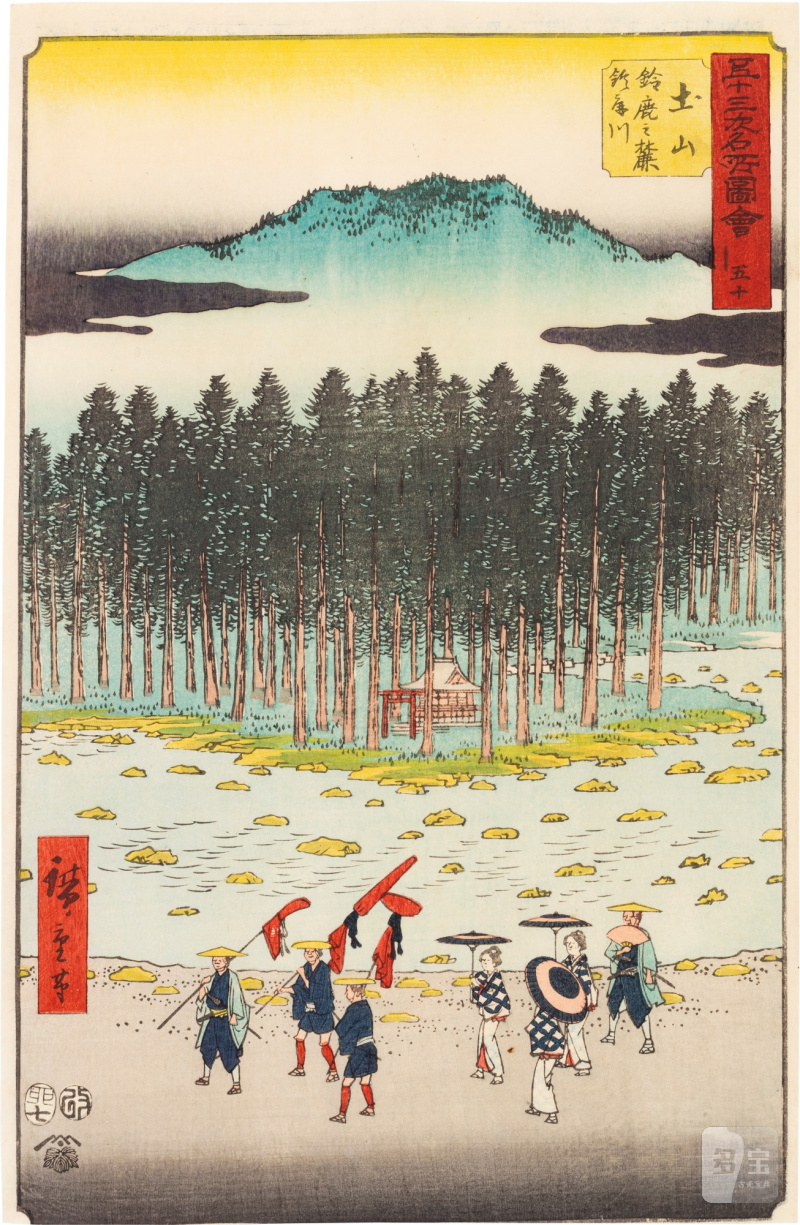
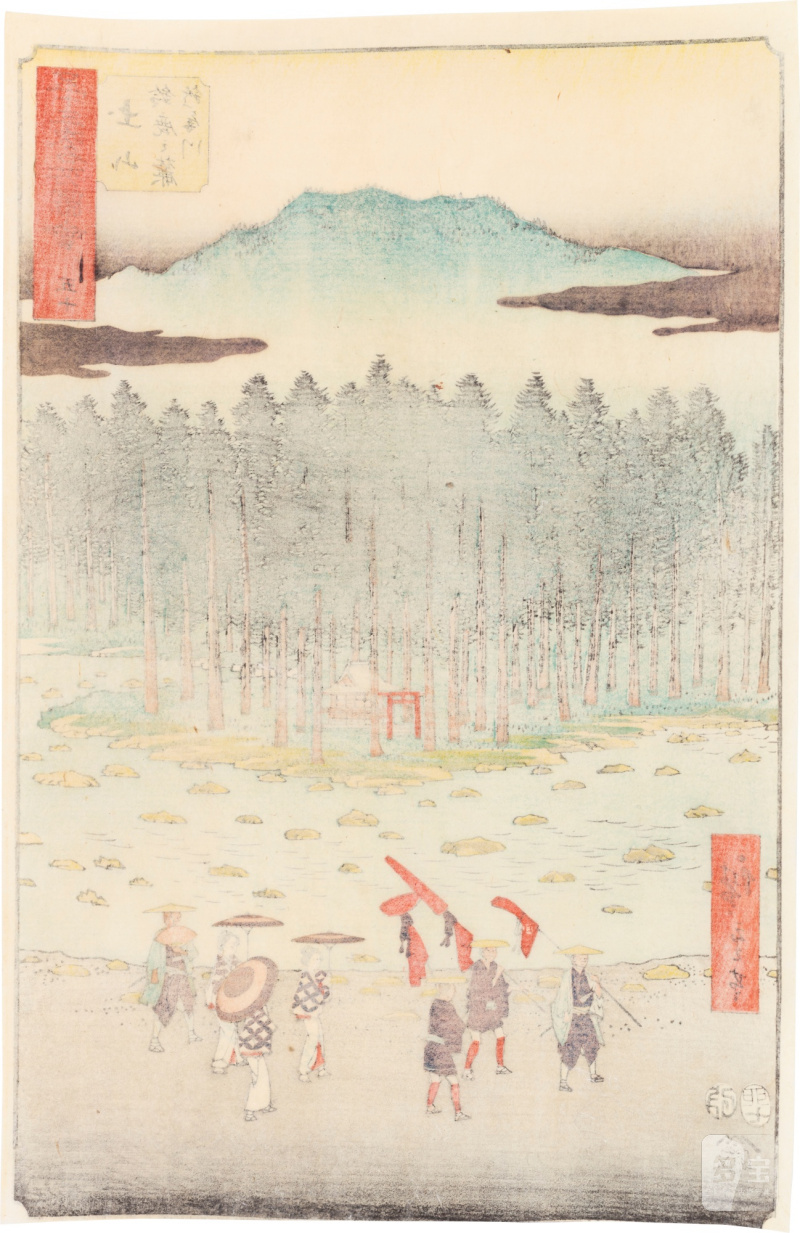
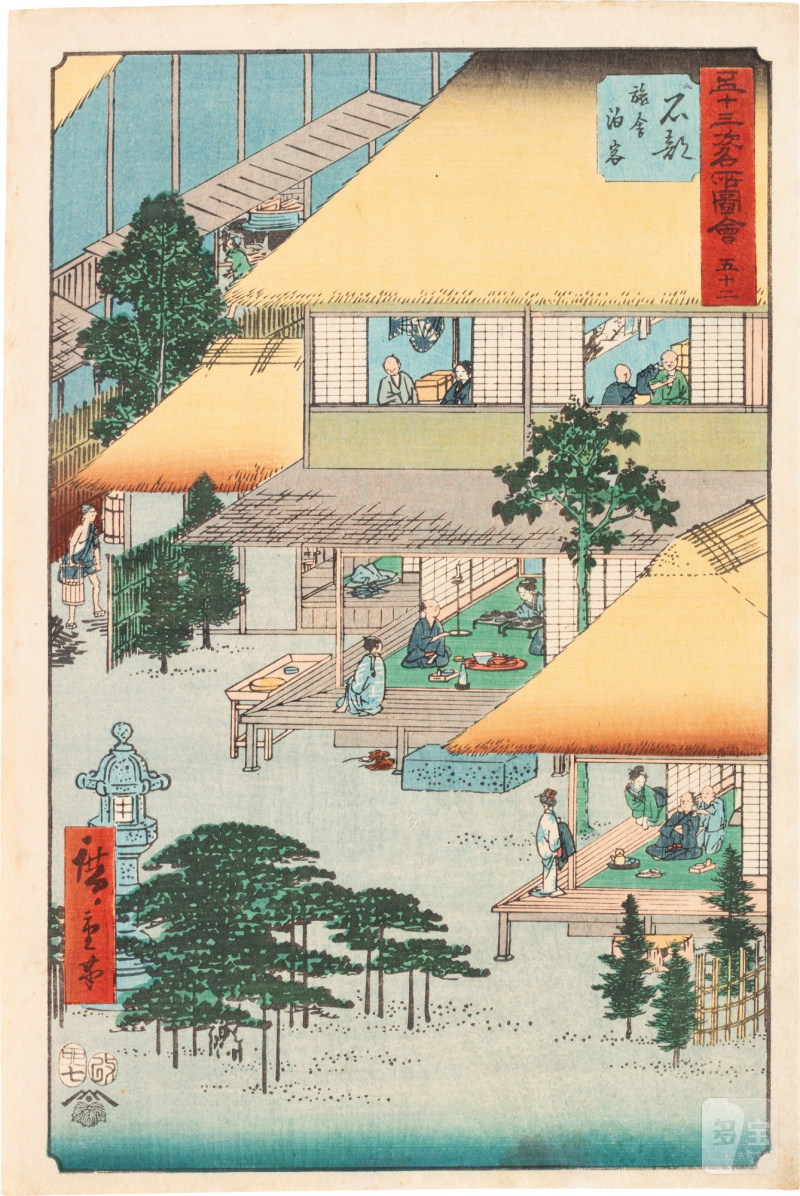
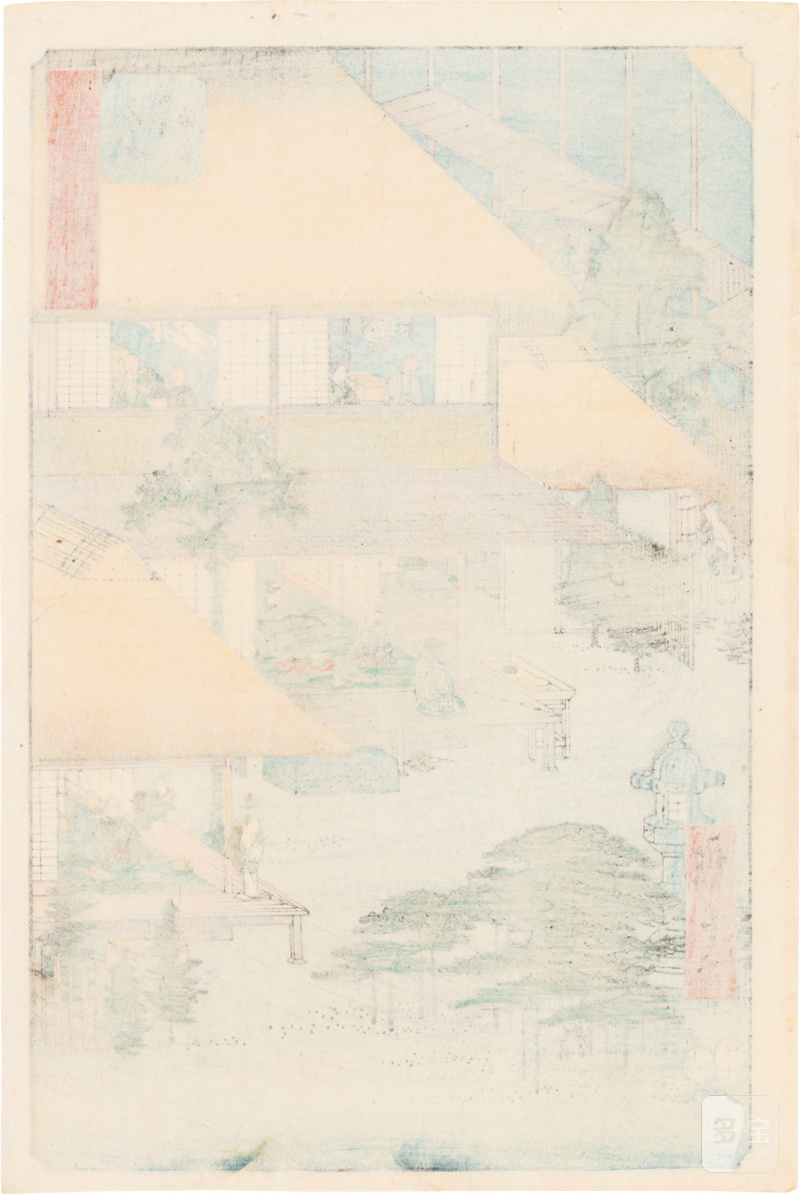
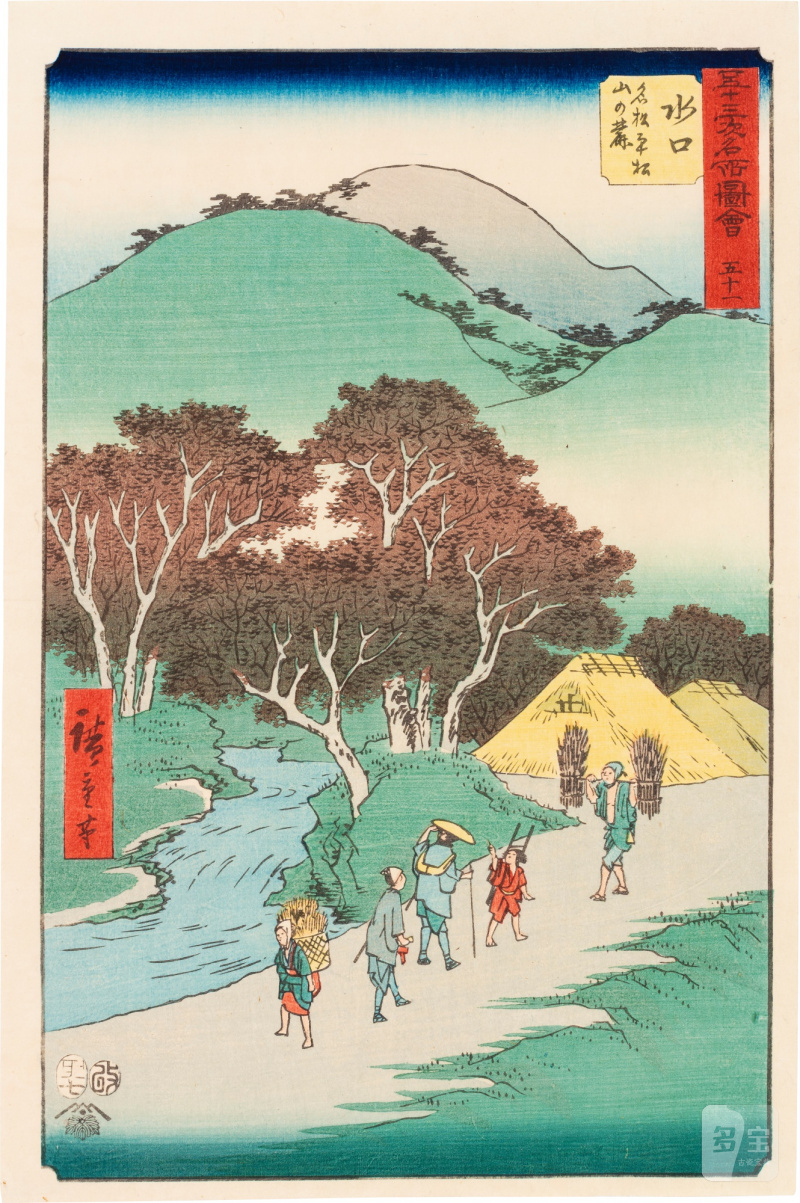
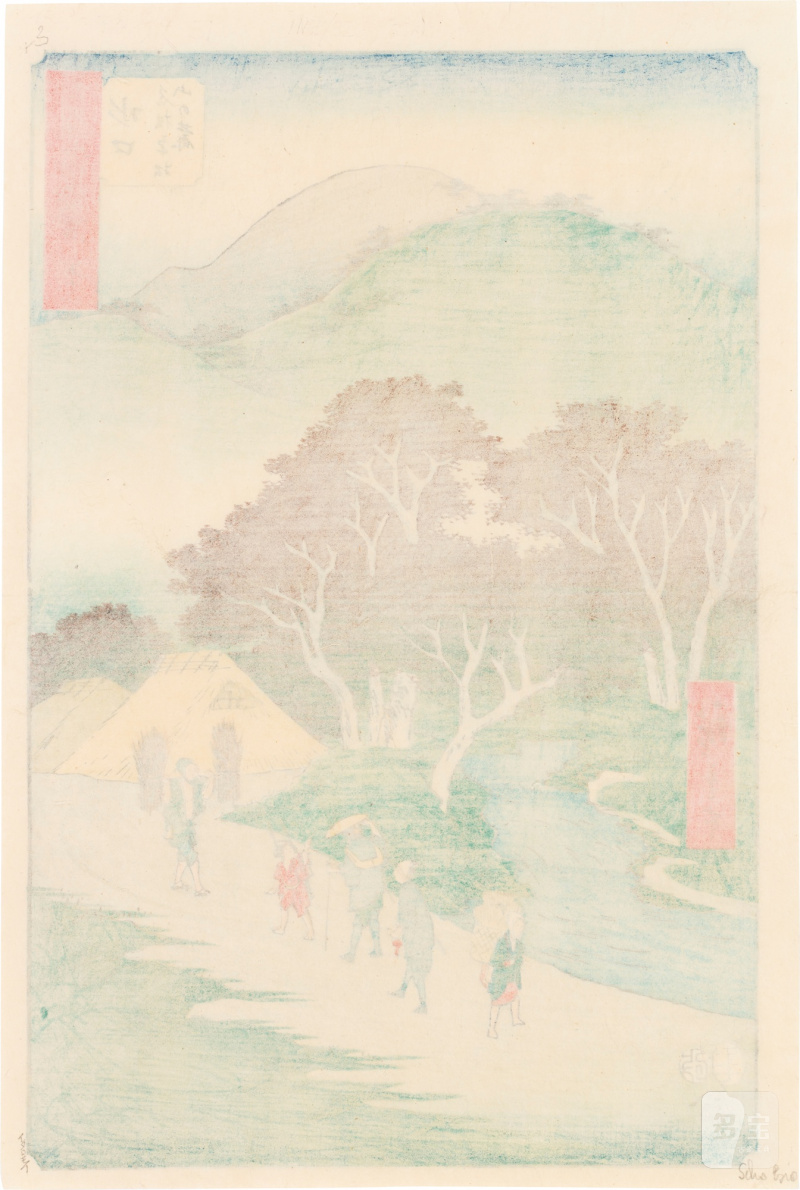
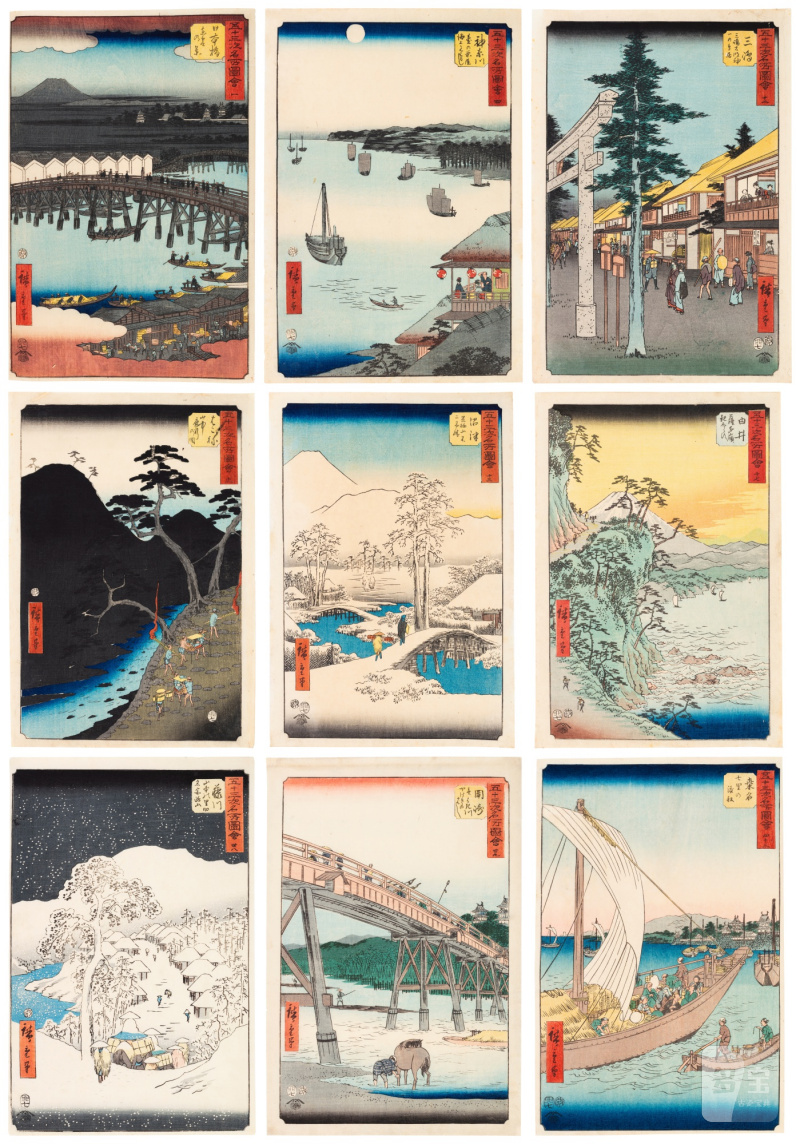
Lot 228 Utagawa Hiroshige (1797-1858) | The complete set of Famous Sights of the Fifty-three Stations (Gojusan tsugi meisho zue), also known as the Vertical Tokaido | Edo period, 19th century
落槌价
****
成交价
****
| 拍卖公司 | 苏富比 |
|---|---|
| 拍卖时间 | 2026年06月11日 |
请安装多宝古瓷宝典APP,查看高清无损大图
拍品信息
拍品名称
Utagawa Hiroshige (1797-1858) | The complete set of Famous Sights of the Fifty-three Stations (Gojusan tsugi meisho zue), also known as the Vertical Tokaido | Edo period, 19th century
起拍价
EUR 30,000
估值区间
30,000 - 40,000 EUR
尺寸
未知
品相
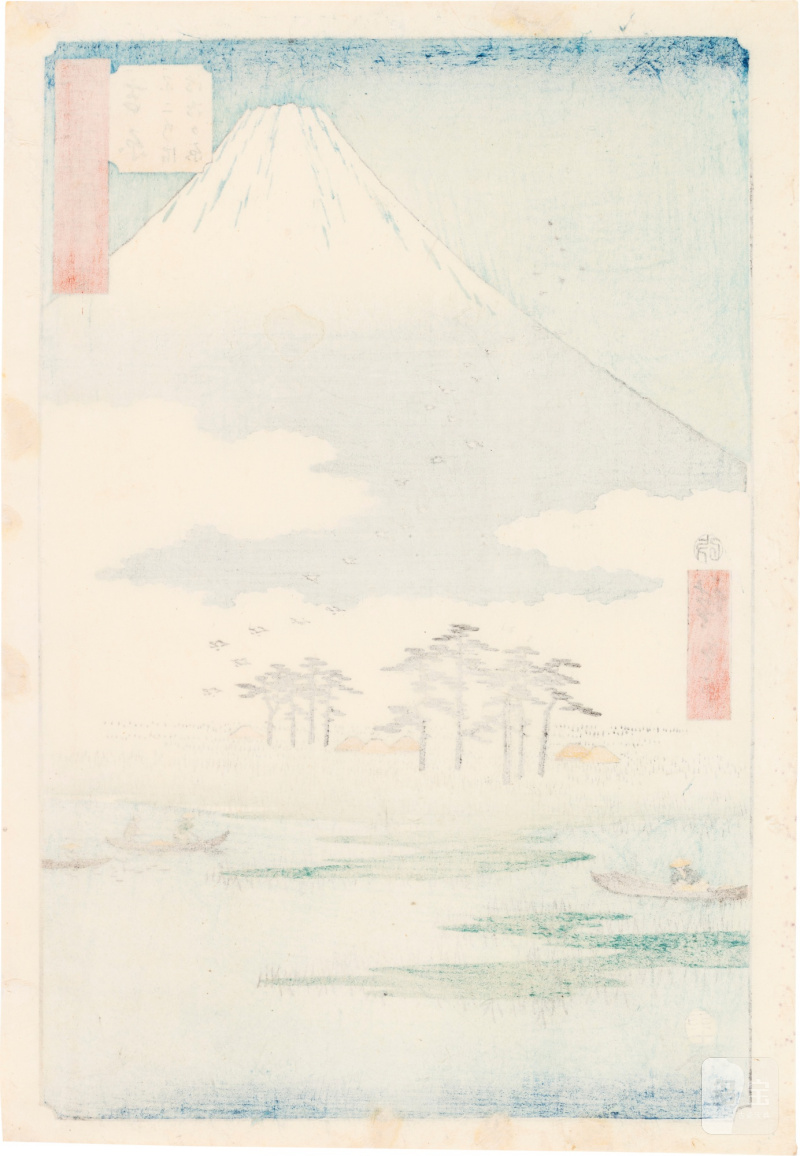
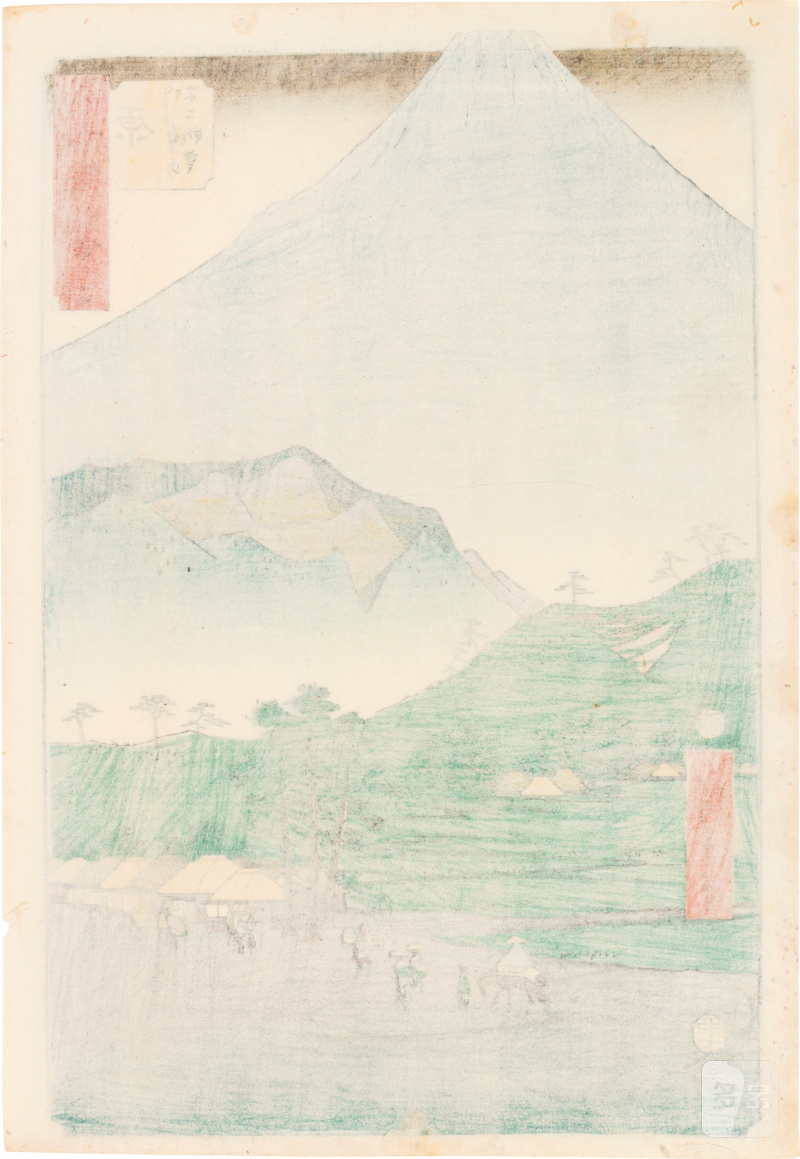
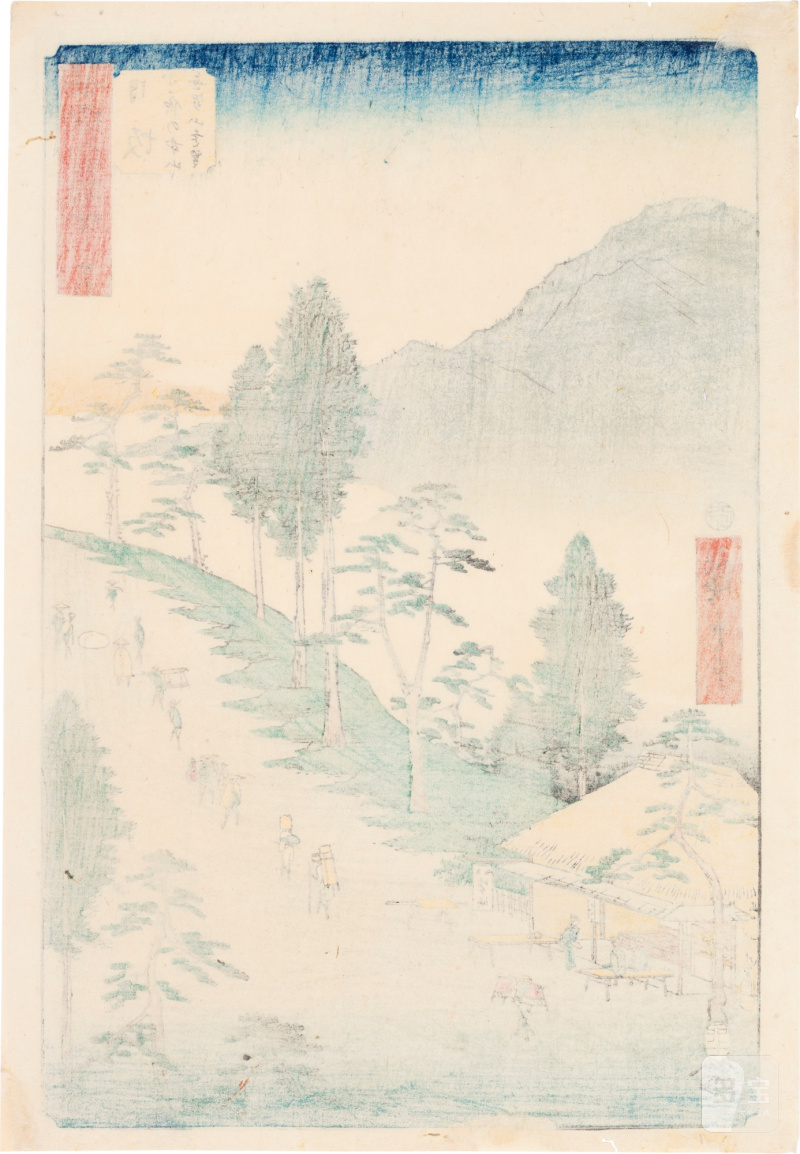
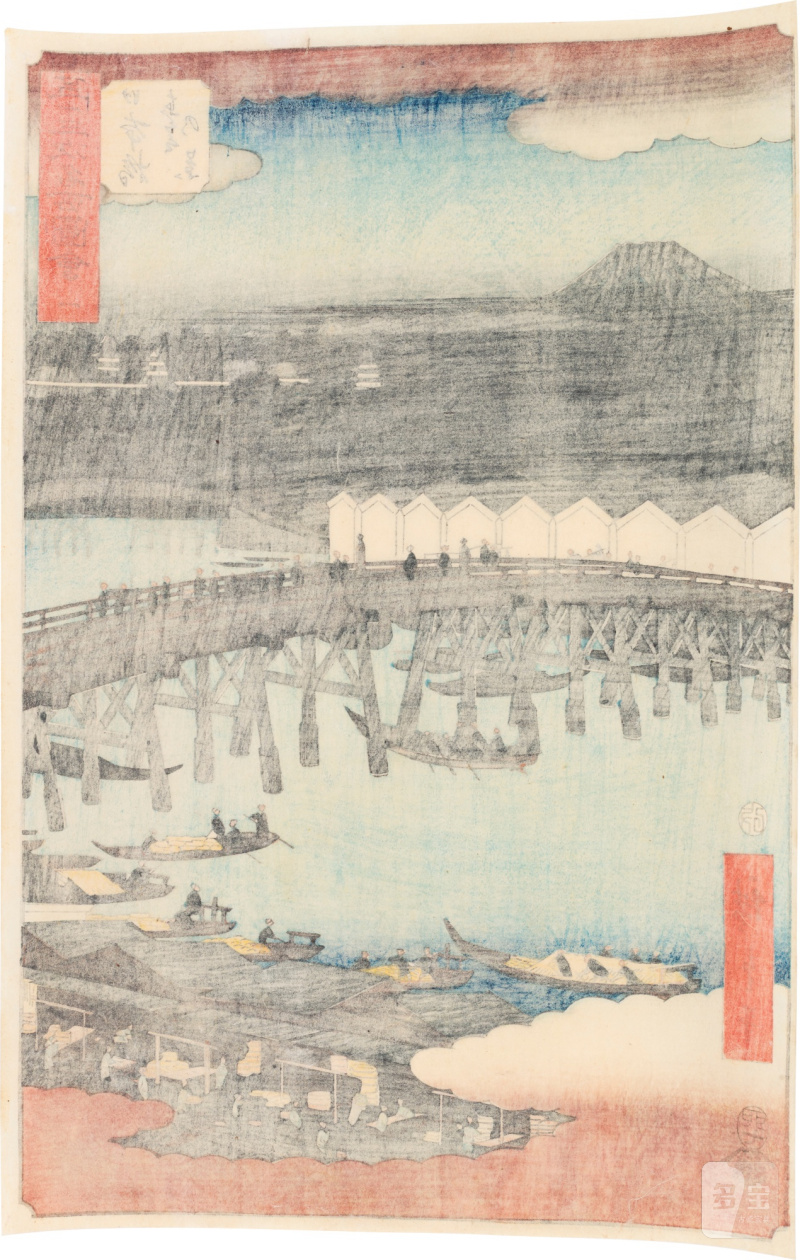
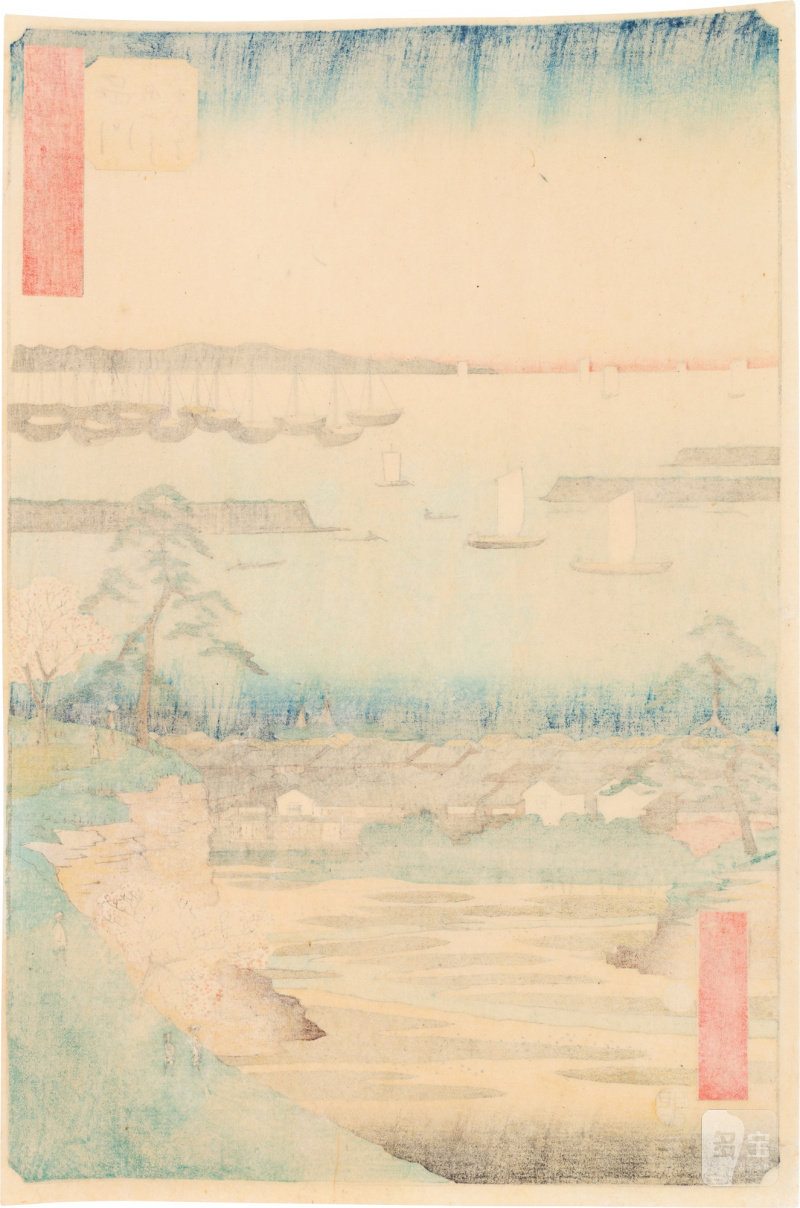
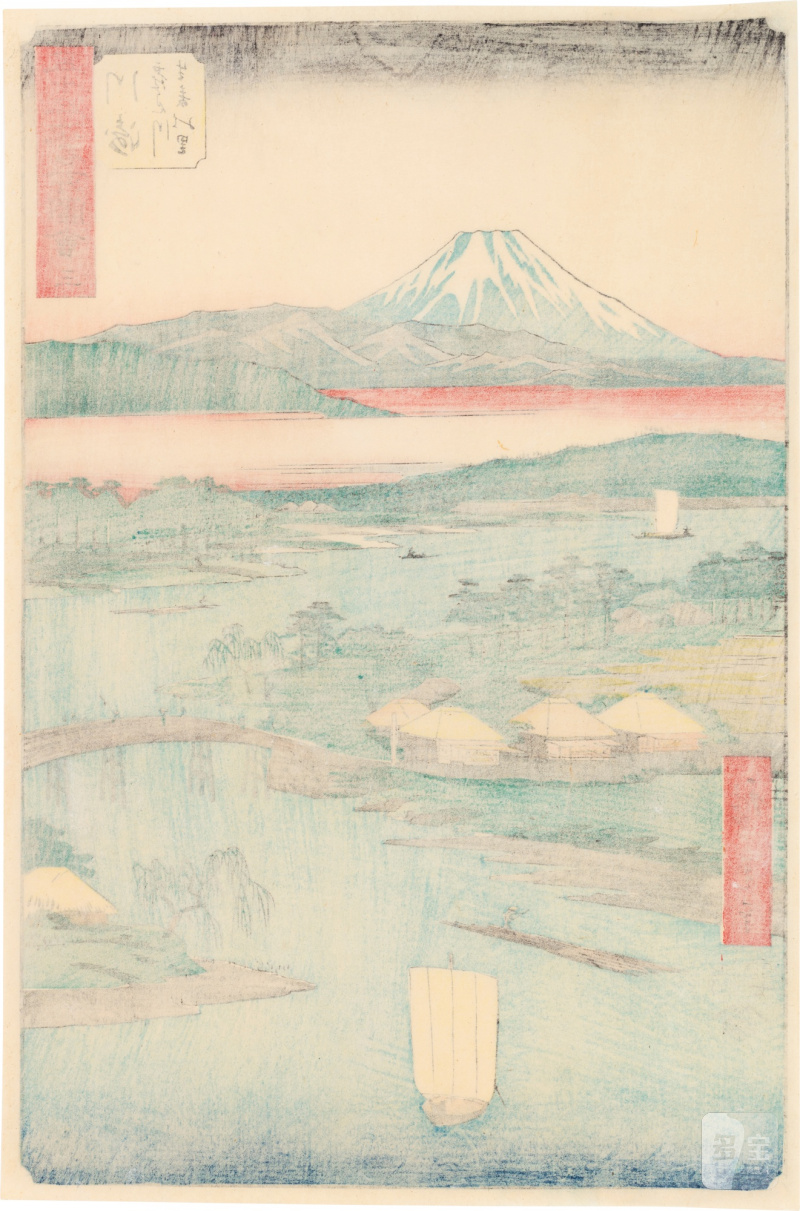
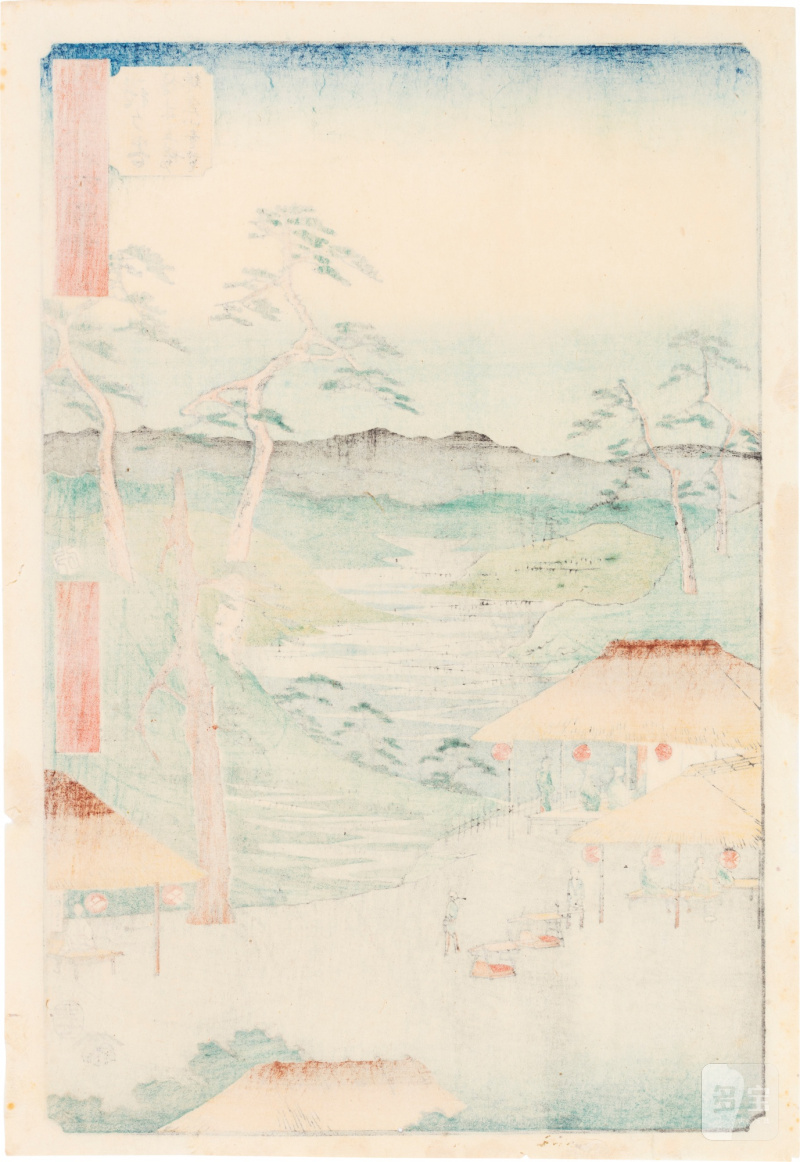
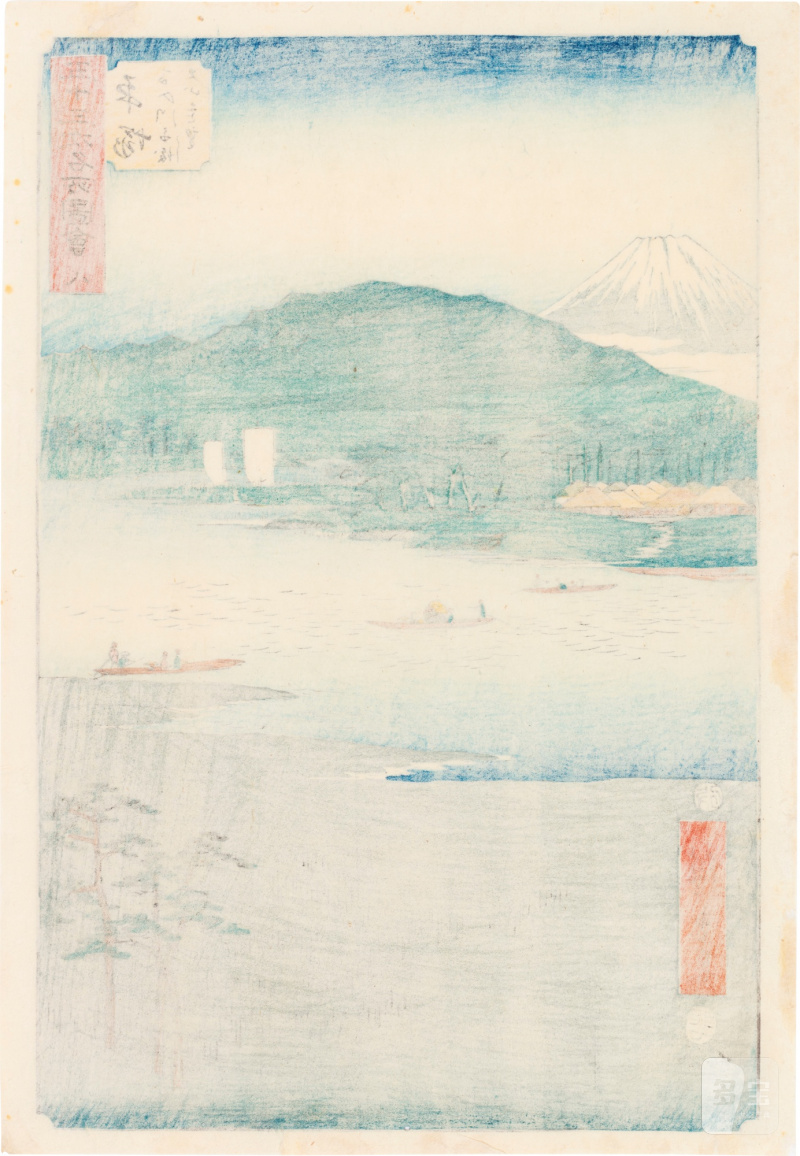
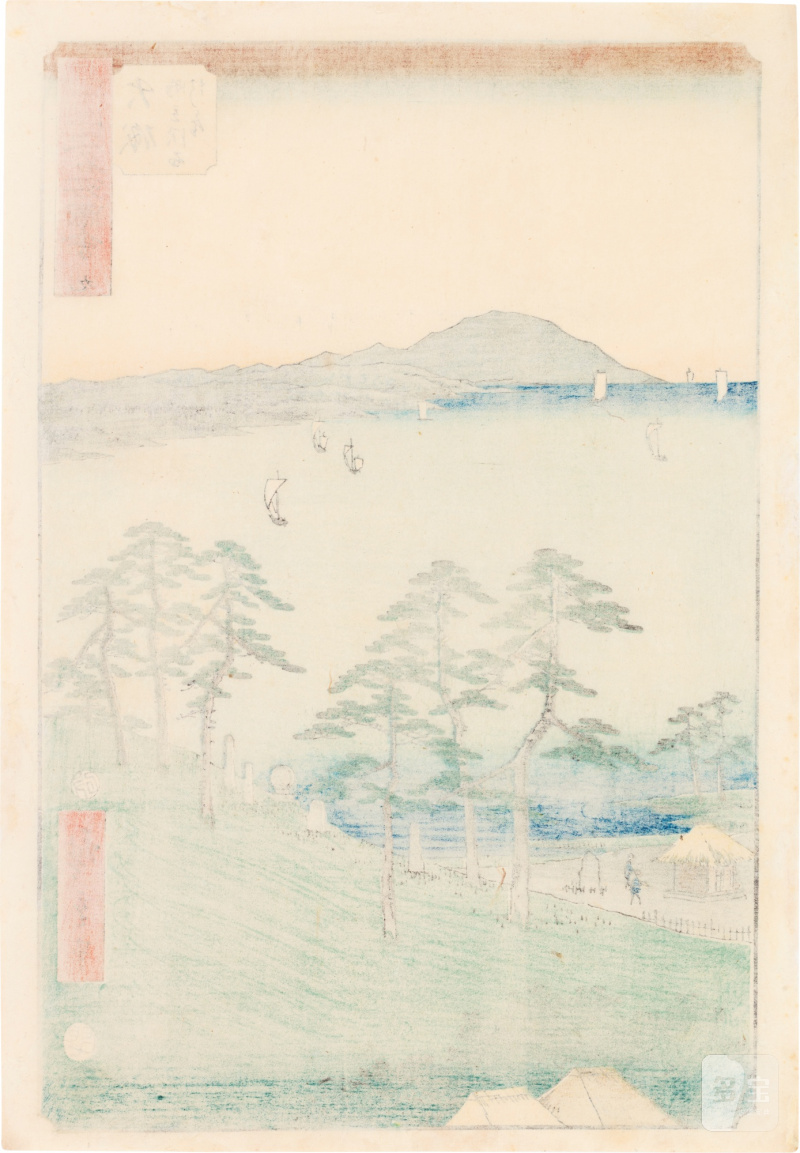
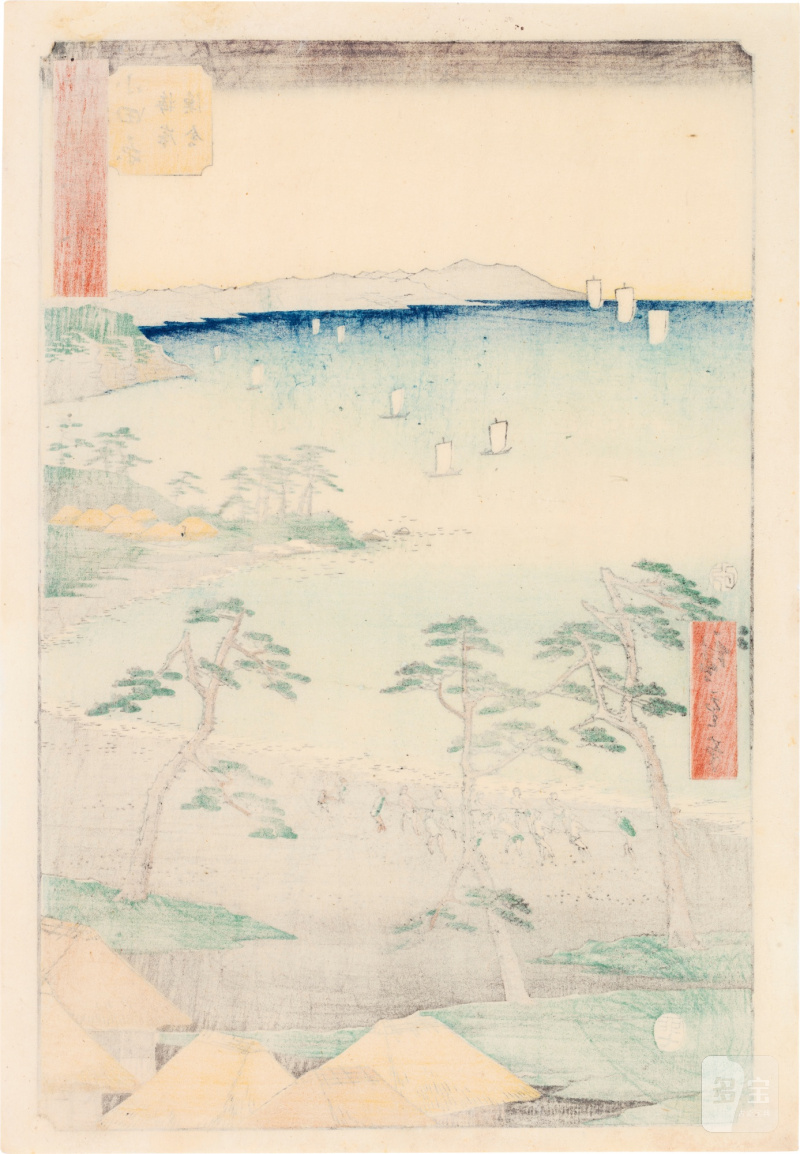
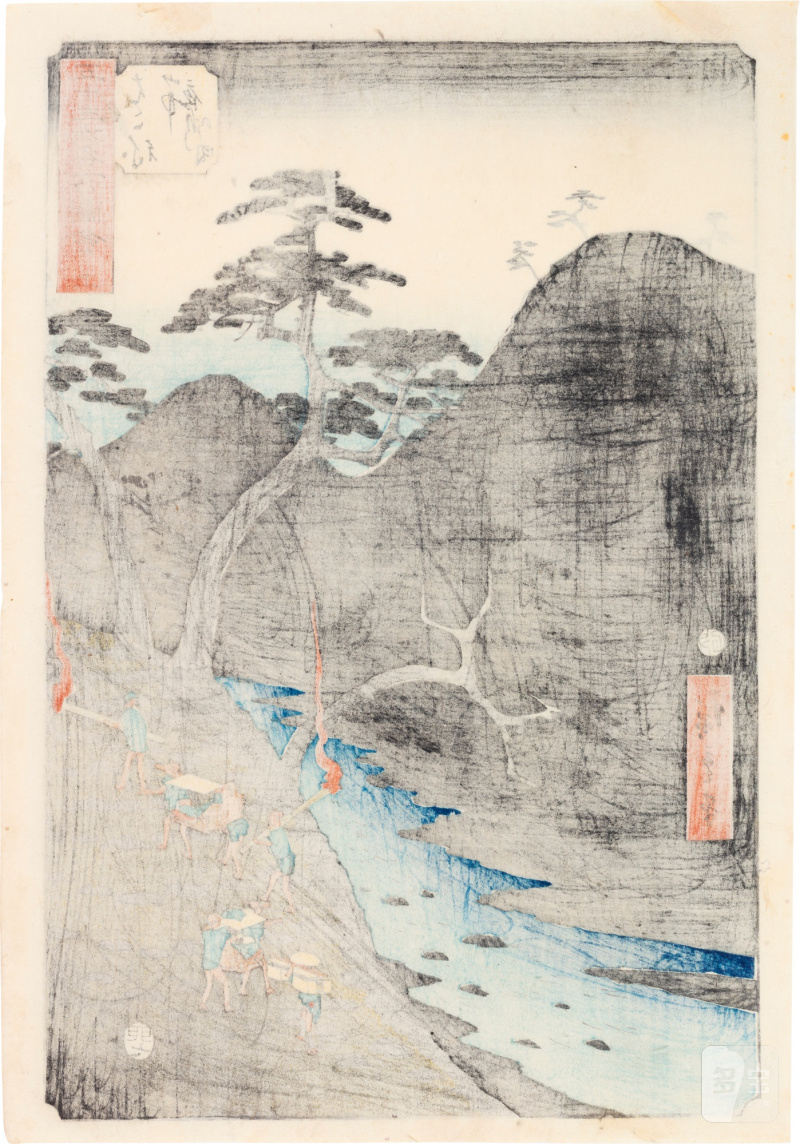
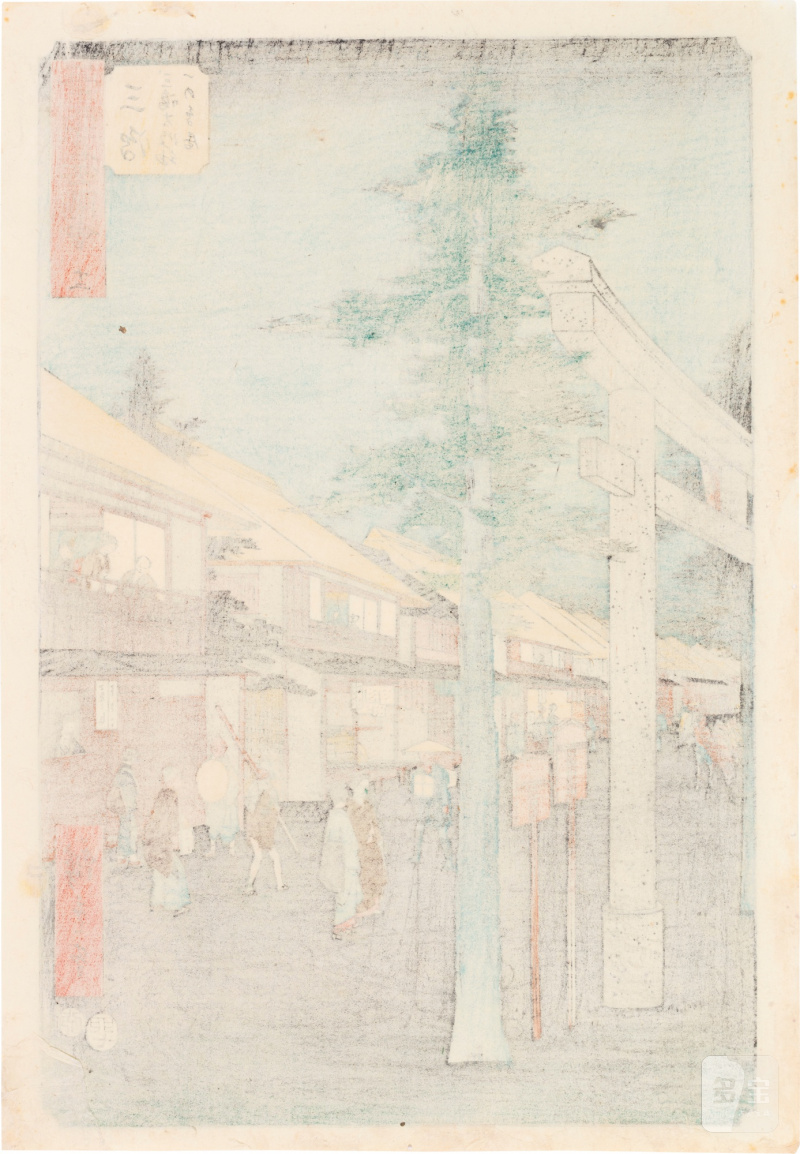
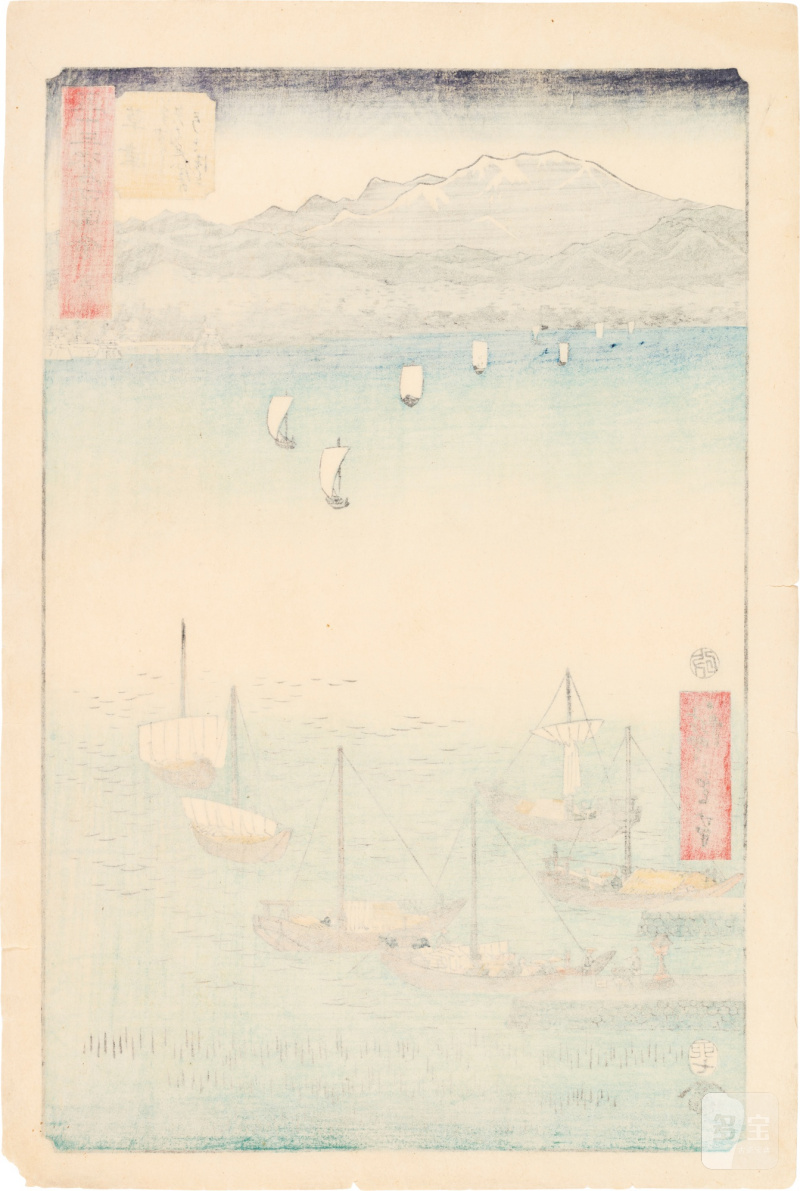
Each generally good impression, generally good colour, some minor toning, rubbing, minor soiling, some with a few pinholes, a few minor nicks to edges, the paper thin in places, some sheets with bottom margin trimmed, some with slight marks in places, some with slight wormage, a few with associated repair, a few with slight toning and adhesive residue to verso showing through to the front on one edge, a few with small pencil inscriptions to the bottom left and right corners of verso; Kusatsu with paper loss to the bottom right corner.
If a condition report is provided to assist you with assessing the condition of the lot, it is for guidance purposes only. Such condition report may not refer to all faults, restoration, alterations, or adaptations because Sotheby's is not a professional conservator or restorer but rather a condition report is a statement of subjective, qualified opinion genuinely held by Sotheby's. For these reasons, any such condition report is not an alternative to taking your own professional advice regarding the condition of the lot. Prospective buyers should also refer to the Guide for Buyers at Auction which includes important notices concerning the type of property in this sale.
If a condition report is provided to assist you with assessing the condition of the lot, it is for guidance purposes only. Such condition report may not refer to all faults, restoration, alterations, or adaptations because Sotheby's is not a professional conservator or restorer but rather a condition report is a statement of subjective, qualified opinion genuinely held by Sotheby's. For these reasons, any such condition report is not an alternative to taking your own professional advice regarding the condition of the lot. Prospective buyers should also refer to the Guide for Buyers at Auction which includes important notices concerning the type of property in this sale.
更多信息
the complete set of fifty-five woodblock prints, from the series Famous Sights of the Fifty-three Stations (Gojusan tsugi meisho zue), also known as the Vertical Tokaido, each sheet signed Hiroshige hitsu (Brush of Hiroshige), censor's seal aratame (certified), published by Tsutaya Kichizo (Koeido) in 1855
(55)
Each vertical oban: each approx. 36.4 x 24.3 cm., 14⅜ by 9½ in.
Please contact the department for a full listing and complete set of images of each print from this lot.
图录
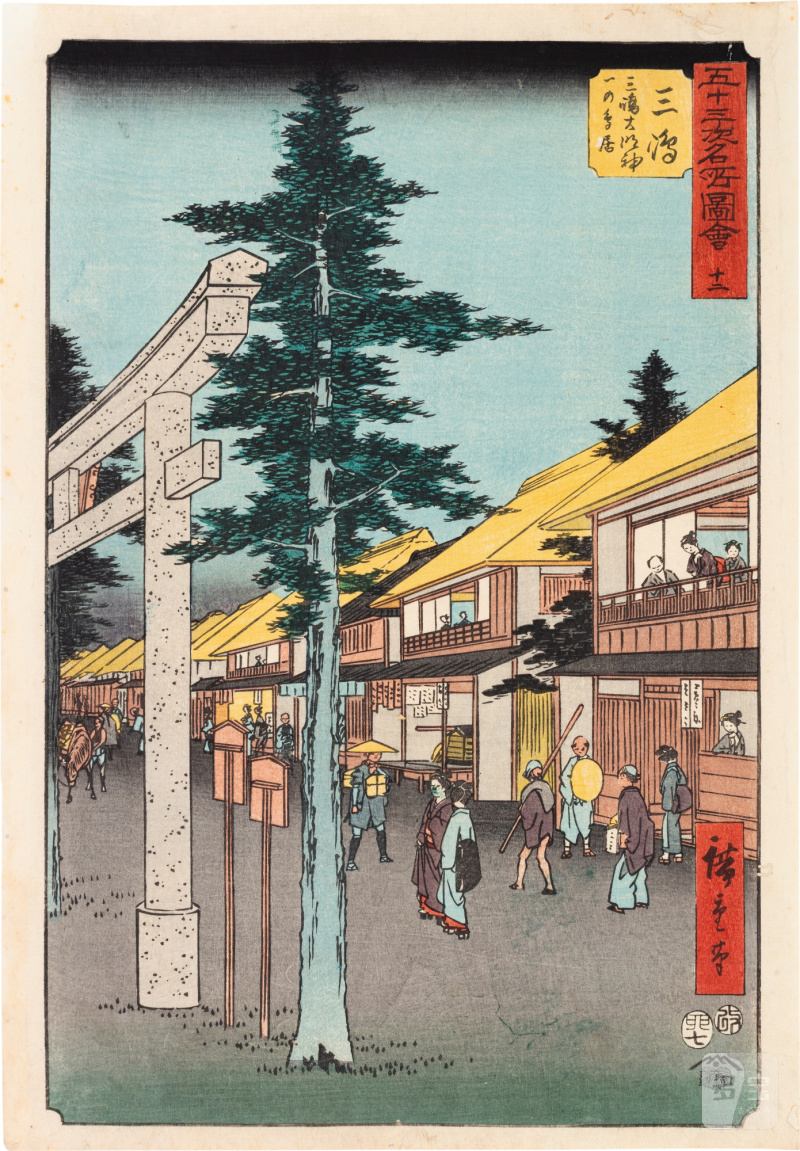
说明:Hiroshige's last major series on the Tokaido. The series was produced in collaboration with the publisher Tsutaya Kichizo, who would later publish Hiroshige's Thirty-six Views of Mount Fuji (see Lot 224). Commonly known as the Vertical Tokaido for its distinctive vertical oban format, the series marks the period in the 1850s in which he worked almost exclusively in this orientation. The compositions draw principally from traditional gazetteer-style bird's-eye views, as well as experimentation with the kinzogata ("foreground-zoom") technique closely associated with Hiroshige's later work. Nearly all the prints employ S-shaped compositions to heighten pictorial depth.
The series depicts the fifty-three post-stations along the Tokaido [lit. East Sea Road], the road connecting the new shogunal capital of Edo with the old imperial capital of Kyoto. Hiroshige first treated this subject in the celebrated Hoeido Tokaido series in 1833, which established his reputation alongside Katsushika Hokusai (1760-1849) as one of the foremost designers of landscape prints.
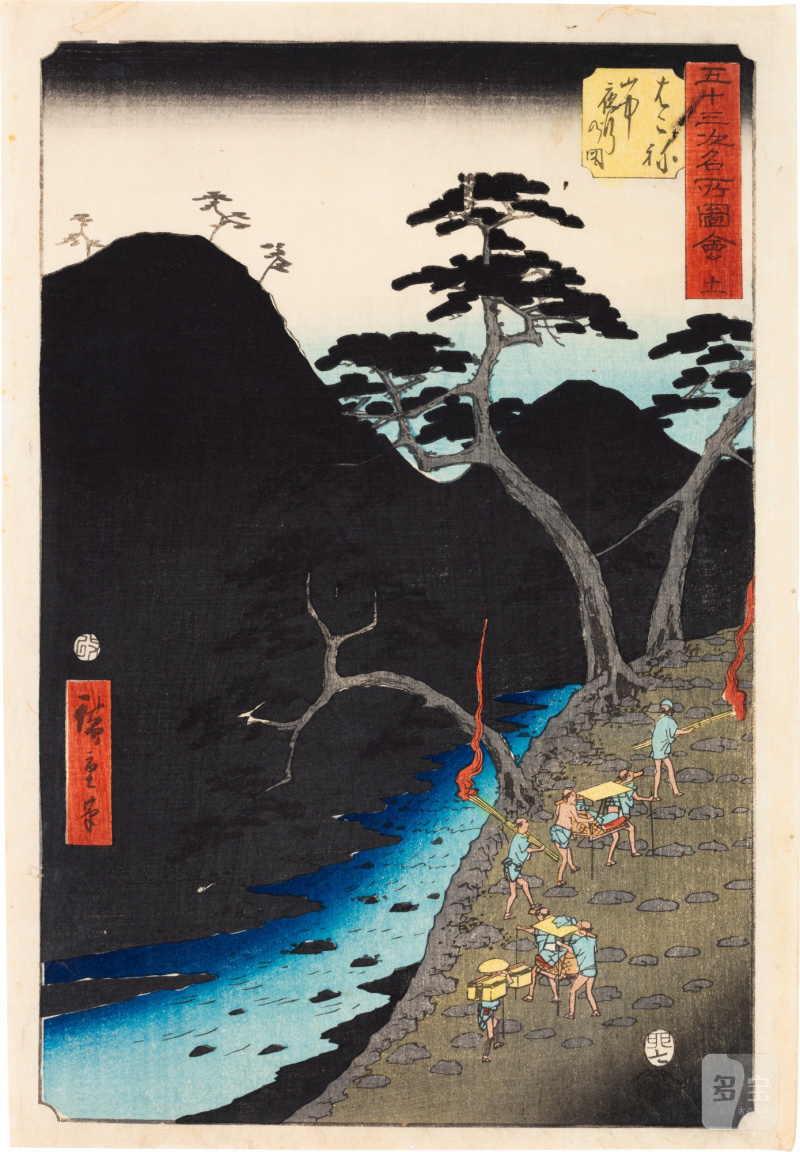
The vertical format allowed Hiroshige to reimagine many of the compositions he previously depicted. No. 11, Hakone: Night Procession in the Mountains depicts a torchlit crossing of a steep mountain road. Hiroshige allows the peak of Mount Fuji to break through the upper margin of the composition in No. 14, Hara – a somewhat unusual device that emphasises the monumentality of the mountain when seen from the Hara plain. In No. 17, Yui: The Frightful Satta Ridge, Hiroshige exploits the vertical format to dramatic effect, emphasising the sheer height of the Oyashirazu cliffs. No. 20, Fuchu: Abe River foregrounds the Great Gate (Daimon) of the Miroku pleasure district, with a mounted traveller accosted at its entrance.
For another example of a complete set in the collection of the British Museum, museum number 1973,0723,0.32, go to:
https://www.britishmuseum.org/collection/object/A_1973-0723-0-32
For a further example in the collection of the National Diet Library, Tokyo, reference ID 000007292995, go to:
https://dl.ndl.go.jp/pid/1307517/1/1
(55)
Each vertical oban: each approx. 36.4 x 24.3 cm., 14⅜ by 9½ in.
Please contact the department for a full listing and complete set of images of each print from this lot.
图录
说明:Hiroshige's last major series on the Tokaido. The series was produced in collaboration with the publisher Tsutaya Kichizo, who would later publish Hiroshige's Thirty-six Views of Mount Fuji (see Lot 224). Commonly known as the Vertical Tokaido for its distinctive vertical oban format, the series marks the period in the 1850s in which he worked almost exclusively in this orientation. The compositions draw principally from traditional gazetteer-style bird's-eye views, as well as experimentation with the kinzogata ("foreground-zoom") technique closely associated with Hiroshige's later work. Nearly all the prints employ S-shaped compositions to heighten pictorial depth.
The series depicts the fifty-three post-stations along the Tokaido [lit. East Sea Road], the road connecting the new shogunal capital of Edo with the old imperial capital of Kyoto. Hiroshige first treated this subject in the celebrated Hoeido Tokaido series in 1833, which established his reputation alongside Katsushika Hokusai (1760-1849) as one of the foremost designers of landscape prints.
The vertical format allowed Hiroshige to reimagine many of the compositions he previously depicted. No. 11, Hakone: Night Procession in the Mountains depicts a torchlit crossing of a steep mountain road. Hiroshige allows the peak of Mount Fuji to break through the upper margin of the composition in No. 14, Hara – a somewhat unusual device that emphasises the monumentality of the mountain when seen from the Hara plain. In No. 17, Yui: The Frightful Satta Ridge, Hiroshige exploits the vertical format to dramatic effect, emphasising the sheer height of the Oyashirazu cliffs. No. 20, Fuchu: Abe River foregrounds the Great Gate (Daimon) of the Miroku pleasure district, with a mounted traveller accosted at its entrance.
For another example of a complete set in the collection of the British Museum, museum number 1973,0723,0.32, go to:
https://www.britishmuseum.org/collection/object/A_1973-0723-0-32
For a further example in the collection of the National Diet Library, Tokyo, reference ID 000007292995, go to:
https://dl.ndl.go.jp/pid/1307517/1/1
常见问题
拍品的品相状况如何?
Each generally good impression, generally good colour, some minor toning, rubbing, minor soiling, some with a few pinholes, a few minor nicks to edges, the paper thin in places, some sheets with bottom margin trimmed, some with slight marks in places, some with slight wormage, a few with associated repair, a few with slight toning and adhesive residue to verso showing through to the front on one edge, a few with small pencil inscriptions to the bottom left and right corners of verso; Kusatsu with paper loss to the bottom right corner.
If a condition report is provided to assist you with assessing the condition of the lot, it is for guidance purposes only. Such condition report may not refer to all faults, restoration, alterations, or adaptations because Sotheby's is not a professional conservator or restorer but rather a condition report is a statement of subjective, qualified opinion genuinely held by Sotheby's. For these reasons, any such condition report is not an alternative to taking your own professional advice regarding the condition of the lot. Prospective buyers should also refer to the Guide for Buyers at Auction which includes important notices concerning the type of property in this sale.
If a condition report is provided to assist you with assessing the condition of the lot, it is for guidance purposes only. Such condition report may not refer to all faults, restoration, alterations, or adaptations because Sotheby's is not a professional conservator or restorer but rather a condition report is a statement of subjective, qualified opinion genuinely held by Sotheby's. For these reasons, any such condition report is not an alternative to taking your own professional advice regarding the condition of the lot. Prospective buyers should also refer to the Guide for Buyers at Auction which includes important notices concerning the type of property in this sale.