

拍品信息
拍品名称
松林桂月 昭和時代 一九三七年 六扇屏風 | MATSUBAYASHI KEIGETSU (1876-1963)
年代
Showa period (1926-1989), 1937
起拍价
GBP 1,500
估值区间
GBP 1500 - 2000
尺寸
未知
品相
未知
更多信息
Showa period (1926-1989), 1937
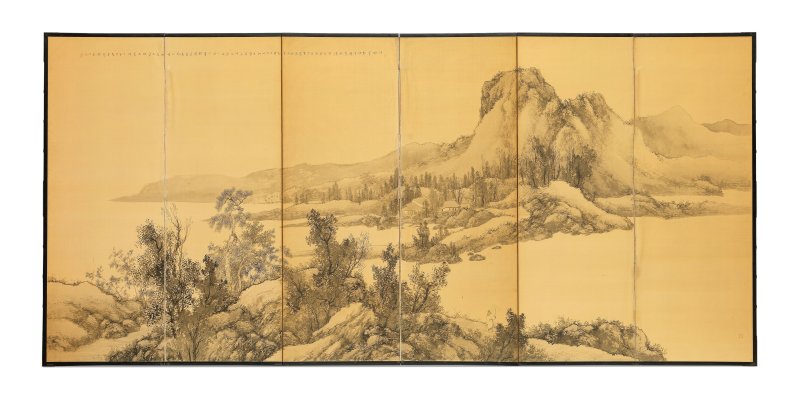
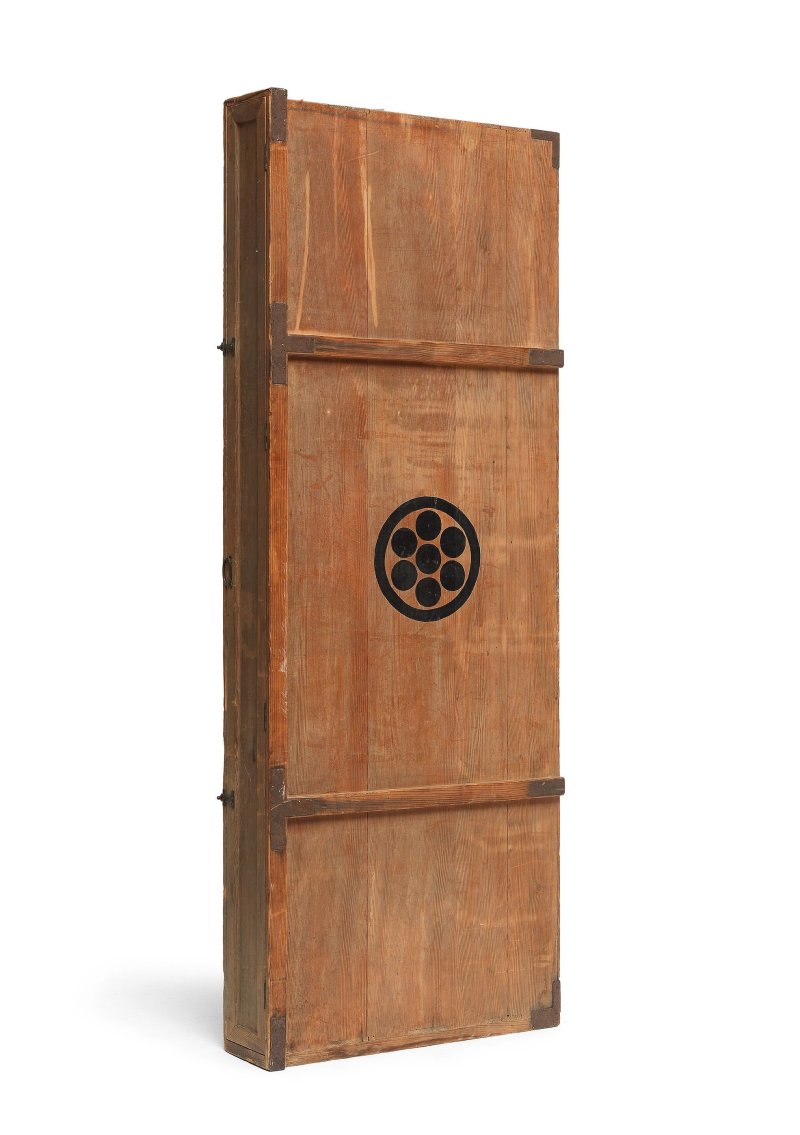
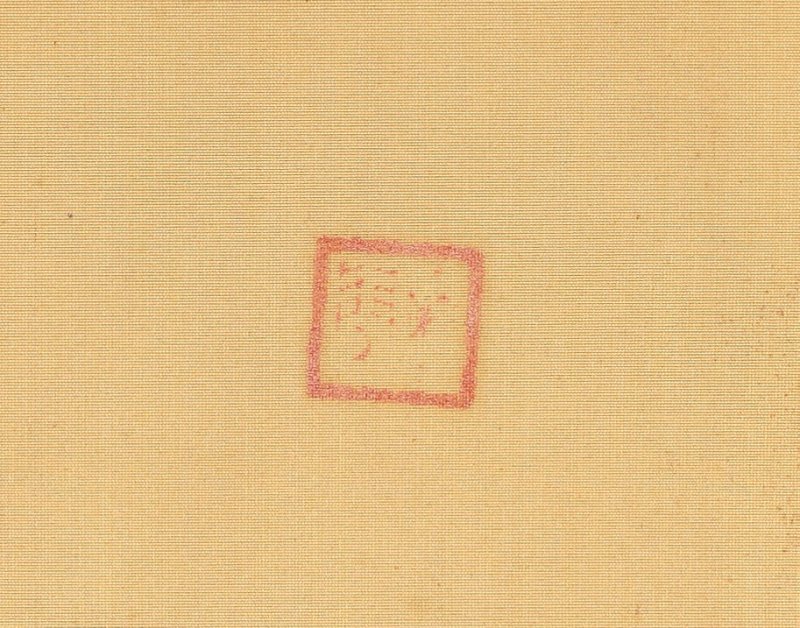
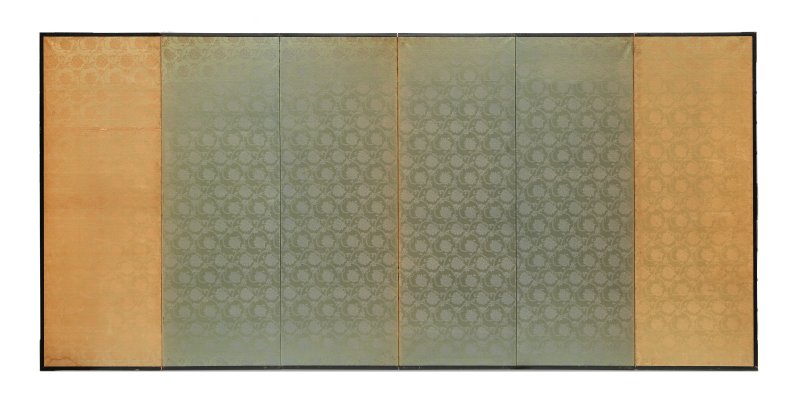
River Landscape; a six-panel folding screen, ink on gold-washed silk; inscribed at the top with a 56-character Chinese poem, dated hinoto-ushi (1937), and signed Keigetsu sanjin with two seals, the first unread, the second Keigetsu, with a further unread seal at bottom right; with wood storage box bearing the nanatsu boshi (seven-luminary) crest of the Kuki family.
Overall: 173cm (68 3/8in) high x 367cm (144 1/2in) wide; image: 168.5cm (66 3/8in) high x 363cm (142 7/8in) wide. (2).
Footnotes
松林桂月 昭和時代 一九三七年 六扇屏風
Born in Hagi (Yamaguchi Prefecture), Matsubayashi Keigetsu moved to Tokyo at age 18 and was apprenticed to the celebrated Nanga-style painter Noguchi Yukoku. He first showed his work at the annual exhibition of the Nihon Bijutsu Kyokai (Japan Art Association) in 1897 and was selected for the second Bunten national exhibition in 1908; he would continue to exhibit at the Bunten and its successors throughout most of his long life and was appointed to the Teikoku Bijutsuin (Imperial Art Academy) in 1932. Keigetsu was a staunch advocate of the Chinese-influenced Nanga landscape manner and became a leading member of several Nanga associations, including the Nihon Nangain and the Nihon Nanso Gakai. Although he worked in other styles, his most celebrated works are large-scale Nanga compositions, often as here inscribed with long Chinese poems; the present ambitious, expansive screen from the artist's best period was executed in the outsize format fashionable during the early Showa era and very likely shown at one of the regular exhibitions organized by the Nanga associations, but due to current restrictions on library access it has not been possible to confirm this. A wide-ranging fiftieth-anniversary exhibition of Keigetsu's work was held in 2013 at the Nerima Art Museum, Tokyo: see www.museum.or.jp/report/458
River Landscape; a six-panel folding screen, ink on gold-washed silk; inscribed at the top with a 56-character Chinese poem, dated hinoto-ushi (1937), and signed Keigetsu sanjin with two seals, the first unread, the second Keigetsu, with a further unread seal at bottom right; with wood storage box bearing the nanatsu boshi (seven-luminary) crest of the Kuki family.
Overall: 173cm (68 3/8in) high x 367cm (144 1/2in) wide; image: 168.5cm (66 3/8in) high x 363cm (142 7/8in) wide. (2).
Footnotes
松林桂月 昭和時代 一九三七年 六扇屏風
Born in Hagi (Yamaguchi Prefecture), Matsubayashi Keigetsu moved to Tokyo at age 18 and was apprenticed to the celebrated Nanga-style painter Noguchi Yukoku. He first showed his work at the annual exhibition of the Nihon Bijutsu Kyokai (Japan Art Association) in 1897 and was selected for the second Bunten national exhibition in 1908; he would continue to exhibit at the Bunten and its successors throughout most of his long life and was appointed to the Teikoku Bijutsuin (Imperial Art Academy) in 1932. Keigetsu was a staunch advocate of the Chinese-influenced Nanga landscape manner and became a leading member of several Nanga associations, including the Nihon Nangain and the Nihon Nanso Gakai. Although he worked in other styles, his most celebrated works are large-scale Nanga compositions, often as here inscribed with long Chinese poems; the present ambitious, expansive screen from the artist's best period was executed in the outsize format fashionable during the early Showa era and very likely shown at one of the regular exhibitions organized by the Nanga associations, but due to current restrictions on library access it has not been possible to confirm this. A wide-ranging fiftieth-anniversary exhibition of Keigetsu's work was held in 2013 at the Nerima Art Museum, Tokyo: see www.museum.or.jp/report/458
常见问题
这件松林桂月 昭和時代 一九三七年 六扇屏風 | MATSUBAYASHI KEIGETSU (1876-1963)的成交价是多少?
落槌价为 预展中。 成交价为 预展中。


