
拍品信息
拍品名称
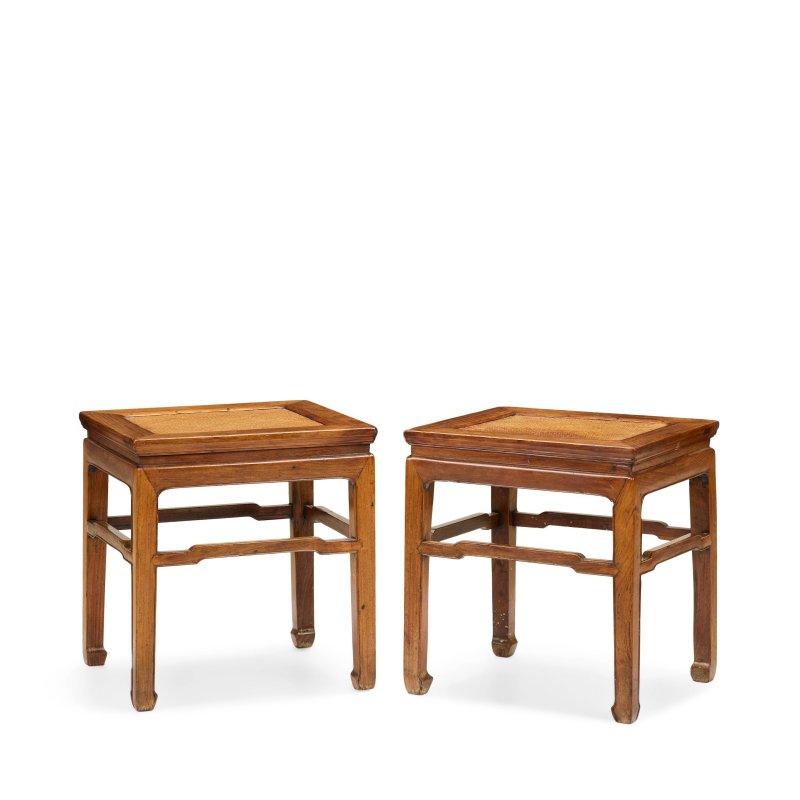
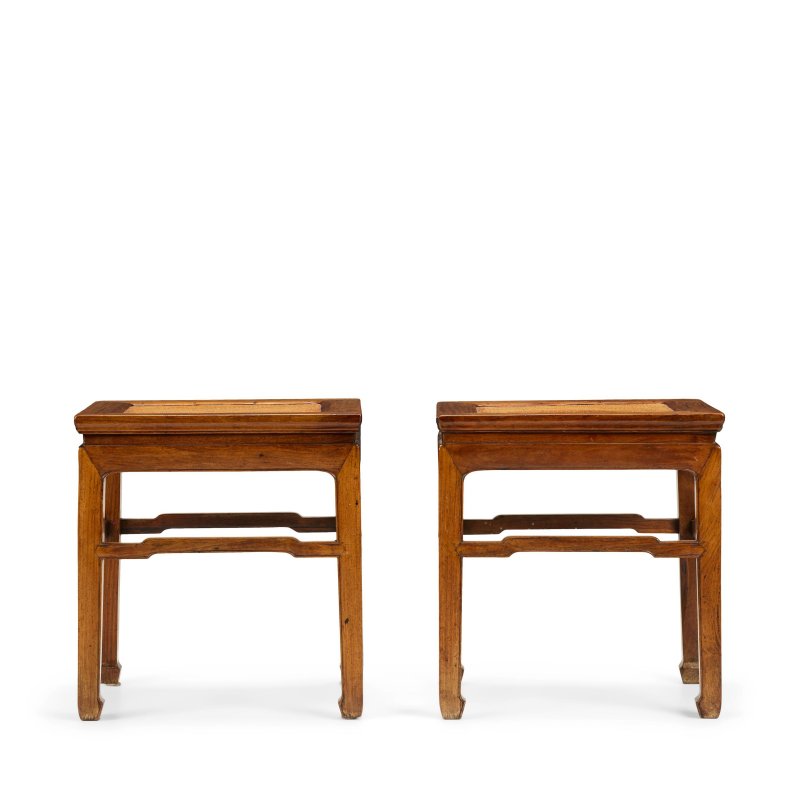
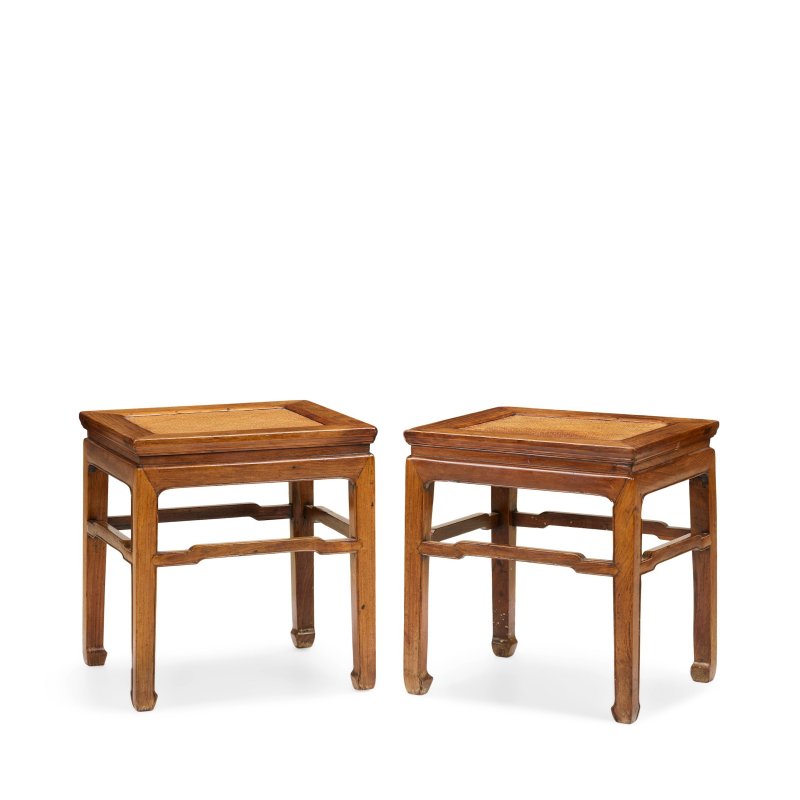
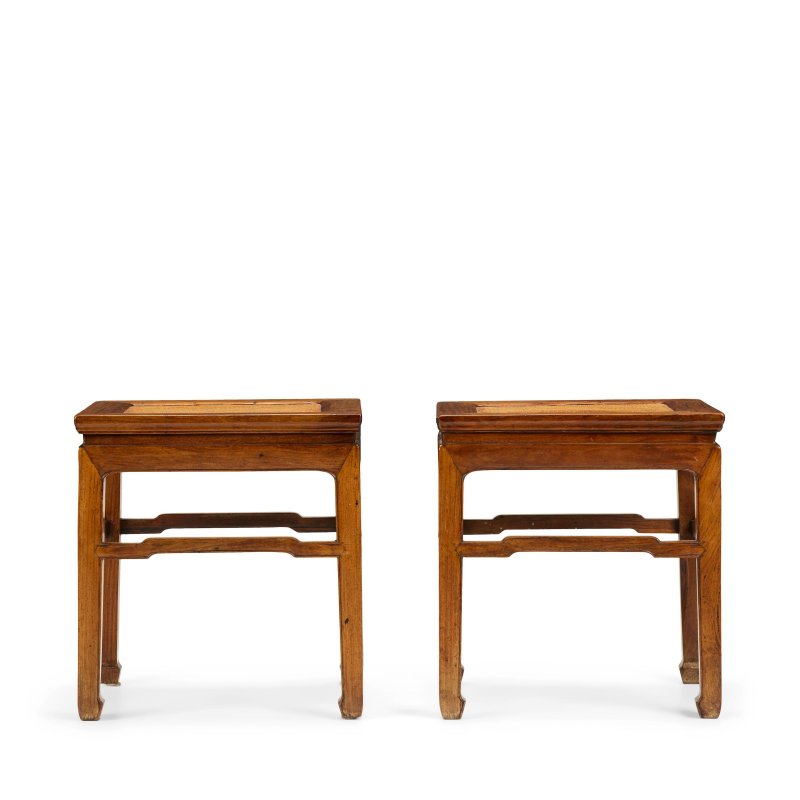
十七/十八世紀 黃花梨有束腰羅鍋棖馬蹄足長方凳一對 | A PAIR OF HUANGHUALI CORNER-LEG STOOLS, FANGDENG
年代
17th/18th century
起拍价
GBP 10,000
估值区间
GBP 10000 - 12000
尺寸
未知
品相
未知
更多信息
17th/18th century
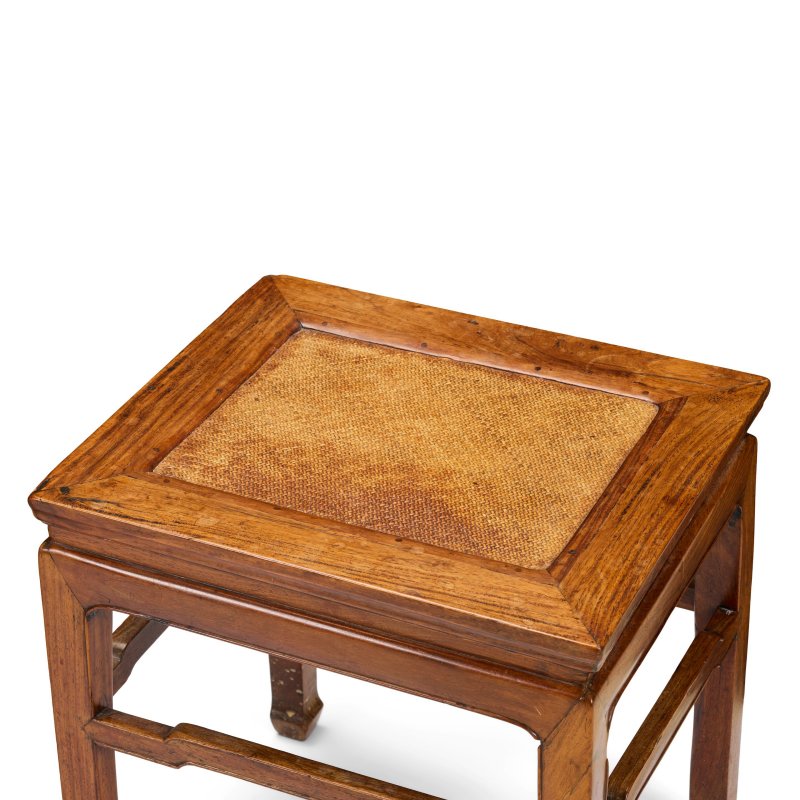
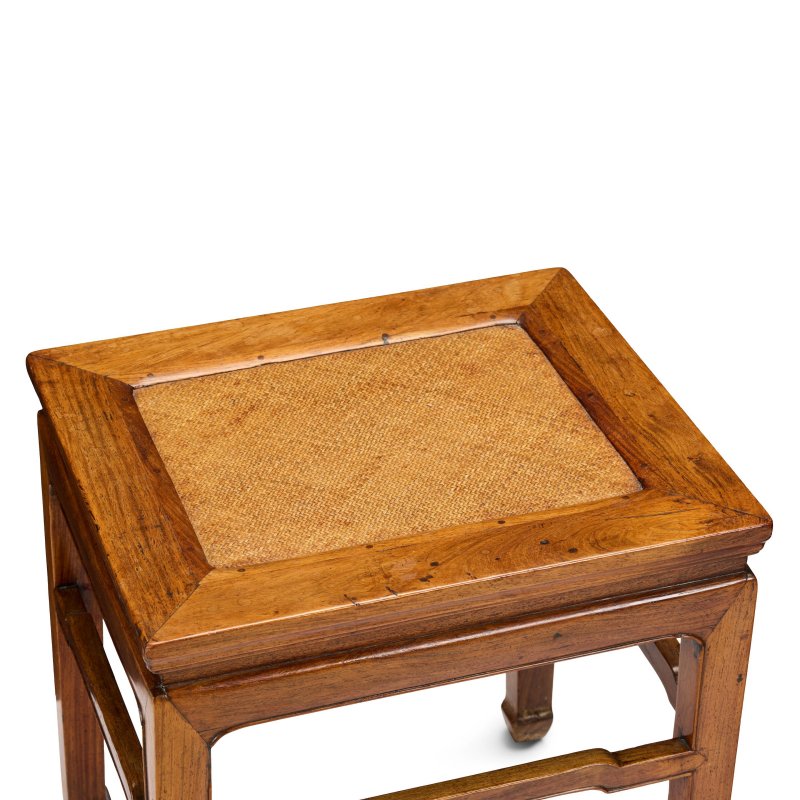
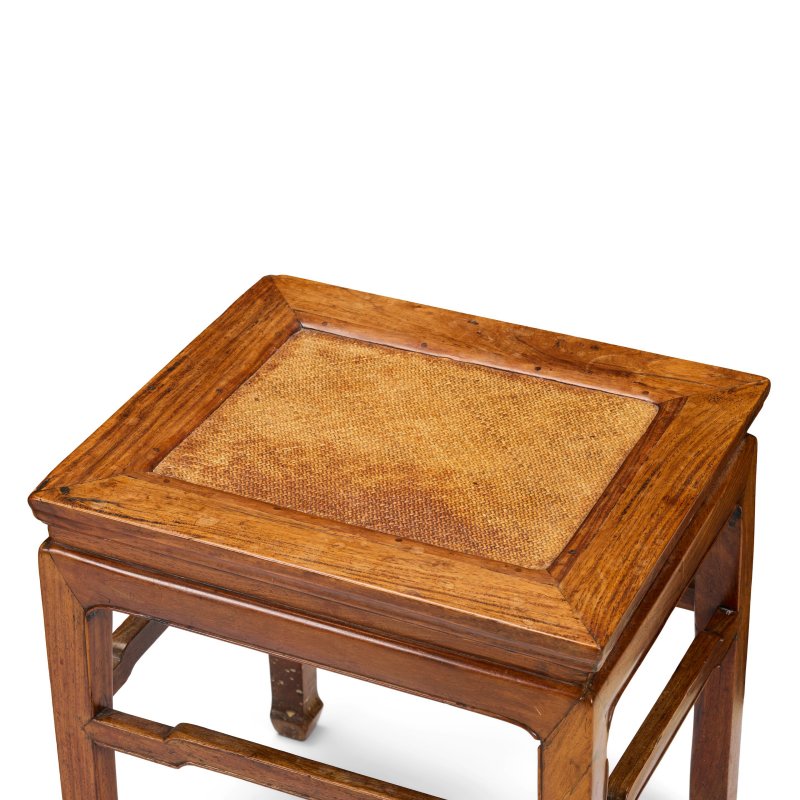
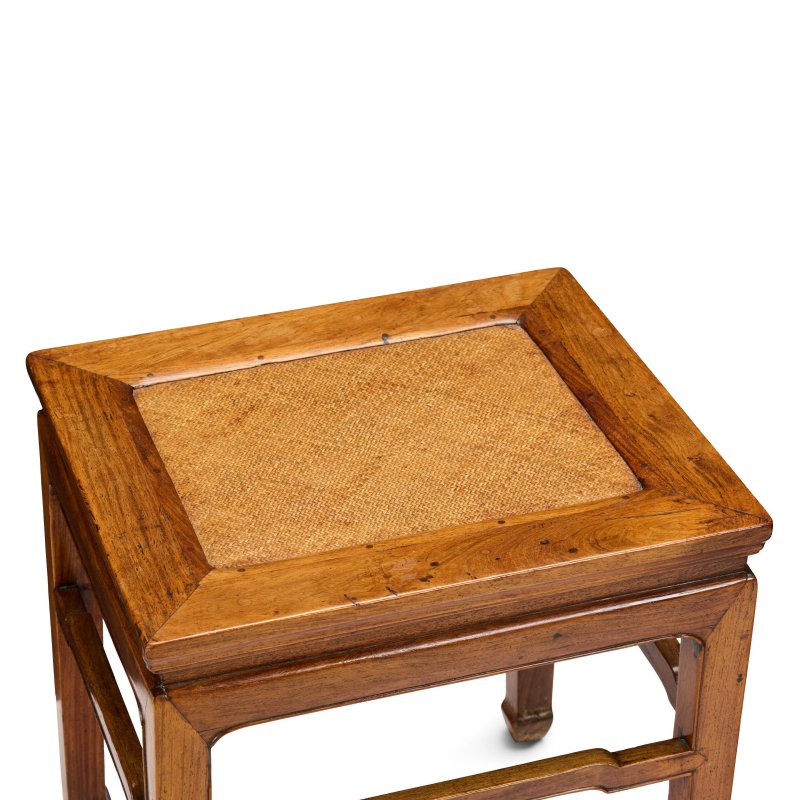
Each gracefully proportioned, with a rectangular frame mitred with soft cane seat and moulded edge above a recessed waist, resting on four legs of square section terminating in hoof feet, joined by humpback-shaped stretchers, the interior of the legs and apron with beaded edge, the finely grained wood of warm amber-honey tone. 45cm (17 3/4in) wide x 38cm (15in) deep x 48.5cm (19 1/8in) high. (2).
Footnotes
十七/十八世紀 黃花梨有束腰羅鍋棖馬蹄足長方凳一對
Provenance: a British private collection, acquired in Hong Kong circa 1981
來源:英國私人收藏,約1981年獲得于香港
Corner-leg stools were among the most popular forms of seating during the Ming dynasty. Renowned for their elegance, stability and durability, these stools were constructed with the apron and waist carved from a single piece of timber, creating both structural strength and visual simplicity. For a detailed discussion of the development and use of stools during the Ming dynasty, see R.Jacobsen, Classical Chinese Furniture in the Minneapolis Institute of Arts, Minneapolis, 1999, p.38. For similar stools, 17th century, see Wang Shixiang, , vol.2, Hong Kong, 2016, p.19, no.A3 and vol.1, pp.27-31, where the author discusses the general form.
See one similar corner-leg stool, mid-Qing dynasty, which was sold at Bonhams Hong Kong, 1 December 2020, lot 129. Compare also with two pairs of similar stools, 17th century, formerly in the collection of Robert Ellsworth, which were sold at Christie's New York, 18 March 2015, lots 130 and 168.
Each gracefully proportioned, with a rectangular frame mitred with soft cane seat and moulded edge above a recessed waist, resting on four legs of square section terminating in hoof feet, joined by humpback-shaped stretchers, the interior of the legs and apron with beaded edge, the finely grained wood of warm amber-honey tone. 45cm (17 3/4in) wide x 38cm (15in) deep x 48.5cm (19 1/8in) high. (2).
Footnotes
十七/十八世紀 黃花梨有束腰羅鍋棖馬蹄足長方凳一對
Provenance: a British private collection, acquired in Hong Kong circa 1981
來源:英國私人收藏,約1981年獲得于香港
Corner-leg stools were among the most popular forms of seating during the Ming dynasty. Renowned for their elegance, stability and durability, these stools were constructed with the apron and waist carved from a single piece of timber, creating both structural strength and visual simplicity. For a detailed discussion of the development and use of stools during the Ming dynasty, see R.Jacobsen, Classical Chinese Furniture in the Minneapolis Institute of Arts, Minneapolis, 1999, p.38. For similar stools, 17th century, see Wang Shixiang, , vol.2, Hong Kong, 2016, p.19, no.A3 and vol.1, pp.27-31, where the author discusses the general form.
See one similar corner-leg stool, mid-Qing dynasty, which was sold at Bonhams Hong Kong, 1 December 2020, lot 129. Compare also with two pairs of similar stools, 17th century, formerly in the collection of Robert Ellsworth, which were sold at Christie's New York, 18 March 2015, lots 130 and 168.
常见问题
这件十七/十八世紀 黃花梨有束腰羅鍋棖馬蹄足長方凳一對 | A PAIR OF HUANGHUALI CORNER-LEG STOOLS, FANGDENG的成交价是多少?
落槌价为 预展中。 成交价为 预展中。


