
拍品信息
拍品名称
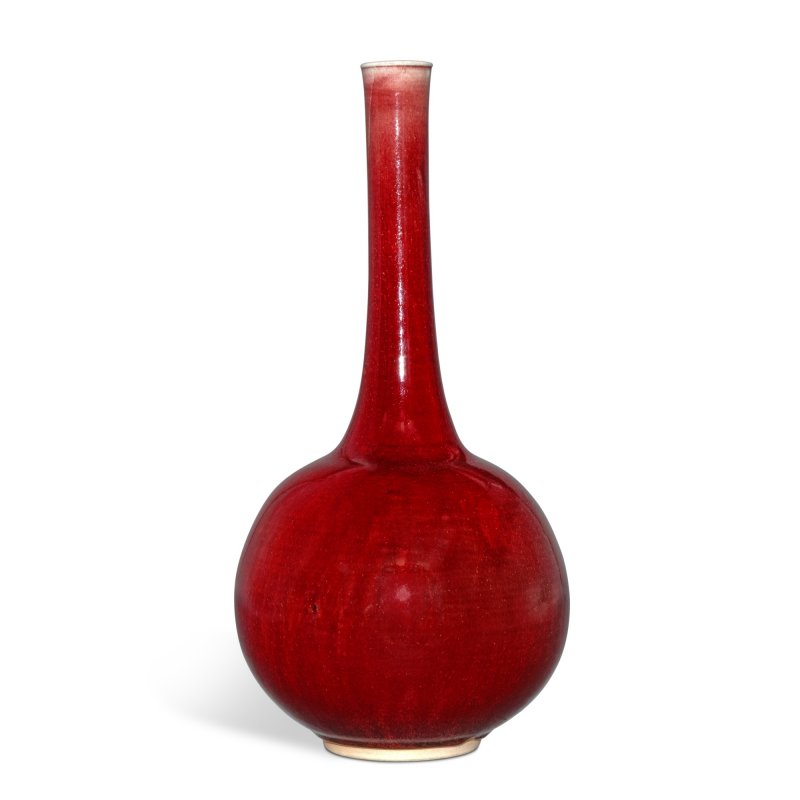
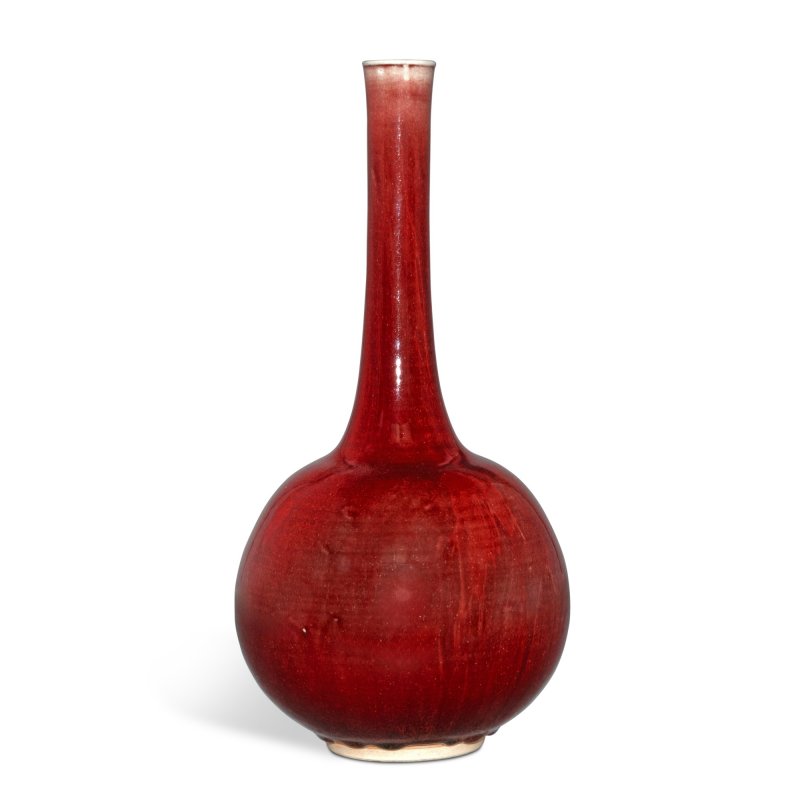
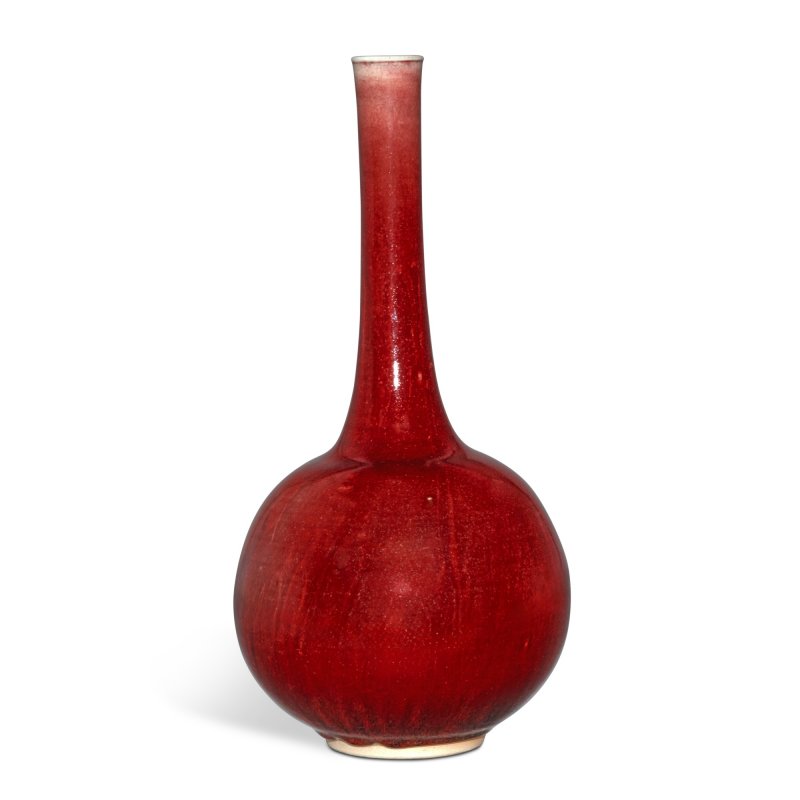
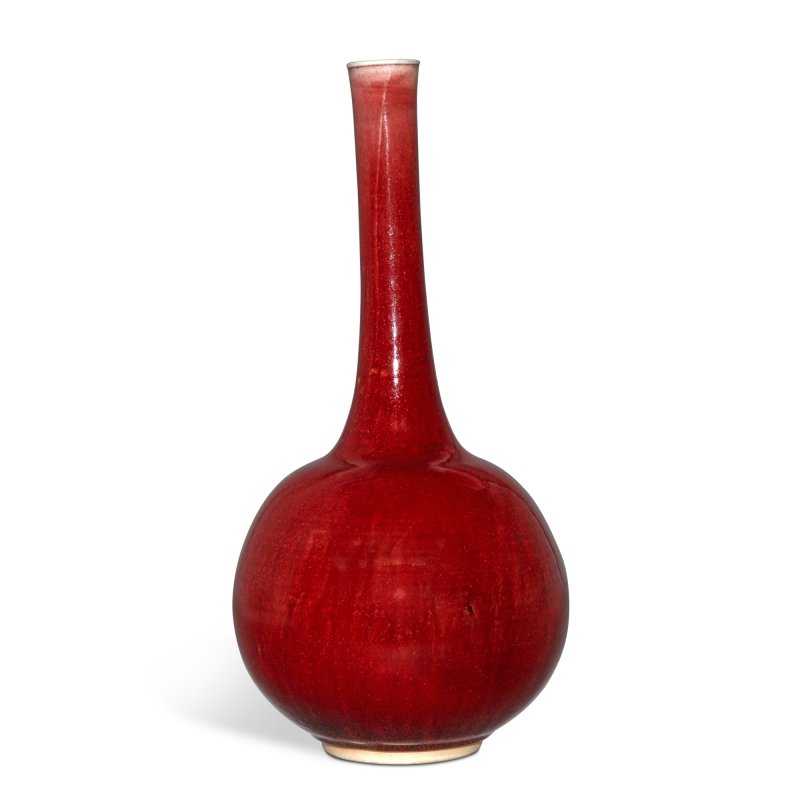
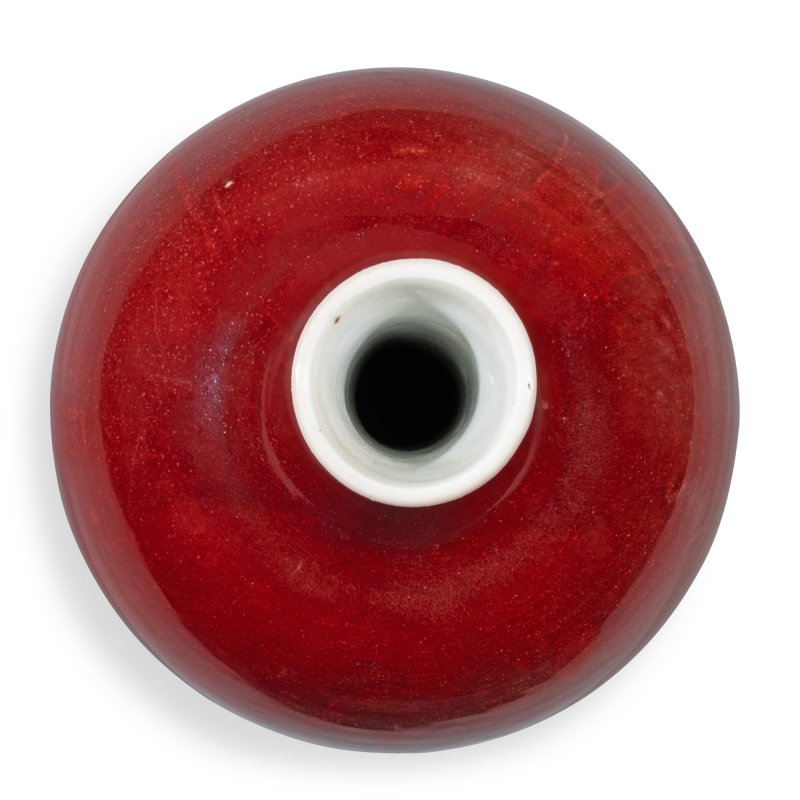
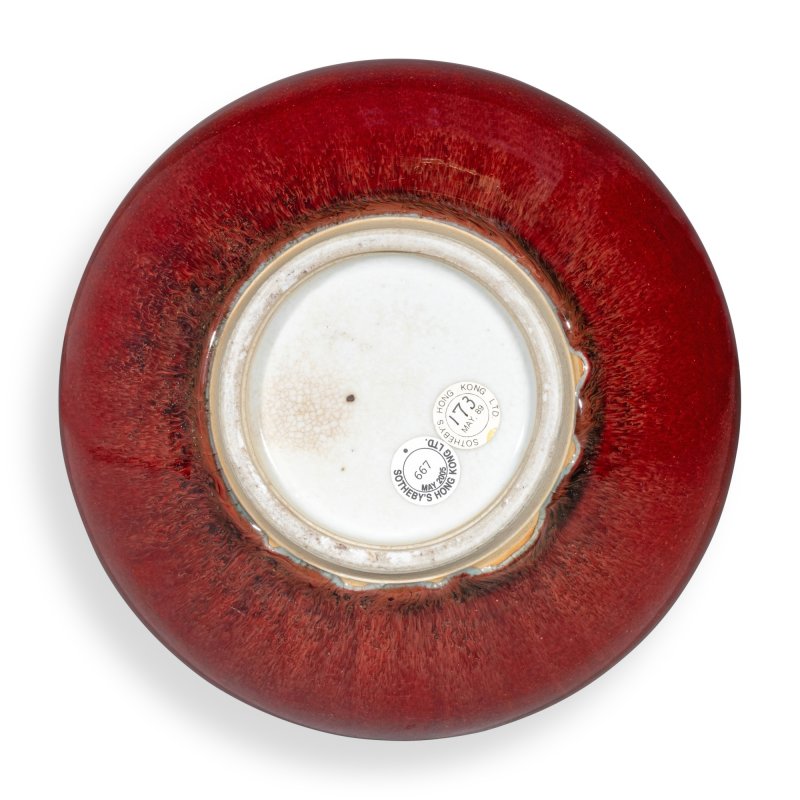
清康熙 郎窰紅釉長頸瓶
起拍价
USD 40,000
估值区间
40,000 - 60,000 USD
尺寸
未知
品相
如欲了解本拍品狀況的更多資訊,請聯絡 Drew.Lerner@sothebys.com
更多信息
Height 17½ in., 44.5 cm
来源:香港蘇富比1989年5月17日,編號173
私人收藏
香港蘇富比2005年5月2日,編號667
图录
说明:Rich and lustrously glazed copper-red monochrome porcelains were perfected during the Yongle (1403-1424) and Xuande (1426-1435) reigns in the Ming dynasty (1368-1644), but the large number of discarded sherds at the Jingdezhen kiln sites highlights the difficulties experienced by even the most highly accomplished imperial potters of that time to achieve satisfactory results. After the Xuande reign, the copper pigment was therefore almost completely abandoned, and monochrome copper-red vessels were only revived on a grand scale about two centuries later under the Qing Kangxi Emperor.
Also known as sang-de-boeuf (‘ox-blood’), the copper-red langyao glaze was developed under Lang Tingji (1663-1715), supervisor of the imperial kilns at Jingdezhen from 1705-1712, and the term is thought to derive from his name. Under his direction, the imperial potters attempted to recreate the lost formula of the early Ming period. Indeed, the depth, richness, and slight mottling of the glaze on the present vase, together with the thin blurred border of white at the lip, suggest a deliberate recreation of revered Xuande period red monochromes.
See a very similar 'Langyao' vase, formerly in the collection of Mr. and Mrs. Earl Morse, sold twice at Christie's New York, 24th-25th March 2011, lot 1780 and 19th September 2014, lot 886, and most recently in our Hong Kong rooms, 22nd April 2021, lot 3626.
来源:香港蘇富比1989年5月17日,編號173
私人收藏
香港蘇富比2005年5月2日,編號667
图录
说明:Rich and lustrously glazed copper-red monochrome porcelains were perfected during the Yongle (1403-1424) and Xuande (1426-1435) reigns in the Ming dynasty (1368-1644), but the large number of discarded sherds at the Jingdezhen kiln sites highlights the difficulties experienced by even the most highly accomplished imperial potters of that time to achieve satisfactory results. After the Xuande reign, the copper pigment was therefore almost completely abandoned, and monochrome copper-red vessels were only revived on a grand scale about two centuries later under the Qing Kangxi Emperor.
Also known as sang-de-boeuf (‘ox-blood’), the copper-red langyao glaze was developed under Lang Tingji (1663-1715), supervisor of the imperial kilns at Jingdezhen from 1705-1712, and the term is thought to derive from his name. Under his direction, the imperial potters attempted to recreate the lost formula of the early Ming period. Indeed, the depth, richness, and slight mottling of the glaze on the present vase, together with the thin blurred border of white at the lip, suggest a deliberate recreation of revered Xuande period red monochromes.
See a very similar 'Langyao' vase, formerly in the collection of Mr. and Mrs. Earl Morse, sold twice at Christie's New York, 24th-25th March 2011, lot 1780 and 19th September 2014, lot 886, and most recently in our Hong Kong rooms, 22nd April 2021, lot 3626.
常见问题
拍品的品相状况如何?
如欲了解本拍品狀況的更多資訊,請聯絡 Drew.Lerner@sothebys.com
这件拍品的流传来源是什么?
香港蘇富比1989年5月17日,編號173
私人收藏
香港蘇富比2005年5月2日,編號667
图录
私人收藏
香港蘇富比2005年5月2日,編號667
图录