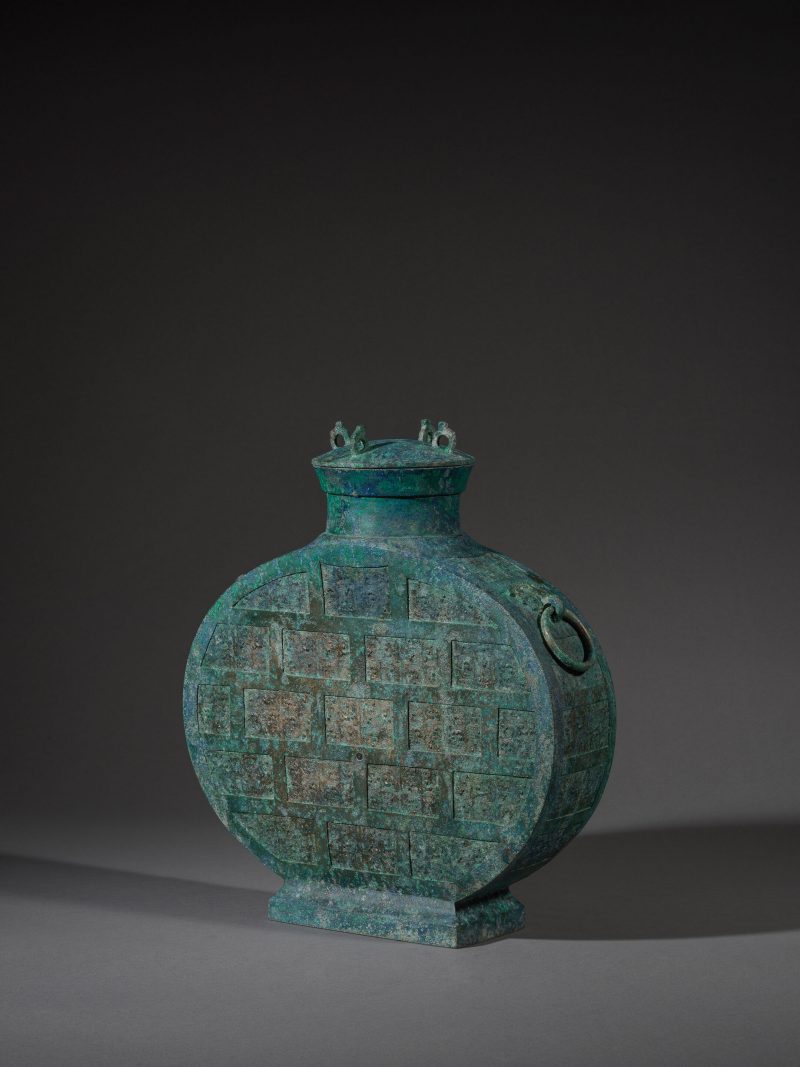
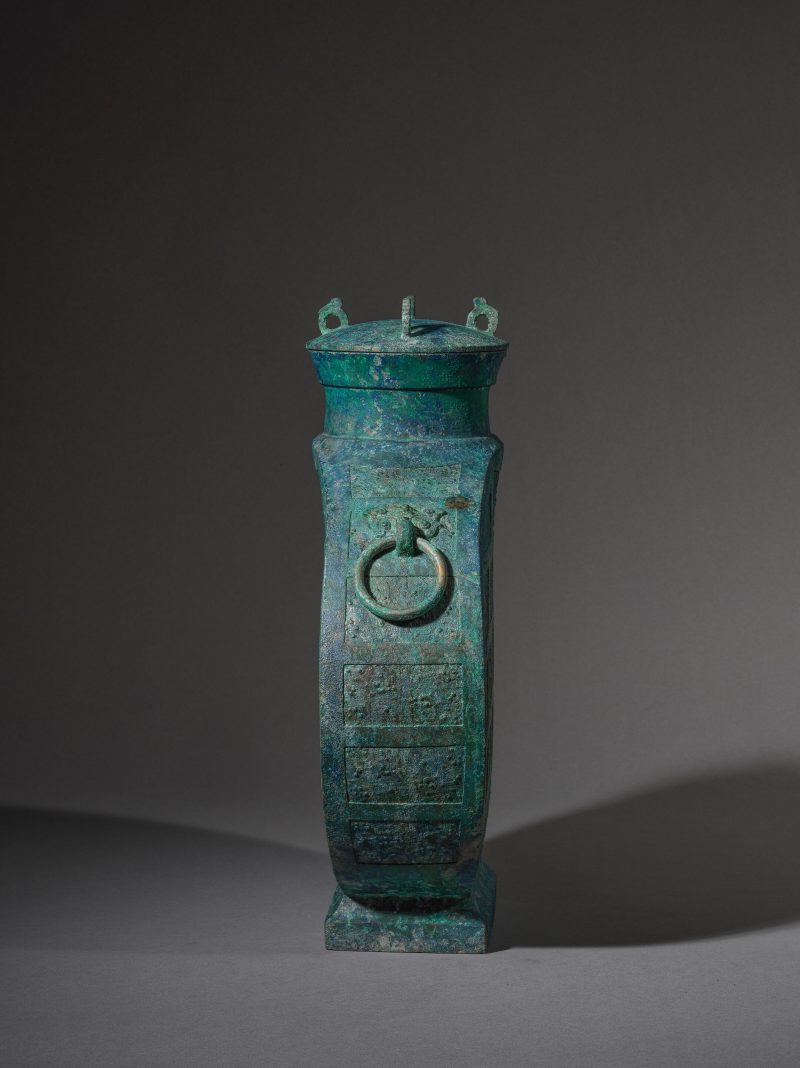
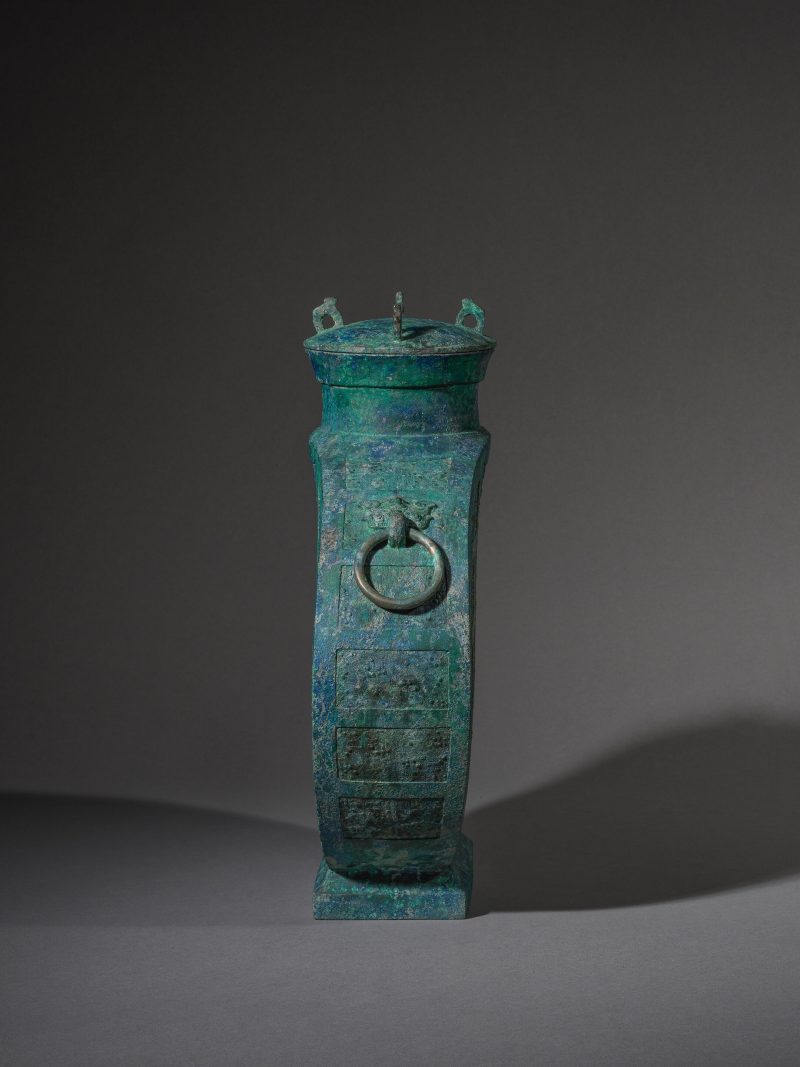
Lot 55 戰國時期 約公元前四/三世紀 青銅蟠虺紋扁壺 | RÉCIPIENT COUVERT RITUEL BIANHU
落槌价
预展中
成交价
预展中
| 拍卖公司 | 邦瀚斯 |
|---|---|
| 拍卖时间 | 2026年12月10日 |
拍品信息
拍品名称
戰國時期 約公元前四/三世紀 青銅蟠虺紋扁壺 | RÉCIPIENT COUVERT RITUEL BIANHU
年代
戰國時期 約公元前四/三世紀
起拍价
未知
估值区间
EUR 30,000–50,000
尺寸
36 cm (14 1/8 in.) high x 31 cm (12 1/8 in.) wide
品相
未知
更多信息
RÉCIPIENT COUVERT RITUEL BIANHU
Période des Royaumes Combattants, vers IVe/IIIe siècle av. J.-C.
AN ARCHAIC BRONZE RITUAL WINE VESSEL AND COVER, BIANHU
Warring States period, ca. 4th/3rd century BC
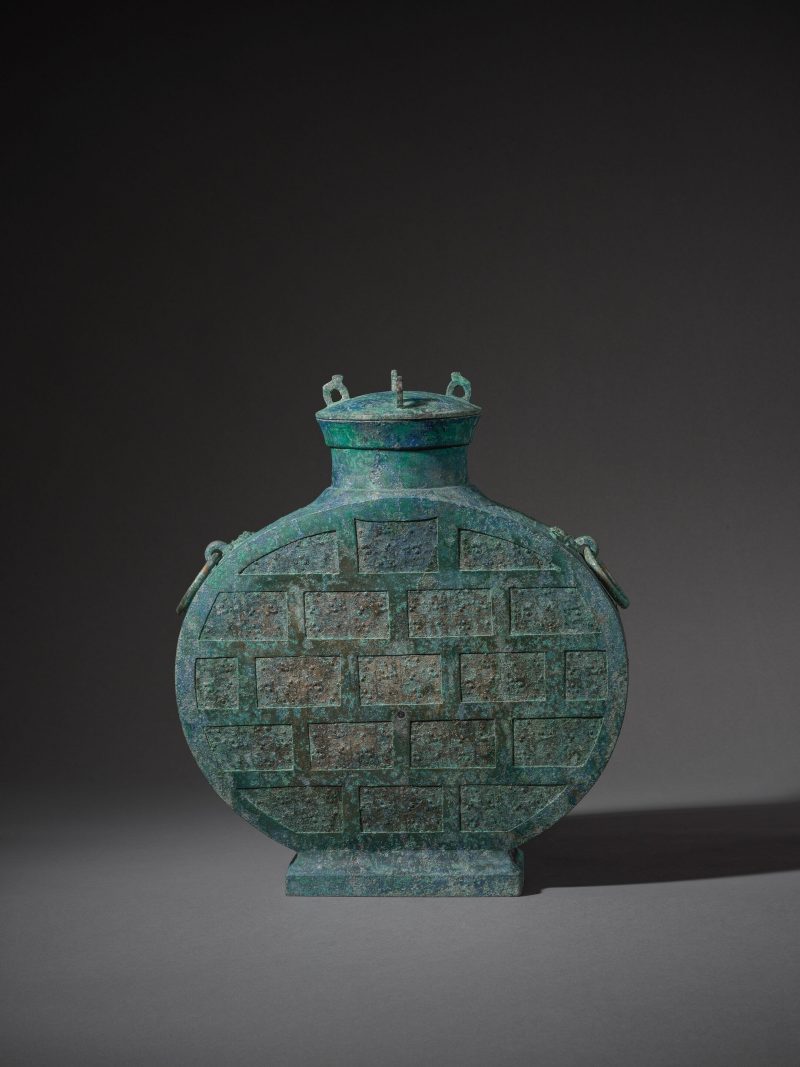
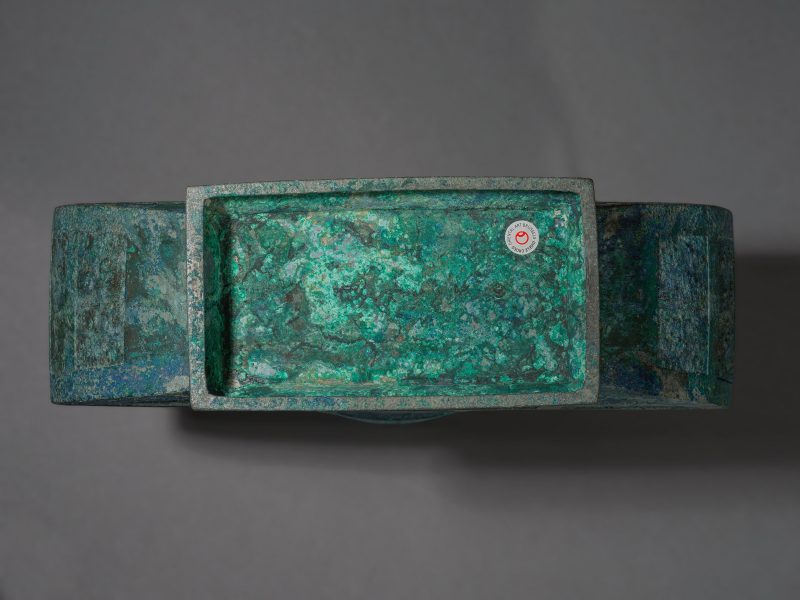
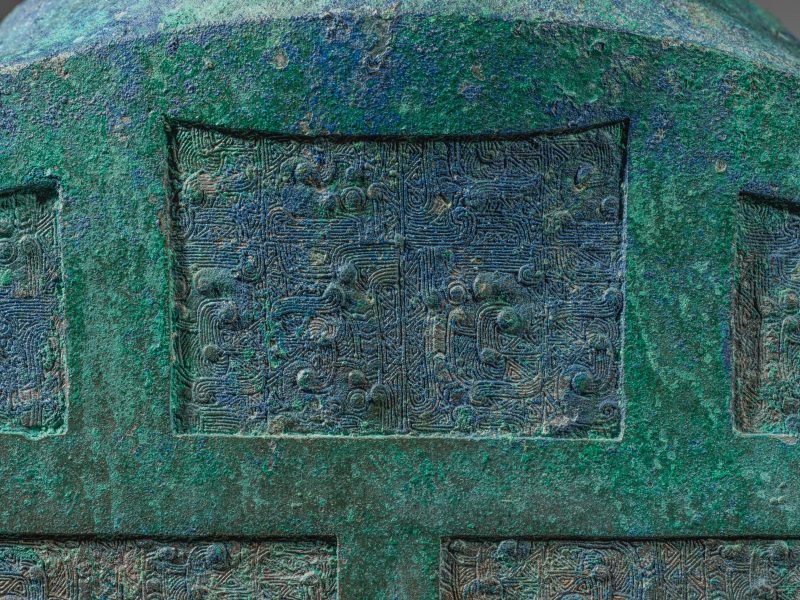
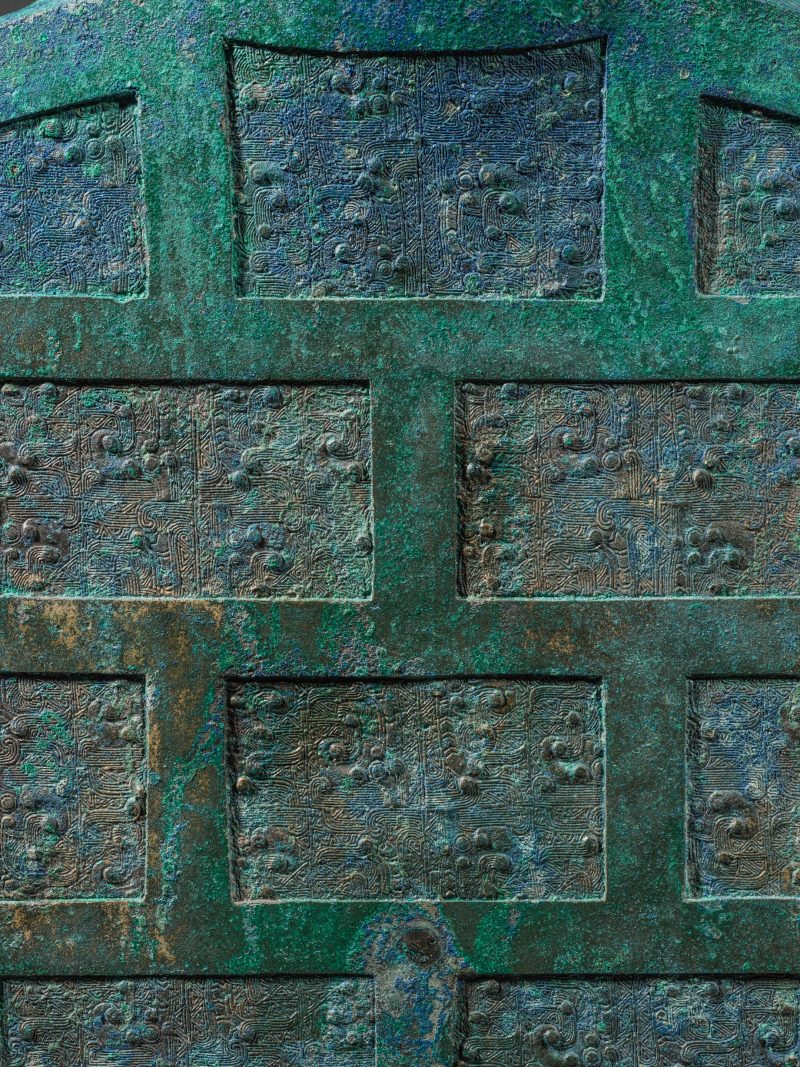
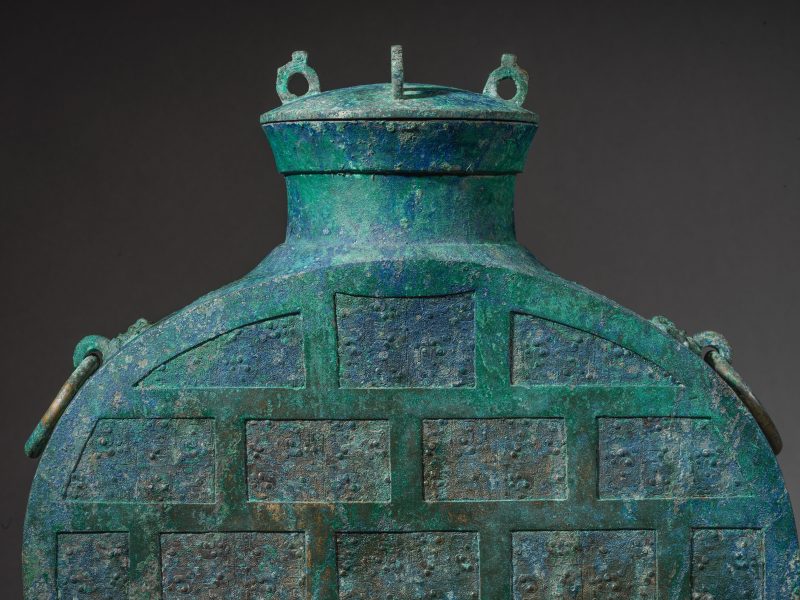
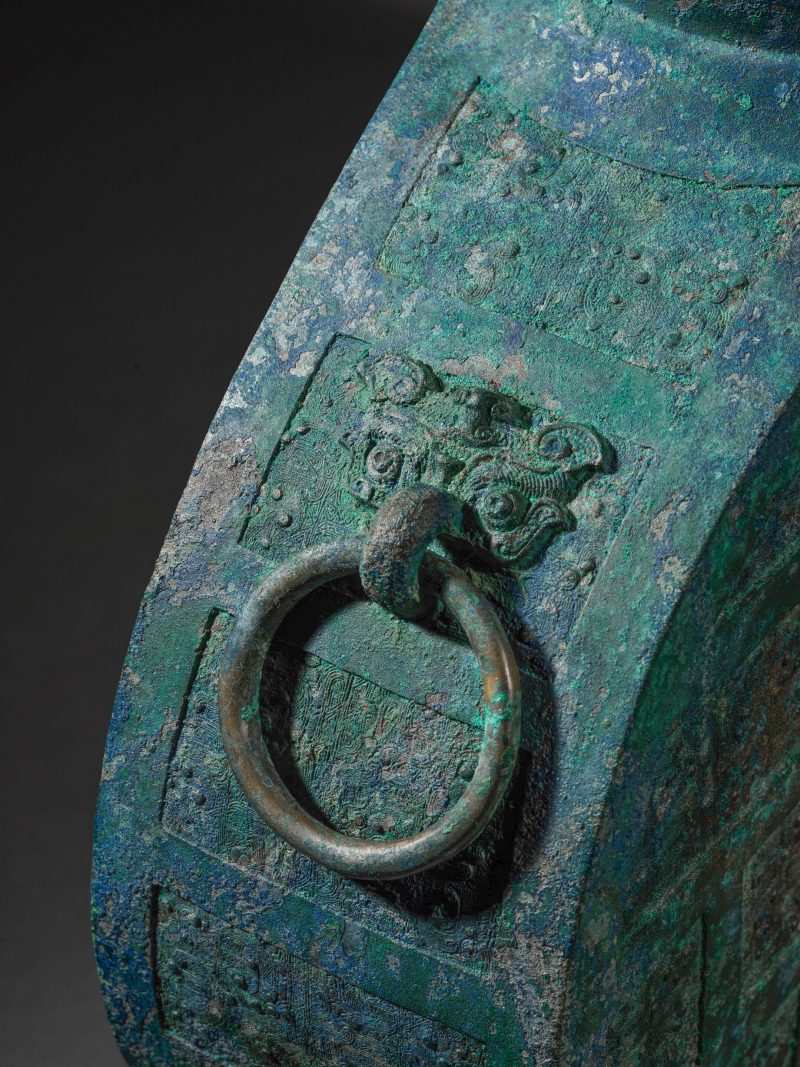
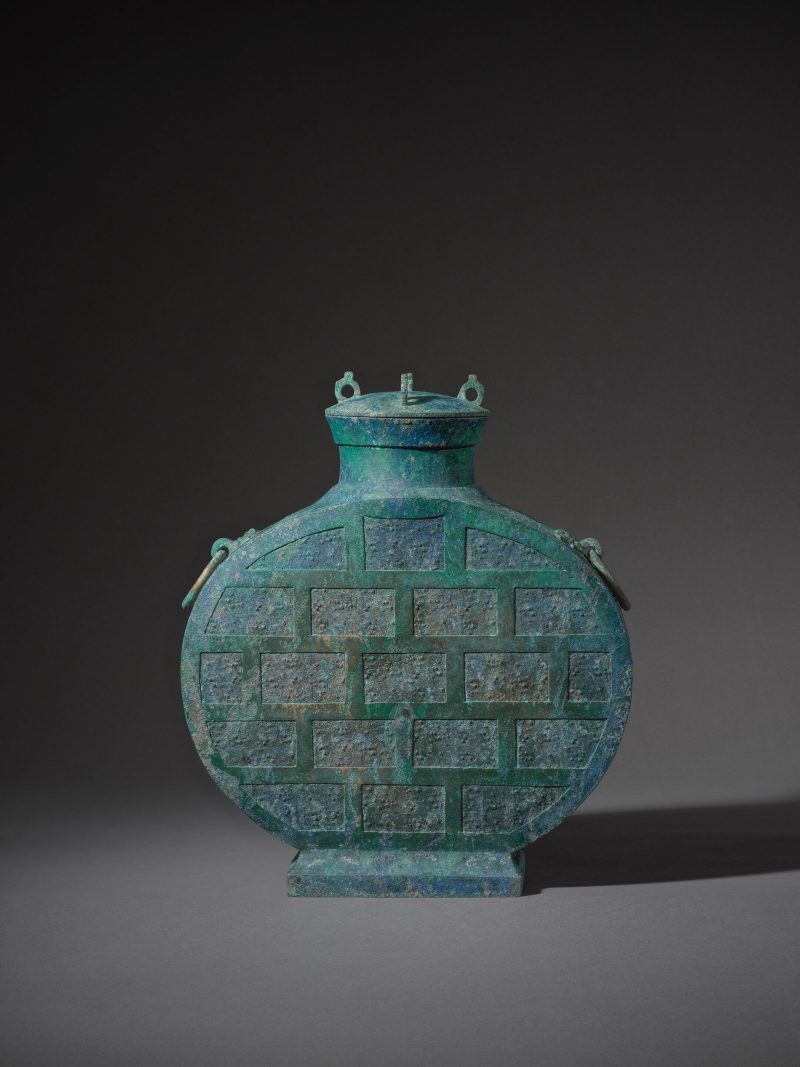
The flattened sides raised on a spreading rectangular pedestal foot, the sides finely cast in relief with panels of tight abstract curl patterns arranged in five registers divided by narrow, undecorated bands, the narrow sides similarly decorated and set with a pair of taotie masks suspending loose rings, the shoulders rising to a waisted neck and everted rim, the domed cover set with four loops, the bronze with bright green and vivid azurite encrustation.
36 cm (14 1/8 in.) high x 31 cm (12 1/8 in.) wide (2).
戰國時期 約公元前四/三世紀 青銅蟠虺紋扁壺
Provenance:
Gisèle Croës Arts d'Extrême Orient, Brussels, 2013
Published, Exhibited and Illustrated:
Gisèle Croës Arts d'Extrême-Orient, Matter and Memory II, New York, March 2014, pp. 80-81
來源:
Gisèle Croës Arts d'Extrême Orient,布魯塞爾,2013年
展覽著錄:
Gisèle Croës Arts d'Extrême-Orient,《Matter and Memory II》,紐約,2014年3月, 第80-81頁
The distinctive flat shape of the bianhu illustrates the influence of the nomadic people of the north and north west during the 5th to 3rd centuries BC on bronze designs of the Warring States period. Flat pouches or flasks made of leather were used for carrying water on horseback, see Jessica Rawson, 'Ordering the Exotic: Ritual Practices in the Late Western and Early Eastern Zhou', in Artibus Asiae, vol. 73, no. 1, 2013, pp. 5-76. In 1977 a bronze bianhu was discovered among the burial goods in the tomb of King Cuo of the Zhongshan state, containing remains of an alcoholic drink, further proving the function of this vessel type, see Liu Jiansheng, Warring States Treasures- Cultural Relics from the State of Zhongshan, Hong Kong, 1999, p. 44, no. 7.
Unlike other bianhu of this type and decoration, the decoration on the present vessel is not inlaid with copper. Instead, the design is focused on panels enclosing units of dense curled feathers, a profusion of minute spirals and arabesques, repeated multiple times across the surface. Again, the Houma foundry provides evidence that this bianhu may have been a product of the Houma workshops that operated into the 4th century, see Li Xiating and Li Shaoxuan, Jinguo qingtong yishu tujian, Beijing, 2009, p. 296, figs. 531 and 532.
It is exceptionally rare to find a bianhu with its original bronze cover. One example from the Peter Moores Foundation, now in Compton Verney, Warwickshire, was included in the exhibition China. The Three Emperors, 1662-1795, London, 2001, cat.no. 203. Another related example from the Meiyintang collection is illustrated in Wang Tao, Chinese Bronzes from the Meiyintang Collection, London, 2009, pl. 49. A very similar bronze bianhu, dated to the Warring States period (475-221 BC), was sold at Christie's New York, 24 March 2011, lot 1257.
以下内容由AI翻译:
【描述】
两侧扁平,立于展开的矩形底座上,侧面精细铸造有紧密的抽象卷曲图案,分为五个区域,由狭窄的无装饰带分隔。窄侧同样装饰,并设有一对饕餮面具,悬挂着活动环。肩部上升至束腰颈和外翻边缘,穹顶盖上设有四个环。青铜器表面有鲜亮的绿色和鲜艳的蓝铜矿锈蚀。
扁壶独特的扁平形状展示了公元前5世纪至前3世纪北方和西北游牧民族对战国时期青铜设计的影响。皮制的扁平袋子或水壶用于骑马时携带水,见Jessica Rawson, 'Ordering the Exotic: Ritual Practices in the Late Western and Early Eastern Zhou', in Artibus Asiae, vol. 73, no. 1, 2013, pp. 5-76。1977年,在中山国国王厝的墓葬中发现了一件青铜扁壶,内含酒精饮料残余,进一步证明了这种器物的功能,见刘建生,《战国珍宝—中山国文物》,香港,1999年,第44页,编号7。
与同类装饰的其他扁壶不同,这件器物的装饰没有镶嵌铜。相反,设计集中在包含密集卷曲羽毛单元的面板上,这些细小的螺旋和阿拉伯式花纹在表面上多次重复。侯马铸铜作坊提供了证据,表明这件扁壶可能出自延续运营至公元前4世纪的侯马作坊,见 Li Xiating 和 Li Shaoxuan 所著《Jinguo qingtong yishu tujian》,北京,2009年,第296页,图531和532。
带有原装青铜盖的扁壶非常罕见。Peter Moores基金会的一件现藏于沃里克郡科姆顿·弗尼,曾在2001年的展览《中国:三位皇帝,1662-1795》中展出,编号203。另一件梅茵堂收藏的相关例子见王涛,《梅茵堂藏中国青铜器》,伦敦,2009年,图版49。一件非常相似的战国时期(公元前475-221年)青铜扁壶于2011年3月24日在佳士得纽约拍卖,编号1257。
常见问题
这件戰國時期 約公元前四/三世紀 青銅蟠虺紋扁壺 | RÉCIPIENT COUVERT RITUEL BIANHU的成交价是多少?
落槌价为 预展中。 成交价为 预展中。
拍品的尺寸是多少?
36 cm (14 1/8 in.) high x 31 cm (12 1/8 in.) wide