
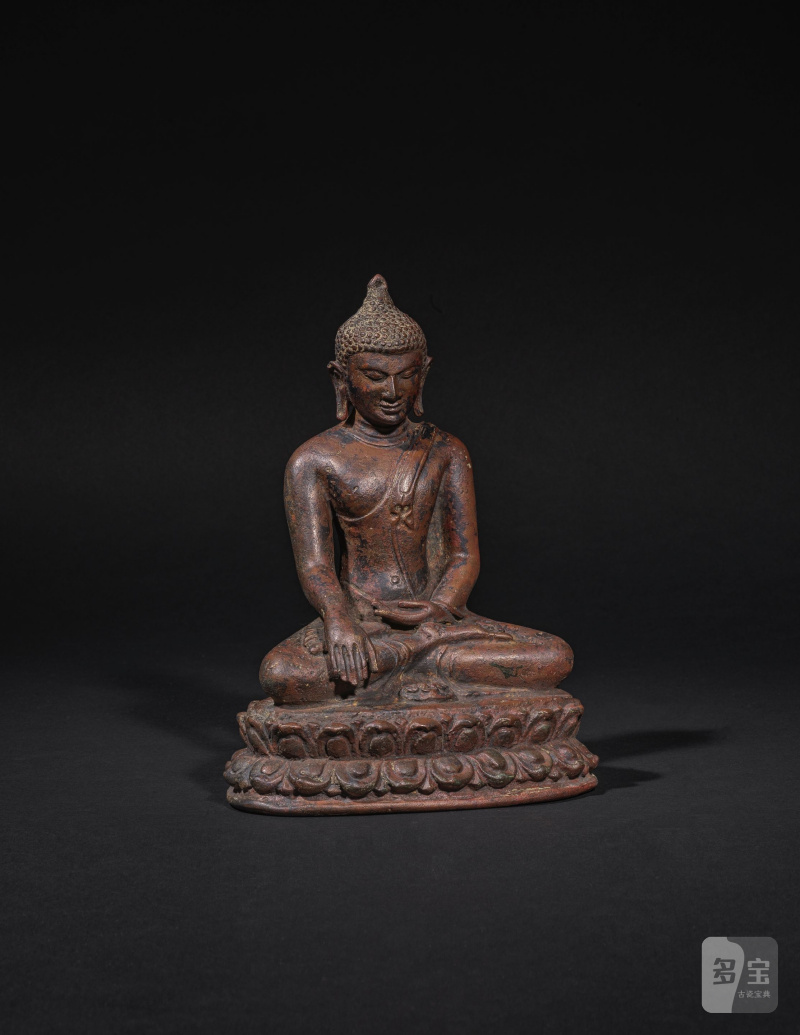
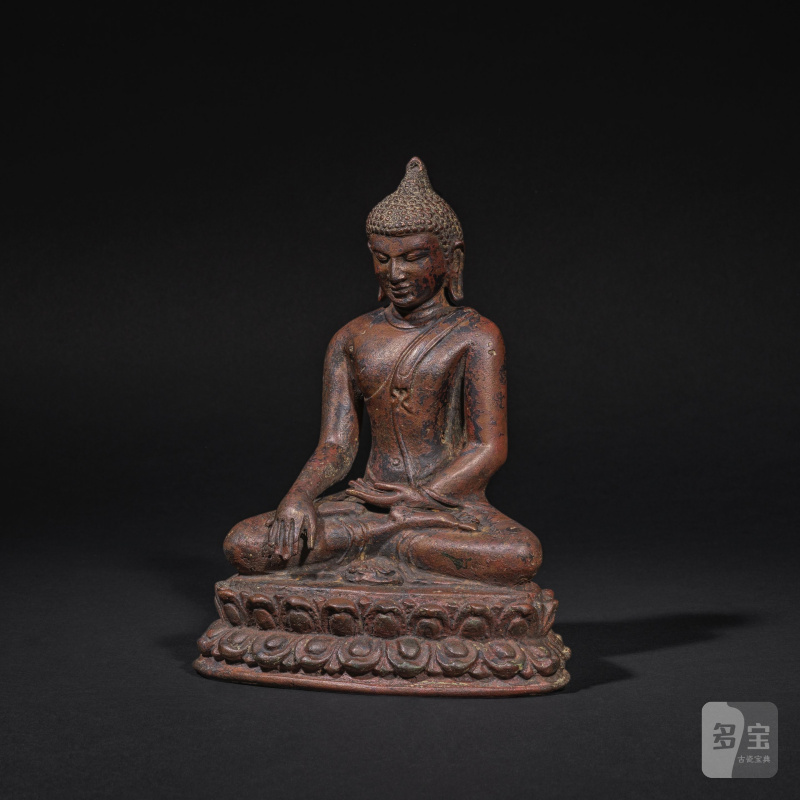
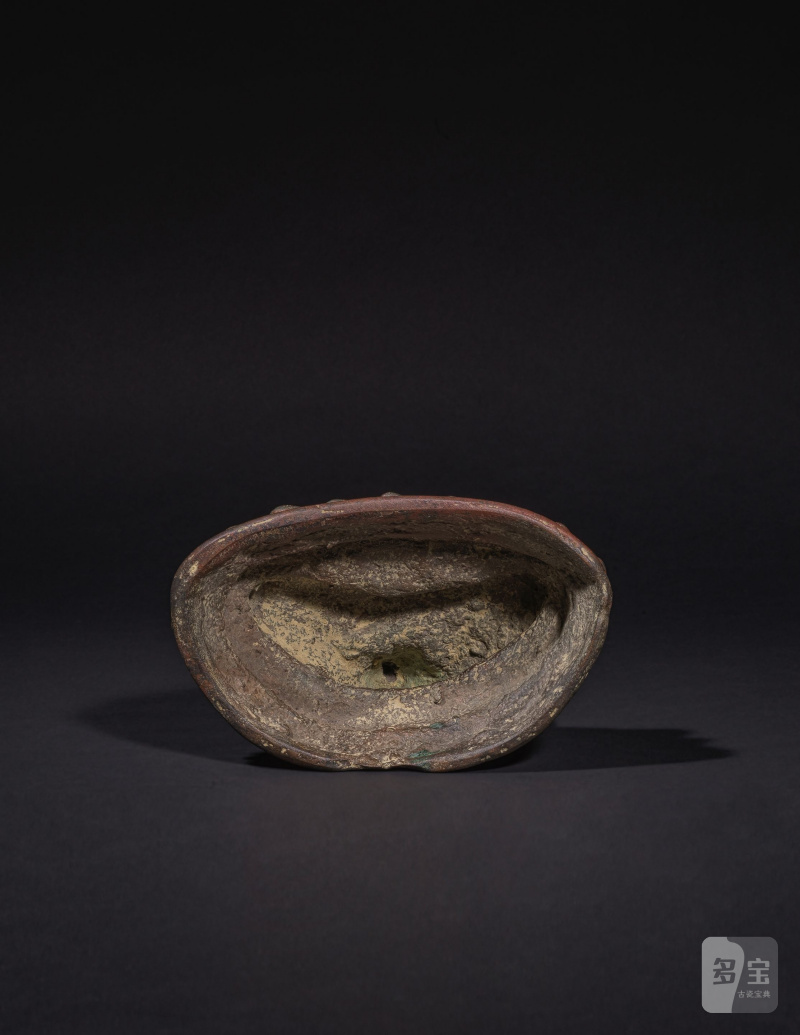
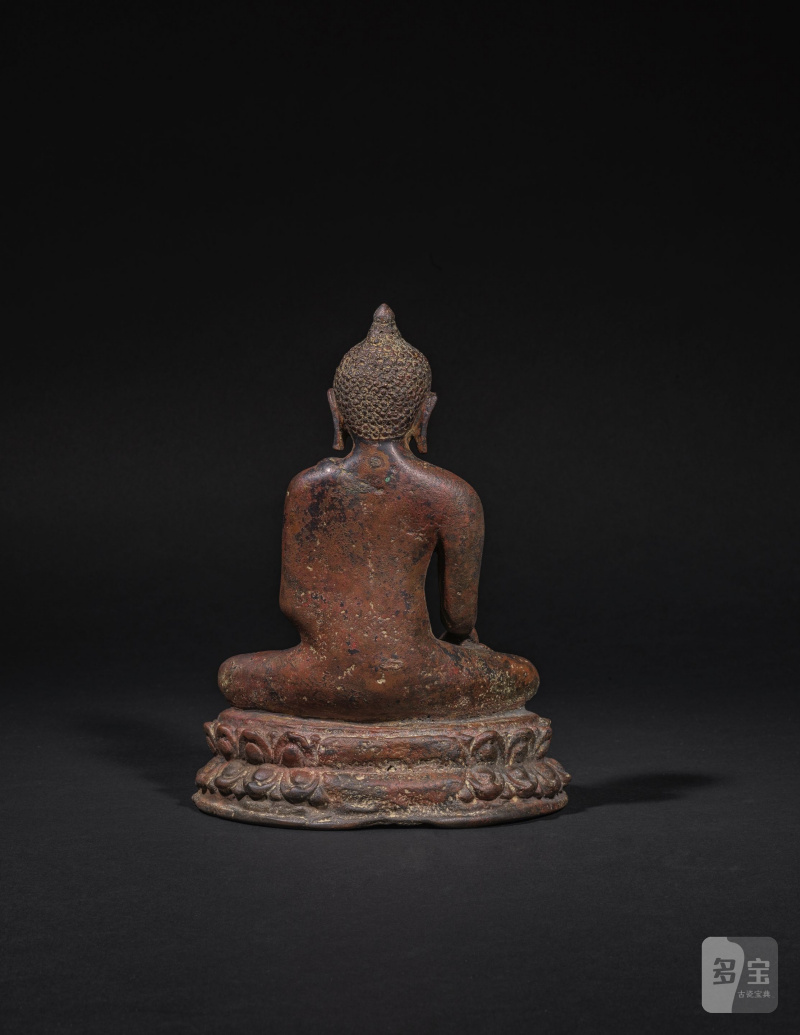
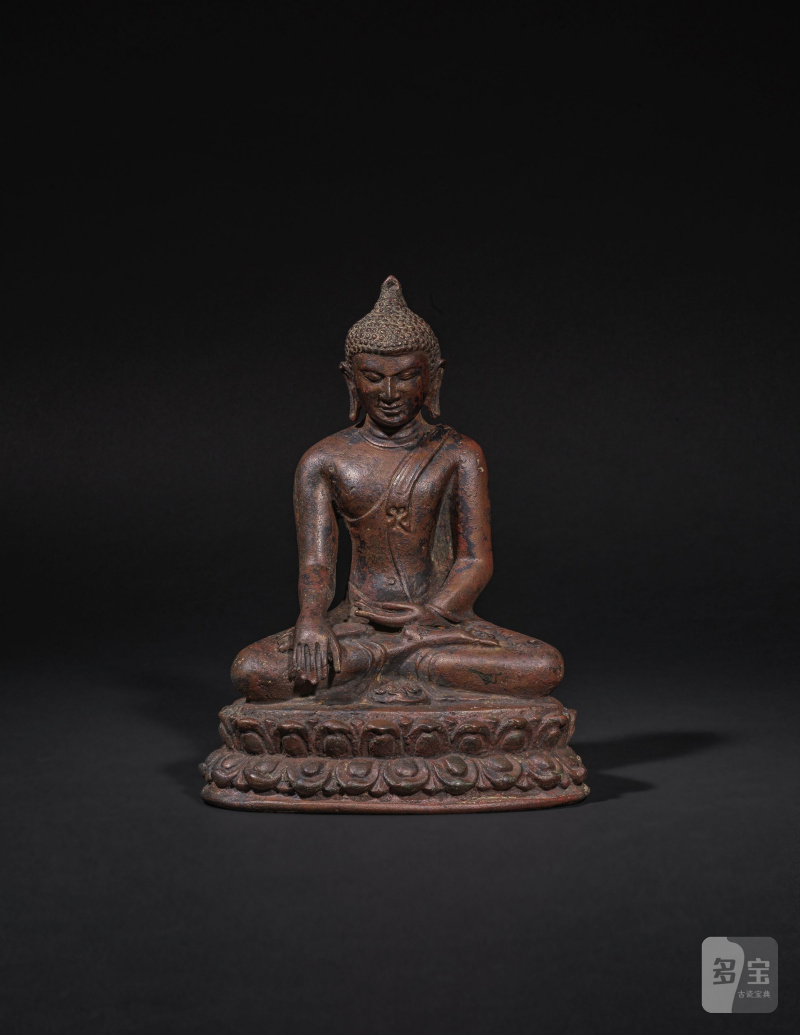
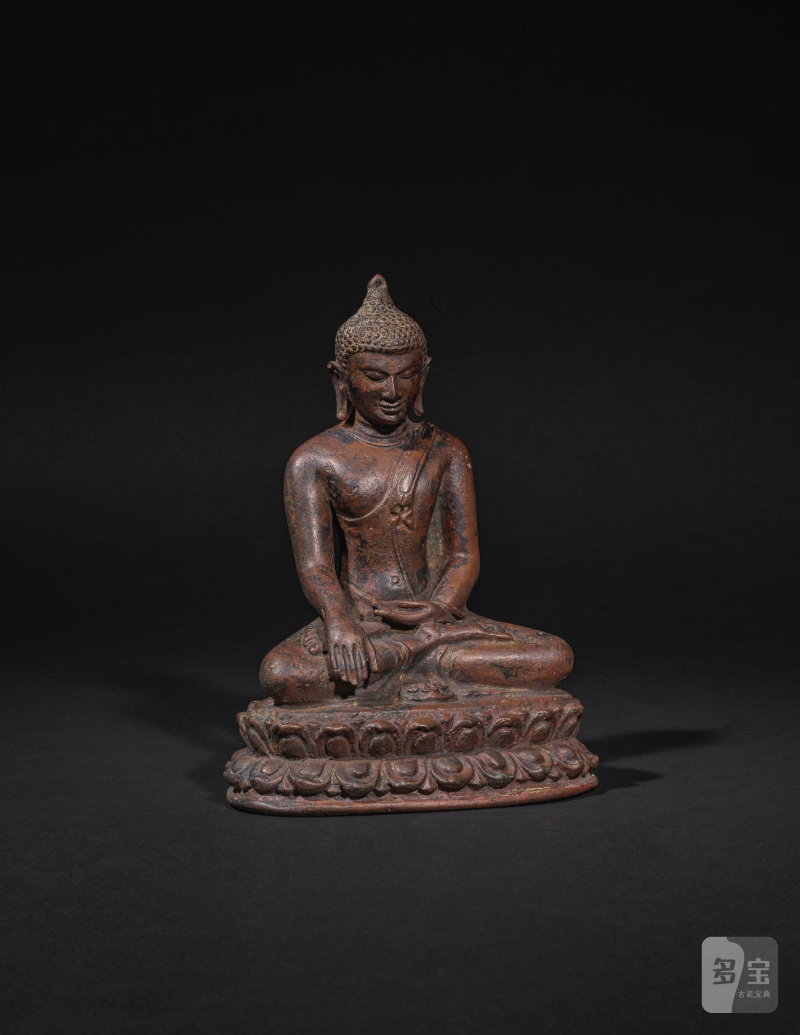
Lot 92W 緬甸 蒲甘王國 十一/十二世紀 銅佛像 | STATUETTE DE BOUDDHA ASSIS EN BRONZE
落槌价
****
成交价
****
| 拍卖公司 | 邦瀚斯 |
|---|---|
| 拍卖时间 | 2026年06月09日 |
请安装多宝古瓷宝典APP,查看高清无损大图
拍品信息
拍品名称
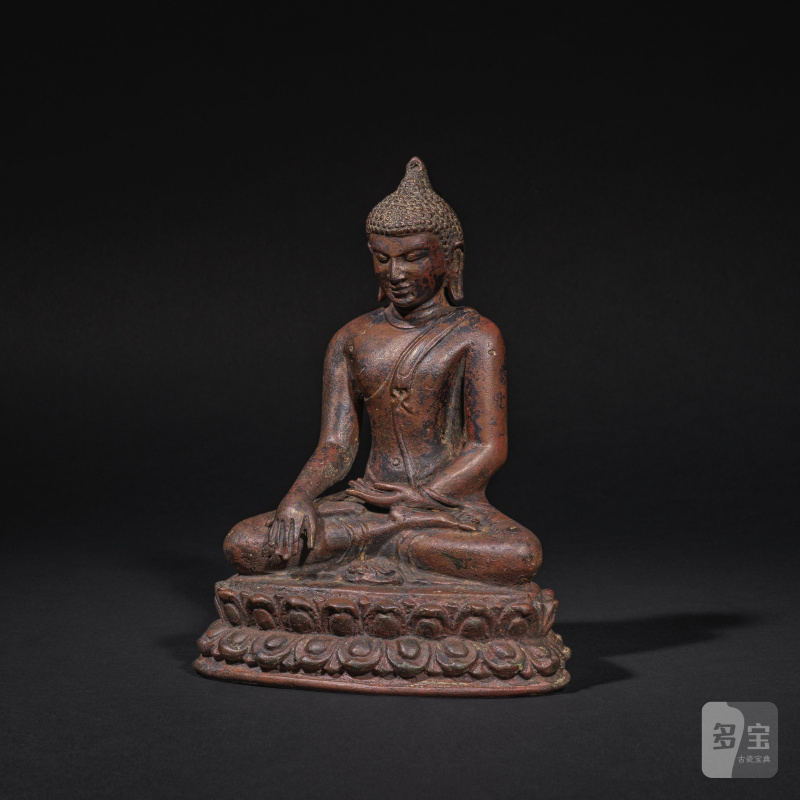
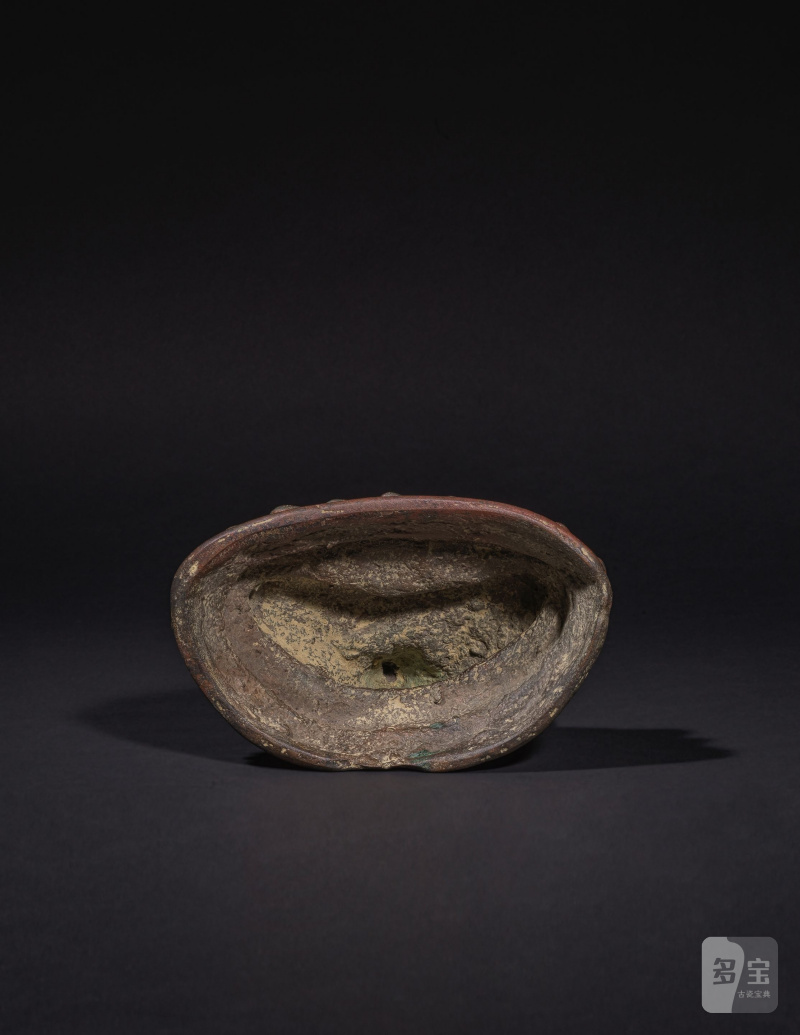
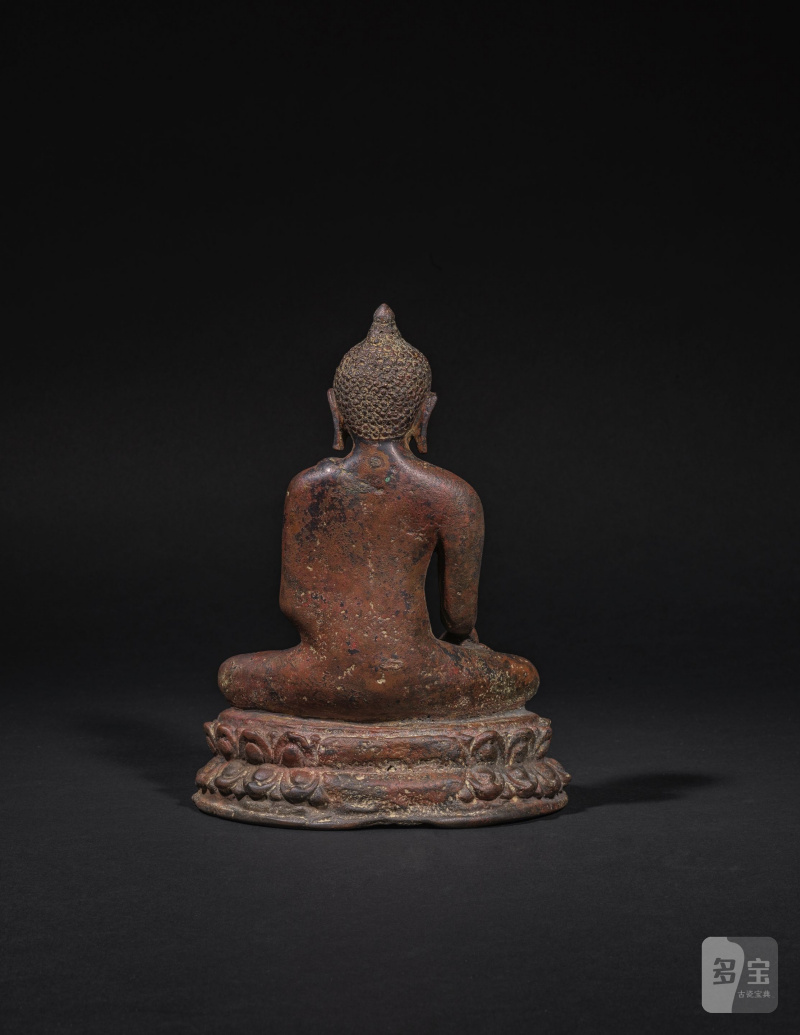
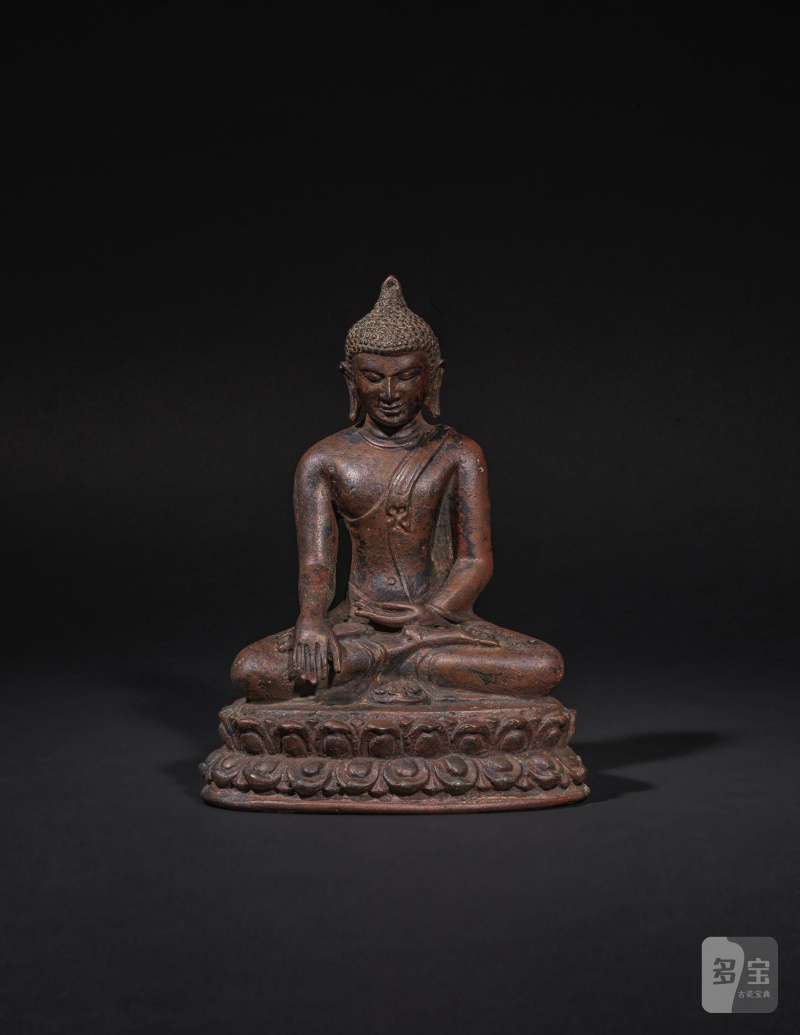
緬甸 蒲甘王國 十一/十二世紀 銅佛像 | STATUETTE DE BOUDDHA ASSIS EN BRONZE
起拍价
EUR 25,000
估值区间
EUR 25000 - 35000
尺寸
未知
品相
未知
更多信息
Birmanie, royaume de Pagan/Bagan, XIe/XIIe siècle
A BRONZE SEATED BUDDHA
Burma, Pagan (bagan) period, 11th/12th century
20.5 cm (8 1/8 in.) high
Footnotes
Provenance:
Private Belgian collection, acquired in Paris, 2005.
The result of QED Laboratoire, Marseilles, Thermoluminescence test no. QED2605/BB-0304, dated 12 February 2026, is consistent with the dating of this lot.
緬甸 蒲甘王國 十一/十二世紀 銅佛像
來源
比利時私人收藏,於2005年得自巴黎
The Buddha is seated in , his right hand reaching toward the earth to witness his enlightenment and Mara's defeat. Like other examples from Pagan, he has heavy-lidded downcast eyes indicating his deep meditation, a subtle smile, elongated earlobes, and incised, arched eyebrows. His is shaped like a small flame, with a recessed area likely intended to hold a gemstone. Fine, diaphanous robes cling closely to his slender body, enhancing the figure's naturalism.
Due to Pagan's proximity to eastern India, there was significant artistic exchange with the Pala dynasty (8th–12th century), particularly the Bodh Gaya region, the site of the Buddha's enlightenment. Portable bronze Buddhas helped transmit Pala stylistic features to Southeast Asia. However, while the Pala kingdom followed Mahayana Buddhism, Pagan, under King Anawrahta (r. 1044–1077 CE), was firmly Theravada. He commissioned hundreds of large brick-and-stucco temples in his capital, many of which survive today, with interiors richly decorated with painted scenes from the Buddha's life and filled with sculpture.
As acts of merit-making, Buddha images were likely intended for private devotion and may also have been placed within temple walls to spiritually empower the structure, a practice attested by inscriptions found in Pagan. A comparable example is held in the Asian Art Museum, San Francisco (1989.45).
A BRONZE SEATED BUDDHA
Burma, Pagan (bagan) period, 11th/12th century
20.5 cm (8 1/8 in.) high
Footnotes
Provenance:
Private Belgian collection, acquired in Paris, 2005.
The result of QED Laboratoire, Marseilles, Thermoluminescence test no. QED2605/BB-0304, dated 12 February 2026, is consistent with the dating of this lot.
緬甸 蒲甘王國 十一/十二世紀 銅佛像
來源
比利時私人收藏,於2005年得自巴黎
The Buddha is seated in , his right hand reaching toward the earth to witness his enlightenment and Mara's defeat. Like other examples from Pagan, he has heavy-lidded downcast eyes indicating his deep meditation, a subtle smile, elongated earlobes, and incised, arched eyebrows. His is shaped like a small flame, with a recessed area likely intended to hold a gemstone. Fine, diaphanous robes cling closely to his slender body, enhancing the figure's naturalism.
Due to Pagan's proximity to eastern India, there was significant artistic exchange with the Pala dynasty (8th–12th century), particularly the Bodh Gaya region, the site of the Buddha's enlightenment. Portable bronze Buddhas helped transmit Pala stylistic features to Southeast Asia. However, while the Pala kingdom followed Mahayana Buddhism, Pagan, under King Anawrahta (r. 1044–1077 CE), was firmly Theravada. He commissioned hundreds of large brick-and-stucco temples in his capital, many of which survive today, with interiors richly decorated with painted scenes from the Buddha's life and filled with sculpture.
As acts of merit-making, Buddha images were likely intended for private devotion and may also have been placed within temple walls to spiritually empower the structure, a practice attested by inscriptions found in Pagan. A comparable example is held in the Asian Art Museum, San Francisco (1989.45).