
拍品信息
拍品名称
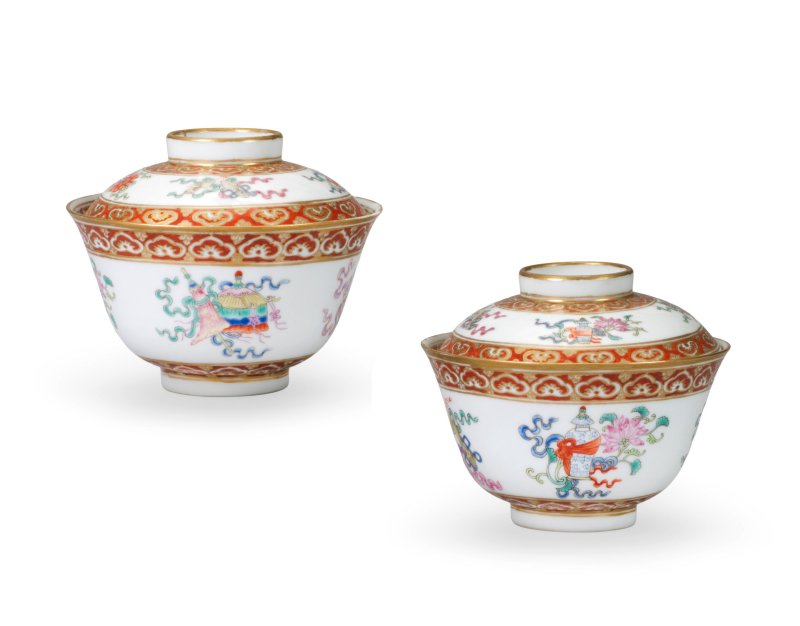
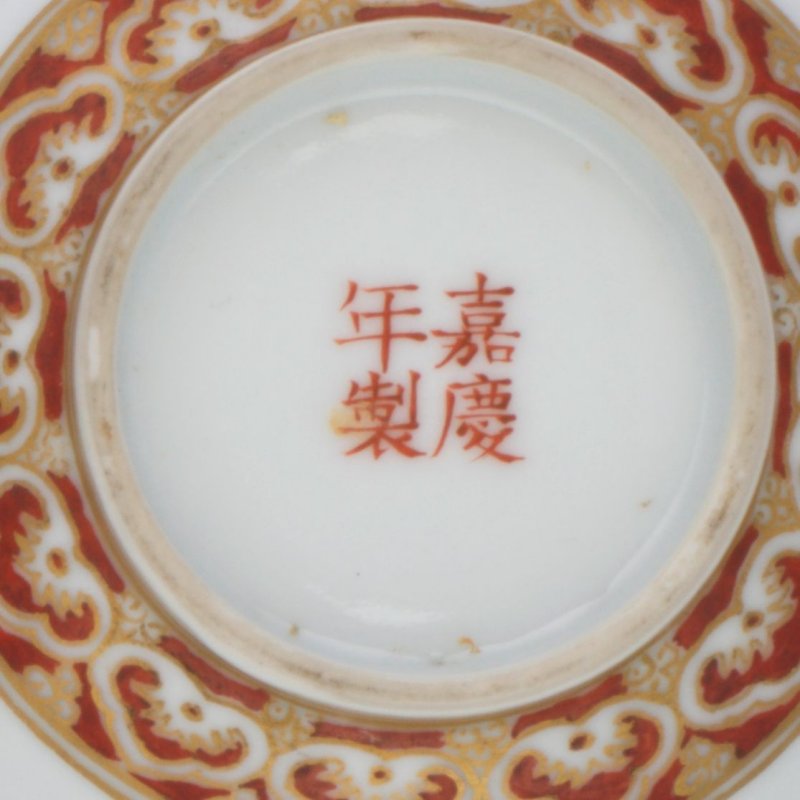
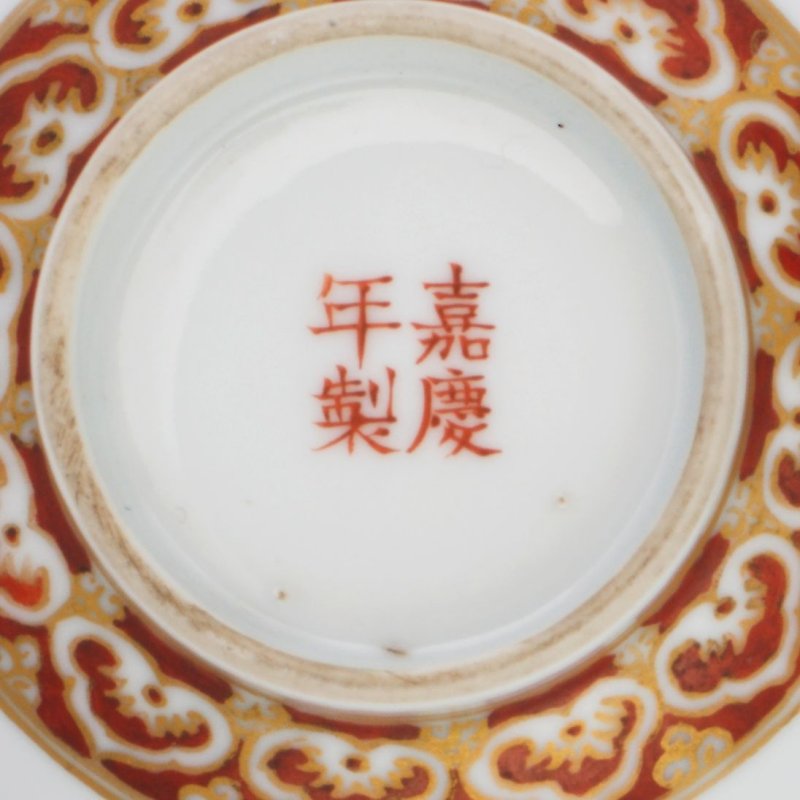
清嘉慶 粉彩描金八吉祥紋蓋碗 一對 | A VERY RARE PAIR OF IMPERIAL GILT-DECORATED FAMILLE ROSE 'BAJIXIANG' BOWLS AND COVERS
年代
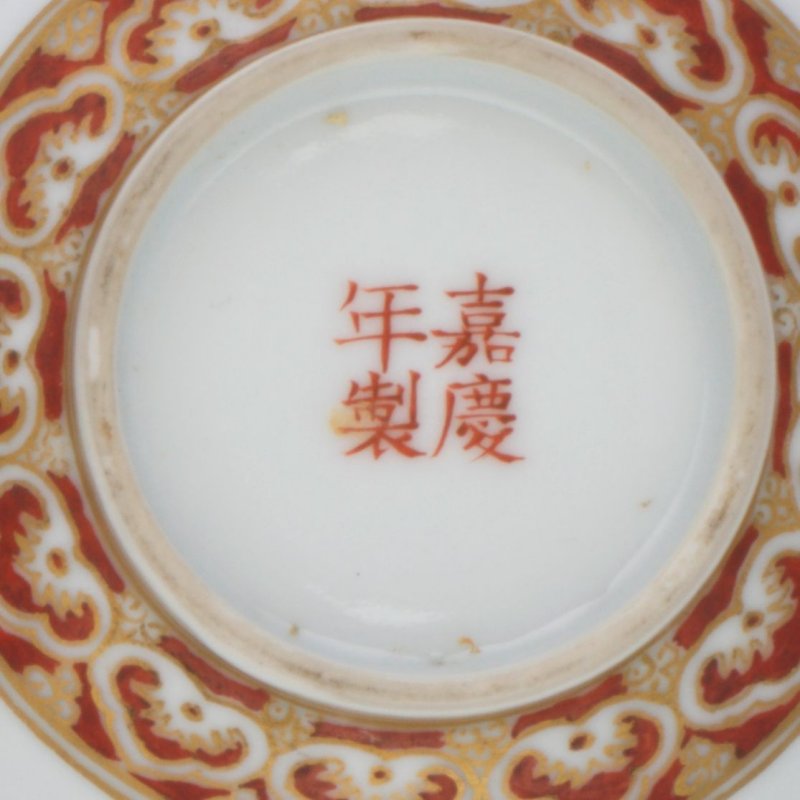
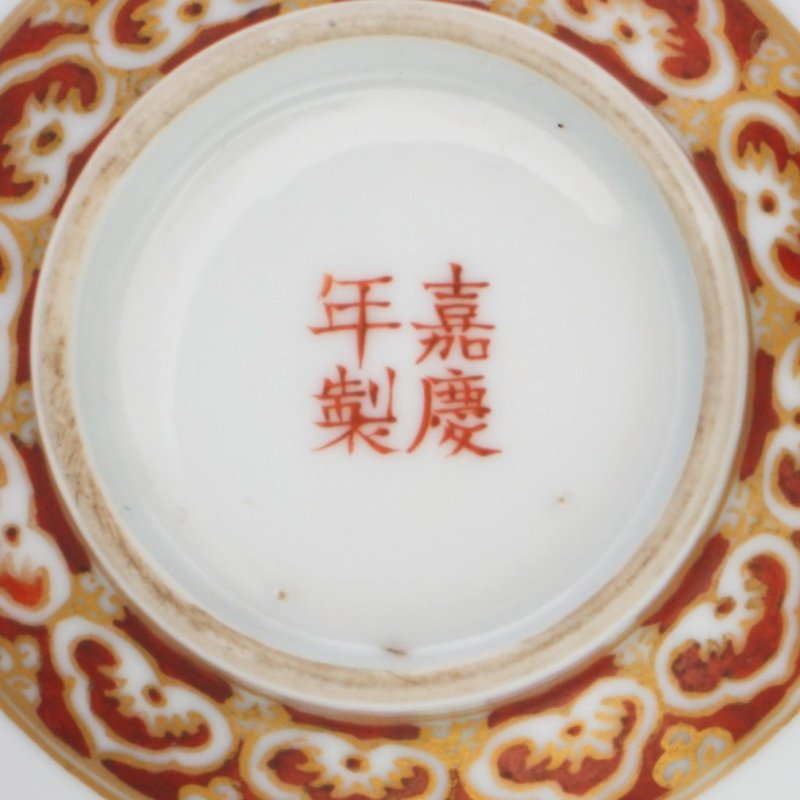
Jiaqing iron-red four-character marks and of the period
起拍价
GBP 10,000
估值区间
GBP 10000 - 15000
尺寸
未知
品相
未知
更多信息
Jiaqing iron-red four-character marks and of the period
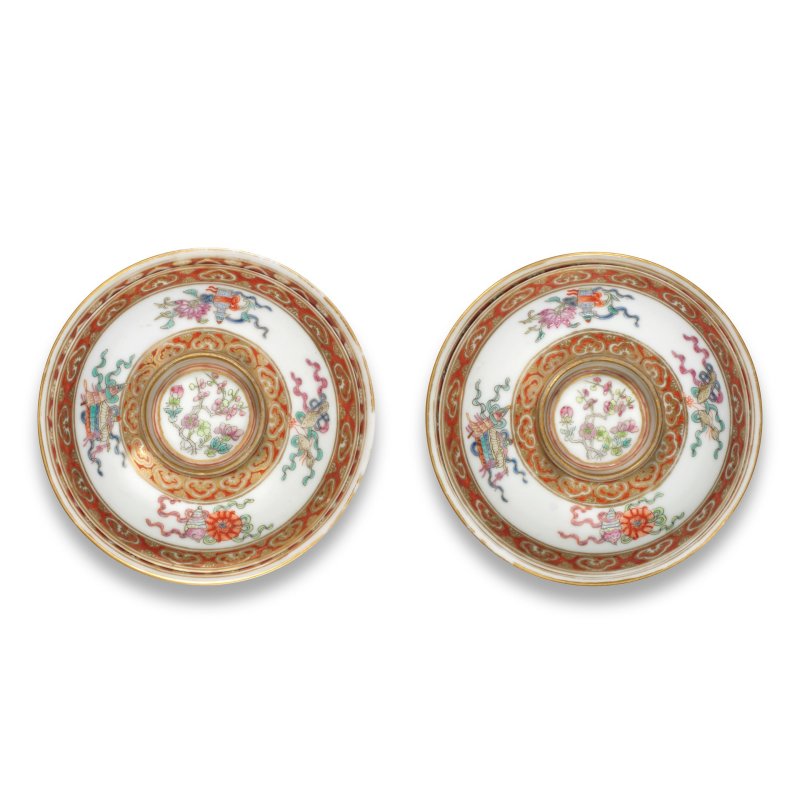
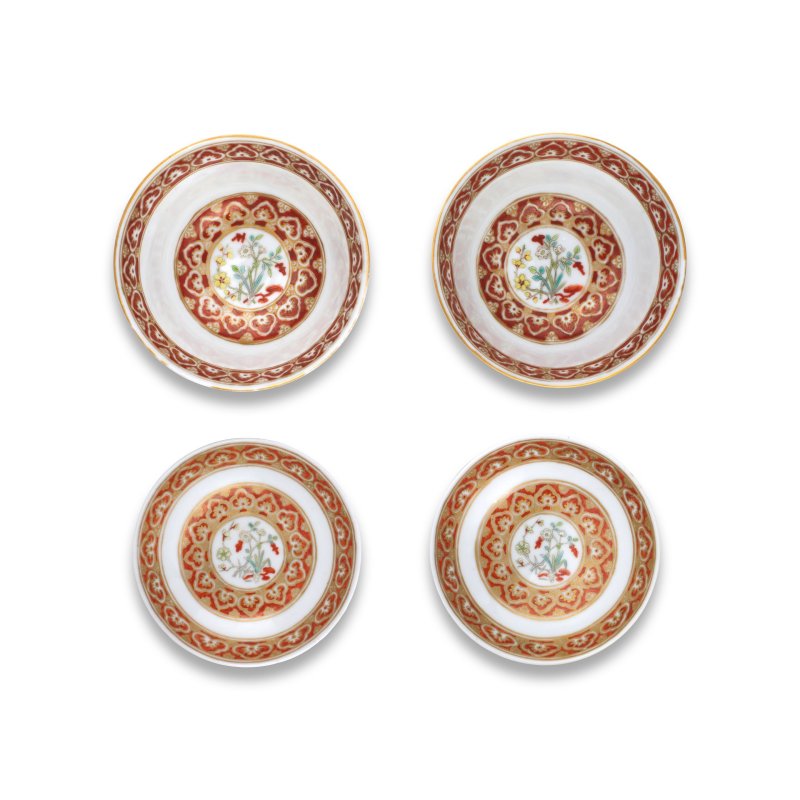
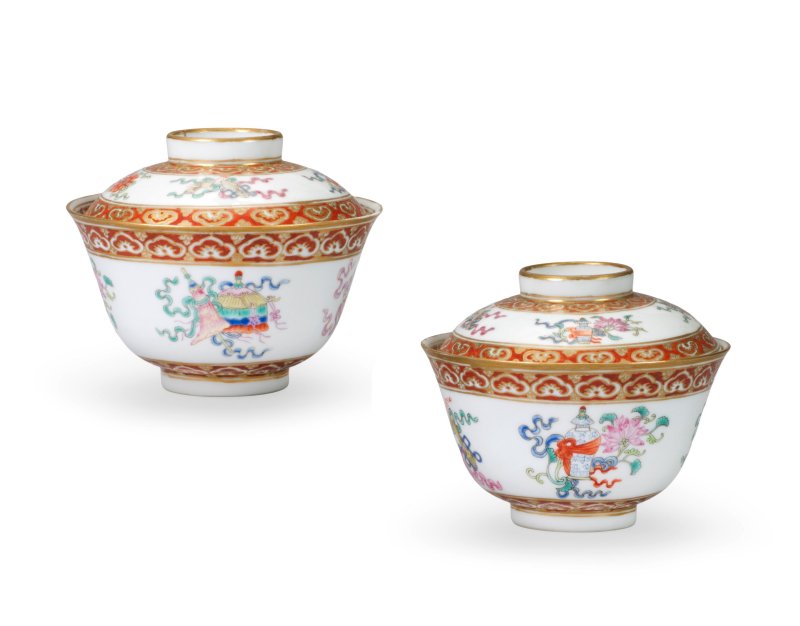
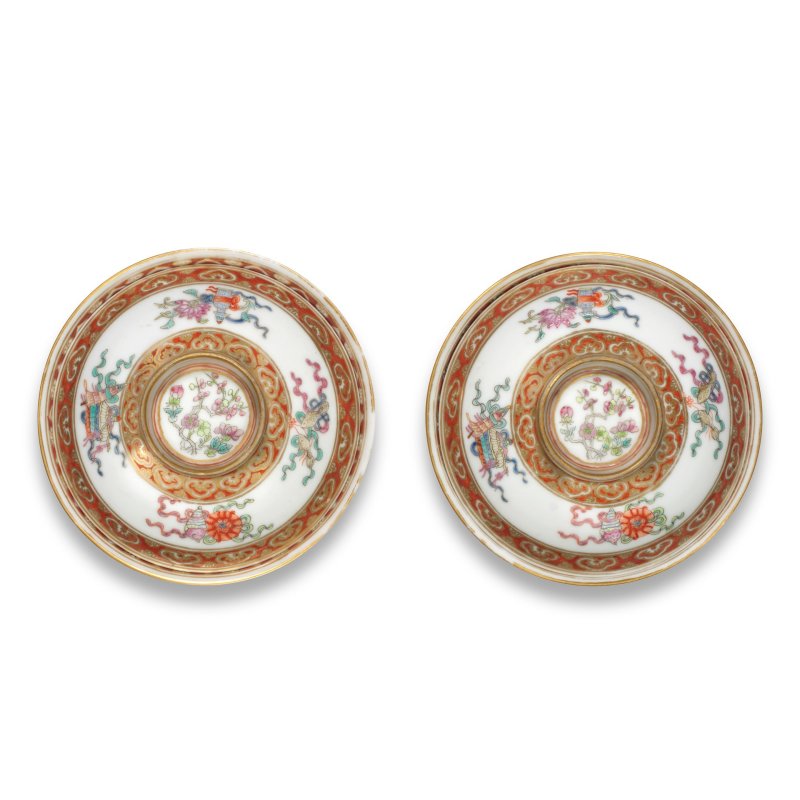
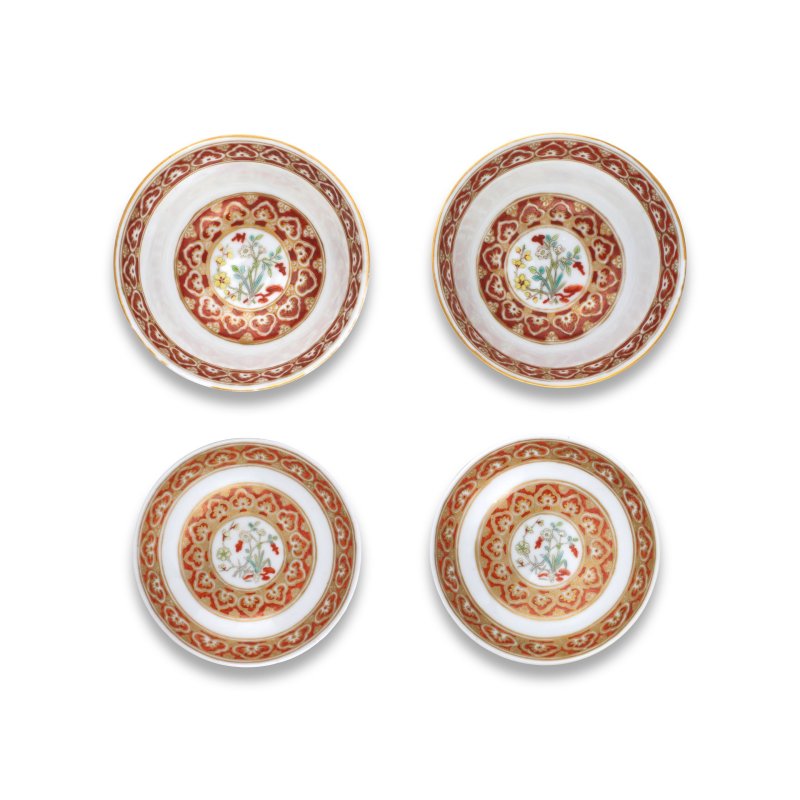
Each decorated around the body with four ribboned pairs of the Eight Buddhist Emblems between a gilt-embellished border of ruyi-heads in iron red, the domed cover similarly decorated beneath a cylindrical flange, enclosing flowering prunus, the interior of the bowl and cover each decorated with a roundel enclosing a narcissus flower with further flowers, within two gilt-embellished ruyi-head borders. Each 10.5cm (4 1/8in) diam. (4).
Footnotes
清嘉慶 粉彩描金八吉祥紋蓋碗 一對
礬紅「嘉慶年製」楷書款
Provenance: Evaristo Caretti (1879-1955), China and Italy, and thence by descent
Noted in a valuation conducted by Robert Kleiner in 1988, stating they were acquired in Jinan (Tsinanfu) in 1928
來源: Evaristo Caretti (1879-1955),中國及意大利,並由後人保存迄今
Robert Kleiner于1988年所作的評估中曾提及,此件拍品于1928年獲得于濟南
The present pair of bowls is exceptionally rare. Whilst the decorative design of and -lappet borders can be seen, for example, on Qianlong period bowls - this exact design on a Jiaqing period bowl is very rare. See a related gilt-decorated famille rose '' bowl and cover, Qianlong mark and of the period, in the Qing Court Collection, the Palace Museum, Beijing (故00154544).
The Eight Auspicious Symbols are objects that symbolise Buddhist teachings. They consist of eight motifs (a wheel, conch shell, parasol, victory banner, lotus, vase, fish, and endless knot) each signifying good fortune and auspiciousness. This decorative motif was introduced from Tibetan Lamaism and first appeared during the Yuan dynasty, reaching its height of popularity during the Ming and Qing dynasties.
A related pair of famille rose '' bowls but without covers, Jiaqing seal marks and of the period, was sold at Christie's Hong Kong, 28 May 2014, lot 3469.
Each decorated around the body with four ribboned pairs of the Eight Buddhist Emblems between a gilt-embellished border of ruyi-heads in iron red, the domed cover similarly decorated beneath a cylindrical flange, enclosing flowering prunus, the interior of the bowl and cover each decorated with a roundel enclosing a narcissus flower with further flowers, within two gilt-embellished ruyi-head borders. Each 10.5cm (4 1/8in) diam. (4).
Footnotes
清嘉慶 粉彩描金八吉祥紋蓋碗 一對
礬紅「嘉慶年製」楷書款
Provenance: Evaristo Caretti (1879-1955), China and Italy, and thence by descent
Noted in a valuation conducted by Robert Kleiner in 1988, stating they were acquired in Jinan (Tsinanfu) in 1928
來源: Evaristo Caretti (1879-1955),中國及意大利,並由後人保存迄今
Robert Kleiner于1988年所作的評估中曾提及,此件拍品于1928年獲得于濟南
The present pair of bowls is exceptionally rare. Whilst the decorative design of and -lappet borders can be seen, for example, on Qianlong period bowls - this exact design on a Jiaqing period bowl is very rare. See a related gilt-decorated famille rose '' bowl and cover, Qianlong mark and of the period, in the Qing Court Collection, the Palace Museum, Beijing (故00154544).
The Eight Auspicious Symbols are objects that symbolise Buddhist teachings. They consist of eight motifs (a wheel, conch shell, parasol, victory banner, lotus, vase, fish, and endless knot) each signifying good fortune and auspiciousness. This decorative motif was introduced from Tibetan Lamaism and first appeared during the Yuan dynasty, reaching its height of popularity during the Ming and Qing dynasties.
A related pair of famille rose '' bowls but without covers, Jiaqing seal marks and of the period, was sold at Christie's Hong Kong, 28 May 2014, lot 3469.
常见问题
这件清嘉慶 粉彩描金八吉祥紋蓋碗 一對 | A VERY RARE PAIR OF IMPERIAL GILT-DECORATED FAMILLE ROSE 'BAJIXIANG' BOWLS AND COVERS的成交价是多少?
落槌价为 预展中。 成交价为 预展中。


