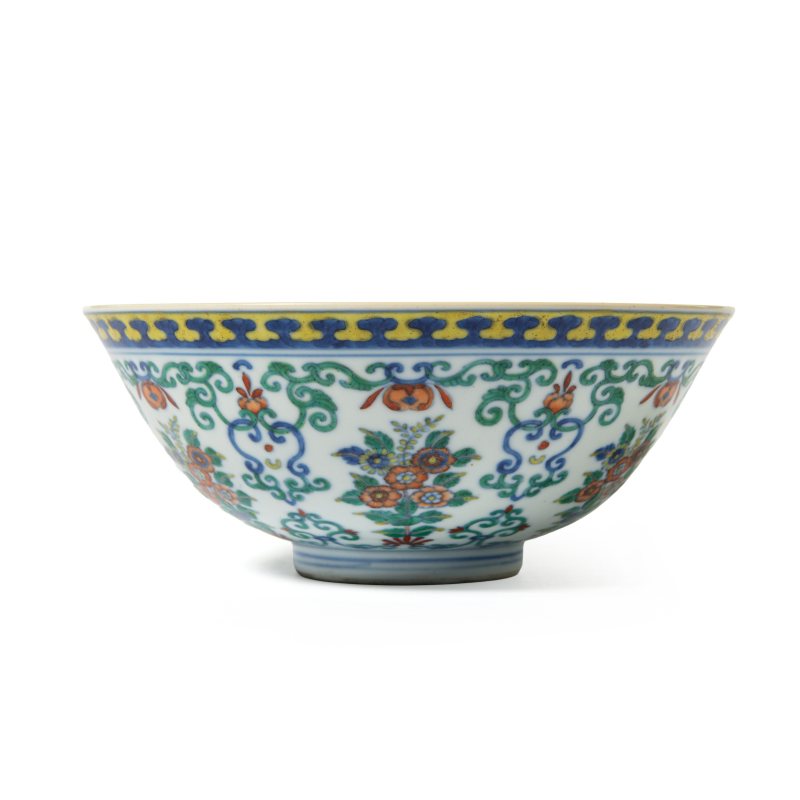

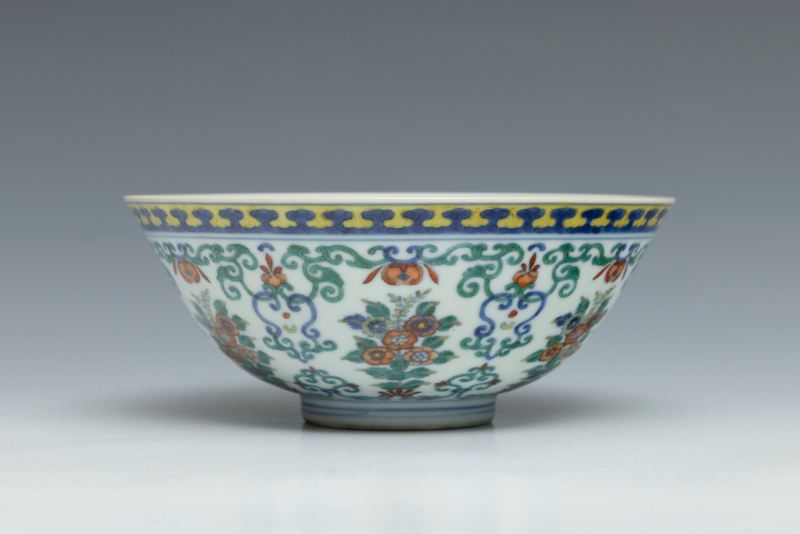
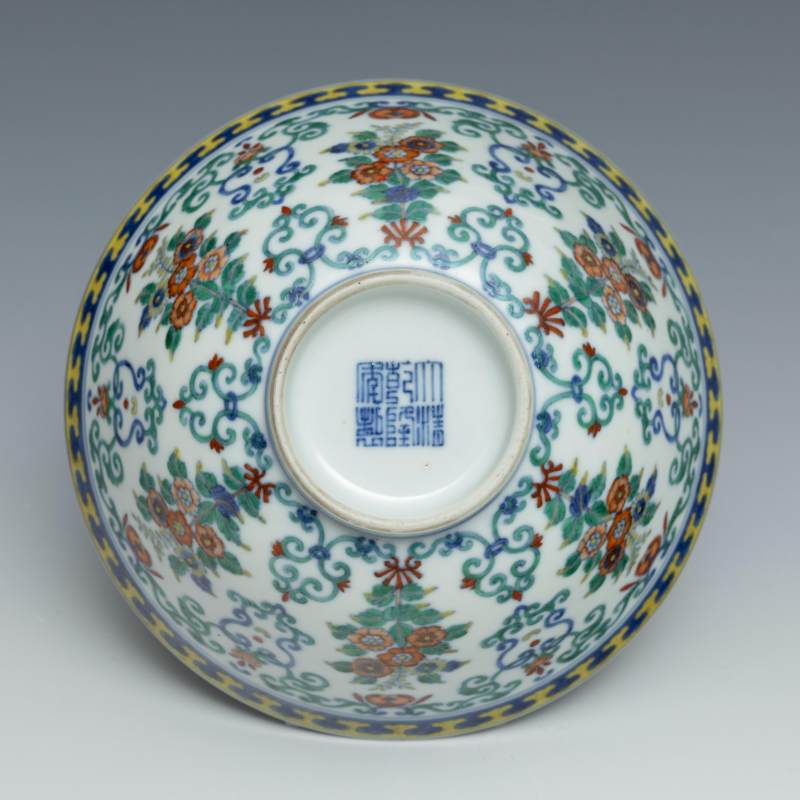
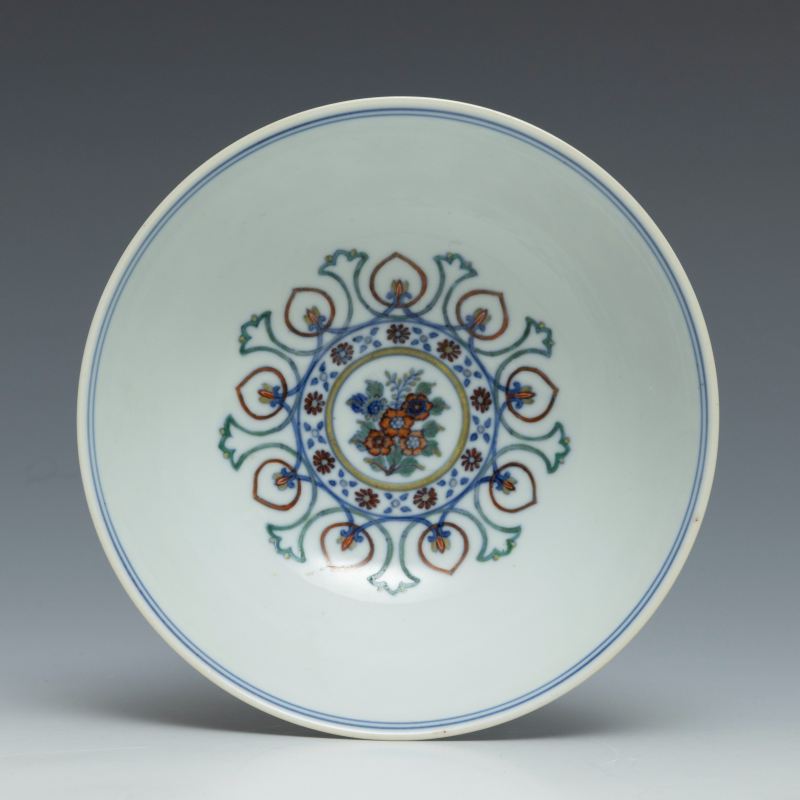
Lot 94 A fine doucai 'floral' bowl, Qianlong mark and of the period (1736-1795)
落槌价
****
成交价
****
拍品信息
拍品名称
A fine doucai 'floral' bowl, Qianlong mark and of the period (1736-1795)
年代
Qing Dynasty
起拍价
EUR 10,000
估值区间
€10,000 - €20,000
尺寸
H 6 cm, D 14.9 cm
品相
Minimal wear to the enameling and super minor firing flaw spots, most noticeably two spots to the edge. No defects such as hairlines or chips and no restoration.
更多信息
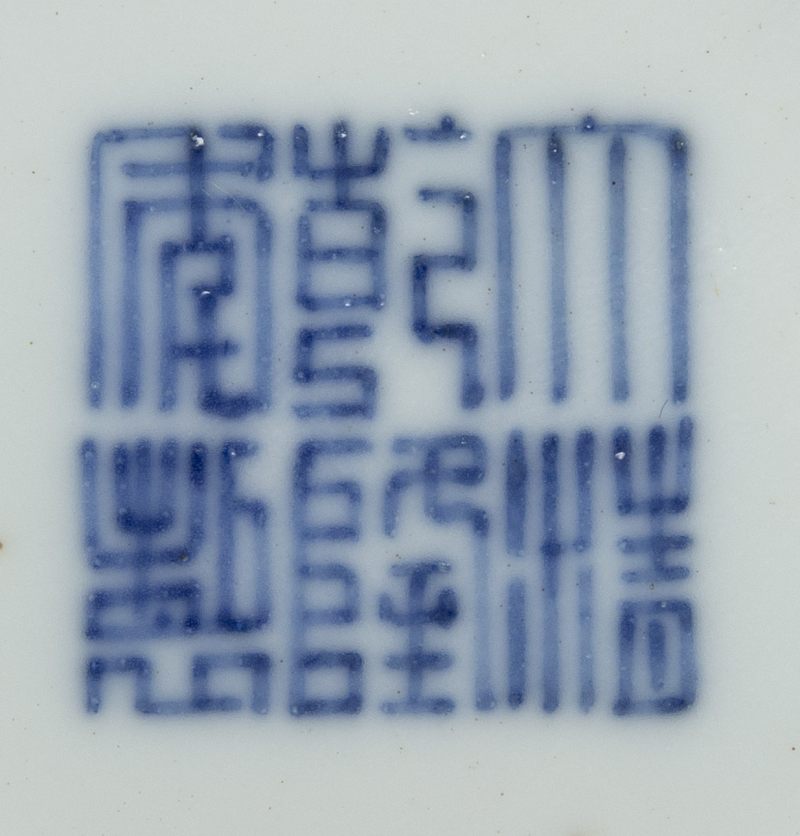
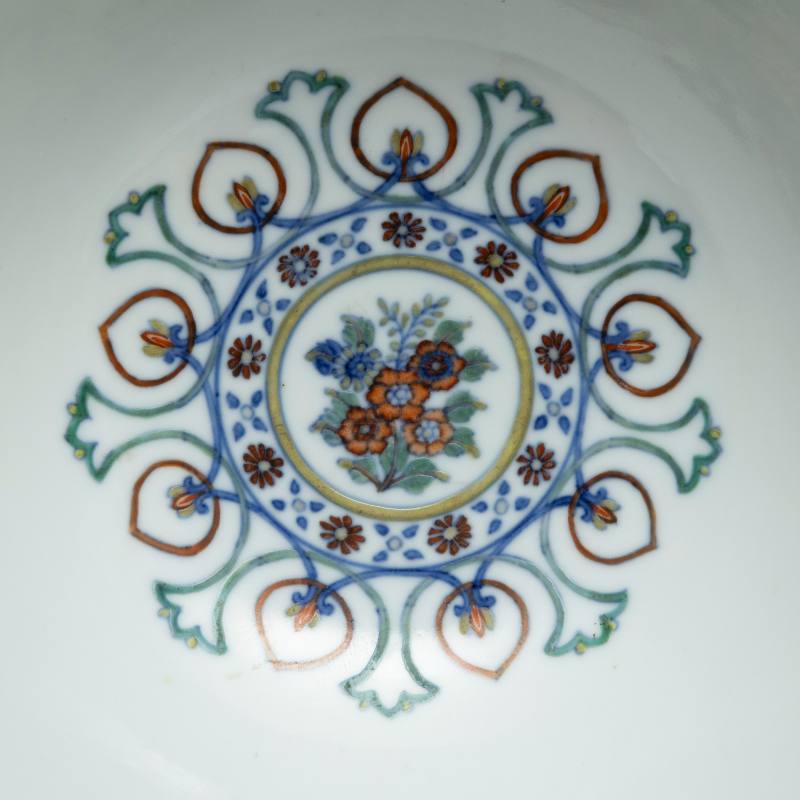
The exterior featuring six stylised upright floral motifs framed by a scrolling floral design, with a band of trefoils set against a yellow ground along the rim, the interior with central floral spray surrounded by a ring of small blossoms and petals, all enclosed within arching trefoil patterns. Marked with a Qianlong six-character seal mark in underglaze blue on the base.
Please compare the present lot to another example, sold at: Christie's, Hong Kong, 29 May 2013, lot 2017.
Doucai (meaning “contrasting colours”) is one of the most refined decorative techniques developed in Chinese porcelain production. Originating during the reign of the Chenghua Emperor (1465-1487) of the Ming Dynasty, the process combines underglaze cobalt-blue outlines with overglaze enamels applied after the initial high-temperature firing. The porcelain body was first painted in cobalt blue and fired under a transparent glaze at approximately 1,300°C. Subsequently, coloured enamels (including iron red, green, yellow, aubergine, and occasionally turquoise) were carefully applied within the blue contours and fixed in a second, lower-temperature firing.
This technically demanding process required exceptional precision, as the overglaze enamels were intended to complement rather than obscure the underglaze decoration. Chenghua doucai wares are celebrated for their restrained palette, elegant compositions, and meticulous craftsmanship, and they became highly esteemed by later collectors. During the Qing Dynasty, particularly under the Yongzheng and Qianlong emperors, the technique was consciously revived, often emulating celebrated Chenghua prototypes while introducing brighter enamels and increasingly elaborate decorative schemes.
以下内容由AI翻译:
【名称】
清乾隆斗彩花卉纹碗
【年代】
清
【描述】
外壁绘有六个竖立的花卉图案,周围环绕着卷曲的花卉设计,口沿处有一圈黄色底色上的三叶草图案。内壁中心为一朵花卉喷射状图案,周围环绕一圈小花朵和花瓣,全部包含在拱形的三叶草图案中。底部有青花六字篆书款。
请将此拍品与另一件拍品比较:佳士得,香港,2013年5月29日,拍品2017号。
斗彩(意为“对比色彩”)是中国瓷器生产中最精致的装饰技术之一。起源于明代成化皇帝(1465-1487)时期,该工艺结合了青花勾勒轮廓和高温烧制后的釉上彩。首先用青花绘制并以透明釉覆盖,在约1300°C的温度下进行初次高温烧制。随后,在青花轮廓内仔细施加彩色釉料(包括铁红、绿、黄、紫和偶尔的蓝),并在第二次低温烧制中固定。
这一技术要求极高精度,因为釉上彩旨在补充而非遮盖釉下装饰。成化斗彩器以其克制的色彩、优雅的构图和精湛的工艺而闻名,并受到后来收藏家的高度评价。清代,特别是在雍正和乾隆皇帝统治时期,该技术被有意复兴,常常模仿著名的成化原型,同时引入更鲜艳的釉色和越来越复杂的装饰方案。
【品相】
珐琅彩仅有极轻微的磨损和极少的烧制瑕疵斑点,最明显的是边缘有两个斑点。没有裂纹或缺损,也无修复痕迹。
Please compare the present lot to another example, sold at: Christie's, Hong Kong, 29 May 2013, lot 2017.
Doucai (meaning “contrasting colours”) is one of the most refined decorative techniques developed in Chinese porcelain production. Originating during the reign of the Chenghua Emperor (1465-1487) of the Ming Dynasty, the process combines underglaze cobalt-blue outlines with overglaze enamels applied after the initial high-temperature firing. The porcelain body was first painted in cobalt blue and fired under a transparent glaze at approximately 1,300°C. Subsequently, coloured enamels (including iron red, green, yellow, aubergine, and occasionally turquoise) were carefully applied within the blue contours and fixed in a second, lower-temperature firing.
This technically demanding process required exceptional precision, as the overglaze enamels were intended to complement rather than obscure the underglaze decoration. Chenghua doucai wares are celebrated for their restrained palette, elegant compositions, and meticulous craftsmanship, and they became highly esteemed by later collectors. During the Qing Dynasty, particularly under the Yongzheng and Qianlong emperors, the technique was consciously revived, often emulating celebrated Chenghua prototypes while introducing brighter enamels and increasingly elaborate decorative schemes.
以下内容由AI翻译:
【名称】
清乾隆斗彩花卉纹碗
【年代】
清
【描述】
外壁绘有六个竖立的花卉图案,周围环绕着卷曲的花卉设计,口沿处有一圈黄色底色上的三叶草图案。内壁中心为一朵花卉喷射状图案,周围环绕一圈小花朵和花瓣,全部包含在拱形的三叶草图案中。底部有青花六字篆书款。
请将此拍品与另一件拍品比较:佳士得,香港,2013年5月29日,拍品2017号。
斗彩(意为“对比色彩”)是中国瓷器生产中最精致的装饰技术之一。起源于明代成化皇帝(1465-1487)时期,该工艺结合了青花勾勒轮廓和高温烧制后的釉上彩。首先用青花绘制并以透明釉覆盖,在约1300°C的温度下进行初次高温烧制。随后,在青花轮廓内仔细施加彩色釉料(包括铁红、绿、黄、紫和偶尔的蓝),并在第二次低温烧制中固定。
这一技术要求极高精度,因为釉上彩旨在补充而非遮盖釉下装饰。成化斗彩器以其克制的色彩、优雅的构图和精湛的工艺而闻名,并受到后来收藏家的高度评价。清代,特别是在雍正和乾隆皇帝统治时期,该技术被有意复兴,常常模仿著名的成化原型,同时引入更鲜艳的釉色和越来越复杂的装饰方案。
【品相】
珐琅彩仅有极轻微的磨损和极少的烧制瑕疵斑点,最明显的是边缘有两个斑点。没有裂纹或缺损,也无修复痕迹。
常见问题
拍品的品相状况如何?
Minimal wear to the enameling and super minor firing flaw spots, most noticeably two spots to the edge. No defects such as hairlines or chips and no restoration.
拍品的尺寸是多少?
H 6 cm, D 14.9 cm