
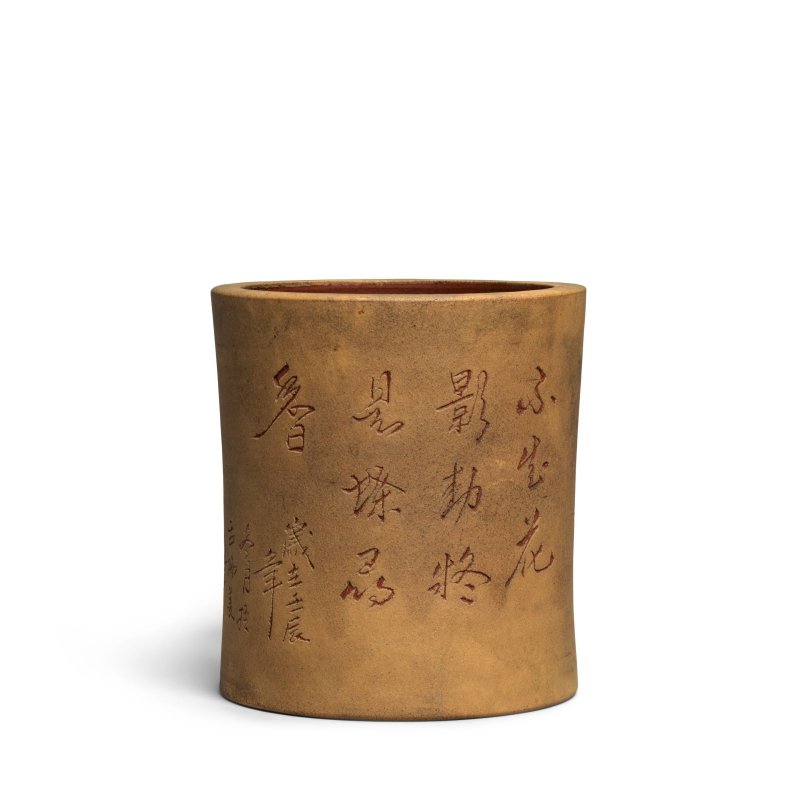
Lot 36 壬辰年(1952) 宜興紫砂花鳥紋詩文筆筒 | A YIXING BRUSHPOT, BITONG
落槌价
预展中
成交价
预展中
| 拍卖公司 | 邦瀚斯 |
|---|---|
| 拍卖时间 | 2026年11月05日 |
拍品信息
拍品名称
壬辰年(1952) 宜興紫砂花鳥紋詩文筆筒 | A YIXING BRUSHPOT, BITONG
年代
Tiehua Xuan seal mark, dated to the Renchen year, corresponding to 1952 and of the period
起拍价
GBP 3,000
估值区间
GBP 3000 - 5000
尺寸
未知
品相
未知
更多信息
Tiehua Xuan seal mark, dated to the Renchen year, corresponding to 1952 and of the period
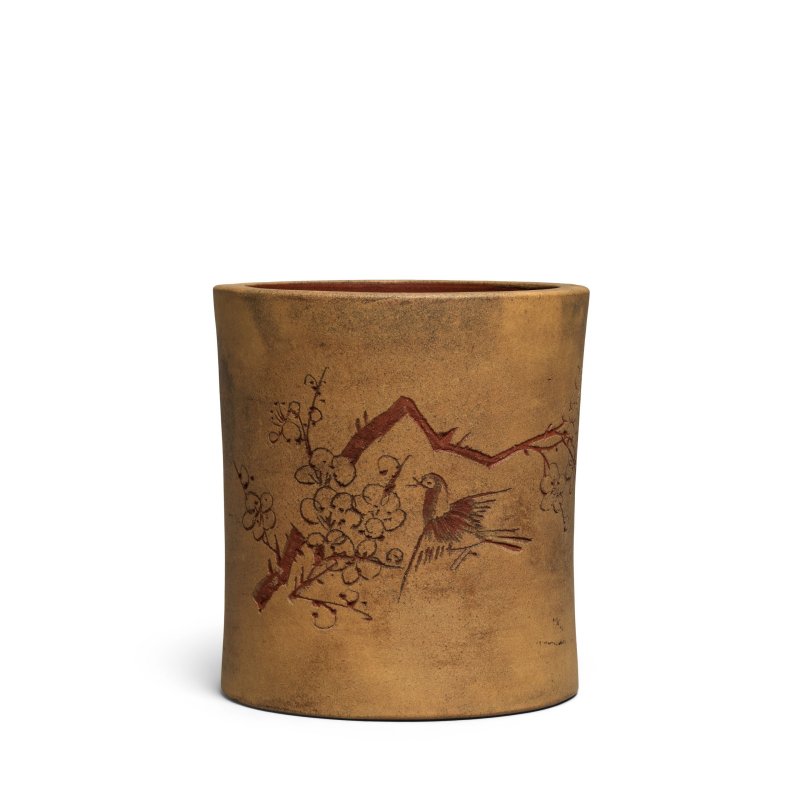
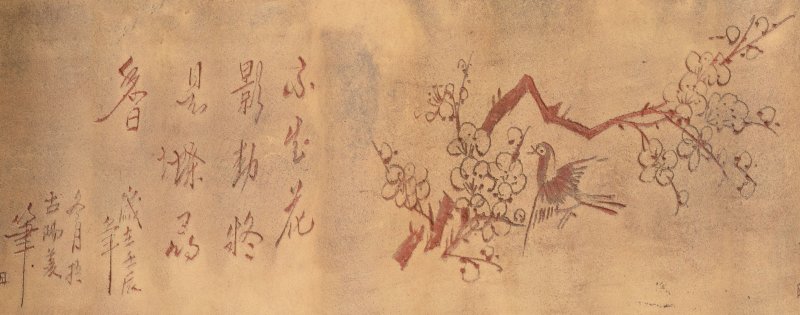
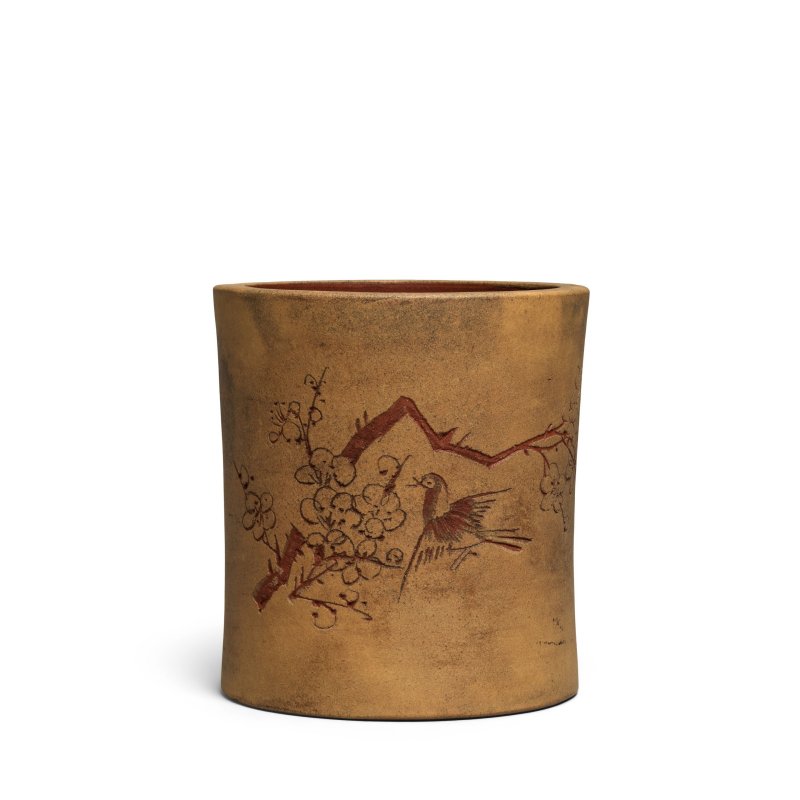
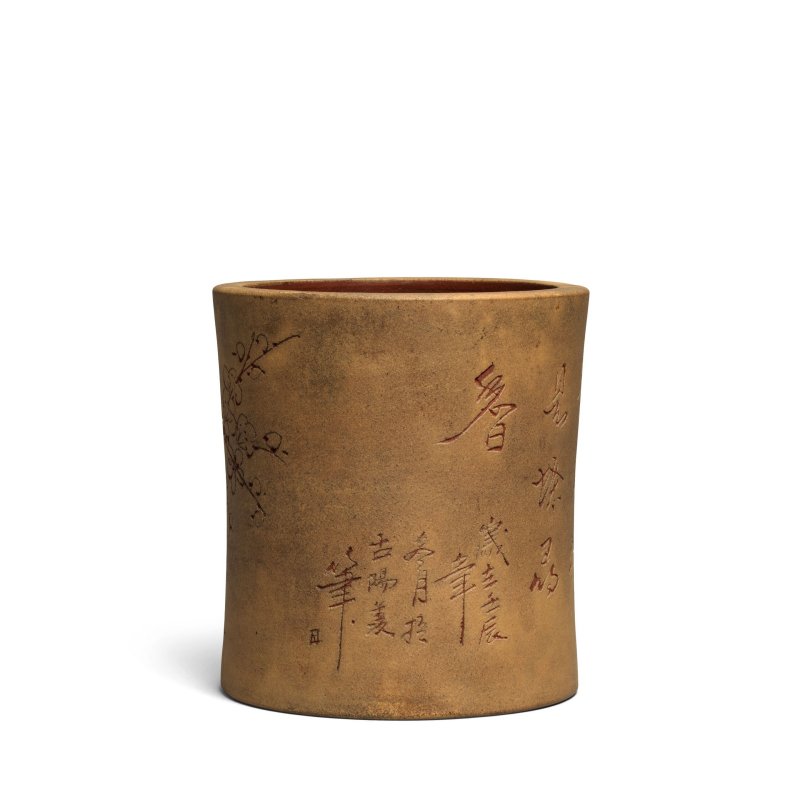
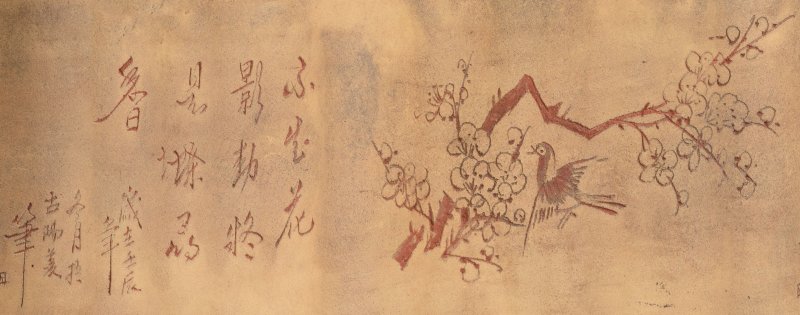
The cylindrical vessel finely potted with gently curving walls, carved and incised through the sandy clay around the exterior with a bird and prunus blossoms, beside an inscription in xing calligraphy. 13cm (5 1/8in) high.
Footnotes
壬辰年(1952) 宜興紫砂花鳥紋詩文筆筒
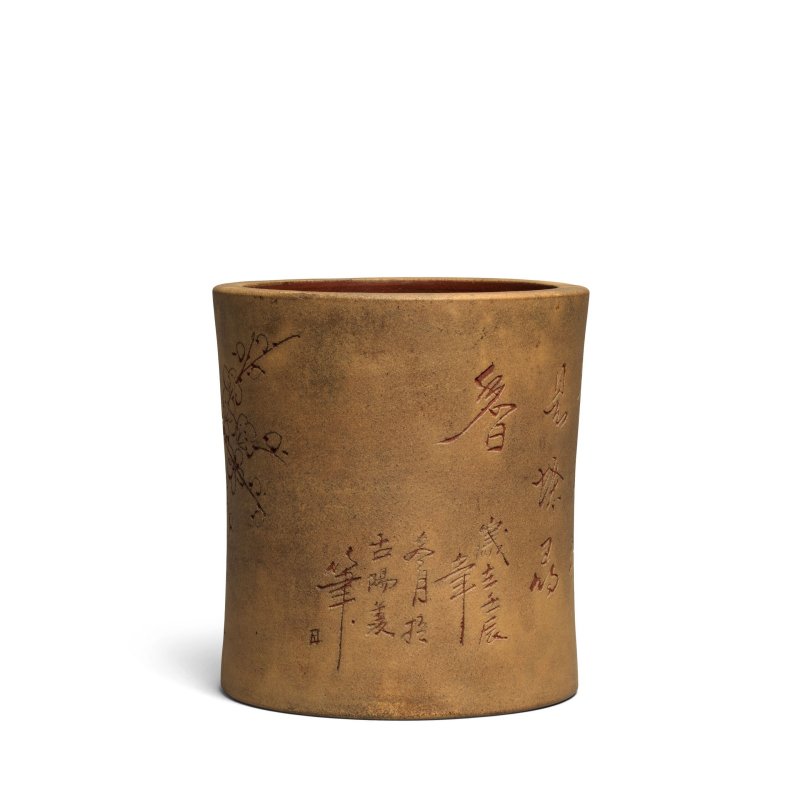
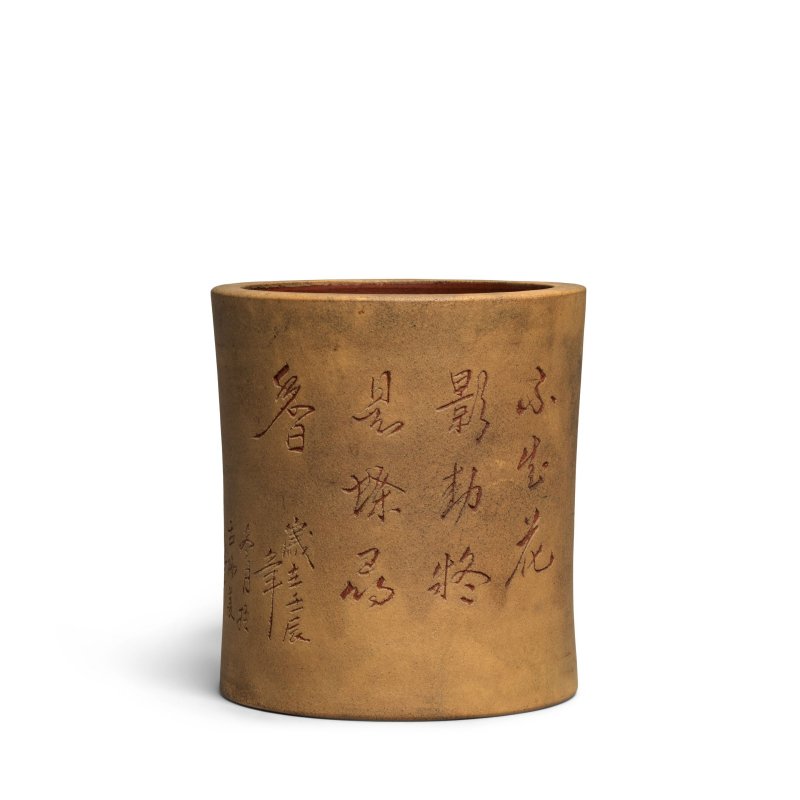
款識:不知花影動,疑是蝶尋香。歲在壬辰年冬月於古陽羡筆
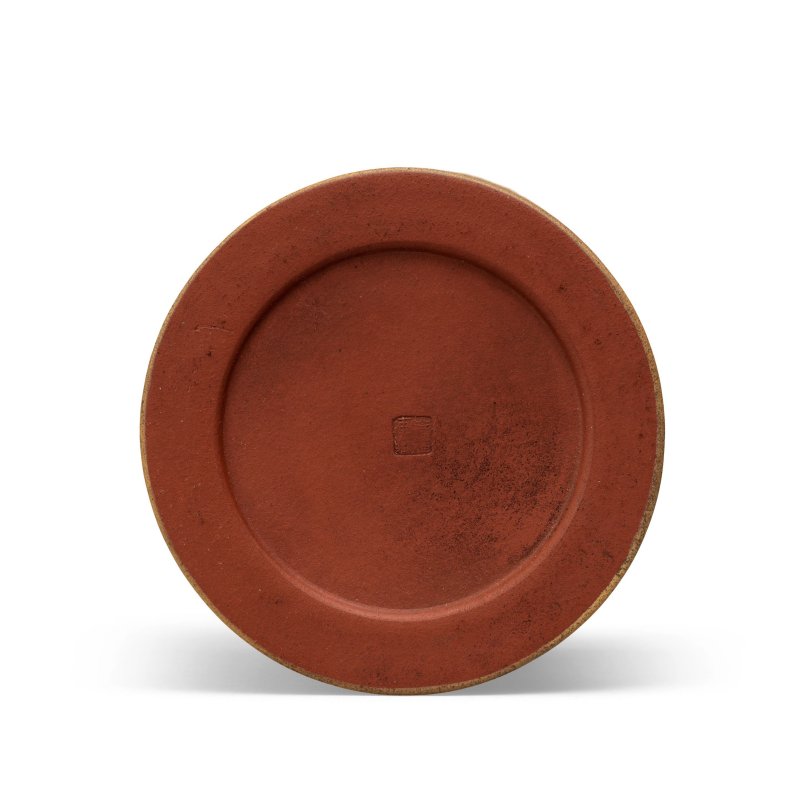
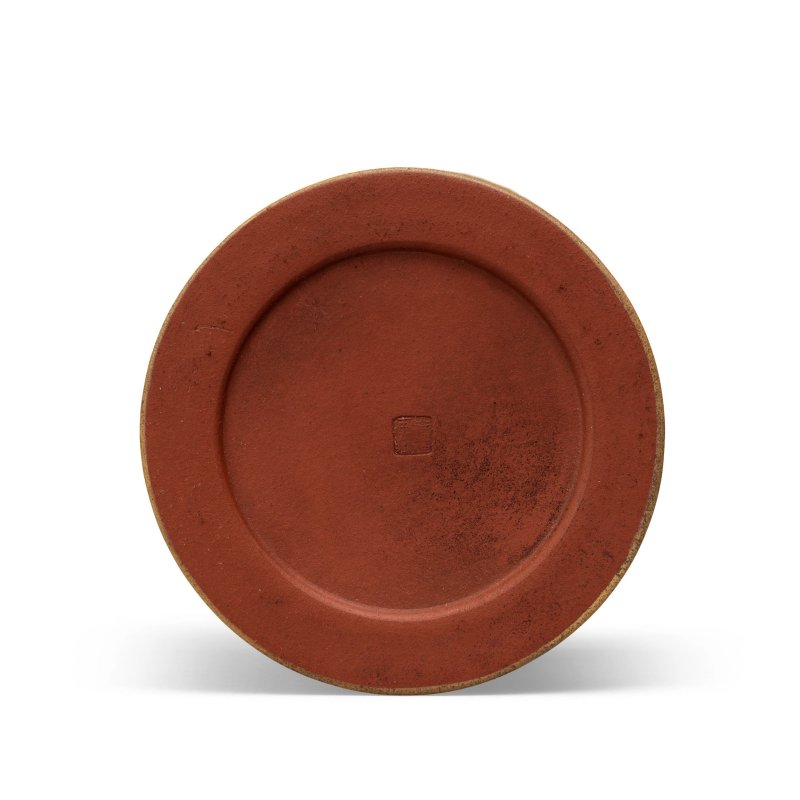
「鉄畫軒製」篆書款
Provenance:
Ben Janssens Oriental Art, London
Acquired from the above on 3 November 2016
Published and Illustrated:
S.Marsh, Brushpots: A Collector's View, Hong Kong, 2020, pp.188-189
來源:
倫敦古董商Ben Janssens Oriental Art
從上處獲得于2016年11月3日
墨一閑,《筆筒淵鑒:收藏家的隨心所悟》,香港,2020年,第188-189頁
The present brushpot is formed from fine clay and covered with a yellow slip. While the clay was still leather-hard, the decoration was incised through the slip to reveal the darker body beneath, creating a striking contrast between the two colours. One side is decorated with a bird perched on a flowering plum branch, accompanied by a two-line poetic inscription, which may be translated as:
The inscription is dated to the winter of the year (1952) and records Guyangxian, the historical name for Yixing. The square seal on the base reads (鐵畫軒製, 'Made by Tiehua Xuan'). As demand for Yixing wares expanded during the nineteenth century, specialist dealers established shops in major Chinese cities, commissioning vessels from Yixing potters before employing their own artists to decorate them. Tiehua Xuan, founded in Shanghai by Dai Guobao (1875–1926) in 1913, became particularly noted for the quality of its calligraphic decoration and remains in operation today. Wares bearing the Tie Hua Xuan zhi seal are illustrated in , Hong Kong, 1990, pp.51-52.
The cylindrical vessel finely potted with gently curving walls, carved and incised through the sandy clay around the exterior with a bird and prunus blossoms, beside an inscription in xing calligraphy. 13cm (5 1/8in) high.
Footnotes
壬辰年(1952) 宜興紫砂花鳥紋詩文筆筒
款識:不知花影動,疑是蝶尋香。歲在壬辰年冬月於古陽羡筆
「鉄畫軒製」篆書款
Provenance:
Ben Janssens Oriental Art, London
Acquired from the above on 3 November 2016
Published and Illustrated:
S.Marsh, Brushpots: A Collector's View, Hong Kong, 2020, pp.188-189
來源:
倫敦古董商Ben Janssens Oriental Art
從上處獲得于2016年11月3日
墨一閑,《筆筒淵鑒:收藏家的隨心所悟》,香港,2020年,第188-189頁
The present brushpot is formed from fine clay and covered with a yellow slip. While the clay was still leather-hard, the decoration was incised through the slip to reveal the darker body beneath, creating a striking contrast between the two colours. One side is decorated with a bird perched on a flowering plum branch, accompanied by a two-line poetic inscription, which may be translated as:
The inscription is dated to the winter of the year (1952) and records Guyangxian, the historical name for Yixing. The square seal on the base reads (鐵畫軒製, 'Made by Tiehua Xuan'). As demand for Yixing wares expanded during the nineteenth century, specialist dealers established shops in major Chinese cities, commissioning vessels from Yixing potters before employing their own artists to decorate them. Tiehua Xuan, founded in Shanghai by Dai Guobao (1875–1926) in 1913, became particularly noted for the quality of its calligraphic decoration and remains in operation today. Wares bearing the Tie Hua Xuan zhi seal are illustrated in , Hong Kong, 1990, pp.51-52.
常见问题
这件壬辰年(1952) 宜興紫砂花鳥紋詩文筆筒 | A YIXING BRUSHPOT, BITONG的成交价是多少?
落槌价为 预展中。 成交价为 预展中。