
拍品信息
拍品名称
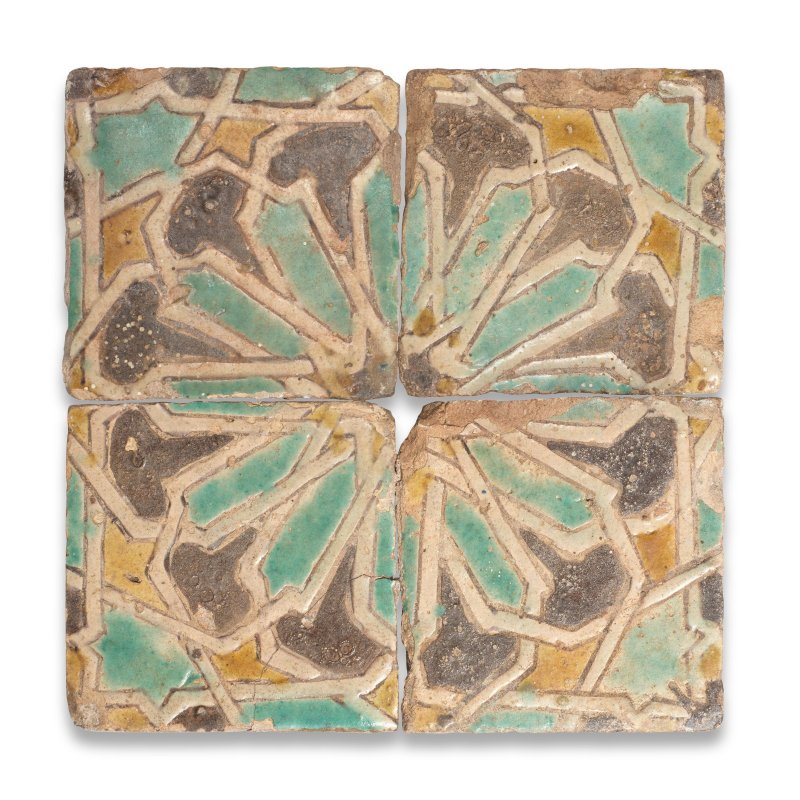
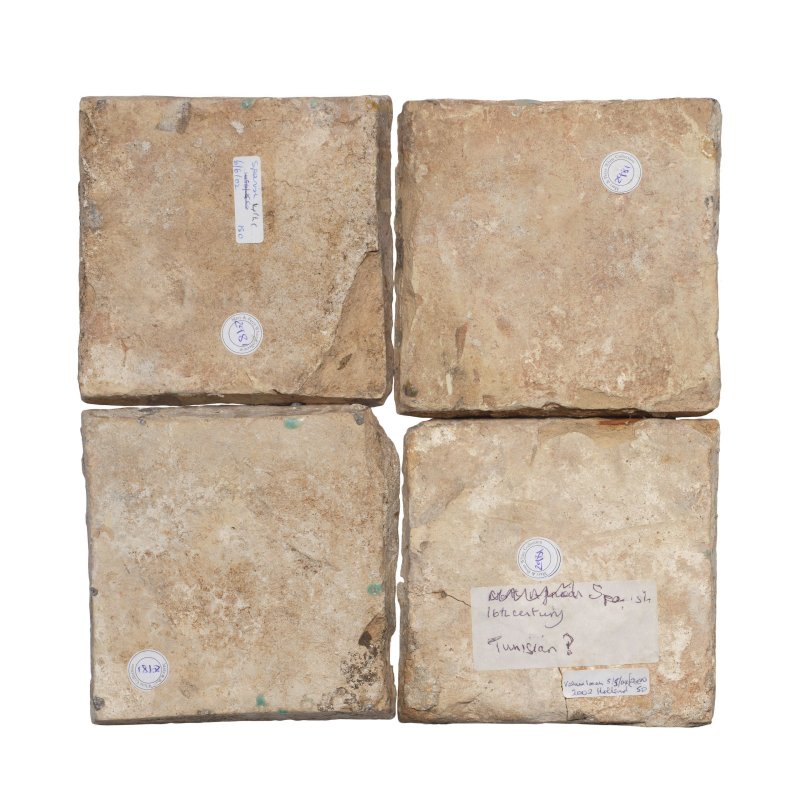
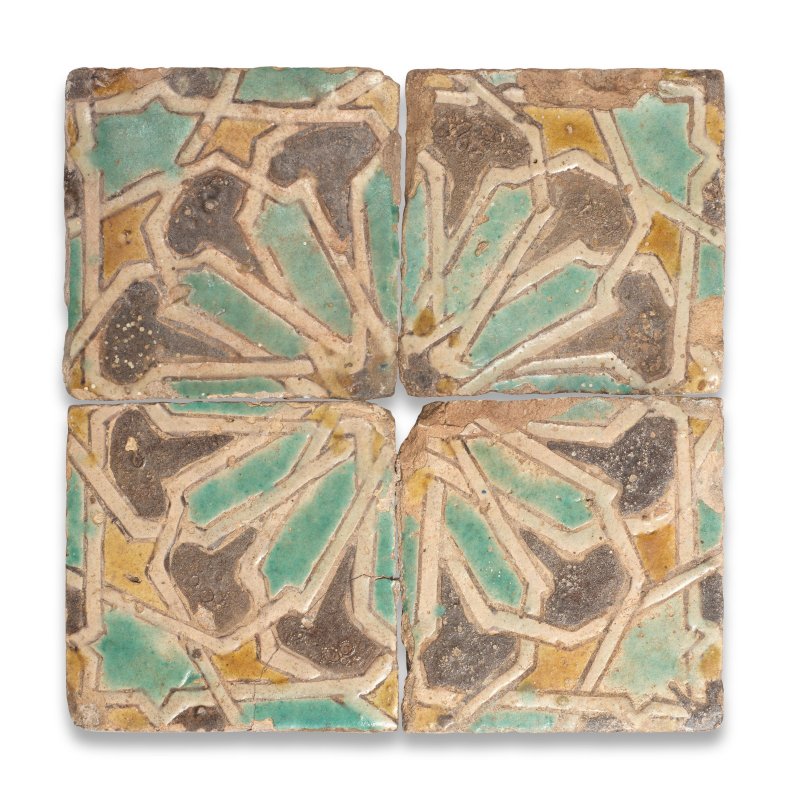
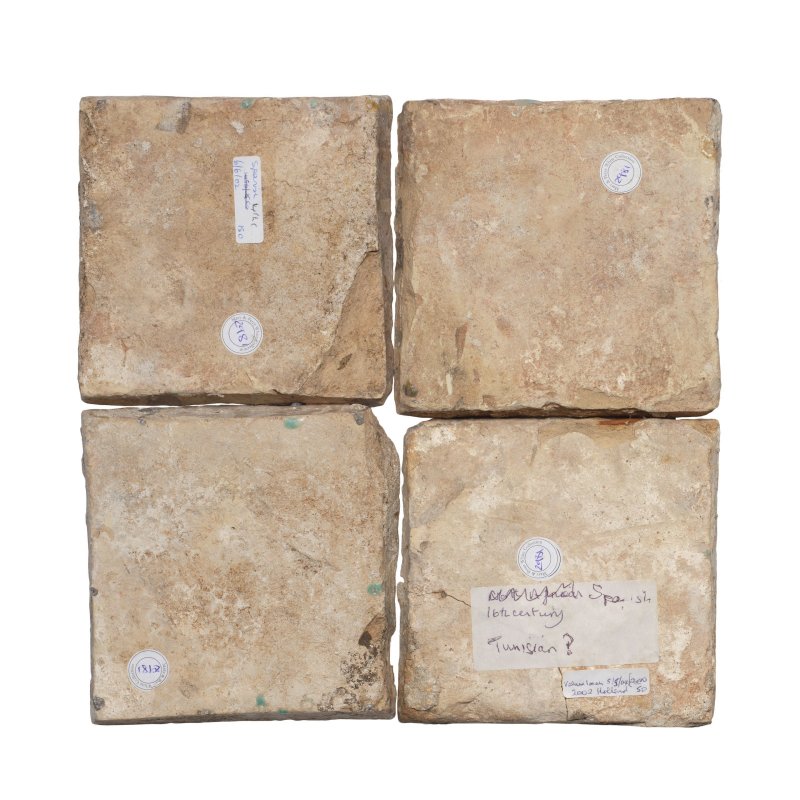
An Andalusian cuerda seca pottery panel
年代
(4)
起拍价
GBP 1,000
估值区间
未知
尺寸
未知
品相
未知
更多信息
Comprising four moulded and glazed pottery tiles, decorated in green, yellow and aubergine on a white ground with girih pattern,
each tile approximately 13cm across, 14cm high (4)
Footnotes
Literature
White, Mary, Living at the Whites' House, 2023, Vol.4, p.248
The cuerda seca technique prevents glazes from running together with the use of a greasy substance, traditionally manganese. Application with thread or cord gave rise to the name cuerda seca meaning 'dry cord'. It was a significantly more efficient and cost-effective process in comparison to mosaics (see lot 12) and soon gained popularity within the Timurid empire. The technique persisted, and was subsequently employed by Safavid, Mughal and Qajar tile-makers.
A comparable set of four tiles is in the British Museum, inv. no. 1896,1120.1.
each tile approximately 13cm across, 14cm high (4)
Footnotes
Literature
White, Mary, Living at the Whites' House, 2023, Vol.4, p.248
The cuerda seca technique prevents glazes from running together with the use of a greasy substance, traditionally manganese. Application with thread or cord gave rise to the name cuerda seca meaning 'dry cord'. It was a significantly more efficient and cost-effective process in comparison to mosaics (see lot 12) and soon gained popularity within the Timurid empire. The technique persisted, and was subsequently employed by Safavid, Mughal and Qajar tile-makers.
A comparable set of four tiles is in the British Museum, inv. no. 1896,1120.1.