
拍品信息
拍品名称
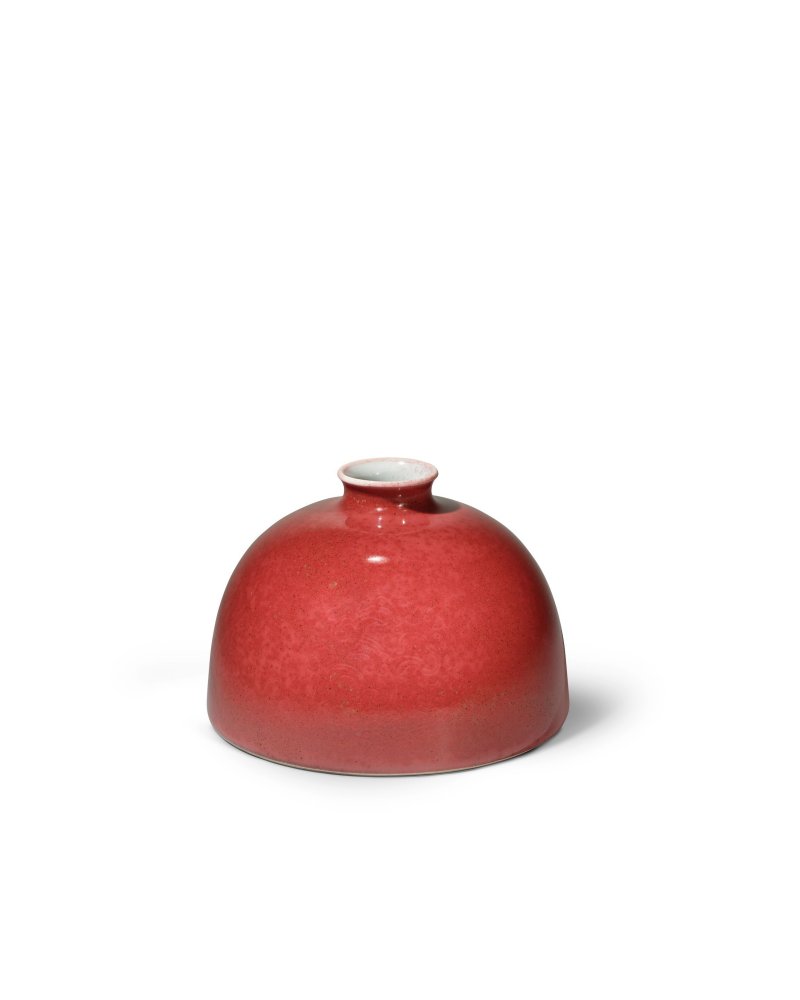
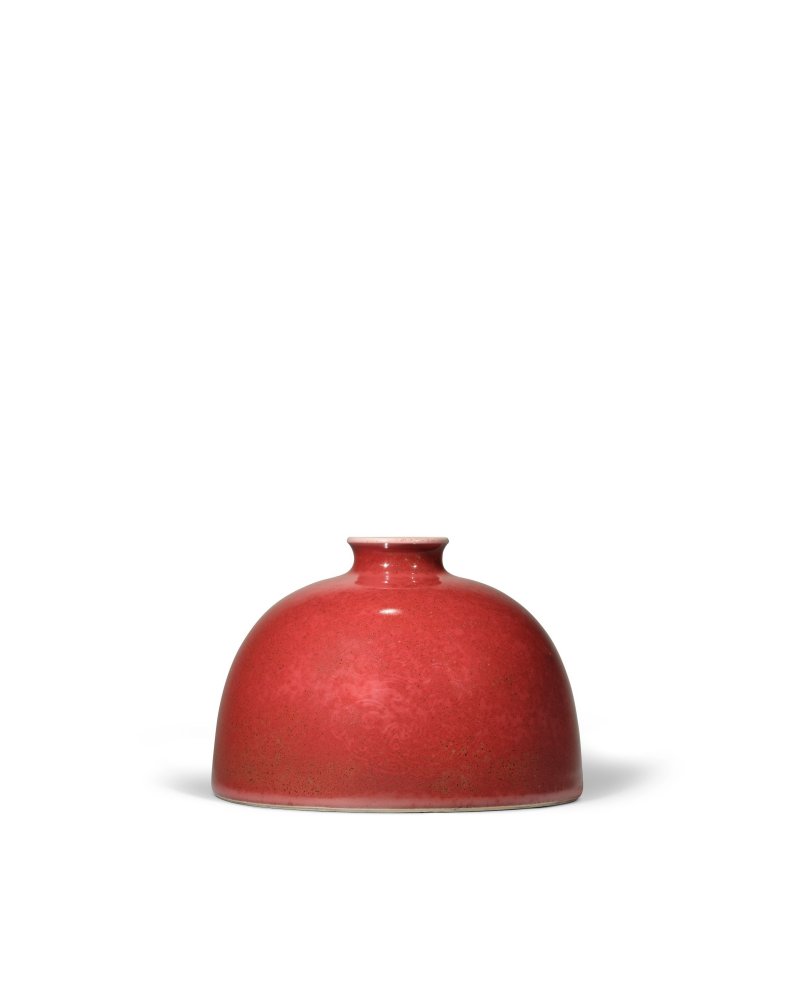
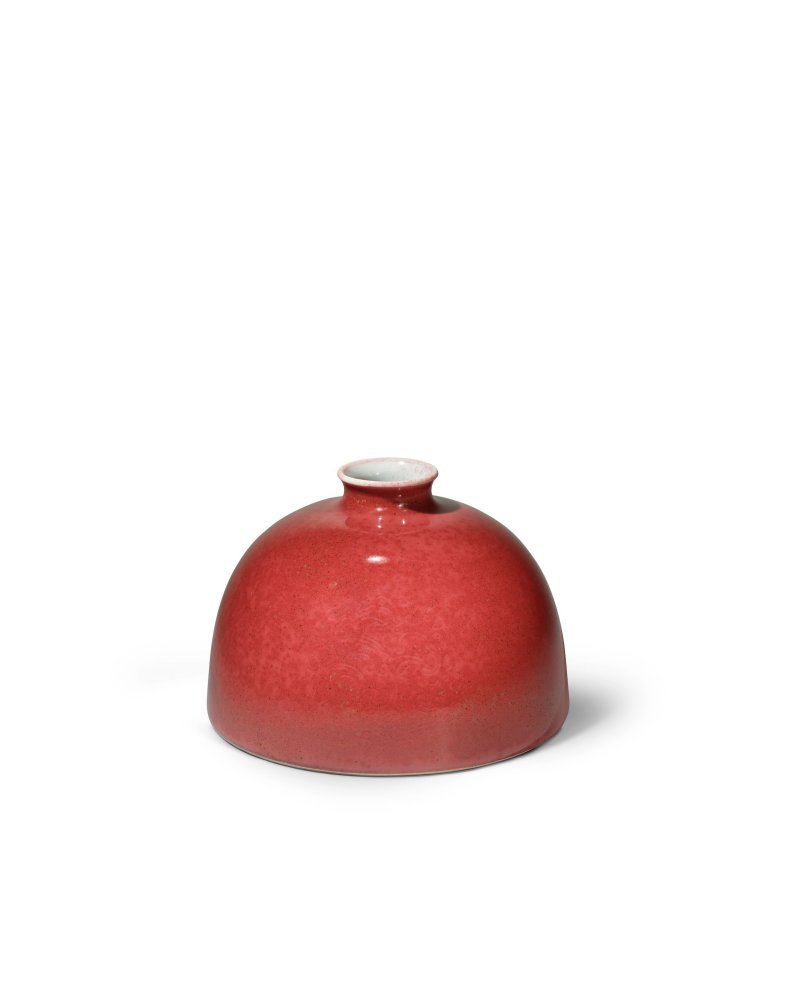
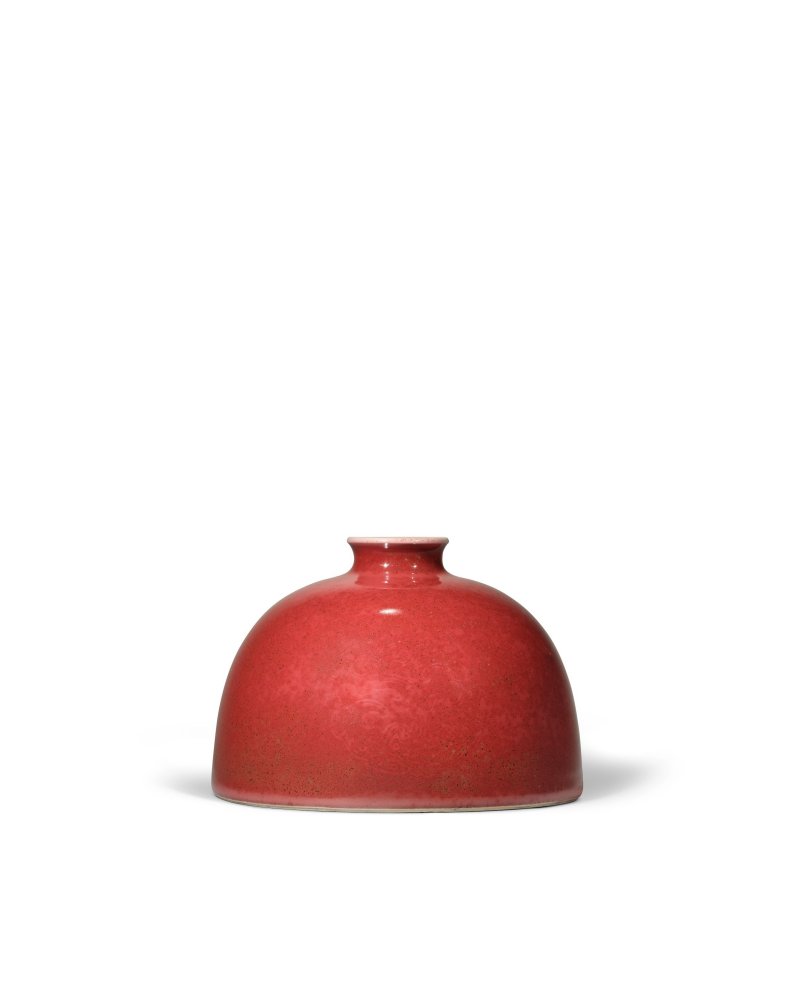
清康熙 豇豆紅釉團龍紋太白尊 | A PEACHBLOOM-GLAZED 'BEEHIVE' WATERPOT, TAIBAIZUN
年代
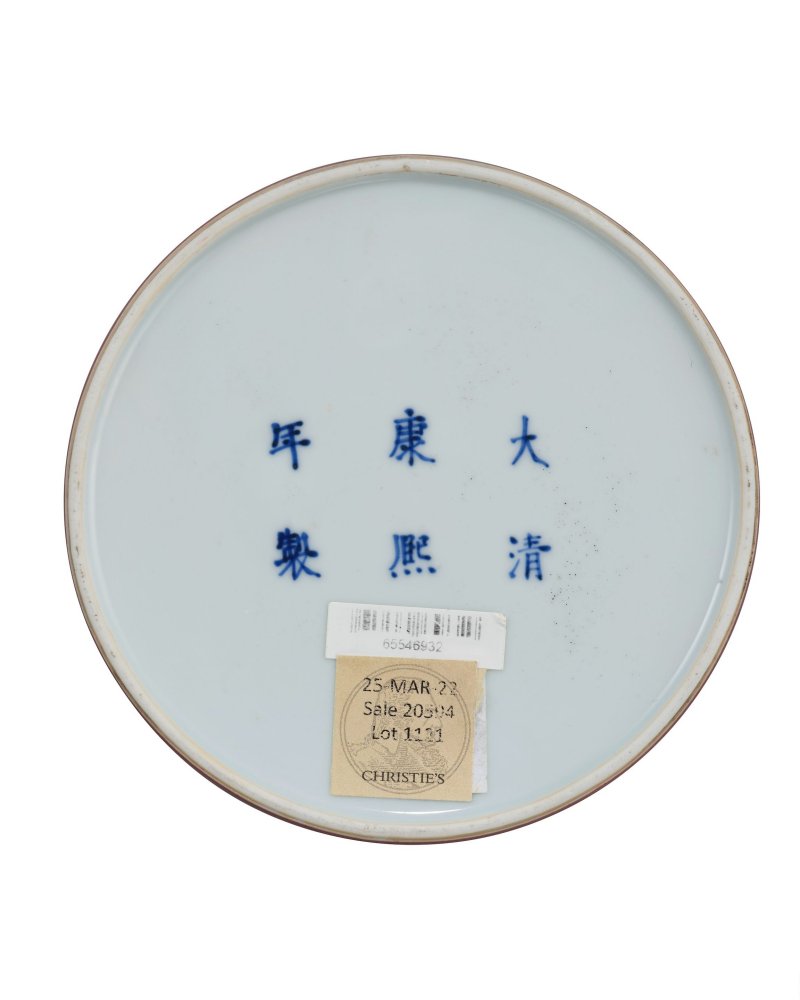
Kangxi six-character mark and of the period
起拍价
HKD 1,200,000
估值区间
HKD 1200000 - 1600000
尺寸
未知
品相
未知
更多信息
Kangxi six-character mark and of the period
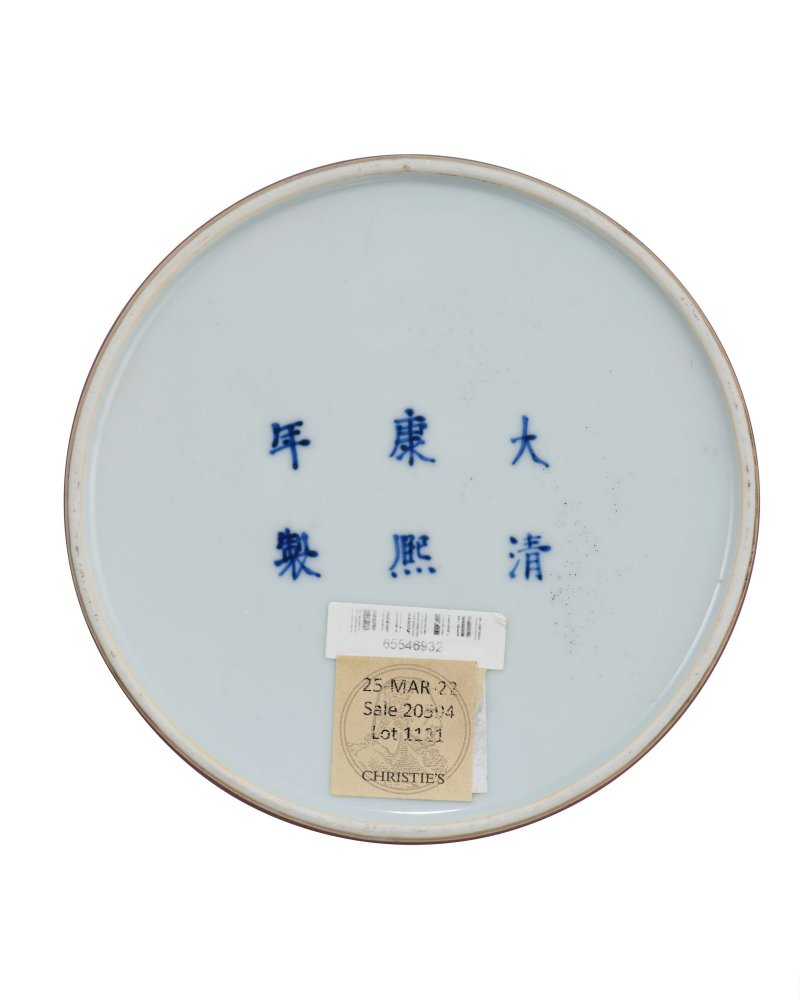
Finely potted of classic domed form, the slightly tapering sides rising to a rounded shoulder and short waisted neck below a lipped mouth-rim, the exterior evenly applied overall save for the rim and base with a sumptuous deep rose-pink tone glaze suffused with darker sprinkles imitating the skin of a ripening peach, the body further faintly incised with three roundels enclosing archaistic dragons, the recessed white base inscribed in underglaze blue with a six-character reign mark in three columns, fitted box.
12.4cm (4 7/8in) diam. (2).
Footnotes
清康熙 豇豆紅釉團龍紋太白尊
青花「大清康熙年製」楷書款
Provenance:
Stephen Junkunc, III (d. 1978)
Christie's New York, 25 March 2022, lot 1121
來源:
史蒂芬・瓊肯三世(1978年逝)珍藏
紐約佳士得,2022年3月25日,拍品編號1121
Waterpots shaped as beehives are known as after poet Li Taibai of the Tang dynasty, who is often depicted leaning against a large wine jar of a similar form. The attractive peachbloom glaze was notoriously difficult to achieve due to the temperamental nature of the copper pigment and appears to have been only employed on a small number of shapes reserved for use on the scholar's table and created during the reign of the Kangxi Emperor.
Copper-red glazes were produced since at least the Ming dynasty, however, they were greatly improved during the Kangxi reign, most probably under the supervision of Zang Yingxuan, the Imperial supervisor who was sent to Jingdezhen in 1681 to oversee the rebuilding of the kilns. The fugitive copper-lime pigment, rather difficult to manage, would have been sprayed onto a layer of transparent glaze via a long bamboo tube and then stabilised with another coat of clear glaze.
See a similar peachbloom-glazed waterpot, Kangxi mark and period, in the Palace Museum, Taipei, accession no. -000017; another peachbloom-glazed waterpot, also Kangxi mark and period, preserved at the Metropolitan Museum of Art, New York, acc.no.65.225.3. Compare also a peachbloom-glazed waterpot, Kangxi six-character mark and of the period, sold twice at Christie's Hong Kong, 8 October 1990, lot 467 and again, 30 November 2023, lot 2811.
太白尊,其名源自唐代大詩人李太白,傳世畫像中常見其佇立倚靠於此類形制之酒壺旁。太白尊所施之豇豆紅釉流光溢彩,然因銅紅呈色劑性質極不穩定,燒製難度極高,故僅見少量專攻文房案頭之用,製於康熙年間。
銅紅釉之燒造由來已久,至少可追溯至明代,然至康熙朝方臻於至善,此功績或可歸因於督陶官臧應選之督造。1681年(康熙二十年),臧氏受命赴景德鎮督理御窯廠之重建事宜。此類銅石灰呈色劑極難掌控且易蒸散發失,工匠需透過長竹管將其吹噴於透明釉層之上,隨後再覆施一層清釉以達穩定呈色之效。
可比較台北故宮博物院珍藏一件相似之康熙款豇豆紅釉太白尊,館藏編號:中瓷000017;紐約大都會藝術博物館藏另一例,館藏編號 65.225.3;以及第三例,曾兩度售於香港佳士得,分別為1990年10月8日,拍品編號467,以及2023年11月30日,拍品編號2811。
Finely potted of classic domed form, the slightly tapering sides rising to a rounded shoulder and short waisted neck below a lipped mouth-rim, the exterior evenly applied overall save for the rim and base with a sumptuous deep rose-pink tone glaze suffused with darker sprinkles imitating the skin of a ripening peach, the body further faintly incised with three roundels enclosing archaistic dragons, the recessed white base inscribed in underglaze blue with a six-character reign mark in three columns, fitted box.
12.4cm (4 7/8in) diam. (2).
Footnotes
清康熙 豇豆紅釉團龍紋太白尊
青花「大清康熙年製」楷書款
Provenance:
Stephen Junkunc, III (d. 1978)
Christie's New York, 25 March 2022, lot 1121
來源:
史蒂芬・瓊肯三世(1978年逝)珍藏
紐約佳士得,2022年3月25日,拍品編號1121
Waterpots shaped as beehives are known as after poet Li Taibai of the Tang dynasty, who is often depicted leaning against a large wine jar of a similar form. The attractive peachbloom glaze was notoriously difficult to achieve due to the temperamental nature of the copper pigment and appears to have been only employed on a small number of shapes reserved for use on the scholar's table and created during the reign of the Kangxi Emperor.
Copper-red glazes were produced since at least the Ming dynasty, however, they were greatly improved during the Kangxi reign, most probably under the supervision of Zang Yingxuan, the Imperial supervisor who was sent to Jingdezhen in 1681 to oversee the rebuilding of the kilns. The fugitive copper-lime pigment, rather difficult to manage, would have been sprayed onto a layer of transparent glaze via a long bamboo tube and then stabilised with another coat of clear glaze.
See a similar peachbloom-glazed waterpot, Kangxi mark and period, in the Palace Museum, Taipei, accession no. -000017; another peachbloom-glazed waterpot, also Kangxi mark and period, preserved at the Metropolitan Museum of Art, New York, acc.no.65.225.3. Compare also a peachbloom-glazed waterpot, Kangxi six-character mark and of the period, sold twice at Christie's Hong Kong, 8 October 1990, lot 467 and again, 30 November 2023, lot 2811.
太白尊,其名源自唐代大詩人李太白,傳世畫像中常見其佇立倚靠於此類形制之酒壺旁。太白尊所施之豇豆紅釉流光溢彩,然因銅紅呈色劑性質極不穩定,燒製難度極高,故僅見少量專攻文房案頭之用,製於康熙年間。
銅紅釉之燒造由來已久,至少可追溯至明代,然至康熙朝方臻於至善,此功績或可歸因於督陶官臧應選之督造。1681年(康熙二十年),臧氏受命赴景德鎮督理御窯廠之重建事宜。此類銅石灰呈色劑極難掌控且易蒸散發失,工匠需透過長竹管將其吹噴於透明釉層之上,隨後再覆施一層清釉以達穩定呈色之效。
可比較台北故宮博物院珍藏一件相似之康熙款豇豆紅釉太白尊,館藏編號:中瓷000017;紐約大都會藝術博物館藏另一例,館藏編號 65.225.3;以及第三例,曾兩度售於香港佳士得,分別為1990年10月8日,拍品編號467,以及2023年11月30日,拍品編號2811。
常见问题
这件清康熙 豇豆紅釉團龍紋太白尊 | A PEACHBLOOM-GLAZED 'BEEHIVE' WATERPOT, TAIBAIZUN的成交价是多少?
落槌价为 预展中。 成交价为 预展中。