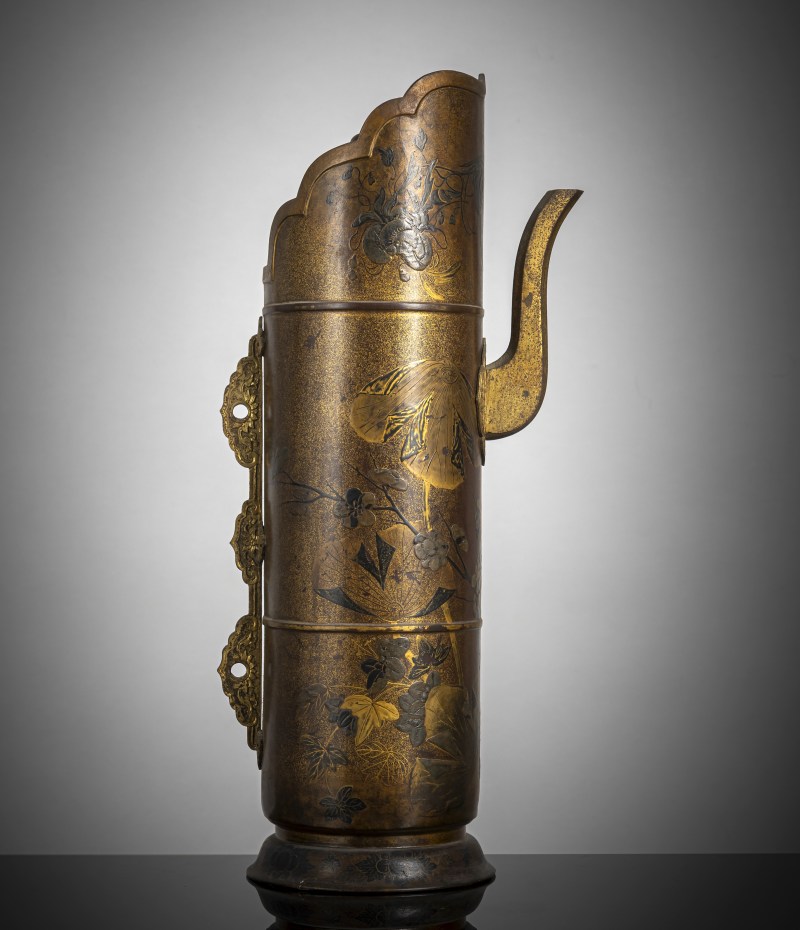

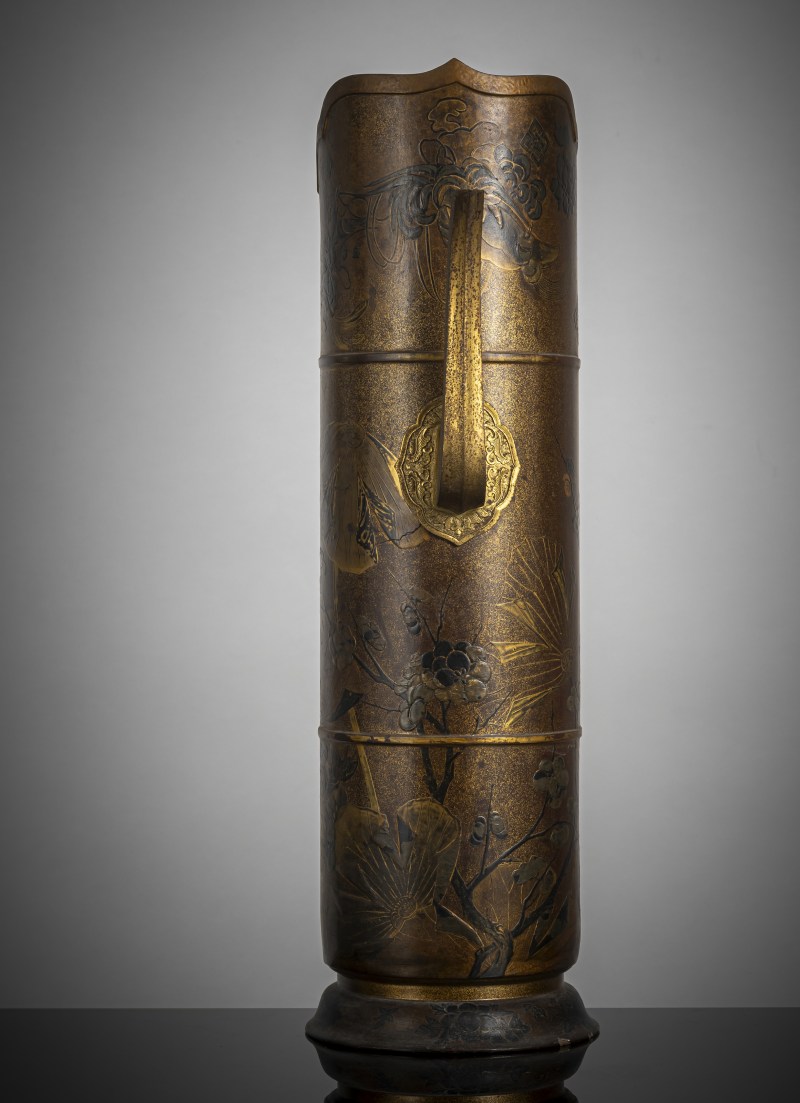
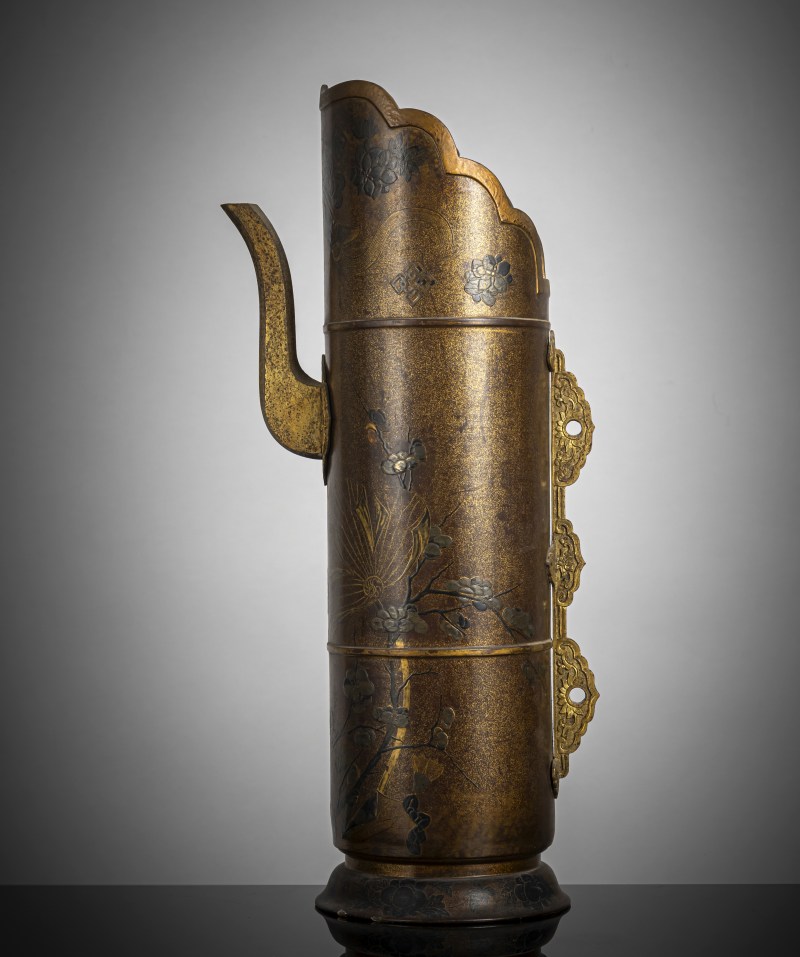
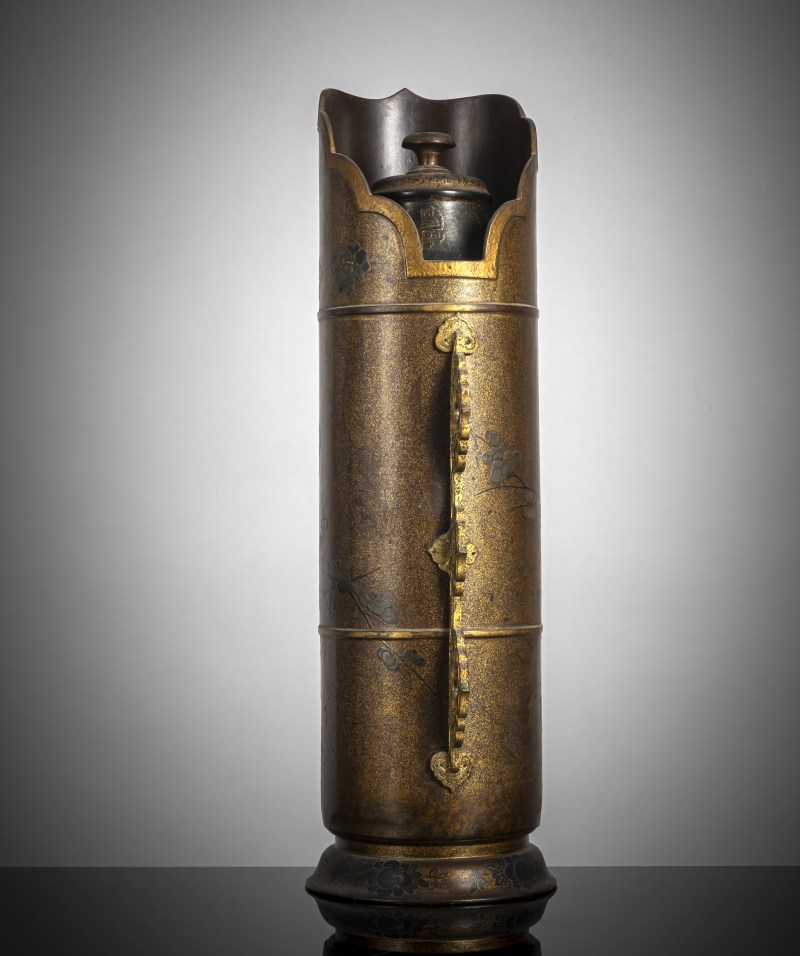
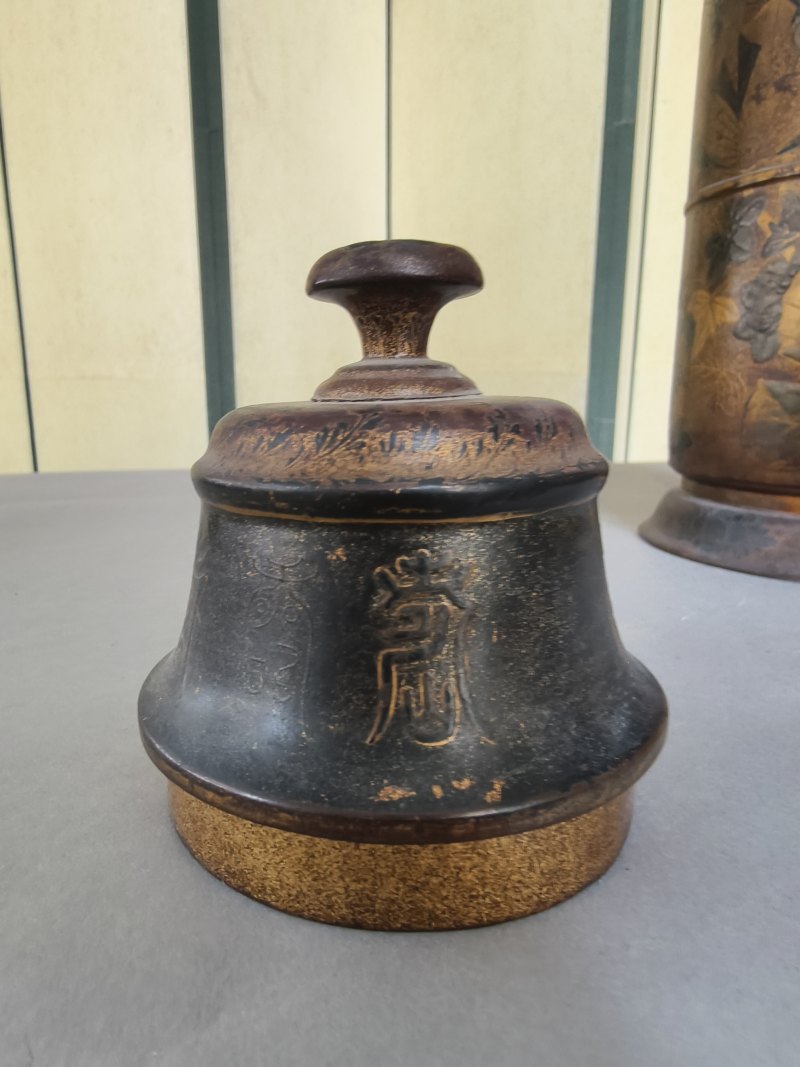
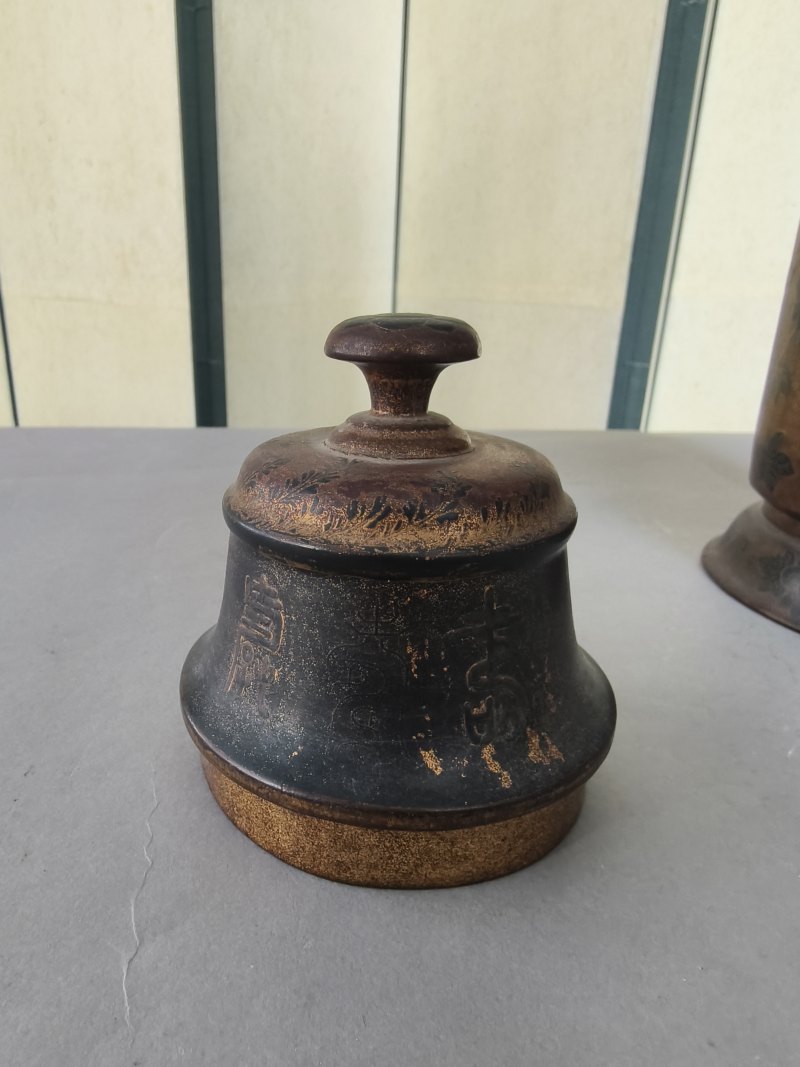
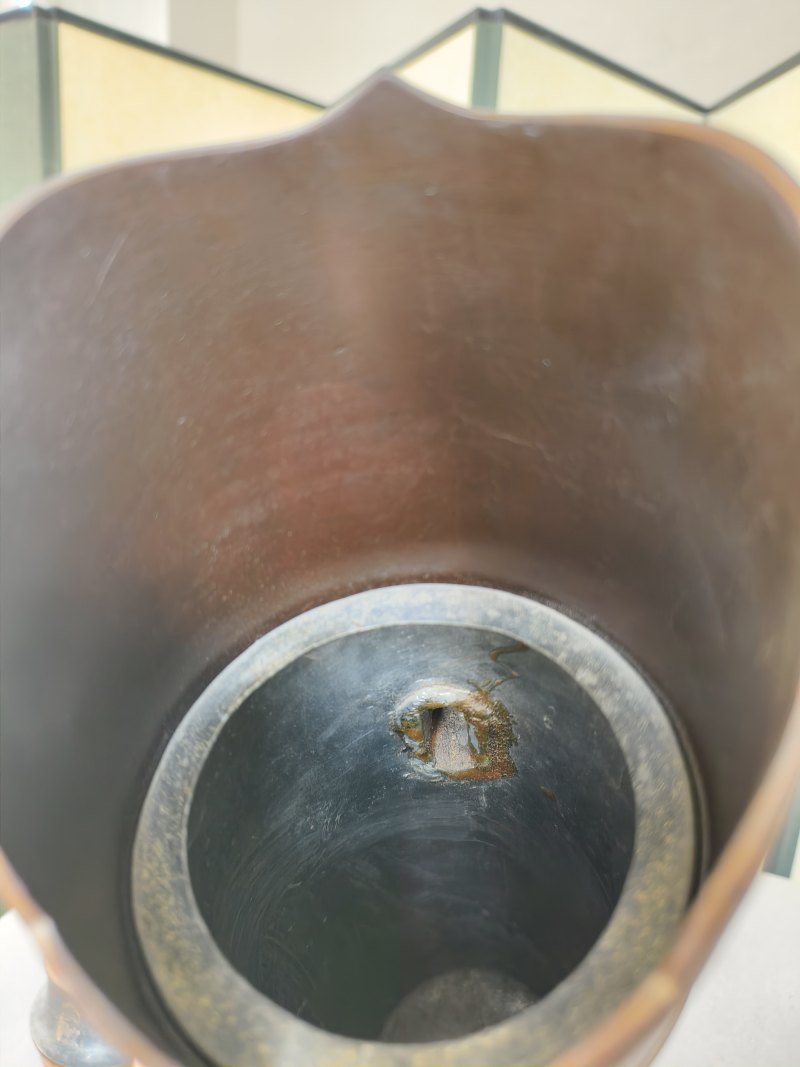
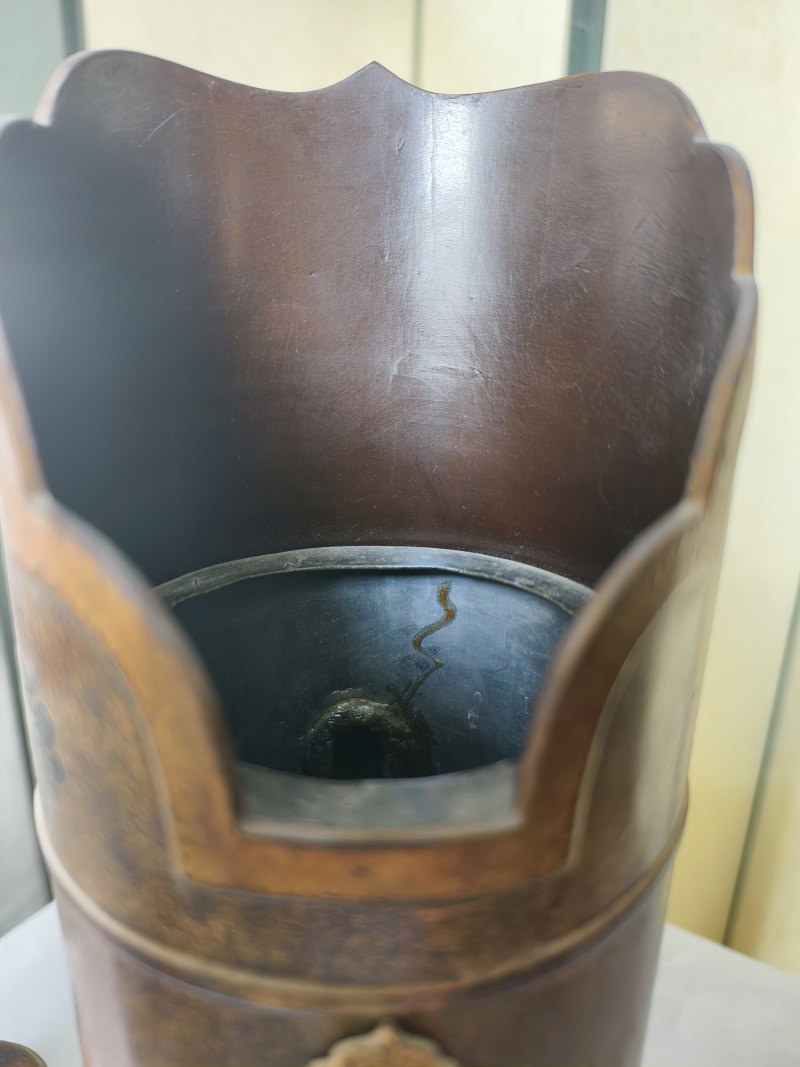
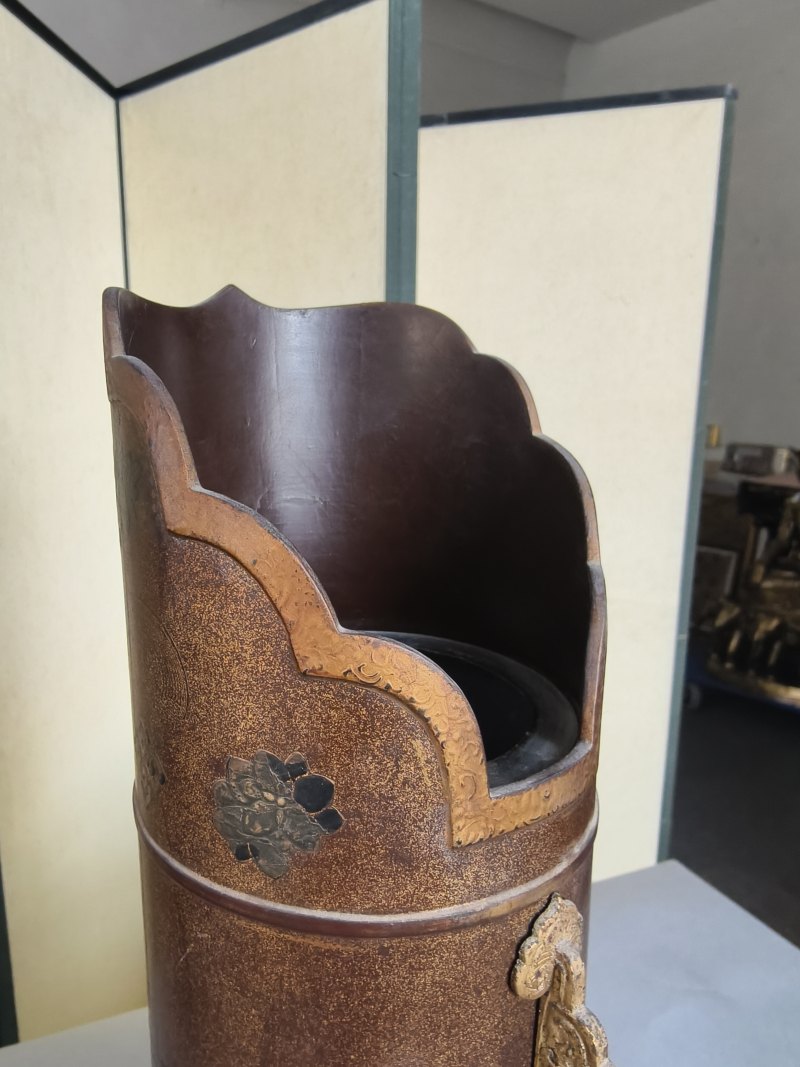
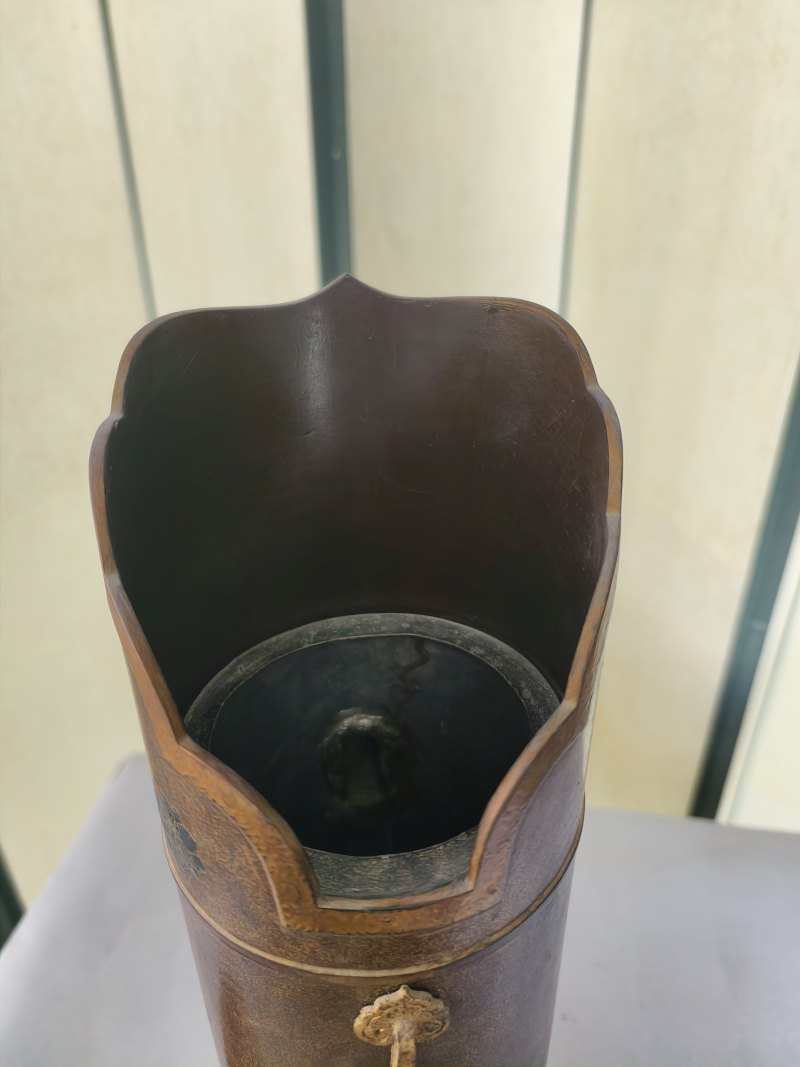
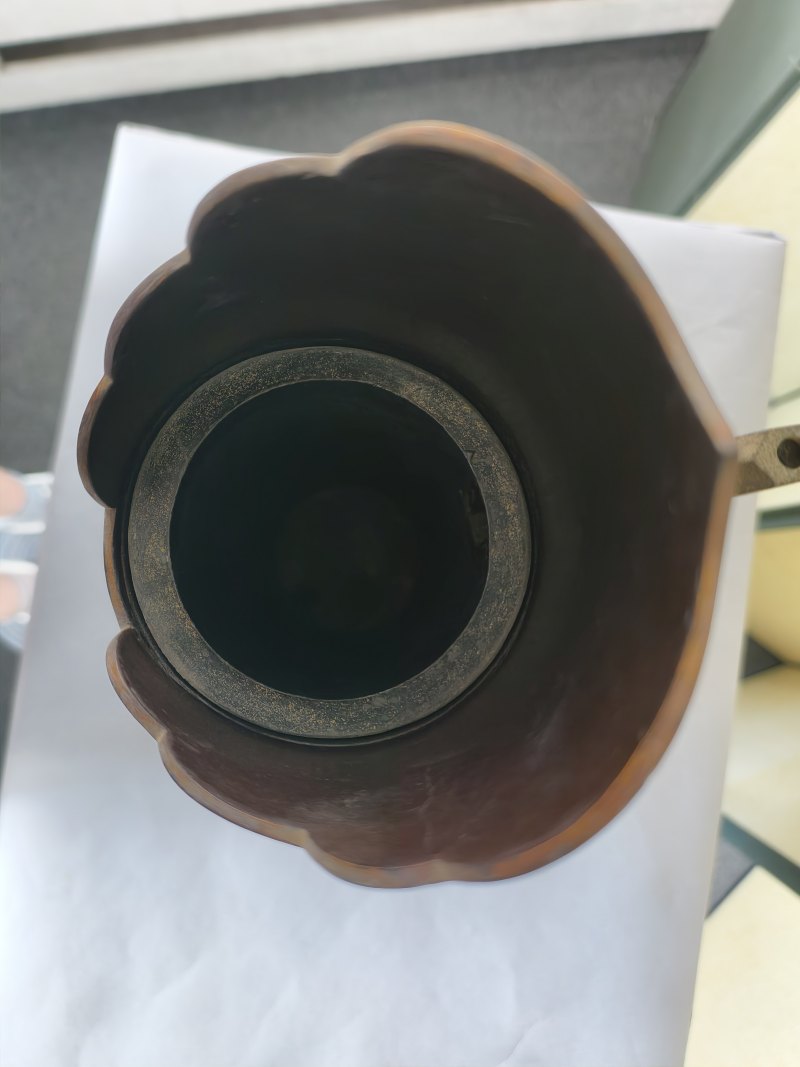
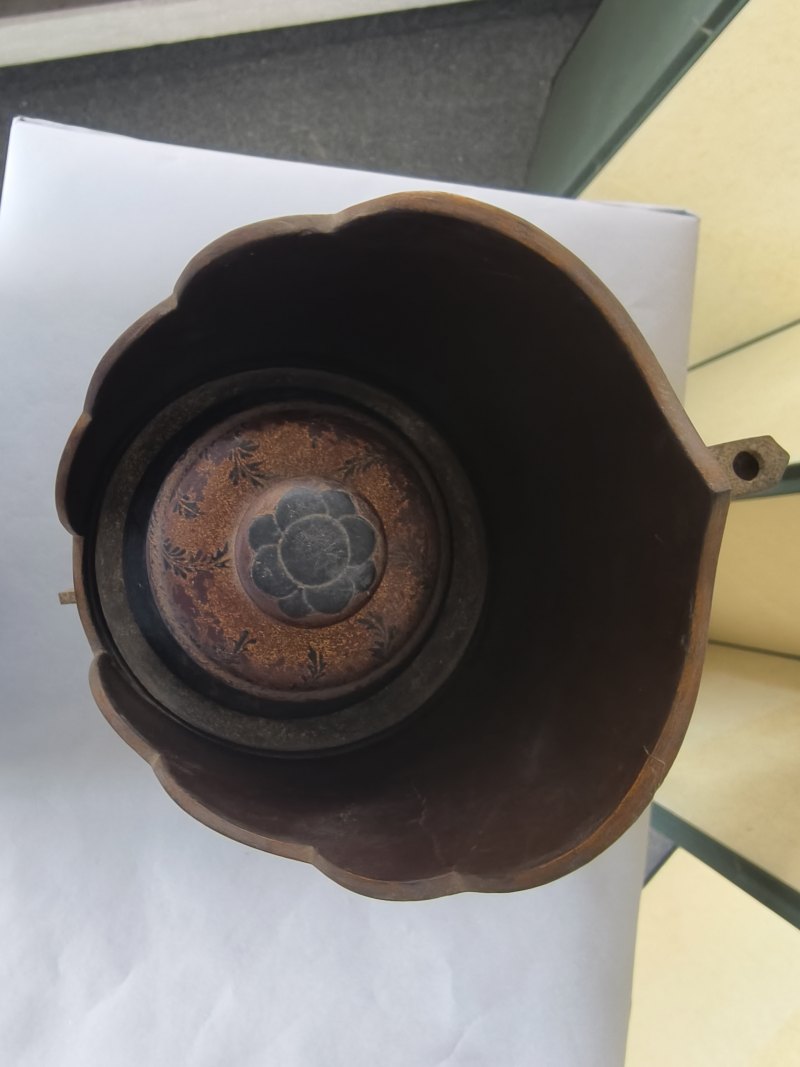
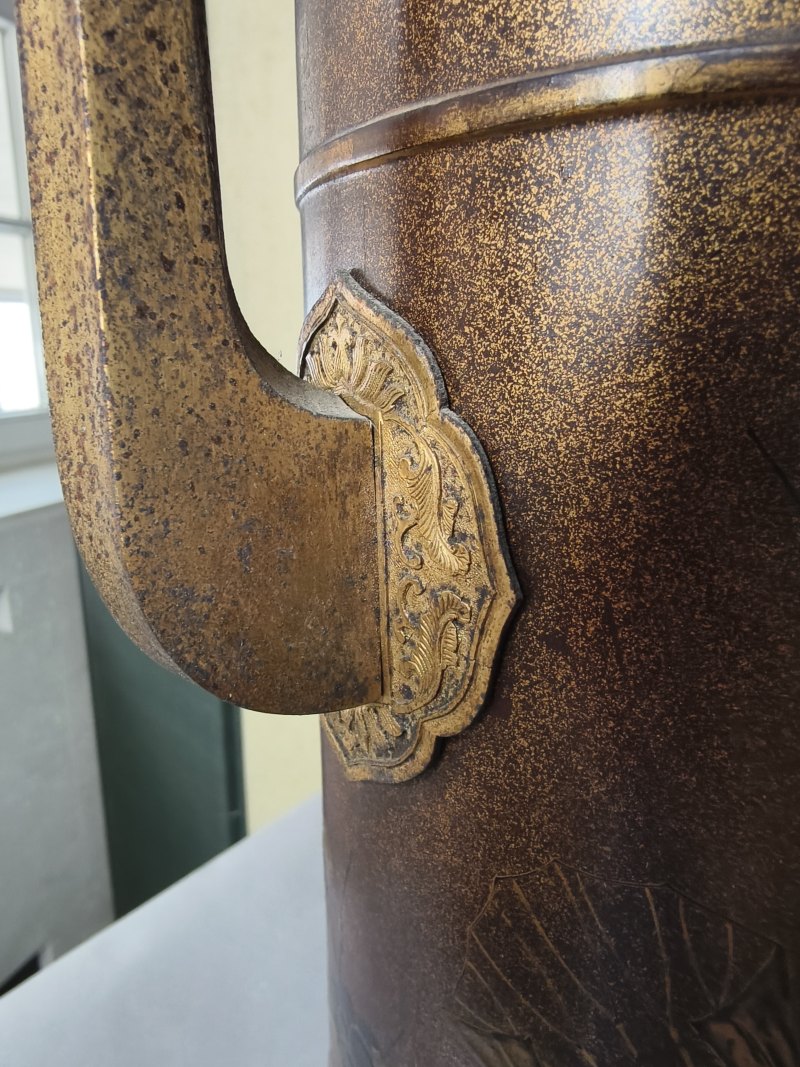
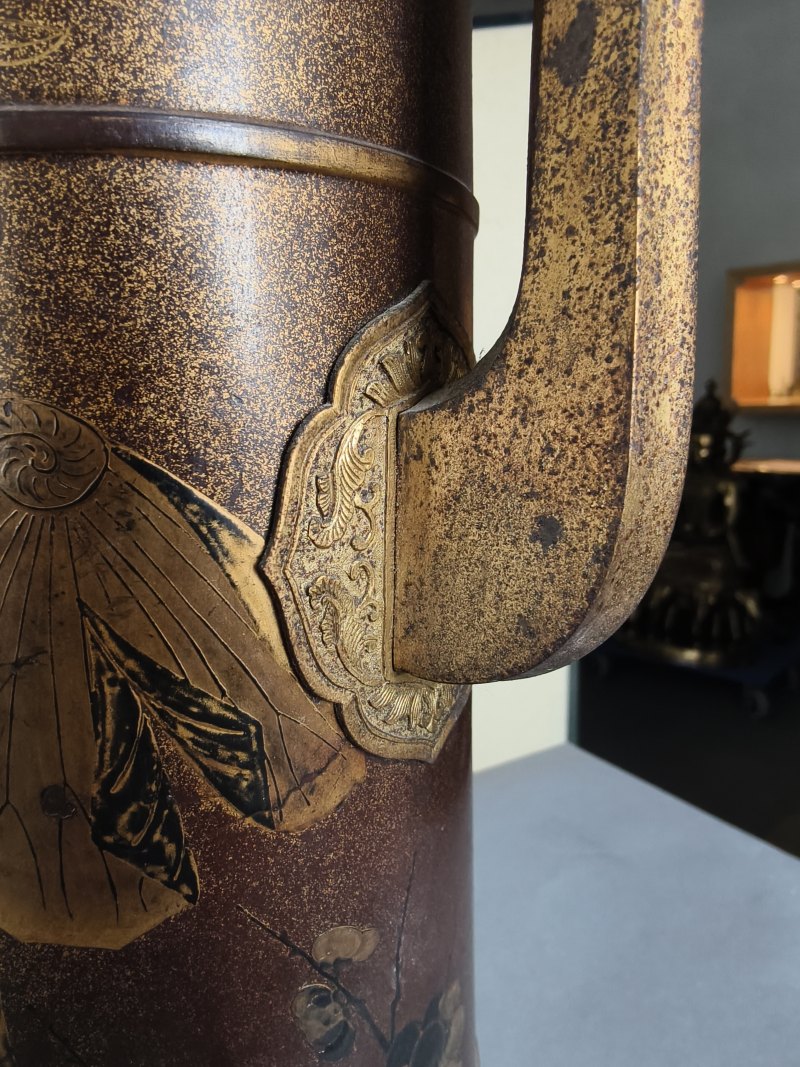
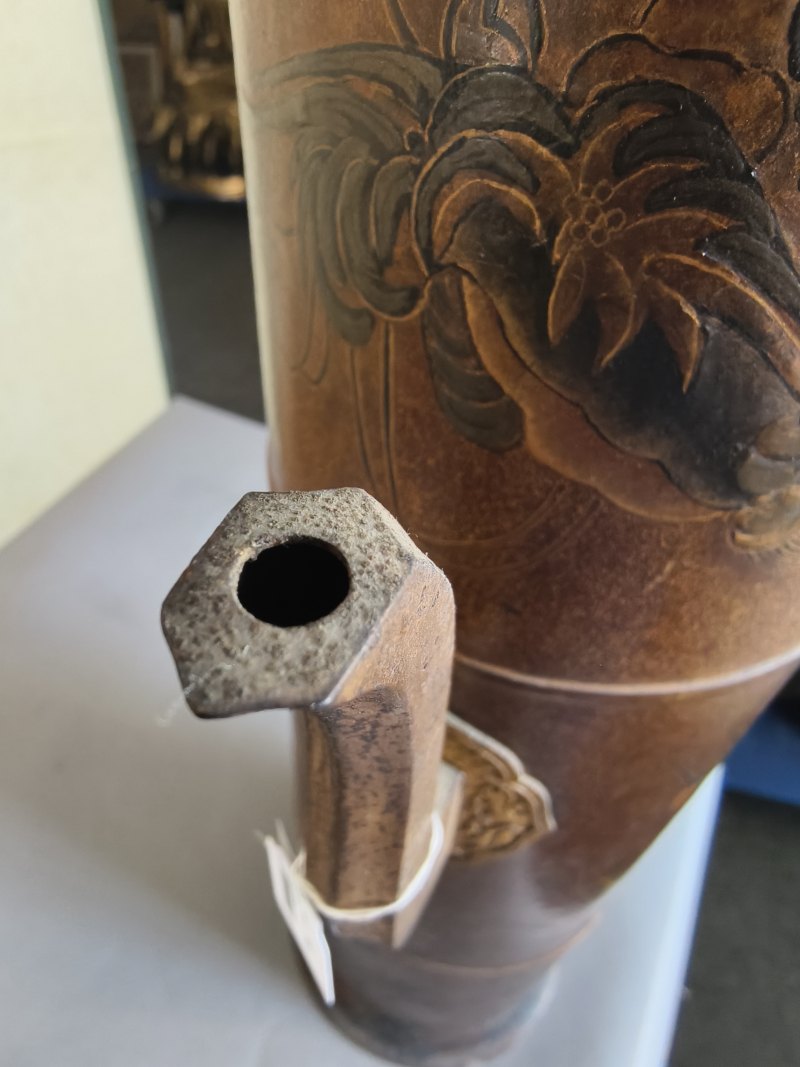
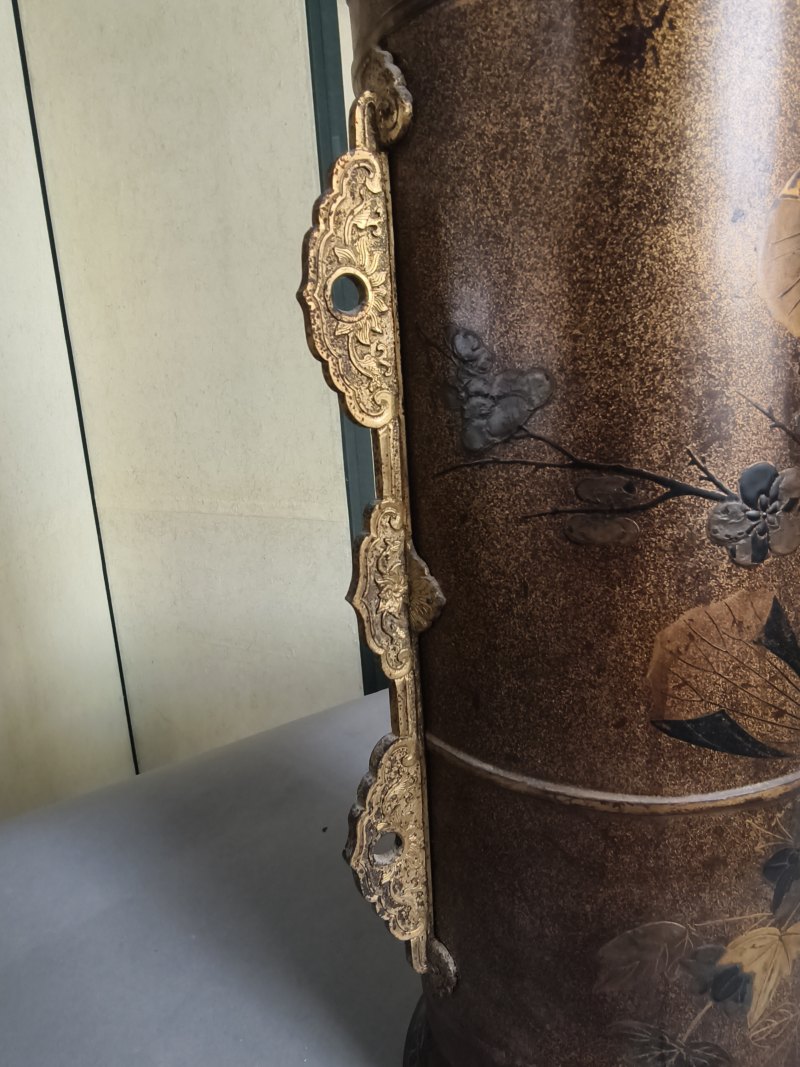
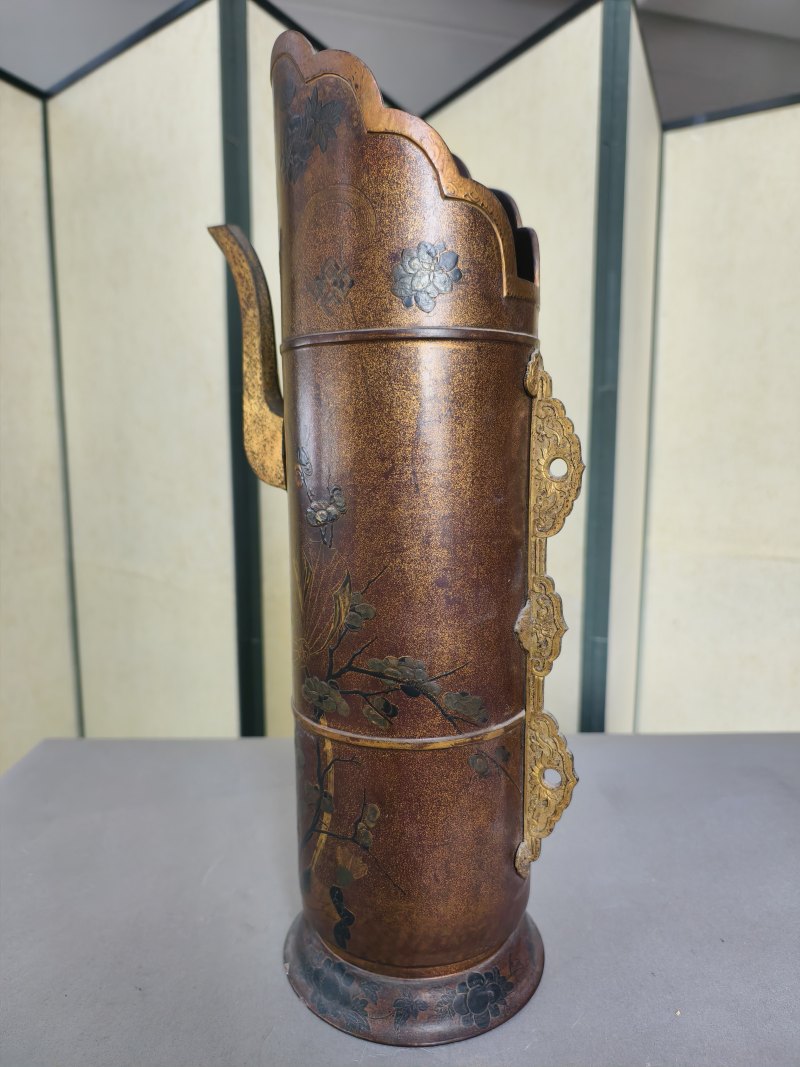
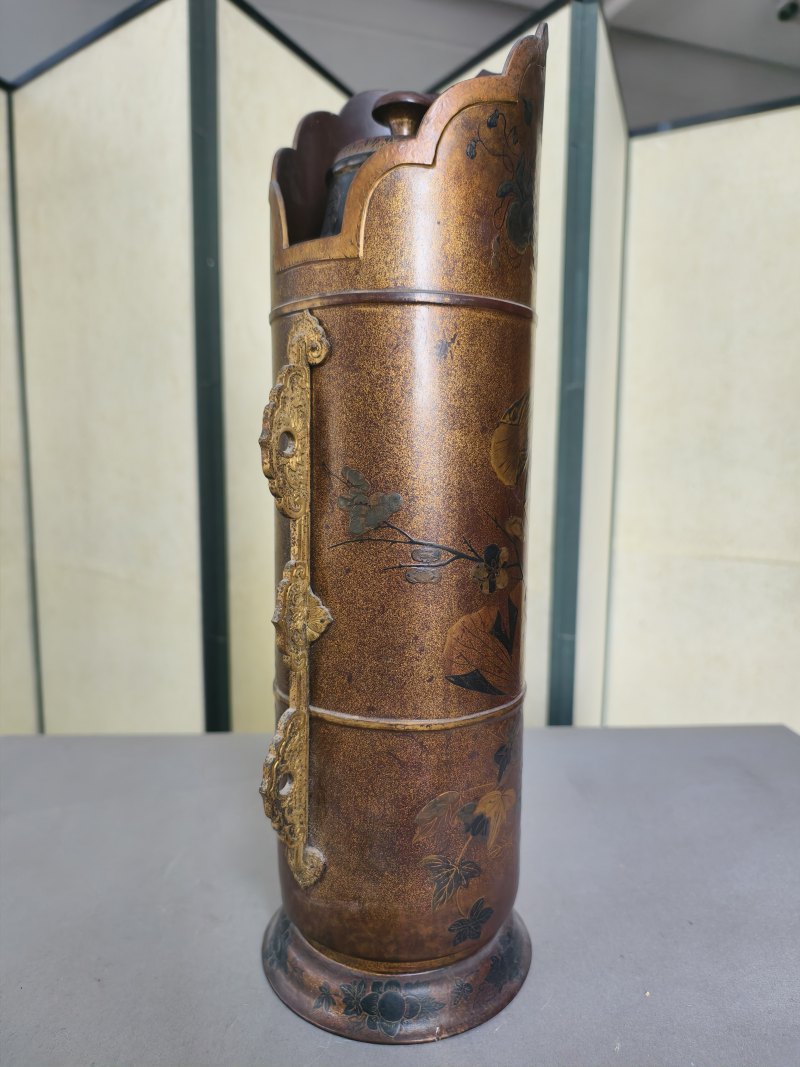
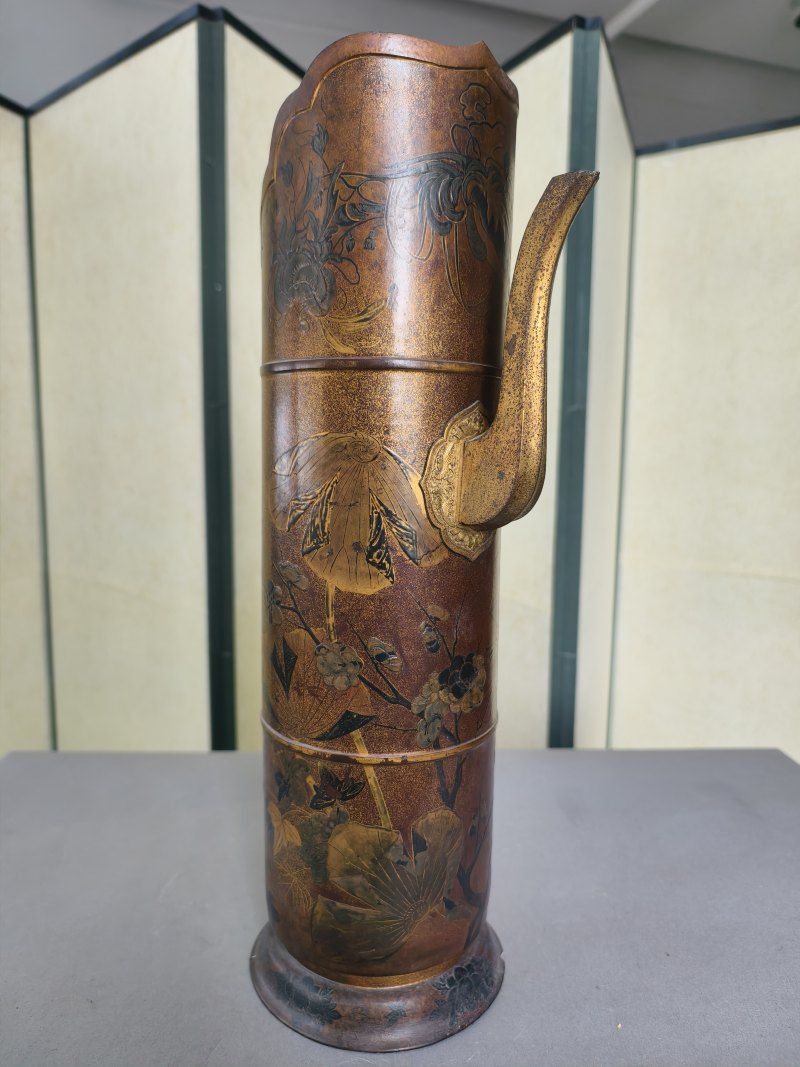
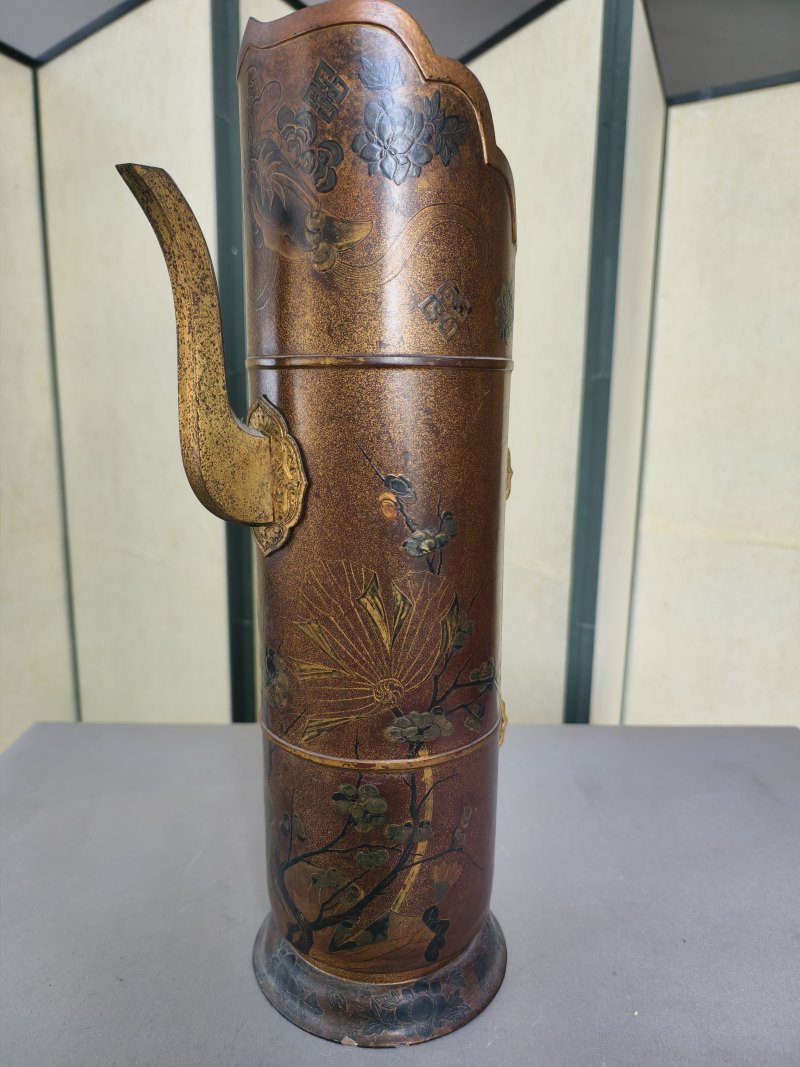
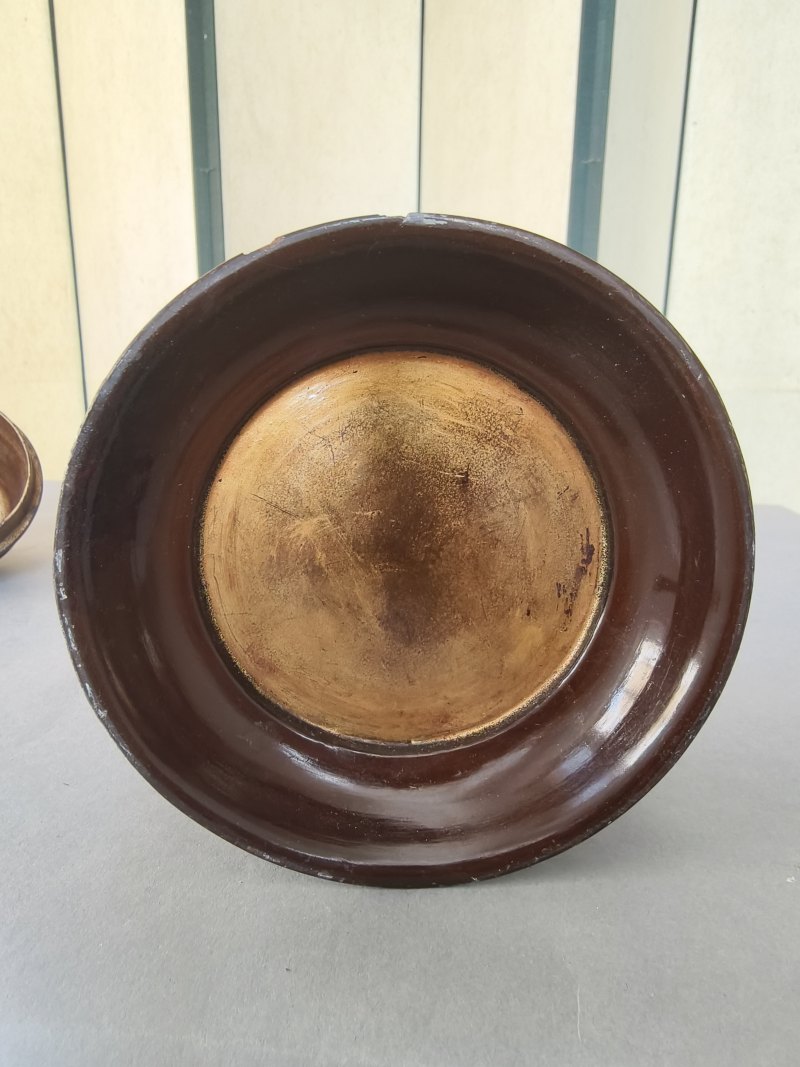
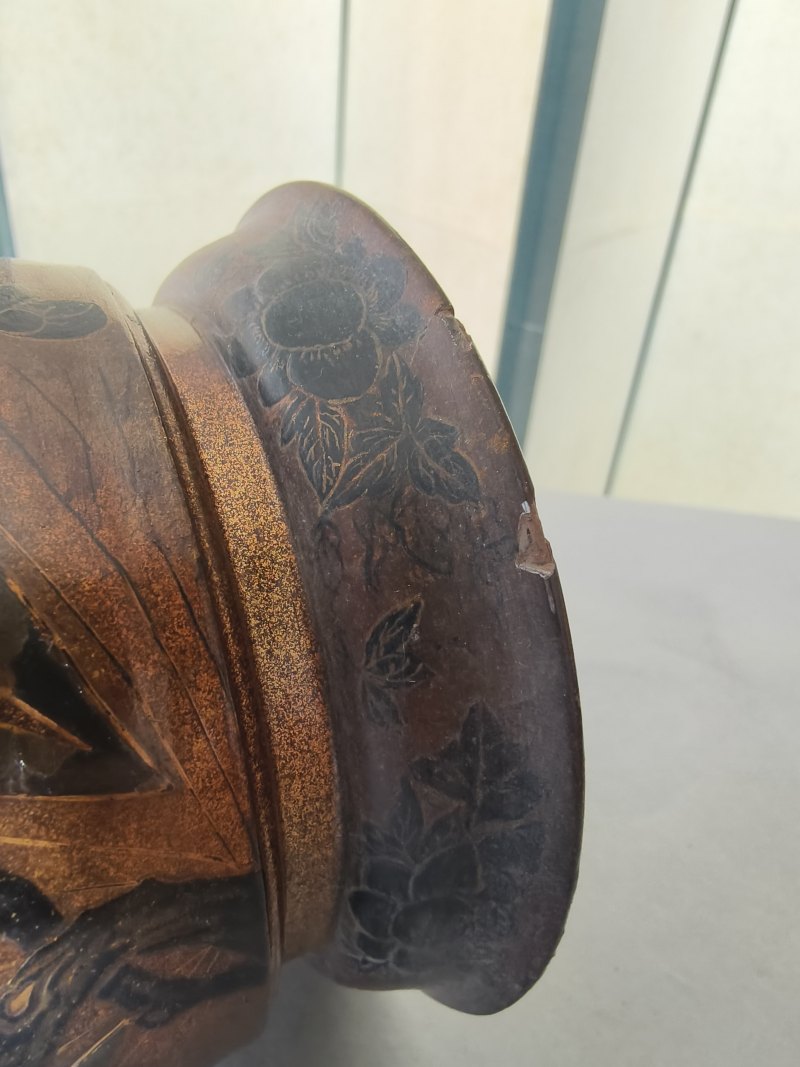
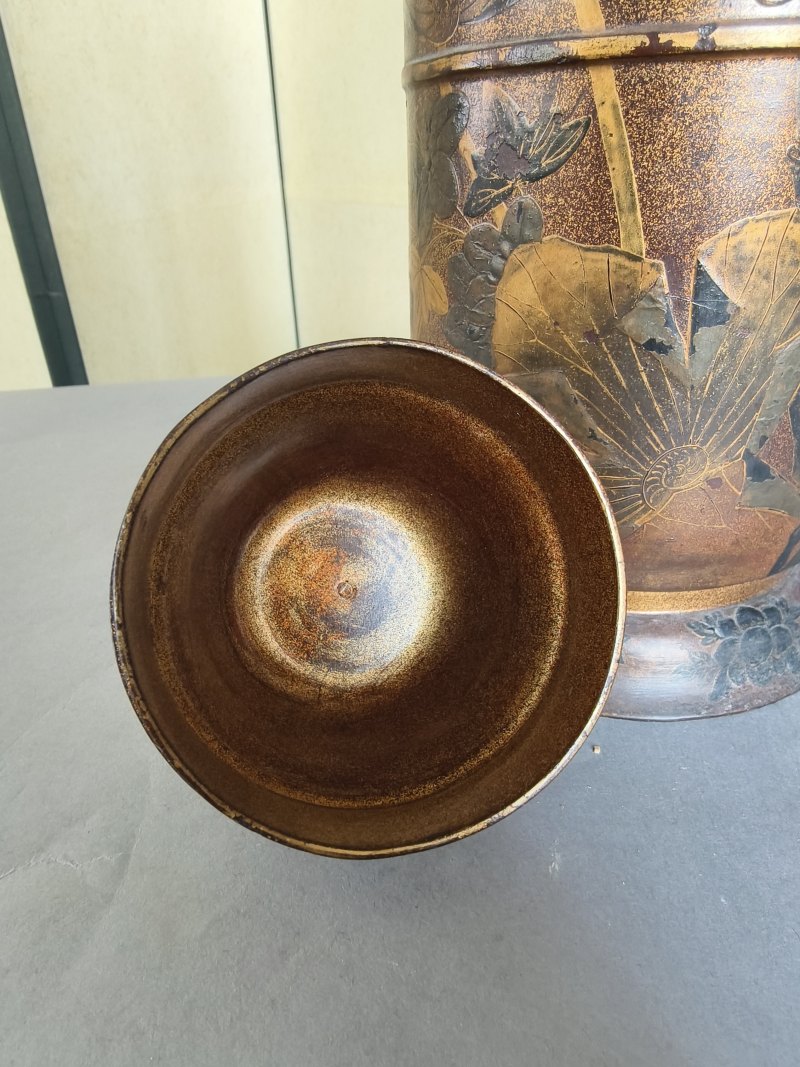
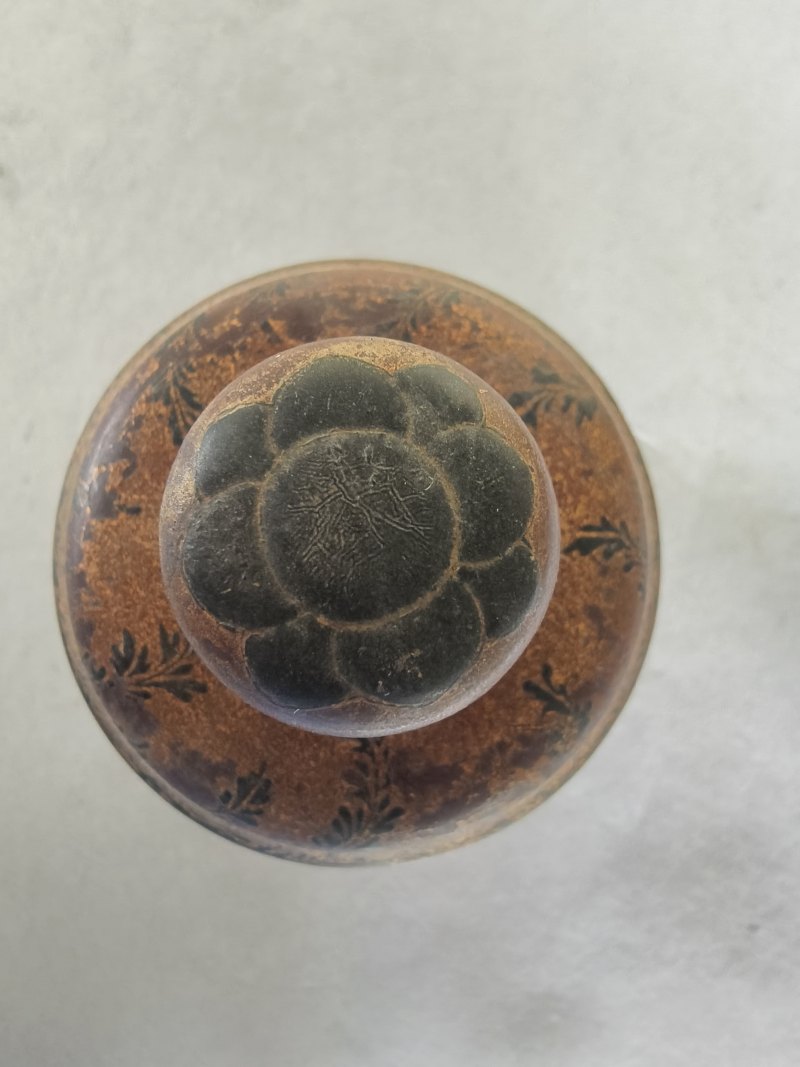
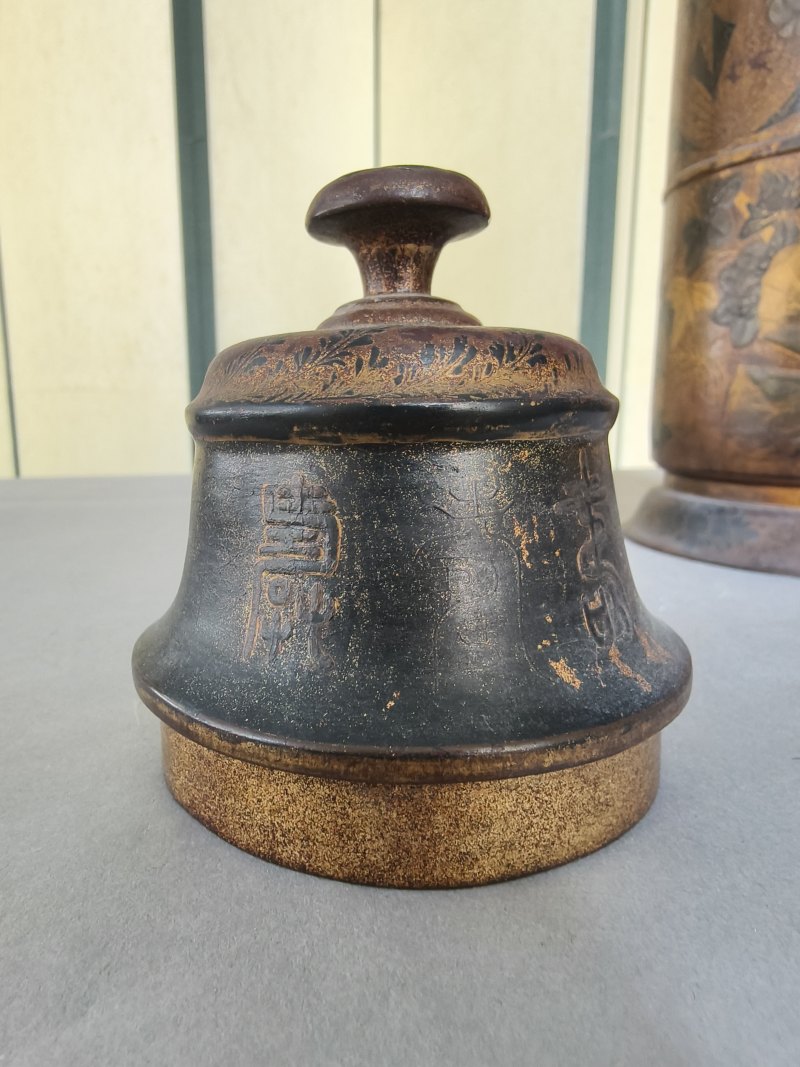
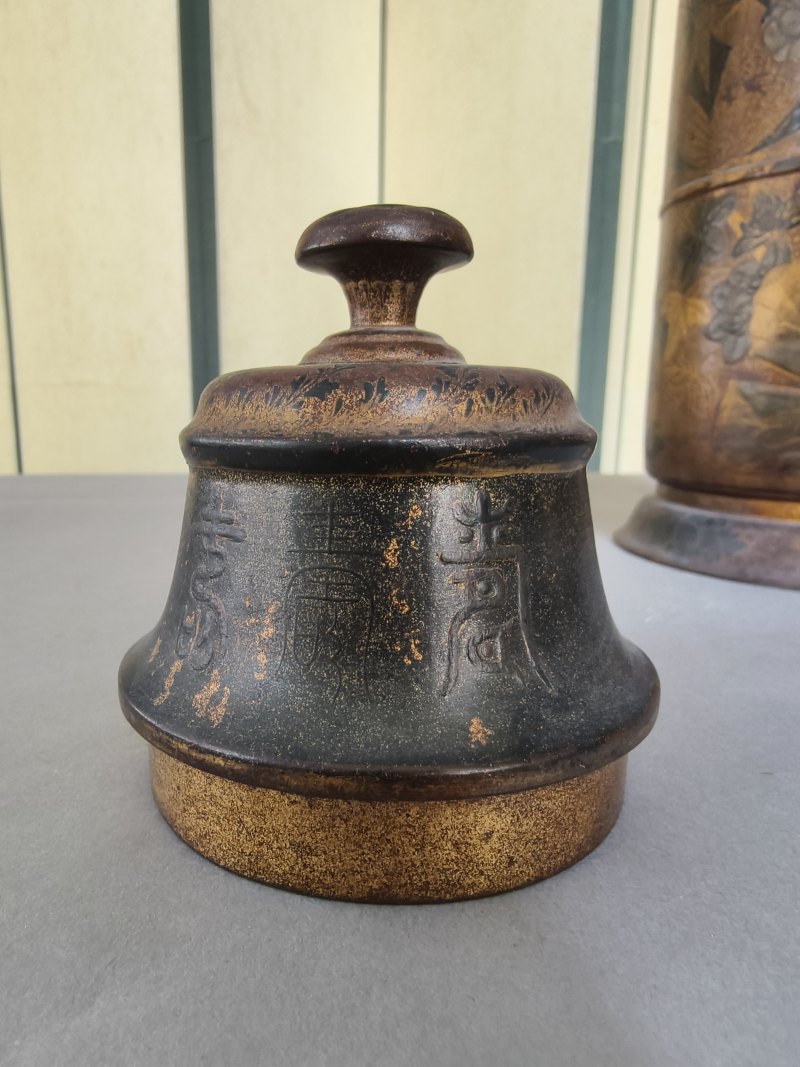
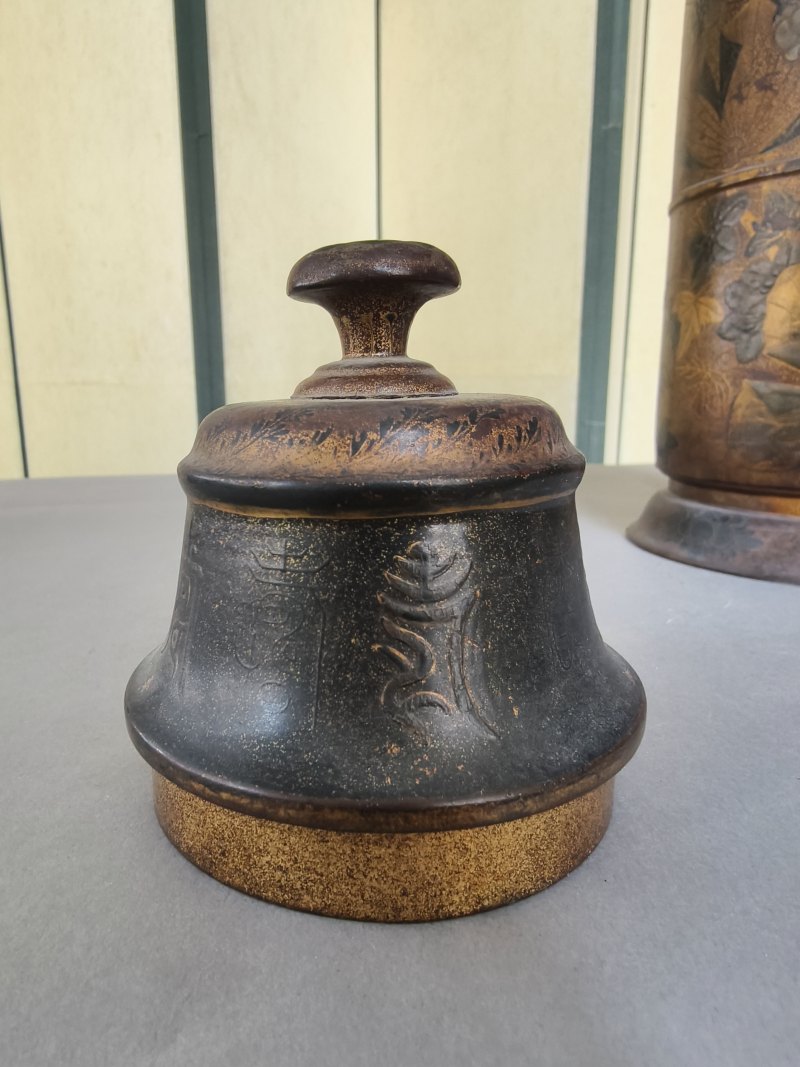
Lot 882 A very rare lacquer and gilt-bronze duomuhu jug with cover
落槌价
****
成交价
****
拍品信息
拍品名称
A very rare lacquer and gilt-bronze duomuhu jug with cover
起拍价
EUR 1,200
估值区间
1.200 - 1.800
尺寸
未知
品相
未知
更多信息
Description:
China, 18th century
H. 44,5 cm
From old German diplomatic property, inherited by the current owners
The shape of the duomuhu is derived from a Tibetan model, the "Bey Lep", which was used to store milk tea in Lamaist monasteries. In China, it looks back on a long history that began in the Yuan Dynasty, when the religion was first introduced under Kublai Khan. A Qingbai jug of this shape, which was excavated from a Yuan-era site, is now in the Capital Museum in Beijing and is illustrated in "Zhongguo Wenwu Jinghua Da Cidian, Ceramics", no. 614. The pillar-shaped Tibetan jug does not appear to have been particularly popular during the Ming dynasty, even in reigns when Tibetan Buddhism was flourishing. However, during the Qing dynasty, under Emperor Kangxi and his renewed interest in Tibet and Tibetan Buddhism, vessels in this duomu jug shape appeared in metalwork and porcelain, lacquer jugs of this type are very rare. The Tibetan name for this type of vesseläß means "container for butter", but they were also used for milk and wine - Part. minor old restorations, minimal wear, traces of of age
China, 18th century
H. 44,5 cm
From old German diplomatic property, inherited by the current owners
The shape of the duomuhu is derived from a Tibetan model, the "Bey Lep", which was used to store milk tea in Lamaist monasteries. In China, it looks back on a long history that began in the Yuan Dynasty, when the religion was first introduced under Kublai Khan. A Qingbai jug of this shape, which was excavated from a Yuan-era site, is now in the Capital Museum in Beijing and is illustrated in "Zhongguo Wenwu Jinghua Da Cidian, Ceramics", no. 614. The pillar-shaped Tibetan jug does not appear to have been particularly popular during the Ming dynasty, even in reigns when Tibetan Buddhism was flourishing. However, during the Qing dynasty, under Emperor Kangxi and his renewed interest in Tibet and Tibetan Buddhism, vessels in this duomu jug shape appeared in metalwork and porcelain, lacquer jugs of this type are very rare. The Tibetan name for this type of vesseläß means "container for butter", but they were also used for milk and wine - Part. minor old restorations, minimal wear, traces of of age