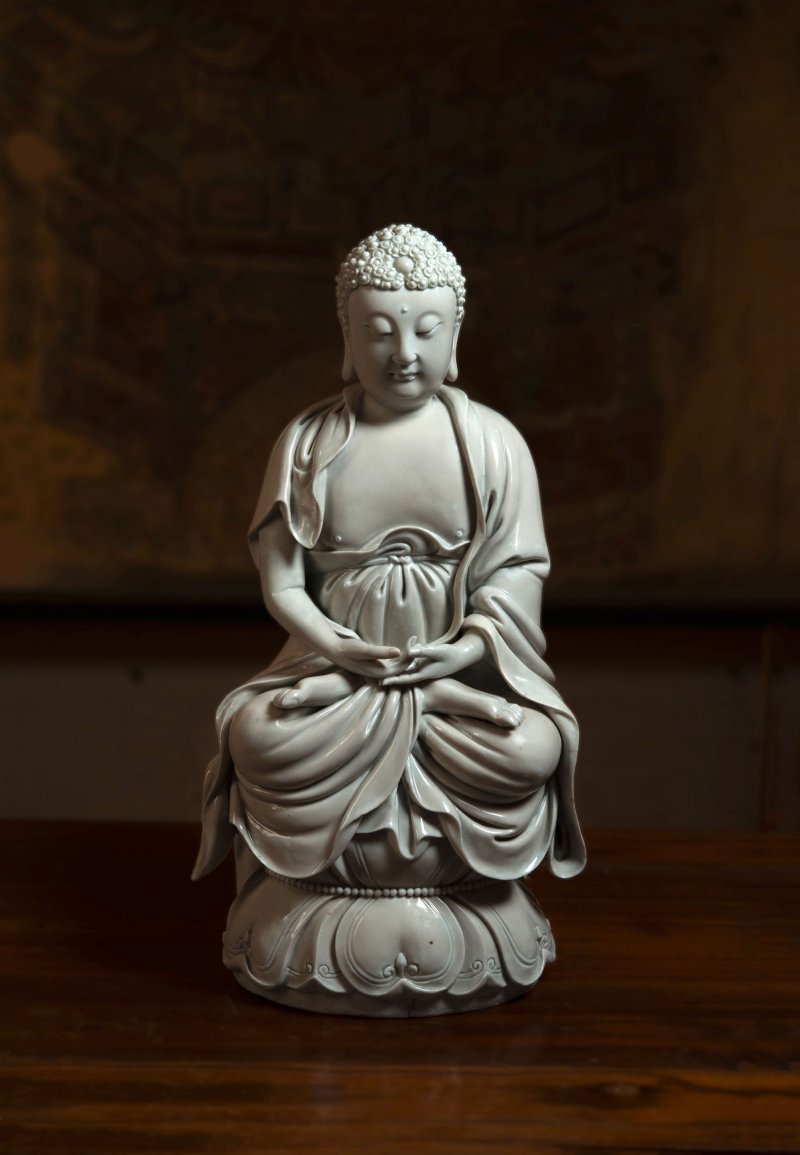

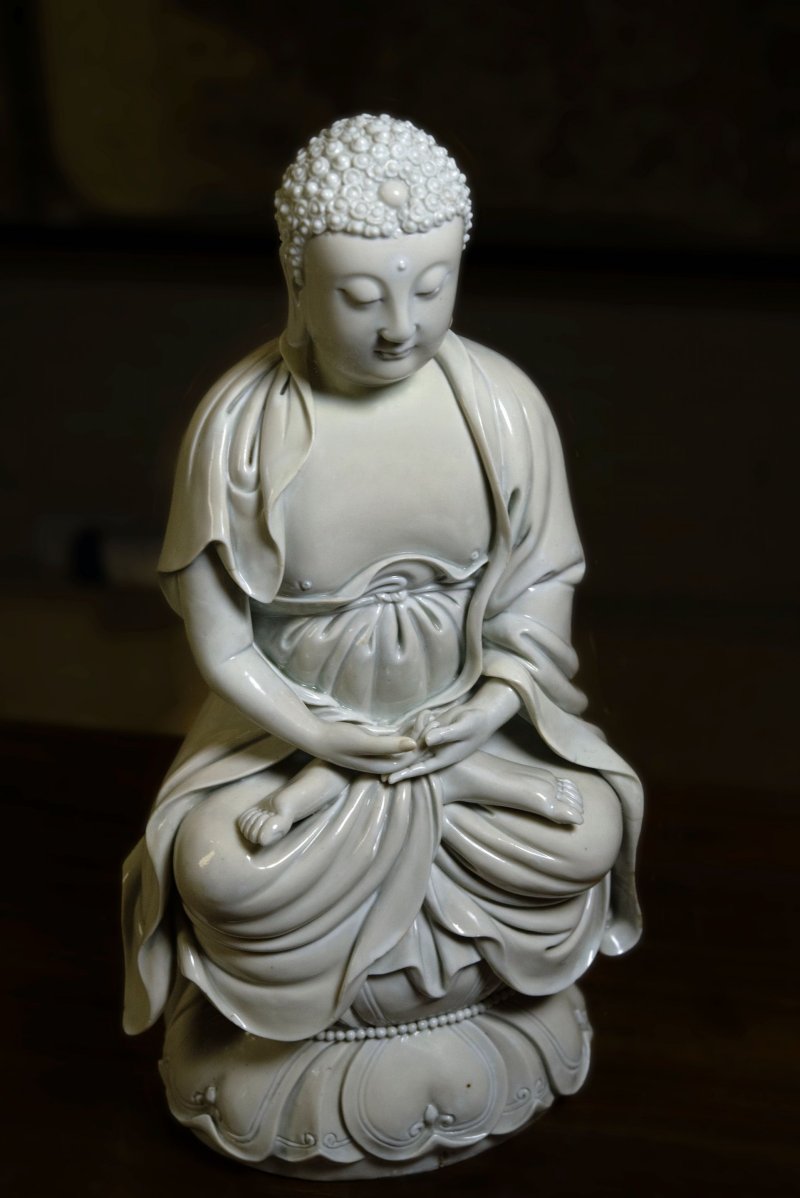
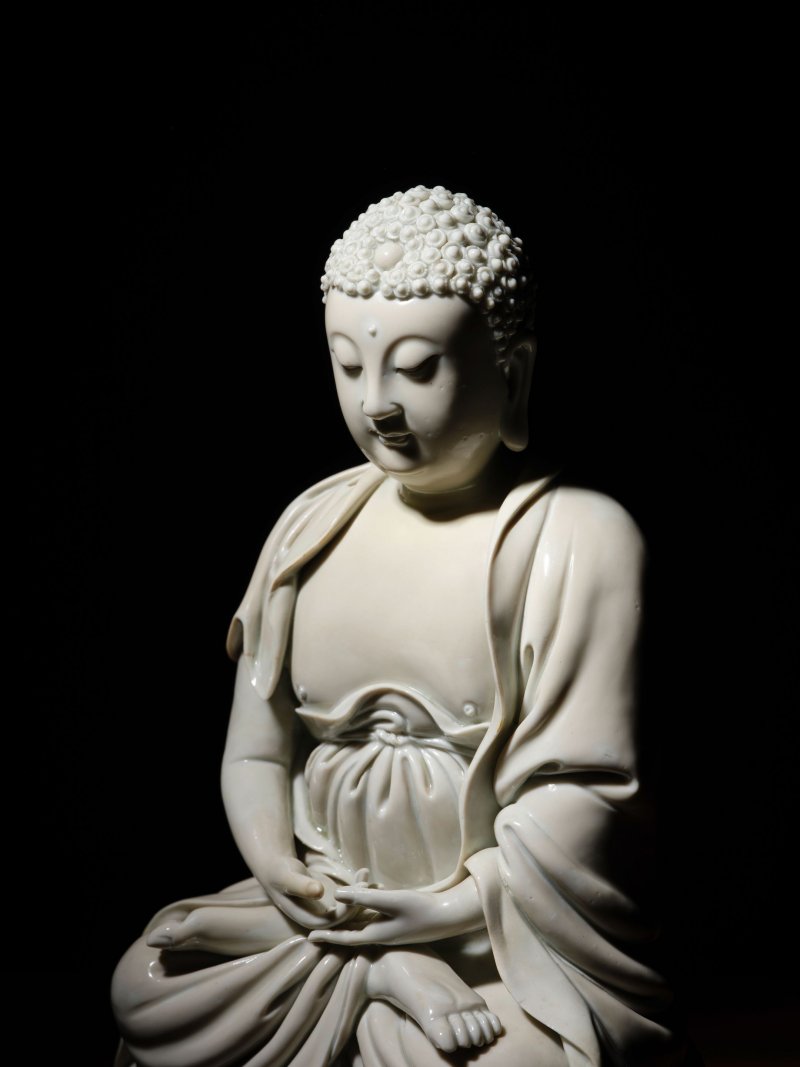
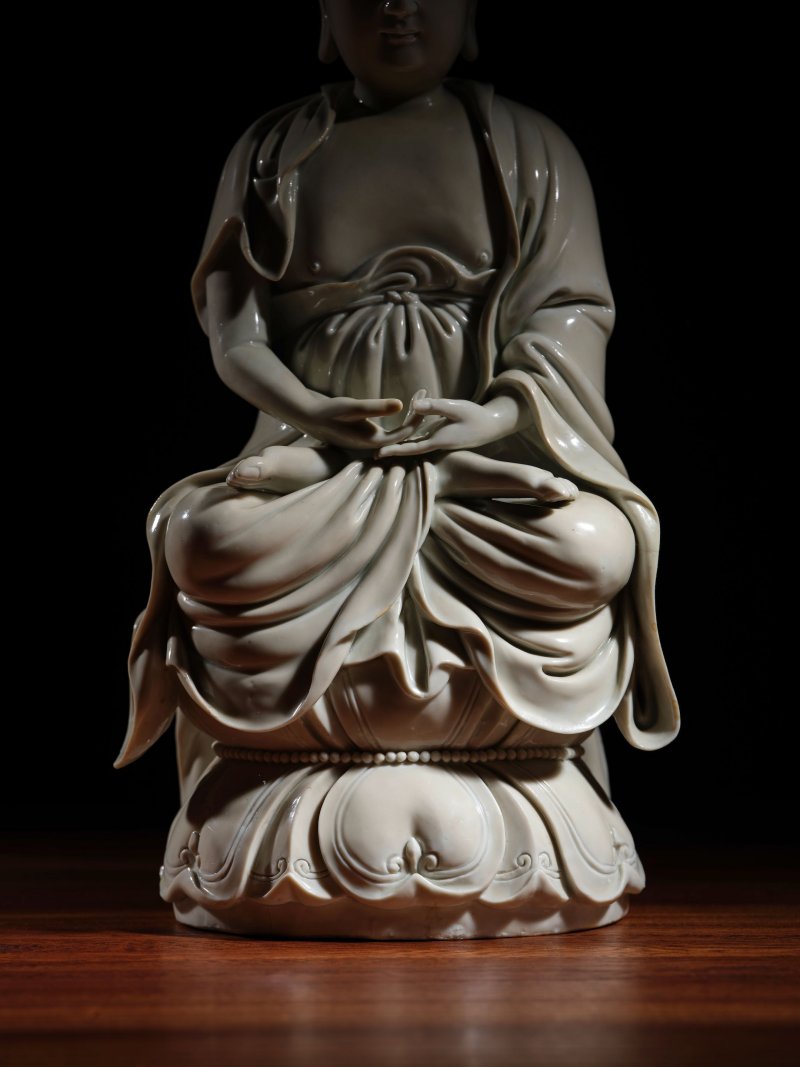
Lot 101 明十六/十七世紀 德化白釉釋迦牟尼佛坐像 | AN IMPORTANT DEHUA FIGURE OF SHAKYAMUNI BUDDHA
落槌价
预展中
成交价
预展中
| 拍卖公司 | 邦瀚斯 |
|---|---|
| 拍卖时间 | 2026年10月28日 |
拍品信息
拍品名称
明十六/十七世紀 德化白釉釋迦牟尼佛坐像 | AN IMPORTANT DEHUA FIGURE OF SHAKYAMUNI BUDDHA
年代
Impressed He Chaozong mark, Ming Dynasty, 16th/17th century
起拍价
HKD 2,500,000
估值区间
HKD 2500000 - 3000000
尺寸
未知
品相
未知
更多信息
Impressed He Chaozong mark, Ming Dynasty, 16th/17th century
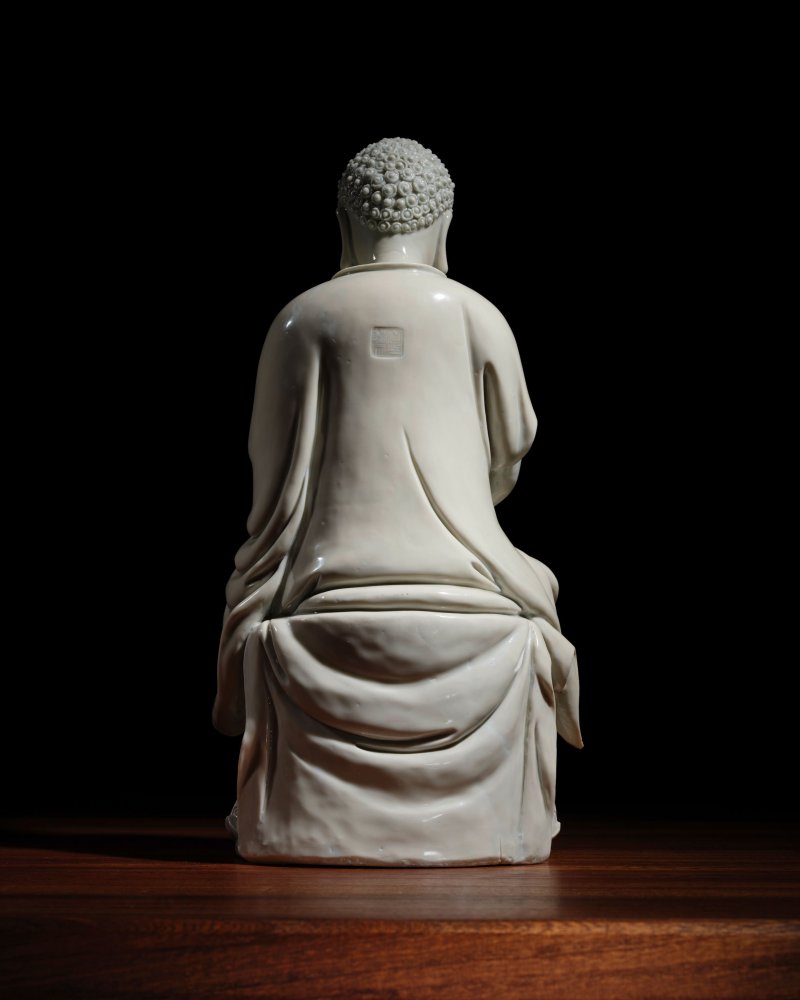
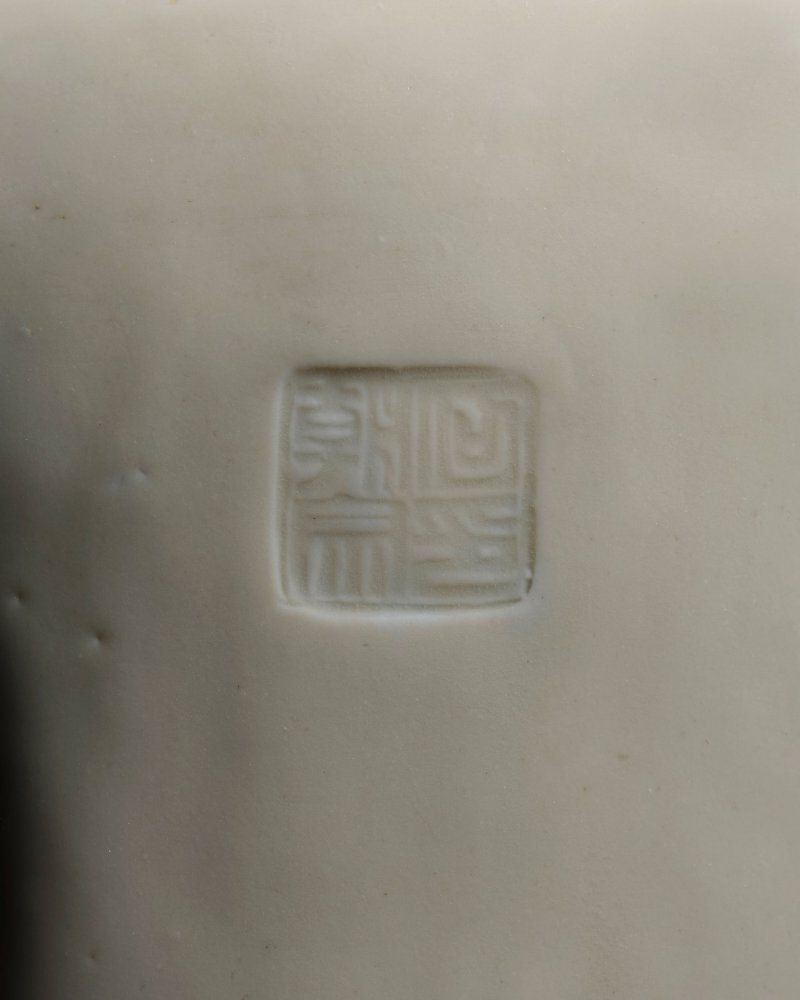
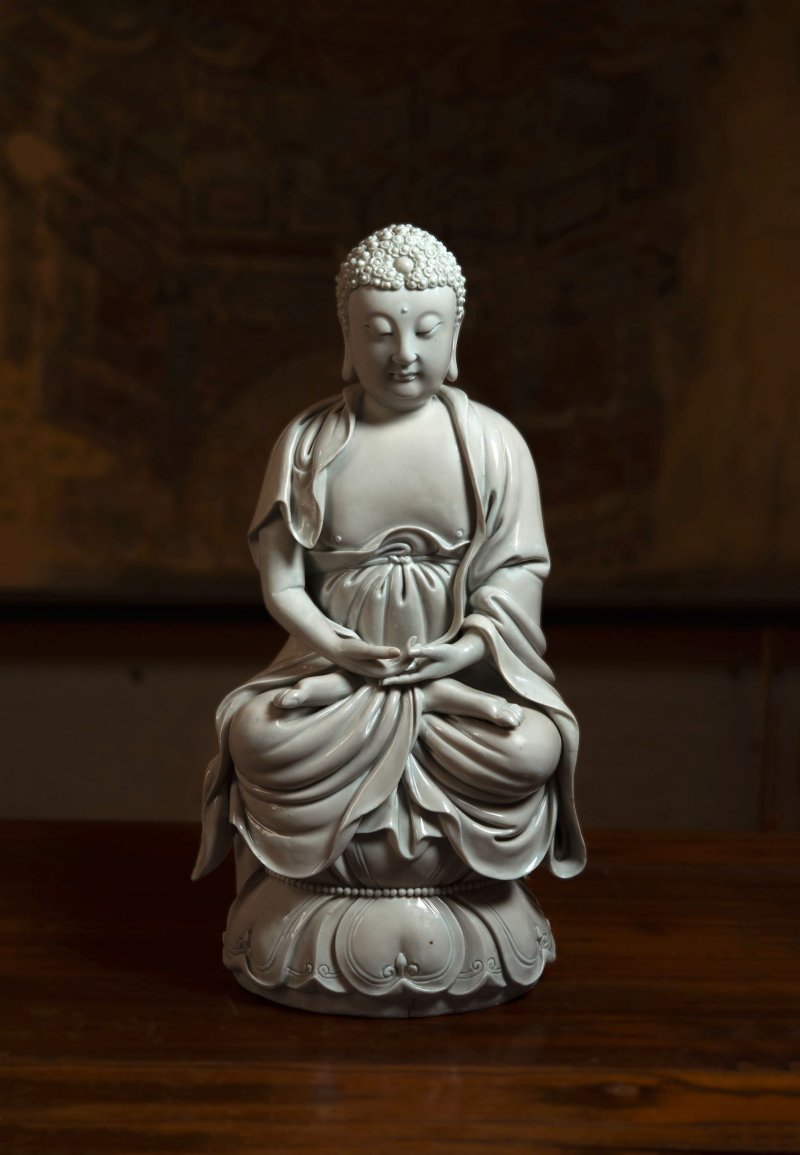
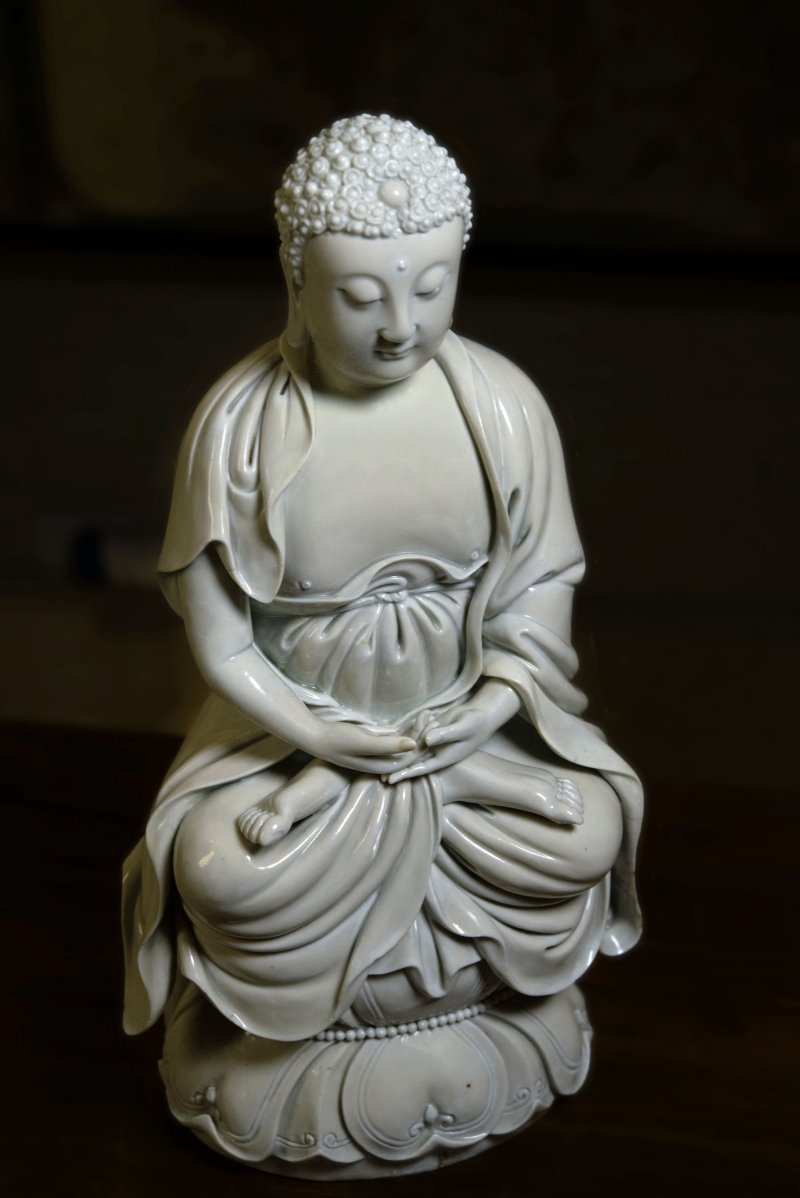
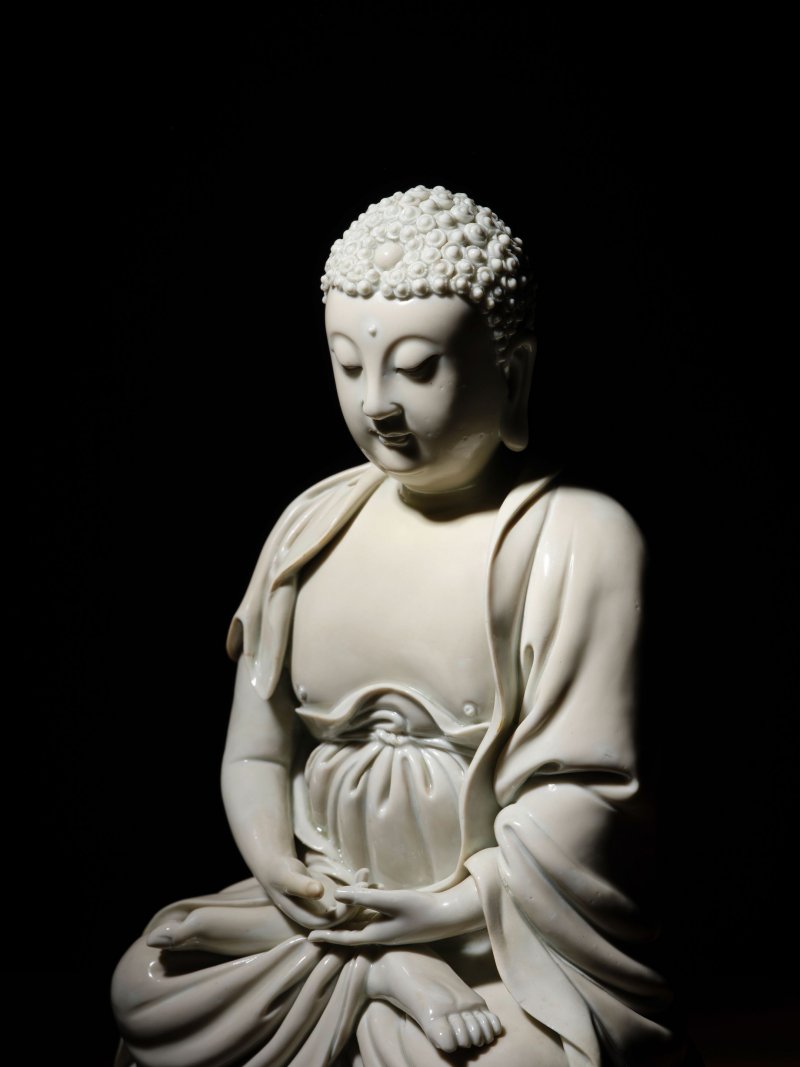
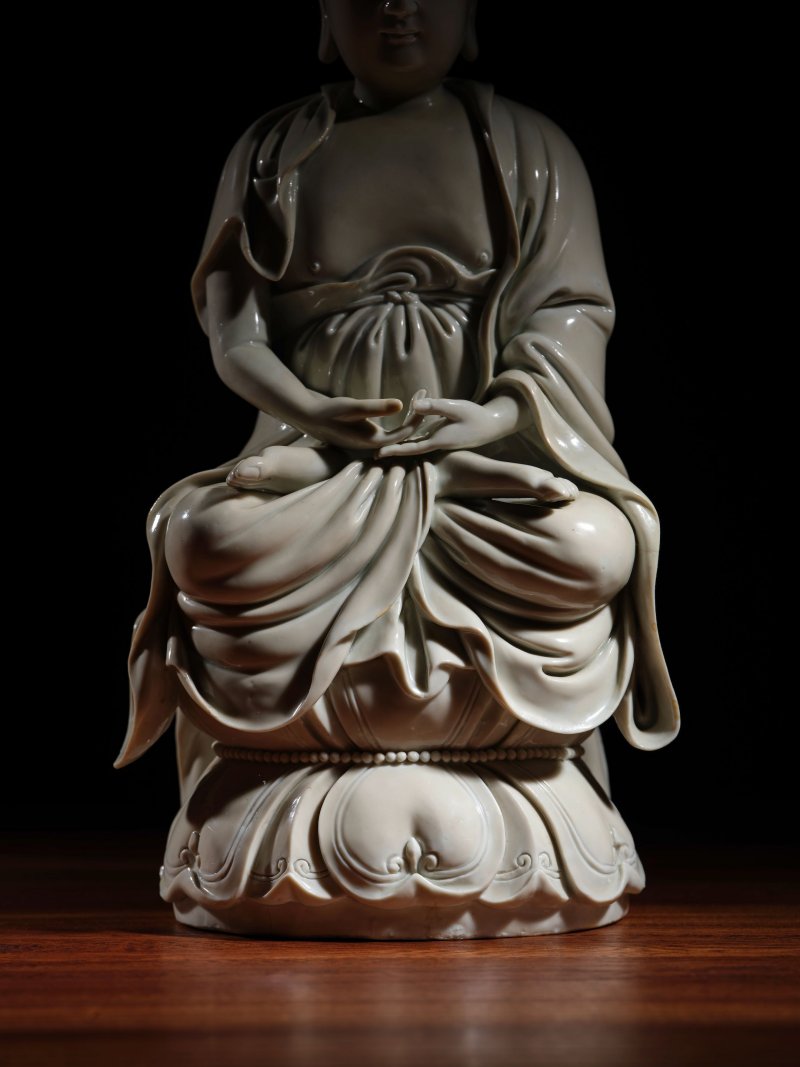
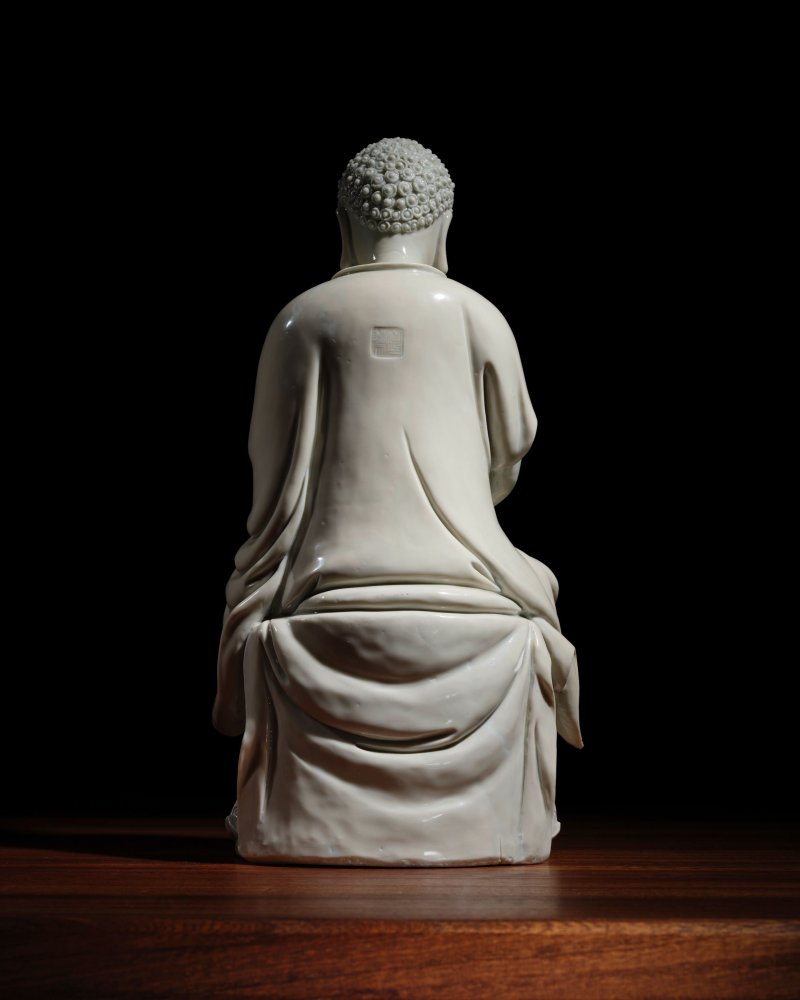
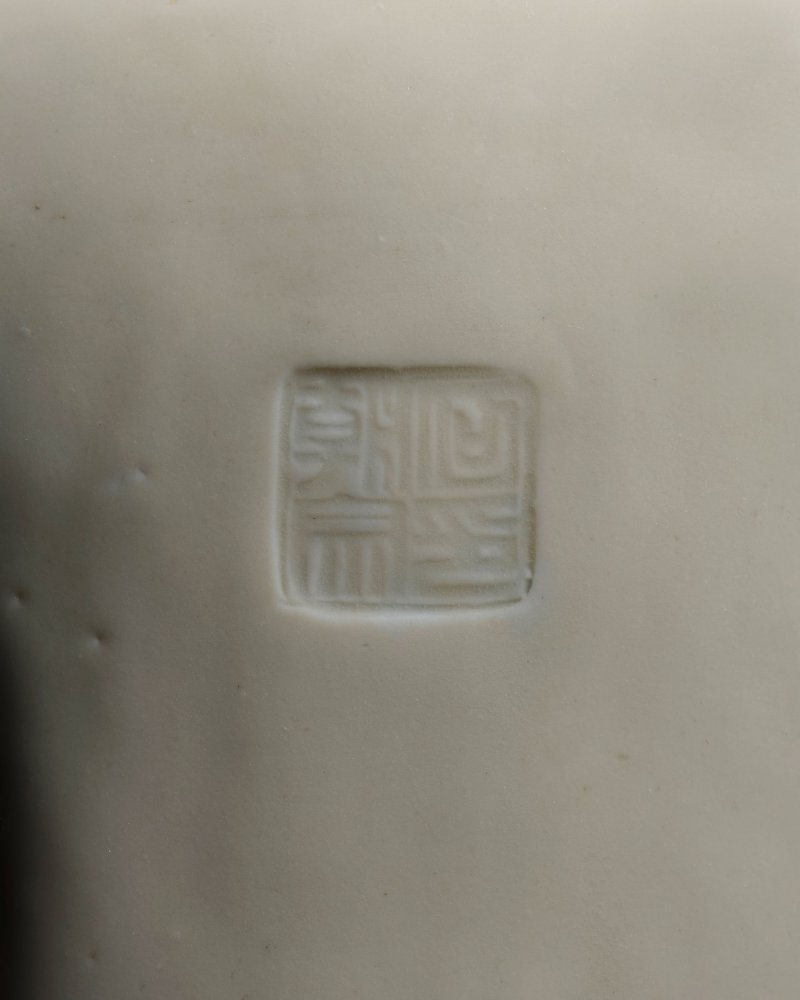
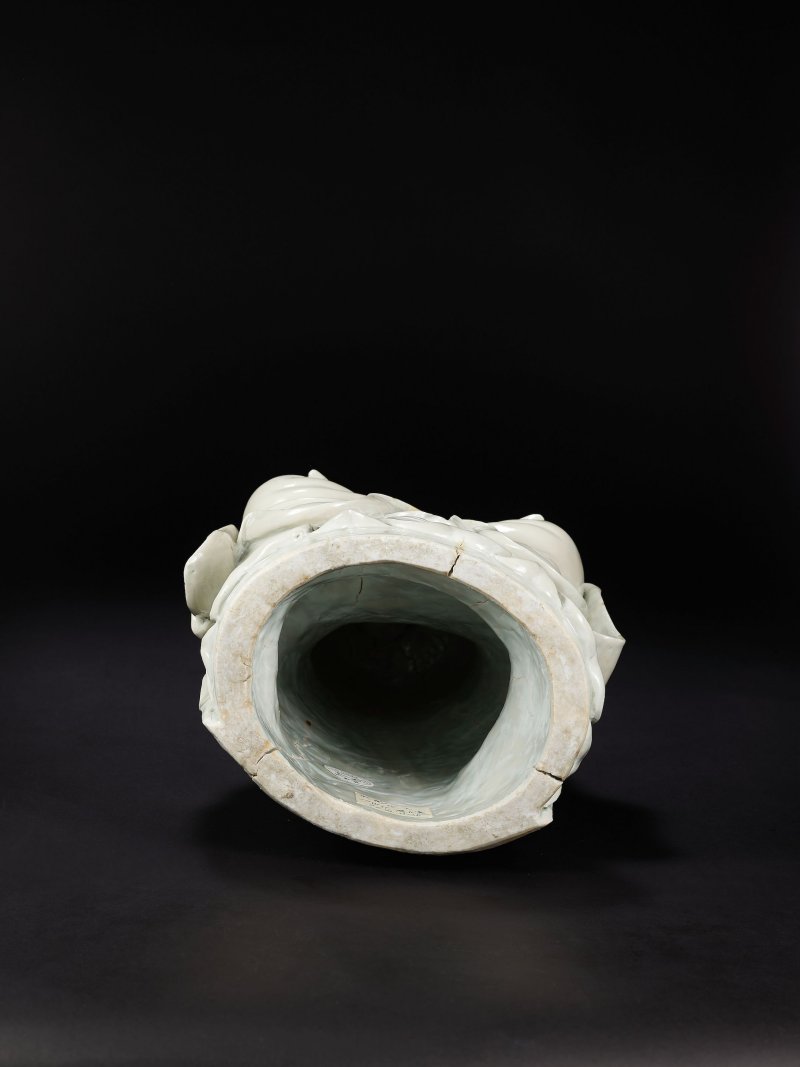
Superbly modelled, the historical Buddha portrayed seated in full dhyanasana upon a deeply sculpted double-lotus pedestal with two tiers of upright and inverted lotus petals divided by a central beaded band, his hands resting quietly in the lap in dhyanamudra, the softly rounded face sculpted with a serene, introspective expression, featuring downcast eyes beneath subtly arched brows, flanked by long pendulous earlobes and surmounted by tightly defined snail-shell curls surrounding the protuberant ushnisha, his chest left partially open to reveal the tied waist-sash of the inner dhoti, beneath voluminous monastic robes that sweep gracefully over both shoulders, the drapery rendered with exceptional fluidity and rhythmic weight, cascading in heavy, overlapping folds across the crossed legs and pooling over the rim of the throne, covered overall in an exceptionally lustrous, warm ivory-white glaze, the centre of the back impressed with a He Chaozong yin mark within a square, fitted box.
36cm (14 1/8in) high.
Footnotes
明十六/十七世紀 德化白釉釋迦牟尼佛坐像
「何朝宗印」款
Provenance:
Collection of Hideo Matsushita(1919-2013), Japan
Daijindo Gallery, Tokyo, 1997
XianJu Shuzhai Collection, 1997
Acquired in 2005
日本名收藏家松下秀雄(1919-2013年)
大仁堂,東京,1997年
閒居書齋收藏,1997年
2005年購藏
Hideo Matsushita (1919-2013) was a distinguished Japanese industrialist and the founder of Audio-Technica Corporation, which he established in Tokyo in 1962. Beyond his commercial achievements, Matsushita was a passionate connoisseur and refined collector of Asian art, assembling a prestigious collection of fine Chinese ceramics, Buddhist sculptures, and scholarly works over several decades. Celebrated for his discerning eye and reverence for craftsmanship, works from his collection are widely recognised for their exceptional quality. See for example, a dry-lacquer head of Avalokitesvara, Tang dynasty from his collection, which was sold at Sotheby's Hong Kong, 3 April 2017, lot 3015 and later exhibited in Eskenazi Ltd., London, 2024, cat.no.1.
The present lot is exceptionally rare and appears to be the only recorded figure of a seated Shakyamuni Buddha of this scale in private hands. Only one other closely related but large figure of Buddha is known, previously owned by Dr Otto Burchard, who dealt in Chinese art in Berlin and New York in the 1920s: a Dehua figure of a Buddha with hands held in , impressed He Chaozong mark, 16th/early 17th century (45.4cm high), published in O.Burchard, , Berlin, 1925, no.45, which was subsequently sold at Christie's Hong Kong, 2 December 2015, lot 2912. Both figures exhibit identical details in the upturned collars, precisely finished fingers, drapery schematics, and an extraordinarily refined, thin-glaze technique over the finely carved curls. It is also interesting to note another Dehua figure of Buddha, with a different mudra, late Ming dynasty, formerly with Dr Otto Burchard, which was sold in , Berlin, 6 May 1935, no.1072 (32.5cm high). Compare also a seated He Chaozong figure of Guanyin raised on a closely related lotus pedestal, also rendered with heavy, voluminous robes with deep, sweeping folds that drape gracefully over her crossed legs, formerly in the Ira and Nancy Koger collection and now preserved at the Ringling Museum, Sarasota, Florida, acc.no.SN11122.81, published by R.H.Blumenfield, , Toronto/Berkeley, 2002, p.130, pl.A and front cover.
Imbued with a profound spiritual stillness, this superb figure exemplifies the pinnacle of Dehua porcelain sculpture. The drapery is sculpted with extraordinary fluidity, its deep, cascading folds conveying subtle motion against a quiet composure. A rich, warm ivory-toned glaze illuminates the deity, accentuating every delicate detail from the sensitive modelling of meditative expression to the meticulous rendering of the double-lotus pedestal. Such technical perfection and poetic grace represent the undeniable hallmark of He Chaozong - Dehua's most celebrated master.
Active during the Jiajing and Wanli reigns of the Ming dynasty, He Chaozong, also known as He Lai, is widely celebrated as the paramount master sculptor of the Dehua kilns. Synthesising classical techniques from clay modelling, wood carving, and stone sculpture, He Chaozong ingeniously adapted these diverse traditions to the unique properties of porcelain clay, ultimately giving rise to his iconic and widely revered 'He Style' (Hepai) aesthetic.
His exceptional status was already documented in Qing dynasty historical records; the Qianlong-period edition of the (Gazetteer of Jinjiang County) notes that . Similarly, the 1763 edition of the (Gazetteer of Quanzhou Prefecture) highlights his mastery in modelling figures of Buddhist deities, recording that his works were 'treasured throughout the realm'.
Masterpieces by He Chaozong were already held in high esteem by the Ming and Qing Imperial Courts. These figures were displayed, cherished, and worshipped within the Forbidden City and its Imperial compounds. Historical records indicate that at least sixteen Ming-dynasty Dehua white porcelain sculptures were preserved in the Qing Court Collection. According to the Qing Imperial records—including the (Imperial Display Archives) and the (Palace Museum Inventory Report)—Dehua figures bearing 'He Chaozong' marks were enshrined on Buddhist altars across various Imperial residences, such as the (Palace of Accumulated Purity), (Studio of Jade Elegance), and (Palace of Compassion and Tranquillity). For further discussions on this topic, see Sun Yue, 'The Research about Dehua Kiln Bodhisattva of the Palace Museum', , vol. 13, 2015, p. 353-367.
Compare a rare example in bronze of Shakyamuni Buddha, similarly modelled with a tight knot across the chest, precisely finished fingers and upturned collar, sold at Bonhams London, 11 May 2017, lot 108.
松下秀雄(1919-2013)為日本傑出實業家,於1962年在東京創立鐵三角公司(Audio-Technica Corporation)。商界成就之外,松下氏亦為雅好亞洲藝術之精鑑藏家,數十年來集藏明清瓷器、佛教造像及文房雅玩,甚具規模。其擇藏眼光獨到,極重工藝,故所藏珍品歷來備受推崇。可參考其舊藏一例,為唐代夾紵乾漆觀世音菩薩頭像,售於香港蘇富比,2017年4月3日,拍品編號3015,後展於倫敦埃斯卡納齊,2024年,圖錄編號1。
本拍品極為罕見,亦為現存私人收藏中已知唯一此體量之德化白釉釋迦牟尼坐像。公私所藏僅見另一件近例,出自1920年代活躍於柏林及紐約之古董商奧托·伯查德博士(Dr. Otto Burchard)舊藏:明十六/十七世紀初德化白釉禪定印釋迦牟尼坐像,背蓋「何朝宗印」款(高45.4厘米),收錄於奧托·伯查德著《Chinesische Kleinplastik)》,第12卷,柏林,1925年,編號45,後售於香港佳士得,2015年12月2日,拍品編號2912。此兩尊造像於翻領袍服、纖細手指、衣袂褶皺以及肉髻螺髮上所施極薄釉工藝等細節上均如出一轍。另可參考伯查德博士舊藏另一尊明末德化白釉佛像,售於《Die Bestände der Firma Dr. Otto Burchard & Co., Berlin, in Liquidation: chinesische Kunst, II. Teil》,柏林,1935年5月6日,編號1072(高32.5厘米)。亦可比較一尊何朝宗款觀音坐像,下承極為相似之蓮花座,衣褶重厚繁複,層次分明,垂掛於雙腿之上,出自Ira and Nancy Koger伉儷舊藏,現藏於佛羅里達州薩拉索塔瑞格林藝術博物館,館藏編號:SN11122.81,著錄於R.H. Blumenfield著《Blanc de Chine: The Great Porcelain of Dehua》,多倫多/伯克利,2002年,頁130,圖版A及封面。
此尊造像氣韻沉靜,神態莊嚴,可謂德化瓷塑巔峰之作。衣褶線條流暢如行雲流水,層層垂墜,於靜謐中展現微妙動感。通體罩施溫潤如脂之白釉,將禪定神情之細致塑造以至雙層蓮座之精雕細琢完美烘托。如此出神入化之工藝與意境,無疑為德化一代宗師何朝宗之標誌性作品。
何朝宗,名來,活躍於明代嘉靖、萬曆年間,被公認為德化窯一代瓷雕宗師。他融會貫通泥塑、木雕與石雕等傳統雕刻技法,將異藝之長妙化於瓷土特性之中,獨創享譽後世之「何派」瓷雕美學。
何氏之卓越地位,早見於清代地方志著錄。乾隆版《晉江縣志》記載:「何朝宗,善陶瓷像,人爭寶之」;乾隆二十八年(1763年)版《泉州府志》亦稱讚其精於神佛造像,載其作品「天下傳寳之」。
何朝宗之瓷雕傑作,早於明清兩代即深得宮廷尊崇,供奉於紫禁城及各處皇家宮苑。據清宮檔案記載,清代宮廷舊藏中至少留存十六件明代德化白瓷雕像。另據《陳設檔》及《故宮物品點查報告》等宮廷清冊記載,帶「何朝宗」印款之德化造像曾陳設供奉於鐘粹宮、玉翠軒及慈寧宮等多處皇家佛堂。相關學術討論可參見孫悅,〈故宮博物院藏德化窯菩薩像研究〉,《故宮學刊》,第13輯,2015年,頁353-367。
另可比較一例銅釋迦牟尼坐像,其胸前打結、手指細部及翻領處理均與本品極為相似,售於倫敦邦瀚斯,2017年5月11日,拍品編號108。
Superbly modelled, the historical Buddha portrayed seated in full dhyanasana upon a deeply sculpted double-lotus pedestal with two tiers of upright and inverted lotus petals divided by a central beaded band, his hands resting quietly in the lap in dhyanamudra, the softly rounded face sculpted with a serene, introspective expression, featuring downcast eyes beneath subtly arched brows, flanked by long pendulous earlobes and surmounted by tightly defined snail-shell curls surrounding the protuberant ushnisha, his chest left partially open to reveal the tied waist-sash of the inner dhoti, beneath voluminous monastic robes that sweep gracefully over both shoulders, the drapery rendered with exceptional fluidity and rhythmic weight, cascading in heavy, overlapping folds across the crossed legs and pooling over the rim of the throne, covered overall in an exceptionally lustrous, warm ivory-white glaze, the centre of the back impressed with a He Chaozong yin mark within a square, fitted box.
36cm (14 1/8in) high.
Footnotes
明十六/十七世紀 德化白釉釋迦牟尼佛坐像
「何朝宗印」款
Provenance:
Collection of Hideo Matsushita(1919-2013), Japan
Daijindo Gallery, Tokyo, 1997
XianJu Shuzhai Collection, 1997
Acquired in 2005
日本名收藏家松下秀雄(1919-2013年)
大仁堂,東京,1997年
閒居書齋收藏,1997年
2005年購藏
Hideo Matsushita (1919-2013) was a distinguished Japanese industrialist and the founder of Audio-Technica Corporation, which he established in Tokyo in 1962. Beyond his commercial achievements, Matsushita was a passionate connoisseur and refined collector of Asian art, assembling a prestigious collection of fine Chinese ceramics, Buddhist sculptures, and scholarly works over several decades. Celebrated for his discerning eye and reverence for craftsmanship, works from his collection are widely recognised for their exceptional quality. See for example, a dry-lacquer head of Avalokitesvara, Tang dynasty from his collection, which was sold at Sotheby's Hong Kong, 3 April 2017, lot 3015 and later exhibited in Eskenazi Ltd., London, 2024, cat.no.1.
The present lot is exceptionally rare and appears to be the only recorded figure of a seated Shakyamuni Buddha of this scale in private hands. Only one other closely related but large figure of Buddha is known, previously owned by Dr Otto Burchard, who dealt in Chinese art in Berlin and New York in the 1920s: a Dehua figure of a Buddha with hands held in , impressed He Chaozong mark, 16th/early 17th century (45.4cm high), published in O.Burchard, , Berlin, 1925, no.45, which was subsequently sold at Christie's Hong Kong, 2 December 2015, lot 2912. Both figures exhibit identical details in the upturned collars, precisely finished fingers, drapery schematics, and an extraordinarily refined, thin-glaze technique over the finely carved curls. It is also interesting to note another Dehua figure of Buddha, with a different mudra, late Ming dynasty, formerly with Dr Otto Burchard, which was sold in , Berlin, 6 May 1935, no.1072 (32.5cm high). Compare also a seated He Chaozong figure of Guanyin raised on a closely related lotus pedestal, also rendered with heavy, voluminous robes with deep, sweeping folds that drape gracefully over her crossed legs, formerly in the Ira and Nancy Koger collection and now preserved at the Ringling Museum, Sarasota, Florida, acc.no.SN11122.81, published by R.H.Blumenfield, , Toronto/Berkeley, 2002, p.130, pl.A and front cover.
Imbued with a profound spiritual stillness, this superb figure exemplifies the pinnacle of Dehua porcelain sculpture. The drapery is sculpted with extraordinary fluidity, its deep, cascading folds conveying subtle motion against a quiet composure. A rich, warm ivory-toned glaze illuminates the deity, accentuating every delicate detail from the sensitive modelling of meditative expression to the meticulous rendering of the double-lotus pedestal. Such technical perfection and poetic grace represent the undeniable hallmark of He Chaozong - Dehua's most celebrated master.
Active during the Jiajing and Wanli reigns of the Ming dynasty, He Chaozong, also known as He Lai, is widely celebrated as the paramount master sculptor of the Dehua kilns. Synthesising classical techniques from clay modelling, wood carving, and stone sculpture, He Chaozong ingeniously adapted these diverse traditions to the unique properties of porcelain clay, ultimately giving rise to his iconic and widely revered 'He Style' (Hepai) aesthetic.
His exceptional status was already documented in Qing dynasty historical records; the Qianlong-period edition of the (Gazetteer of Jinjiang County) notes that . Similarly, the 1763 edition of the (Gazetteer of Quanzhou Prefecture) highlights his mastery in modelling figures of Buddhist deities, recording that his works were 'treasured throughout the realm'.
Masterpieces by He Chaozong were already held in high esteem by the Ming and Qing Imperial Courts. These figures were displayed, cherished, and worshipped within the Forbidden City and its Imperial compounds. Historical records indicate that at least sixteen Ming-dynasty Dehua white porcelain sculptures were preserved in the Qing Court Collection. According to the Qing Imperial records—including the (Imperial Display Archives) and the (Palace Museum Inventory Report)—Dehua figures bearing 'He Chaozong' marks were enshrined on Buddhist altars across various Imperial residences, such as the (Palace of Accumulated Purity), (Studio of Jade Elegance), and (Palace of Compassion and Tranquillity). For further discussions on this topic, see Sun Yue, 'The Research about Dehua Kiln Bodhisattva of the Palace Museum', , vol. 13, 2015, p. 353-367.
Compare a rare example in bronze of Shakyamuni Buddha, similarly modelled with a tight knot across the chest, precisely finished fingers and upturned collar, sold at Bonhams London, 11 May 2017, lot 108.
松下秀雄(1919-2013)為日本傑出實業家,於1962年在東京創立鐵三角公司(Audio-Technica Corporation)。商界成就之外,松下氏亦為雅好亞洲藝術之精鑑藏家,數十年來集藏明清瓷器、佛教造像及文房雅玩,甚具規模。其擇藏眼光獨到,極重工藝,故所藏珍品歷來備受推崇。可參考其舊藏一例,為唐代夾紵乾漆觀世音菩薩頭像,售於香港蘇富比,2017年4月3日,拍品編號3015,後展於倫敦埃斯卡納齊,2024年,圖錄編號1。
本拍品極為罕見,亦為現存私人收藏中已知唯一此體量之德化白釉釋迦牟尼坐像。公私所藏僅見另一件近例,出自1920年代活躍於柏林及紐約之古董商奧托·伯查德博士(Dr. Otto Burchard)舊藏:明十六/十七世紀初德化白釉禪定印釋迦牟尼坐像,背蓋「何朝宗印」款(高45.4厘米),收錄於奧托·伯查德著《Chinesische Kleinplastik)》,第12卷,柏林,1925年,編號45,後售於香港佳士得,2015年12月2日,拍品編號2912。此兩尊造像於翻領袍服、纖細手指、衣袂褶皺以及肉髻螺髮上所施極薄釉工藝等細節上均如出一轍。另可參考伯查德博士舊藏另一尊明末德化白釉佛像,售於《Die Bestände der Firma Dr. Otto Burchard & Co., Berlin, in Liquidation: chinesische Kunst, II. Teil》,柏林,1935年5月6日,編號1072(高32.5厘米)。亦可比較一尊何朝宗款觀音坐像,下承極為相似之蓮花座,衣褶重厚繁複,層次分明,垂掛於雙腿之上,出自Ira and Nancy Koger伉儷舊藏,現藏於佛羅里達州薩拉索塔瑞格林藝術博物館,館藏編號:SN11122.81,著錄於R.H. Blumenfield著《Blanc de Chine: The Great Porcelain of Dehua》,多倫多/伯克利,2002年,頁130,圖版A及封面。
此尊造像氣韻沉靜,神態莊嚴,可謂德化瓷塑巔峰之作。衣褶線條流暢如行雲流水,層層垂墜,於靜謐中展現微妙動感。通體罩施溫潤如脂之白釉,將禪定神情之細致塑造以至雙層蓮座之精雕細琢完美烘托。如此出神入化之工藝與意境,無疑為德化一代宗師何朝宗之標誌性作品。
何朝宗,名來,活躍於明代嘉靖、萬曆年間,被公認為德化窯一代瓷雕宗師。他融會貫通泥塑、木雕與石雕等傳統雕刻技法,將異藝之長妙化於瓷土特性之中,獨創享譽後世之「何派」瓷雕美學。
何氏之卓越地位,早見於清代地方志著錄。乾隆版《晉江縣志》記載:「何朝宗,善陶瓷像,人爭寶之」;乾隆二十八年(1763年)版《泉州府志》亦稱讚其精於神佛造像,載其作品「天下傳寳之」。
何朝宗之瓷雕傑作,早於明清兩代即深得宮廷尊崇,供奉於紫禁城及各處皇家宮苑。據清宮檔案記載,清代宮廷舊藏中至少留存十六件明代德化白瓷雕像。另據《陳設檔》及《故宮物品點查報告》等宮廷清冊記載,帶「何朝宗」印款之德化造像曾陳設供奉於鐘粹宮、玉翠軒及慈寧宮等多處皇家佛堂。相關學術討論可參見孫悅,〈故宮博物院藏德化窯菩薩像研究〉,《故宮學刊》,第13輯,2015年,頁353-367。
另可比較一例銅釋迦牟尼坐像,其胸前打結、手指細部及翻領處理均與本品極為相似,售於倫敦邦瀚斯,2017年5月11日,拍品編號108。
常见问题
这件明十六/十七世紀 德化白釉釋迦牟尼佛坐像 | AN IMPORTANT DEHUA FIGURE OF SHAKYAMUNI BUDDHA的成交价是多少?
落槌价为 预展中。 成交价为 预展中。