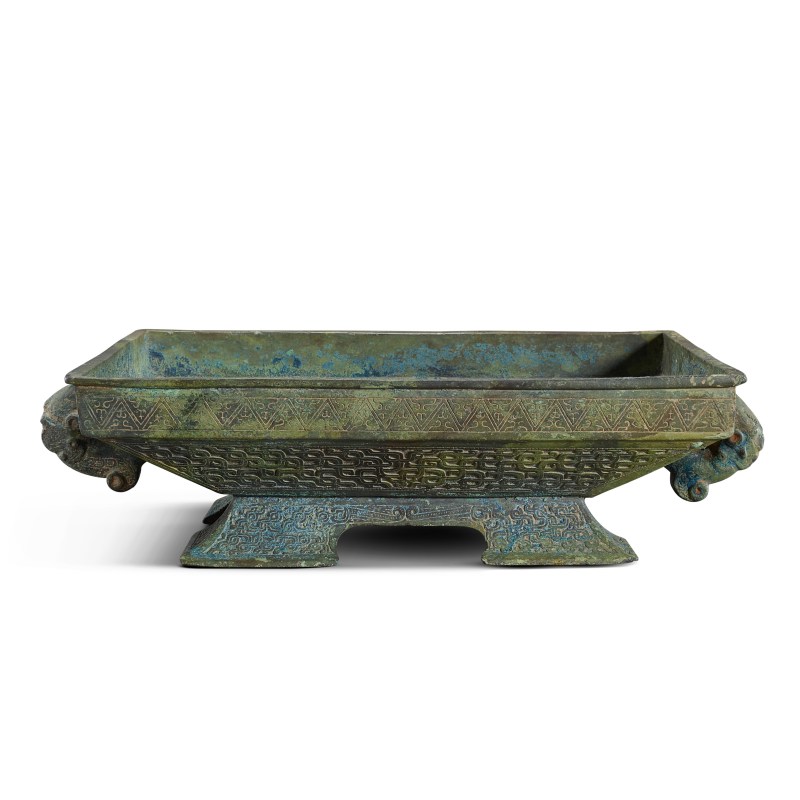

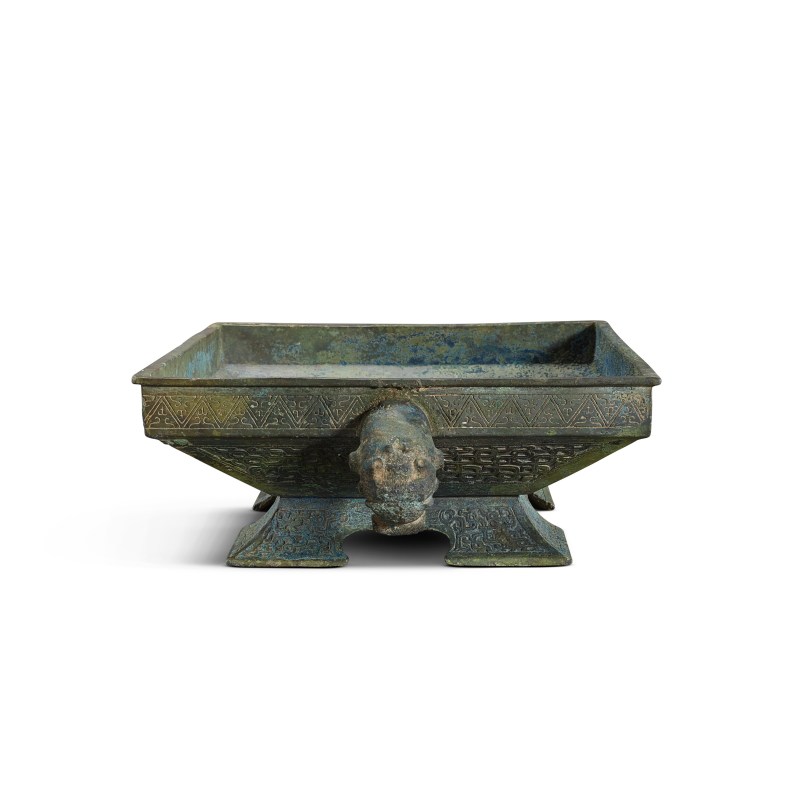
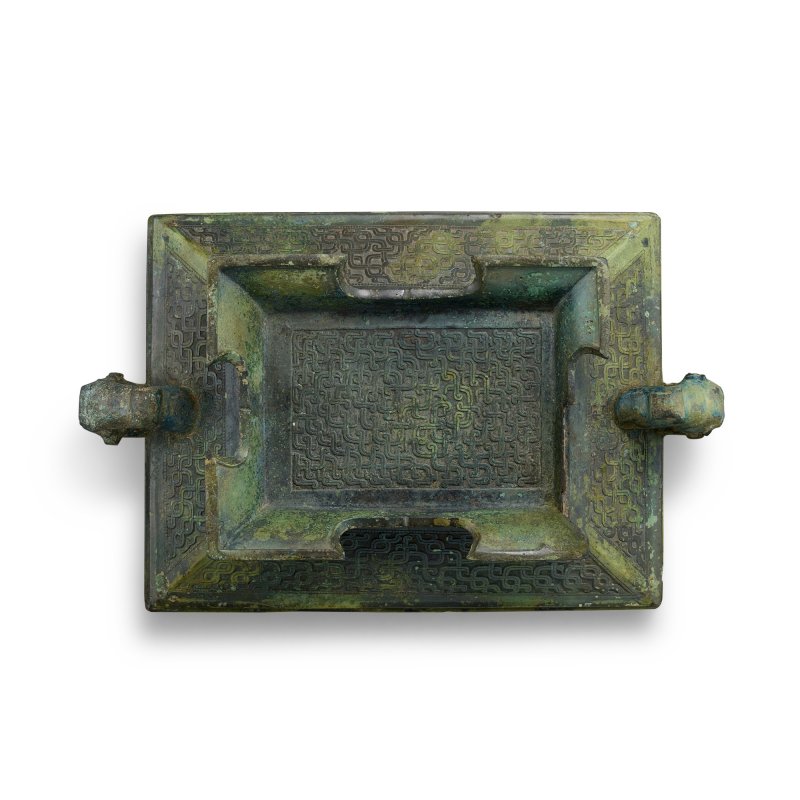
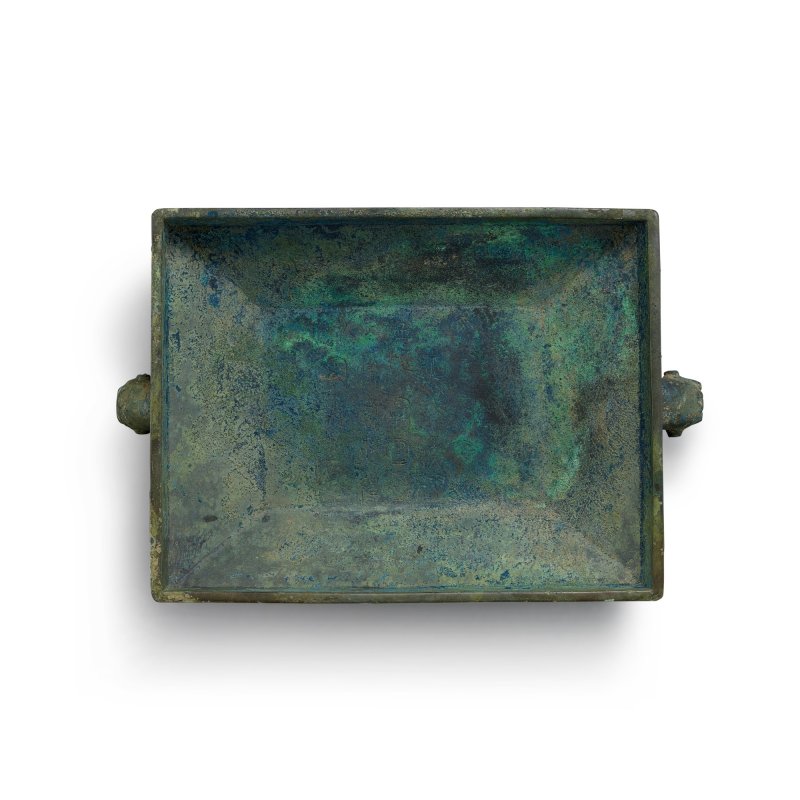
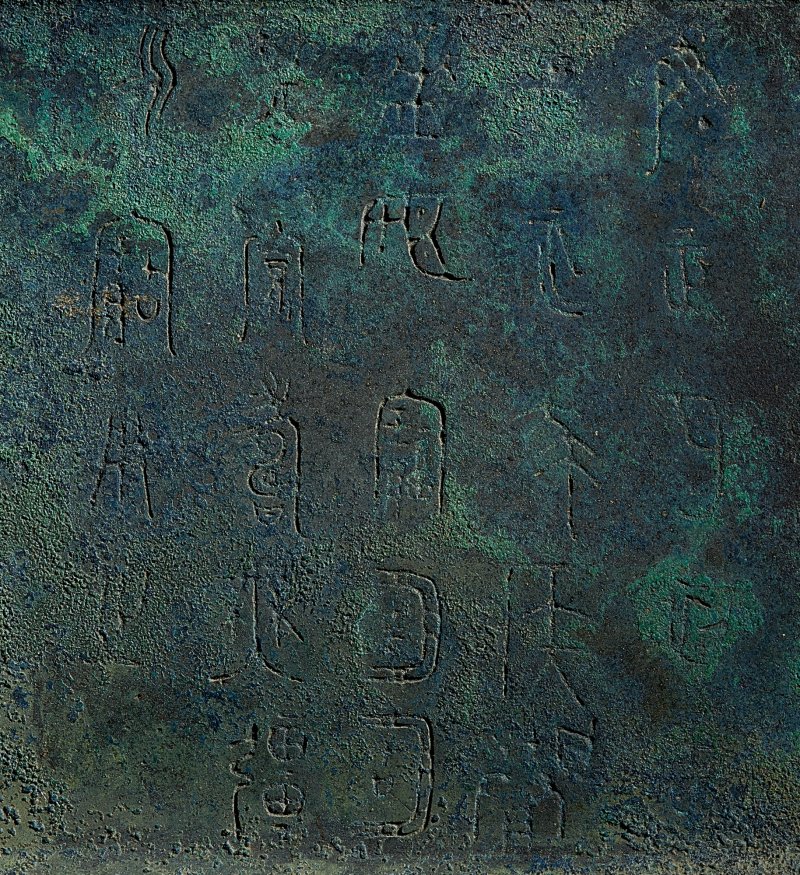
Lot 328 An inscribed archaic bronze ritual food vessel, fu, Eastern Zhou dynasty, Spring and Autumn period | 東周春秋 青銅蔡侯孟姬簠
落槌价
预展中
成交价
预展中
| 拍卖公司 | 苏富比 |
|---|---|
| 拍卖时间 | 2026年11月11日 |
拍品信息
拍品名称
An inscribed archaic bronze ritual food vessel, fu, Eastern Zhou dynasty, Spring and Autumn period | 東周春秋 青銅蔡侯孟姬簠
起拍价
HKD 300,000
估值区间
300,000 - 600,000 HKD
尺寸
未知
品相
如欲了解本拍品狀況的更多資訊,請聯絡 xiaoye.yang@sothebys.com
更多信息
An inscribed archaic bronze ritual food vessel, fu
Eastern Zhou dynasty, Spring and Autumn period
東周春秋 青銅蔡侯孟姬簠
w. 29.3 cm
inscribed with 24 characters, reading wei zhengyue chuji dinghai, Cai Hou ying Meng Ji baokuangpu, qi meishou wujiang, yongbao yongzhi, may be translated as, 'In the first month, during the first auspicious quarter, on the dinghai day, the Marquess of Cai made this precious fu vessel as a dowry for Meng Ji. May she enjoy boundless longevity, and forever treasure and use it'
銘文: 唯正月初吉丁亥,蔡侯媵孟姬寶匡簠,其眉壽無疆,永寶用之。
来源:Purchased in Hui Po Kok, Hong Kong, 1990s.
來源:
1990年代購於香港匯寶閣
著录:Zhang Guangyu, 'Xiangjiang xinjian Cai Gongzi ji Cai Hou qi shulüe' [A Brief Account of the Bronzes of Prince Cai and Marquis Cai Newly Discovered in Hong Kong], Zhongguo wenzi [Chinese Characters] (New Series), Taipei, 1998, no. 22, fig. 3:b.
Liu Yu and Lu Yan, Jinchu Yin Zhou jinwen jilu [Compilation of Recently Discovered Bronze Inscriptions of the Yin and Zhou Dynasties], Beijing, 2002, no. 538.
Chen Zhaorong, 'Cong qingtongqi mingwen kan Liangzhou Han Huai diqu zhuguo hunyin guanxi' [Marital Relationships among the States in the Han and Huai River Regions during the Western and Eastern Zhou Dynasties as Seen from Bronze Inscriptions], Lishi yuyan yanjiusuo jikan [Bulletin of the Institute of History and Philology], Taipei, 2004, p. 650.
Chen Zhaorong, et al., Xinshou Yin Zhou qingtongqi mingwen ji qiying huibian [A Comprehensive Collection of Newly Gathered Bronze Inscriptions and Images of the Yin and Zhou Dynasties], Taipei, 2006, no. 1897.
Wu Zhenfeng, Shang Zhou qingtongqi mingwen ji tuxiang jicheng [Compendium of Inscriptions and Images of Bronzes from the Shang and Zhou Dynasties], Shanghai, 2012, no. 5934.
Huang Jinqian, 'Cong Chu Zhong Ji fu tan Chunqiu qi Cai guo de duiwai lianyin ji youguan wenti' [Discussing the Foreign Marriages of the Cai State during the Spring and Autumn Period and Related Issues based on the Chu Zhong Ji Fu], Zhongyuan wenhua yanjiu [The Journal of Central Plains Culture Research], 2020, no. 8, pp. 85-91.
Jia Hongbo and Liu Yanan, 'Zhou dai Cai guo he "Cai nü" tongqi mingwen zongli ji xiangguan wenti tantao' [A Comprehensive Review of Bronze Inscriptions of the Cai State and "Cai Women" in the Zhou Dynasty and Discussion on Related Issues], Nankai xuebao [Nankai Journal], Nanjing, 2022, no. 6, pp. 123-132.
Institute of History and Philology, Academia Sinica, Yin Zhou jinwen ji qingtongqi ziliaoku [Digital Archives of Bronze Images and Inscriptions], no. NA1897.
出版:
張光裕,〈香江新見蔡公子及蔡侯器述略〉,載於《中國文字(新)》,台北,1998年,22期,圖三:乙
劉雨、盧岩,《近出殷周金文集錄》,北京,2002年,編號538
陳昭容,《從青銅器銘文看兩周漢淮地區諸國婚姻關係》,《歷史語言研究所集刊》,台北,2004年,頁650。
陳昭容等,《新收殷周青銅器銘文暨器影彙編》,台北,2006年,編號1897
吳鎮烽,《商周青銅器銘文暨圖像集成》,上海,2012年,編號5934
黃錦前,〈從楚仲姬簠談春秋期蔡國的對外聯姻及有關問題〉,載於《中原文化研究》,2020年8期,頁85-91
賈洪波、劉亞楠,〈周代蔡國和「蔡女」銅器銘文綜理及相關問題探討〉,《南開學報》,南京,2022年6期,頁123-132
中央研究院歷史語言研究所,殷周金文暨青銅器資料庫,編號NA1897
图录
说明:The inscription on the present fu closely follows the established formula of dowry vessels commissioned by the Marquis of Cai. The recurring date—"in the first month, during the first auspicious quarter, on the dinghai day"—indicates a highly auspicious time selected for royal nuptials during the Spring and Autumn period, while the name Meng Ji identifies the bride as the Marquis's eldest daughter.
Although the State of Cai boasted a direct lineage to the Zhou royal house through the royal Ji surname, it struggled to maintain its autonomy during the tumultuous Spring and Autumn period. Sandwiched between warring factions, Cai was eventually reduced to a vassal of the formidable Chu state, which ultimately absorbed it in 493 BC.
To navigate this precarious geopolitical landscape, the rulers of Cai relied heavily on strategic marital alliances. This diplomatic survival strategy is vividly reflected in the material record, as dowry vessels feature prominently among extant and excavated Cai bronzes. Current scholarship confirms that Cai forged alliances with numerous powerful states—including Chu, Wu, Xu, Song, Qi, and Yan—underscoring both the vulnerability of the state and the pivotal diplomatic role women played in ancient Chinese politics. See related discussion in Huang Jinqian, 'Cong Chu Zhong Ji fu tan Chunqiu qi Cai guo de duiwai lianyin ji youguan wenti' [Discussing the Foreign Marriages of the Cai State during the Spring and Autumn Period and Related Issues based on the Chu Zhong Ji Fu], Zhongyuan wenhua yanjiu [The Journal of Central Plains Culture Research], 2020, no. 8, pp. 85-91, and Jia Hongbo and Liu Yanan, 'Zhou dai Cai guo he "Cai nü" tongqi mingwen zongli ji xiangguan wenti tantao' [A Comprehensive Review of Bronze Inscriptions of the Cai State and "Cai Women" in the Zhou Dynasty and Discussion on Related Issues], Nankai xuebao [Nankai Journal], Nanjing, 2022, no. 6, pp. 123-132.
此件簠之銘文與其他蔡侯媵器的格式一脈相承,日期多以「唯正月初吉丁亥」開始,可知春秋時期嫁女吉日,孟姬即蔡侯長女。蔡國為周代姬姓封國,出身周室正宗,卻在弱肉強食的春秋時代淪為楚國附庸,然而最終在公元前493年為楚所滅。傳世及出土蔡國青銅器上常見蔡國聯姻嫁女之器,目前學界能確定與之聯姻的諸侯有楚、吳、許、宋、齊、燕諸國,可見蔡國在夾縫中求生存的艱難局面,也反映出女性在蔡國政治中扮演的重要角色。相關銅器及討論參見黃錦前,〈從楚仲姬簠談春秋期蔡國的對外聯姻及有關問題〉,載於《中原文化研究》,2020年8期,頁85-91,及賈洪波、劉亞楠,〈周代蔡國和「蔡女」銅器銘文綜理及相關問題探討〉,《南開學報》,南京,2022年6期,頁123-132。
常见问题
这件An inscribed archaic bronze ritual food vessel, fu, Eastern Zhou dynasty, Spring and Autumn period | 東周春秋 青銅蔡侯孟姬簠的成交价是多少?
落槌价为 预展中。 成交价为 预展中。
拍品的品相状况如何?
如欲了解本拍品狀況的更多資訊,請聯絡 xiaoye.yang@sothebys.com
这件拍品的流传来源是什么?
Purchased in Hui Po Kok, Hong Kong, 1990s.
來源:
1990年代購於香港匯寶閣
來源:
1990年代購於香港匯寶閣
有哪些出版物收录了这件拍品?
張光裕,〈香江新見蔡公子及蔡侯器述略〉,載於《中國文字(新)》,台北,1998年,22期,圖三:乙
劉雨、盧岩,《近出殷周金文集錄》,北京,2002年,編號538
陳昭容,《從青銅器銘文看兩周漢淮地區諸國婚姻關係》,《歷史語言研究所集刊》,台北,2004年,頁650。
陳昭容等,《新收殷周青銅器銘文暨器影彙編》,台北,2006年,編號1897
吳鎮烽,《商周青銅器銘文暨圖像集成》,上海,2012年,編號5934
黃錦前,〈從楚仲姬簠談春秋期蔡國的對外聯姻及有關問題〉,載於《中原文化研究》,2020年8期,頁85-91
賈洪波、劉亞楠,〈周代蔡國和「蔡女」銅器銘文綜理及相關問題探討〉,《南開學報》,南京,2022年6期,頁123-132
中央研究院歷史語言研究所,殷周金文暨青銅器資料庫,編號NA1897
图录
这件拍品被哪些著录书籍记载?
Zhang Guangyu, 'Xiangjiang xinjian Cai Gongzi ji Cai Hou qi shulüe' [A Brief Account of the Bronzes of Prince Cai and Marquis Cai Newly Discovered in Hong Kong], Zhongguo wenzi [Chinese Characters] (New Series), Taipei, 1998, no. 22, fig. 3:b.
Liu Yu and Lu Yan, Jinchu Yin Zhou jinwen jilu [Compilation of Recently Discovered Bronze Inscriptions of the Yin and Zhou Dynasties], Beijing, 2002, no. 538.
Chen Zhaorong, 'Cong qingtongqi mingwen kan Liangzhou Han Huai diqu zhuguo hunyin guanxi' [Marital Relationships among the States in the Han and Huai River Regions during the Western and Eastern Zhou Dynasties as Seen from Bronze Inscriptions], Lishi yuyan yanjiusuo jikan [Bulletin of the Institute of History and Philology], Taipei, 2004, p. 650.
Chen Zhaorong, et al., Xinshou Yin Zhou qingtongqi mingwen ji qiying huibian [A Comprehensive Collection of Newly Gathered Bronze Inscriptions and Images of the Yin and Zhou Dynasties], Taipei, 2006, no. 1897.
Wu Zhenfeng, Shang Zhou qingtongqi mingwen ji tuxiang jicheng [Compendium of Inscriptions and Images of Bronzes from the Shang and Zhou Dynasties], Shanghai, 2012, no. 5934.
Huang Jinqian, 'Cong Chu Zhong Ji fu tan Chunqiu qi Cai guo de duiwai lianyin ji youguan wenti' [Discussing the Foreign Marriages of the Cai State during the Spring and Autumn Period and Related Issues based on the Chu Zhong Ji Fu], Zhongyuan wenhua yanjiu [The Journal of Central Plains Culture Research], 2020, no. 8, pp. 85-91.
Jia Hongbo and Liu Yanan, 'Zhou dai Cai guo he "Cai nü" tongqi mingwen zongli ji xiangguan wenti tantao' [A Comprehensive Review of Bronze Inscriptions of the Cai State and "Cai Women" in the Zhou Dynasty and Discussion on Related Issues], Nankai xuebao [Nankai Journal], Nanjing, 2022, no. 6, pp. 123-132.
Institute of History and Philology, Academia Sinica, Yin Zhou jinwen ji qingtongqi ziliaoku [Digital Archives of Bronze Images and Inscriptions], no. NA1897.