
拍品信息
拍品名称
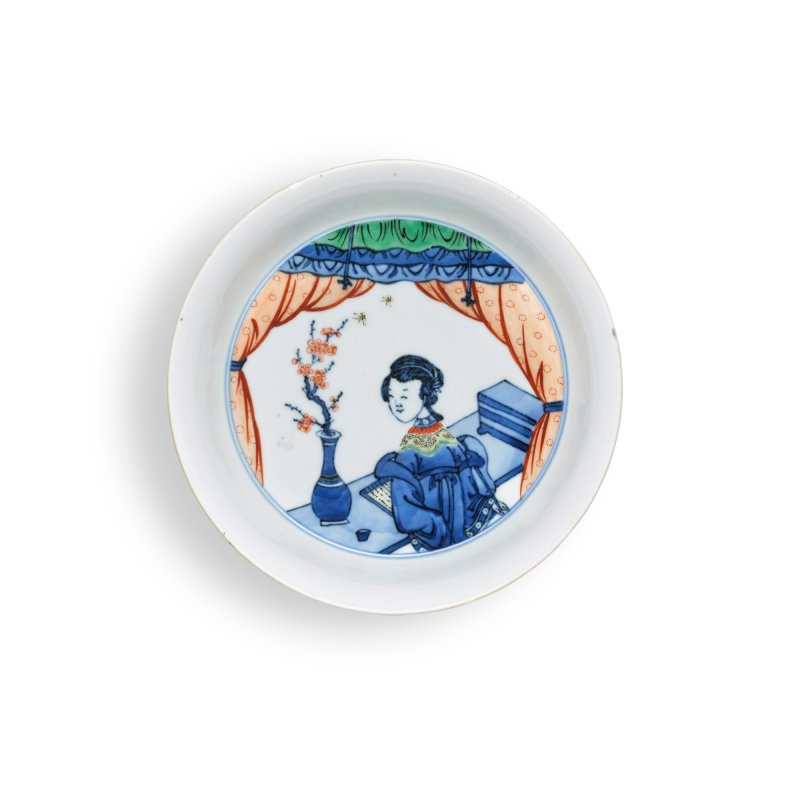
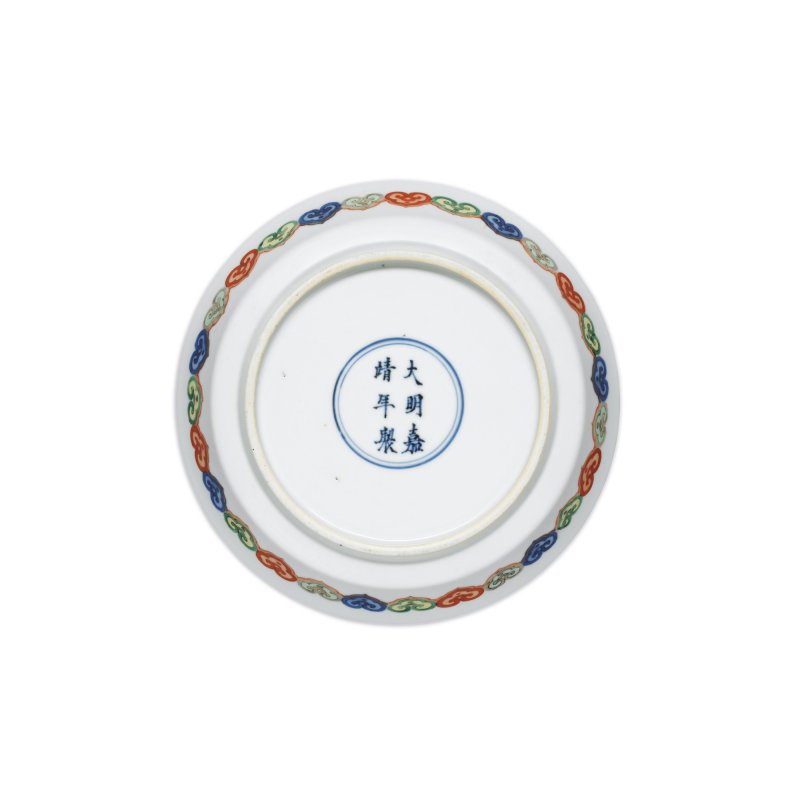
清康熙 五彩西廂記仕女圖盤《大明嘉靖年製》仿款
起拍价
GBP 6,000
估值区间
6,000 - 8,000 GBP
尺寸
未知
品相
In good overall condition with typical surface wear and minor frits and chips to rim as visible in the lot photographs.
If a condition report is provided to assist you with assessing the condition of the lot, it is for guidance purposes only. Such condition report may not refer to all faults, restoration, alterations, or adaptations because Sotheby's is not a professional conservator or restorer but rather a condition report is a statement of subjective, qualified opinion genuinely held by Sotheby's. For these reasons, any such condition report is not an alternative to taking your own professional advice regarding the condition of the lot. Prospective buyers should also refer to the Guide for Buyers at Auction which includes important notices concerning the type of property in this sale.
If a condition report is provided to assist you with assessing the condition of the lot, it is for guidance purposes only. Such condition report may not refer to all faults, restoration, alterations, or adaptations because Sotheby's is not a professional conservator or restorer but rather a condition report is a statement of subjective, qualified opinion genuinely held by Sotheby's. For these reasons, any such condition report is not an alternative to taking your own professional advice regarding the condition of the lot. Prospective buyers should also refer to the Guide for Buyers at Auction which includes important notices concerning the type of property in this sale.
更多信息
the base with an apocryphal Jiajing mark in underglaze blue within a double circle
Diameter 16 cm, 6¼ in.
图录
说明:The present dish possesses a number of highly peculiar features, that typify the experimental production of the so-called 'Transitional period' and the first decade or so of the Kangxi reign (1662-1722), particularly in its form and the vibrancy of its finely painted polychrome enamel design. Depicting a lady framed with draping curtains, sat by a table beside a vase of prunus blossoms, the present design is also attested in a palette of underglaze blue and copper red on a similarly unusual larger basin, dated by its reign mark in accordance with 1671/2. This basin, now preserved in the National Gallery of Victoria, Melbourne (accession no. 617-D4), was sold from the property of S. D. Winkworth in these rooms, 27th April 1938, lot 253 and is illustrated in Teresa Canepa and Katharine Butler, Leaping the Dragon Gate. The Sir Michael Butler Collection of Seventeenth-Century Chinese Porcelain, London, 2021, p. 418, fig. III.4.68, where the authors identify the design as a scene from the Xixiangji (Romance of the Western Chamber).
For another early Kangxi dish of the present squat form and heavy potting, compare a blue and white example in the Palace Museum, Beijing, illustrated in Chen Runmin, ed., Qing Shunzhi Kangxi chao qinghua ci, Beijing, 2005, pl. 77, where the author describes the form as a Ming Wanli period innovation, perfected and refined in the Kangxi.
常见问题
这件清康熙 五彩西廂記仕女圖盤《大明嘉靖年製》仿款的成交价是多少?
落槌价为 预展中。 成交价为 预展中。
拍品的品相状况如何?
In good overall condition with typical surface wear and minor frits and chips to rim as visible in the lot photographs.
If a condition report is provided to assist you with assessing the condition of the lot, it is for guidance purposes only. Such condition report may not refer to all faults, restoration, alterations, or adaptations because Sotheby's is not a professional conservator or restorer but rather a condition report is a statement of subjective, qualified opinion genuinely held by Sotheby's. For these reasons, any such condition report is not an alternative to taking your own professional advice regarding the condition of the lot. Prospective buyers should also refer to the Guide for Buyers at Auction which includes important notices concerning the type of property in this sale.
If a condition report is provided to assist you with assessing the condition of the lot, it is for guidance purposes only. Such condition report may not refer to all faults, restoration, alterations, or adaptations because Sotheby's is not a professional conservator or restorer but rather a condition report is a statement of subjective, qualified opinion genuinely held by Sotheby's. For these reasons, any such condition report is not an alternative to taking your own professional advice regarding the condition of the lot. Prospective buyers should also refer to the Guide for Buyers at Auction which includes important notices concerning the type of property in this sale.