
Lot 113 Settee Jean-Michel Frank
落槌价
预展中
成交价
预展中
| 拍卖公司 | 苏富比 |
|---|---|
| 拍卖时间 | 2026年10月22日 |
拍品信息
拍品名称
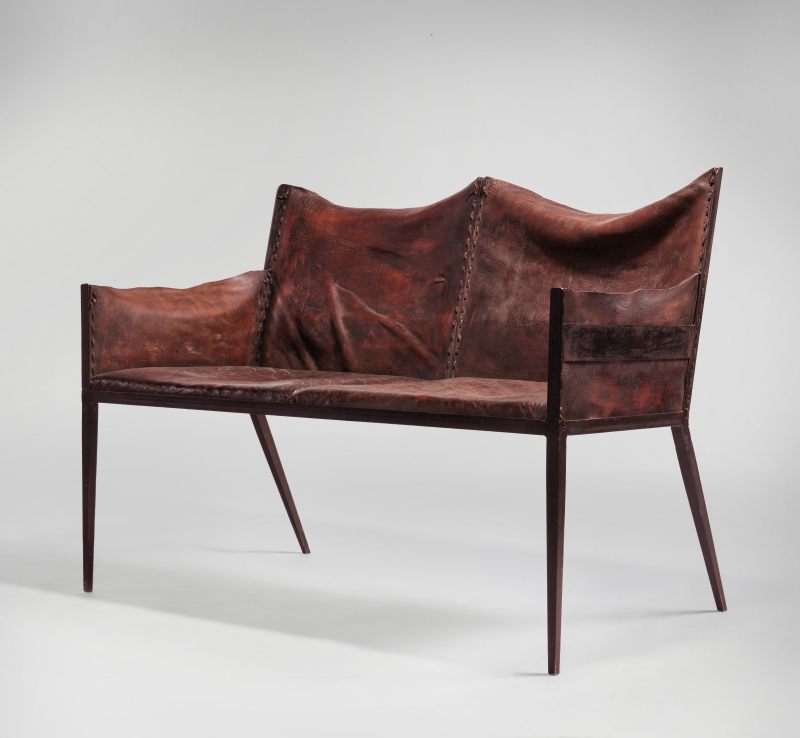
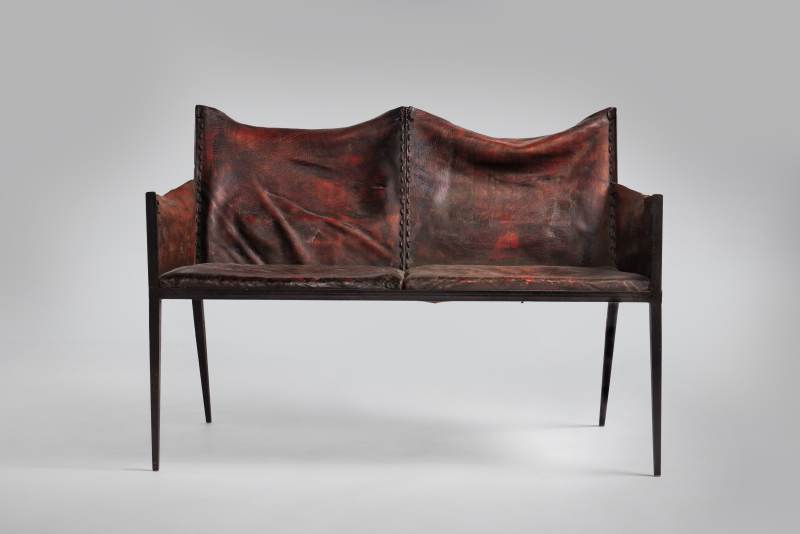
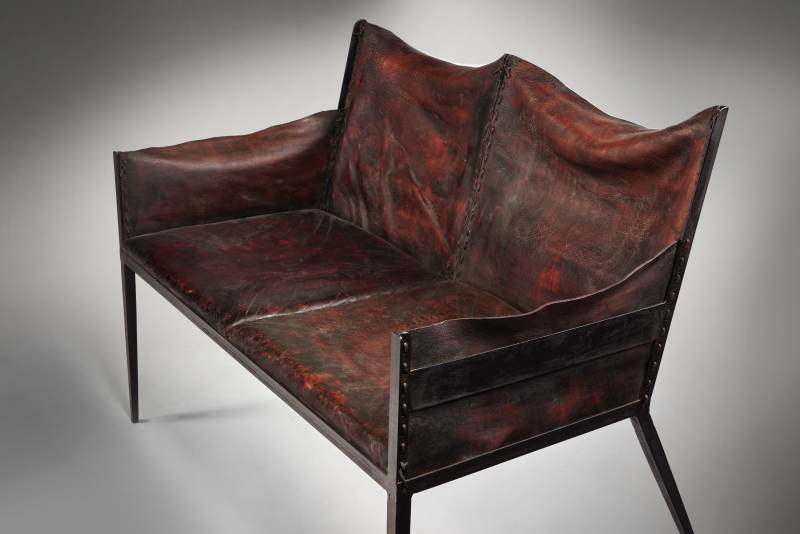
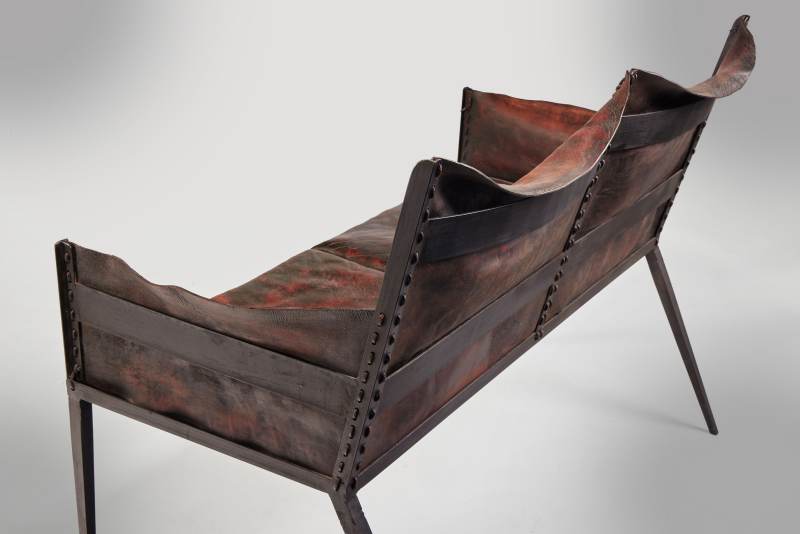
Settee Jean-Michel Frank
起拍价
USD 20,000
估值区间
20,000 - 30,000 USD
尺寸
未知
品相
如欲了解本拍品狀況的更多資訊,請聯絡 MagnumOpus@sothebys.com
更多信息
Jean-Michel Frank
1895-1941
Settee
circa 1936
produced by Comté, Buenos Aires, Argentina
patinated iron, original leather upholstery
height 35 ⅛ in.; width 48 ½ in.; depth 27 ¾ in.
89.2 cm; 123.2 cm; 70.5 cm
来源:Private Collection, United States;
Blackman Cruz, Los Angeles;
Private Collection, California;
Sotheby's New York, April 1, 2021, lot 76;
Where acquired by the present collector.
著录:Léopold Diego Sanchez, Jean-Michel Frank, Adolphe Chanaux, Paris, 1997, p. 221
Pierre-Emmanuel Martin-Vivier, Jean-Michel Frank, l'etrange luxe du rien, Paris, 2006, p. 125
Jean-Michel Frank: Un Décorateur dans les Paris des Années 30, exh. cat., Fondation Pierre Bergé Yves Saint Laurent, Paris, 2009, p. 91
图录
说明:This lot is offered together with a certificate of authenticity from the Comité Jean-Michel Frank.
Few designers have shaped the language of modern luxury as profoundly as Jean-Michel Frank. Working first in Paris and later in Argentina, he developed a distinctive aesthetic founded on restraint, proportion, and material refinement, rejecting the decorative exuberance of the interwar period in favor of a modernism distilled to its essential elements. Across furniture, lighting, and interiors, Frank pursued an ideal of understated luxury, in which elegance emerged through the careful balance of form, scale, material, and craftsmanship. His refined treatment of materials from richly patinated metals and supple leathers to finely figured woods allowed each element to contribute to an atmosphere of quiet sophistication.
Throughout Frank’s oeuvre, his elegant designs give even the simplest forms a sense of distinction. His designs rely on precisely judged proportions, subtle contrasts of texture and material, and an uncompromising attention to detail. Rather than pursuing novelty or ornament, Frank cultivated an aesthetic of quiet confidence, in which luxury was expressed through tactility, balance, and restraint. This delicate equilibrium between simplicity and richness remains among the most enduring qualities of his work, and continues to inform the practice of designers and architects today.
1895-1941
Settee
circa 1936
produced by Comté, Buenos Aires, Argentina
patinated iron, original leather upholstery
height 35 ⅛ in.; width 48 ½ in.; depth 27 ¾ in.
89.2 cm; 123.2 cm; 70.5 cm
来源:Private Collection, United States;
Blackman Cruz, Los Angeles;
Private Collection, California;
Sotheby's New York, April 1, 2021, lot 76;
Where acquired by the present collector.
著录:Léopold Diego Sanchez, Jean-Michel Frank, Adolphe Chanaux, Paris, 1997, p. 221
Pierre-Emmanuel Martin-Vivier, Jean-Michel Frank, l'etrange luxe du rien, Paris, 2006, p. 125
Jean-Michel Frank: Un Décorateur dans les Paris des Années 30, exh. cat., Fondation Pierre Bergé Yves Saint Laurent, Paris, 2009, p. 91
图录
说明:This lot is offered together with a certificate of authenticity from the Comité Jean-Michel Frank.
Few designers have shaped the language of modern luxury as profoundly as Jean-Michel Frank. Working first in Paris and later in Argentina, he developed a distinctive aesthetic founded on restraint, proportion, and material refinement, rejecting the decorative exuberance of the interwar period in favor of a modernism distilled to its essential elements. Across furniture, lighting, and interiors, Frank pursued an ideal of understated luxury, in which elegance emerged through the careful balance of form, scale, material, and craftsmanship. His refined treatment of materials from richly patinated metals and supple leathers to finely figured woods allowed each element to contribute to an atmosphere of quiet sophistication.
Throughout Frank’s oeuvre, his elegant designs give even the simplest forms a sense of distinction. His designs rely on precisely judged proportions, subtle contrasts of texture and material, and an uncompromising attention to detail. Rather than pursuing novelty or ornament, Frank cultivated an aesthetic of quiet confidence, in which luxury was expressed through tactility, balance, and restraint. This delicate equilibrium between simplicity and richness remains among the most enduring qualities of his work, and continues to inform the practice of designers and architects today.
常见问题
这件Settee Jean-Michel Frank的成交价是多少?
落槌价为 预展中。 成交价为 预展中。
拍品的品相状况如何?
如欲了解本拍品狀況的更多資訊,請聯絡 MagnumOpus@sothebys.com
这件拍品的流传来源是什么?
Private Collection, United States;
Blackman Cruz, Los Angeles;
Private Collection, California;
Sotheby's New York, April 1, 2021, lot 76;
Where acquired by the present collector.
Blackman Cruz, Los Angeles;
Private Collection, California;
Sotheby's New York, April 1, 2021, lot 76;
Where acquired by the present collector.
这件拍品被哪些著录书籍记载?
Léopold Diego Sanchez, Jean-Michel Frank, Adolphe Chanaux, Paris, 1997, p. 221
Pierre-Emmanuel Martin-Vivier, Jean-Michel Frank, l'etrange luxe du rien, Paris, 2006, p. 125
Jean-Michel Frank: Un Décorateur dans les Paris des Années 30, exh. cat., Fondation Pierre Bergé Yves Saint Laurent, Paris, 2009, p. 91
图录
Pierre-Emmanuel Martin-Vivier, Jean-Michel Frank, l'etrange luxe du rien, Paris, 2006, p. 125
Jean-Michel Frank: Un Décorateur dans les Paris des Années 30, exh. cat., Fondation Pierre Bergé Yves Saint Laurent, Paris, 2009, p. 91
图录