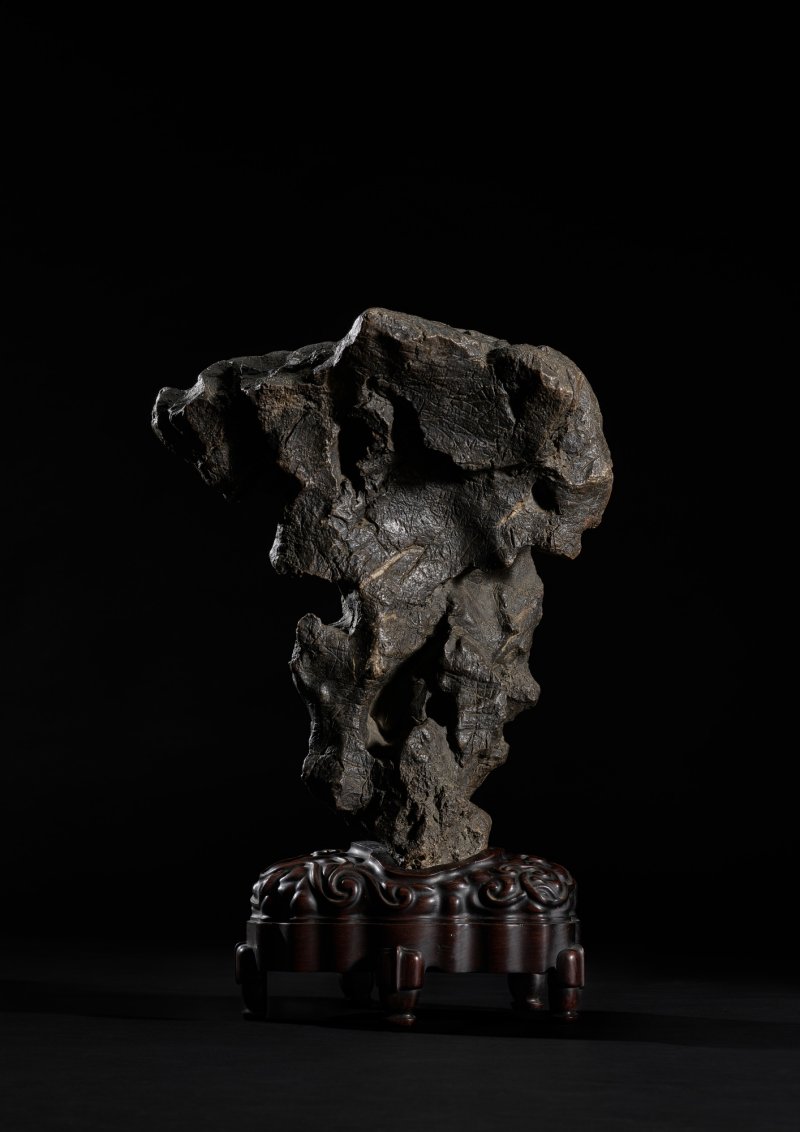

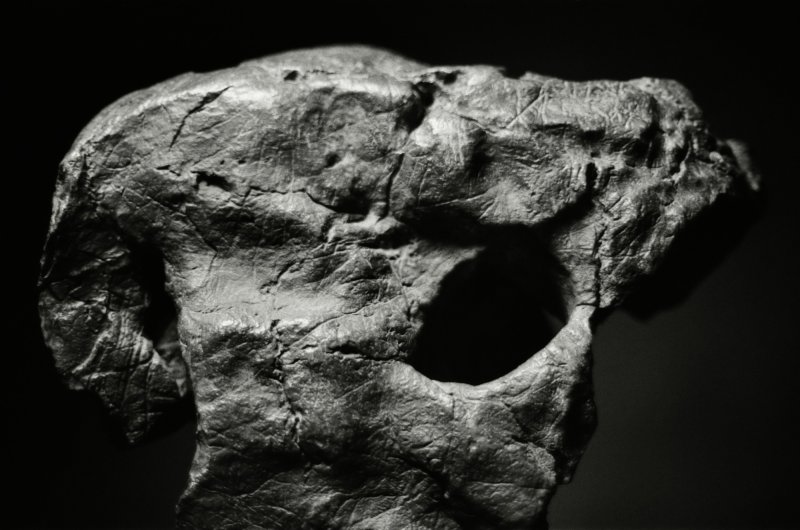
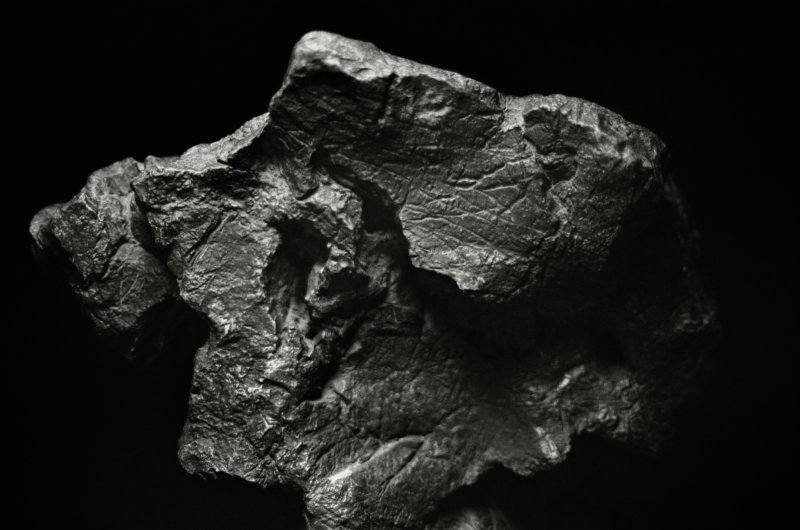
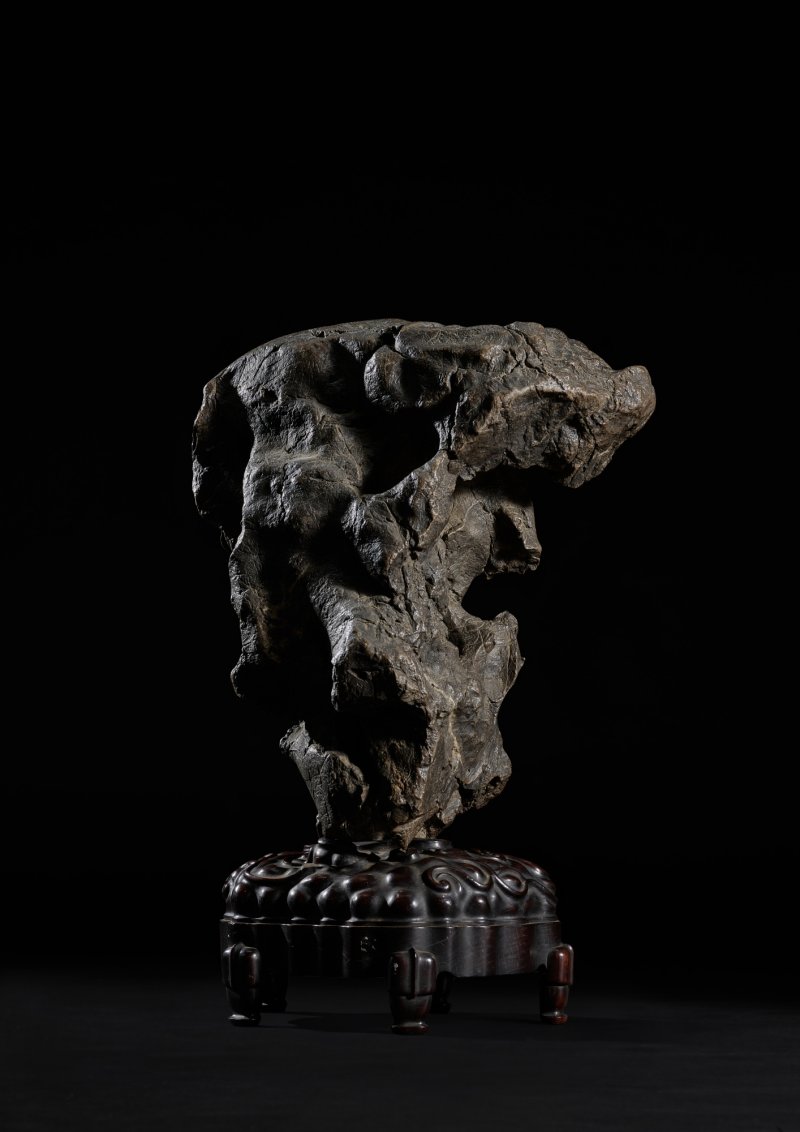
Lot 8017 A lingbi scholar’s rock, Ming – Qing dynasty | 明至清 靈璧石供
落槌价
预展中
成交价
预展中
| 拍卖公司 | 苏富比 |
|---|---|
| 拍卖时间 | 2026年10月30日 |
拍品信息
拍品名称
A lingbi scholar’s rock, Ming – Qing dynasty | 明至清 靈璧石供
起拍价
HKD 600,000
估值区间
600,000 - 1,200,000 HKD
尺寸
未知
品相
如欲了解本拍品狀況的更多資訊,請聯絡 Rubie.Fong@sothebys.com
更多信息
75 cm
著录:Nicolas Chow, The Literati Aesthetic, Hong Kong, 2018, no. 49.
图录
说明:出版
仇國仕,《無盡意》,香港,2018年,編號49
The present Lingbi rock is an example of nature's artistry, distinguished by its impressive size and dramatic, overhanging form. Scholar's rocks, or gongshi, have been treasured by Chinese literati for centuries, serving as microcosms of the natural world within the confines of a studio. The appreciation of such extraordinary stones is well-documented by the Ming dynasty garden designer Ji Cheng (1582-1642) in his 1631 treatise Yuanye [The Craft of Gardens]. Ji Cheng noted that Lingbi rocks originated from Qingshan in Suzhou, Anhui province, and required painstaking cleaning after excavation to reveal their true colour. These stones, naturally occurring as towering peaks or cliffs, were masterfully wrought by craftsmen to accentuate their beauty for display on a table or as penjing (miniature landscapes). He further observed that flatter Lingbi rocks, resembling clouds, were suitable for being hung indoors as chimes, famously referred to as 'floating chimes' in the ancient text Shang shu [The Book of Documents].
The fascination with such extraordinary geological formations reached a zenith during the Northern Song dynasty under the patronage of Emperor Huizong (r. 1100-1125). A fervent collector of peculiar rocks and plants, Huizong famously established the 'Flower and Rock Network' to transport massive stones to his capital in Kaifeng. His profound admiration for these natural wonders is immortalised in his painting Xianglong shi tu (Auspicious Dragon Rock), currently preserved in the Palace Museum, Beijing (assertion number Xin00147135). In this masterpiece, Huizong depicts a rock that writhes and twists like a soaring dragon, embodying the very essence of the five aesthetic criteria. He viewed such rocks not merely as garden ornaments, but as auspicious omens of the empire's prosperity. The present Lingbi rock, with its imposing, cloud-like overhang and deeply textured surface, shares this same majestic and dragon-like vitality, inviting the viewer to embark on a spiritual journey through its miniature peaks and valleys.
For a related example of a highly prized Lingbi rock sold at auction, compare 'Heavenly Raft', a black Lingbi scholar's rock dating from the Song to Ming dynasty, from the Jiansongge Collection, sold in Sotheby’s Hong Kong, 29th October 2024, lot 1526.
此方靈璧石乃大自然鬼斧神工之作,以其大體量及其懸挑之姿而卓爾不群。自古以來,中國文人雅士對供石珍愛有加,將其視為書齋中大自然之微縮化身。明代造園名家計成(1582-1642)於崇禎四年撰《園冶》一書,對此類奇石之賞玩有著詳盡記載。計成指出,靈璧石產自安徽宿州磬山,出土後需經反覆剔刮刷洗,方能展露其真實石色。這些天然形成如奇峰懸崖般的靈璧石,往往須藉匠人巧手修治以全其美,方可置於几案觀賞或作盆景。書中亦提及,形狀扁平如雲氣者,可懸於室中為磬,即古籍《尚書》中著名之「泗濱浮磬」。
對此類非凡奇石的狂熱推崇,在北宋徽宗(1100-1125年在位)時期達到了頂峰。徽宗酷愛奇花異石,更設立著名的「花石綱」,將巨石運往都城汴京(開封)。他對這些自然奇觀的深厚情感,不朽於其御筆《祥龍石圖》卷,現藏北京故宮博物院(博物館編號:新00147135)中。在此畫作中,徽宗描繪了一塊宛如蛟龍騰空、上下翻滾的奇石,完美體現了傳統賞石的五大審美標準。在他看來,這類奇石不僅是園林點綴,更是國運昌盛的祥瑞之兆。此方靈璧石,其如雲般懸挑的宏大頂部與肌理豐富的石身,同樣散發著如畫中祥龍般威猛靈動的氣韻,引人神遊於其微縮的千巖萬壑之間。
相類靈璧石供之珍例,可參考翦淞閣舊藏之宋至明 黑靈璧石,售於香港蘇富比2024年10月29日,編號1526。
常见问题
这件A lingbi scholar’s rock, Ming – Qing dynasty | 明至清 靈璧石供的成交价是多少?
落槌价为 预展中。 成交价为 预展中。
拍品的品相状况如何?
如欲了解本拍品狀況的更多資訊,請聯絡 Rubie.Fong@sothebys.com
这件拍品被哪些著录书籍记载?
Nicolas Chow, The Literati Aesthetic, Hong Kong, 2018, no. 49.
图录
图录