
Lot 1190 Two purple-splashed Jun dish shards
落槌价
****
成交价
****
拍品信息
拍品名称
Two purple-splashed Jun dish shards
年代
Northern Song-Jin Dynasty, 12th century
起拍价
EUR 800
估值区间
€1,000 - €2,000
尺寸
ca. 25.5x13 cm & 16.5x9.5 cm
品相
未知
更多信息
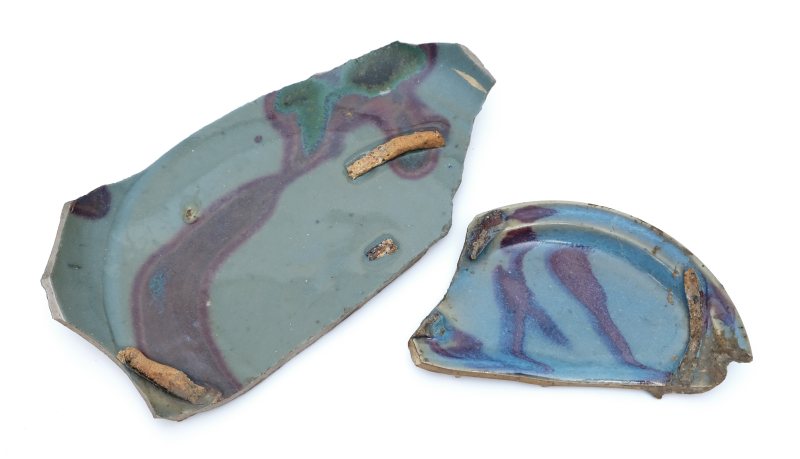
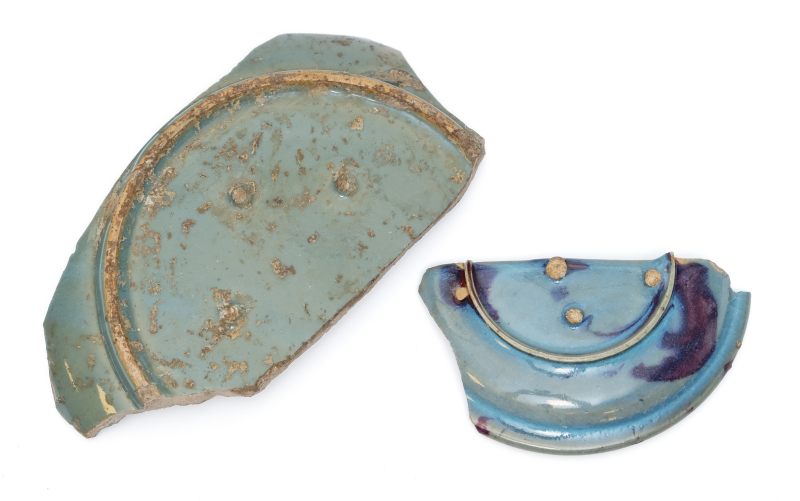
One of the most remarkable achievements of the Jun kilns was the introduction of vibrant purple and red decorative effects. These characteristic purple splashes, such as those seen on the present shards, were created by applying copper oxide to the surface of the unfired glaze. During cooling, areas with a sufficiently high concentration of copper could re-oxidize at the surface, sometimes producing green tones, as is visible on the larger shard.
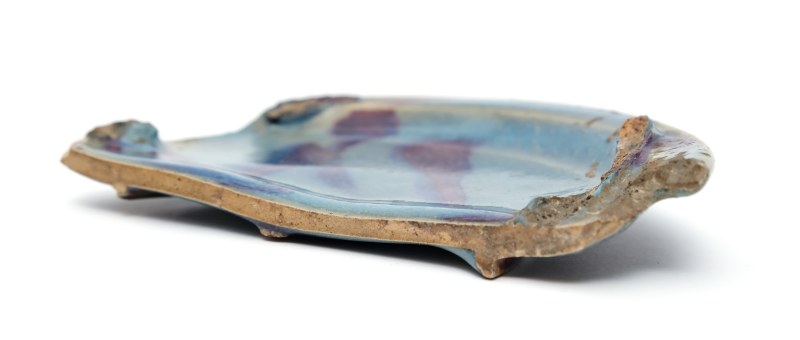
Dishes decorated with splashes on both the interior and exterior surfaces, as can be seen on the smaller shard, are exceptionally rare and highly prized.
Jun ware was produced at several kiln sites across Henan Province, with two of the principal production centers located in the present-day cities of Yuzhou and Ruzhou. Later connoisseurs ranked Jun among the “Five Great Wares of the Song Dynasty,” praising its distinctive forms, refined glazes, and innovative approach to color.
以下内容由AI翻译:
【名称】
十二世纪北宋至金钧窑紫斑碟片(两件)
【年代】
十二世纪北宋至金
【描述】
钧窑最显著的成就之一是引入了鲜艳的紫色和红色装饰效果。这些特征性的紫斑,如在当前碟片上所见,是通过在未烧制的釉面上施加氧化铜而形成的。在冷却过程中,含有足够高浓度铜的区域可以在表面重新氧化,有时会产生绿色调,如在较大的碟片上可见。
内外表面均有泼彩装饰的碟子,如较小的碟片所示,非常罕见且极为珍贵。
钧窑在河南省多个窑址生产,其中两个主要生产中心位于今天的禹州和汝州。后来的鉴赏家将钧窑列为“宋代五大名窑”之一,称赞其独特的器型、精致的釉面和创新的色彩处理方法。
Dishes decorated with splashes on both the interior and exterior surfaces, as can be seen on the smaller shard, are exceptionally rare and highly prized.
Jun ware was produced at several kiln sites across Henan Province, with two of the principal production centers located in the present-day cities of Yuzhou and Ruzhou. Later connoisseurs ranked Jun among the “Five Great Wares of the Song Dynasty,” praising its distinctive forms, refined glazes, and innovative approach to color.
以下内容由AI翻译:
【名称】
十二世纪北宋至金钧窑紫斑碟片(两件)
【年代】
十二世纪北宋至金
【描述】
钧窑最显著的成就之一是引入了鲜艳的紫色和红色装饰效果。这些特征性的紫斑,如在当前碟片上所见,是通过在未烧制的釉面上施加氧化铜而形成的。在冷却过程中,含有足够高浓度铜的区域可以在表面重新氧化,有时会产生绿色调,如在较大的碟片上可见。
内外表面均有泼彩装饰的碟子,如较小的碟片所示,非常罕见且极为珍贵。
钧窑在河南省多个窑址生产,其中两个主要生产中心位于今天的禹州和汝州。后来的鉴赏家将钧窑列为“宋代五大名窑”之一,称赞其独特的器型、精致的釉面和创新的色彩处理方法。
常见问题
拍品的尺寸是多少?
ca. 25.5x13 cm & 16.5x9.5 cm