
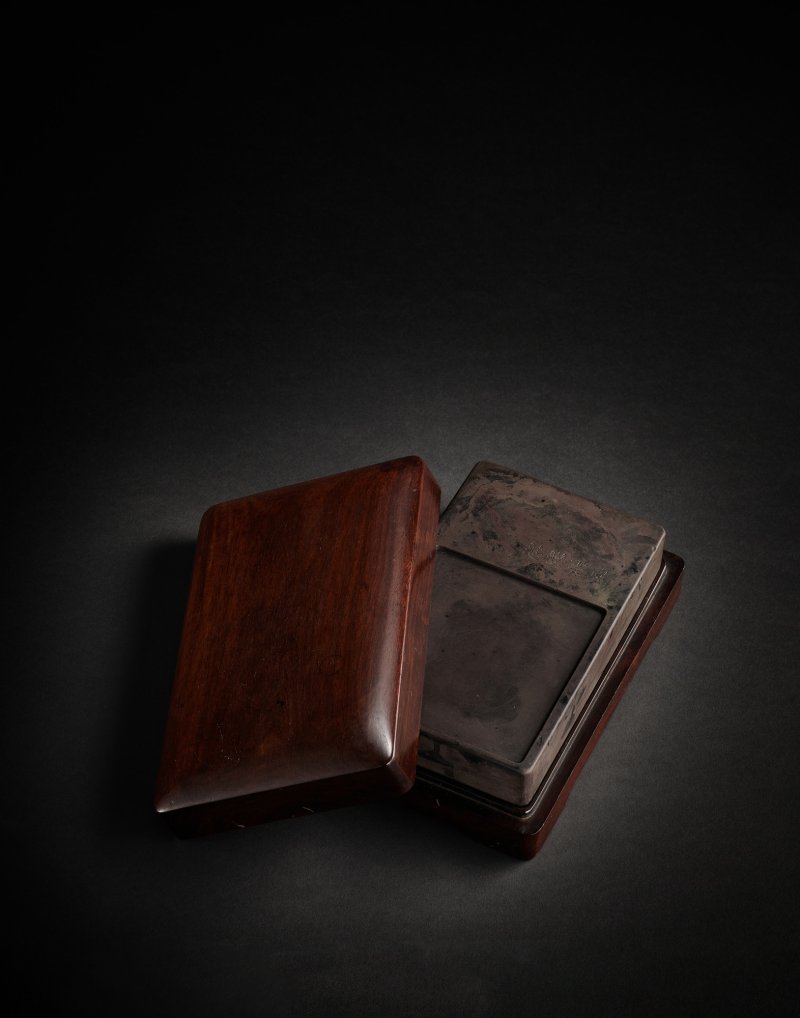
Lot 8070 An inscribed 'Fengyun Biantai' Duan Inkstone, Qing dynasty, signed Yang Xie (1781–1850) | 清 楊澥製 琴舫上款 隸書「風雲變態」端硯
落槌价
预展中
成交价
预展中
| 拍卖公司 | 苏富比 |
|---|---|
| 拍卖时间 | 2026年10月30日 |
拍品信息
拍品名称
An inscribed 'Fengyun Biantai' Duan Inkstone, Qing dynasty, signed Yang Xie (1781–1850) | 清 楊澥製 琴舫上款 隸書「風雲變態」端硯
起拍价
HKD 800,000
估值区间
800,000 - 1,500,000 HKD
尺寸
未知
品相
如欲了解本拍品狀況的更多資訊,請聯絡 Rubie.Fong@sothebys.com
更多信息
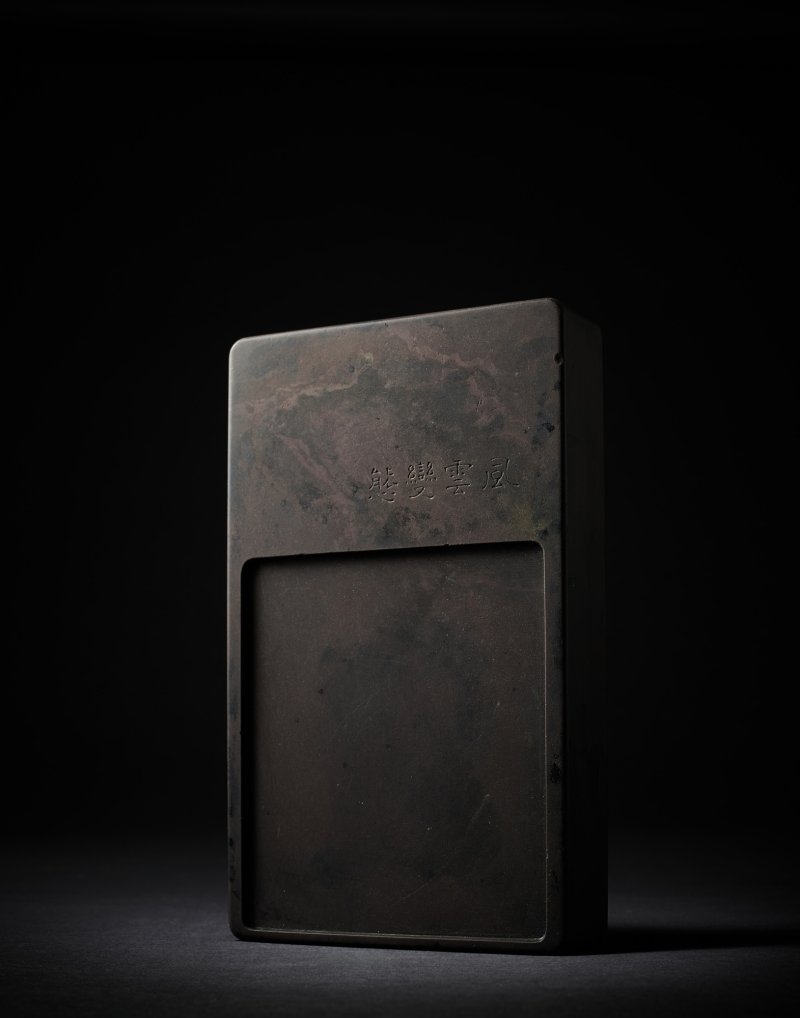
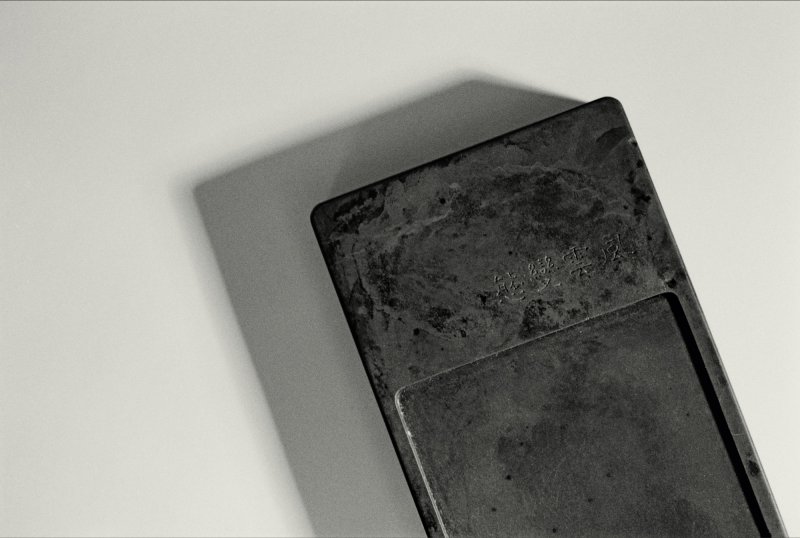
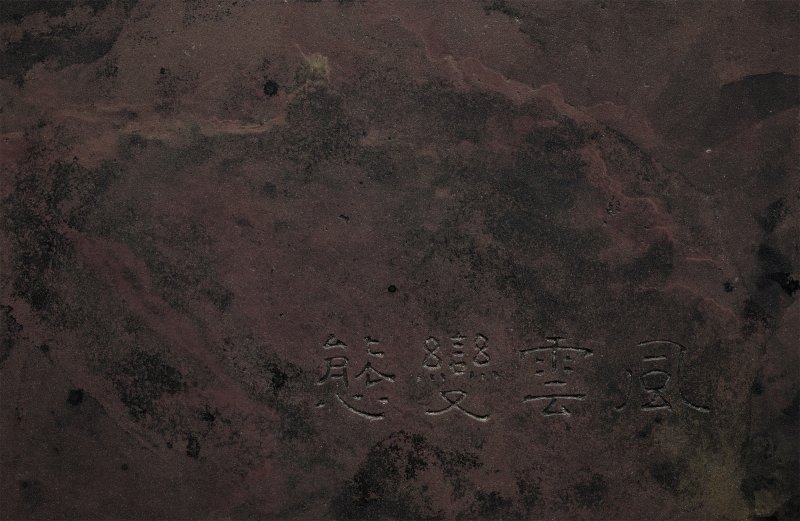
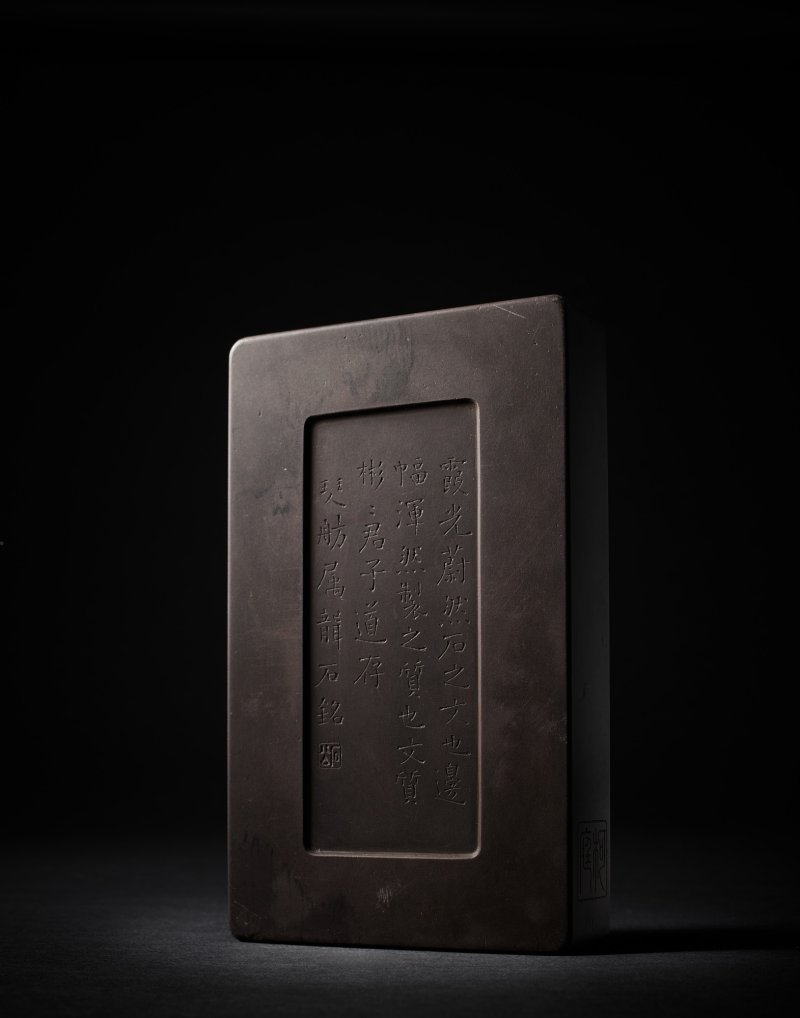
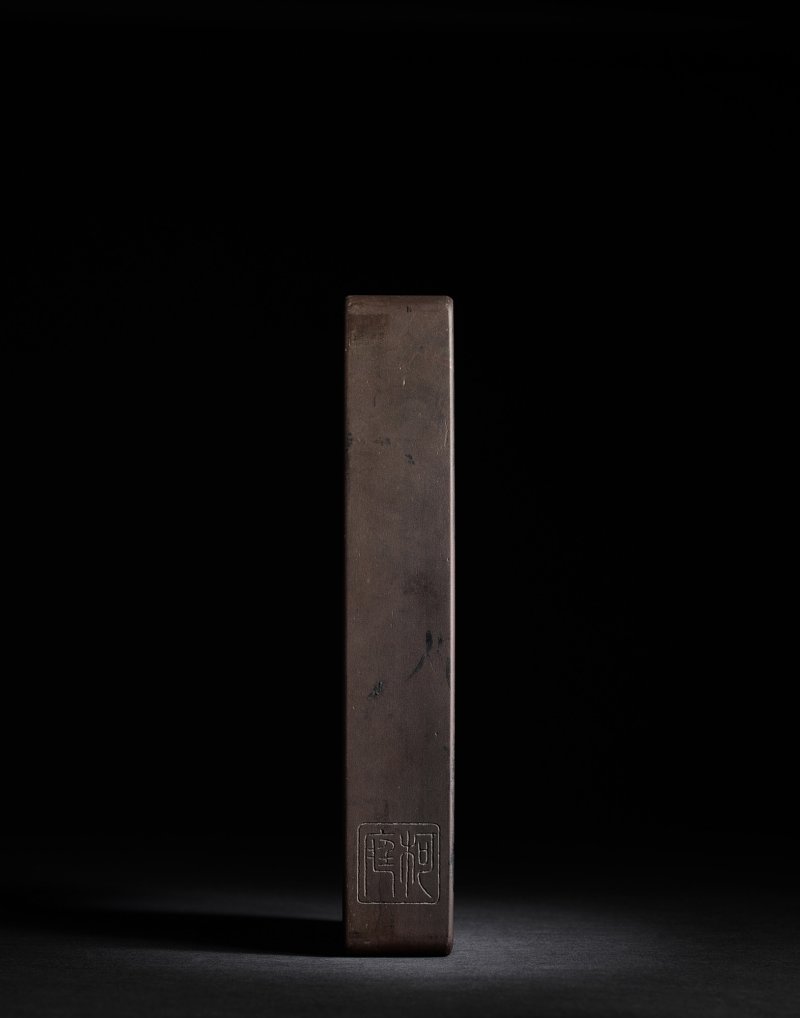
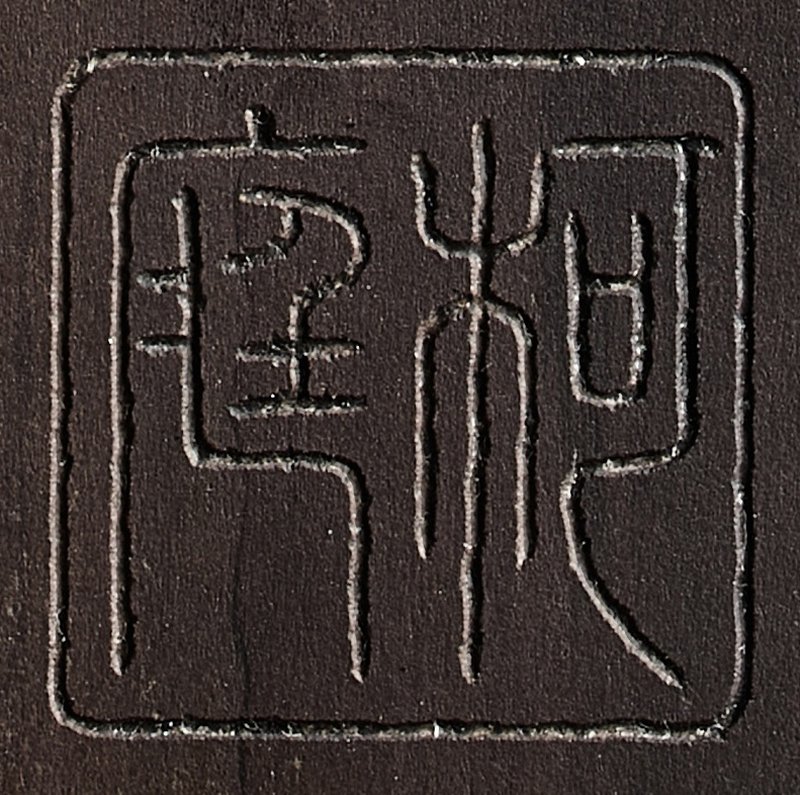
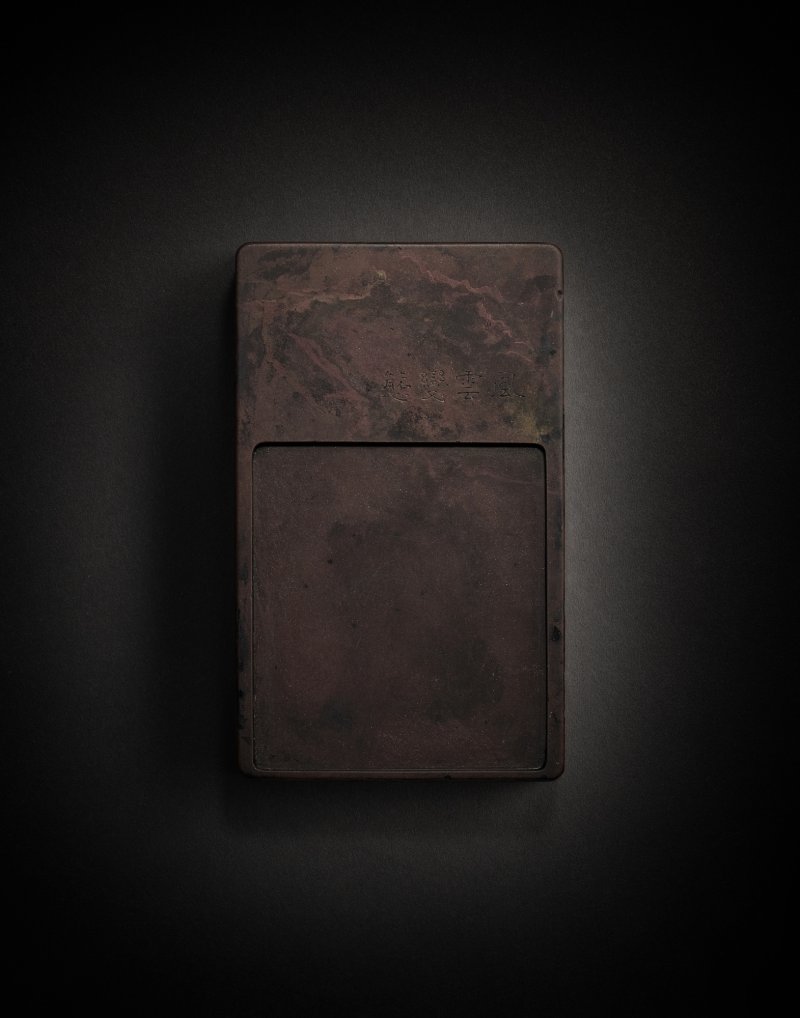
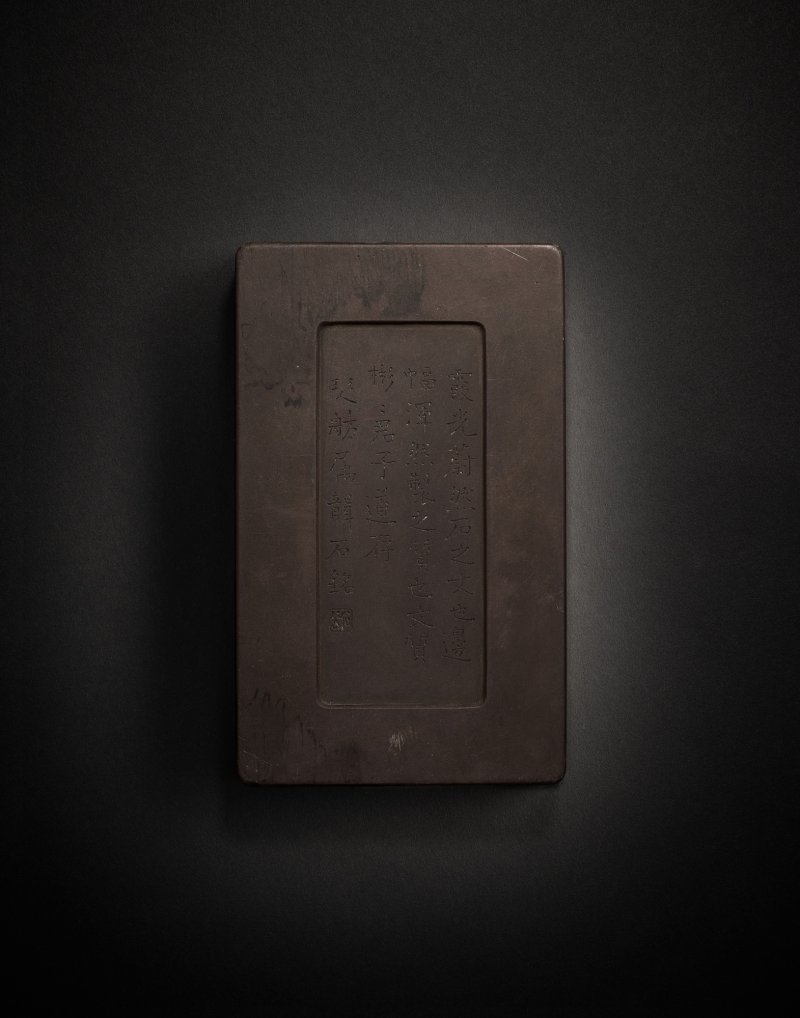
the upper section inscribed in archaic clerical script with four characters feng yun bian tai ('ever-changing weather'), followed by a seal Longshi, the reverse elegantly incised with a twenty-four character inscription followed by a dedication reading Qinfang shu, Longshi ming (commissioned by Qinfang, inscribed by Longshi) and two seals reading Yang and Xie, the narrow side with a further seal Haihang
16.5 cm
著录:Nicolas Chow, The Literati Aesthetic, Hong Kong, 2018, no. 29.
图录
说明:出版
仇國仕,《無盡意》,香港,2018年,編號29
Scholar's inkstones reached their zenith in the mid-to-late Qing dynasty, heavily influenced by the revival of epigraphy. Masters of seal carving began to directly participate in the creation of studio objects, achieving a perfect harmony of calligraphy, carving, material, and philosophical intent. The present inkstone, crafted by the renowned epigrapher Yang Xie (1781-1850) for his friend Qinfang, is a masterpiece of this period.
Although the inkstone presents a classic, unadorned rectangular form with a restrained, archaic aesthetic, the dynamic optical quality cannot be understated. When dry, the stone appears subdued; yet, once moistened with water, the premium Duan stone reveals its hidden textures, such as 'fire-strikes' (huona) and 'sky-blue' (tianqing) markings. This natural phenomenon is perfectly captured by the four-character inscription on the front: fengyun biantai ('ever-changing weather'), a phrase derived from the Tang dynasty poet Sikong Tu's Twenty-Four Styles of Poetry.
The reverse bears a twenty-four-character inscription that serves as the philosophical core of the object. By adapting a famous quote from the Analects, Yang Xie elevates the inkstone from a mere writing tool to a vessel of Confucian virtue, brilliantly harmonising the natural beauty of the stone (wen) with its structural simplicity (zhi).
As a native of Wujiang, Jiangsu province, and a celebrated master of the Zhe School of seal carving, Yang Xie was often hailed as the 'first master of Jiangnan'. The crisp, unpolished incisions on this inkstone demonstrate his profound skill in using the carving knife as a brush. The deliberate, slightly rough edges of the characters echo the majestic and archaic qualities of Han and Wei dynasty stele inscriptions. Preserved in excellent condition with its original box and accompanied by a rubbing, this inkstone offers invaluable insights into the aesthetic pursuits and scholarly circles of the Daoguang and Xianfeng eras.
硯呈長方形,線條規整挺拔,大巧若拙。硯堂平整,上方開長方形淺墨池。硯額以漢隸陰刻「風雲變態」四字,下鈐「龍石」方印。硯背銘刻二十四字,落款「琴舫屬,龍石銘」,鈐「楊」、「澥」二印。一側底端隱刻「海航」方印。石質細膩沉穩,入水即現火捺、天青等斑斕石品,變幻萬千。連原裝紅木硯盒及全形拓本。
硯為文房四寶之首。清代中晚期隨金石學復興,篆刻大師直接參與文房器物的銘刻,使「文人硯」達到了「書、刀、石、意」四美具足的巔峰。此方由清代金石名家楊澥(龍石)為友人「琴舫」所製的「風雲變態硯」,實物神妙,拓本文獻完整,是一件堪稱教科書級別的清代文人硯珍品。
此硯初看呈經典長方形平板硯式,線條規整挺拔、大巧若拙,展現出內斂的古典美。然而,其最為驚絕之處在於其特殊的入水顯紋。在乾燥狀態下,硯面沉穩古雅;一旦引入清水,石肌深處即顯現出頂級端石石品,如火捺、天青等紋理。這些紋理瞬間在水光折射下悉數顯化,變幻萬千。這正是硯背銘文所讚譽的「霞光蔚然」,亦是硯額「風雲變態」的實物寫照。這種將大自然的動態造化隱匿於靜態古石之中的特徵,極具文人賞玩的玄妙趣味。
根據原配全形拓本,此硯正面、背面及側面皆有精心佈局的金石銘刻。硯額題銘「風雲變態」,字體為古拙漢隸,語出唐代司空圖《二十四詩品》。硯背銘文:「霞光蔚然,石之文也。邊幅渾然,製之質也。文質彬彬,君子道存。」此段二十四字銘文是全硯的藝術靈魂。楊澥將天然石紋視為外在的「文」,將極簡器形視為內在的「質」,直接化用《論語》「文質彬彬,然後君子」之意,指出此硯完美調和了自然美與人工巧,承載著儒家君子的人格修養。
楊澥(1781-1850),號龍石,字海航,江蘇吳江人,浙派篆刻一代宗師,時譽「江南第一名手」。此硯充分展現了他「以刀代筆」的深厚金石學功底:字跡線條邊緣爽利,帶有微微的石質崩口與澀進感,這是典型不加修潤、直接用篆刻切刀法硬入石肌的痕跡,使尺幅文字產生了如同漢魏碑刻般的雄渾氣象。清楊澥「風雲變態硯」不僅是一件實用與賞玩兼具的文房極品,更是清代道咸時期文人精神世界的物質縮影。
常见问题
这件An inscribed 'Fengyun Biantai' Duan Inkstone, Qing dynasty, signed Yang Xie (1781–1850) | 清 楊澥製 琴舫上款 隸書「風雲變態」端硯的成交价是多少?
落槌价为 预展中。 成交价为 预展中。
拍品的品相状况如何?
如欲了解本拍品狀況的更多資訊,請聯絡 Rubie.Fong@sothebys.com
这件拍品被哪些著录书籍记载?
Nicolas Chow, The Literati Aesthetic, Hong Kong, 2018, no. 29.
图录
图录