
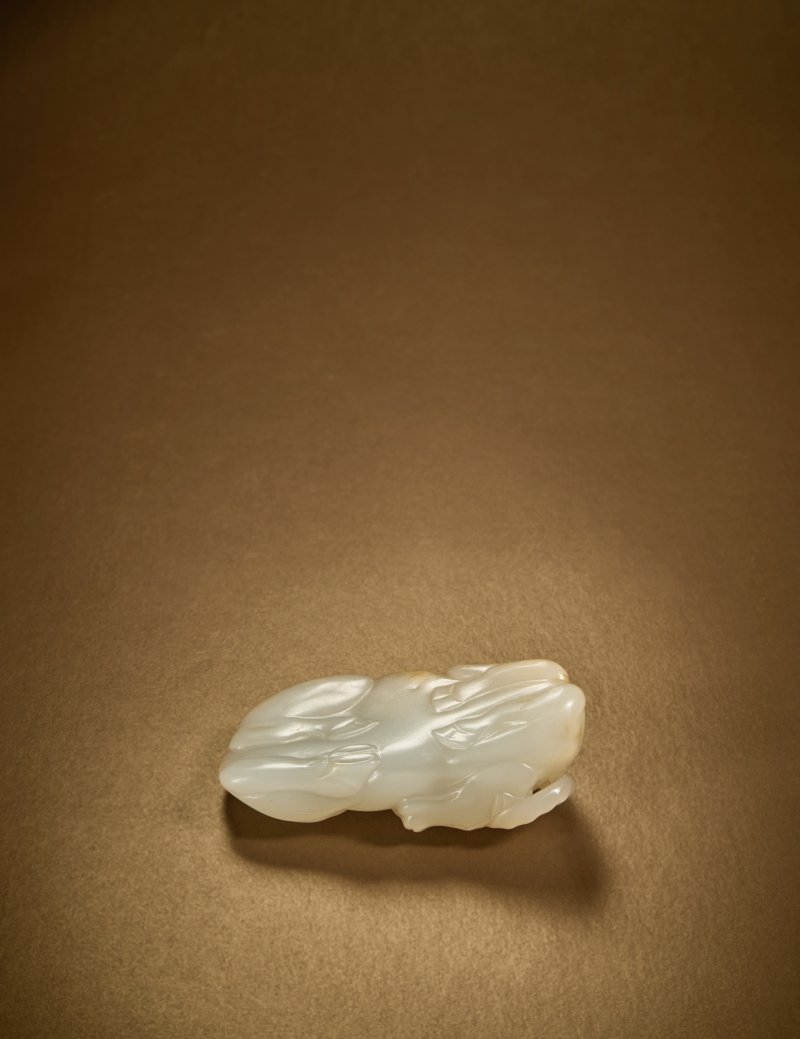
拍品信息
拍品名称
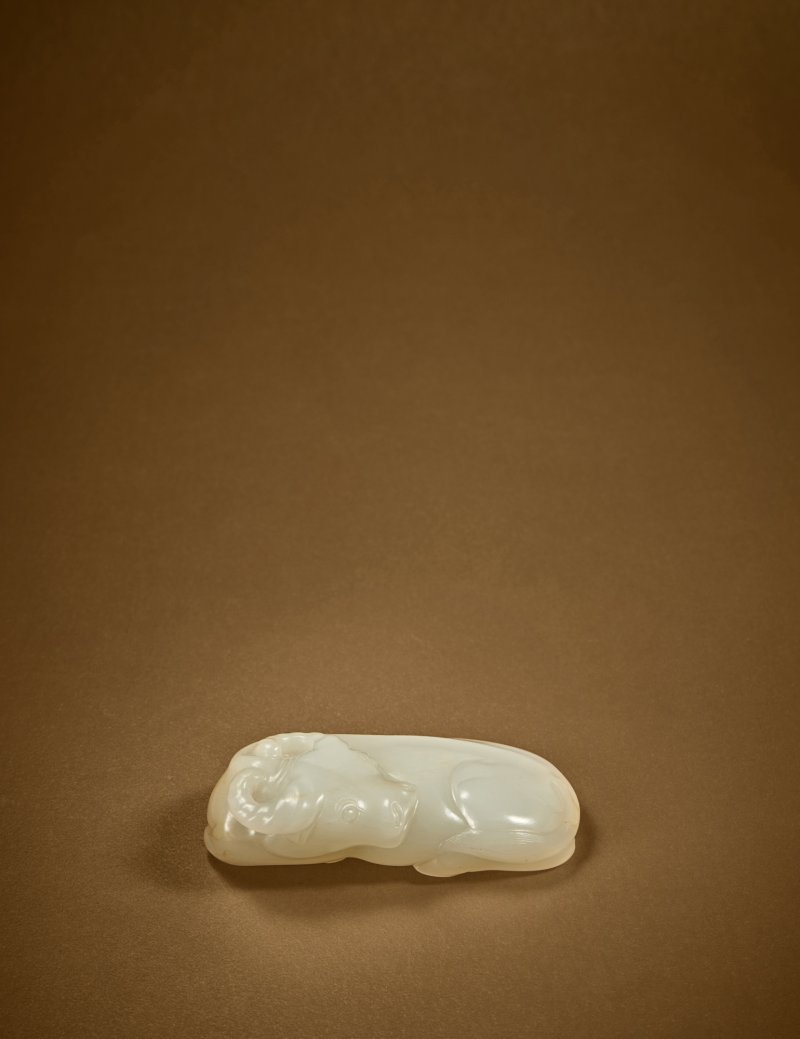
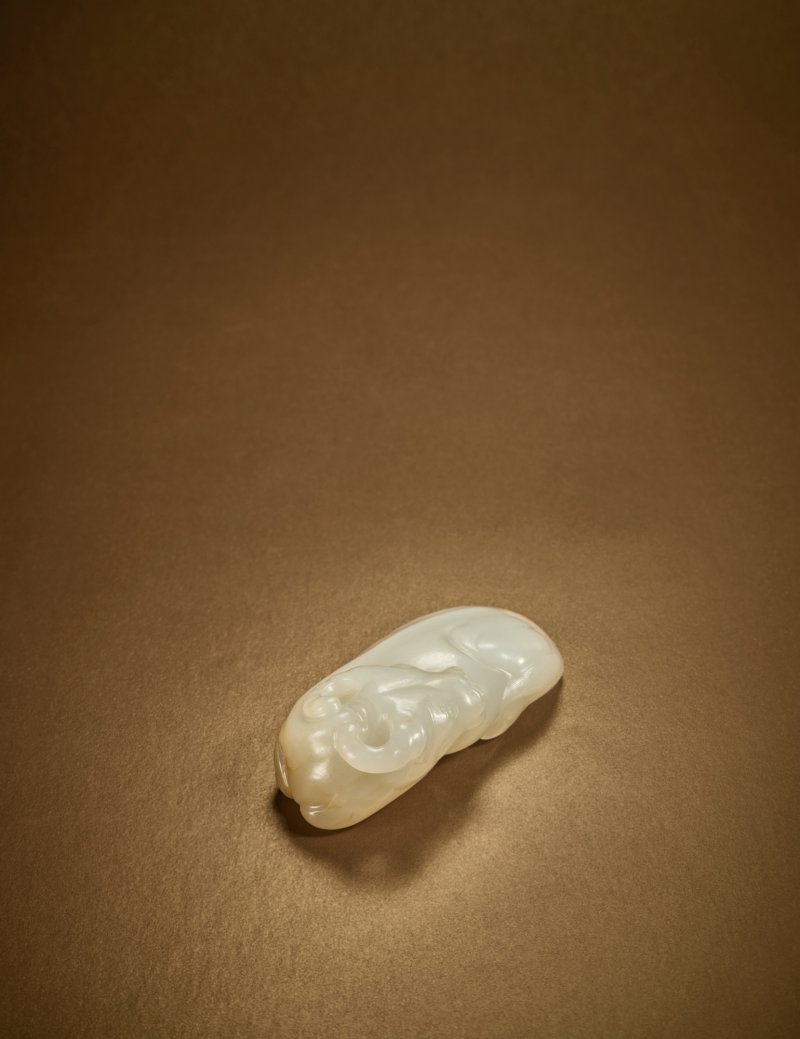
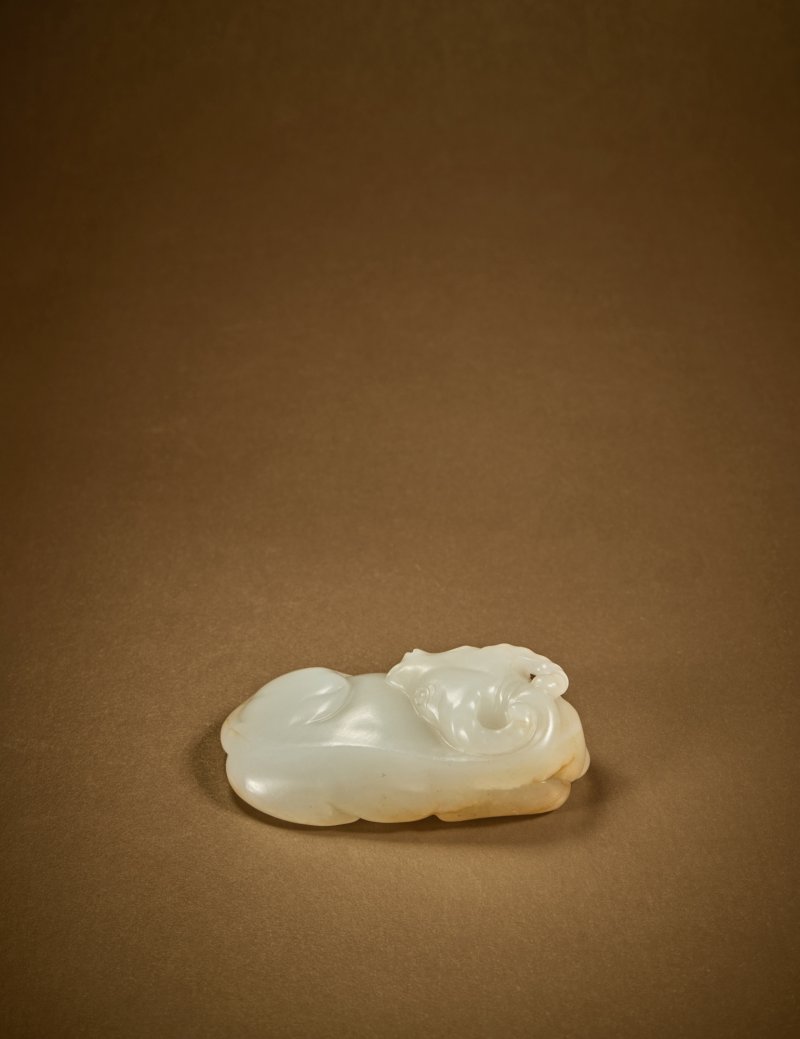
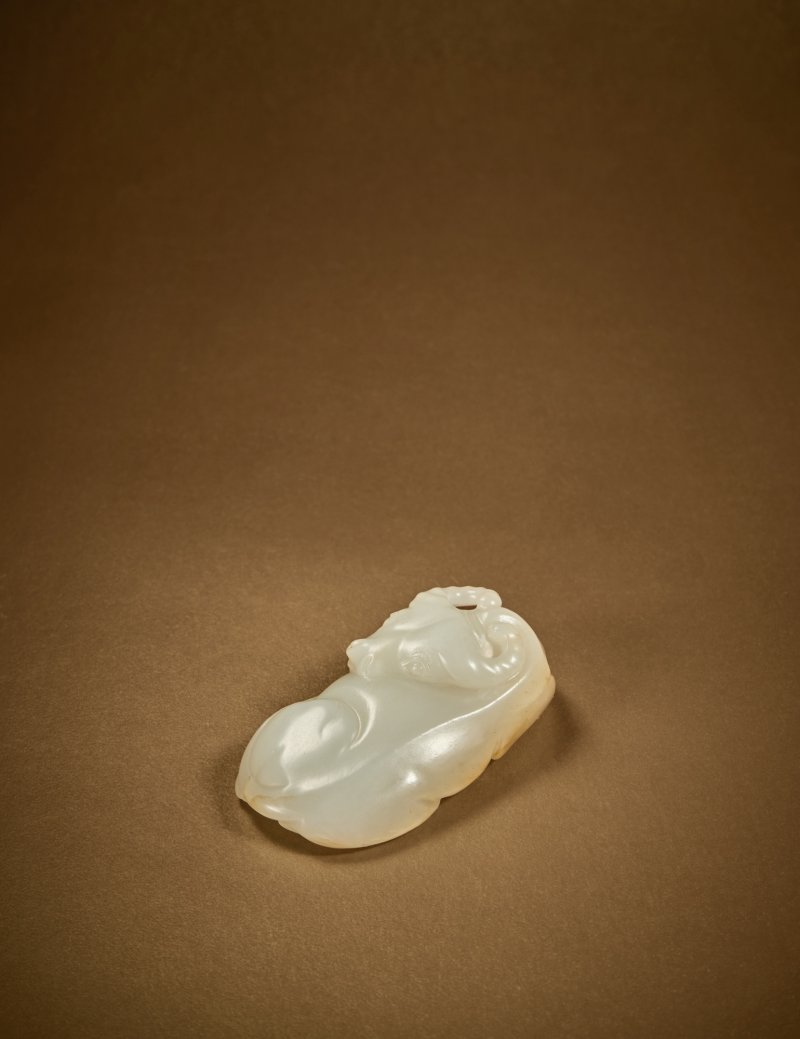
明 白玉雕水牛把件
起拍价
USD 100,000
估值区间
100,000 - 150,000 USD
尺寸
未知
品相
如欲了解本拍品狀況的更多資訊,請聯絡 Drew.Lerner@sothebys.com
更多信息
Length 2⅝ in., 6.7 cm
来源:巴爾 (1877-1959) 收藏
安思遠,紐約
Anthony Carter Ltd.,倫敦
图录
说明:Resting in tranquility but full of vigor and strength, the image of a reclining buffalo is among the most beloved of the classical Chinese canon and is often associated with spring and agriculture. Jade carvings of the present design, with the buffalo's head facing over its back, appear to have been produced from as early as the Song dynasty and serve to represent that the world is at peace. Often depicted with a young boy riding on its back, buffalo have also come to represent obedience and serenity with the sense that even a small child can ride an animal of this size and strength without fear.
In its magnificent sculptural carving, extraordinary stone quality, and soft surface finish, the present carving closely resembles a group of much larger buffalo boulders thought to have come directly from the Ming and Qing imperial courts. Compare a famous gray jade example preserved in the British Museum, London, included in Jessica Rawson, Chinese Jade from the Neolithic to the Qing, British Museum, London, 1995, cat. no. 26:19; the Oscar Raphael buffalo, now in the Fitzwilliam Museum, Cambridge, illustrated in James C.S. Lin, The Immortal Stone, Cambridge, 2009, pl. 36; and another of similar white stone from an English private collection sold at Christie’s Hong Kong, 30th May 2012, lot 3951.
For carvings of more comparable size, compare a closely related, slightly more upright, buffalo in a spinach green stone preserved in the Tianjin City Art Museum, illustrated in Tianjin shi Yishu Bowuguan cang yu [Jades in the Tianjin City Art Museum], Hong Kong, 1993, pl. 194, alongside a group of two embracing badgers of closely related surface finish and white stone, pl. 193; a closely related recumbent ox and boy group in Roger Keverne, ed., Jade, London, 1991, p. 158, fig. 76; and another ox of similarly exquisite carving with russet splashes attributed to the Song dynasty from the Shuisong Shanfang Collection included in Exquisite Jade Carving, University Museum and Art Gallery, University of Hong Kong, Hong Kong, 1996, cat. no. 82.
来源:巴爾 (1877-1959) 收藏
安思遠,紐約
Anthony Carter Ltd.,倫敦
图录
说明:Resting in tranquility but full of vigor and strength, the image of a reclining buffalo is among the most beloved of the classical Chinese canon and is often associated with spring and agriculture. Jade carvings of the present design, with the buffalo's head facing over its back, appear to have been produced from as early as the Song dynasty and serve to represent that the world is at peace. Often depicted with a young boy riding on its back, buffalo have also come to represent obedience and serenity with the sense that even a small child can ride an animal of this size and strength without fear.
In its magnificent sculptural carving, extraordinary stone quality, and soft surface finish, the present carving closely resembles a group of much larger buffalo boulders thought to have come directly from the Ming and Qing imperial courts. Compare a famous gray jade example preserved in the British Museum, London, included in Jessica Rawson, Chinese Jade from the Neolithic to the Qing, British Museum, London, 1995, cat. no. 26:19; the Oscar Raphael buffalo, now in the Fitzwilliam Museum, Cambridge, illustrated in James C.S. Lin, The Immortal Stone, Cambridge, 2009, pl. 36; and another of similar white stone from an English private collection sold at Christie’s Hong Kong, 30th May 2012, lot 3951.
For carvings of more comparable size, compare a closely related, slightly more upright, buffalo in a spinach green stone preserved in the Tianjin City Art Museum, illustrated in Tianjin shi Yishu Bowuguan cang yu [Jades in the Tianjin City Art Museum], Hong Kong, 1993, pl. 194, alongside a group of two embracing badgers of closely related surface finish and white stone, pl. 193; a closely related recumbent ox and boy group in Roger Keverne, ed., Jade, London, 1991, p. 158, fig. 76; and another ox of similarly exquisite carving with russet splashes attributed to the Song dynasty from the Shuisong Shanfang Collection included in Exquisite Jade Carving, University Museum and Art Gallery, University of Hong Kong, Hong Kong, 1996, cat. no. 82.
常见问题
拍品的品相状况如何?
如欲了解本拍品狀況的更多資訊,請聯絡 Drew.Lerner@sothebys.com
这件拍品的流传来源是什么?
巴爾 (1877-1959) 收藏
安思遠,紐約
Anthony Carter Ltd.,倫敦
图录
安思遠,紐約
Anthony Carter Ltd.,倫敦
图录