
Lot 105 清十九世紀 黃花梨雕螭龍紋翹頭案 | A rare Chinese huanghuali trestle leg altar table, qiaotou'an
落槌价
预展中
成交价
预展中
| 拍卖公司 | Roseberys |
|---|---|
| 拍卖时间 | 2026年11月03日 |
拍品信息
拍品名称
清十九世紀 黃花梨雕螭龍紋翹頭案 | A rare Chinese huanghuali trestle leg altar table, qiaotou'an
年代
Qing dynasty, 19th century
起拍价
GBP 14,000
估值区间
Estimate: £20,000 - £30,000
尺寸
177cm x 46.5cm x 88cm.
品相
未知
更多信息
A rare Chinese huanghuali trestle leg altar table, qiaotou'an
Qing dynasty, 19th century
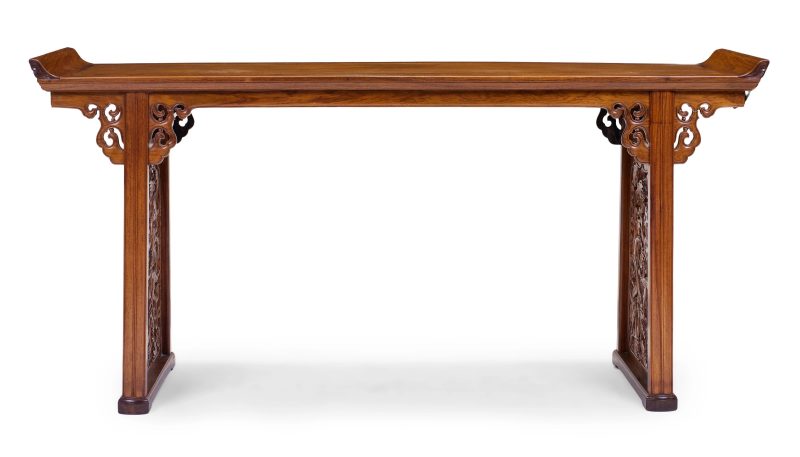
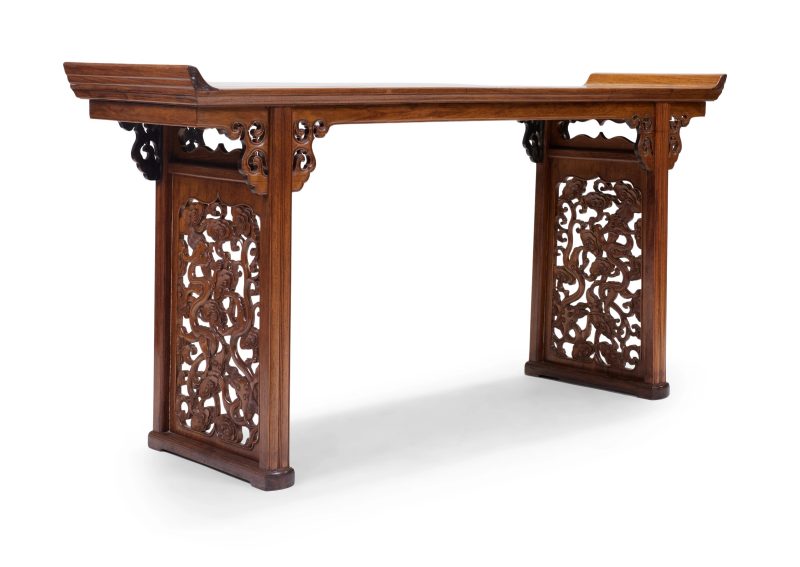
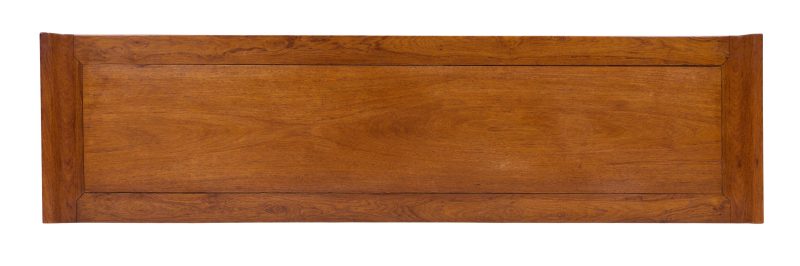
Of floating panel construction, with single panel top set in a rectangular frame terminating in everted ends carved in shallow relief with ruyi scrolls above plain apron and pierced and carved spandrels, raised on slightly flared double-reeded legs joined by an openwork panel carved with chilong amongst lingzhi foliage, 177cm x 46.5cm x 88cm.
清十九世紀 黃花梨雕螭龍紋翹頭案
Note: The qiaotouan (table with upturned ends) is among the most refined and enduring forms of Chinese furniture. Its origins lie in the scholar's studio and the ancestral hall, where tables of this type served for the display of scrolls, ritual vessels and antiquities. The form reached its aesthetic peak in the late Ming and early Qing periods, when huanghuali was the wood of choice for the most discerning patrons. Its warm honeyed tones and pronounced figuring were prized for their quiet elegance, and the best examples rely on proportion and the quality of the timber rather than on applied ornament.
The present table follows that tradition while reflecting the more decorative taste of the 19th century. The trestle-leg structure, with its paired legs and carved panels set between them, allows the cabinetmaker to introduce relief carving without compromising the clean line of the whole. The chilong, the hornless dragon of archaic bronze and jade ornament, was an emblem of authority and antiquity, while lingzhi, the fungus of immortality, signified longevity. Together they carry a wish for enduring prosperity and a long and distinguished lineage. The ruyi scrolls on the flanges and spandrels reinforce this auspicious sentiment, ruyi meaning "as you wish".
Compare with a table in the collection of The Minneapolis Institute of Arts is illustrated by Robert D. Jacobsen and Nicholas Grinldley in Classical Chinese Funriture in the Minneapolis Institute of Arts, 1999, pp.126-128, no. 42. This table is demountable and dated to the 17th century yet like the present table, the front of the legs are decorated with a 'two incense stick' beading and the side panels are similarly carved and pierced with chilong.
以下内容由AI翻译:
【名称】
清十九世紀 黃花梨雕螭龍紋翹頭案
【年代】
清十九世纪
【描述】
一件稀有的中国黄花梨高脚祭桌,翘头案
清十九世纪
采用浮面板结构,单面板顶嵌于矩形框架中,两端向外翻卷,浅浮雕如意纹饰于平素裙板之上,并有透雕的角牙。桌腿略呈喇叭状,双线边框,中间为透雕面板,雕刻螭龙与灵芝叶纹饰,尺寸为177cm x 46.5cm x 88cm。
注:翘头案(两端上翘的桌子)是中国家具中最精致且持久的形式之一。其起源可追溯到文人的书房和宗祠,这类桌子用于展示卷轴、礼器和古董。这种形式在明末清初达到了美学巅峰,当时黄花梨是最高雅的木材选择。其温暖的蜜色和明显的纹理因其静谧的优雅而受到珍视,最好的例子依赖于比例和木材的质量而非附加装饰。
这件桌子遵循了这一传统,同时反映了19世纪更为装饰性的品味。高脚结构,配对的腿和其间雕刻的面板,使木匠能够在不破坏整体线条的情况下引入浮雕。螭龙,无角的龙,在古代青铜器和玉器装饰中象征权威和古老,而灵芝则象征长寿。它们共同表达了对长久繁荣和显赫家族的祝愿。边缘和角牙上的如意纹饰加强了这种吉祥的意义,如意意为“如你所愿”。
可以与明尼阿波利斯艺术学院收藏的一张桌子进行比较,该桌子由Robert D. Jacobsen和Nicholas Grinldley在1999年出版的《明尼阿波利斯艺术学院藏中国古典家具》一书中第126-128页,编号42中插图。这张桌子是可拆卸的,年代定为17世纪,但像现在的桌子一样,腿的前面装饰有“两根香”的珠边,侧面板也类似地雕刻并透雕有螭龙。
常见问题
这件清十九世紀 黃花梨雕螭龍紋翹頭案 | A rare Chinese huanghuali trestle leg altar table, qiaotou'an的成交价是多少?
落槌价为 预展中。 成交价为 预展中。
拍品的尺寸是多少?
177cm x 46.5cm x 88cm.