
Lot 633Y 亀井少琹及其他 立軸四幅 | KAMEI SHOKIN (1798-1857) AND OTHERS
落槌价
预展中
成交价
预展中
| 拍卖公司 | 邦瀚斯 |
|---|---|
| 拍卖时间 | 2026年11月12日 |
拍品信息
拍品名称
亀井少琹及其他 立軸四幅 | KAMEI SHOKIN (1798-1857) AND OTHERS
起拍价
GBP 500
估值区间
GBP 500 - 700
尺寸
未知
品相
未知
更多信息
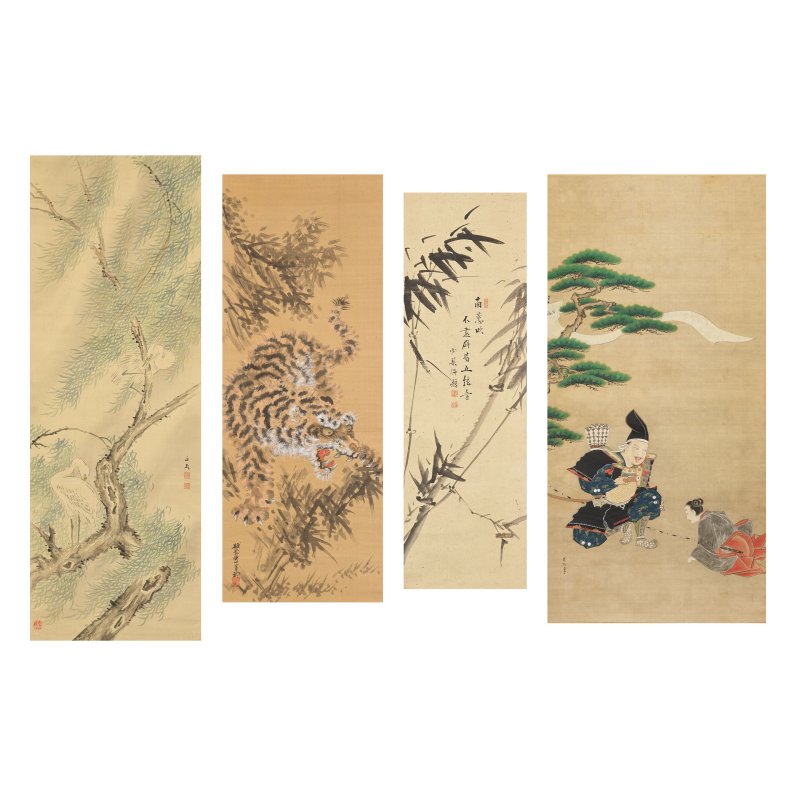
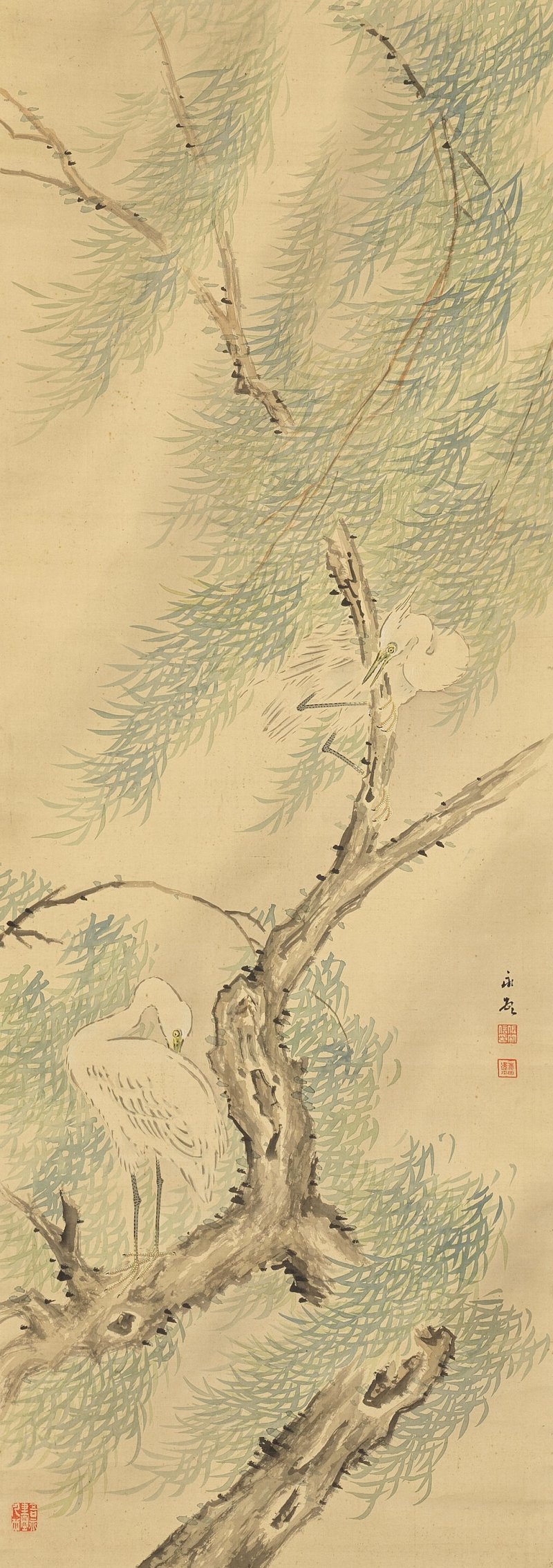
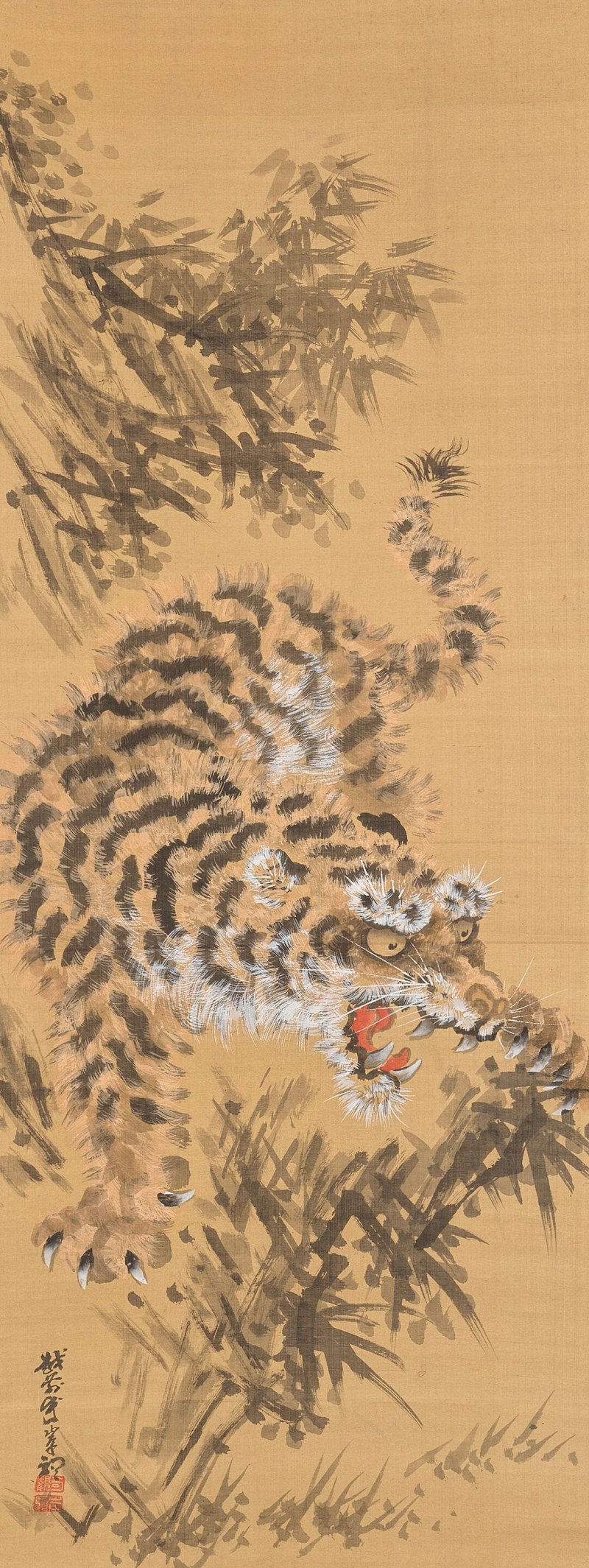
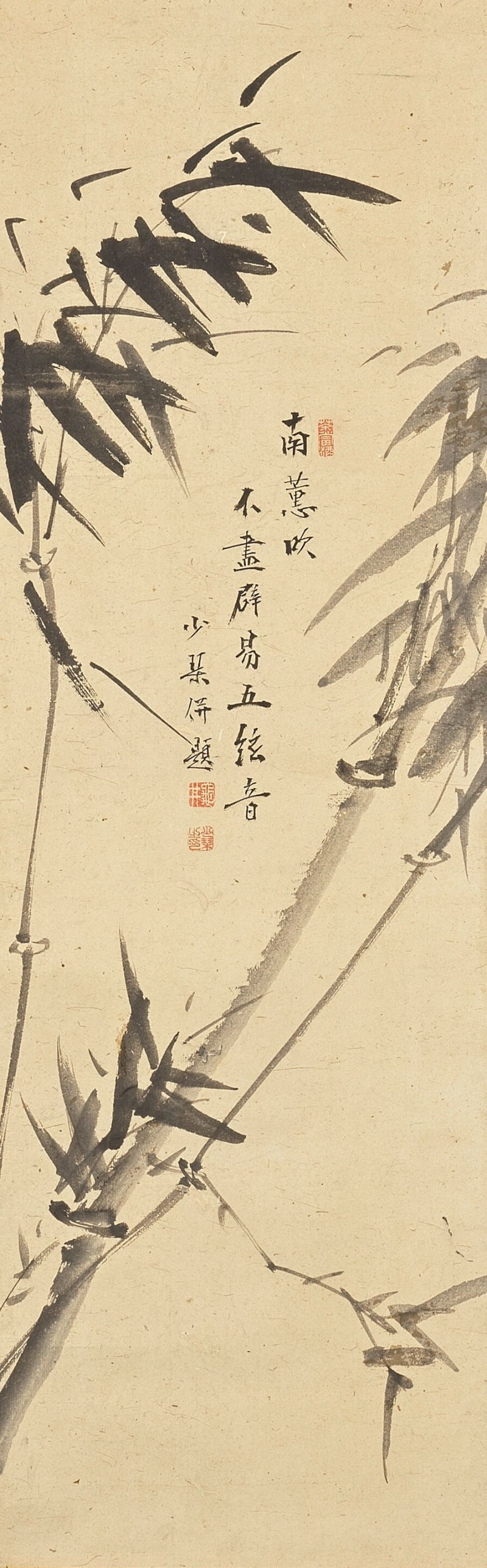
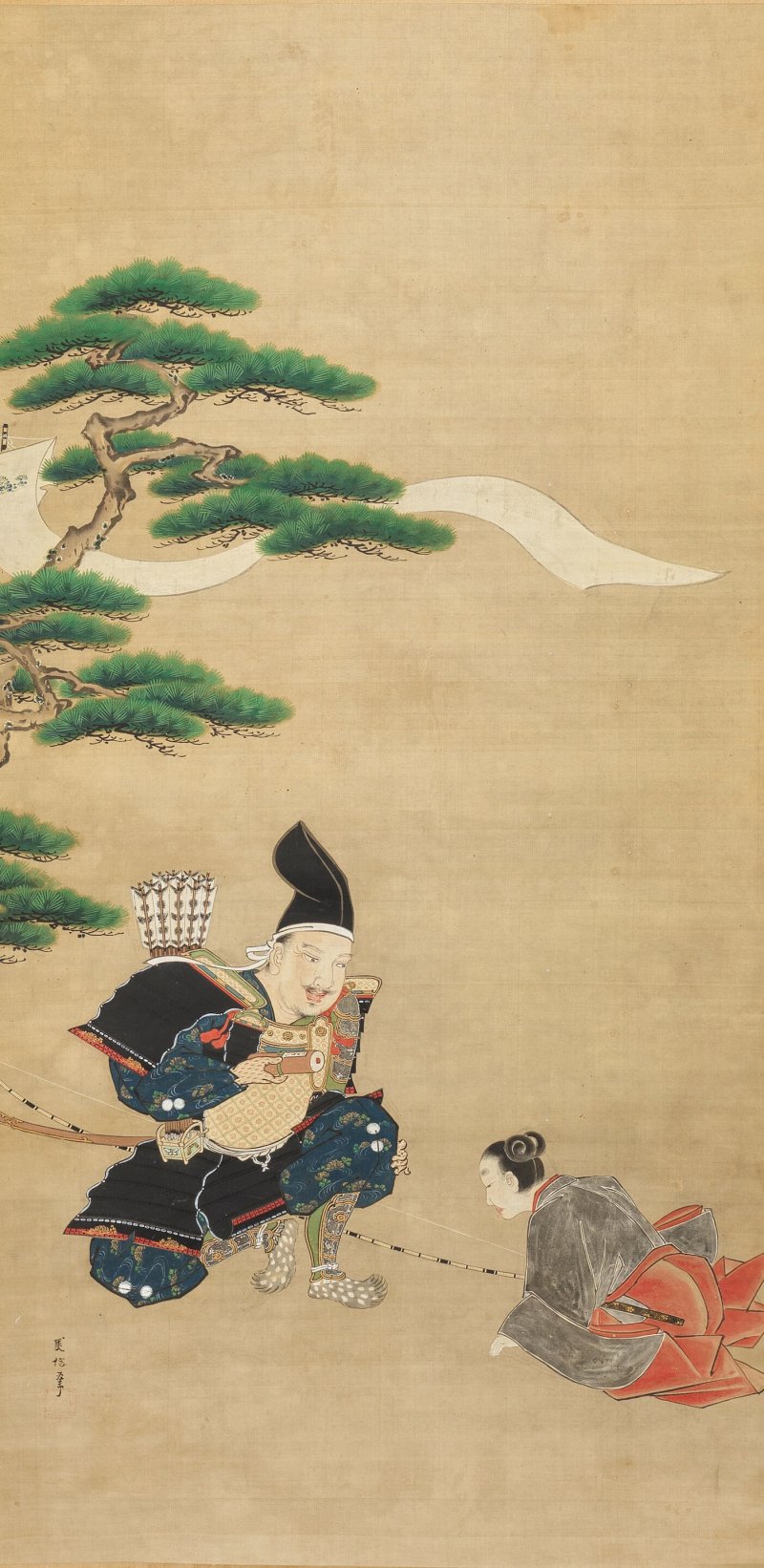
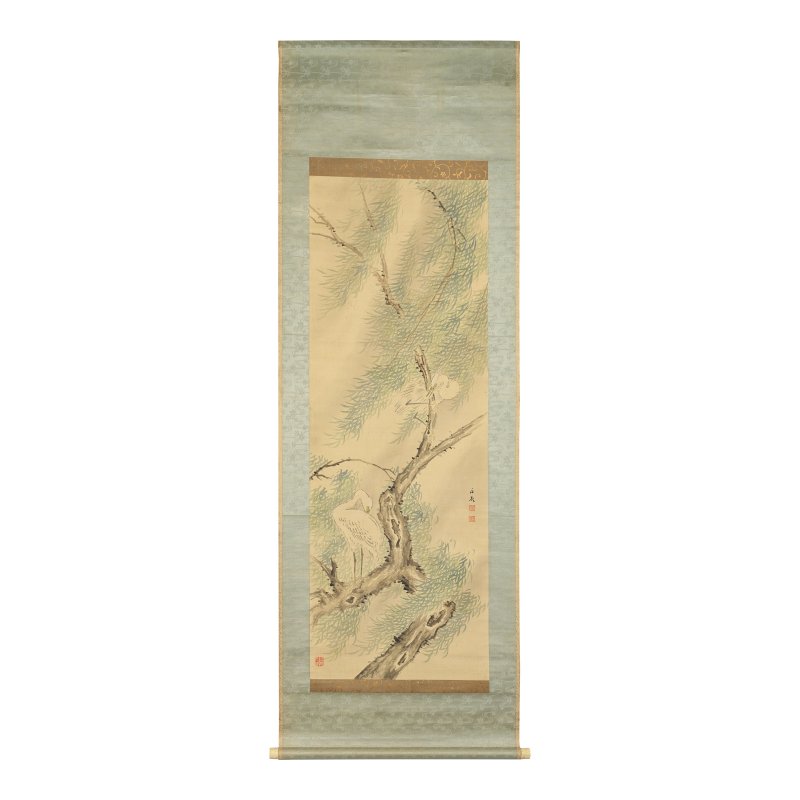
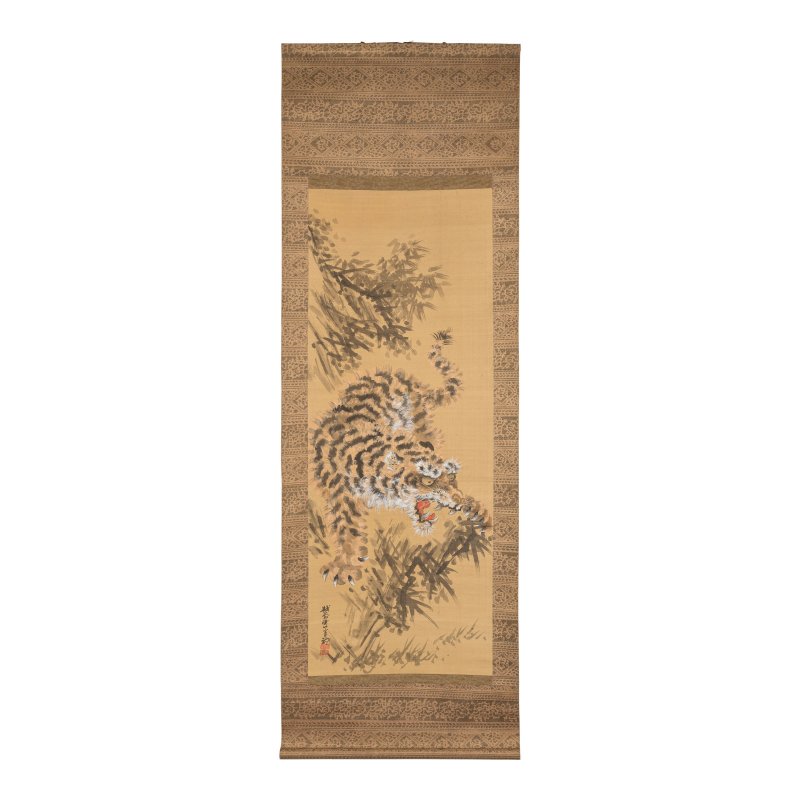
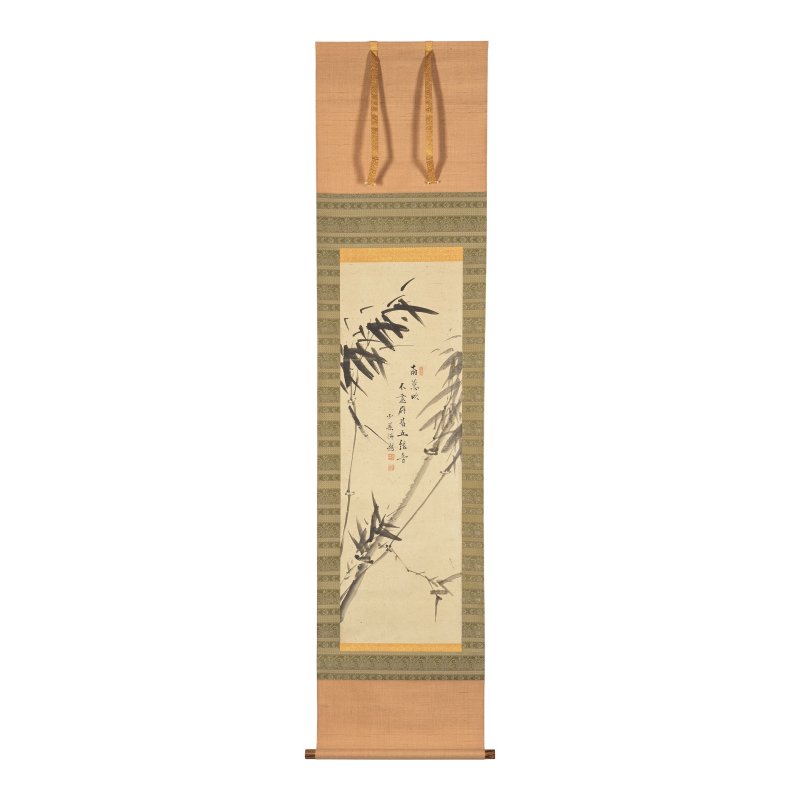
Comprising: a hanging scroll depicting bamboo trees, ink on paper with three artist's seals, wood box; a hanging scroll illustrating warrior Kusunoki Masashige bidding farewell to his son Masatsura at Sakurai, entrusting him with handscroll, ink and colour on silk; a hanging scroll painting of egrets among willow trees, ink and colour on silk, wood box; a painting of a tiger, hanging scroll, ink and colour on silk, wood box.
The largest 68.8cm (27in) high x 139cm (54 3/4in) wide. (4).
Footnotes
亀井少琹及其他 立軸四幅
Kamei Shokin was a Chinese-style poet, calligrapher, and literati painter from Chikuzen Province (present day Fukuoka Prefecture) during the Edo period.
Shokin became well known for her paintings, particularly works depicting traditional botanical and literary themes. Her art often focused on subjects such as the "Four Noble Ones" (Sikunshi—orchids, bamboo, plum blossoms, and chrysanthemums), a motif deeply rooted in literati culture that symbolised elegance and refined virtue.
Many female artists at that time were not properly documented and were therefore forgotten by history. But Shokin made a name for herself through her artistic and literary talents, by 1853, she was famous for her paintings and received numerous commissions.
常见问题
这件亀井少琹及其他 立軸四幅 | KAMEI SHOKIN (1798-1857) AND OTHERS的成交价是多少?
落槌价为 预展中。 成交价为 预展中。