
拍品信息
拍品名称
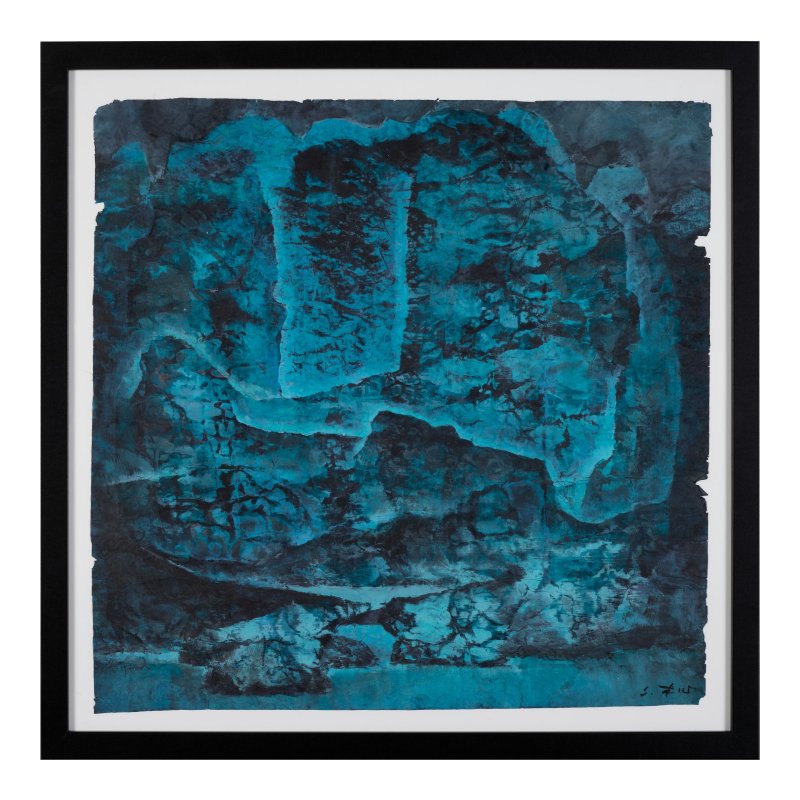
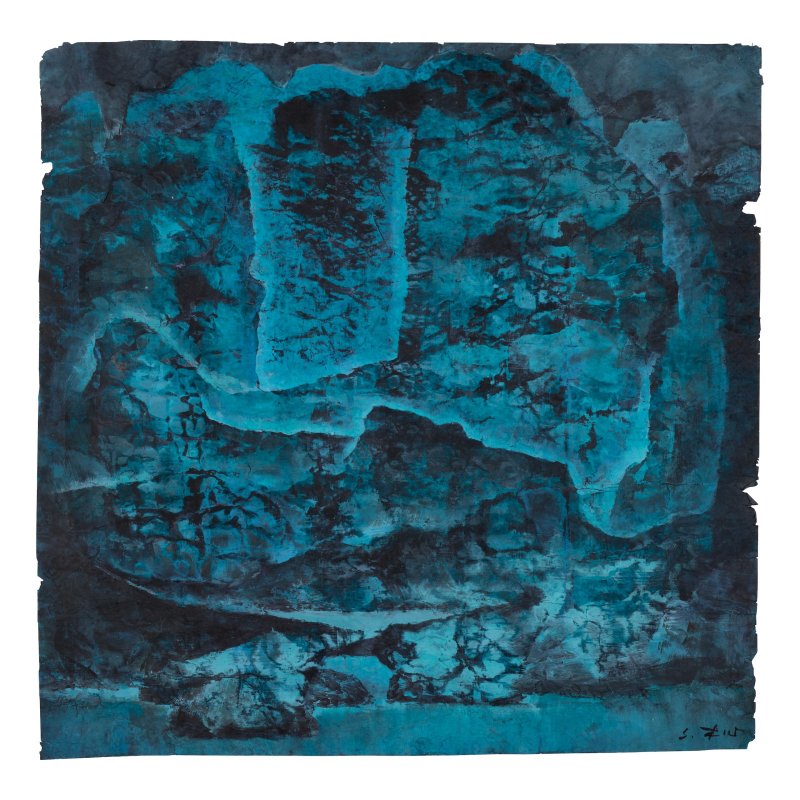
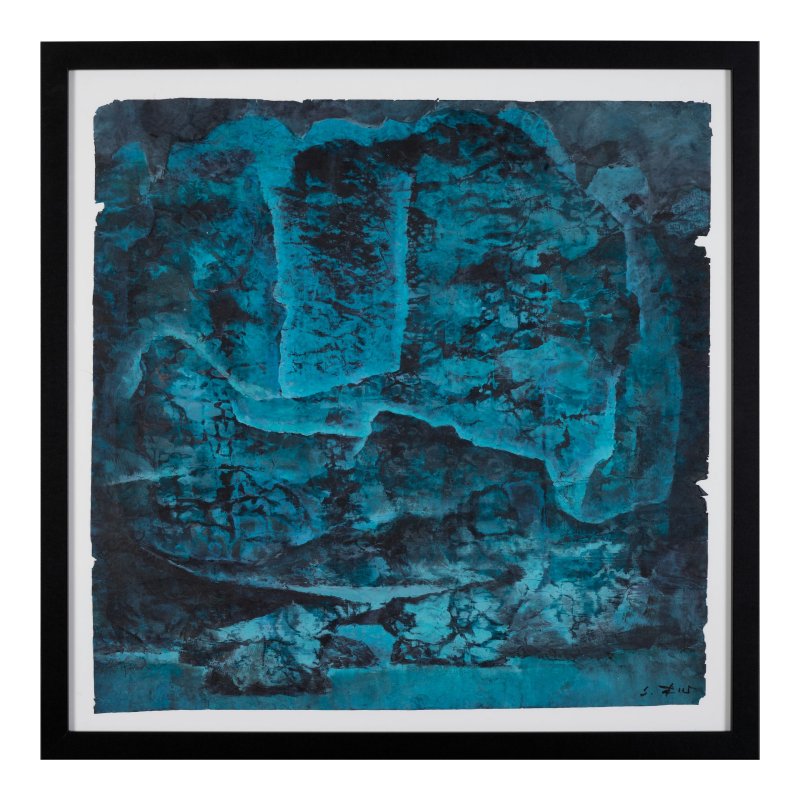
木心(1927-2011) 那人卜居的丘壑 設色紙本 鏡心 | MU XIN (1927-2011)
年代
Blue Radiance
起拍价
USD 18,000
估值区间
未知
尺寸
未知
品相
未知
更多信息
Blue Radiance
Unmounted, ink and color on paper, signed S. Mu Xin.
26 x 26 3/4in (66.5 x 68cm)
Footnotes
Provenance:
Collection of C.C. Wang (Wang Jiqian, 1907-2003), acquired directly from the artist, thereafter by descent.
Mu Xin was born Sun Pu, style name Yangzhong and sobriquet Muxin, in Wuzhen (Zhejiang Province), the ancient water town south of the Yangtze. Over the past decade, a verse from one of his poems "In days gone by, the sunlight faded slowly; carriages, horses, and letters were all slow; a lifetime was just enough to love one person," crossed into the realm of Chinese popular music and became widely sung, bringing Mu Xin's name to a broad public. Recognition of his literary achievement already came relatively late; his position within the history of contemporary Chinese painting, meanwhile, has yet to be fully established.
Mu Xin began studying traditional ink painting at the age of seven and held his first solo exhibition in Hangzhou when he was only sixteen. In 1946, he entered the Western Painting Department of the Shanghai School of Fine Arts, where he studied under Lin Fengmian (1900-1991). During the turbulent decades that followed, he supported himself through a variety of occupations. Between the 1950s and 1970s, he was imprisoned on three occasions yet continued to create both art and literature even while incarcerated. In 1978, he was appointed Secretary-General of the Shanghai Arts and Crafts Association. In 1980, six of his ink paintings received a gold medal in Yokohama, Japan. He moved to New York in 1982 and studied at the Art Students League on West 57th Street at Seventh Avenue in Manhattan. In 2001, the Yale University Art Gallery organized a major solo exhibition of his work, which subsequently traveled to the Art Institute of Chicago, the Honolulu Museum of Art, and Asia Society Museum in New York. In 2006, Mu Xin returned to his native Wuzhen, where he settled permanently and spent the final five years of his life.
Little documentation survives concerning the friendship between Mu Xin and C. C. Wang (Wang Jiqian, 1907-2003), yet Wang appears to have been among the most important private collectors of Mu Xin's paintings in North America. During Mu Xin's early years in the United States, Wang acquired his works invited him to reside in a luxury apartment at 30 West 61st Street, near Lincoln Center in Manhattan. Wang also frequently invited Mu Xin to view masterpieces of classical Chinese painting from his collection. A close examination of the two artists' works and working methods makes it difficult to dismiss the possibility of a fruitful exchange of artistic ideas between them. In his later works, Wang frequently employed impressions and transfers to generate organic textures, subsequently refining details with the ink brush. Mu Xin, somewhat similarly, first applied pigments to a large sheet of glass, laid paper over the painted surface to transfer the image and then worked further upon the paper to articulate and modify its details. The resulting compositions thus combine textures generated through chance with deliberately introduced brushwork. Although both artists worked largely with traditional Chinese materials, the visual effects they achieved were strikingly new.
Richard Barnhart once identified a "tender lyricism" at the essence of Mu Xin's art and drew particular attention to the role of accidental visual effects in his work. As Barnhart observed, "Part of his genius is clearly in being able to see what potential for evocative landscape his accidental or random effects hold, and knowing how to proceed to give additional shape to those images. The smooth, ghostly mountain shapes of many of his earlier large-scale paintings are now almost always clothed in abstract textures, patterns, and striations, and take forms that suggest geological or biological patterns, interplanetary worlds, or the crystalline structures inside rocks or fractured metals." (Richard Barnhart, "Mu Xin - Recent Landscape Paintings")
木心(1927-2011) 那人卜居的丘壑 設色紙本 鏡心
款識:S. 木心
王己千(王季遷,1907-2003)「懷雲樓」舊藏,直接得自藝術家,繼由其後人珍藏至今。
「中國的『自然』內有『人』——誰蒔的花服誰,那人卜居的丘壑有那人的風神,猶如衣裳具備襲者的性情,舊的空鞋都有腳......古老的國族,街頭巷尾亭角橋堍,無不可見一閃一爍的人文劇情、名城宿蹟,更是重重疊疊的往事塵夢,鬱積得憋不過來了,幸虧總有春花秋月等閒度地在那裡撫卹紓解,透一口氣,透一口氣,這已是歷史的喘息。稍多一些智能的人,隨時隨地從此種一閃一爍重重疊疊的意像中,看到古老國族的輝煌而襤褸的整體,而且頭尾分明。古老的國族因此多詩、多謠、多髒話、多軼事、多奇談、多機警的詛咒、多傷心的俏皮絕句。茶、煙、酒的消耗量與日俱增......唯有那裡的『自然』清明而殷勤,亙古如斯地眷顧著那裡的『人』。大動亂的年代,頹壁斷垣間桃花盛開,雨後的刑場上蒲公英星星點點,瓦礫堆邊松菌竹筍依然......總有兩三行人為之駐足,為之思量。而且,每次浩劫初歇,家家戶戶忙於栽花種草,休沐盤桓於綠水青山之間——可見當時的紛爭都是荒誕的,而桃花、蒲公英、松菌、竹筍的主見是對的。」——木心《哥倫比亞的倒影·九月初九》選段
木心原名孫璞,字仰中,號牧心,浙江烏鎮人,那個「燕子飛時,綠水人家繞」的江南古鎮。近十年來,他的一首「從前的日色變得慢,車、馬、郵件都慢,一生只夠愛一個人」在華語流行樂壇破圈,廣為傳唱,才讓木心之名家喻戶曉。其文名之彰顯,已是姍姍遲來,而他在中國當代畫壇,甚至還未稱得上有怎樣的地位。
木心七歲習傳統水墨,十六嵗便在杭州舉辦了個人畫展,一九四六年考入上海美術專科學校西洋畫專業,師從林風眠。兵荒馬亂的年代,他做過各類零散工作;五十至七十年代間,三次入獄,然獄中仍持續美術與文學創作不輟。一九七八年,獲推任上海市工藝美術協會秘書長。八〇年,六件水墨作品在日本橫濱獲金獎。八二年移居紐約,在曼哈頓五十七街、第七大道的藝術學生聯盟(Art Student League)研習。二〇〇一年,耶魯大學美術館為其舉辦大型個展,並巡迴芝加哥美術館、夏威夷美術館及紐約亞洲協會美術館。二〇〇六年,木心重返家鄉定居,落葉歸根,度過了生命最後的五年。
關於木心與王己千交游的記錄極少,然王己千或為木心畫作在北美最重要的私人藏家之一。木心赴美初年,王己千即購藏其彩墨作品,並邀其入住曼哈頓林肯中心「六十一街三十W. APT」高檔寓所,且時常請木心同賞其所蓄古畫佳作。細觀二人作品面貌與創作手法,實難謂這其中沒有靈感的交織。王己千後期創作,多用壓印營造自然紋理,復以墨筆收拾細處。而木心則先於玻璃大板上塗抹顔料,再將畫紙覆蓋其上,隨後於紙面上進行細節修飾,既有隨機生成的紋理,又有主觀加入的筆意。雖所用多為中國傳統媒材,而畫作效果卻煥然一新。
班宗華嘗謂木心作品的深處是「溫柔的詩意」,並提及其中呈現出的「偶然性視覺效果說」,稱「他的天賦便在於能敏銳洞察這些偶然性中所蘊含的山水意境,並知曉如何進一步賦予這些意象更明晰的形貌。其早年大幅作品中那種平滑而縹緲的山形,如今皆披覆以更抽象的紋理圖像與條痕排佈,像是地質形態,也如生物肌理,還可以似星際異境,抑或岩石、金屬内在的微觀結構。」
Unmounted, ink and color on paper, signed S. Mu Xin.
26 x 26 3/4in (66.5 x 68cm)
Footnotes
Provenance:
Collection of C.C. Wang (Wang Jiqian, 1907-2003), acquired directly from the artist, thereafter by descent.
Mu Xin was born Sun Pu, style name Yangzhong and sobriquet Muxin, in Wuzhen (Zhejiang Province), the ancient water town south of the Yangtze. Over the past decade, a verse from one of his poems "In days gone by, the sunlight faded slowly; carriages, horses, and letters were all slow; a lifetime was just enough to love one person," crossed into the realm of Chinese popular music and became widely sung, bringing Mu Xin's name to a broad public. Recognition of his literary achievement already came relatively late; his position within the history of contemporary Chinese painting, meanwhile, has yet to be fully established.
Mu Xin began studying traditional ink painting at the age of seven and held his first solo exhibition in Hangzhou when he was only sixteen. In 1946, he entered the Western Painting Department of the Shanghai School of Fine Arts, where he studied under Lin Fengmian (1900-1991). During the turbulent decades that followed, he supported himself through a variety of occupations. Between the 1950s and 1970s, he was imprisoned on three occasions yet continued to create both art and literature even while incarcerated. In 1978, he was appointed Secretary-General of the Shanghai Arts and Crafts Association. In 1980, six of his ink paintings received a gold medal in Yokohama, Japan. He moved to New York in 1982 and studied at the Art Students League on West 57th Street at Seventh Avenue in Manhattan. In 2001, the Yale University Art Gallery organized a major solo exhibition of his work, which subsequently traveled to the Art Institute of Chicago, the Honolulu Museum of Art, and Asia Society Museum in New York. In 2006, Mu Xin returned to his native Wuzhen, where he settled permanently and spent the final five years of his life.
Little documentation survives concerning the friendship between Mu Xin and C. C. Wang (Wang Jiqian, 1907-2003), yet Wang appears to have been among the most important private collectors of Mu Xin's paintings in North America. During Mu Xin's early years in the United States, Wang acquired his works invited him to reside in a luxury apartment at 30 West 61st Street, near Lincoln Center in Manhattan. Wang also frequently invited Mu Xin to view masterpieces of classical Chinese painting from his collection. A close examination of the two artists' works and working methods makes it difficult to dismiss the possibility of a fruitful exchange of artistic ideas between them. In his later works, Wang frequently employed impressions and transfers to generate organic textures, subsequently refining details with the ink brush. Mu Xin, somewhat similarly, first applied pigments to a large sheet of glass, laid paper over the painted surface to transfer the image and then worked further upon the paper to articulate and modify its details. The resulting compositions thus combine textures generated through chance with deliberately introduced brushwork. Although both artists worked largely with traditional Chinese materials, the visual effects they achieved were strikingly new.
Richard Barnhart once identified a "tender lyricism" at the essence of Mu Xin's art and drew particular attention to the role of accidental visual effects in his work. As Barnhart observed, "Part of his genius is clearly in being able to see what potential for evocative landscape his accidental or random effects hold, and knowing how to proceed to give additional shape to those images. The smooth, ghostly mountain shapes of many of his earlier large-scale paintings are now almost always clothed in abstract textures, patterns, and striations, and take forms that suggest geological or biological patterns, interplanetary worlds, or the crystalline structures inside rocks or fractured metals." (Richard Barnhart, "Mu Xin - Recent Landscape Paintings")
木心(1927-2011) 那人卜居的丘壑 設色紙本 鏡心
款識:S. 木心
王己千(王季遷,1907-2003)「懷雲樓」舊藏,直接得自藝術家,繼由其後人珍藏至今。
「中國的『自然』內有『人』——誰蒔的花服誰,那人卜居的丘壑有那人的風神,猶如衣裳具備襲者的性情,舊的空鞋都有腳......古老的國族,街頭巷尾亭角橋堍,無不可見一閃一爍的人文劇情、名城宿蹟,更是重重疊疊的往事塵夢,鬱積得憋不過來了,幸虧總有春花秋月等閒度地在那裡撫卹紓解,透一口氣,透一口氣,這已是歷史的喘息。稍多一些智能的人,隨時隨地從此種一閃一爍重重疊疊的意像中,看到古老國族的輝煌而襤褸的整體,而且頭尾分明。古老的國族因此多詩、多謠、多髒話、多軼事、多奇談、多機警的詛咒、多傷心的俏皮絕句。茶、煙、酒的消耗量與日俱增......唯有那裡的『自然』清明而殷勤,亙古如斯地眷顧著那裡的『人』。大動亂的年代,頹壁斷垣間桃花盛開,雨後的刑場上蒲公英星星點點,瓦礫堆邊松菌竹筍依然......總有兩三行人為之駐足,為之思量。而且,每次浩劫初歇,家家戶戶忙於栽花種草,休沐盤桓於綠水青山之間——可見當時的紛爭都是荒誕的,而桃花、蒲公英、松菌、竹筍的主見是對的。」——木心《哥倫比亞的倒影·九月初九》選段
木心原名孫璞,字仰中,號牧心,浙江烏鎮人,那個「燕子飛時,綠水人家繞」的江南古鎮。近十年來,他的一首「從前的日色變得慢,車、馬、郵件都慢,一生只夠愛一個人」在華語流行樂壇破圈,廣為傳唱,才讓木心之名家喻戶曉。其文名之彰顯,已是姍姍遲來,而他在中國當代畫壇,甚至還未稱得上有怎樣的地位。
木心七歲習傳統水墨,十六嵗便在杭州舉辦了個人畫展,一九四六年考入上海美術專科學校西洋畫專業,師從林風眠。兵荒馬亂的年代,他做過各類零散工作;五十至七十年代間,三次入獄,然獄中仍持續美術與文學創作不輟。一九七八年,獲推任上海市工藝美術協會秘書長。八〇年,六件水墨作品在日本橫濱獲金獎。八二年移居紐約,在曼哈頓五十七街、第七大道的藝術學生聯盟(Art Student League)研習。二〇〇一年,耶魯大學美術館為其舉辦大型個展,並巡迴芝加哥美術館、夏威夷美術館及紐約亞洲協會美術館。二〇〇六年,木心重返家鄉定居,落葉歸根,度過了生命最後的五年。
關於木心與王己千交游的記錄極少,然王己千或為木心畫作在北美最重要的私人藏家之一。木心赴美初年,王己千即購藏其彩墨作品,並邀其入住曼哈頓林肯中心「六十一街三十W. APT」高檔寓所,且時常請木心同賞其所蓄古畫佳作。細觀二人作品面貌與創作手法,實難謂這其中沒有靈感的交織。王己千後期創作,多用壓印營造自然紋理,復以墨筆收拾細處。而木心則先於玻璃大板上塗抹顔料,再將畫紙覆蓋其上,隨後於紙面上進行細節修飾,既有隨機生成的紋理,又有主觀加入的筆意。雖所用多為中國傳統媒材,而畫作效果卻煥然一新。
班宗華嘗謂木心作品的深處是「溫柔的詩意」,並提及其中呈現出的「偶然性視覺效果說」,稱「他的天賦便在於能敏銳洞察這些偶然性中所蘊含的山水意境,並知曉如何進一步賦予這些意象更明晰的形貌。其早年大幅作品中那種平滑而縹緲的山形,如今皆披覆以更抽象的紋理圖像與條痕排佈,像是地質形態,也如生物肌理,還可以似星際異境,抑或岩石、金屬内在的微觀結構。」