
拍品信息
拍品名称
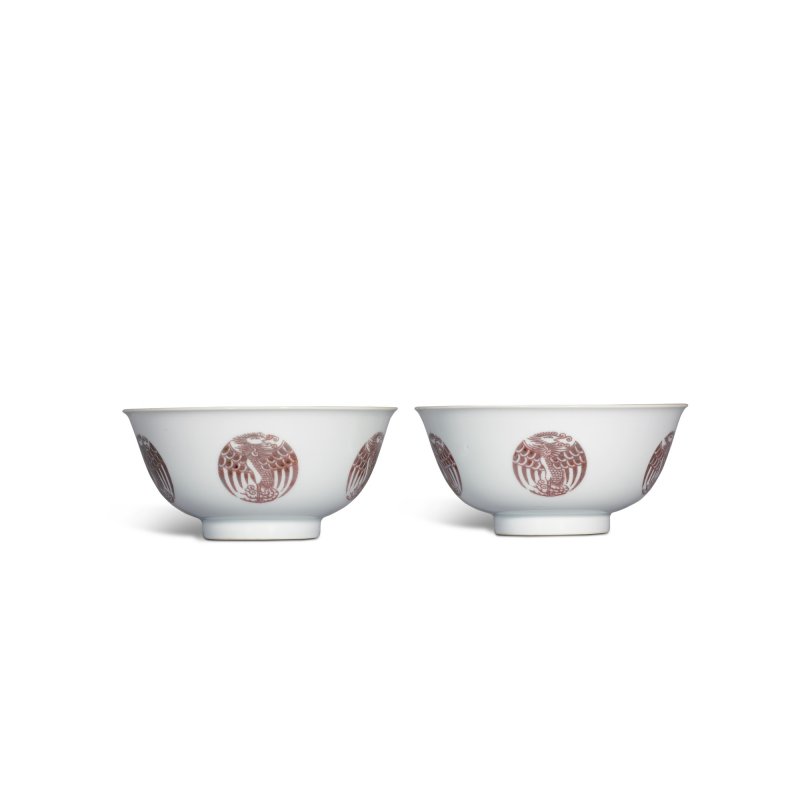
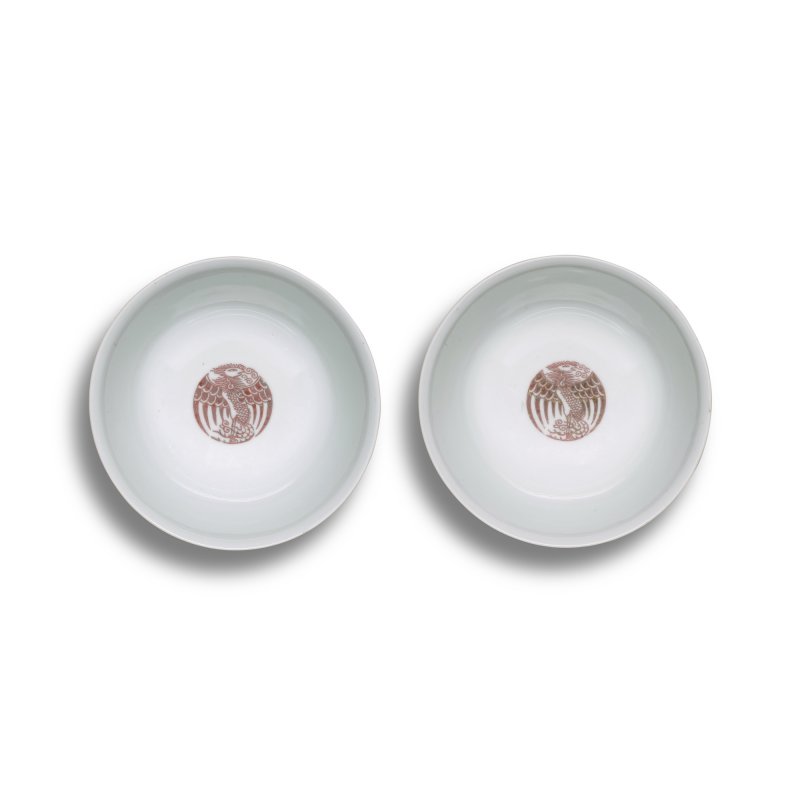
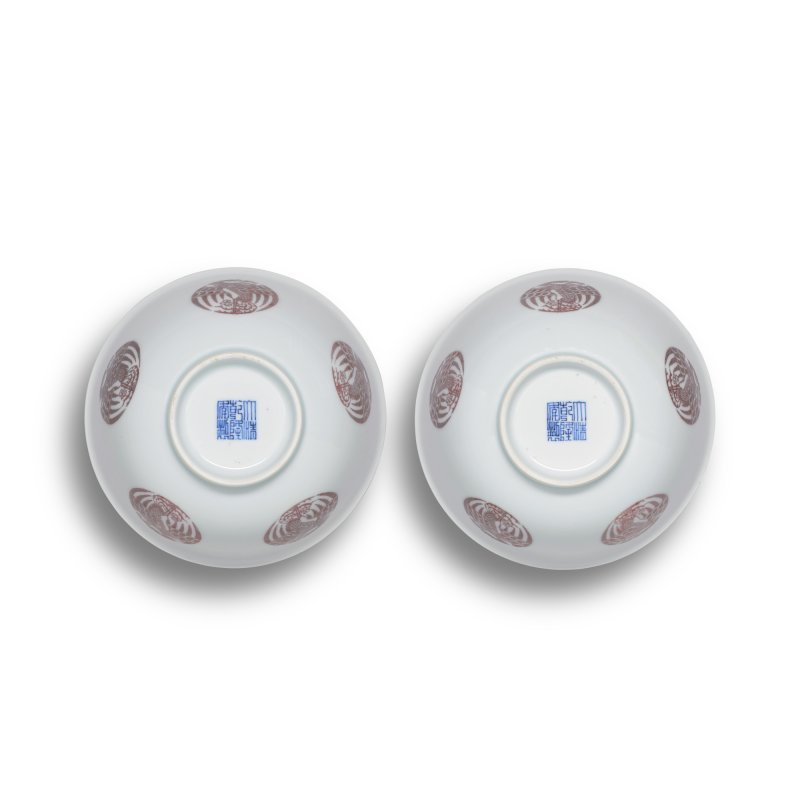
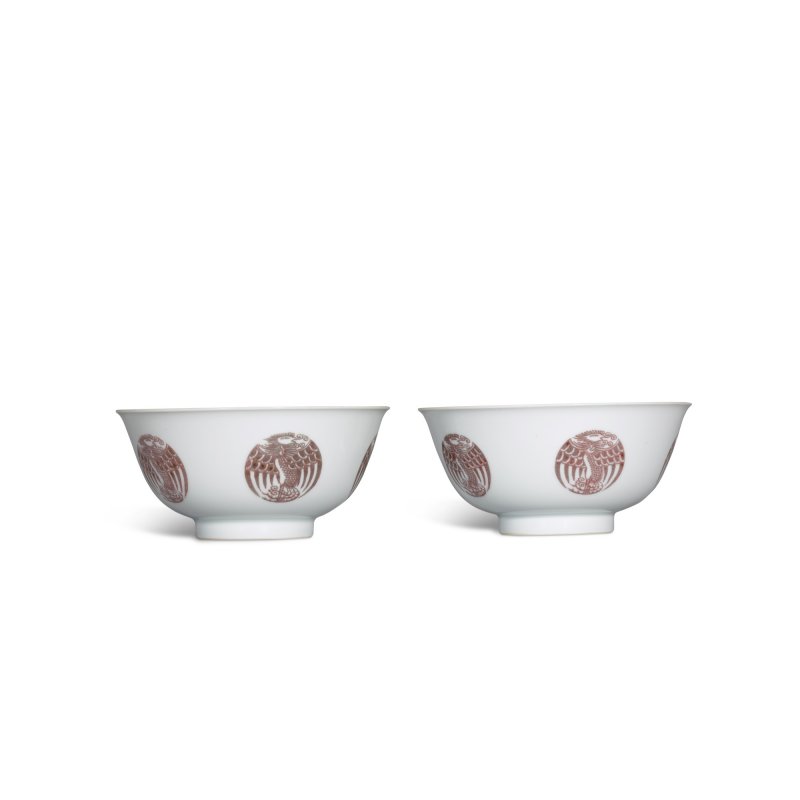
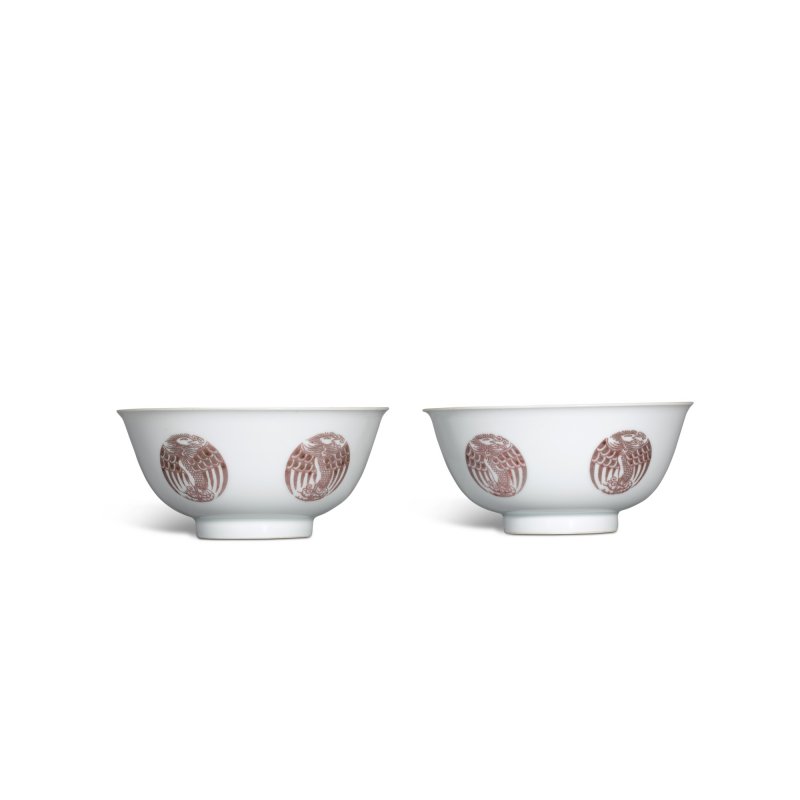
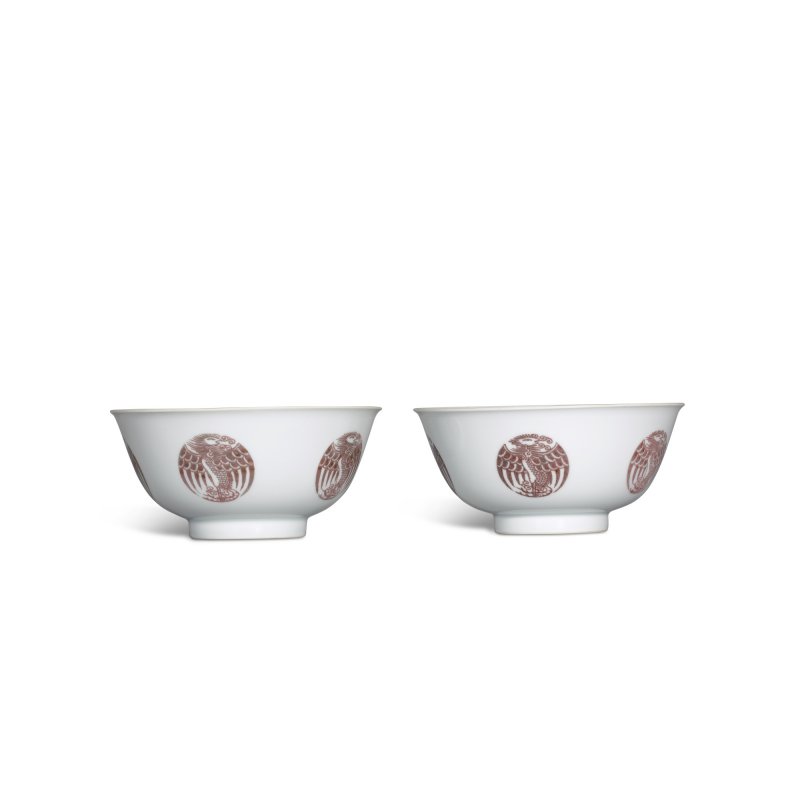
清乾隆 釉裏紅團鳳紋盌一對 《大清乾隆年製》款
起拍价
GBP 35,000
估值区间
35,000 - 50,000 GBP
尺寸
未知
品相
The bowls are in good condition.
If a condition report is provided to assist you with assessing the condition of the lot, it is for guidance purposes only. Such condition report may not refer to all faults, restoration, alterations, or adaptations because Sotheby's is not a professional conservator or restorer but rather a condition report is a statement of subjective, qualified opinion genuinely held by Sotheby's. For these reasons, any such condition report is not an alternative to taking your own professional advice regarding the condition of the lot. Prospective buyers should also refer to the Guide for Buyers at Auction which includes important notices concerning the type of property in this sale.
If a condition report is provided to assist you with assessing the condition of the lot, it is for guidance purposes only. Such condition report may not refer to all faults, restoration, alterations, or adaptations because Sotheby's is not a professional conservator or restorer but rather a condition report is a statement of subjective, qualified opinion genuinely held by Sotheby's. For these reasons, any such condition report is not an alternative to taking your own professional advice regarding the condition of the lot. Prospective buyers should also refer to the Guide for Buyers at Auction which includes important notices concerning the type of property in this sale.
更多信息
the base of each with a six-character seal mark in underglaze blue (2)
Diameter 14.6 cm, 5¾ in.
来源:陳玉階珍藏
香港佳士得,2013年5月20日,編號1926
图录
说明:Of elegant proportions, regal design and exceptional surface texture, the present bowls exemplify the heights of imperial wares produced at Jingdezhen for use at the court of the Qianlong Emperor (r. 1736-1795).
Featuring five stylised roundels of phoenix in a rich underglaze copper-red palette, the present design evokes the splendour of early Qing textiles and finds its origins in a beloved group of bowls of Kangxi mark and period of smaller diameter and steeper walls. Compare an example from the E. T. Chow, T. Y. Chao, Mayuyama and Ise Collections, most recently sold in our Hong Kong rooms, 9th September 2025, lot 5099; and another sold in these rooms, 9th November 2011, lot 416. While examples of this design are themselves rare, examples like the present, of wider rounded form and Qianlong seal mark, appear to be even rarer.
For other Qianlong examples of the present design, compare a bowl from the Jingguantang Collection of T.T. Tsui (1941–2010), included in The Tsui Museum of Chinese Art. Chinese Ceramics IV: Qing Dynasty, Hong Kong, 1995, pl. 81, and sold at Christie’s New York, 18th September 1997, lot 166; and a pair from the Collection of E. T. Chow, sold in our Hong Kong rooms, 25th November 1980, lot 121, alongside the aforementioned Kangxi prototype, lot 113, and a Daoguang interpretation, lot 122.
常见问题
这件清乾隆 釉裏紅團鳳紋盌一對 《大清乾隆年製》款的成交价是多少?
落槌价为 预展中。 成交价为 预展中。
拍品的品相状况如何?
The bowls are in good condition.
If a condition report is provided to assist you with assessing the condition of the lot, it is for guidance purposes only. Such condition report may not refer to all faults, restoration, alterations, or adaptations because Sotheby's is not a professional conservator or restorer but rather a condition report is a statement of subjective, qualified opinion genuinely held by Sotheby's. For these reasons, any such condition report is not an alternative to taking your own professional advice regarding the condition of the lot. Prospective buyers should also refer to the Guide for Buyers at Auction which includes important notices concerning the type of property in this sale.
If a condition report is provided to assist you with assessing the condition of the lot, it is for guidance purposes only. Such condition report may not refer to all faults, restoration, alterations, or adaptations because Sotheby's is not a professional conservator or restorer but rather a condition report is a statement of subjective, qualified opinion genuinely held by Sotheby's. For these reasons, any such condition report is not an alternative to taking your own professional advice regarding the condition of the lot. Prospective buyers should also refer to the Guide for Buyers at Auction which includes important notices concerning the type of property in this sale.
这件拍品的流传来源是什么?
陳玉階珍藏
香港佳士得,2013年5月20日,編號1926
图录
香港佳士得,2013年5月20日,編號1926
图录