
Lot 50 春秋/戰國 約公元前五世紀 青銅蟠螭紋鼎 | MAGNIFIQUE ET TRÈS GRAND RÉCIPIENT TRIPODE COUVERT RITUEL EN BRONZE, DING
落槌价
预展中
成交价
预展中
| 拍卖公司 | 邦瀚斯 |
|---|---|
| 拍卖时间 | 2026年12月10日 |
拍品信息
拍品名称
春秋/戰國 約公元前五世紀 青銅蟠螭紋鼎 | MAGNIFIQUE ET TRÈS GRAND RÉCIPIENT TRIPODE COUVERT RITUEL EN BRONZE, DING
年代
春秋/戰國 約公元前五世紀
起拍价
未知
估值区间
EUR 100,000–150,000
尺寸
60.5 cm (23 3/4 in.) wide across handles x 45 cm (17 5/8 in.) high
品相
未知
更多信息
MAGNIFIQUE ET TRÈS GRAND RÉCIPIENT TRIPODE COUVERT RITUEL EN BRONZE, DING
Période des Printemps et Automnes / Période des Royaumes Combattants, vers Ve siècle av. J.-C.
A MAGNIFICENT AND MASSIVE BRONZE TRIPOD RITUAL FOOD VESSEL AND COVER, DING
Spring and Autumn period / Warring States period, ca. 5th century BC
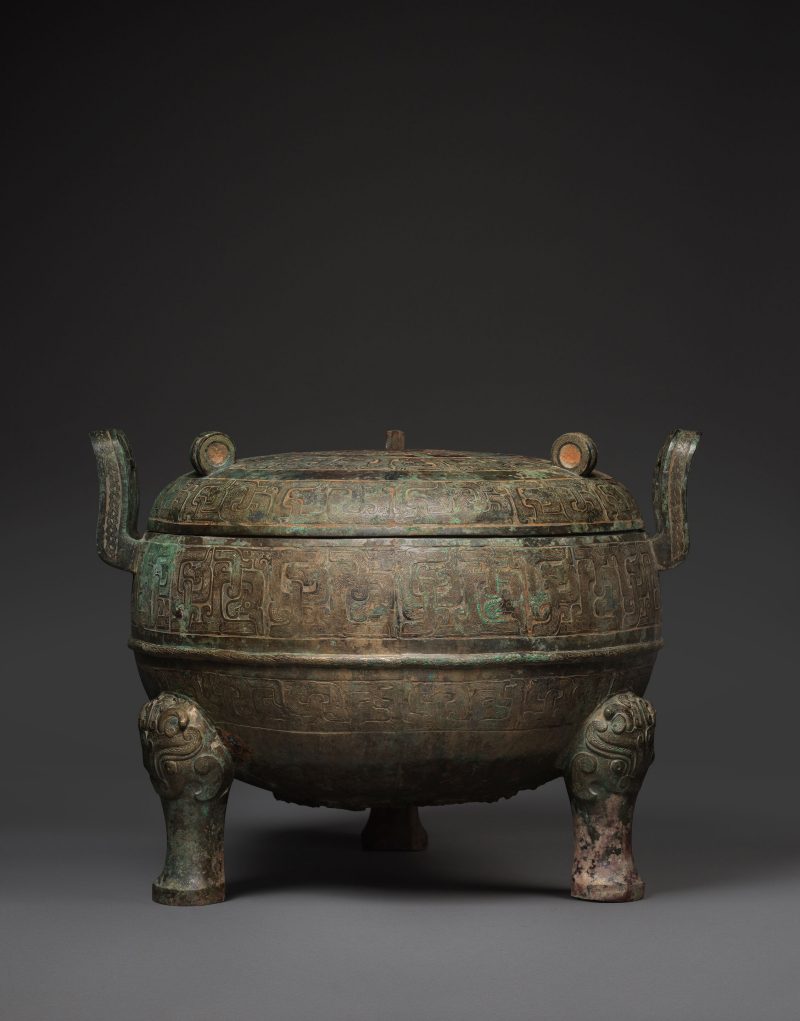
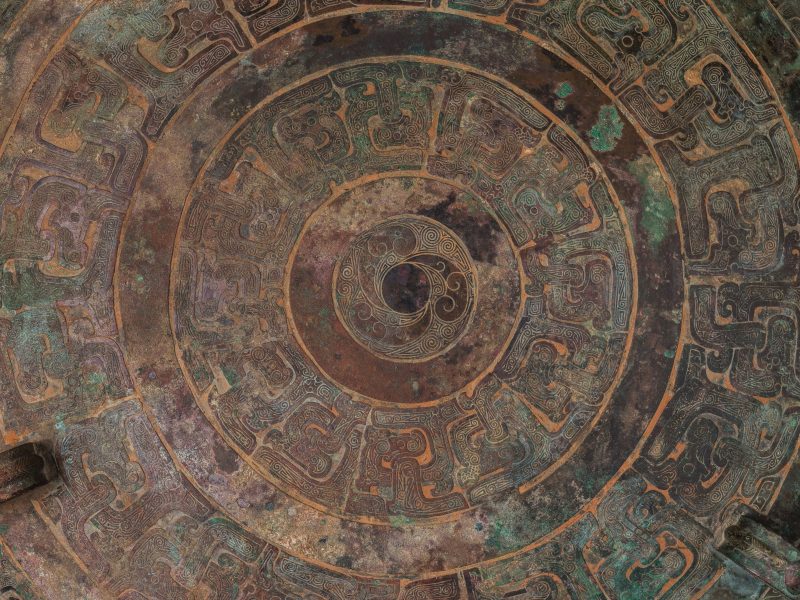
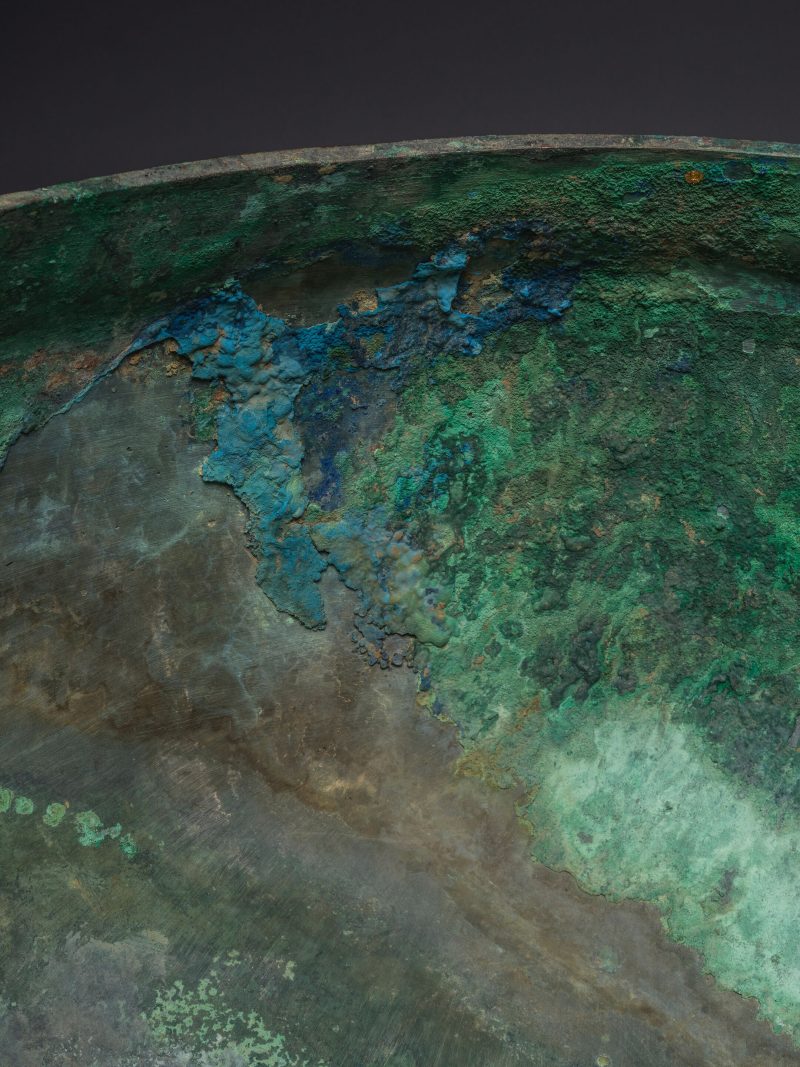
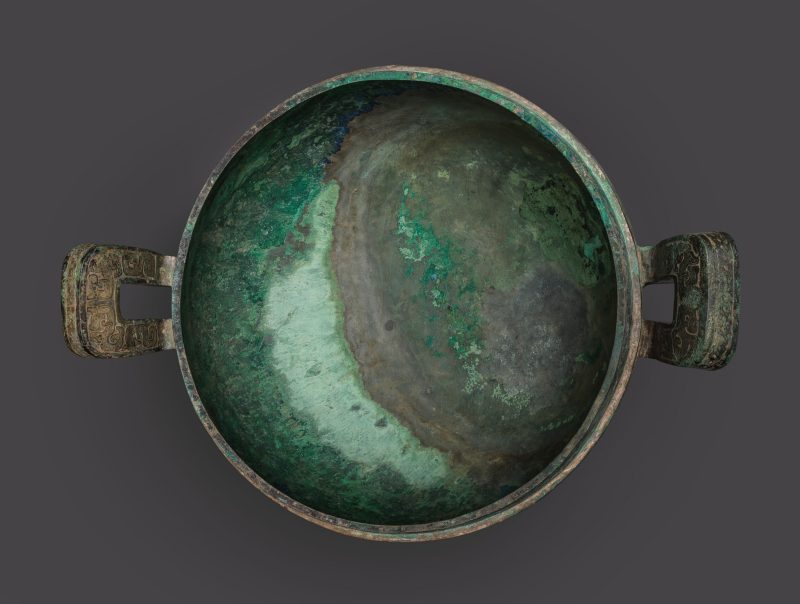
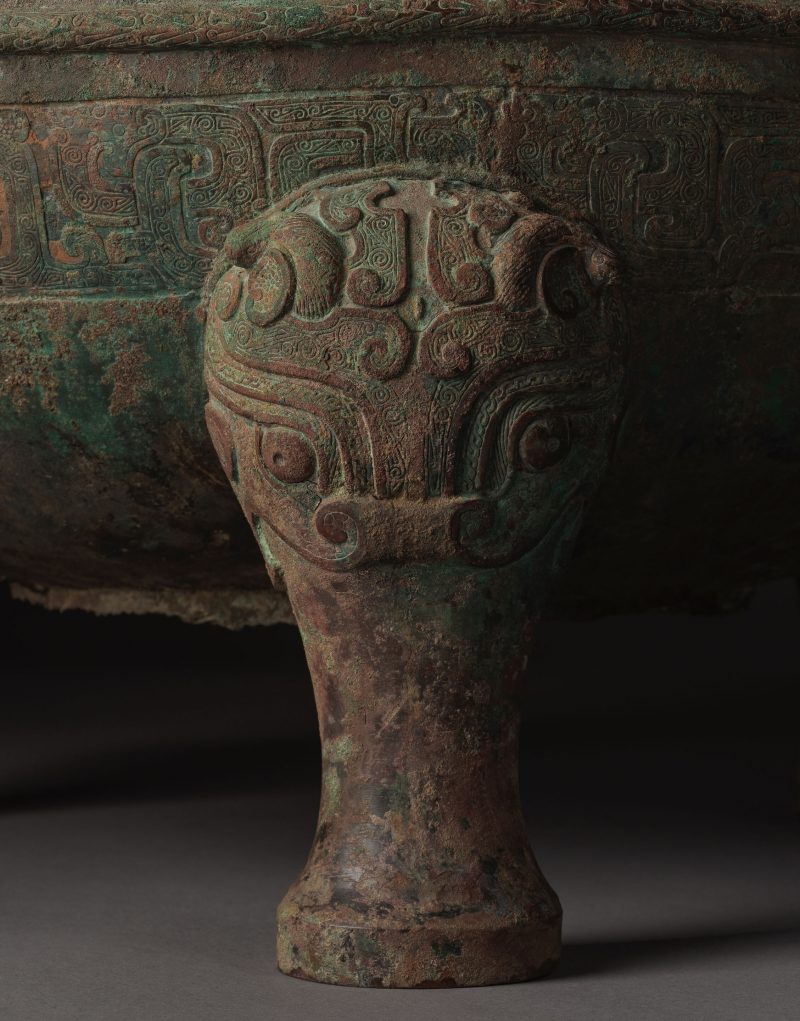
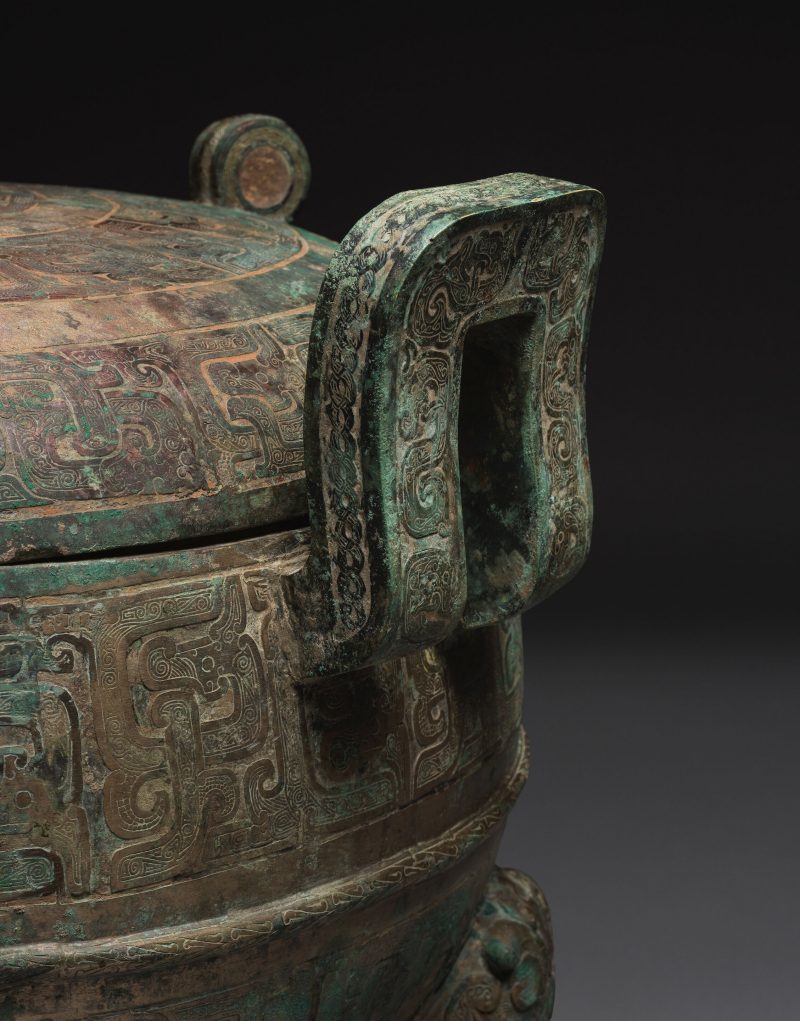
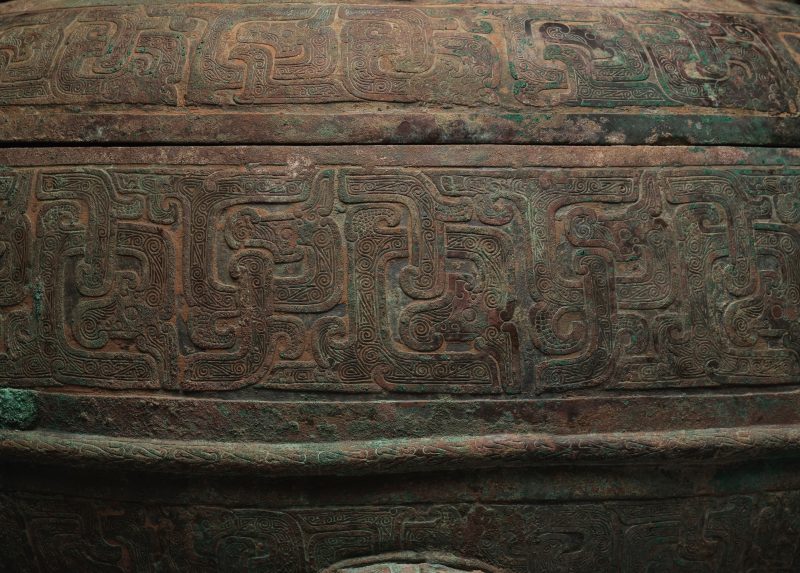
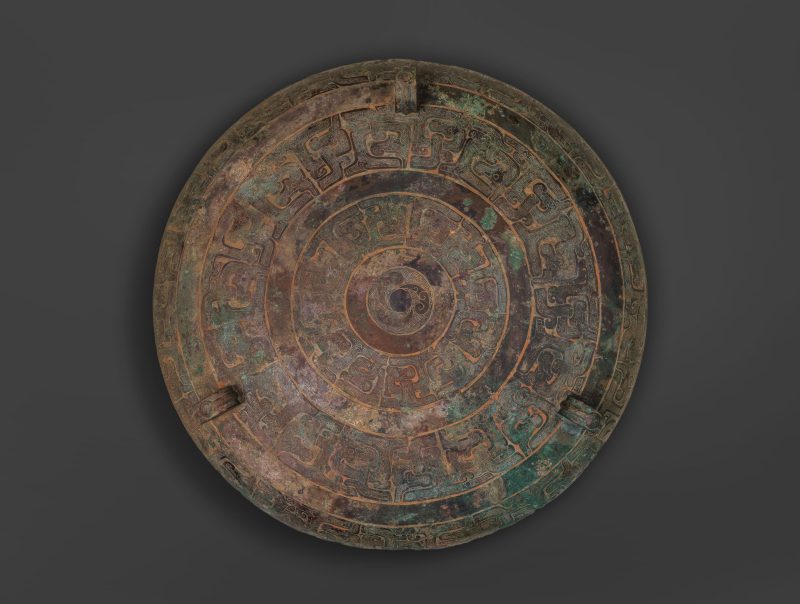
The deep rounded body supported on three robust cabriole legs each headed by taotie masks, set with a pair of squared outward flaring handles, finely cast around the body in low relief with two broad bands of highly stylised interlaced snake-dragons, their curled bodies arranged horizontally and detailed with minute spirals and volutes, the heads with prominent eyes and ears, both bands separated by a raised filet, the domed cover similarly decorated with two wide concentric bands of stylised interlaced snake-dragons arranged around a central floret, set with three raised ring-finials cast with spirals and volutes, the bronze a reddish-brown colour.
60.5 cm (23 3/4 in.) wide across handles x 45 cm (17 5/8 in.) high (2).
春秋/戰國 約公元前五世紀 青銅蟠螭紋鼎
Provenance:
Wui Po Kok Antique Co., Hong Kong , 1998
Gisèle Croës Arts d'Extrême Orient, Brussels, 2018
來源:
匯寶閣古美術,香港,1998年
Gisèle Croës Arts d'Extrême Orient,布魯塞爾,2018年
The decoration on this magnificent tripod vessel is made up of continuous circular bands of interlaced stylised snake dragons, their bodies filled with small circles and volutes filled with thread-like details, all cast in a low, almost flat relief. Like the decorative registers on the archaic bronze ritual wine vessel hu in Lot 49, this distinctive style of design is associated with the Houma foundry in Shanxi in northwestern China. Formerly known as the Li-yu style after a group of bronzes discovered in 1923 in a village in northern Shanxi, the ornamental scheme of bronzes cast in the Houma foundry in the late Spring and Autumn and early Warring States period comprised different variations of the same recurring motifs, namely complex dense interlaced and interlocking stylised animal motifs including snakes or snake-like dragons and birds, with highly abstract features, all arranged in strict symmetry as visible on this large ding. These uninterrupted symmetric patterns were achieved by using segments or blocks impressed repeatedly into the clay casting mould where they joined to form such seemingly endless bands.
With its impressive size this vessel belongs to the largest vessels produced by bronze casters in the late 6th or early 5th century. Very few examples of this size and design are known. They include a similarly large bronze ding and cover in the collection of the Avery Brundage collection and now in the Asian Art Museum of San Francisco, published in René-Yvon Lefebvre d'Argencé, Bronze Vessels of Ancient China in the Avery Brundage Collection, San Francisco, 1977, pp. 118 and 119, and an even larger archaic bronze ding in the collection of the Metropolitan Museum, New York (accession no. 1988.20.6a, b). Other examples unearthed in Shanxi province are illustrated in Selected Cultural Relics from Local Museums in Shanxi, Bronzes, Taiyuan, no 142, p. 98, no. 142, and in Henry Ma Kam Keong, Spring and Autumn Warfare Period. Taiyuan bronzes dating from Jin's Empire found at Minister Zhao's Mausoleum, Macau, 2000, pp. 78 and 79, nos. 2-6.
以下内容由AI翻译:
【描述】
深圆腹,三只粗壮的弯腿支撑,每只腿上饰有饕餮面具,两侧设有方形外撇把手,腹部以浅浮雕精细铸造两圈宽大的高度风格化的交缠蛇龙纹,其蜷曲的身体水平排列,细节处饰有细小的螺旋和涡卷纹,头部有突出的眼睛和耳朵,两圈纹饰之间由凸起的线纹隔开。盖子呈穹顶状,同样装饰有两圈宽大的同心交缠蛇龙纹,围绕中央的一朵花形图案,盖上有三个凸起的环形钮,饰有螺旋和涡卷纹,青铜器呈红棕色。
这件宏伟的三足器上的装饰由连续的圆形带状交缠风格化蛇龙组成,其身体填充有小圆圈和充满细线细节的涡卷纹,全部铸成几乎平坦的浅浮雕。与第49号拍品中的古代青铜酒器壶上的装饰纹样类似,这种独特的设计风格与中国西北部山西侯马铸造厂有关。1923年在山西北部一个村庄发现的一组青铜器后,这种装饰风格曾被称为李峪风格。侯马铸造厂在春秋晚期至战国早期铸造的青铜器装饰方案包括不同变体的反复出现的图案,即复杂的密集交缠和互锁的风格化动物图案,包括蛇或蛇形龙和鸟,具有高度抽象的特征,所有这些都严格对称地排列在这件大型鼎上。这些不间断的对称图案是通过将分段纹样或纹样模块反复压印于陶范上并相接形成看似无尽的带状图案来实现的。
以其令人印象深刻的尺寸,这件器物属于公元前6世纪末或前5世纪初青铜铸造者生产的最大型器物之一。已知很少有如此大小和设计的例子。其中包括旧金山亚洲艺术博物馆艾弗里·布伦戴奇收藏的一件类似的大型青铜鼎及其盖子,见René-Yvon Lefebvre d'Argencé, 《艾弗里·布伦戴奇收藏的中国古代青铜器》,旧金山,1977年,第118页和第119页;以及纽约大都会艺术博物馆收藏的一件更大的古代青铜鼎(馆藏编号1988.20.6a, b)。其他在山西省出土的例子见于《山西地方博物馆精选文物:青铜器》,太原,第98页,第142号;以及马锦康,《春秋战国时期的战争:晋国赵氏墓出土的太原青铜器》,澳门,2000年,第78页和第79页,编号2-6。
常见问题
这件春秋/戰國 約公元前五世紀 青銅蟠螭紋鼎 | MAGNIFIQUE ET TRÈS GRAND RÉCIPIENT TRIPODE COUVERT RITUEL EN BRONZE, DING的成交价是多少?
落槌价为 预展中。 成交价为 预展中。
拍品的尺寸是多少?
60.5 cm (23 3/4 in.) wide across handles x 45 cm (17 5/8 in.) high