
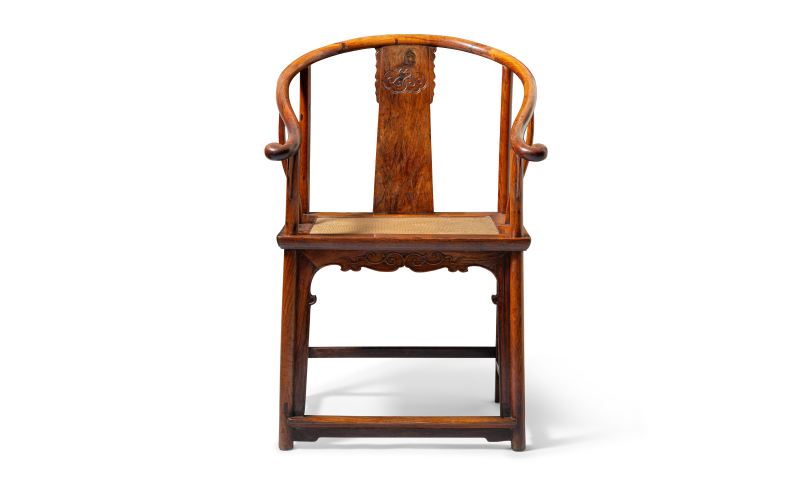
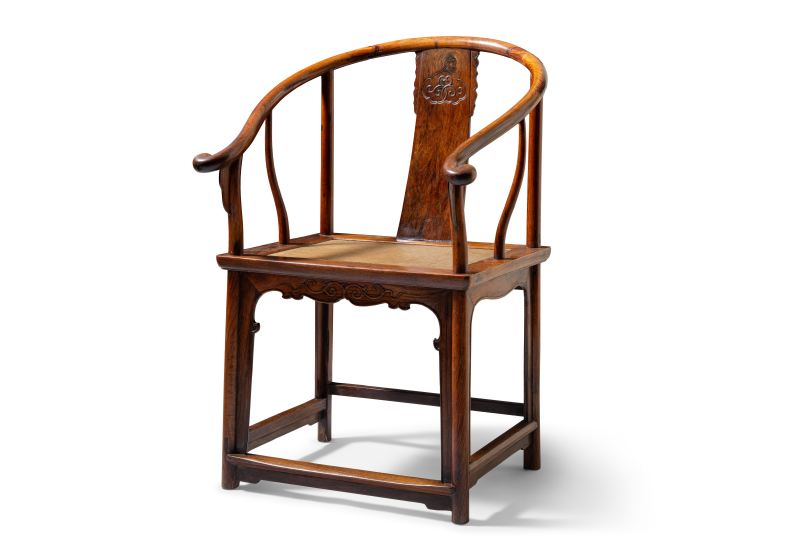
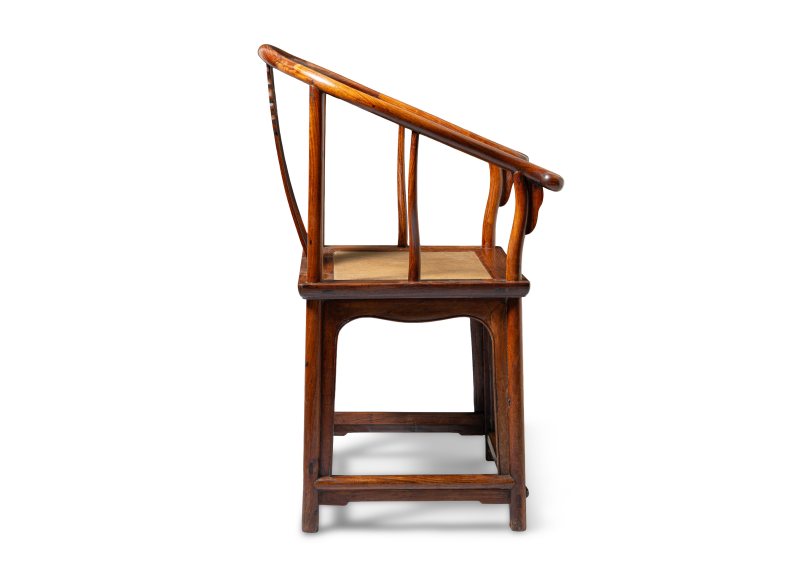
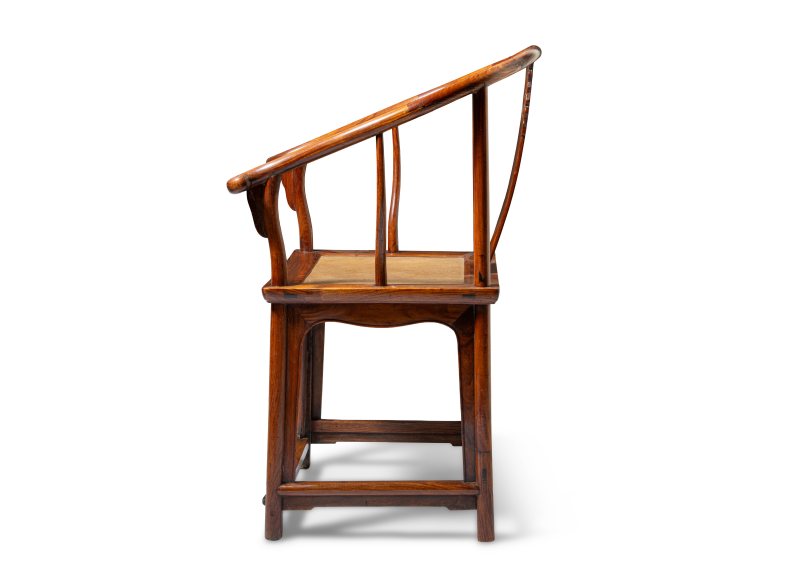
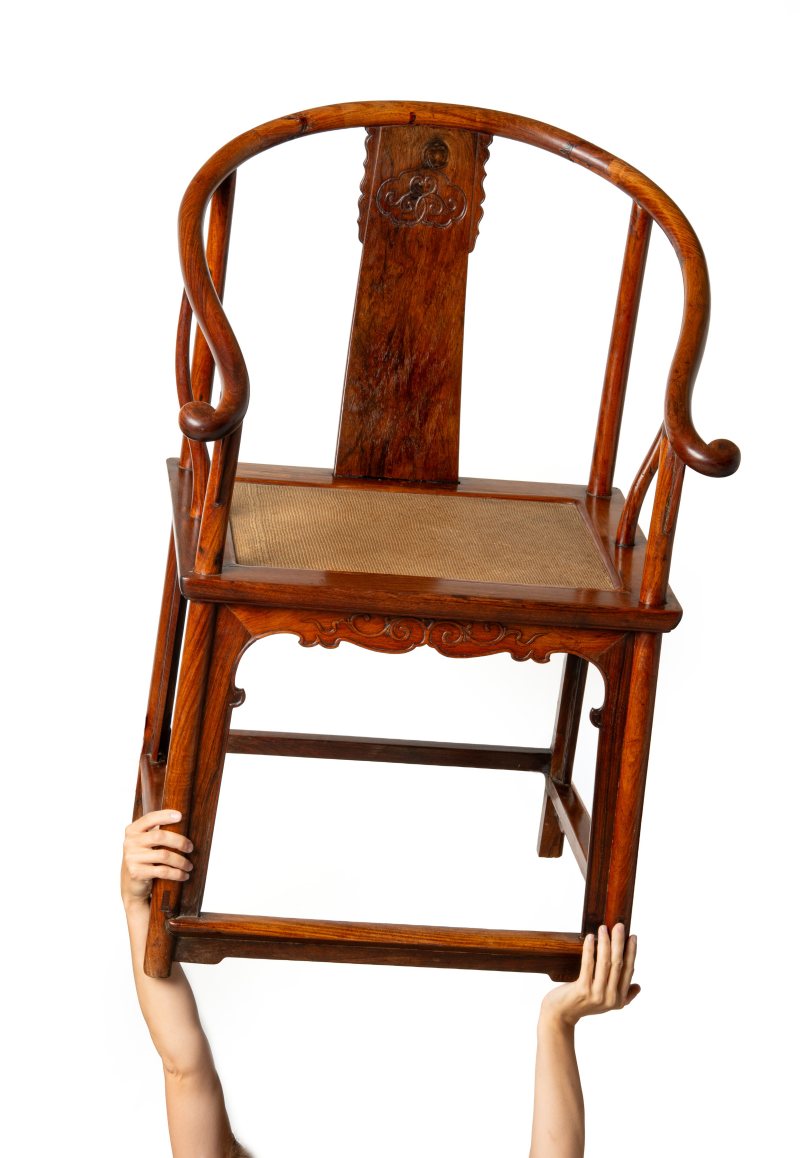
Lot 1 A pair of huanghuali horseshoe-back armchairs, Quanyi
落槌价
****
成交价
****
拍品信息
拍品名称
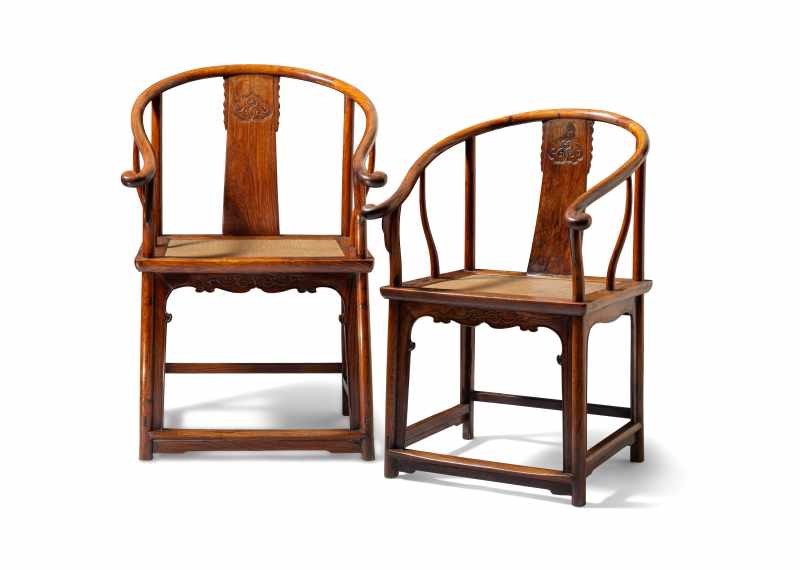
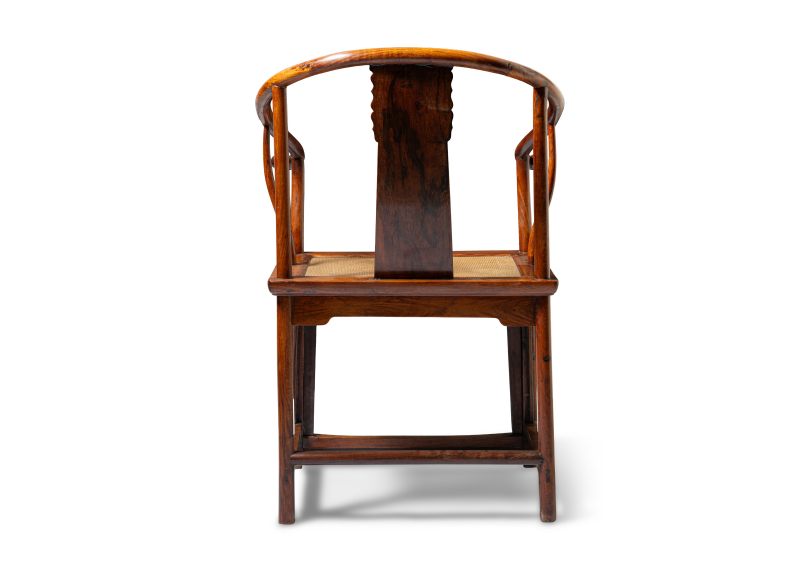
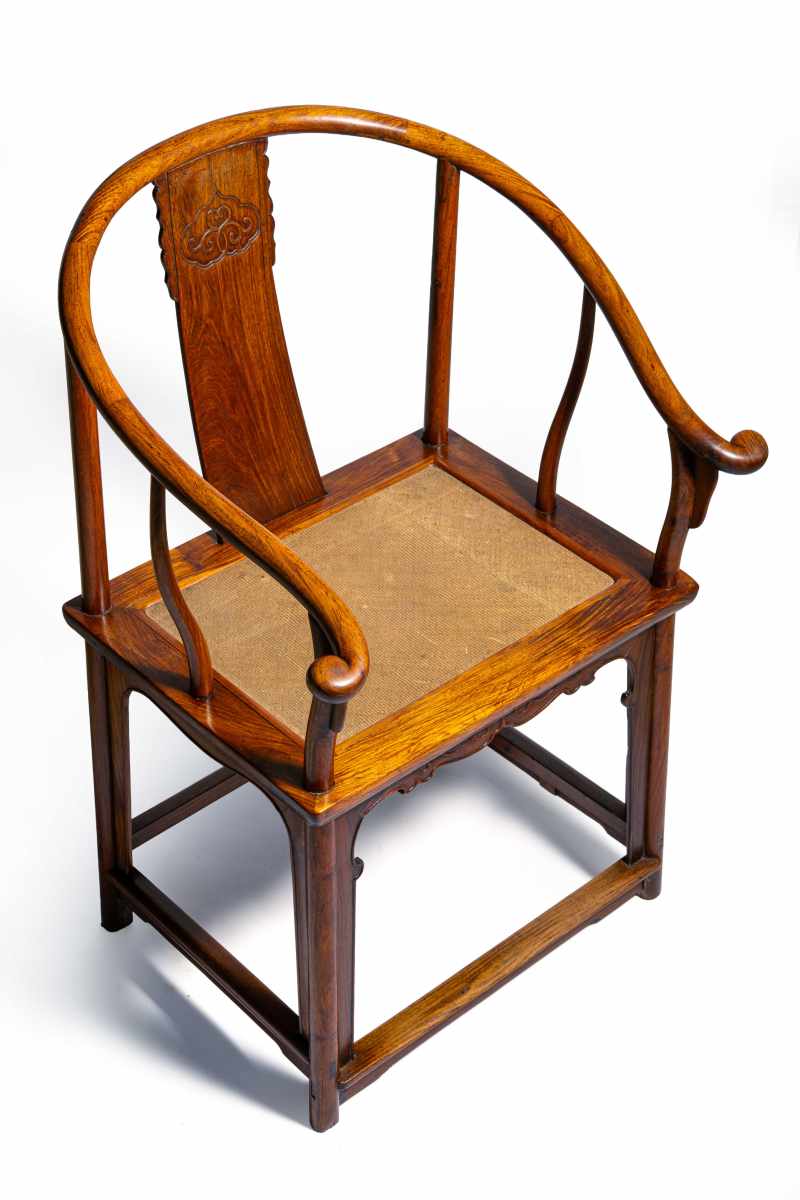
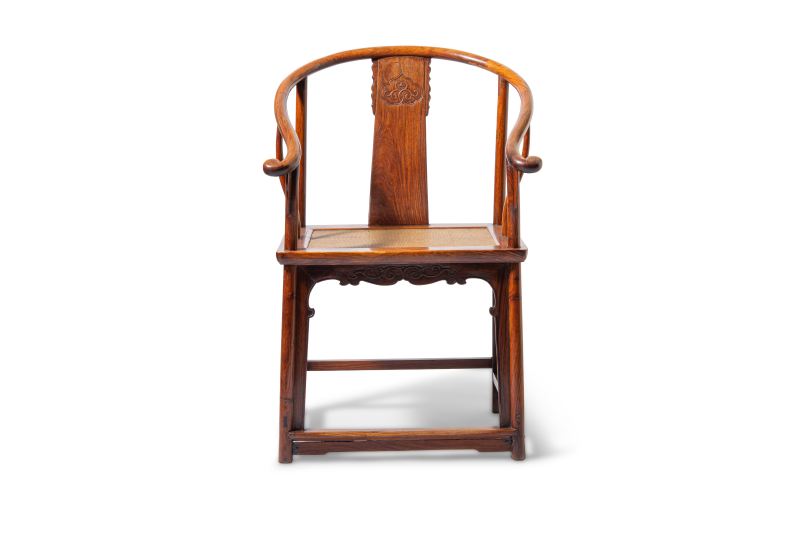
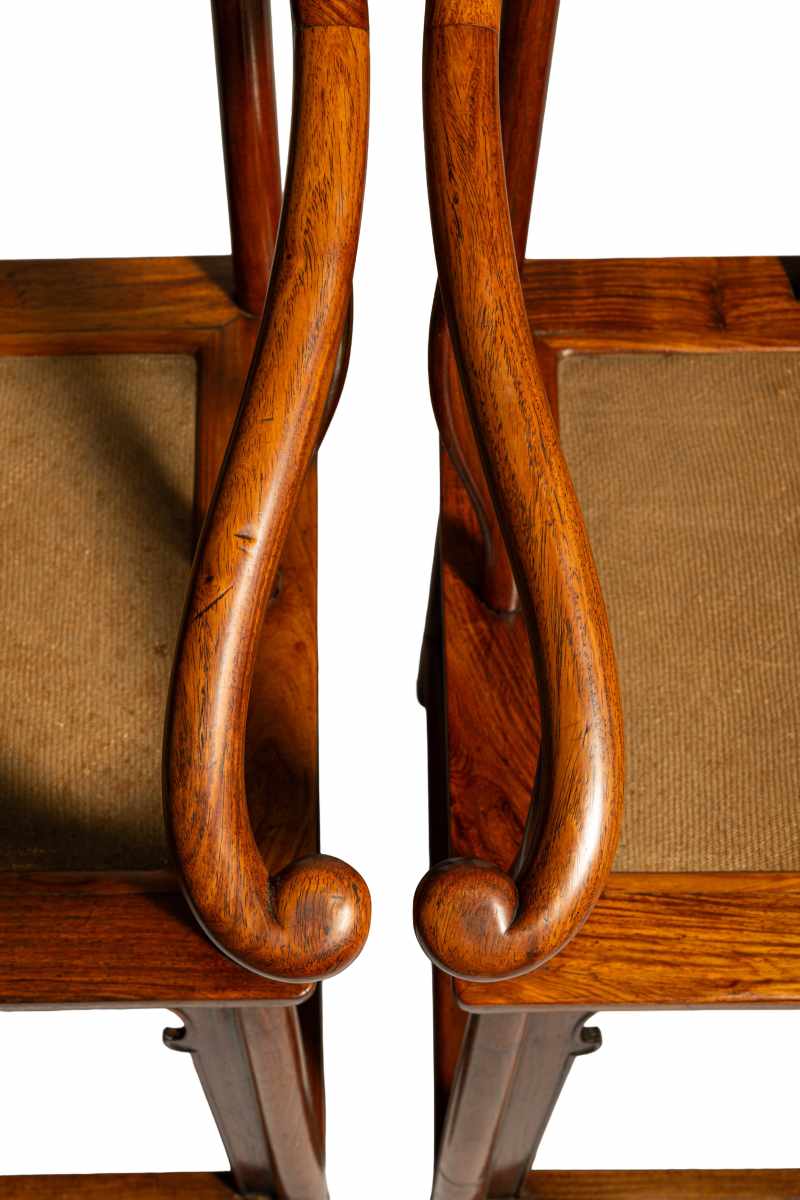
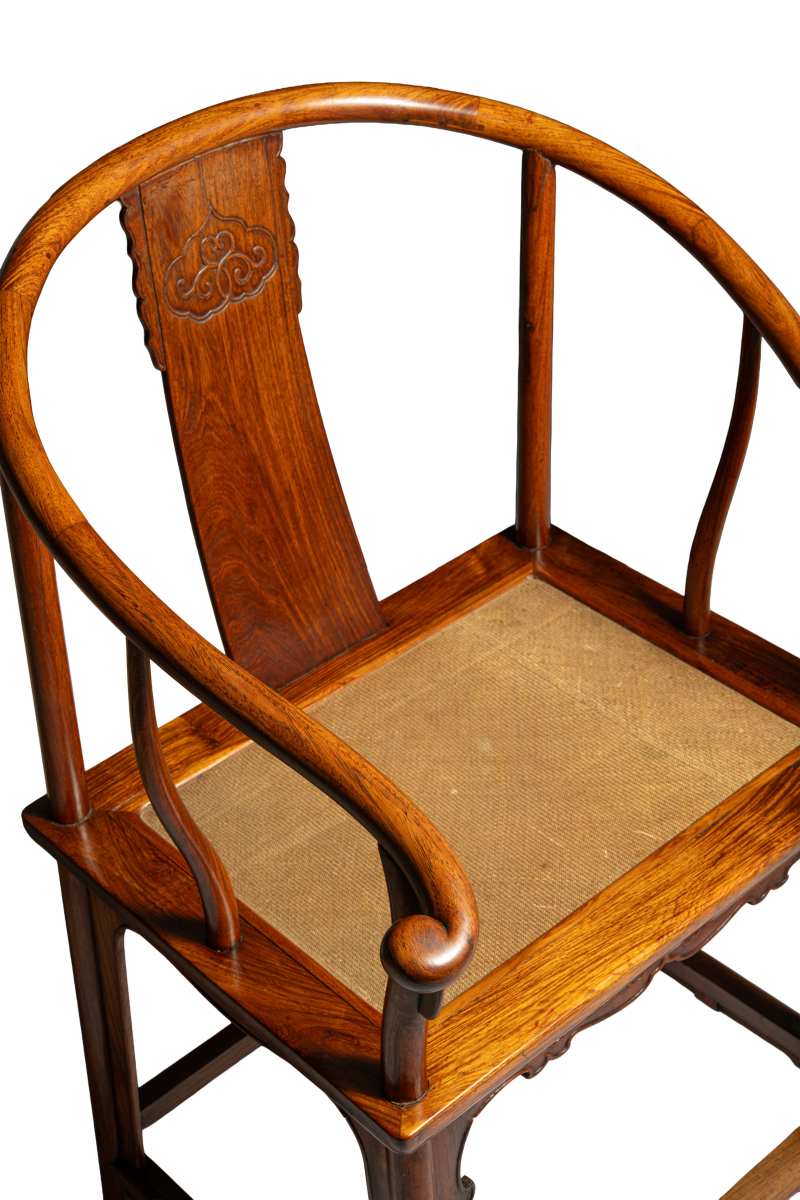
A pair of huanghuali horseshoe-back armchairs, Quanyi
年代
17th/18th century
起拍价
EUR 20,000
估值区间
€20,000 - €40,000
尺寸
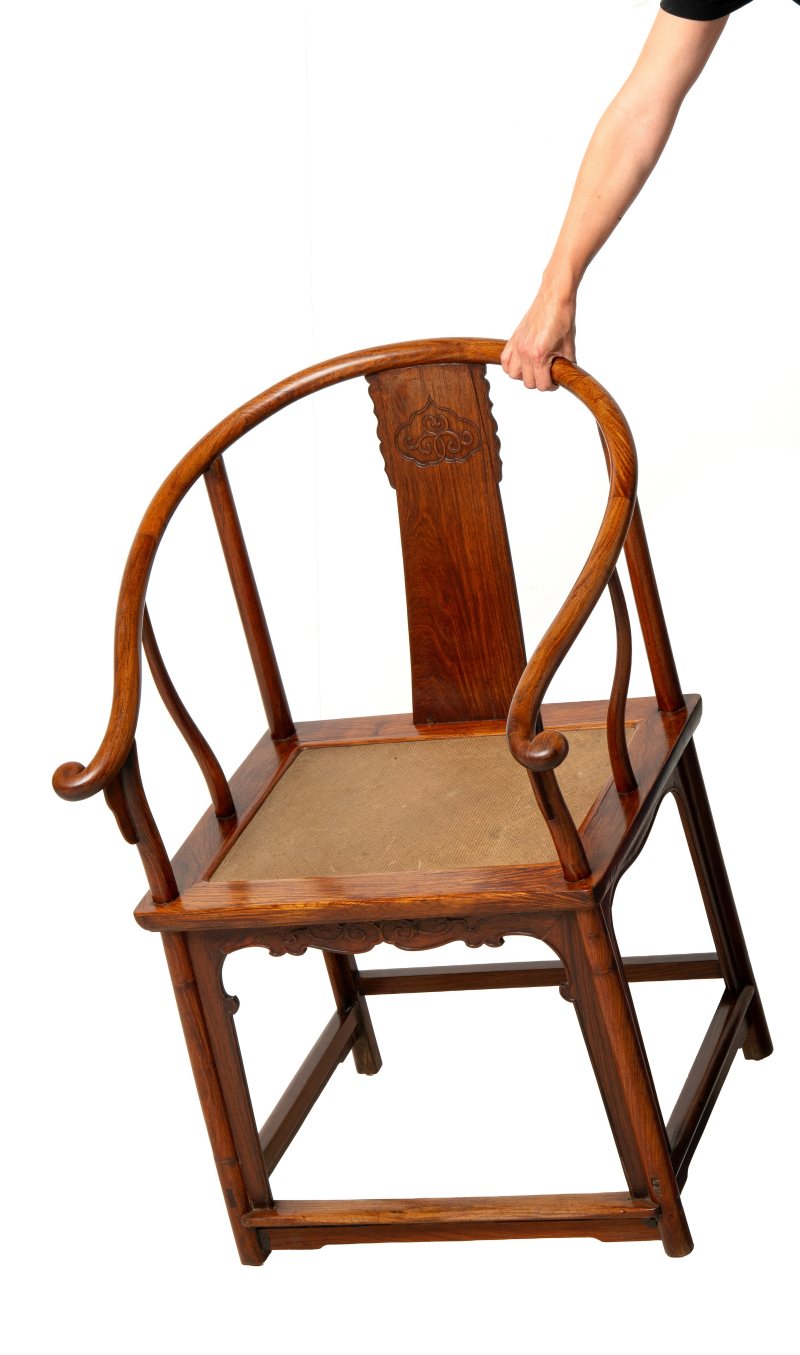
Each 100x66x63 cm
品相
The chairs appear to have been reassembled, with certain elements having been replaced or restored.
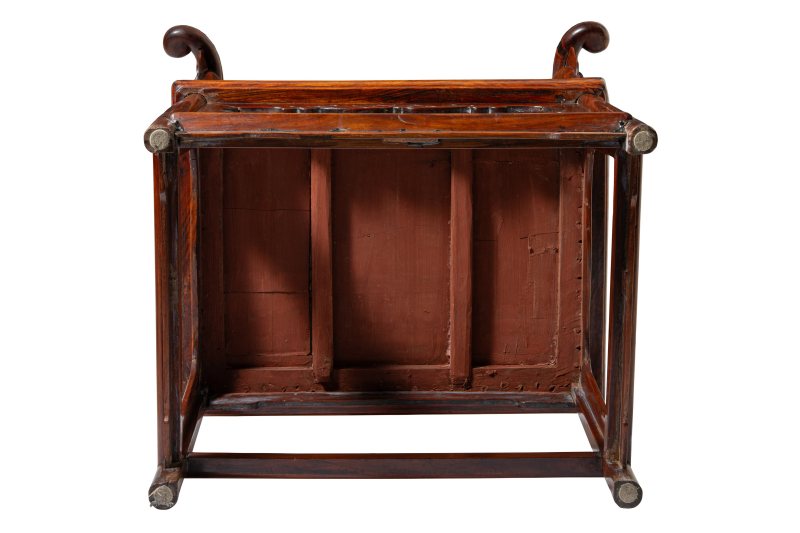
Chair 1: The chair has most likely been reassembled in the past, leaving glue residue at the joints. It has since been properly restored, but visible traces of the restoration remain (see photo). The square rattan seat has been reinforced to make it more durable and structurally stronger.
Chair 2: The chair has been reassembled in a similar manner and is in a less stable condition than Chair 1. Missing parts have been replaced (see photos). The most significant restoration is the horseshoe-shaped back, which was broken and has been reattached. The woven mat seat shows some staining.
Chair 1: The chair has most likely been reassembled in the past, leaving glue residue at the joints. It has since been properly restored, but visible traces of the restoration remain (see photo). The square rattan seat has been reinforced to make it more durable and structurally stronger.
Chair 2: The chair has been reassembled in a similar manner and is in a less stable condition than Chair 1. Missing parts have been replaced (see photos). The most significant restoration is the horseshoe-shaped back, which was broken and has been reattached. The woven mat seat shows some staining.
更多信息
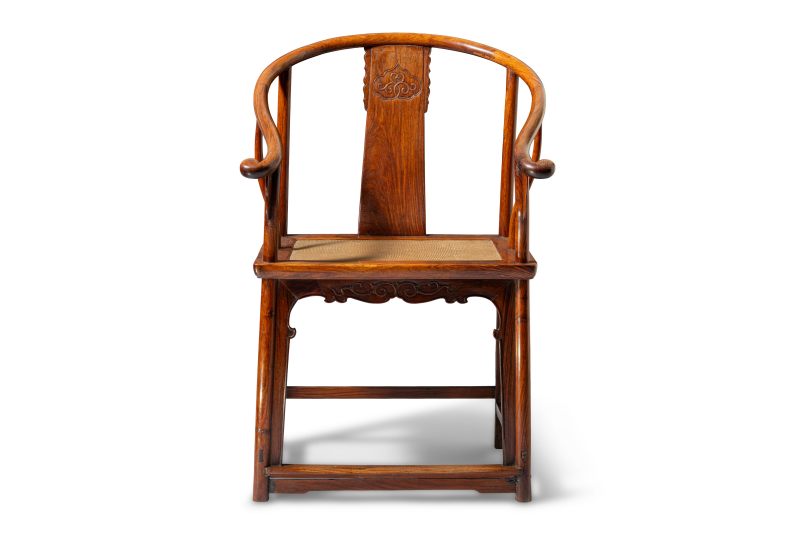
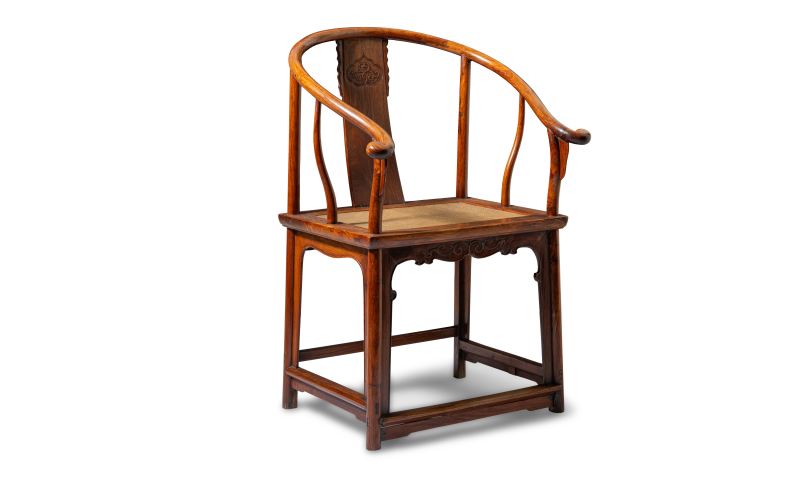
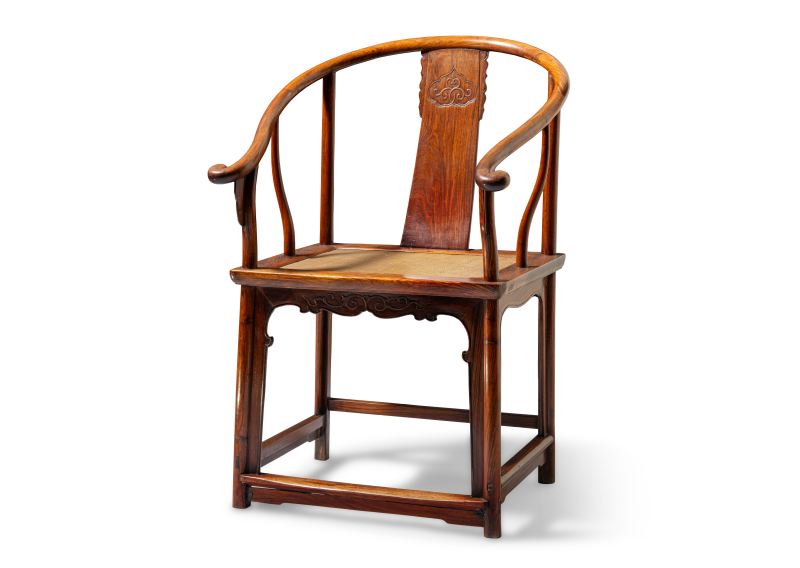
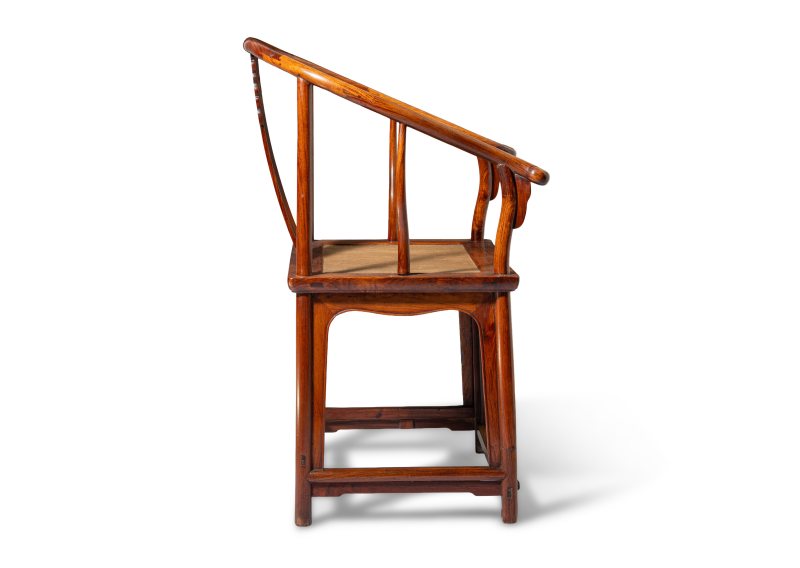
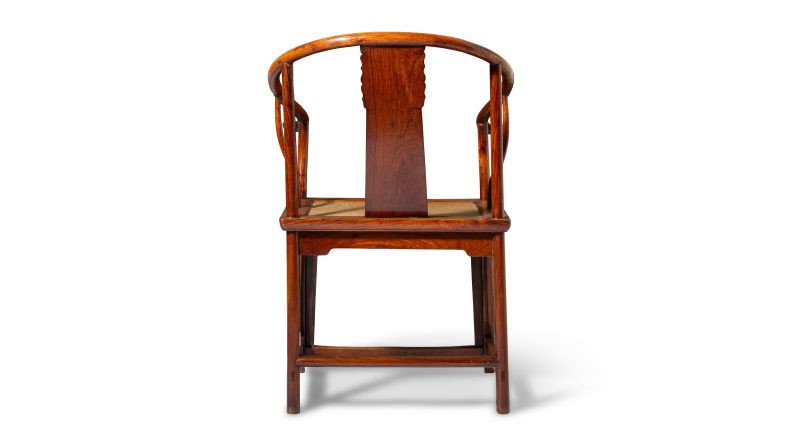
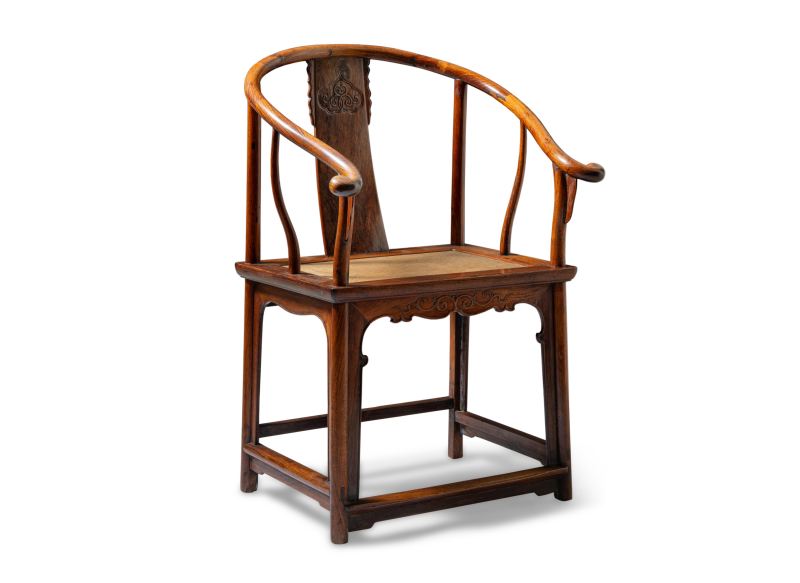
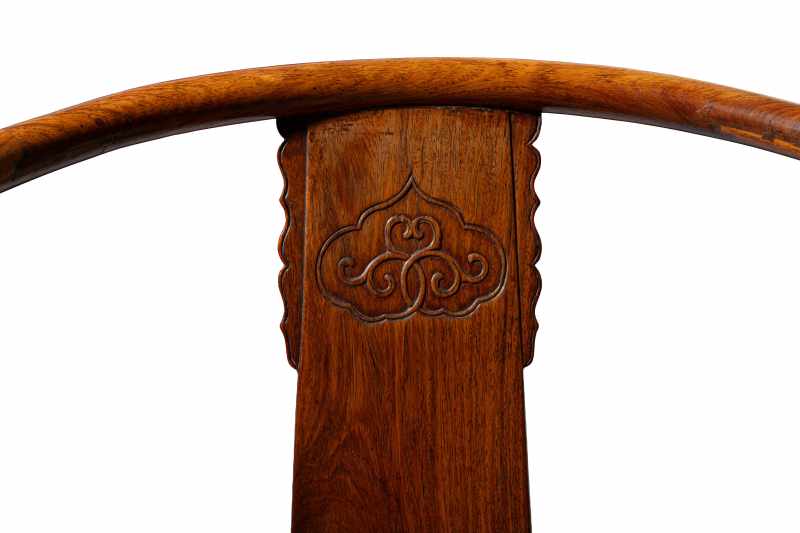
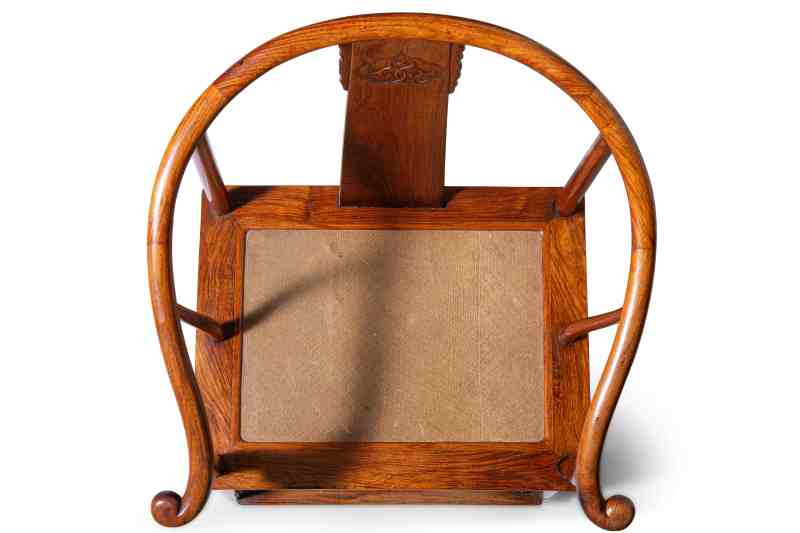
Each with a sweeping crest rail terminating in out-swept handles, supported on a C-form splat finely carved with a ruyi-form medallion flanked by shaped spandrels, the mat seat set within a rectangular frame above shaped aprons carved with joined leafy scroll and shaped spandrels, the legs of rounded square section joined by stretchers and a foot rest above a plain apron.
The horseshoe-back armchair, also referred to as the round-back armchair, developed alongside other high-backed seating forms during the Tang (618-907) and Song (960-1279) dynasties. Its distinctive rounded profile is thought to have evolved from earlier curved armrests with three short legs, originally used at floor-level on woven mats before being adapted for use on raised platforms. Song dynasty textual sources further describe basket-shaped armrests fashioned from bent wood or bamboo, suggesting an early precedent for the chair’s characteristic form.
By the late Ming period (1368-1644), horseshoe-back chairs were commonly produced in matched sets of four, eight, or more, indicating a degree of standardisation in workshop practice, likely facilitated through the use of templates. The hallmark solid, curved back splats were not steam-bent but carefully sawn from substantial timbers using a narrow-bladed frame saw, following a C- or S-shaped profile. The finishing cut of one splat simultaneously established the surface of the next, resulting in closely matched grain patterns with only subtle natural variations.
Within the history of furniture design, the horseshoe-back chair has served as an important source of inspiration for numerous twentieth-century designers, who created their own modern interpretations of this enduring Chinese form.
**Footnote**
*Please note: prospective purchasers are advised that several countries prohibit the importation of property containing materials from endangered species, including but not limited to coral, ivory and tortoiseshell as well as certain hardwoods such as huanghuali and zitan. Accordingly, prospective purchasers should familiarize themselves with relevant customs regulations prior to bidding if they intend to import this lot into another country outside of the EU.
以下内容由AI翻译:
【名称】
十七/十八世纪黄花梨圈椅(一对)
【年代】
十七/十八世纪
【描述】
每把椅子的搭脑两端向外卷曲,靠背板呈C形,精细雕刻如意形开光,两侧有雕花牙子。座面为硬席,置于矩形框架内,下方有雕花牙条和牙子,腿足为圆方形截面,由枨和踏脚板连接,底部有素面牙条。
圈椅,又称圆背椅,在唐代(618-907)和宋代(960-1279)与其他高背座椅形式一同发展。其独特的圆形轮廓被认为是从早期的三足曲臂扶手演变而来,最初用于地面编织垫上,后来适应于高台使用。宋代文献进一步描述了用弯曲木材或竹子制成的篮形扶手,表明这种椅子的特征形式有早期先例。
到了明代晚期(1368-1644),圈椅通常成对、四件或更多件生产,表明作坊实践中存在一定程度的标准化,可能是通过模板实现的。标志性的实心弧形靠背板不是通过蒸汽弯曲而成,而是用窄刃框锯从大块木材中仔细锯出,遵循C形或S形轮廓。一块靠背板的最终切割同时确定了下一块的表面,从而形成紧密匹配的纹理,只有细微的自然变化。
在家具设计史上,圈椅成为许多二十世纪设计师的重要灵感来源,他们创造了这种持久的中国形式的现代诠释。
**注**
*请注意:潜在买家应注意,多个国家禁止进口含有濒危物种材料的物品,包括但不限于珊瑚、象牙和玳瑁以及某些硬木如黄花梨和紫檀。因此,如果潜在买家打算将此拍品进口到欧盟以外的国家,应在竞拍前熟悉相关海关规定。
【品相】
这些椅子似乎已被重新组装,某些部件已被更换或修复。
椅子1:这把椅子很可能在过去被重新组装过,留下了一些胶水残留物。此后进行了适当的修复,但修复痕迹仍然可见(见照片)。方形藤编座面已加固,使其更加耐用和结构更牢固。
椅子2:这把椅子以类似方式重新组装,状态不如椅子1稳定。缺失的部分已被替换(见照片)。最显著的修复是马蹄形靠背,它曾断裂并被重新连接。编织席面有些污渍。
The horseshoe-back armchair, also referred to as the round-back armchair, developed alongside other high-backed seating forms during the Tang (618-907) and Song (960-1279) dynasties. Its distinctive rounded profile is thought to have evolved from earlier curved armrests with three short legs, originally used at floor-level on woven mats before being adapted for use on raised platforms. Song dynasty textual sources further describe basket-shaped armrests fashioned from bent wood or bamboo, suggesting an early precedent for the chair’s characteristic form.
By the late Ming period (1368-1644), horseshoe-back chairs were commonly produced in matched sets of four, eight, or more, indicating a degree of standardisation in workshop practice, likely facilitated through the use of templates. The hallmark solid, curved back splats were not steam-bent but carefully sawn from substantial timbers using a narrow-bladed frame saw, following a C- or S-shaped profile. The finishing cut of one splat simultaneously established the surface of the next, resulting in closely matched grain patterns with only subtle natural variations.
Within the history of furniture design, the horseshoe-back chair has served as an important source of inspiration for numerous twentieth-century designers, who created their own modern interpretations of this enduring Chinese form.
**Footnote**
*Please note: prospective purchasers are advised that several countries prohibit the importation of property containing materials from endangered species, including but not limited to coral, ivory and tortoiseshell as well as certain hardwoods such as huanghuali and zitan. Accordingly, prospective purchasers should familiarize themselves with relevant customs regulations prior to bidding if they intend to import this lot into another country outside of the EU.
以下内容由AI翻译:
【名称】
十七/十八世纪黄花梨圈椅(一对)
【年代】
十七/十八世纪
【描述】
每把椅子的搭脑两端向外卷曲,靠背板呈C形,精细雕刻如意形开光,两侧有雕花牙子。座面为硬席,置于矩形框架内,下方有雕花牙条和牙子,腿足为圆方形截面,由枨和踏脚板连接,底部有素面牙条。
圈椅,又称圆背椅,在唐代(618-907)和宋代(960-1279)与其他高背座椅形式一同发展。其独特的圆形轮廓被认为是从早期的三足曲臂扶手演变而来,最初用于地面编织垫上,后来适应于高台使用。宋代文献进一步描述了用弯曲木材或竹子制成的篮形扶手,表明这种椅子的特征形式有早期先例。
到了明代晚期(1368-1644),圈椅通常成对、四件或更多件生产,表明作坊实践中存在一定程度的标准化,可能是通过模板实现的。标志性的实心弧形靠背板不是通过蒸汽弯曲而成,而是用窄刃框锯从大块木材中仔细锯出,遵循C形或S形轮廓。一块靠背板的最终切割同时确定了下一块的表面,从而形成紧密匹配的纹理,只有细微的自然变化。
在家具设计史上,圈椅成为许多二十世纪设计师的重要灵感来源,他们创造了这种持久的中国形式的现代诠释。
**注**
*请注意:潜在买家应注意,多个国家禁止进口含有濒危物种材料的物品,包括但不限于珊瑚、象牙和玳瑁以及某些硬木如黄花梨和紫檀。因此,如果潜在买家打算将此拍品进口到欧盟以外的国家,应在竞拍前熟悉相关海关规定。
【品相】
这些椅子似乎已被重新组装,某些部件已被更换或修复。
椅子1:这把椅子很可能在过去被重新组装过,留下了一些胶水残留物。此后进行了适当的修复,但修复痕迹仍然可见(见照片)。方形藤编座面已加固,使其更加耐用和结构更牢固。
椅子2:这把椅子以类似方式重新组装,状态不如椅子1稳定。缺失的部分已被替换(见照片)。最显著的修复是马蹄形靠背,它曾断裂并被重新连接。编织席面有些污渍。
常见问题
拍品的品相状况如何?
The chairs appear to have been reassembled, with certain elements having been replaced or restored.
Chair 1: The chair has most likely been reassembled in the past, leaving glue residue at the joints. It has since been properly restored, but visible traces of the restoration remain (see photo). The square rattan seat has been reinforced to make it more durable and structurally stronger.
Chair 2: The chair has been reassembled in a similar manner and is in a less stable condition than Chair 1. Missing parts have been replaced (see photos). The most significant restoration is the horseshoe-shaped back, which was broken and has been reattached. The woven mat seat shows some staining.
Chair 1: The chair has most likely been reassembled in the past, leaving glue residue at the joints. It has since been properly restored, but visible traces of the restoration remain (see photo). The square rattan seat has been reinforced to make it more durable and structurally stronger.
Chair 2: The chair has been reassembled in a similar manner and is in a less stable condition than Chair 1. Missing parts have been replaced (see photos). The most significant restoration is the horseshoe-shaped back, which was broken and has been reattached. The woven mat seat shows some staining.
拍品的尺寸是多少?
Each 100x66x63 cm