
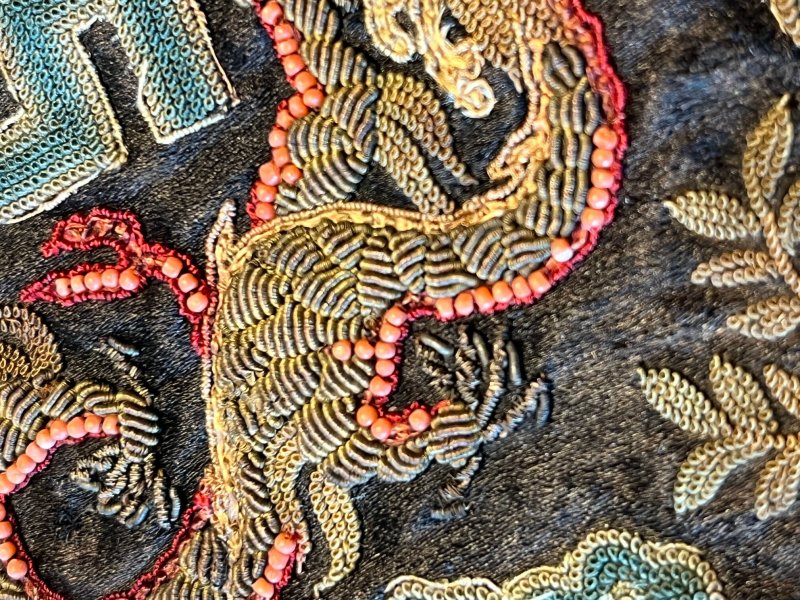
Lot 132 約一九一四年 民國三年大總統祭服十二章繡團成對 | A PAIR OF MIDNIGHT-BLUE-GROUND EMBROIDERED PRESIDENT'S ROUNDELS WITH TWELVE SYMBOLS OF SOVEREIGNTY
落槌价
预展中
成交价
预展中
| 拍卖公司 | 邦瀚斯 |
|---|---|
| 拍卖时间 | 2026年11月11日 |
拍品信息
拍品名称
約一九一四年 民國三年大總統祭服十二章繡團成對 | A PAIR OF MIDNIGHT-BLUE-GROUND EMBROIDERED PRESIDENT'S ROUNDELS WITH TWELVE SYMBOLS OF SOVEREIGNTY
年代
Circa 1914
起拍价
AUD 8,000
估值区间
AUD 8000 - 12000
尺寸
未知
品相
未知
更多信息
Circa 1914
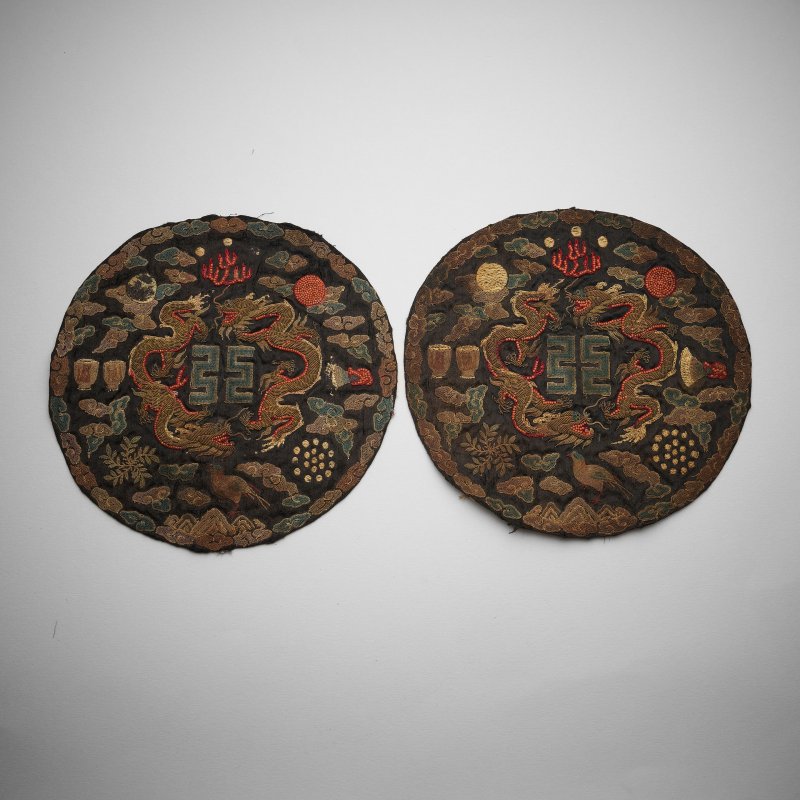
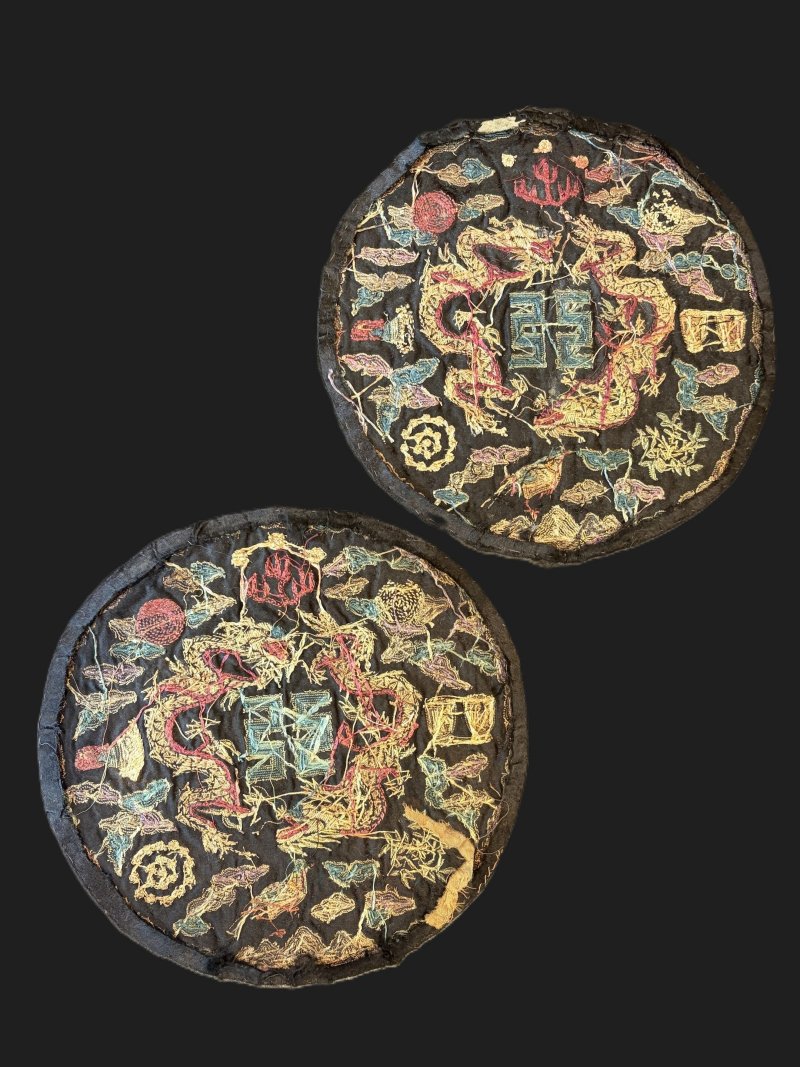
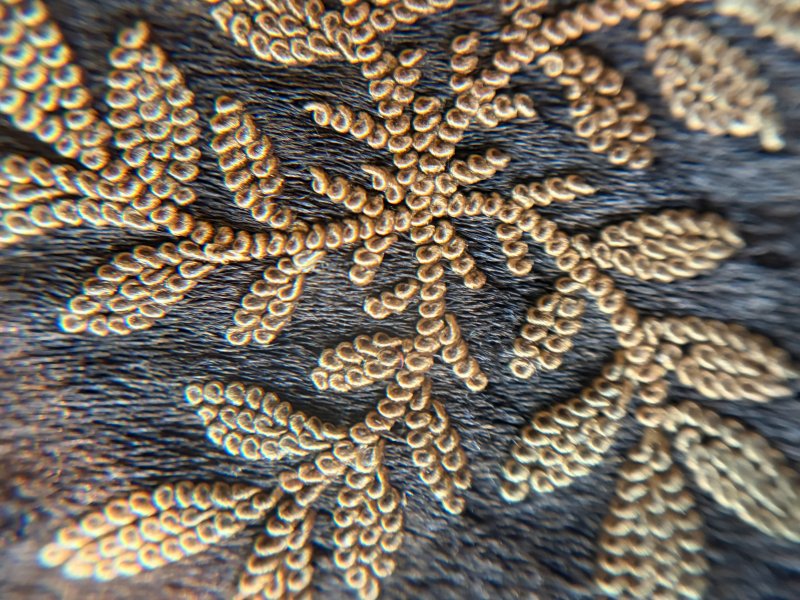
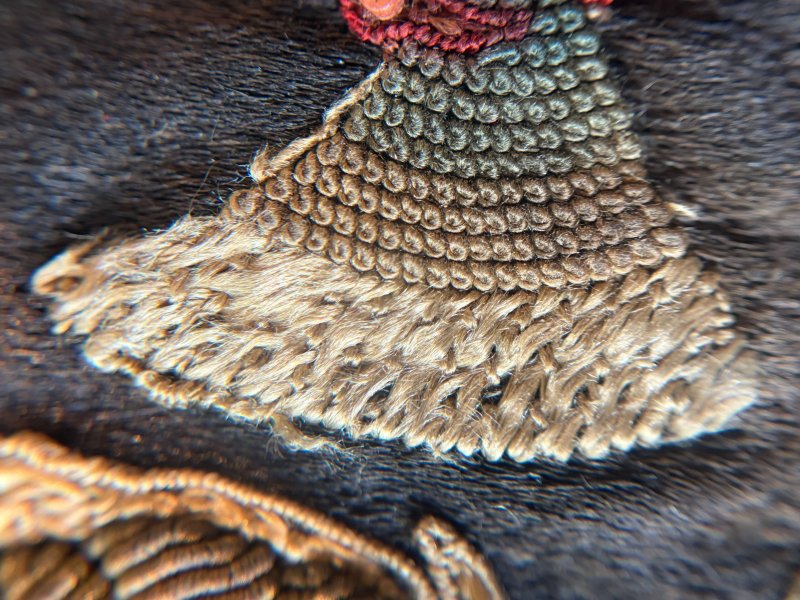
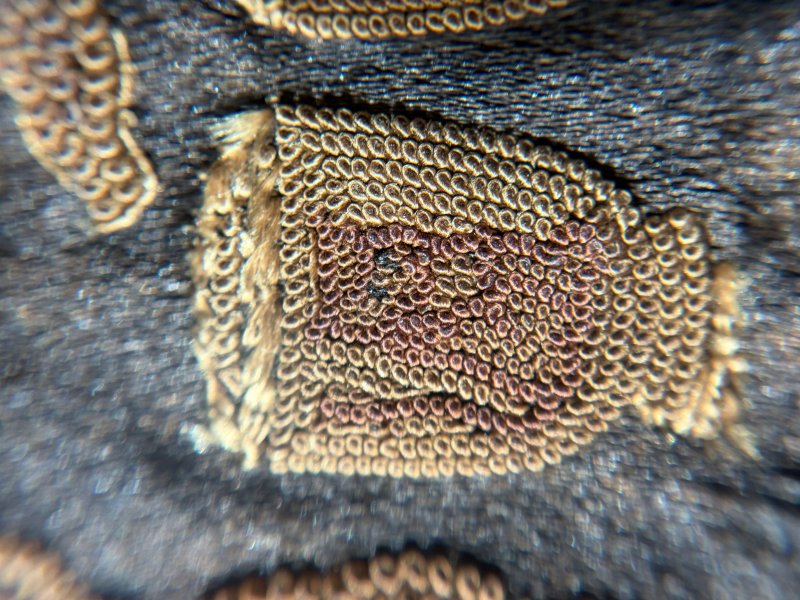
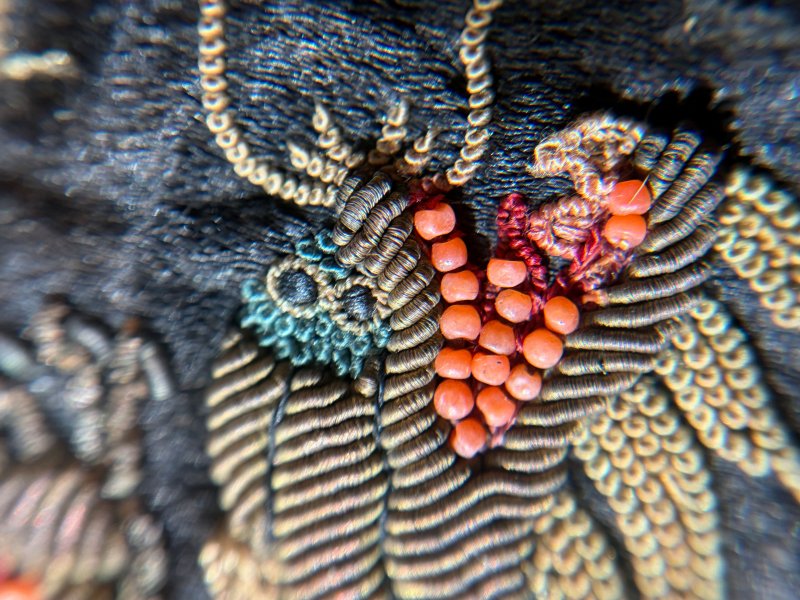
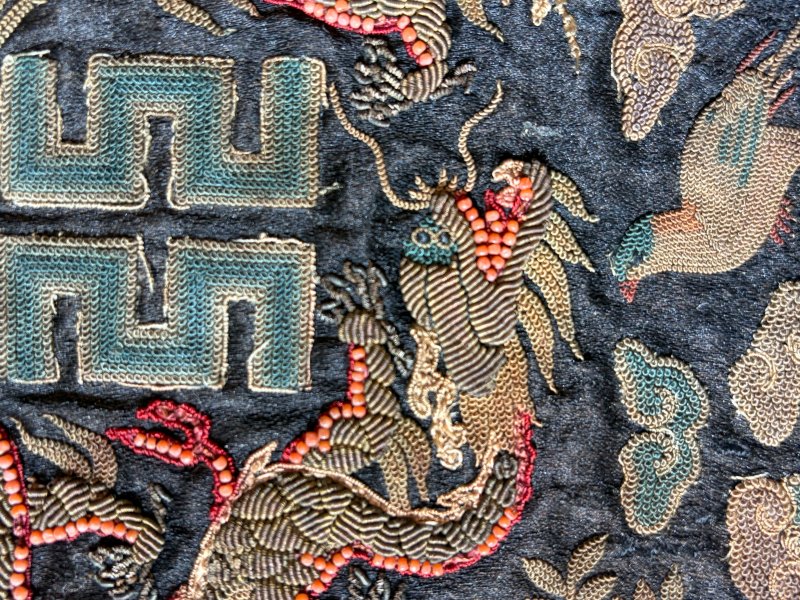
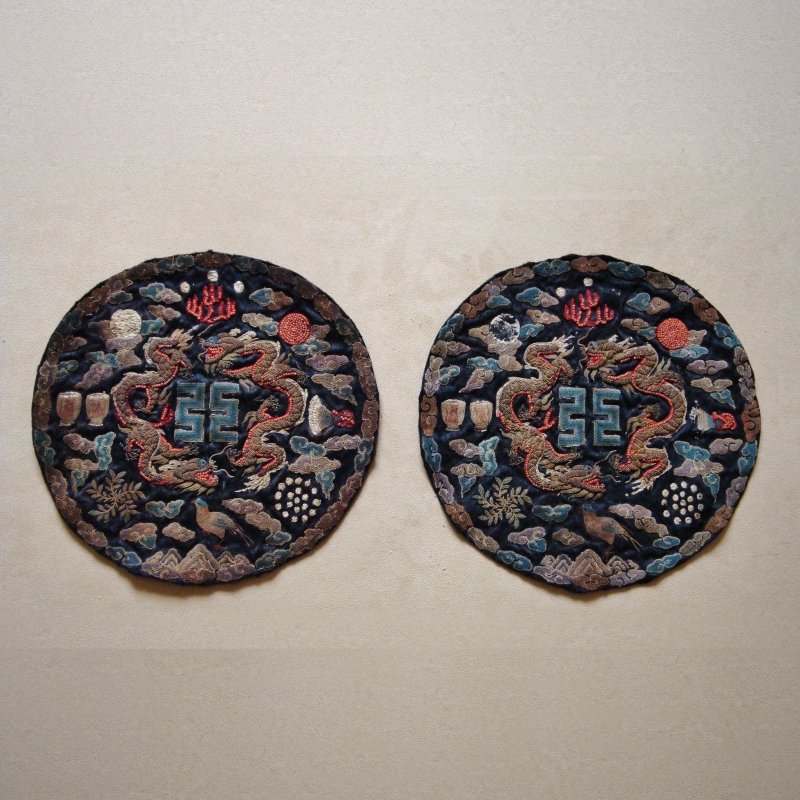
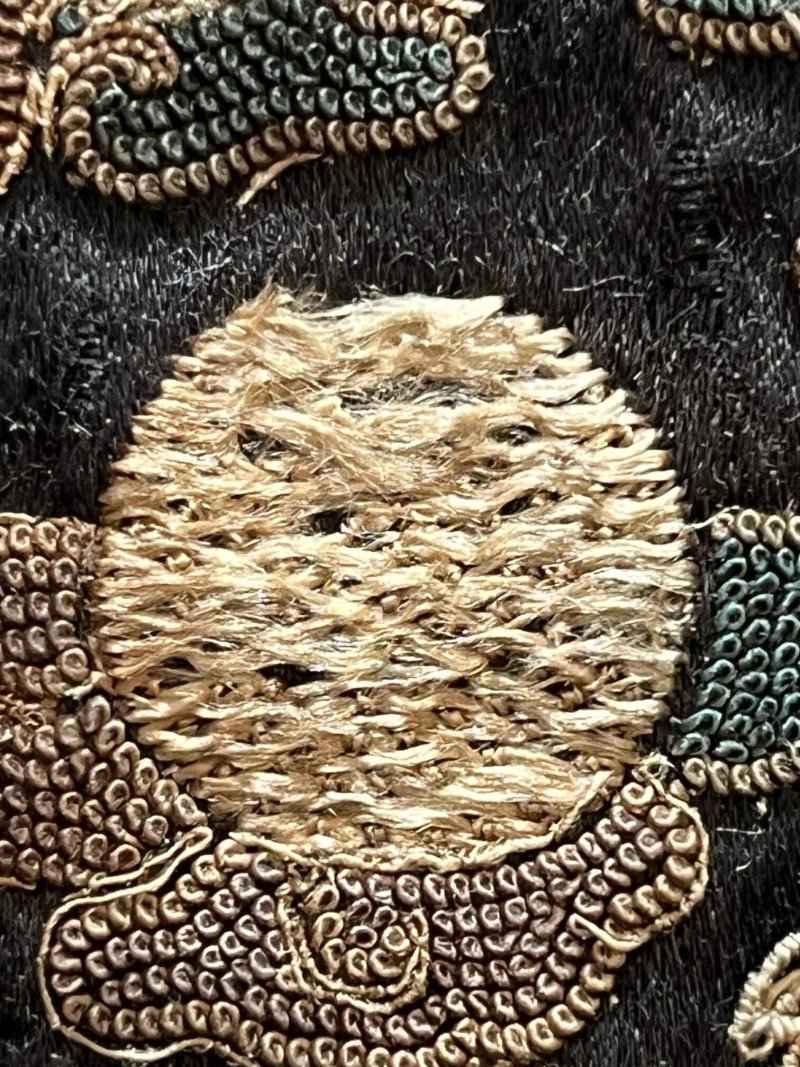
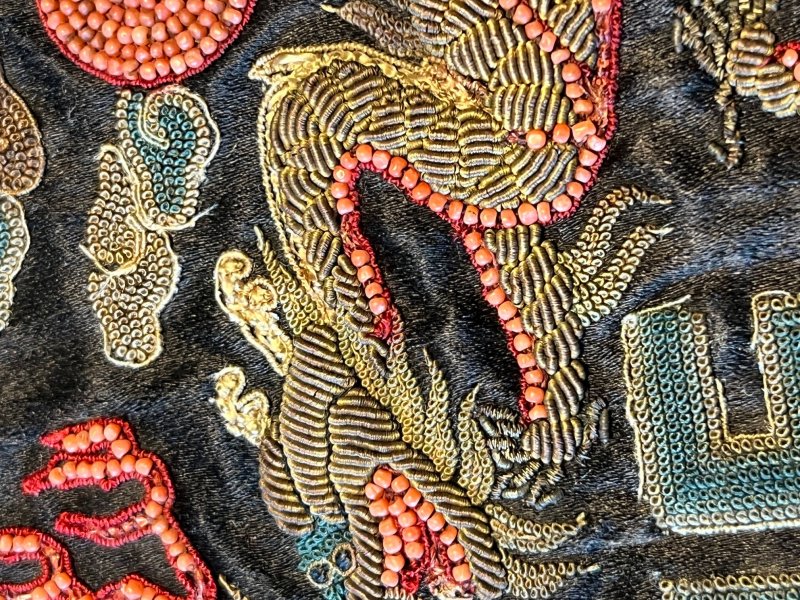
embroidered on a midnight blue satin with two confronted dragons in looped and couched metal threads, their outlines further accentuated with coral beads, flanking the fu symbol at the centre, above them the Sun in coral beads, the Moon, three stars in fluffed and couched wavy threads, and the flames, again in coral beads, at the sides the pair of ritual cups and the axe, below, the water weed, the grain, the pheasant and the mountains, all within a border of clouds of blue, purple, and beige, various symbols and motifs done in fine and neat Peking knots, approx. 21.6cm wide each (2).
Footnotes
約一九一四年 民國三年大總統祭服十二章繡團成對
General Yuan Shikai (1859 to 1916) became President of the newly established Republic of China, and he harboured ambitions to become Emperor. In an act that truly embodied that ambition, he planned and performed a sacrifice to Heaven on 23 December 1914. In Imperial China, the sacrifice to Heaven was the single most important act of kingship, for to perform it was in effect a public statement that one held the Mandate of Heaven.
From 1912 the new Republic had a code of formal dress modelled on Western morning and evening wear. When Yuan Shikai revived the state sacrifices in 1914, the Political Council resolved that worship required a dress of its own. The Minister of the Interior, Zhu Qiqian, convened a committee whose memorial argued that clothes for receiving people and clothes for serving the spirits should not be the same. It pointed to Japan, whose Shinto priests still wore robes derived from the Tang, as proof that a modern state could keep a separate ritual dress. The committee chose the (爵弁) cap of antiquity and the classical pairing of a dark upper garment and reddish skirt (玄衣纁裳), to be worn by all ranks from the head of state downwards. Yuan approved the proposal on 5 July 1914 and ordered it printed.
Thus were born (《祭祀冠服制》), not unlike the Illustrated Standards of Ritual Objects of the Imperial Dynasty (《皇朝禮器圖式》) issued by the Qianlong Emperor. The Regulations divided sacrificial dress into five grades, and above these stood an attire to be worn by one person only: the President of the Republic. Its robe bore twelve roundels, each containing all twelve symbols of sovereignty, which in imperial China only the Emperor had the right to bear in full.
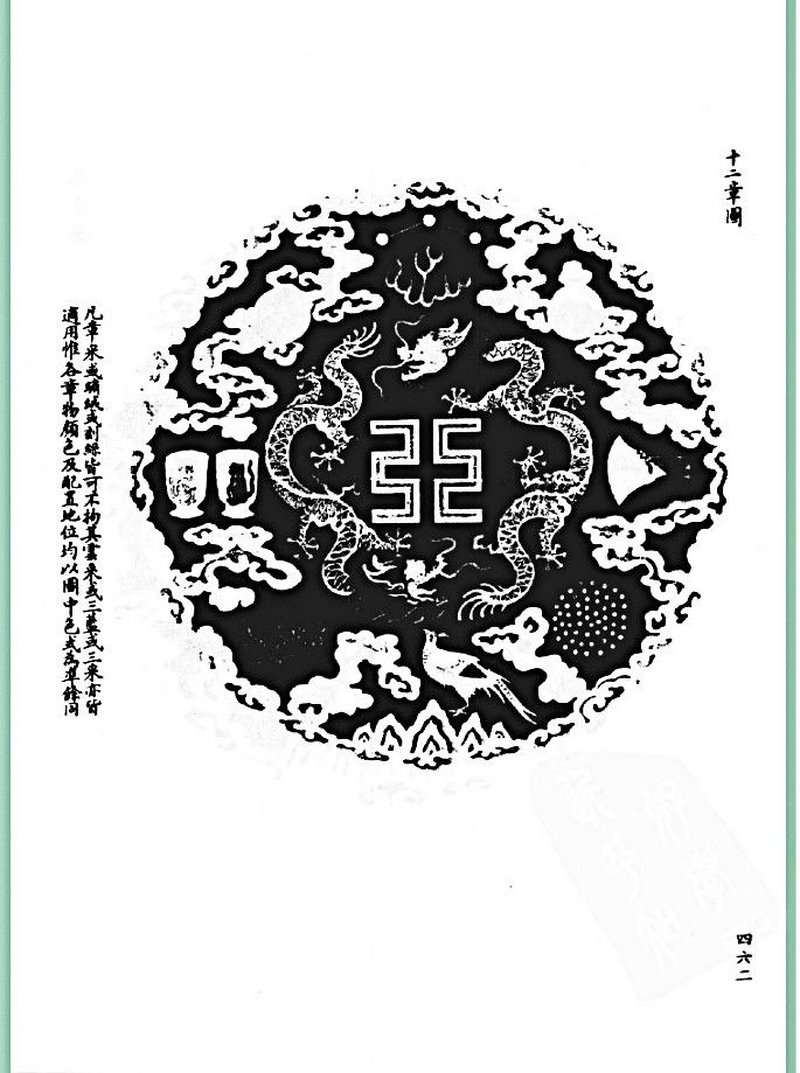
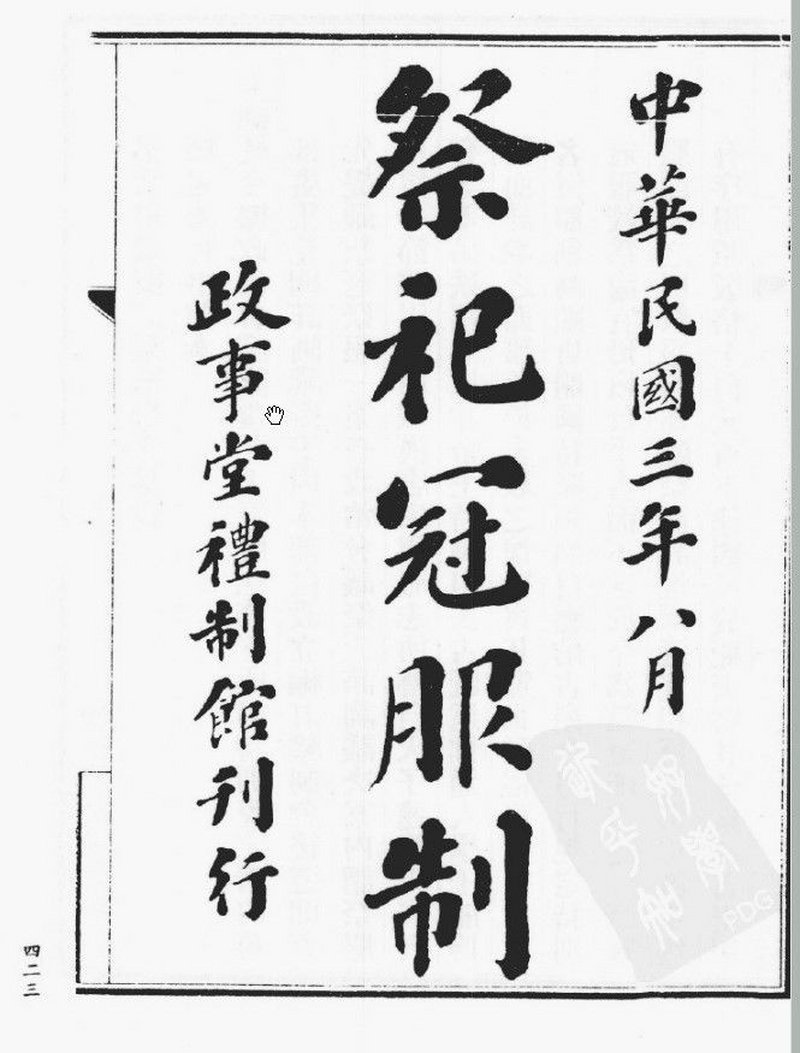
In earlier practice, the twelve symbols were divided between the upper and lower garments in a fixed sequence. The 1914 commentary notes that this order had already been changed since the Zhou, and proposes instead to gather all the symbols into one roundel (合其章為團), grading rank by the number of roundels. The solution kept the full imperial vocabulary for the head of state, while presenting it as a measured, classical hierarchy rather than a personal monopoly. The present roundels show the scheme exactly. Compare the current lot with a photocopy of the page from .
Yuan's sacrifice at the Temple of Heaven, held at the winter solstice, was the first since the fall of the Qing. Within a year he had declared himself Emperor, and after his death in June 1916 the state sacrifices lapsed. The presidential robe was therefore officially in use for barely two years.
Few objects capture so precisely the uneasy moment between empire and republic. The Regulations reserved this attire for one man alone, and it was worn for less than two years before the demise of Yuan. Very little of the ritual dress made for Yuan's sacrifice is known to survive, which makes the present pair rare physical witnesses to the ceremony at the Temple of Heaven. In them, the twelve symbols of imperial sovereignty reappear on the dress of a republican President, a vivid record of the ambition that would lead, within a year, to the Hongxian throne.
More rank badges of the same era, unlike the twelve-symbol roundels, are known naturally. A nine-symbol badge of the first rank officials is illustrated in , Linda Wrigglesworth, London, 1996, p.18, and another one of seven-symbol, see Bonhams, Sydney, 2 Apr 2025, .
袁世凱(1859年至1916年)出任新成立之中華民國大總統,並懷有稱帝之志。民國三年十二月二十三日(1914年12月23日),他籌劃並親行祀天大典,此舉正是其野心的具體體現。在帝制時代,祀天為帝王最重要的禮儀;能行此禮者,實即昭告天下其承受天命。
民國元年起,共和國頒行禮服制度,取法西式大禮服與常禮服。民國三年,袁世凱恢復國家祭祀,政治會議議決祭祀應另定專用之服。內務總長朱啓鈐召集議訂,其呈文指出,接人之服與事神之服不宜混同;並舉日本神官神職之服多採唐制為例,說明現代國家亦可另設祭服。議訂者採用古制爵弁為祭冠,並以玄衣纁裳為祭服,自元首以至士庶通用。此案於民國三年七月五日奉批核准,並交付刊印。
《祭祀冠服制》由此誕生,其性質與乾隆皇帝所頒之《皇朝禮器圖式》不無相似之處。《祭祀冠服制》將祭服分為五等,而凌駕其上者,乃僅供一人穿著之服,即中華民國大總統之祭服。其衣繡十二團,每團皆具十二章;帝制時代,唯皇帝得兼用十二章。
古制十二章分繡於衣裳,各有定序。民國三年之說明書指出,周時已變更其序,故改為「合其章為團」,並以團數之多寡區分等級。此法既為元首保留完整的帝王章紋,又將之呈現為有度、合乎古禮的等級秩序,而非一人獨享之專權。
此對繡團正可印證其制。深藍緞地上,以盤金繡成雙龍相對,並以珊瑚珠勾勒,拱衛居中之黻紋。上方為珊瑚珠綴成之日,以及月、三星及火;兩側為宗彝及黼;下方為藻、粉米、華蟲及山,四周環以雲紋。請將本拍品與《祭祀冠服制》相關頁面之影印本比對。
民國三年冬至,即1914年12月23日,袁世凱於天壇祀天,為清亡以來首次。不及一年,袁氏即稱帝;民國五年六月袁氏逝世,國家祭祀隨之中輟,大總統祭服實際使用因而不過兩年。每件上衣本有十二團,此對當出自其中一件。
鮮有器物能如此精準地呈現帝制與共和交替之際的微妙時刻。《祭祀冠服制》規定此服僅大總統一人得用,而使用不過兩年,國家祭祀即告中輟。袁世凱祀天所製之祭服,存世者寥寥,此對繡團因而成為天壇祀天大典罕見的實物見證。帝王十二章重現於共和國大總統之祭服,生動記錄了不及一年後終致洪憲稱帝的政治野心。
同時期的其他官階補子傳世較多,自然較為人知。一品官員所用九章紋補子一例,著錄於 Linda Wrigglesworth,,倫敦,1996年,頁18;另一七章紋例子,見邦瀚斯悉尼2025年4月2日拍賣,。
embroidered on a midnight blue satin with two confronted dragons in looped and couched metal threads, their outlines further accentuated with coral beads, flanking the fu symbol at the centre, above them the Sun in coral beads, the Moon, three stars in fluffed and couched wavy threads, and the flames, again in coral beads, at the sides the pair of ritual cups and the axe, below, the water weed, the grain, the pheasant and the mountains, all within a border of clouds of blue, purple, and beige, various symbols and motifs done in fine and neat Peking knots, approx. 21.6cm wide each (2).
Footnotes
約一九一四年 民國三年大總統祭服十二章繡團成對
General Yuan Shikai (1859 to 1916) became President of the newly established Republic of China, and he harboured ambitions to become Emperor. In an act that truly embodied that ambition, he planned and performed a sacrifice to Heaven on 23 December 1914. In Imperial China, the sacrifice to Heaven was the single most important act of kingship, for to perform it was in effect a public statement that one held the Mandate of Heaven.
From 1912 the new Republic had a code of formal dress modelled on Western morning and evening wear. When Yuan Shikai revived the state sacrifices in 1914, the Political Council resolved that worship required a dress of its own. The Minister of the Interior, Zhu Qiqian, convened a committee whose memorial argued that clothes for receiving people and clothes for serving the spirits should not be the same. It pointed to Japan, whose Shinto priests still wore robes derived from the Tang, as proof that a modern state could keep a separate ritual dress. The committee chose the (爵弁) cap of antiquity and the classical pairing of a dark upper garment and reddish skirt (玄衣纁裳), to be worn by all ranks from the head of state downwards. Yuan approved the proposal on 5 July 1914 and ordered it printed.
Thus were born (《祭祀冠服制》), not unlike the Illustrated Standards of Ritual Objects of the Imperial Dynasty (《皇朝禮器圖式》) issued by the Qianlong Emperor. The Regulations divided sacrificial dress into five grades, and above these stood an attire to be worn by one person only: the President of the Republic. Its robe bore twelve roundels, each containing all twelve symbols of sovereignty, which in imperial China only the Emperor had the right to bear in full.
In earlier practice, the twelve symbols were divided between the upper and lower garments in a fixed sequence. The 1914 commentary notes that this order had already been changed since the Zhou, and proposes instead to gather all the symbols into one roundel (合其章為團), grading rank by the number of roundels. The solution kept the full imperial vocabulary for the head of state, while presenting it as a measured, classical hierarchy rather than a personal monopoly. The present roundels show the scheme exactly. Compare the current lot with a photocopy of the page from .
Yuan's sacrifice at the Temple of Heaven, held at the winter solstice, was the first since the fall of the Qing. Within a year he had declared himself Emperor, and after his death in June 1916 the state sacrifices lapsed. The presidential robe was therefore officially in use for barely two years.
Few objects capture so precisely the uneasy moment between empire and republic. The Regulations reserved this attire for one man alone, and it was worn for less than two years before the demise of Yuan. Very little of the ritual dress made for Yuan's sacrifice is known to survive, which makes the present pair rare physical witnesses to the ceremony at the Temple of Heaven. In them, the twelve symbols of imperial sovereignty reappear on the dress of a republican President, a vivid record of the ambition that would lead, within a year, to the Hongxian throne.
More rank badges of the same era, unlike the twelve-symbol roundels, are known naturally. A nine-symbol badge of the first rank officials is illustrated in , Linda Wrigglesworth, London, 1996, p.18, and another one of seven-symbol, see Bonhams, Sydney, 2 Apr 2025, .
袁世凱(1859年至1916年)出任新成立之中華民國大總統,並懷有稱帝之志。民國三年十二月二十三日(1914年12月23日),他籌劃並親行祀天大典,此舉正是其野心的具體體現。在帝制時代,祀天為帝王最重要的禮儀;能行此禮者,實即昭告天下其承受天命。
民國元年起,共和國頒行禮服制度,取法西式大禮服與常禮服。民國三年,袁世凱恢復國家祭祀,政治會議議決祭祀應另定專用之服。內務總長朱啓鈐召集議訂,其呈文指出,接人之服與事神之服不宜混同;並舉日本神官神職之服多採唐制為例,說明現代國家亦可另設祭服。議訂者採用古制爵弁為祭冠,並以玄衣纁裳為祭服,自元首以至士庶通用。此案於民國三年七月五日奉批核准,並交付刊印。
《祭祀冠服制》由此誕生,其性質與乾隆皇帝所頒之《皇朝禮器圖式》不無相似之處。《祭祀冠服制》將祭服分為五等,而凌駕其上者,乃僅供一人穿著之服,即中華民國大總統之祭服。其衣繡十二團,每團皆具十二章;帝制時代,唯皇帝得兼用十二章。
古制十二章分繡於衣裳,各有定序。民國三年之說明書指出,周時已變更其序,故改為「合其章為團」,並以團數之多寡區分等級。此法既為元首保留完整的帝王章紋,又將之呈現為有度、合乎古禮的等級秩序,而非一人獨享之專權。
此對繡團正可印證其制。深藍緞地上,以盤金繡成雙龍相對,並以珊瑚珠勾勒,拱衛居中之黻紋。上方為珊瑚珠綴成之日,以及月、三星及火;兩側為宗彝及黼;下方為藻、粉米、華蟲及山,四周環以雲紋。請將本拍品與《祭祀冠服制》相關頁面之影印本比對。
民國三年冬至,即1914年12月23日,袁世凱於天壇祀天,為清亡以來首次。不及一年,袁氏即稱帝;民國五年六月袁氏逝世,國家祭祀隨之中輟,大總統祭服實際使用因而不過兩年。每件上衣本有十二團,此對當出自其中一件。
鮮有器物能如此精準地呈現帝制與共和交替之際的微妙時刻。《祭祀冠服制》規定此服僅大總統一人得用,而使用不過兩年,國家祭祀即告中輟。袁世凱祀天所製之祭服,存世者寥寥,此對繡團因而成為天壇祀天大典罕見的實物見證。帝王十二章重現於共和國大總統之祭服,生動記錄了不及一年後終致洪憲稱帝的政治野心。
同時期的其他官階補子傳世較多,自然較為人知。一品官員所用九章紋補子一例,著錄於 Linda Wrigglesworth,,倫敦,1996年,頁18;另一七章紋例子,見邦瀚斯悉尼2025年4月2日拍賣,。
常见问题
这件約一九一四年 民國三年大總統祭服十二章繡團成對 | A PAIR OF MIDNIGHT-BLUE-GROUND EMBROIDERED PRESIDENT'S ROUNDELS WITH TWELVE SYMBOLS OF SOVEREIGNTY的成交价是多少?
落槌价为 预展中。 成交价为 预展中。


