
拍品信息
拍品名称
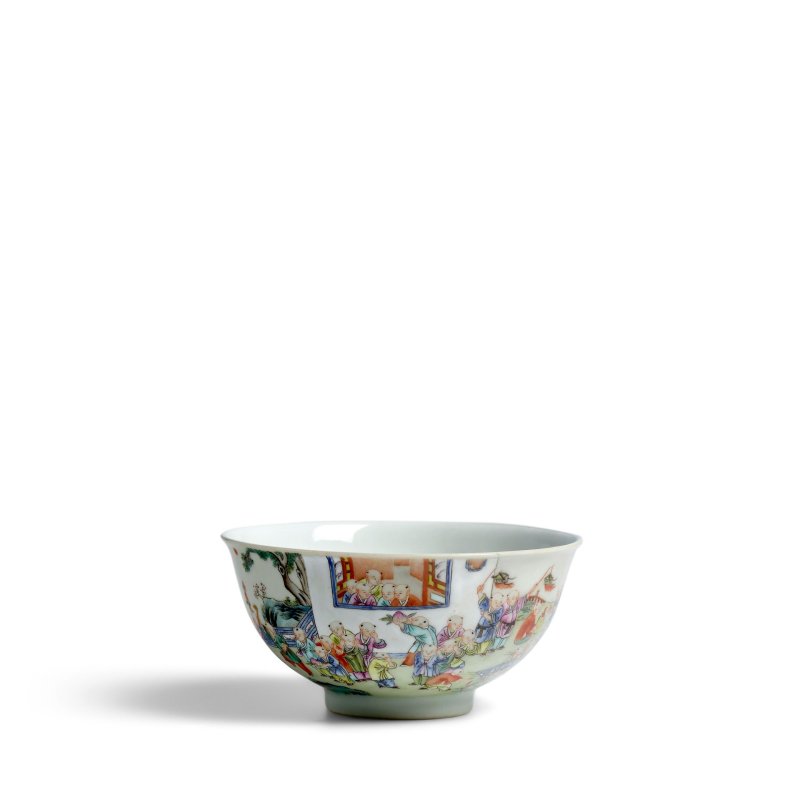
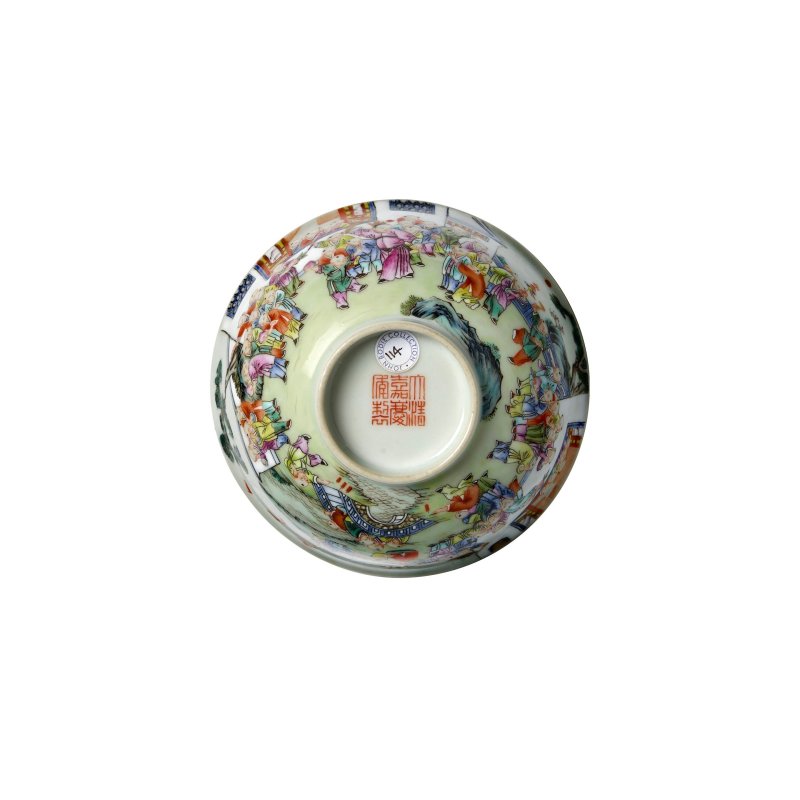
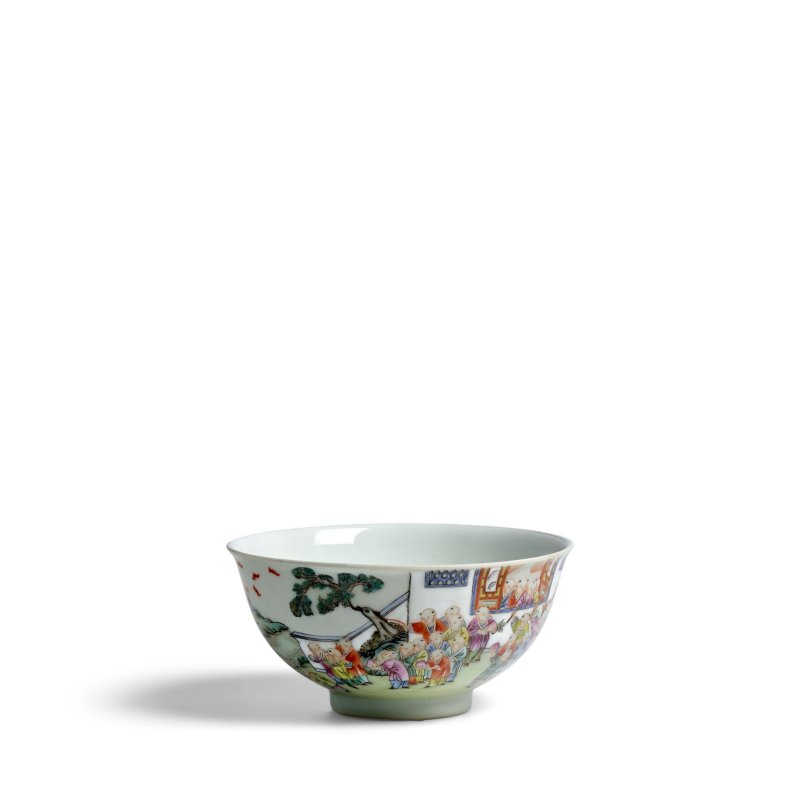
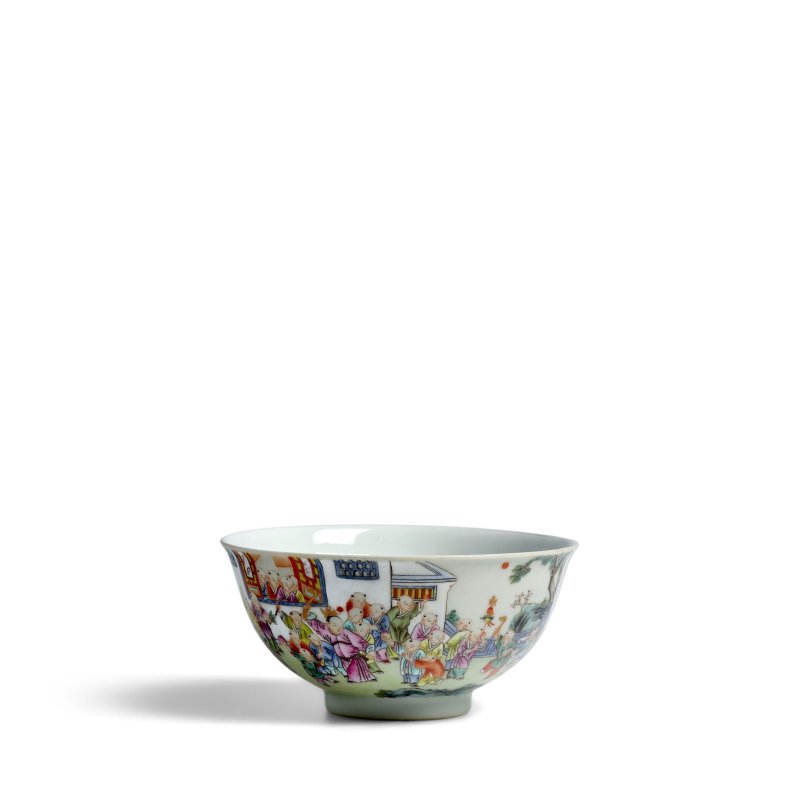
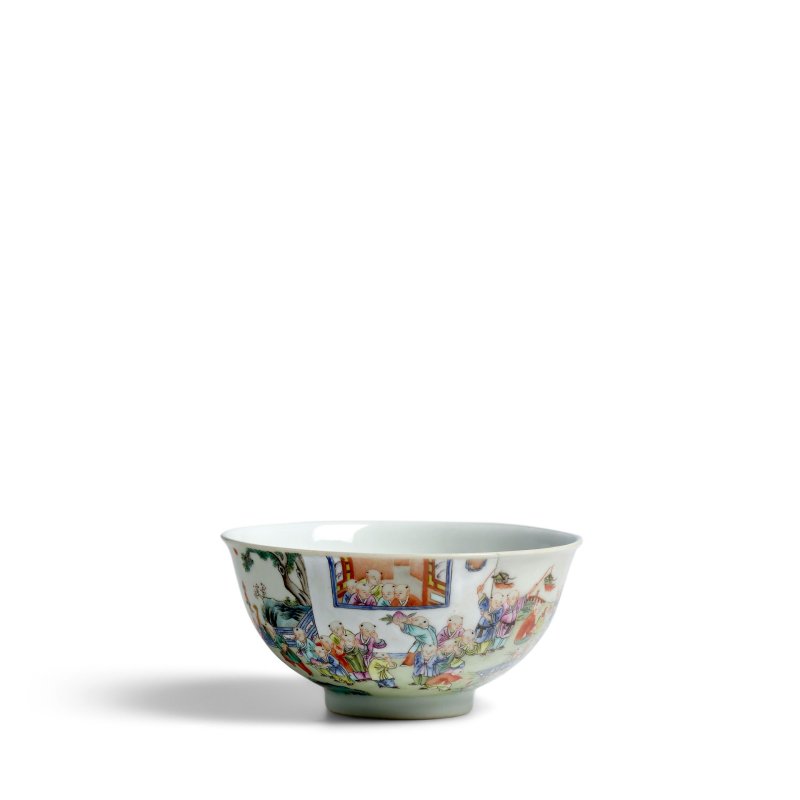
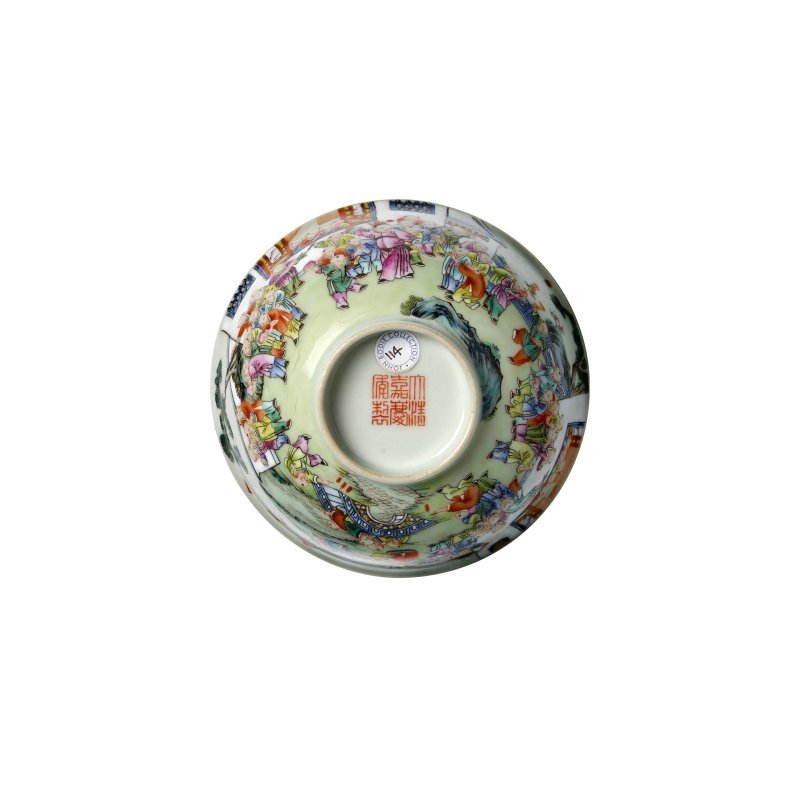
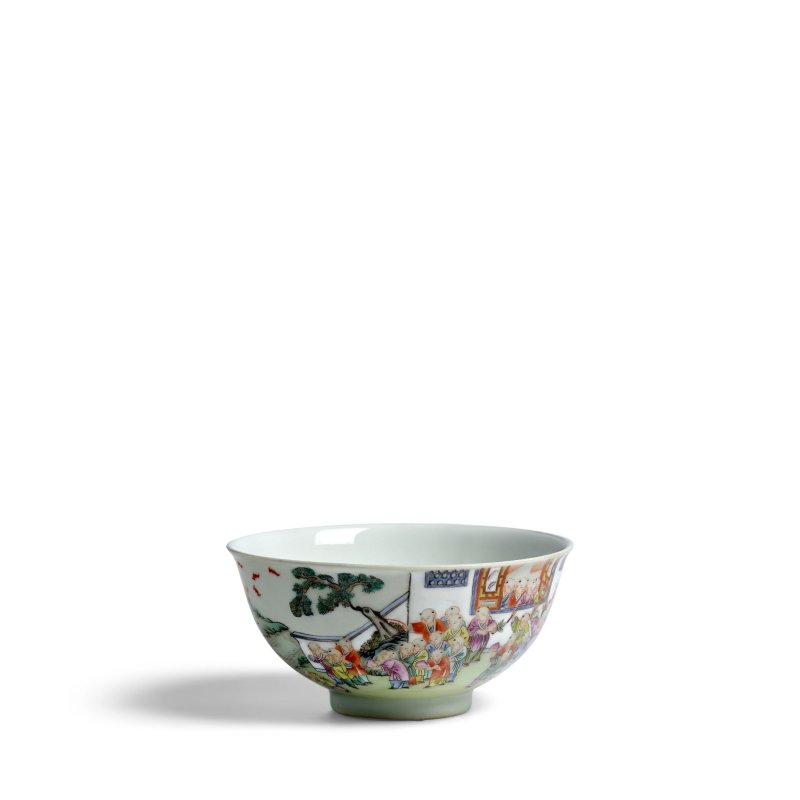
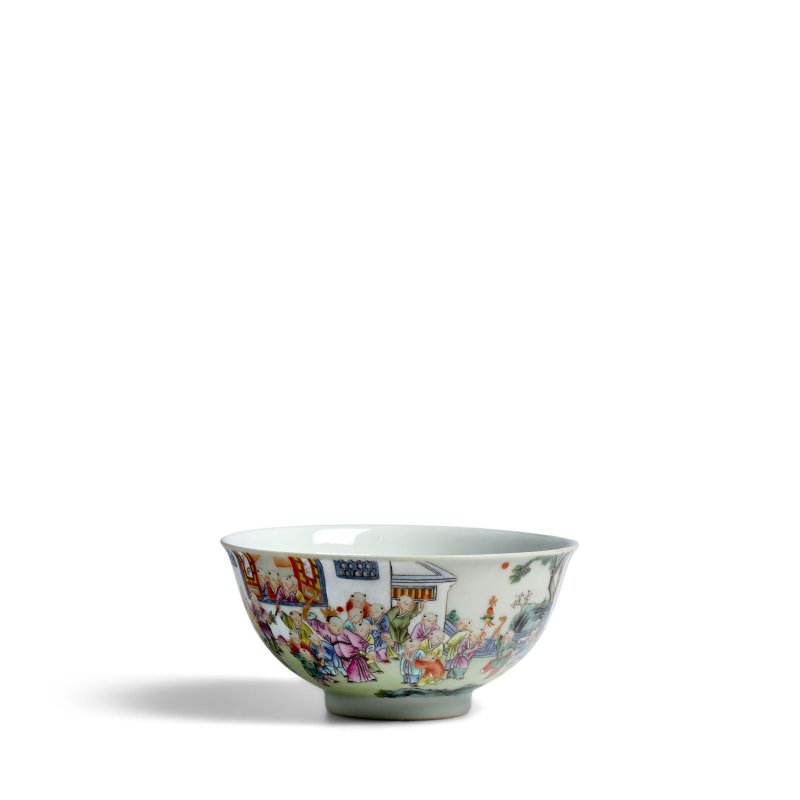
清嘉慶 「大清嘉慶年製」 紅款 粉彩百子圖碗 | A FAMILLE-ROSE 'HUNDRED BOYS' BOWL
年代
Jiaqing six-character iron-red mark and of the period
起拍价
USD 4,000
估值区间
未知
尺寸
未知
品相
未知
更多信息
Jiaqing six-character iron-red mark and of the period
Finely enameled around the exterior of the deep U-shaped bowl with a continuous scene of boys at play, dressed in brightly colored clothes and variously singing, dancing and lighting fire-crackers, all within a rocky garden landscape with pavilion, stream and bridge.
4 1/2in (11.6cm) diam
Footnotes
清嘉慶 「大清嘉慶年製」 紅款 粉彩百子圖碗
Provenance:
Japanese Private Collection
Sotheby's London, 9 November 2016, lot 171
John E. Bodie OBE (1930-2023), London, collection no. 114
Bonhams London, 16 May 2024, lot 52
來源:
日本私人收藏
倫敦蘇富比,2016 年 11 月 9 日,拍品編號 171
大英帝國官佐勳章獲勳人 John E. Bodie(1930-2023),倫敦,藏品編號 114
倫敦邦瀚斯,2024 年 5 月 16 日,拍品編號 52
The present lot is remarkable for its vibrant and intricate portrayal of boys immersed in various games. The theme of 'hundred boys at play' was widely embraced in the decorative arts of the Ming and Qing dynasties. It originates from King Wen of the Zhou dynasty, who according to legend had ninety-nine sons and adopted one more to reach one hundred. The boys depicted engage in activities rich with symbolism: for instance, the first character of 'lantern' is a homophone for 'bumper harvest' (fengdeng), symbolizing peace, while boys carrying peaches and playing with bats represent longevity.
A related famille-rose bowl, Jiaqing mark and period, is illustrated in , vol.II, Tokyo, 1981, pl. 101. See a very similar famille-rose 'hundred boys' bowl, Jiaqing seal mark and of the period, which was sold at Sotheby's New York, 21 September 2022, lot 389.
Finely enameled around the exterior of the deep U-shaped bowl with a continuous scene of boys at play, dressed in brightly colored clothes and variously singing, dancing and lighting fire-crackers, all within a rocky garden landscape with pavilion, stream and bridge.
4 1/2in (11.6cm) diam
Footnotes
清嘉慶 「大清嘉慶年製」 紅款 粉彩百子圖碗
Provenance:
Japanese Private Collection
Sotheby's London, 9 November 2016, lot 171
John E. Bodie OBE (1930-2023), London, collection no. 114
Bonhams London, 16 May 2024, lot 52
來源:
日本私人收藏
倫敦蘇富比,2016 年 11 月 9 日,拍品編號 171
大英帝國官佐勳章獲勳人 John E. Bodie(1930-2023),倫敦,藏品編號 114
倫敦邦瀚斯,2024 年 5 月 16 日,拍品編號 52
The present lot is remarkable for its vibrant and intricate portrayal of boys immersed in various games. The theme of 'hundred boys at play' was widely embraced in the decorative arts of the Ming and Qing dynasties. It originates from King Wen of the Zhou dynasty, who according to legend had ninety-nine sons and adopted one more to reach one hundred. The boys depicted engage in activities rich with symbolism: for instance, the first character of 'lantern' is a homophone for 'bumper harvest' (fengdeng), symbolizing peace, while boys carrying peaches and playing with bats represent longevity.
A related famille-rose bowl, Jiaqing mark and period, is illustrated in , vol.II, Tokyo, 1981, pl. 101. See a very similar famille-rose 'hundred boys' bowl, Jiaqing seal mark and of the period, which was sold at Sotheby's New York, 21 September 2022, lot 389.